Leather Couch Stain Removal: Expert Tips 2026


That sinking feeling hits fast. A glass tips, a little sauce slides off a plate, or a pen makes its way across the seat cushion, and suddenly the leather couch that anchors the whole room feels like it's in trouble. The good news is that leather couch stain removal is usually more about calm, quick action than panic, and with the right touch, many stains can be handled without making the problem worse.
At BILTRITE Furniture in Greenfield, we've spent generations helping Milwaukee families care for furniture that's meant to last. Since 1928, our family has watched leather go through everyday life, kids, pets, holiday dinners, game nights, and all the little messes in between. Quality leather, especially well-made USA and Amish-made pieces, deserves gentle care that protects the finish instead of stripping it down.
Oh No That Spill on Your Beautiful Leather Couch
A holiday crowd is still laughing, somebody reaches too far for a drink, and a dark splash lands on the sofa. The room goes quiet for a second, then everybody leans in with the same worried look. That's usually the moment people want a miracle fix, but leather asks for something simpler, a steady hand and the right first move.

For families who've invested in a solid sofa, this isn't just about wiping away a mark. It's about preserving the piece that holds naps, conversations, and half the living room. That's the kind of furniture we've worked with for decades at BILTRITE, and the same careful mindset applies whether the couch is a favorite everyday seat or a handcrafted heirloom.
Practical rule: the faster a spill gets blotted, the better the odds of keeping it from sinking deeper into the leather.
The best part is that most fresh stains don't need harsh treatment. Leather couch stain removal starts with protecting the surface, not attacking it. For shoppers who like to keep a small care kit nearby, our leather furniture wipes can be part of a gentle maintenance routine, but the first response still matters most.
What to Do in the First Five Minutes
The first five minutes after a spill determine whether you can save your leather couch or make permanent damage. Leather does not forgive rubbing, and it rarely rewards panic. The safest response is direct. Blot immediately with a clean, dry cloth and never rub, because rubbing can spread the stain and drive liquid deeper into the leather.
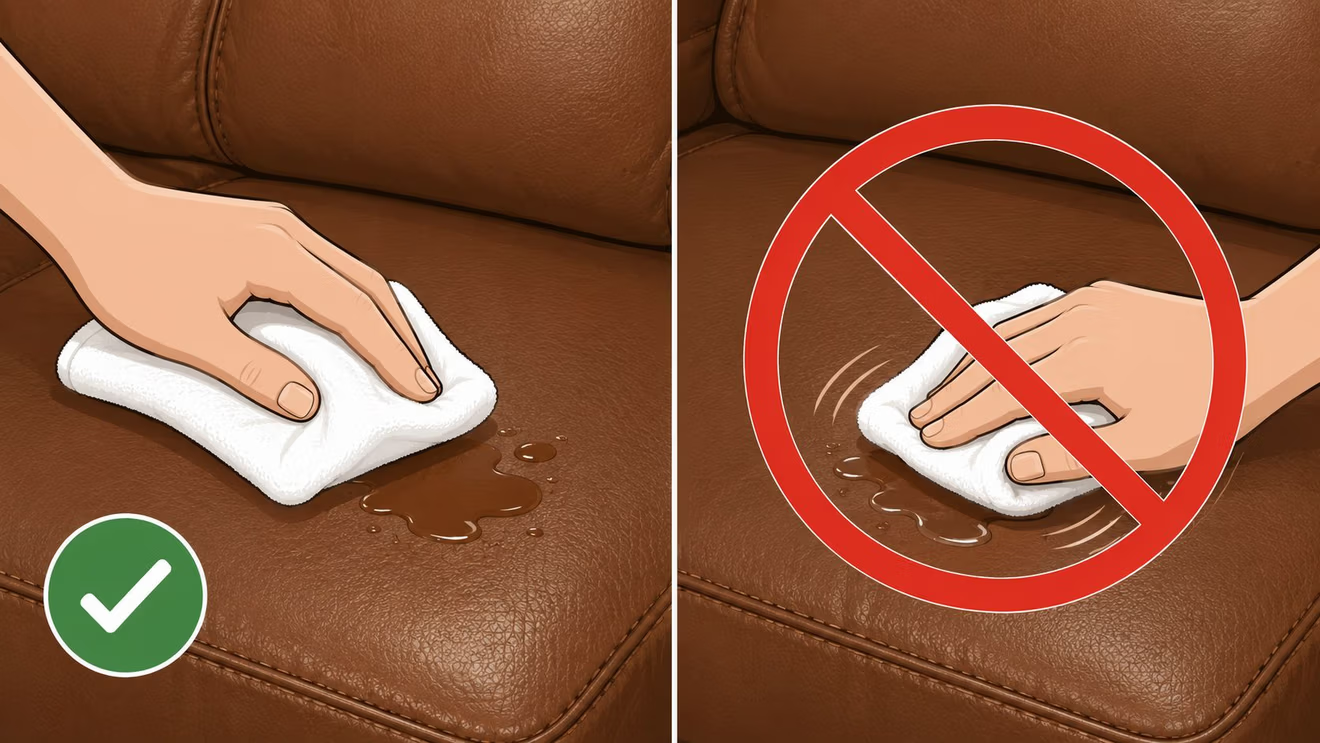
The right first response
A white microfiber cloth or another clean, dry cloth works well because it absorbs moisture without scratching the finish. Press it into the spill, lift it away, and repeat with fresh sections of the cloth until the area stops transferring liquid.
Press straight down, lift straight up, and let the cloth do the work.
Keep the motion light if the spill is still fresh. The goal is to control the damage, not scrub the surface clean. On quality furniture, especially well-made USA and Amish pieces that are meant to last, that calm first move protects the finish and the long life of the piece.
What not to do
Skip paper towels that shed, rough sponges, and hard brushing. Do not dump on a lot of water, and do not start mixing cleaners before the spill has even been absorbed. A simple, low-drama care kit is the better approach, and our natural leather care guide fits that kind of practical routine.
Once the liquid is under control, stop and look at the stain before you treat it further. Leather couch stain removal works best when the first response protects the finish instead of pushing the problem deeper into the grain.
How to Tackle Different Types of Stains
Not every stain behaves the same way, and that is where a lot of leather damage starts. Grease spreads differently from ink, and an oil spot needs a different approach than a water mark. The safest plan is to match the treatment to the stain type, keep moisture minimal, and test in a hidden spot first.
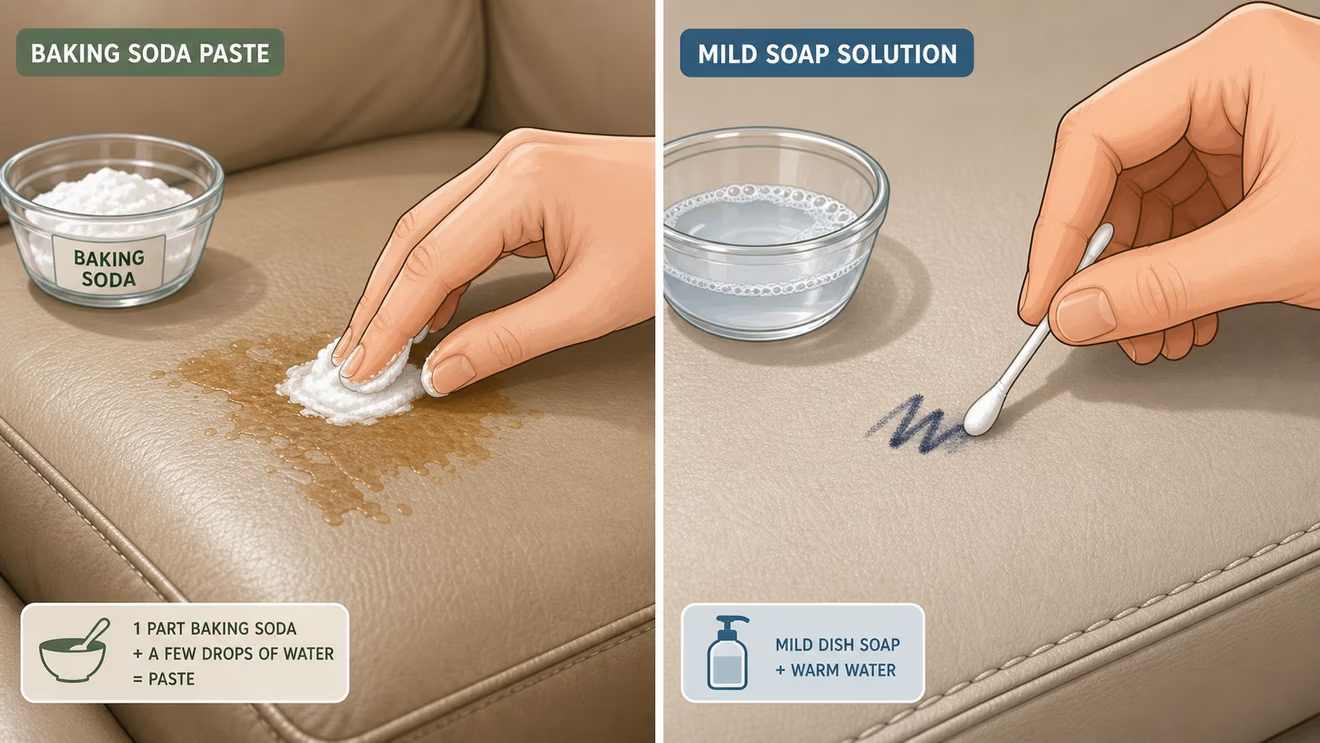
Oil and grease
For oil-based stains, an absorbent powder such as baking soda, cornstarch, or talcum powder can help draw residue out of the leather. Let it sit for hours, or overnight if the mark is stubborn, then vacuum or brush it away with a soft touch. That gives the powder time to lift what it can instead of pushing the stain deeper into the finish.
A light dusting is enough. Heavy scrubbing just grinds oily residue deeper. After the powder comes off, check the spot before adding anything else. On leather with a more open or natural finish, that slow, careful approach matters even more, which is why our top grain and full grain leather comparison can help you judge how much handling the surface can take.
Ink
Ink takes patience. A small amount of rubbing alcohol or isopropyl alcohol on a cotton ball or soft cloth is usually the farthest I would go for spot treatment, and it should be used with a light dab, not a soak. Wipe away the residue right after, then condition the area if the leather needs it.
Keep the contact brief and controlled. A hard soak is too risky, and a lot of rubbing can spread the mark instead of lifting it. Alcohol can also discolor leather if it sits too long, so this is one of those jobs where restraint protects the piece better than force.
Water marks and everyday smudges
Water-based marks often look worse when the leather dries unevenly. A gentle, even wipe with a barely damp cloth can help the panel dry more uniformly, but the key is restraint. For small pet or kid messes, the safest pattern stays the same. Blot first, test second, and keep the finish intact.
BILTRITE's own leather-care guidance on top grain and full grain leather helps shoppers understand why some finishes tolerate light cleaning better than others, and that matters when choosing how aggressive to be with a stain treatment. The more protective the finish, the more quickly a gentle response can pay off.
Gentle Cleaners and Simple Tools
The best leather cleaning routine usually starts with the least dramatic option. A dry microfiber cloth, a soft brush, a little mild soap, and a pH-balanced leather cleaner can handle a lot without stripping the surface. Harsh solvents may seem stronger, but stronger isn't the same as safer.
DIY cleaning or a dedicated leather cleaner
A simple soap-and-water approach can work for routine spot cleaning if it stays mild and the cloth is only damp, not wet. That's useful for everyday smudges and light residue. A pH-balanced leather cleaner is often the better choice when the leather needs a cleaner designed to respect the finish instead of just cutting through dirt.
What matters most: remove the stain without changing the feel or color of the leather.
The trade-off is straightforward. DIY cleaning is convenient, but it demands restraint. A purpose-made leather cleaner can offer more control, especially on finished surfaces, as long as the product is meant for leather and used sparingly.
For households that want a local place to talk through those choices, BILTRITE Furniture-Leather-Mattresses carries furniture and care guidance in one showroom, which makes it easier to match a cleaner to the type of leather on the floor sample or the sofa at home. Our how-to care for leather furniture guide reflects the same basic principle, start gentle and protect the finish.
What to avoid
Skip bleach, ammonia, and other aggressive household chemicals. They can do more damage to the leather's finish than the original stain. The goal is not a dramatic cleanup. The goal is a surface that still looks and feels like leather after the stain is gone.
Keeping Your Leather Couch Beautiful for Years
A leather couch stays attractive longer when maintenance is routine, not reactive. That means dusting before grit builds up, wiping lightly before body oils collect, and conditioning before the surface starts looking dry. One consumer guide recommends light dusting biweekly and deeper cleaning monthly, and another recommends letting a cleaned sofa air-dry for 24 to 48 hours before reuse or conditioning, according to Bissell's leather couch care guide.
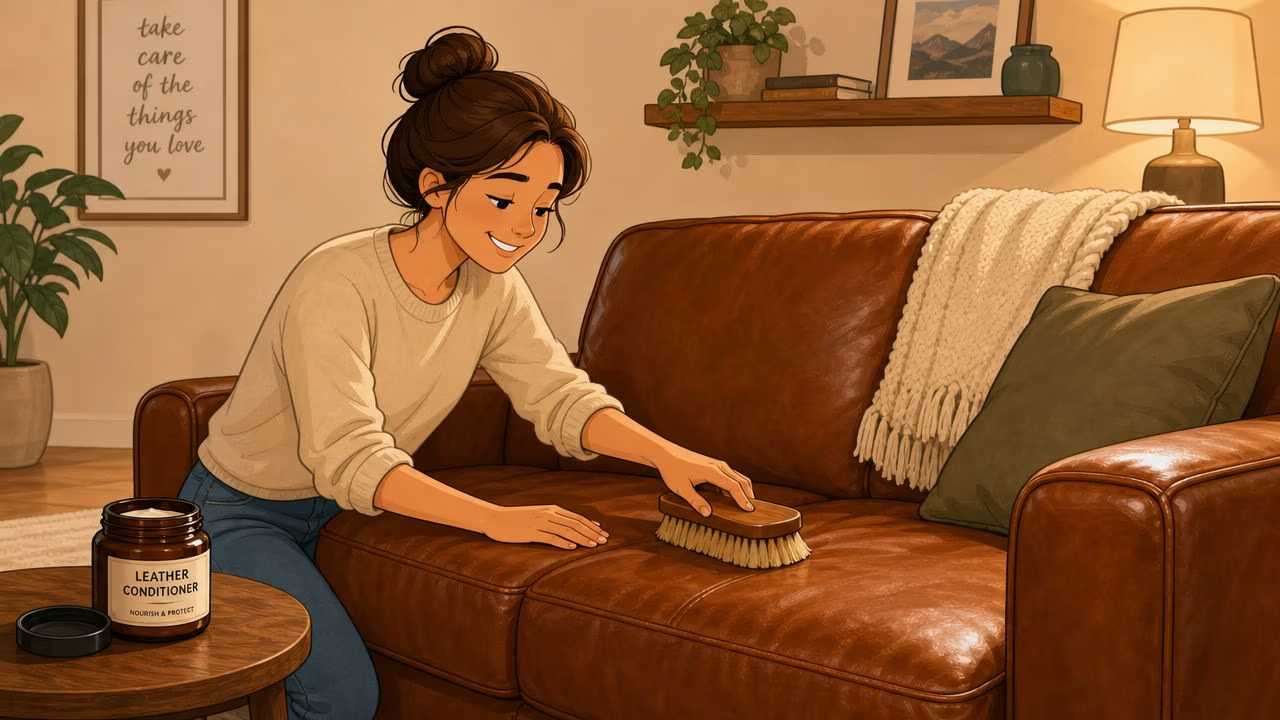
A simple rhythm that protects the finish
A dry microfiber cloth or soft brush handles dust without grinding it into the surface. Then a barely damp cloth with a small amount of mild soap or leather cleaner handles the spots that need more attention. After that, dry the area fully and give it time before conditioning or heavy use.
That routine matters because grit is what scratches a finish over time. On better-quality furniture, especially USA-made and Amish-made pieces that are built to last, staying ahead of dust and oils helps preserve the look the frame and upholstery were made to keep.
Conditioning still matters
Leather care is not just about cleaning away stains. It's also about keeping the surface supple so it doesn't dry out and wear unevenly. That's why a regular wipe-down routine is worth more than occasional aggressive cleaning.
Small habits protect expensive finishes better than one big rescue job.
For Milwaukee families furnishing a home one lasting piece at a time, that kind of care lines up with the whole idea of buying well once and using a sofa for years. It's also why our showroom carries furniture meant for real life, from smaller-scale pieces for tighter rooms to heavier-duty seating that's ready for busy households.
Knowing When a Stain Needs a Professional
Some stains are too old, too set, or too risky to tackle at home. If the finish is already damaged, the color has changed, or the stain has spread into a large area, a cautious DIY attempt can make the repair harder. That's the point where a professional leather repair specialist makes more sense than another round of home treatment.
The same caution applies when the leather itself is delicate or when the stain type is uncertain. Ink that's been sitting for a while, oil that has soaked in thoroughly, or a surface that feels sticky or brittle all deserve a slower, more careful decision. If there's any doubt, stop before the problem grows.
For people who want a local, no-pressure conversation about leather quality and long-term care, our best leather furniture restorer guide is a useful place to start, and a visit to our Greenfield showroom can help you compare finishes in person. We're a fourth-generation family business, we're proud to stay closed on Sundays and Mondays for family time, and we'd rather help you make a steady choice than a rushed one.
Come on down to our showroom and see how BILTRITE Furniture-Leather-Mattresses helps Milwaukee families choose furniture that's built for real living, from leather seating to solid wood pieces and supportive mattresses. If you're ready to talk stain care, furniture care, or your next lasting piece, visit BILTRITE Furniture-Leather-Mattresses in Greenfield and let our family help yours.