Find the Best Leather Furniture Restorer


A lot of Milwaukee homes have one piece like this. A leather chair that fit the family room from day one. A sofa that carried years of movie nights, naps, dog scratches, and one too many snacks balanced on the arm. The shape still feels familiar. The seat still feels like home. But the leather itself looks tired.
That's where the challenge lies. Owners don't want to toss a piece with memories attached to it, but they also don't want to waste time and money rubbing miracle cream into leather that's already past saving. The best leather furniture restorer isn't always a bottle, and it isn't always a person. Sometimes it's a clear decision.
That decision starts with honesty. Some leather furniture needs cleaning and conditioning. Some needs repair and recoloring. Some needs a skilled restoration pro. And some pieces are done.
Table of Contents
- That Favorite Leather Chair Has Seen Better Days
- First Assess Your Leather's Condition
- The DIY Path To Leather Restoration
- Hiring a Restoration Pro in Metro Milwaukee
- Knowing When It Is Time for a New Beginning
- Keeping Your Leather Looking Great for Years
That Favorite Leather Chair Has Seen Better Days
A worn leather chair usually tells its story fast. The headrest has gone dull. The seat cushion shows body oil and daily use. One arm has a web of scratches from a pet that never got the memo. The family still loves the chair, but nobody loves looking at it anymore.
That's a normal moment in a furniture life cycle. Leather doesn't usually fail all at once. It declines in layers. First it looks dry. Then the color gets uneven. Then the surface starts to show scratches, stiffness, or light cracking. Homeowners often start hunting for the best leather furniture restorer right around then, and that instinct makes sense. Good leather is worth trying to save.
Some pieces absolutely deserve the effort. A solid older chair with minor wear can often come back nicely with proper cleaning, color work, and conditioning. A tired sofa with surface damage may still have plenty of life left if the leather and frame are sound. A peeling piece is a different story, and that's where a helpful first stop is this guide on why a leather couch starts peeling.
Why people get this wrong
Most bad restoration decisions come from one of two mistakes.
- Mistake one is treating every leather problem like a moisture problem. Not every faded, rough, or damaged surface needs conditioner.
- Mistake two is assuming all visible damage means the piece is ruined. That's not true either.
Practical rule: The right fix depends on whether the leather is dry, worn, damaged on the surface, or failing at the material level.
That's the whole point of a smart restoration decision. A beloved chair shouldn't be replaced just because it looks tired. But it also shouldn't get one more desperate round of treatment if the leather has already broken down beyond repair.
First Assess Your Leather's Condition
Before any product gets opened, the furniture needs a real inspection. Good light matters. A quick glance from across the room won't do it. Hands matter too. Leather tells the truth when someone touches it. It can feel dry, smooth, brittle, sticky, papery, or loose long before the eye fully catches up.
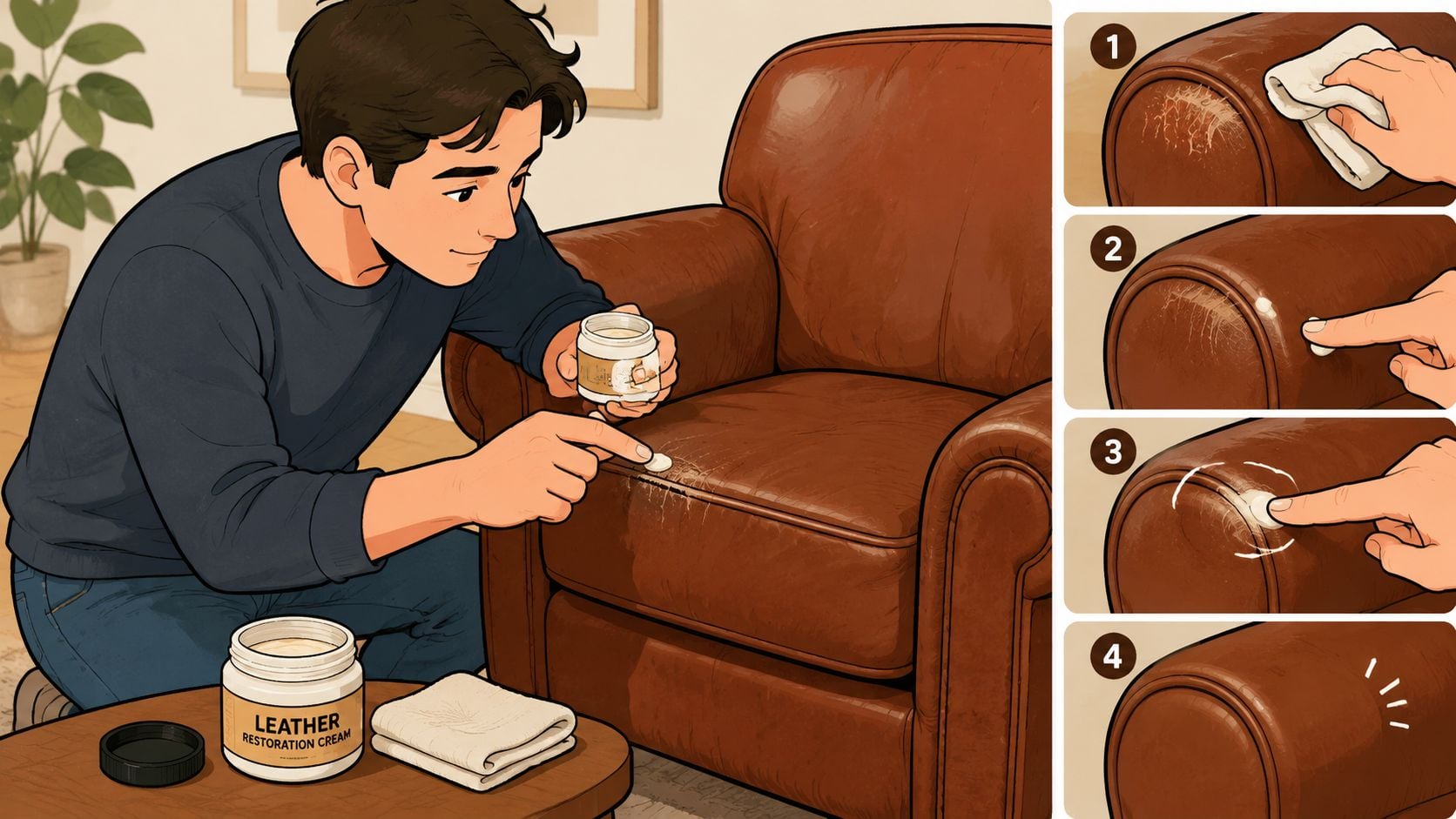
The key question is simple. Is the leather still structurally sound? Guidance on leather restoration draws a hard line here. Restoration makes sense for leather that's still sound, but extensive flaking or severe cracking usually means the topcoat or substrate has failed, which makes restoration a poor investment, as explained in this leather cleaner and couch restoration guide.
That's why the best leather furniture restorer is often a diagnosis, not a product.
The BILTRITE Litmus Test
A homeowner can sort most leather furniture into three buckets.
- Restore it if the leather has light dirt, minor scratches, mild fading, or isolated marks but still feels intact.
- Recolor or professionally repair it if the surface is worn through in spots, the color is uneven, or there are small tears or scuffs that need more than a wipe-down.
- Replace it if the surface is flaking off, the leather feels brittle, or the furniture has structural problems underneath.
One more check matters. Figure out what kind of leather is on the piece. Materials behave differently, and expectations should change with them. This explanation of the difference between bonded leather and genuine leather helps homeowners avoid treating very different materials like they're the same thing.
A conditioner can help healthy leather stay healthy. It cannot rebuild a failing surface.
Your Leather Restoration Decision Guide
| Damage Type | Recommended Action |
|---|---|
| Light dust, dullness, body oil buildup | Clean and condition |
| Minor surface scratches | DIY restoration may work |
| Mild fading on structurally sound leather | Recoloring may work |
| Small isolated scuffs or tiny tears | Consider careful DIY repair or a pro |
| Widespread color loss | Professional recoloring is usually safer |
| Flaking finish | Replace or consider reupholstery |
| Severe cracking | Replace |
| Peeling surface | Replace |
| Broken frame or sagging support | Replace or rebuild structure first |
Red flags that change the decision
Some problems look cosmetic but aren't.
- Surface flaking means the finish isn't just worn. It's separating.
- Deep cracking usually means the leather has dried out past the point of practical restoration.
- Loose, sagging support points to construction failure underneath, not just leather wear.
Those are the moments to stop shopping for miracle products and make a bigger decision.
The DIY Path To Leather Restoration
DIY leather restoration pays off when the damage is light, the leather is still sound, and you have the patience to follow the right order. If you are hoping for a miracle wipe that makes years of wear disappear, save your money.
At BILTRITE, we use a simple standard. If the issue sits on the surface, a careful homeowner may be able to improve it. If the problem has spread through the finish, the hide, or the support underneath, stop calling it a DIY job.
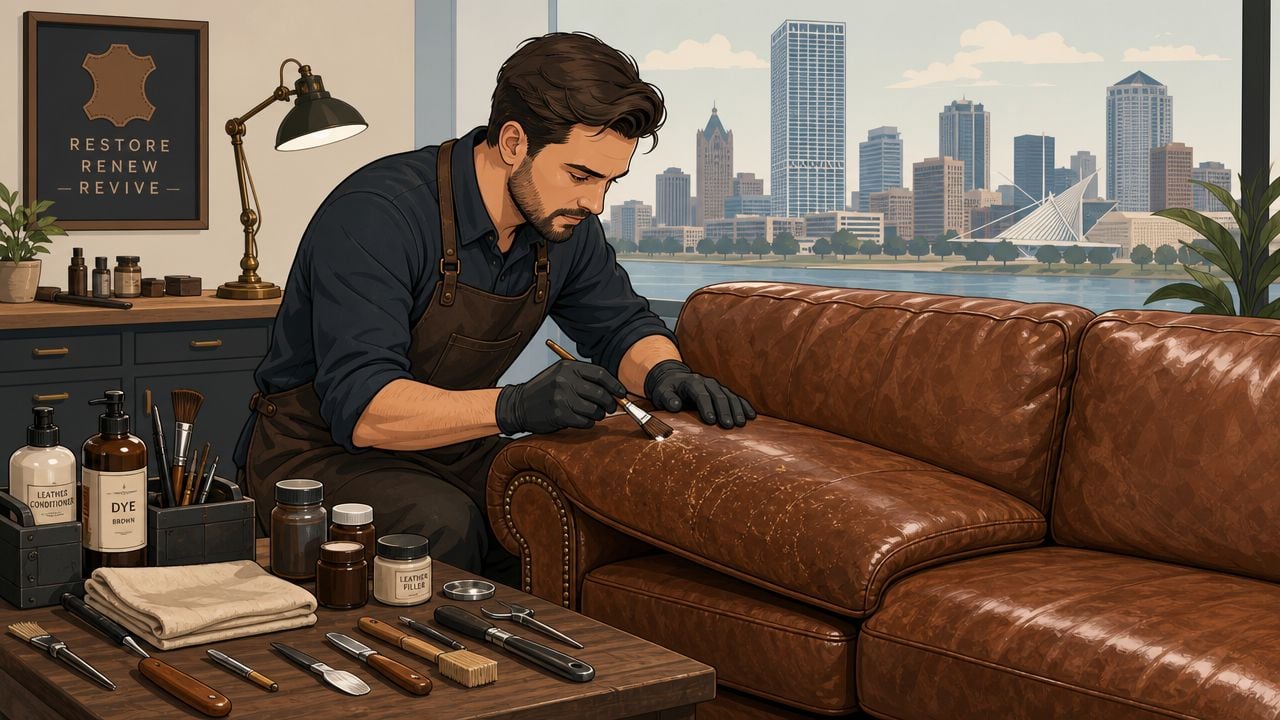
A sound process starts with cleaning, then testing the surface, then prepping only if the leather needs it, then applying color in thin passes, and conditioning after the color fully cures. That step-by-step order is explained well in this step-by-step leather couch restoration article. For regular upkeep before you attempt any repair, read our guide on how to condition a leather sofa the right way.
What a proper DIY job looks like
Start with cleaning. Leather holds body oils, dust, and old residue, and that grime will fight every product you put on afterward.
Then do a hidden spot test. A small drop of water in an out-of-sight area shows whether the finish is still sealed. That matters because sealed leather usually needs prep before recoloring, while absorbent leather reacts very differently.
Use this order:
Clean the surface first
Use a pH-balanced leather cleaner and a soft microfiber cloth. Clean gently and keep moisture under control.Test a hidden area
Check for absorbency and color reaction before you touch a visible panel.Prep only the damaged area if needed
If the surface is sealed and you need to recolor, prep the worn section instead of stripping more than necessary.Apply color in thin layers
Thin coats look better, dry better, and reduce streaking, tackiness, and color transfer.Let it cure, then condition
Conditioner is the finishing step, not the repair step.
What to avoid
Bad DIY work usually comes from rushing, overusing product, or treating leather like vinyl.
Avoid these mistakes:
- Harsh household cleaners such as bleach, ammonia, acetone, or alcohol-heavy products
- Soaking the leather instead of cleaning it with controlled moisture
- Skipping the test spot and finding out too late that the color shifted
- Using one all-in-one product for cleaning, recoloring, and conditioning
- Applying heavy coats of color that dry unevenly and wear off badly
Thin coats win. Heavy coats fail.
Here is the BILTRITE Litmus Test for DIY. If you are dealing with light scratches, minor dullness, small scuffs, or modest color loss, a careful DIY attempt is reasonable. If the leather is peeling, badly cracked, flaking across the seating area, or failing in multiple spots, do not keep pouring time and products into it. In Milwaukee homes, we see that mistake every year, especially on older family-room seating that has already given everything it has.
Hiring a Restoration Pro in Metro Milwaukee
Sometimes the smartest move is handing the piece to a specialist. That's especially true when the leather still has value but the damage is too visible, too technical, or too risky for a kitchen-table repair.
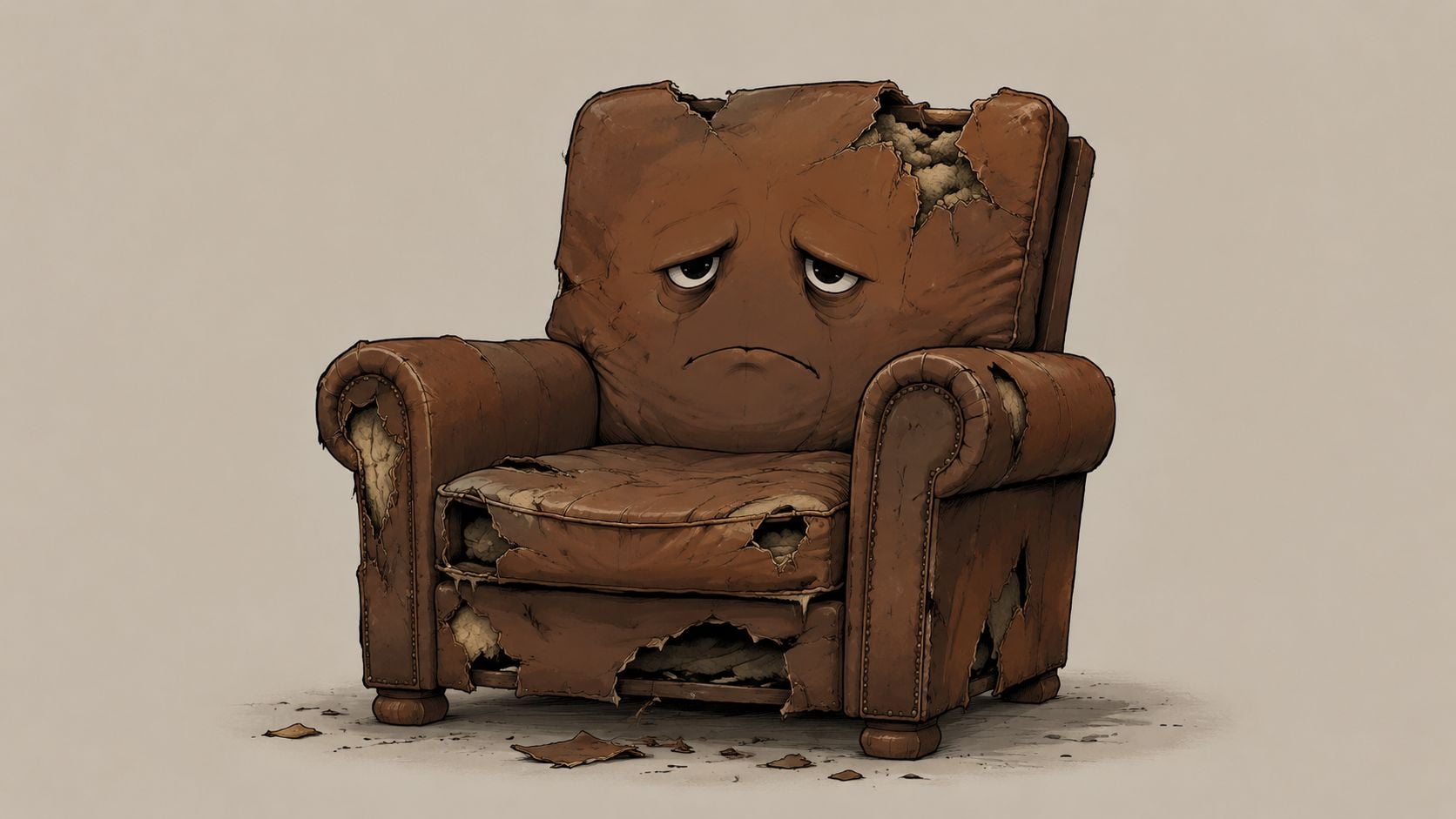
Modern restoration isn't just cleaning and shining. The category has moved into multi-step repair systems, and the most capable restorers handle scratches, fading, tears, fillers, glues, and dyes as part of a broader repair process, as described in this overview of modern leather couch restoration methods.
That matters in Metro Milwaukee, where plenty of homeowners own furniture they'd rather save than replace if the bones are still good.
What a good pro should handle
A good restorer should be comfortable talking through the job in plain language. If the explanation sounds vague, that's a warning sign. A real furniture specialist should be able to explain the cleaning stage, the repair stage, the color stage, and the final protection stage without dancing around the details.
Look for these signs:
- Before-and-after proof that shows furniture work, not unrelated leather items.
- A furniture-specific process instead of a generic “we can fix anything” pitch.
- Clear product and prep explanations so the homeowner knows what's being done to the piece.
- Written scope of work that lays out what will and won't be repaired.
For service-related furniture support, homeowners can also start with a local service request through BILTRITE.
Questions worth asking before the job starts
A few direct questions can save a lot of grief.
What's repairable here?
A trustworthy pro will point out what can improve and what may still show wear.Will the repair address structure, color, or both?
Surface color work won't fix support issues underneath.Do you test in a hidden area first?
Cautious prep is a good sign.What happens if the surface is already failing?
A skilled restorer should say when repair isn't worth pursuing.
The best leather furniture restorer is the one who knows when to decline the job.
That answer may sound less exciting, but it's the honest one. Homeowners need honesty more than optimism when leather starts failing.
Knowing When It Is Time for a New Beginning
Some furniture deserves restoration. Some furniture deserves retirement.

This is the part many people resist, especially if the chair or sofa has been in the family for years. But worn leather and failed leather are not the same thing. A dry seat can often be helped. A flaking, brittle, sandpapery surface usually can't.
Signs the material has reached the end
The clearest sign is widespread failure across the seating surface. If the color has broken apart, the finish is shedding, or the leather feels fragile instead of supple, the material itself is at the end of its usable life.
A few common signs point in that direction:
- Peeling or flaking across multiple areas
- Deep cracking instead of light surface wrinkling
- A rough, papery, or brittle feel
- Large zones of wear rather than one isolated trouble spot
A second category of deal-breaker sits underneath the leather.
When replacement is the smarter investment
If the frame is broken, the support system sags badly, or the seat no longer holds shape, restoration becomes a bad bargain. New color on a bad foundation is still a bad foundation. Reconditioning the surface won't rebuild the furniture.
That's when replacement becomes the more sensible move. Not because memories don't matter, but because daily comfort matters too. The next chair or sofa should earn its place the same way the old one did. Through years of use, not through repeated rescue attempts.
Some pieces need care. Some need craftsmanship. Some need a graceful exit.
Homeowners usually know the answer once they stop asking, “Can this be saved at all?” and start asking, “Is this still worth investing in?”
Keeping Your Leather Looking Great for Years
A restored leather chair can give you many more good years. A new leather sofa should do the same. The difference usually comes down to habits, not luck.
Good leather likes a steady routine. Dust it often. Clean it on a regular schedule. Condition it a couple of times a year so the surface stays supple instead of drying out. If you want a practical step-by-step guide, read BILTRITE's advice on how to care for leather furniture.
The care routine that works
Keep it simple and stick with it.
- Dust weekly with a soft microfiber cloth so grit does not grind into the surface.
- Clean every couple of months with a leather-safe cleaner or a mild pH-neutral soap.
- Condition twice a year to help the leather stay soft and resist premature drying.
That routine does more than keep the color looking rich. It also helps you catch trouble early, before a favorite seat turns into a repair project.
Small habits that save leather
Where the piece lives matters. Sun will fade and dry leather over time. Heat vents can do the same. Body oils also build up on armrests, headrests, and seat edges, especially on the chair everyone fights over.
Use a few house rules:
- Use a soft cloth, never a stiff scrub brush
- Test any product in a hidden spot first
- Rotate loose cushions when you can
- Blot spills quickly and gently
- Keep leather out of harsh sun and away from heat sources
Here is the BILTRITE Litmus Test for long-term care. If the work feels easy enough to do consistently, you will usually keep the piece in good shape. If you know the chair will sit in a sunny window, take daily abuse from kids or pets, and never get routine care, be honest with yourself. Choose leather that fits your real household, or choose a different piece altogether.
Leather ages well when it is cared for well. That is the whole secret.
BILTRITE Furniture-Leather-Mattresses has helped Metro Milwaukee families furnish their homes since 1928, and that long view still shapes the advice. Save the good piece if it's worth saving. Replace it when it's not. For honest guidance, affordable better-quality furniture, USA-made and Amish-made options, small-scale and heavy-duty choices, and a mattress department with over 60 models, visit BILTRITE Furniture-Leather-Mattresses in Greenfield. The team would love to help neighbors find a piece that feels right for the next chapter.