How to Use Leather Furniture Wipes


A busy Milwaukee living room tells the truth about furniture care. Kids climb on the cushions, snacks land where they shouldn't, and somebody always seems to set a drink down a little too casually. If you've got leather seating in the middle of all that, leather furniture wipes can be a handy tool, but only when you use them the right way.
At our family's store, we've been helping Metro Milwaukee homeowners care for better-quality furniture since 1928. We've seen leather hold up beautifully for years, and we've also seen good pieces get damaged by the wrong cleaner, too much moisture, or a “quick fix” that wasn't meant for leather at all. A wipe can absolutely help with day-to-day upkeep. It just isn't a magic cloth for every leather problem.
Spilled Juice on Your New Sofa Here Is the Scoop
A small spill feels big when it lands on a newer leather sofa. Juice on the seat, a sticky handprint on the arm, or a mystery smudge after movie night. That's the moment when leather furniture wipes earn their keep.

The first job of a wipe is simple. It gives you a fast, gentle way to deal with surface mess before it sits there and becomes harder to remove. That convenience is a big reason the category caught on. Leather wipes developed as a low-cost maintenance format, with packs of 20 to 30 wipes typically costing about $4 to $10 according to this published leather wipes pricing overview.
What to do right away
If something spills, slow down and keep the cleanup gentle.
- Blot first: Lift the excess mess without grinding it into the leather.
- Use the wipe lightly: You're cleaning the surface, not scrubbing a pan.
- Work inward: On a small spill, move from the outside edge toward the middle so you don't spread it farther.
- Dry the area: Follow with a soft cloth so the spot doesn't stay damp.
Practical rule: A leather wipe is for fresh surface mess and routine upkeep. It isn't a substitute for deeper stain removal when a spill has already set.
If the stain has moved past “quick cleanup” and into “now what do I do,” our guide on how to remove stains from leather furniture is a good next stop.
For most families, that's the true value of wipes. They're affordable, easy to keep nearby, and useful for the little accidents that come with everyday life on genuine furniture.
Understanding Leather Furniture Wipes
Leather furniture wipes aren't just damp paper towels in a nicer package. A good one is made for leather care, which means it aims to do two jobs at once. It cleans surface grime gently, and it leaves behind ingredients that help keep the leather from feeling dry.
The three main types
You'll usually see leather wipes sold in a few different lanes.
| Type | What it does | Best use |
|---|---|---|
| Cleaning wipes | Remove dust, light grime, and body oils from the surface | Quick touch-ups |
| Conditioning wipes | Leave behind moisture-supporting ingredients | Light upkeep when leather looks a little tired |
| 3 in 1 wipes | Clean, condition, and protect in one pass | Regular maintenance on finished leather |
Some brands push the all-in-one route. Weiman, for example, advertises leather wipes with four natural oils, and some products in the category are sold as cleaners that clean, condition, and protect. That tells you the wipe market has moved beyond basic cleaning cloths and into maintenance products meant to help preserve suppleness and sheen.
Why that matters on furniture
Hair care offers a helpful comparison. A basic shampoo cleans, while a conditioner adds softness, and a 2-in-1 product tries to do both in one shot. Leather furniture wipes work the same way. Some are mostly about lifting dirt. Others try to leave the leather looking a little richer after you're done.
That's why labels matter. Leather with a protected surface often responds well to this sort of quick maintenance product, while more delicate leather needs a more careful approach. If you want a clearer picture of leather types before you choose a care product, our article on the difference between top grain and full grain leather helps sort out some of that confusion.
The right wipe should leave the surface cleaner and more even-looking, not greasy, sticky, or slick.
A wipe is at its best when you're maintaining a sofa or recliner that gets regular use and you want a fast cleanup without dragging out a full bottle-and-cloth routine.
Are Wipes Safe For Your Leather Furniture
This is the question that matters most. Leather furniture wipes are usually safe for finished leather, not for every type of leather. That distinction saves a lot of headaches.
Finished leather is the usual target
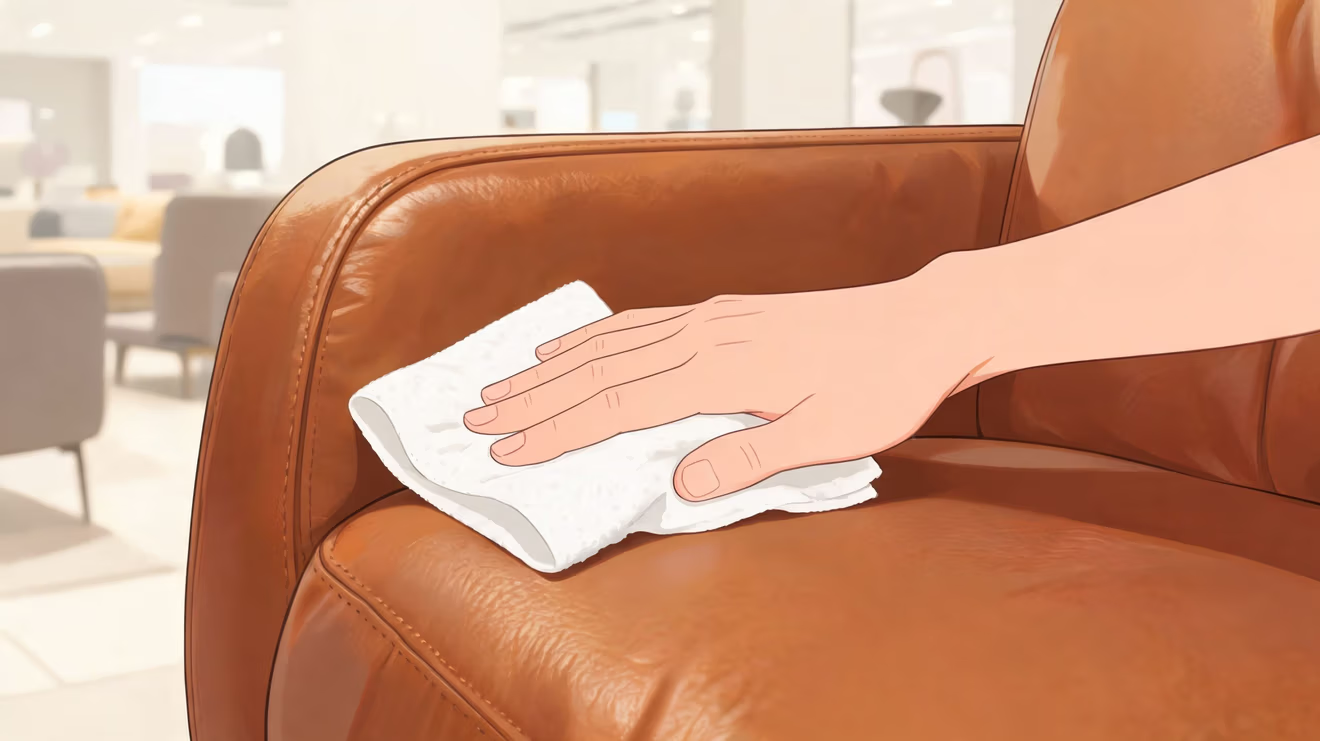
Most wipes are made for finished leather, which has a protective topcoat. That coating helps the wipe clean surface soil without soaking straight into the hide. On furniture, that's common for family-friendly seating because it handles everyday use better.
Weiman says its wipes are suitable for leather with a protective finish and explicitly lists types such as pebbled, bonded, distressed, and white leather, along with wearable leather items, on its leather wipes product page. That's useful because it tells you the product is meant for coated, color-stable surfaces rather than absorbent leather.
Where people get into trouble
Trouble starts when someone assumes “leather is leather” and reaches for whatever wipe is under the sink. That's how good upholstery gets dulled, darkened, or left with a damaged finish.
Avoid standard wipes on these materials:
- Suede: The nap can change or stain.
- Nubuck: Moisture and product residue can mark it.
- Unfinished leather: It can absorb too much and change color or texture.
- Unknown leather: If you can't identify the finish, don't guess.
Never use a general household wipe as a shortcut on leather furniture.
That warning gets even stronger with disinfecting products. Clorox advises that bleach-based products containing sodium hypochlorite should never be used on any type of leather or animal hide, and it says disinfecting mist should not be used on suede, nubuck, or unfinished leather. It also notes its disinfecting mist can kill 99.9% of bacteria like Staph on leather items when used as directed, but only after the leather has been cleaned first, as explained in Clorox's guide on how to clean and sanitize leather.
The practical takeaway
For most homeowners, the safest path is pretty straightforward.
- Use leather-specific wipes on finished leather
- Skip bleach-based products completely
- Don't treat suede or nubuck like sealed upholstery
- Test first in a hidden area
If you prefer a simpler homemade routine for certain situations, our page on how to clean leather furniture naturally gives another approach. The big idea stays the same. Match the cleaner to the leather finish.
A Simple Routine for Cleaning and Maintenance
A good wipe routine shouldn't feel complicated. The goal is steady upkeep, not overworking the leather every weekend.
The family-tested method
Use this approach on finished leather when the product label says it's appropriate.
Start with a hidden test spot
Try the wipe on the back, lower edge, or another less-visible area first. Let it dry and make sure the finish still looks even.Wipe with a light hand
Pass over the surface gently. On armrests and headrests, focus on lifting the body oils and dust that build up from regular use.Handle spills carefully
If you're cleaning a fresh spot, move from the outside in. That keeps the mess from spreading across a larger area.Buff with a clean dry cloth
This step matters more than people think. It evens out the finish, removes any extra product, and helps avoid a tacky feel.
Why buffing matters
Some quality wipes are built to do more than clean. According to this Weiman product specification overview, leather wipes in this category may include conditioning agents and UV protection, and light wiping followed by buffing with a clean cloth is the best approach for preserving sheen between deeper cleanings.
That buffing step is especially helpful on high-contact spots.
- Armrests: These collect skin oils fast.
- Headrests: Hair products and natural oils can dull the finish.
- Recliner footrests: Friction and frequent contact wear on the surface.
A wipe should leave leather looking refreshed, not coated.
If your sofa could use more than a quick maintenance pass, our guide on how to condition a leather sofa can help you decide when to move up to a dedicated conditioner.
Used this way, leather furniture wipes fit nicely into regular care. They're a maintenance habit, not a rescue treatment.
Wipes Versus Sprays and Creams
Not every leather problem calls for the same tool. Wipes, sprays, and creams all have a place, but they do different jobs.

The quick comparison
| Product type | Where it shines | Where it falls short |
|---|---|---|
| Wipes | Fast cleanup, everyday maintenance, easy storage | Limited for older, dry, or damaged leather |
| Sprays | Broader coverage, useful for more deliberate cleaning | Can be overapplied if you're heavy-handed |
| Creams | Better for conditioning and richer treatment | Slower process, not ideal for a quick spill |
Wipes win on convenience. Keep a canister nearby, pull one sheet, clean the armrest, and move on with your day. That's why they're popular in busy homes.
Sprays and creams ask for a little more time, but they can be the smarter choice when leather starts looking thirsty or uneven. A dedicated cream or conditioner has a different role than a maintenance wipe. It's there to support the material when quick surface care isn't enough.
When wipes stop being enough
Many homeowners get frustrated because they keep wiping and wiping, but the sofa still looks tired.
That's because a wipe can only do so much. A common gap in care advice is knowing when to stop treating wipes like a cure-all. As discussed in this video on leather wipe limitations and restoration needs, wipes are for maintenance, not for restoring a dry, cracked, or transfer-marked sofa. When leather reaches that stage, a dedicated conditioner, cream, or professional cleaning is the better move.
A simple way to choose
Go with wipes when you need:
- Fast upkeep after daily use
- A light refresh before company comes over
- Surface cleaning on a finished leather recliner or sofa
Move up to sprays or creams when you notice:
- Dry-feeling leather
- Visible wear that isn't just dust or smudges
- Older upholstery that needs more than a surface pass
One product line doesn't replace the others. It's more like having the right kitchen tool. A paper towel is great for a quick counter wipe. It's not the tool you'd use to deep-clean the whole floor.
How To Choose The Right Leather Wipes
A lot of Milwaukee homeowners stand in the cleaning aisle and grab the first canister that says "leather" on the front. That is usually where mistakes start. A wipe can be handy, but the wrong one can leave residue, dull the finish, or create questions about what belongs on a better-quality sofa in the first place.

What to look for on the container
Read the label like you are buying care for an investment, not just a quick cleaner.
These points matter most:
- Safe for finished leather: Start here. Most family-room sofas and recliners use finished leather, and the label should say so plainly.
- Made for leather furniture: A wipe meant for upholstery makes more sense than a general household wipe that also claims to clean counters, dashboards, and sneakers.
- Light conditioning support: Some wipes include conditioning ingredients. That can be helpful for routine upkeep, especially in heated Wisconsin homes where indoor air gets dry in winter.
- Clear directions and limits: Good packaging tells you how to test the product, how often to use it, and which materials to avoid.
Brand language can still be a little slippery, so do not shop by promises alone. Specific instructions are usually a better sign than flashy claims.
Be careful with all-purpose claims
This is one of the biggest trouble spots I see.
Some wipes are sold for leather, faux leather, and vinyl all at once. That does not automatically make them wrong, but it should make you slow down and read more carefully. Real leather has different care needs than man-made surfaces, especially if you own a nicer American-made sofa and want it to age well instead of just look clean for the afternoon.
A product listing can also raise more questions than answers. On this Target leather wipes listing with customer Q&A context, shoppers can see how mixed-material claims sometimes create confusion about how a wipe behaves on different surfaces.
If the package sounds like it belongs in every room of the house, I would be cautious about using it on quality leather seating.
A practical checklist
Before you buy, ask:
- What kind of leather do I have?
- Does the container clearly say finished leather?
- Am I maintaining the surface, or trying to fix a problem a wipe will not solve?
- Do my furniture care instructions say anything different?
It also helps to know whether your piece is real leather or a look-alike material, because the care approach is not always the same. Our guide on whether faux leather is durable can help you sort that out before you buy the wrong product.
For local shoppers, BILTRITE Furniture-Leather-Mattresses is a useful place to get practical advice tied to the type of furniture you have at home. If you are unsure, bring in the care tag information or a few photos and ask questions before you start wiping.
Your Partners in Furniture Care Since 1928
Leather furniture wipes can be a solid part of your routine. They're easy to store, easy to use, and especially helpful on finished leather that sees a lot of everyday living. Used lightly and followed by a dry buff, they help keep surface grime from building up.
What they won't do is fix every leather problem. If a sofa is dry, cracked, badly marked, or worn from years of use, that's the point where a wipe stops being the answer. Better results come from using the right product for the right job, and sometimes that means stepping up to a cream, a dedicated conditioner, or professional help.
That practical side of furniture care matters to us. Our family has been serving Metro Milwaukee since 1928, and we still believe good furniture should be built to last and cared for the right way. We're proud to offer affordable, better-quality pieces, including many USA-made and Amish-made options, because families deserve furniture that can handle real life.
If you've got questions about caring for a leather sofa, recliner, or sectional, stop in and talk with us in Greenfield. We don't sell online, and we like it that way. You can see the furniture, feel the leather, and have a real conversation with someone who's helped Milwaukee-area families furnish their homes for generations. We're also closed on Sundays and Mondays so our team can spend time with family, just like we hope you get to do at home.
If you're shopping for better-quality leather seating or want straight advice on caring for the furniture you already own, visit BILTRITE Furniture-Leather-Mattresses in Greenfield. Our family-owned showroom has been serving Metro Milwaukee since 1928, and we'd love to help you find a comfortable, durable piece that fits your home and your routine.