Bed Frames with Hooks for Headboard and Footboard Guide


A lot of people end up in the same spot. The headboard is already picked out. The footboard might be a solid wood piece that's meant to stay in the family for years. Then the practical question shows up fast: what holds it all together?
That's where confusion usually starts. Hook-on hardware sounds simple, but one small mismatch in slots, rail height, or support can turn a beautiful bed into a wobbly one. For homeowners buying quality pieces, especially solid wood, Amish-made, or older furniture, that connection matters more than most tags in the showroom ever explain.
Your Guide to Hook On Bed Frames Starts Here
A neighbor walks into a bedroom set purchase feeling confident. The headboard is beautiful. The footboard matches. The wood has weight to it. Then somebody asks whether the bed needs bolt-on rails or hook-on rails, and the whole conversation slows down.
That's normal.
Families have been asking versions of that same question for generations. BILTRITE Furniture was founded in 1928 by Irwin Kerns and his wife Frieda Kerns as an upholstery shop in Milwaukee, making it a 4th-generation family-owned business that has served Metro-Milwaukee for nearly a century according to Sleep Savvy's feature on the Kerns family and BILTRITE's history. Beds have changed over the years, but the basic customer worry hasn't. People want a bed that looks right, fits right, and stays solid.
Why this topic trips people up
A hook-on bed frame sounds like a small detail, but it affects several parts of the setup:
- Connection style: The rail has to match the slots or brackets on the headboard and footboard.
- Support underneath: Some frames are meant for a box spring, while others use added support pieces.
- Long-term stability: Heavy wood furniture puts different stress on a frame than a lightweight headboard does.
Practical rule: The prettier and heavier the bed, the more attention the support hardware deserves.
That's especially true with bed frames with hooks for headboard and footboard. They can work very well, but only when the frame, the furniture, and the support structure are working together.
A simple way to think about it
The headboard and footboard are the visible stars. The frame is the hidden workhorse. If that hidden piece is undersized, poorly matched, or missing the right support, the whole bed can feel loose even when the wood itself is well made.
Anyone comparing styles can get familiar with the basics by looking through different types of bed designs and constructions. That helps make the hardware conversation a lot less mysterious.
What Exactly Is a Hook On Bed Frame
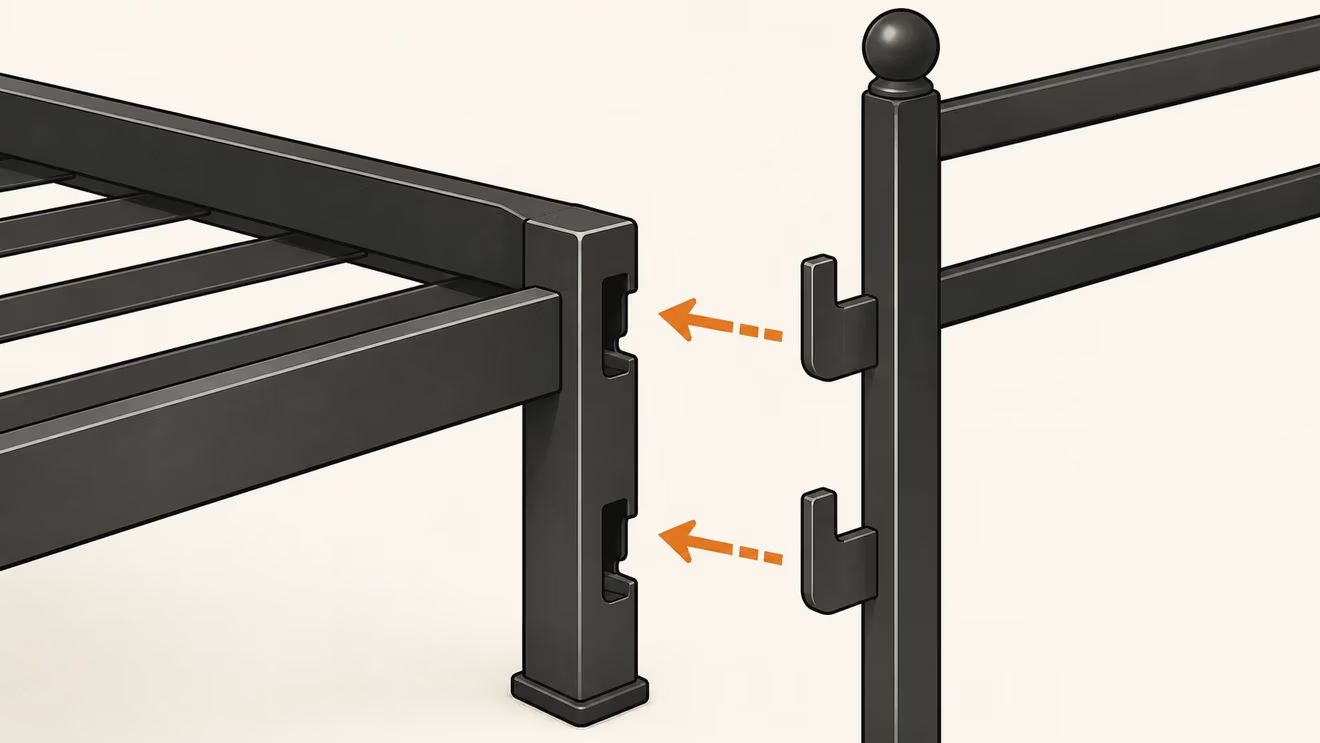
A hook-on bed frame is a frame with metal rail ends shaped to drop into slots on a headboard and footboard. Instead of lining up bolts through drilled holes, the frame uses hooks that slide into place and lock by gravity and fit.
That's why many people like them. The connection is straightforward, and assembly is often simpler than it looks.
How the hook connection works
Think of the side rail like a metal arm reaching from the headboard to the footboard. At the end of that arm are hooks. Those hooks slide into vertical slots in the bed posts. Once seated properly, the rail is held in place by the shape of the hardware and the downward force of the bed system.
It's a little like hanging a sturdy shelf bracket into a wall track. The strength comes from a snug fit and the right support across the span.
A lot of shoppers are surprised by how common this style is. The global bed frames market, which includes hook-on frames, was valued at USD 14.37 billion in 2026, reflecting strong demand for modular setups that let buyers pair separate headboards and footboards, according to Business Research Insights on the bed frames market.
Where people get mixed up
Most confusion happens in one of three places:
Hooks versus bolts
Hook-on systems use slots and hanging hardware. Bolt-on systems use fasteners that tighten through the rail and post. They're not interchangeable unless an adapter is involved.Headboard only versus headboard and footboard
Some metal frames are sold for a headboard connection only. Others are made to connect to both ends. If a footboard is part of the plan, the frame must be designed for it.Decorative bed versus support bed
The wood parts may look like the whole bed, but the rails and center support do the heavy lifting. That hidden structure matters just as much as the visible style.
A hook-on frame isn't “just metal underneath.” It's the part that decides whether the bed feels steady or shaky every night.
Anyone who wants a quick refresher on the basic anatomy can look at the main parts of a bed and what each one does.
How to Find the Right Frame Fit
A tape measure saves a lot of trouble. A hook-on frame can be strong and dependable, but only if it matches the furniture it's meant to support.
The easiest mistake is assuming all hook slots are the same. They aren't. Antique beds, custom wood furniture, and some Amish-made pieces can vary in spacing, slot shape, and rail position.
What to measure before buying
Start with the headboard and footboard standing upright or safely leaned where the hardware is easy to reach. Look closely at the metal slot area or bracket area on each post.
Check these points:
- Overall bed size: Make sure the furniture is meant for the same mattress size as the frame.
- Slot placement: Measure where the hook opening sits on each post.
- Height alignment: Compare the slot height on the headboard and footboard so the rails will sit level.
- Inside width: Confirm the frame width matches the opening between the bed ends.
- Support style: Check whether the setup expects a box spring or another support surface.
Hook-On Frame Compatibility Checklist
| Measurement/Check | What to Look For | My Measurement |
|---|---|---|
| Bed size | Headboard, footboard, and frame all match the same mattress size | |
| Slot height | Hook openings on both ends sit at compatible heights | |
| Slot style | Vertical slots or bracket hardware that accept hook-in rails | |
| Inside width | Space between ends matches the frame width | |
| Rail clearance | Side rails won't rub decorative wood or upholstery | |
| Center support area | Enough room for center support to sit flat on the floor | |
| Mattress support | Whether the frame is intended to work with a box spring or added support surface |
A good measuring habit
Measure twice. Then look again at anything unusual.
A carved footboard leg, extra-thick side post, or older bracket can throw off what looks right at first glance. If the slots are worn, bent, or set at an odd height, that matters too. Hook-on systems depend on fit, so “close enough” can still lead to movement.
Best habit: Write the measurements down while standing at the bed. Memory gets fuzzy once the shopping trip starts.
For homeowners who don't measure furniture often, this furniture measuring guide gives a practical way to check dimensions before anything heavy comes home.
Don't forget the mattress setup
A lot of shoppers focus only on the hook connection and forget what will sit on the frame. That creates the next round of frustration.
A bed can have the right rail connection and still feel wrong if the support under the mattress isn't appropriate for the design. Some hook-on frames are built around supporting a box spring. Others use added braces and rails to create more even support. Before buying, it helps to know whether the mattress will sit on a box spring, on a supported foundation, or on another approved surface for that bed design.
Why Materials Matter for Durability and Strength
Not all hook-on frames are built the same. The hidden metal makes a big difference, especially under heavy solid wood furniture.
A lightweight frame might look fine on day one. Over time, though, weak steel and minimal bracing can allow movement, noise, and sag. That's exactly what homeowners want to avoid when they've chosen lasting furniture.
The features worth looking for
When a frame has to support both sleepers and substantial furniture, the details matter more than the sales language on the tag.
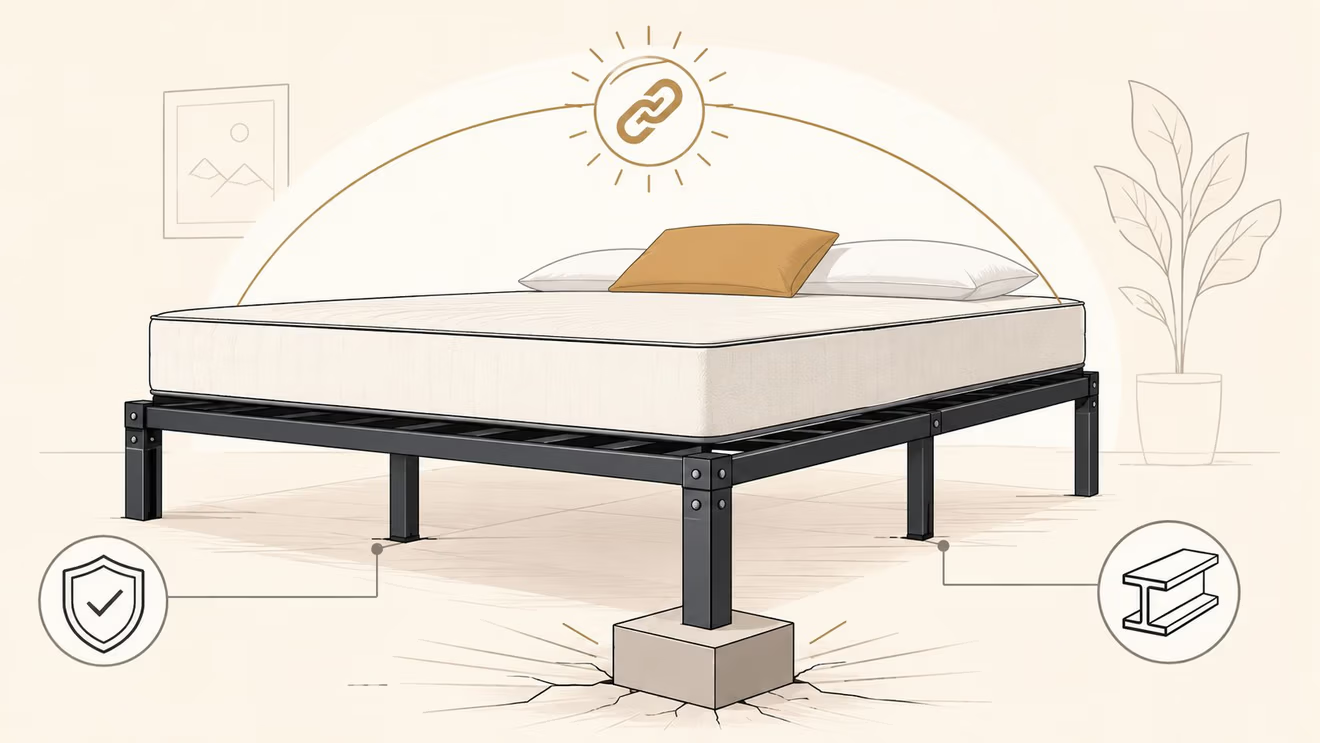
A stronger center structure matters most. Some hook-on bed frames use a 2.5-inch double rail center brace and full-length siderails, and specific models are engineered to support load capacities exceeding 3,000 pounds for queen sizes, according to this market listing for hook-on bed frames. That kind of design helps reduce sagging and gives the bed a more planted feel.
Why heavy-duty steel helps
A stronger frame does a few useful jobs at once:
- It reduces flex: Less side-to-side movement means less wobble at the headboard and footboard.
- It spreads weight better: The load isn't concentrated only at the corners.
- It supports the mattress more evenly: Better support usually means less strain on the sleep surface over time.
Some frames are also described as using tougher recycled steel, which can add rigidity for older or heavier bed setups. Even without getting too technical, the takeaway is simple. More substantial steel usually means a calmer, quieter bed.
Matching the frame to the furniture
This matters most with furniture that isn't lightweight or disposable.
Solid wood, Amish-made, and family-heirloom beds often have more mass than a basic decorative headboard. That extra weight puts more demand on the connection points and on the center of the frame. A skimpy support system may still “fit,” but fit alone isn't enough. The frame should suit the furniture's weight and the way the bed will be used every day.
People comparing sturdier constructions can learn more from this guide to strong bed frame designs and what makes them hold up.
Better materials don't just help a frame survive delivery day. They help the bed stay steady after years of getting in, getting out, and shifting through the night.
Assembling and Troubleshooting Your New Bed Frame
Assembly usually goes smoothly when the hardware matches. Trouble starts when the hooks don't line up, the bed sits unevenly, or an older headboard uses hardware that doesn't match modern rail shapes.
That's especially common with antique furniture and some custom wood beds. There's a real lack of guidance on adapting hook-on frames for antique or non-standard headboards, even though it's a frequent pain point when bracket slits don't align with modern hook widths, as noted in this discussion about antique and non-standard hook compatibility.
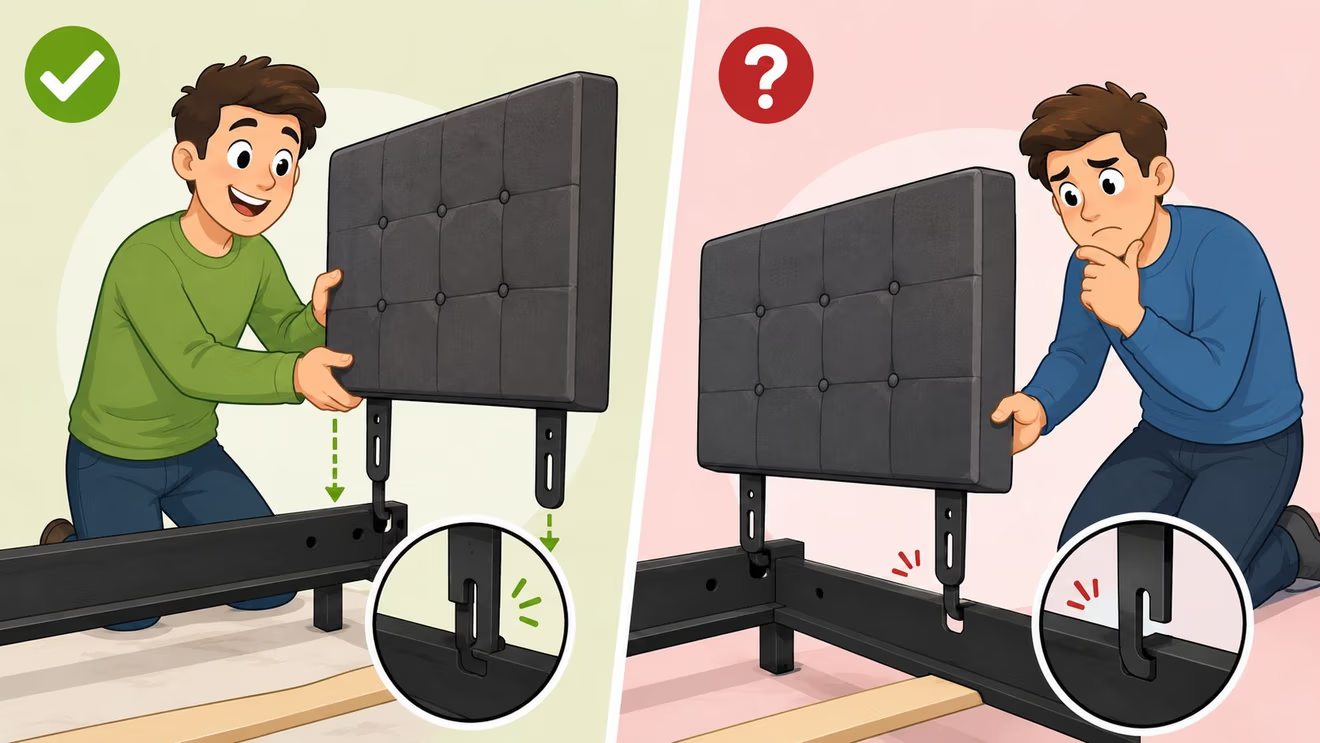
A calm way to assemble it
A simple order helps:
Place the headboard and footboard in position
Keep enough room around them to angle the side rails into place.Attach one side rail at the headboard first
Let the hooks drop fully into the slot before moving to the footboard end.Repeat on the opposite side
Once both rails are seated, the structure usually starts to square itself up.Install center support pieces
Make sure every support leg or brace touches the floor evenly.Check for movement before adding the sleep surface
A gentle shake can reveal whether one hook is only half seated.
When the hooks don't line up
This is the part many shoppers don't expect, but it's fixable.
If the slots are too narrow, too wide, too high, or placed differently from today's standard rails, an adapter plate can help bridge the mismatch. Some adapter hardware is designed to work with vertical slots and steel pin arrangements, making it easier to connect newer rails to older bed ends.
Here are the most common causes of trouble:
- Older slot spacing: Antique beds may not match current hook widths.
- Custom post design: Thick wood posts can shift where the rail needs to sit.
- Uneven floors: A solid frame can still wobble if support legs aren't sitting flat.
- Partial hook engagement: The rail looks connected, but one hook hasn't fully dropped into place.
A frame that feels loose at assembly almost never “settles in” later. It usually needs a better fit, a better adjustment, or the right adapter.
Small fixes that make a big difference
A few practical checks often solve the issue:
- Re-seat the hooks: Lift slightly, then let the rail drop cleanly into the slot.
- Level the support legs: Uneven floor contact can twist the whole frame.
- Inspect the bracket area: Bent or worn hardware on older beds may need attention.
- Use the right adapter hardware: Don't force a modern hook into a slot that clearly doesn't match.
When a bed has to be taken apart for delivery or stairs, planning the route matters too. Anyone moving large bedroom pieces can use these tips for getting heavy furniture through difficult spaces.
Find Your Best Sleep Setup at BILTRITE
Seeing bed hardware in person helps. Photos can show style, but they don't always show rail fit, support design, or how sturdy a frame feels once it's locked into place.
That's one reason a local showroom still matters for bedroom furniture. The BILTRITE showroom is located at 5430 West Layton Avenue in Greenfield, WI 53220, and is closed on Sundays to support family time, reflecting a community-first approach, according to BILTRITE's Greenfield showroom listing. That family-first attitude fits the way many Milwaukee-area shoppers buy furniture. They want to ask questions, compare wood pieces side by side, and make sure the support underneath matches the quality on top.
For shoppers building a full sleep setup, there's a lot to compare in one stop. The mattress department offers over 60 mattress models and 500+ units in stock, along with value extras like free white-glove delivery on qualifying purchases, old mattress removal if the mattress is donatable, and a complimentary protector or heavy-duty frame on select sets. USA-made and Amish-made options also make a difference for homeowners who want long-lasting construction instead of something temporary.
The store team brings over 400 years of combined experience, and that matters when the questions get specific. Hook spacing, heavy-duty support, antique adaptation, small-scale bedroom furniture, and solid wood construction all benefit from real conversation, not guesswork.
Ready to sort out bed frames with hooks for headboard and footboard without the trial and error? BILTRITE Furniture-Leather-Mattresses would love to help. Stop by the showroom in Greenfield, say hello, and let the team help find a sturdy, better-quality setup that fits the room, the furniture, and the way the home is lived in.