Two Sided Mattresses: The Complete Guide to Flippable Beds

The usual advice is simple: buy a one-sided mattress, forget about flipping, and move on. That convenience is real, but it doesn't automatically make one-sided construction a better choice. Two sided mattresses solve a different problem, using two sleep surfaces to spread wear, but they also ask more from the people who own them.
That tradeoff matters. A flippable bed may suit a family looking for durable construction, while a lighter one-sided model may be more practical for someone living alone or managing limited mobility. The right question isn't only whether two sided mattresses last longer. It's whether the durability benefit fits the sleeper, the bedroom, and the maintenance routine.
Why Everyone Switched to One-Sided Mattresses
One-sided mattresses aren't “modern,” while two-sided mattresses are outdated. For much of the twentieth century, two-sided construction was the standard. An independent industry summary explains that mattresses made from the early innerspring era through about the 1970s commonly used springs and cotton on both sides, while one-sided bedding became common by the end of the 1990s, with the transition accelerating in the late 1990s and early 2000s. The same history is outlined in this industry summary of mattress flipping.
That change brought genuine conveniences. A single-sided mattress can be easier to handle, and modern designs can place plush padding, specialized foams, and more elaborate comfort zoning on the upper surface. Shoppers also welcomed the message that mattress care had become simpler. No more planning a flip, clearing space around the bed, or asking another person to help wrestle a bulky mattress into position.
Convenience came with a construction tradeoff
The industry shift wasn't necessarily a straight march toward better ownership. A manufacturer history notes that when one company opened in 1990, nearly all mattress manufacturers still made two-sided, flippable mattresses, but most later stopped offering them. That reflects a broad product change, not the disappearance of a minor specialty feature. Two-sided construction had been the dominant default for decades, especially in major mattress markets where periodic flipping and durability were normal parts of ownership.
A one-sided design concentrates the sleeper's weight on one comfort package. That can be a sound choice when the maker uses resilient materials and builds the support core well. However, eliminating the second sleep surface also eliminates one method of redistributing wear.
The practical lesson: “No flipping” is a convenience feature, not proof that a mattress will perform better.
Some shoppers may hear claims about planned obsolescence or shortened replacement cycles, but the available information doesn't establish a universal warranty pattern or a single industry replacement schedule. The more useful conclusion is narrower and more honest. One-sided and two-sided mattresses represent different priorities, and buyers should evaluate material quality, comfort design, weight, and care requirements together.
How Two Sided Mattresses Actually Work
The easiest way to understand two sided mattresses is to think of a sandwich. The center contains the structural heart, often an innerspring system or a dense foam support core. Above and below that center, the manufacturer builds comfort materials that can include padding, quilting, and support foam, creating two usable sleep surfaces.
A one-sided mattress has a different arrangement. Its comfort layers sit above the support core, while the bottom is built for the foundation rather than for sleeping. Turning that mattress over would place the wrong materials under the sleeper and could damage the intended support structure.
A mirrored design spreads the workload
With a two-sided model, the upper comfort layers carry the sleeper's weight for a period of time. After the mattress is flipped, the opposite surface takes over. That lets the first surface rest and distributes localized fatigue across the full construction rather than concentrating it in one top layer.
The design doesn't guarantee superior durability by itself. Manufacturer-commissioned testing that simulated 10 years of use found virtually identical firmness and height retention between tested single-sided and double-sided models, as reported in this durability discussion of double-sided mattresses. The result points to an important buying rule: foam density, spring quality, quilting, and core construction can matter as much as reversibility.
Modern flippable beds can use several construction styles:
- Traditional innerspring: A coil system provides the central support, with comfort padding mirrored across both faces.
- Hybrid construction: Coils work with foam or fiber comfort materials on each side.
- All-foam designs: A resilient foam core and carefully selected comfort layers create a reversible sleep system.
BILTRITE's in-stock mattress selection includes modern two-sided construction intended to feel more comfortable and approachable than the stiff, heavy beds many people remember from decades ago. Shoppers who want to understand coil construction can also review this guide to what a pocket coil mattress is.
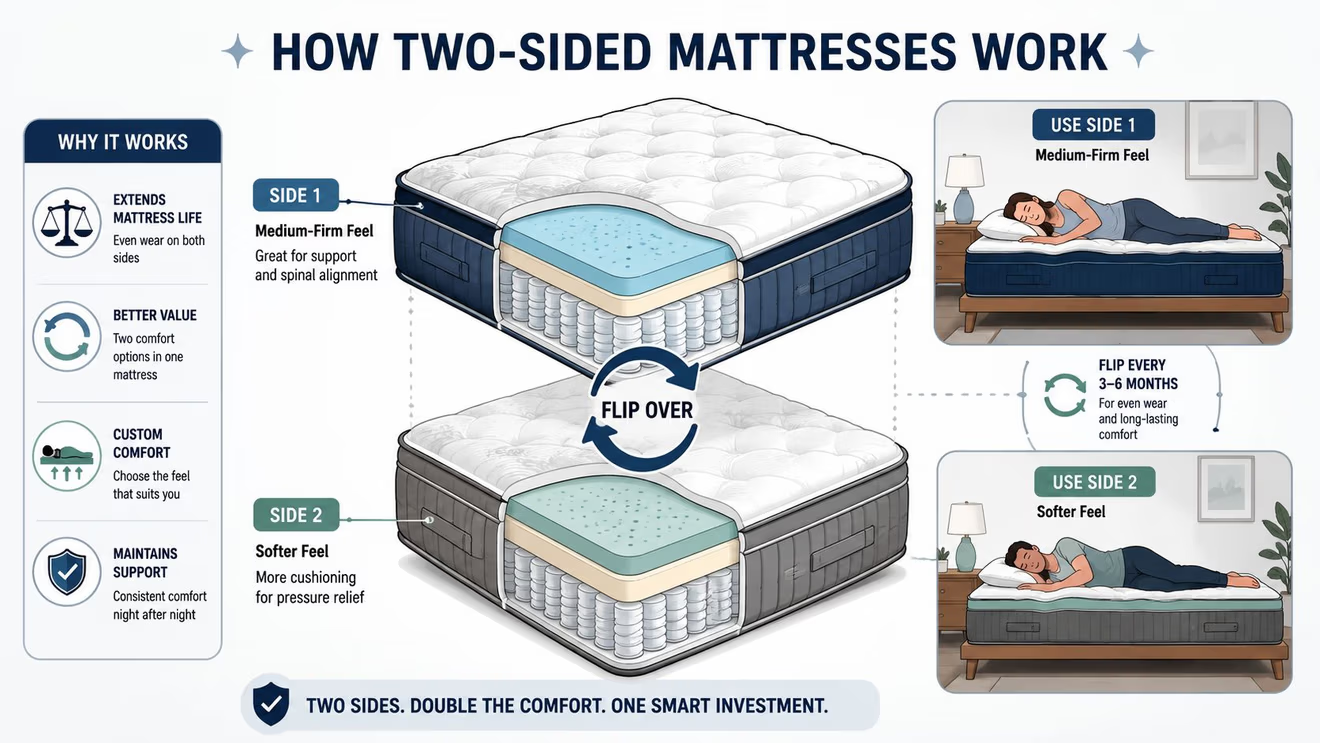
Before buying, a shopper can ask to see the mattress edge, feel both surfaces, and confirm that the manufacturer designed both sides for sleeping. A mattress that merely looks padded on the bottom isn't necessarily flippable.
The Real Durability Advantage
Flipping doesn't rescue weak materials. A poorly made flippable mattress can develop problems on both sides instead of one. The useful advantage appears when sound construction meets consistent maintenance, allowing sleepers to distribute body impressions and localized compression rather than returning to the same worn zone night after night.
Industry guidance commonly connects two-sided construction with wear redistribution. Alternating surfaces can slow compression in the upper comfort layers and reduce cumulative indentation compared with a comparable one-sided design. One independent mattress guide describes a possible lifespan improvement of roughly 2 to 3 years, with an overall range of about 7 to 12 years when care is appropriate, while emphasizing that the result depends heavily on the materials and construction. That context appears in this mattress life-expectancy guide.
Material quality still leads the decision
A primary bedroom used every night places more demand on a mattress than a lightly used guest room. Couples may also notice wear patterns more quickly when their body weights or preferred sleep positions differ. In those situations, the ability to move the comfort burden from one side to the other can be useful.
A guest mattress, by contrast, may experience so little use that material quality alone determines its practical life. Flipping remains helpful, but it may not provide a meaningful advantage if the bed rarely carries a sleeper.
| Factor | Two-Sided Mattress | One-Sided Mattress |
|---|---|---|
| Sleep surfaces | Both faces are designed for sleeping | One face is designed for sleeping |
| Wear pattern | Can be redistributed by flipping and rotating | Concentrates on the upper comfort layers |
| Construction priority | Requires durable, usable comfort layers on both sides | Can place more design emphasis on one upper surface |
| Maintenance | Requires flipping plus rotation | Rotation is generally the relevant care action |
| Main tradeoff | Potentially better wear distribution, with more handling effort | Easier handling, with less opportunity to redistribute wear |
The guide to how long mattresses last offers another useful reminder for shoppers: longevity depends on more than the label “flippable.” Foundation support, surface materials, sleeper weight, humidity, and care habits all affect how a mattress feels over time.
Two-sided construction can be a sensible durability strategy, but it isn't a magic feature. The strongest candidate combines a resilient support core, comfort materials built for inversion, and an owner who can maintain the bed safely.
Your Flipping and Rotation Schedule
Flipping and rotating are different jobs. Flipping means turning the mattress over so the opposite sleep surface faces upward. Rotating means turning it around so the head end becomes the foot end while the same sleep surface remains on top.
Both actions matter because sleepers don't place identical pressure on every part of a bed. The shoulders, hips, and center of the mattress often receive repeated loading, while head and foot areas may experience less. A regular routine helps spread those patterns across the entire construction.
A simple care calendar
A detailed maintenance guide recommends flipping a flippable mattress every 6 months and rotating it on the same schedule, as explained in this guide to flipping and rotating a mattress. Some households may choose a more frequent routine during the early ownership period, but the key is consistency rather than an ambitious schedule that gets forgotten.
A practical plan looks like this:
- Choose a recurring date. A seasonal change or daylight-saving-time reminder can make the task easier to remember.
- Clear the room. Remove bedding, nearby lamps, floor baskets, and anything that could catch on a mattress edge.
- Use two adults when needed. Each person should take a stable position at a mattress corner or reinforced handle, if the design provides one.
- Flip first, then rotate. Follow the manufacturer's handling instructions, and avoid dragging the mattress across the floor.
- Record the date. A phone calendar note or a small removable tag can show which surface was used most recently.
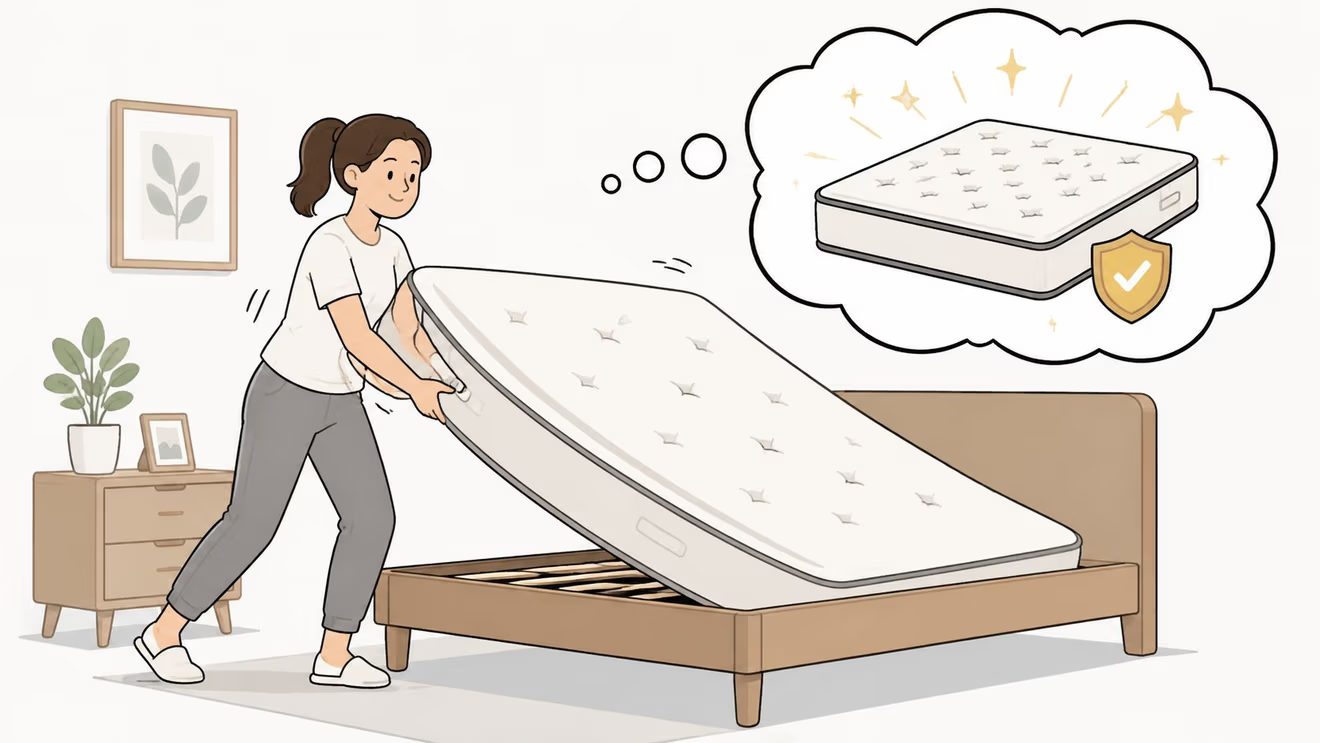
Pillow-top construction needs special attention. A true two-sided pillow-top may have usable cushioning on both faces, but an attached top layer can make handling awkward and may require more clearance. If a mattress feels too heavy or unstable to move safely, the owner shouldn't attempt the task alone.
Safety comes first: A missed maintenance date is less serious than a strained back, a crushed hand, or a mattress dropped against a wall.
Most modern one-sided beds should be rotated rather than flipped because their bottom support layer isn't intended to become a sleep surface. Checking the care label before moving any mattress prevents an expensive mistake.
Is the Maintenance Worth It
A flippable mattress asks for physical effort that many buying guides gloss over. A heavier construction can require two adults, enough maneuvering space, and careful movement around the bed frame. For an older adult, caregiver, renter, or person with shoulder or back limitations, that effort may be the deciding factor.
The potential payoff is a more even wear pattern and a longer period of usable comfort. Industry and retailer guidance often describes two-sided mattresses as lasting longer when the same materials are used and the bed is flipped regularly. One industry source also notes that historical two-sided mattresses had an average lifespan of 15 years or more, compared with 5 to 7 years for many newer mattresses, but those historical figures shouldn't be treated as a promise for every current model. The construction still determines whether the maintenance creates meaningful value.
Compare the ownership experience
A buyer can weigh the decision with a few practical questions:
- Who can handle the mattress? If no one can safely flip it, the durability feature may go unused.
- Does the bedroom allow movement? Tight walls, narrow paths, and low-clearance frames can turn a routine task into a frustrating project.
- How long will the household stay put? A person planning to move frequently may value lighter handling over long-term wear distribution.
- How does the mattress feel? A durable bed that causes pressure points won't be a good choice just because it can be reversed.
The financial comparison should also stay grounded. A higher upfront price may make sense if the mattress remains comfortable for more years, but the exact cost-per-year result depends on the purchase price, maintenance, usage, and eventual replacement date. Without those details, no universal savings figure can be responsibly promised.
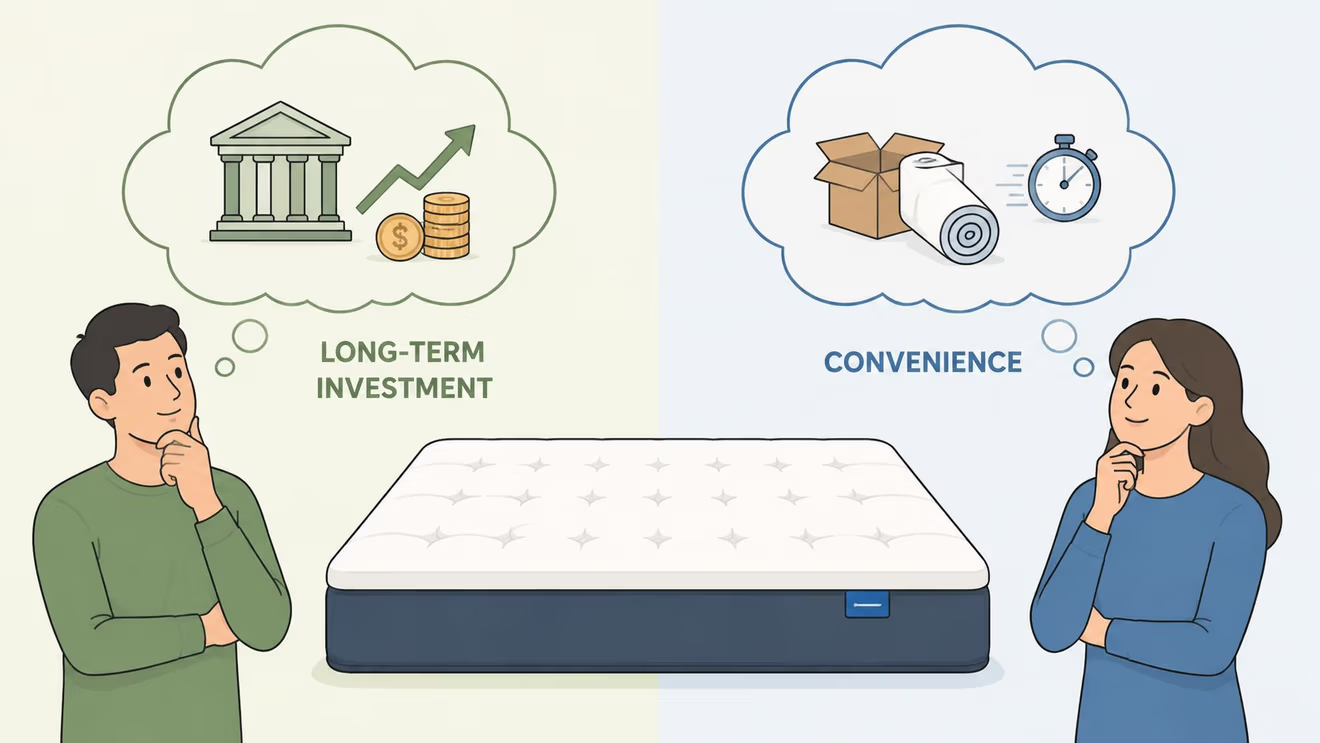
A well-constructed flippable bed may reward a household that can keep up with care. Someone who wants low maintenance may be happier with a quality one-sided mattress that only needs rotation and proper foundation support. Practical fit matters more than a slogan.
For cleaning, protection, and foundation habits that support longer use, shoppers can review these mattress maintenance and cleaning tips. The right routine should protect comfort without creating a task the household can't realistically manage.
Who Should Choose a Flippable Mattress
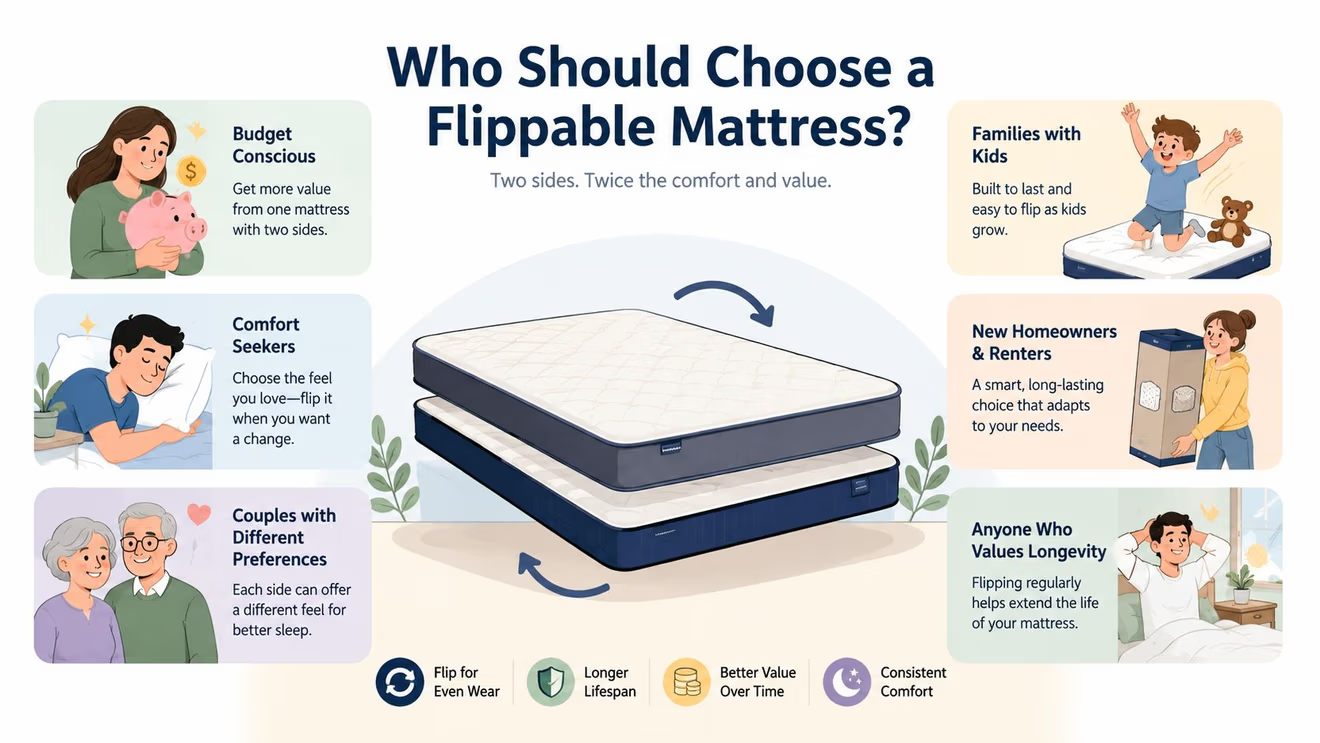
A two-sided mattress makes the most sense for shoppers who think beyond the first night. A household seeking durable construction, couples using the bed every night, and families expecting active use from a child's mattress may appreciate a design that allows wear to move from one surface to another.
Seniors and retirees can also find the category appealing when they prefer a traditional, supportive feel and expect to remain in the same home for years. That preference still needs to be balanced against handling ability. If lifting or maneuvering the mattress would create a safety concern, a lighter design with a manageable care routine may serve the household better.
Strong candidates include
- Long-term value shoppers: These buyers are willing to maintain the mattress because they want to make thoughtful use of the materials they purchase.
- Growing families: Children may jump, play, and change sleep positions frequently, so a sturdy construction can be attractive.
- Couples with different wear patterns: Flipping and rotation can help avoid relying on the same compressed areas.
- Traditional-feel sleepers: Some people prefer the familiar response of resilient padding and spring support over an ultra-plush, fixed-top design.
A one-sided mattress may be the more practical choice for someone in an apartment with a tight stairwell, a shopper who moves often, or anyone who can't safely lift a bulky bed. People who prefer an elaborate ultra-plush pillow-top may also find that a one-sided design offers more freedom to build comfort layers on one face.
Two-sided construction can limit how progressively the internal layers are arranged. An industry discussion explains that both faces must remain usable, which constrains the amount of layered zoning and comfort customization available on each side. That tradeoff matters for sleepers who need highly targeted pressure relief or a very specific feel.
BILTRITE Furniture-Leather-Mattresses offers a dedicated selection of flip-able and two-sided mattresses, with staff available to help shoppers compare firmness, support, and handling requirements in person. The store's broader mattress department includes over 60 models, according to the publisher information, so a visitor can consider reversible and one-sided choices rather than forcing every sleeper into one design.
Come See Our Selection in Greenfield
Reading about two sided mattresses helps, but a mattress makes more sense when a shopper can lie down, shift positions, and feel how the support responds. A showroom visit also lets couples compare comfort together instead of trying to remember separate impressions from different conversations.
BILTRITE's team can walk visitors through available two-sided choices, explain which surfaces are designed for sleeping, and demonstrate safe flipping techniques. Shoppers can also test edge support, compare firmness, and ask how a particular construction should be placed on a foundation.
The showroom is located at 5430 West Layton Avenue in Greenfield, Wisconsin. BILTRITE has served the Metro Milwaukee community since 1928 as a fourth-generation, family-owned business, with a focus on affordable, better-quality furniture and mattresses, including USA-made, Amish-made, and solid-wood furniture. The store is closed on Sundays and Mondays to support family time, reflecting its local, family-first approach.
Families, partners, caregivers, and anyone helping with a mattress decision can visit together. Details about the showroom and service area are available through the BILTRITE locations page. Whether a sleeper chooses a flippable model or a carefully built one-sided bed, face-to-face guidance can make the decision clearer.
BILTRITE Furniture-Leather-Mattresses offers a broad in-store mattress selection, including two-sided designs, plus USA-made, Amish-made, solid-wood, small-scale, and heavy-duty furniture for Metro Milwaukee homes. Visit BILTRITE Furniture-Leather-Mattresses in Greenfield, bring a partner or family member, and let the showroom team help find a mattress that fits both sleep needs and everyday maintenance abilities.