




Wicker Seat Chairs: A Friendly Buying & Care Guide


A lot of shoppers start in the same spot. There's a corner in the living room that feels a little empty, a porch that needs one inviting seat, or a dining area that could use more texture and warmth. Wicker seat chairs often pop into the picture right away because they feel casual, classic, and easy to live with.
Then the practical questions show up. Will the seat hold up? Is wicker only for looks? Can it be repaired if something loosens over time? Those are smart questions, and they're the kind that style-heavy articles often skip.
Since 1928, BILTRITE has helped Metro Milwaukee families sort through choices like these in person, one room and one household at a time. A chair isn't just décor. It has to fit the space, support real daily use, and still make sense years from now.
Table of Contents
- Welcome to the World of Wicker Chairs
- What Exactly Is a Wicker Chair
- Choosing Wicker for Indoors or Outdoors
- All About Comfort and Cushion Choices
- Finding the Right Fit Style and Size
- Keeping Your Wicker Chairs Looking Great
- Smart Alternatives and Our Milwaukee Promise
Welcome to the World of Wicker Chairs
A wicker chair has a way of softening a room. In a reading nook, it can make the space feel relaxed. In a sunroom, it can add texture that keeps everything from feeling flat. On a porch, it can create that easygoing look many homeowners want without making the space feel formal.
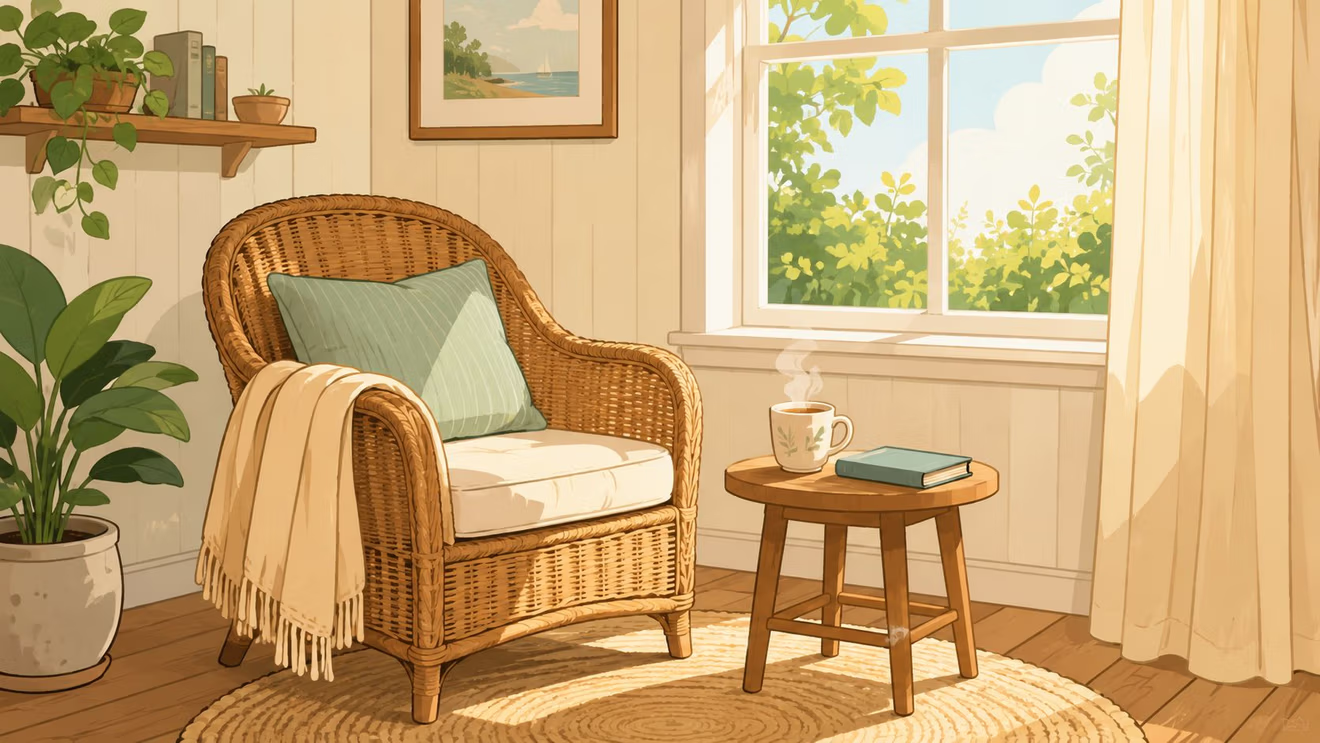
That appeal isn't new. Wicker is one of the oldest furniture-making methods, with roots in ancient Egypt around 3000 BC, which places wicker seat chairs inside a very long design tradition rather than a short-lived decorating phase, as noted in this history of wicker furniture.
That long history matters because it explains why wicker keeps showing up in very different homes. It can feel traditional in an older bungalow, light and airy in a lake-home style room, or clean and simple next to solid wood furniture.
Why people still choose wicker
Some chairs win shoppers over with padding. Wicker usually wins them over with character first. The woven surface adds visible texture, and that texture helps a room feel layered without needing a lot of extra decoration.
Practical rule: A chair that adds warmth and visual texture can do as much for a room as a bold paint color or a patterned rug.
There's also a useful middle ground with wicker seat chairs. They can look special without feeling delicate. That's important for households that want furniture to look welcoming but still handle ordinary life, whether that means morning coffee, family dinners, or a favorite evening reading spot.
The questions that matter most
Most confusion around wicker isn't about style. It's about ownership. Shoppers usually want clear answers to things like these:
- Daily use: Will the seat stay supportive over time?
- Placement: Is this chair suited to indoors, outdoors, or both?
- Care: How hard is it to clean around the weave?
- Repair: If part of the woven seat wears down, can someone fix it?
Those are the right questions. A good chair choice starts there.
What Exactly Is a Wicker Chair
The biggest point of confusion is simple. Wicker is not a material. It's a weaving method. That one idea clears up a lot of the mystery.
Wicker is a method, not a material
A helpful way to think about it is baking. Baking is a method, but a baker can use different ingredients to make bread, cake, or cookies. Wicker works the same way. The woven look comes from the technique, while the material can vary.
That's why shoppers will hear terms like rattan, cane, reed, bamboo, and resin mixed together in the same conversation. Some are natural materials. Some are modern synthetic materials. All of them can appear in a wicker-style chair.
For readers who want a deeper explanation of the terms, this guide on the difference between wicker and rattan helps sort out the vocabulary.
Natural wicker vs synthetic wicker
Natural wicker usually gives a room that organic, handcrafted feel. Synthetic wicker is typically chosen for convenience and weather resistance. Both can be useful. The right one depends on where the chair will live and how hard it will be used.
| Feature | Natural Wicker (Rattan, Cane) | Synthetic Wicker (Resin) |
|---|---|---|
| Look | Warm, textured, more traditional or artisanal | Clean, consistent, often made for casual outdoor style |
| Typical use | Indoor rooms, covered spaces, lower-moisture settings | Patios, porches, decks, pool areas |
| Feel | Often lighter and more natural in appearance | Often more uniform and built for exposure |
| Moisture tolerance | Doesn't love damp conditions | Better suited to moisture and changing weather |
| Repair mindset | Often appealing to buyers who value craftsmanship and serviceability | Often appealing to buyers who want easier outdoor upkeep |
Europeana notes, through the historical overview summarized in the wicker record above, that wicker chairs are chairs made entirely or partly from wicker and that bamboo entered European furniture making in the late nineteenth century, which broadened the material choices used in woven seating. That helps explain why the category looks so varied today.
Natural and synthetic wicker aren't rivals. They solve different problems.
A natural wicker dining chair, accent chair, or bedroom chair can feel right at home next to solid wood furniture. A synthetic wicker patio chair answers a different need entirely. The trouble starts when those two categories get treated as if they're interchangeable.
Choosing Wicker for Indoors or Outdoors
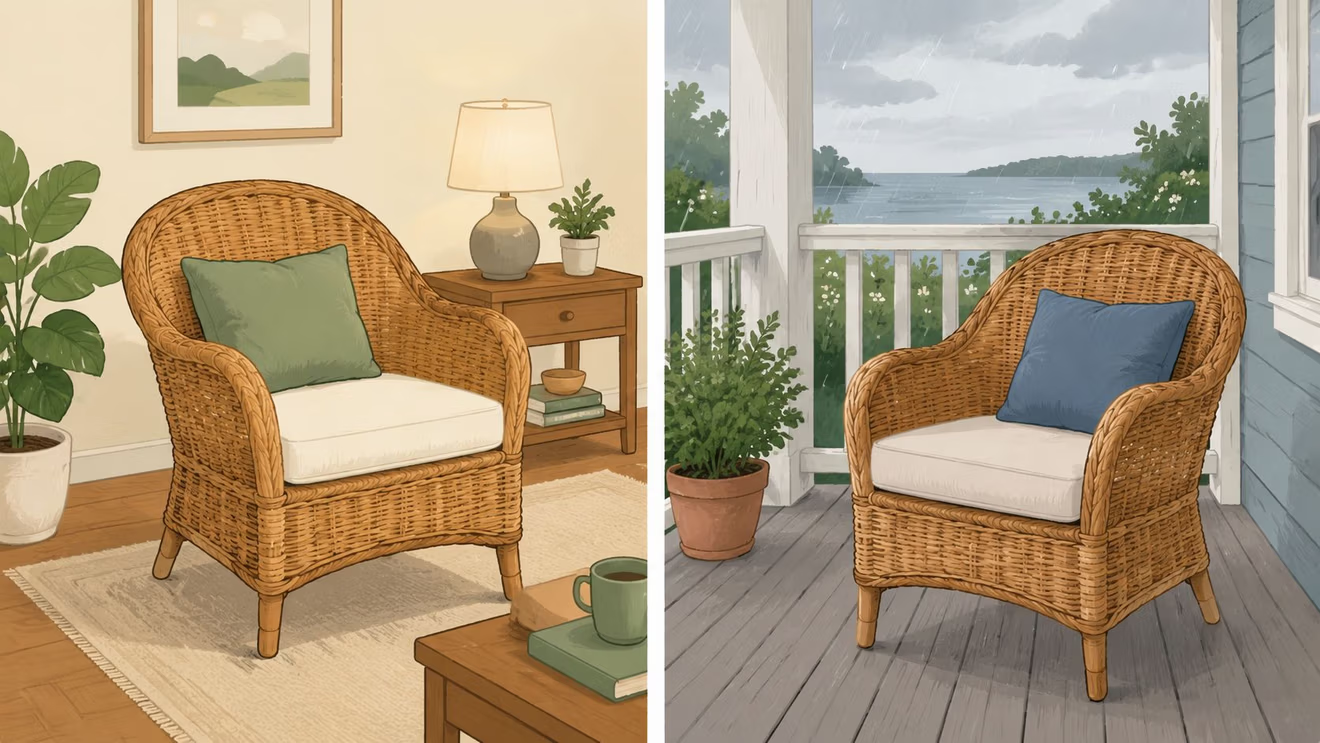
Wisconsin weather asks a lot from furniture. A chair might sit through bright sun, sticky summer air, cool nights, and damp mornings. That's why placement matters so much with wicker seat chairs.
Where natural wicker works well
Natural wicker usually shines indoors. It brings softness to a living room, keeps a bedroom from feeling heavy, and can add a relaxed note to a dining room. It's also a nice fit for enclosed spaces that stay fairly controlled, such as a sunroom that doesn't collect a lot of moisture.
The reason is practical, not fussy. Natural woven materials generally don't enjoy repeated exposure to damp air, water, or wide swings in conditions. A chair may still look lovely on day one, but the environment may not be doing it any favors.
Good indoor spots often include:
- Reading corners: A wicker armchair can lighten the visual weight of a room.
- Bedrooms: One accent chair can add texture without making the space feel crowded.
- Dining spaces: Woven seating can soften the look of a wood table set.
Where synthetic wicker earns its keep
Outdoor use is where many shoppers need a sharper distinction. For humid or coastal settings, all-weather synthetic wicker on a rust-proof aluminum frame is specifically engineered to resist corrosion and moisture damage, according to this overview of all-weather wicker patio furniture.
That one detail changes the whole recommendation. If a family wants a chair for a porch, patio, or deck, “wicker” alone isn't enough information. The material and frame construction matter.
This is also why a shopper comparing patio options may find this local read on the best outdoor wicker furniture useful.
A chair for a damp porch should be chosen like outdoor equipment, not like indoor décor.
A quick decision filter helps:
- Choose natural wicker if the chair will stay indoors and the goal is warmth, texture, and a classic handcrafted look.
- Choose synthetic wicker if the chair will face moisture, heavy weather exposure, or regular outdoor use.
- Pause before buying if the label says only “wicker” and doesn't explain what the woven material and frame are made from.
That last point saves headaches. Plenty of disappointment comes from buying the right look in the wrong construction.
All About Comfort and Cushion Choices
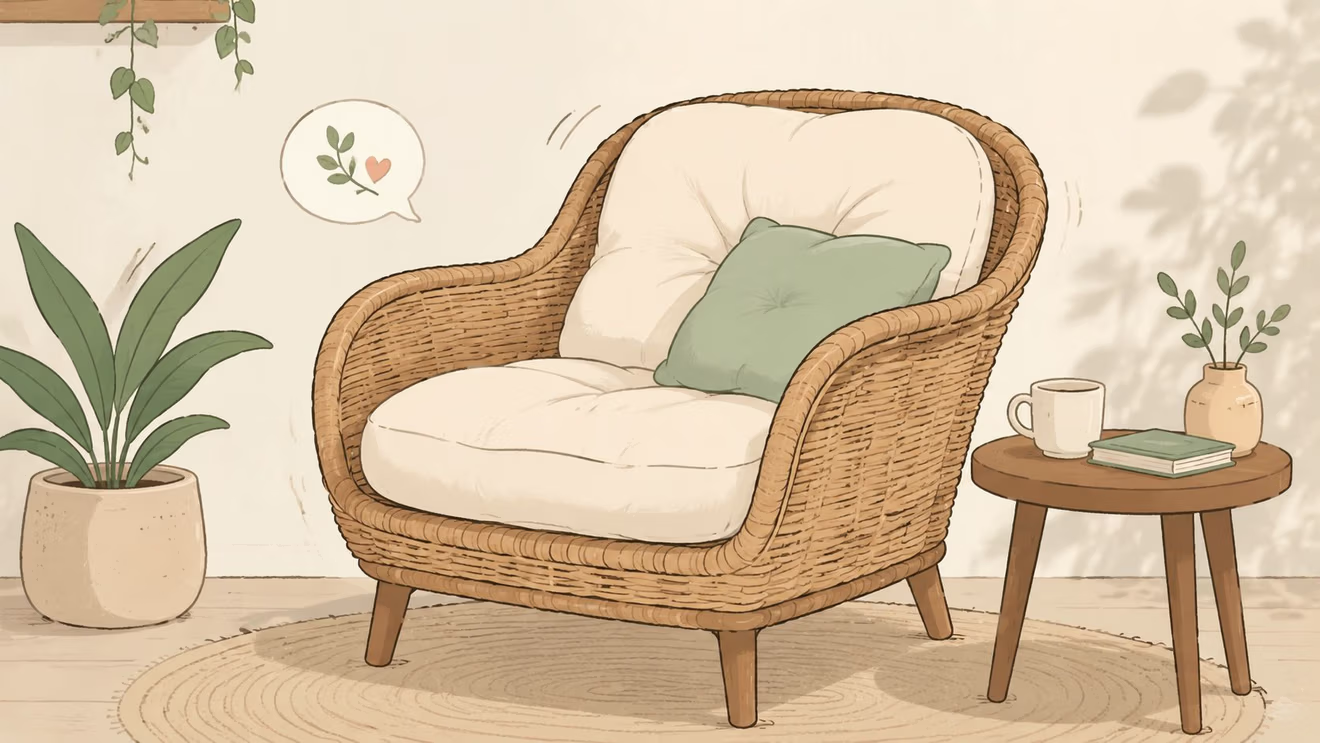
A wicker chair can look inviting from across the room and still miss the mark if the sit feels awkward. Comfort comes from the partnership between the chair's structure and the cushion placed on it.
Comfort starts with the frame and weave
Many shoppers are surprised that wicker seat chairs can feel pleasant even before a cushion is added. A woven seat often has a little flexibility to it, and that can make the chair feel less rigid than a hard wood seat.
Still, the frame does much of the work. If the chair feels wobbly, narrow in the wrong places, or poorly balanced, no cushion will fully fix that. A good test sit should focus on more than softness. Back angle, arm position, seat depth, and stability all matter.
A useful way to think about comfort is this:
- Structure gives support
- The woven seat affects feel
- The cushion fine-tunes the experience
How cushion thickness changes the sit
Cushion choice is where many buyers accidentally change the chair more than expected. Wicker chair cushions are commonly available in 3-inch, 5-inch, or 7-inch thicknesses, and that thickness affects not just softness but also seat height and posture, as explained in this guide on measuring a wicker chair cushion.
That matters most at a dining table. A thicker cushion may feel plush at first, but if it raises the sitter too high, knees, elbows, and table clearance can all feel off.
Thicker isn't always better. The right cushion is the one that supports the way the chair is actually used.
A simple way to match cushion to use:
- For dining chairs: Lean toward a cushion thickness that keeps the sitter at a comfortable table height.
- For lounge or accent chairs: A thicker cushion may make sense if sinking in a bit is part of the goal.
- For occasional seating: Focus on shape and fit so the cushion doesn't slide or bunch up.
For shoppers comparing woven seating with softer dining options, these upholstered seat dining chairs can provide a useful contrast. Sometimes the right answer isn't a different cushion. It's a different chair style.
Finding the Right Fit Style and Size
A chair can be attractive and still be wrong for the room. Fit has two parts. One is physical size. The other is visual balance.
Start with the measuring tape
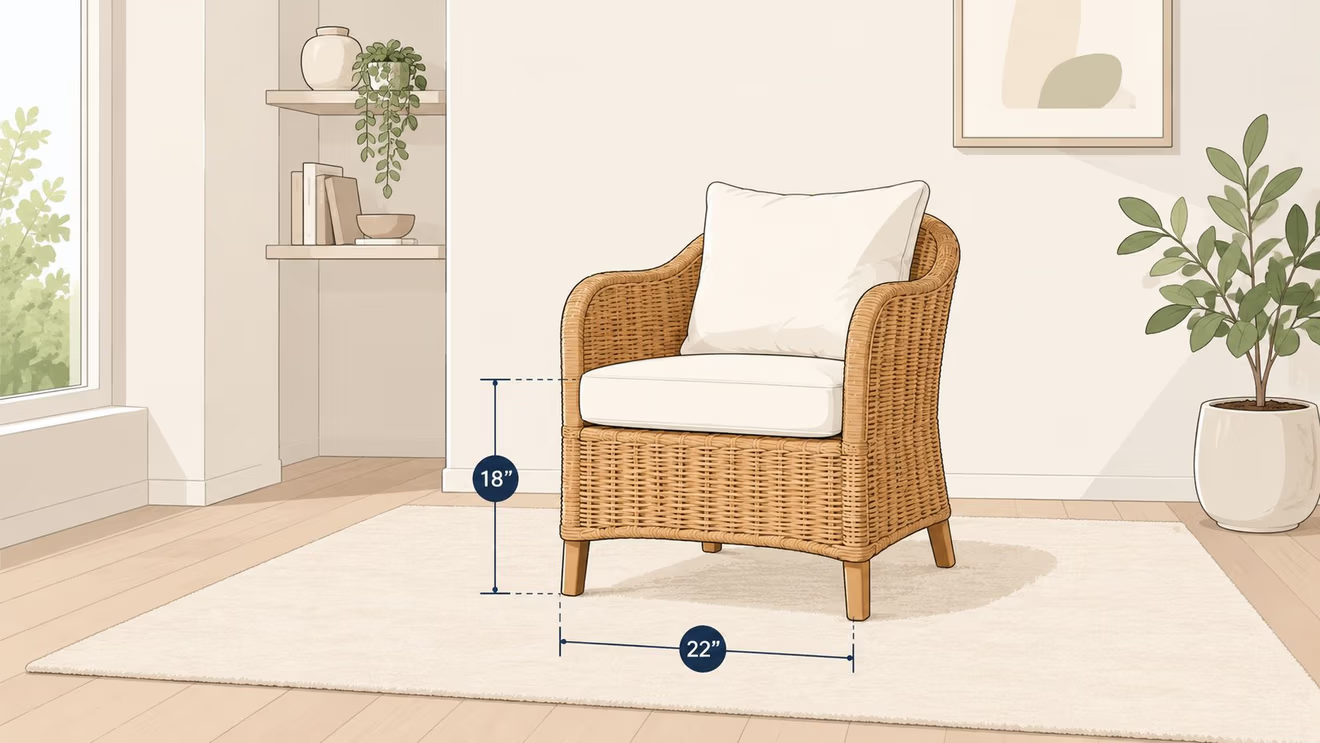
Dining chairs give a helpful baseline because their dimensions are often tied to everyday ergonomics. Wicker chairs intended for dining commonly have a seat height around 16.1 inches, an overall height of 33.5 inches, and a load capacity around 300 lb, according to this anthropometric reference for wicker rattan chairs.
Those numbers are useful because they give shoppers a starting point, not because every chair should match them exactly. A dining chair has to work with the table. An accent chair has to work with body size, traffic flow, and the scale of the room.
Before choosing, it helps to measure:
- Seat height: Especially important if the chair will be used at a dining or game table.
- Overall height: This affects sightlines near windows, shelving, and open floor plans.
- Chair width and depth: A chair that fits on paper can still crowd a walkway.
How wicker works with other furniture styles
Wicker is more flexible than many people expect. It can soften a room full of straight-edged pieces, and it often pairs nicely with solid wood because the textures play off each other.
Some common pairings work especially well:
- With farmhouse or cottage looks: Wicker adds casual texture without making the room feel overly themed.
- With coastal or airy spaces: The woven surface keeps the room light and relaxed.
- With wood-heavy rooms: A wicker accent chair can break up the weight of all-wood furniture.
Smaller homes and condos often benefit from wicker because many designs feel visually lighter than bulky upholstered chairs. That can help a room breathe a little more, even when floor space is limited.
A useful styling checkpoint is this. If the room already has lots of pattern, heavy upholstery, or dark case goods, a wicker chair may act as relief. If the room already has many woven or casual elements, one more wicker piece should be chosen carefully so the space doesn't drift into clutter.
Keeping Your Wicker Chairs Looking Great
Care is where many buying guides go shallow. That's unfortunate, because long-term satisfaction with wicker seat chairs often depends less on color and more on maintenance and repairability.
What to inspect before buying
One of the most helpful facts for shoppers is that care and repairability are a major gap in many online guides, even though inspecting the weave and frame integrity before purchase can make a big difference in long-term value, as explained in this article on identifying woven seat patterns.
That means a smart buyer should look beyond the pretty silhouette.
A quick inspection checklist helps:
- Check the weave: Look for broken strands, uneven tension, or areas that already appear dry or frayed.
- Check the frame: Gently test for wobble at the joints and legs.
- Check attachment points: The woven section should look integrated and secure, not loosely fitted.
- Check use history if pre-owned: A decorative chair may look fine but still be a poor candidate for daily seating.
Some woven seats can be repaired differently depending on the pattern. That makes identification more than a hobby detail. It affects ownership cost and service options.
Simple care habits that help
Natural and synthetic wicker don't need the exact same care, but both reward consistency. Dust left to settle into crevices can make a chair look tired long before the structure actually is.
A straightforward routine usually works well:
- Remove dust gently. A soft cloth or vacuum brush attachment helps clean the weave without rough handling.
- Wipe with care. Mild soap and water can be suitable for light cleaning when used carefully and followed by proper drying.
- Avoid prolonged dampness. This matters especially for natural woven materials.
- Watch the environment. Heat, humidity, and harsh exposure can shorten the useful life of woven surfaces.
For families thinking about seasonal placement and warm-weather furniture care, this article with outdoor furniture tips for hot weather adds practical context.
Repairability is the quiet advantage here. A quality woven chair may offer a path other than replacement. That won't be true in every case, but it's one of the best reasons to look closely before buying rather than treating all wicker as disposable.
Smart Alternatives and Our Milwaukee Promise
Wicker seat chairs are a meaningful part of the furniture market. One industry report valued the global wicker chairs market at $4.8 billion in 2025 and projected $8.1 billion by 2034, with a 5.9% CAGR, according to this wicker chairs industry market report. That signals real demand, but popularity alone doesn't make a chair right for every home.
When wicker is the right choice
Wicker often makes sense when a shopper wants texture, visual lightness, and a more relaxed look than a fully upholstered or heavy wood chair provides. It can also be a practical pick when the right material is matched to the right setting.
A wicker chair is often a strong fit when the household wants:
- A lighter visual footprint: Helpful in smaller rooms or spaces that already have substantial furniture.
- A layered look: Wicker can add contrast beside wood, leather, or smooth upholstery.
- Repair-minded buying: Some woven chairs appeal to buyers who care about serviceability over throwaway furniture.
Outdoor shoppers may also want to review options like Amish-made poly outdoor furniture when they're comparing low-maintenance seating categories. Wicker isn't the only route to a casual, durable outdoor look.
When another chair may serve a family better
Sometimes the smart answer is not wicker. A busy dining room may need the simpler upkeep of a solid wood chair. A household that wants a softer sit for long meals may be happier with upholstered seating. A high-use family room may call for something more rugged and less detailed to clean.
That kind of honesty matters more than forcing one style into every room. In the article body, BILTRITE Furniture-Leather-Mattresses fits into this conversation as a local showroom option for shoppers comparing wicker with solid wood, Amish-made, upholstered, small-scale, and heavy-duty seating in person.
The strongest furniture decisions usually come from matching a chair to the family, not the trend. Since 1928, that's been the value of working with a local, family-owned store rooted in Metro Milwaukee. There's room for classic wicker, solid wood, plush upholstery, and practical alternatives under the same roof. The point is choosing the one that fits daily life.
Readers who are weighing wicker seat chairs against wood, upholstered, Amish-made, or outdoor alternatives are welcome to visit BILTRITE Furniture-Leather-Mattresses in Greenfield. The showroom has served Metro Milwaukee since 1928, offers affordable better-quality furniture and mattresses, and gives shoppers the chance to sit, compare, and ask real questions with a knowledgeable team. Since the store doesn't sell online, the in-person experience matters. Come say hello, explore the options, and find a chair that suits the home for the long haul.


