Custom Upholstery Fabric: A Friendly BILTRITE Guide


A lot of Milwaukee homeowners reach the custom upholstery fabric question at the same moment. The sofa still feels comfortable, but the fabric looks tired. The dining chairs have good bones, yet the seats show every spill from taco night, every pet nap, and every rushed school-morning breakfast. The room doesn't need a full reset. It needs the right fabric and a little know-how.
That's where local experience matters. BILTRITE started in 1928, when Irwin Kerns founded the business as an upholstery shop and furniture builder, selling custom-made sofas for $1,000 according to the BILTRITE history page. That background still shapes how fabric gets discussed in the showroom today. Custom upholstery fabric isn't just a decorating choice. It's a practical way to build a piece that fits the way a household lives.
Table of Contents
- Why Your Sofa Deserves a Custom Touch
- A Friendly Guide to Fabric Categories
- How to Read a Fabric's Report Card
- The Best Fabrics for Your Family's Lifestyle
- Choosing Colors and Patterns with Confidence
- The BILTRITE Way to Your Dream Furniture
Why Your Sofa Deserves a Custom Touch
A family in Greenfield might have a sofa that still fits the room, still fits the budget, and still holds all the memories. What no longer fits is the fabric. Maybe the color feels dated. Maybe the old material has worn down on the arm where everyone lands after work. Maybe a dog claimed one corner as a permanent spot three years ago.
That's the sweet spot for custom upholstery fabric. The frame and comfort can stay in the picture while the surface gets a fresh life that matches the home today. Instead of settling for whatever happens to be on the floor, a homeowner gets to choose the feel, the color, the texture, and the level of durability.
A Milwaukee tradition with deep roots
This idea isn't new around BILTRITE. The company began as an upholstery shop in 1928 under Irwin Kerns, and that early hands-on custom background still matters. It means fabric isn't treated like a small finishing detail. It's part of how a chair or sofa becomes personal.
Some shoppers start with a plain question. Should the next piece feel cozy and casual, or structured and dressy? Others come in with a much more real-life problem. The kids climb on everything. The dog sheds. Sun hits the room all afternoon. Those are exactly the right questions.
Custom upholstery fabric works best when the household chooses for real life first, and style second. The good news is that both can live in the same fabric.
Why custom feels different
A custom piece often feels more connected to the room because the choices are deliberate. A family can pick a warm woven fabric for a busy den, a cleaner-lined texture for a condo, or a softer performance option for a reading chair that gets daily use.
A few reasons custom makes sense:
- The room gets a better fit: Fabric can pull together wall color, flooring, wood tones, and nearby rugs.
- The household gets more function: Some materials stand up better to spills, pet hair, and everyday traffic.
- The furniture feels more personal: A fabric choice can make a familiar piece feel fresh again.
Shoppers who want to see how leather customization fits into the same conversation can browse custom leather upholstery options at BILTRITE.
For many homes, the goal isn't flashy. It's simple. A sofa should feel like it belongs there, hold up well, and still look good years from now.
A Friendly Guide to Fabric Categories
A fabric wall can feel a little like standing in front of the bakery case on a Saturday morning. Everything looks good at first glance, but the smart choice depends on what the day is going to bring. A formal living room, a busy family room, and a favorite reading chair all ask different things from fabric.
That is why it helps to sort upholstery into three clear groups first. Natural fabrics, synthetic fabrics, and blends. Once those buckets make sense, the sample books stop feeling random.

Natural fabrics feel relaxed and classic
Natural fibers include options like cotton, linen, and wool. They often feel inviting right away, which is part of their charm. In many Milwaukee homes, especially older bungalows and colonials, these fabrics pair beautifully with wood floors, painted trim, and rooms that aim for warmth instead of flash.
They also tend to show their personality early. Linen has a casual, airy look. Cotton feels familiar and soft. Wool adds texture and a little visual weight.
Natural fibers are often chosen for:
- Comfort: They usually feel soft and welcoming.
- Texture: They add depth without needing a bold pattern.
- Timeless style: They work well in homes that want a settled, collected look.
The tradeoff is simple. Some natural fabrics ask for a little more care, especially on furniture that gets hard daily use.
Synthetic fabrics are built for busy rooms
Synthetic fabrics include polyester, nylon, acrylic, and many performance materials. These are often the practical choice for the sofa where everyone lands after dinner, the sectional that hosts movie night, or the chair near the patio door that sees constant traffic.
In plain terms, they are often easier to live with.
Many synthetic options resist wear better, clean up more easily, and keep their shape well over time. That makes them a strong fit for active households, especially when pets, kids, or regular entertaining are part of the picture. In our family business, this is the category Milwaukee shoppers often end up appreciating most once they connect the fabric to real everyday use instead of just the swatch in their hand.
Practical rule: If the furniture will see snacks, naps, homework, pet paws, and daily sitting, start with stronger synthetic or performance fabrics.
Blends give you a middle ground
Blended fabrics combine two or more fiber types. That combination often solves the problem shoppers run into most. They love the look of a natural fabric, but they need more durability than that fiber offers on its own.
A blend can help bridge that gap. You might get the softer, more relaxed appearance of linen with added strength from synthetic fibers. Or you might get a synthetic fabric that feels less slick and more comfortable because a natural fiber is mixed in.
This category shows up often in custom upholstery for a reason. It gives families more room to balance comfort, appearance, and durability without feeling like they have to sacrifice one completely.
For a closer look at how specific upholstery materials behave in real homes, BILTRITE's guide to upholstery materials is a helpful resource.
A quick showroom shorthand
Here is a simple comparison that helps many shoppers sort the choices faster:
| Fabric family | Simple comparison | Often chosen for |
|---|---|---|
| Natural | Familiar clothing with a softer, lived-in feel | Comfort, texture, classic style |
| Synthetic | Hard-working everyday material | Durability, easier care, busy rooms |
| Blend | A balanced mix of comfort and strength | Natural look with more practical performance |
The category matters because it sets the floor for how the fabric is likely to behave. After that, the details get more specific.
How to Read a Fabric's Report Card
A fabric sample can be gorgeous and still be wrong for the job. That's where the “report card” side of upholstery matters. A smart choice isn't only about color. It's also about what the fabric can handle.
Industry standards usually come down to four useful ideas: weight, drape, weave, and double rubs. The one that confuses shoppers most is double rubs, but it's easier than it sounds.
What double rubs actually mean
Double rubs measure wear resistance. In everyday language, they help show how much repeated use a fabric can take before it starts looking worn. That matters on seat cushions, armrests, and dining chairs that get used all the time.
According to this upholstery durability explanation, 15,000 double rubs is the minimum recommended for most upholstery, while 21,000+ is needed for high-use areas. That one detail clears up a lot of confusion.
A guest room accent chair and a family-room sectional don't need the same fabric specs. The chair that gets used twice a month has different needs than the sofa everyone piles onto every evening.
The four clues worth checking
Here's a plain-language way to read that report card:
- Weight: Heavier fabrics often feel more substantial and may hold up better on hard-working furniture.
- Drape: This is how the fabric falls and flexes. A stiff fabric and a fluid fabric behave very differently during upholstery.
- Weave: Tight weaves often resist wear better than open, delicate constructions.
- Double rubs: This is the wear threshold shoppers should always ask about.
A fabric can look rich in a swatch book and still be a headache on a frequently used sofa if its construction isn't up to the job.
Matching the number to the furniture
A helpful way to think about it is by room and routine.
| Furniture use | What to look for |
|---|---|
| Guest room chair | Comfort and appearance may matter more than extra-heavy durability |
| Everyday sofa | Strong weave and wear rating matter a lot |
| Dining chairs | Higher durability matters because people slide in and out often |
| Family room sectional | Strong construction is usually a safer bet |
Some fabrics that look “designer” in a sample book may also be difficult to work with if they lack the right backing or stretch. That's one reason showroom guidance helps. A fabric should be manageable for the application, not just attractive under bright lights.
Households shopping for busy homes with children or animals may also find BILTRITE's kid-friendly and pet-friendly furniture guide useful when narrowing down durable options.
The main takeaway is simple. Ask what the fabric is made to do, not just what it looks like. That one habit saves a lot of regret.
The Best Fabrics for Your Family's Lifestyle
Some homes are gentle on furniture. Others treat a sofa like a train station, snack bar, nap zone, homework desk, and dog bed all at once. The right custom upholstery fabric depends on which home is being furnished.
Demand for tougher, easier-care materials keeps growing. The global furniture performance fabric market was valued at $4.8 billion in 2025 and is projected to reach $8.6 billion by 2034, according to DataIntelo's furniture performance fabric market report. That growth lines up with what many families want at home. Fabrics that are durable, stain-resistant, and easier to clean.
Busy households need fabrics that forgive mistakes
A home with young kids usually benefits from fabrics that don't ask for constant caution. A tightly woven synthetic or performance fabric is often a practical place to start. These materials can be easier to live with when juice spills, crayons wander, or someone forgets to use a coaster.
Pet owners often want similar traits, but for slightly different reasons. Claws, shedding, drool, and the daily jump-up-and-spin routine can wear a fabric down fast. A smoother, durable surface can make cleanup easier and keep the piece looking neater.
Different rooms deserve different rules
Not every chair needs to fight the same battle. A reading nook in a quieter room can handle a softer, more appearance-driven fabric. A main living-room sectional usually needs a stronger setup.
That's also true for seniors and caregivers. Furniture used every day should feel comfortable, easy to maintain, and sensible for regular movement in and out of the seat. Fabrics that clean up without fuss can remove a lot of stress.
Some of the happiest long-term furniture decisions come from choosing one fabric for the household, not for the showroom.
Fabric Matchmaker for Your Home
| Lifestyle Need | Top Fabric Picks | Why We Love It |
|---|---|---|
| Young kids and snack spills | Performance fabrics, tightly woven synthetics | Easier cleanup and better day-to-day durability |
| Dogs or cats in the house | Durable synthetics, lower-texture weaves | Helps with wear, hair, and regular cleanup |
| Formal living room | Natural-looking blends, tailored textures | Gives the room a polished look without feeling stiff |
| Senior living spaces | Comfortable, easy-clean fabrics | Supports everyday use with less upkeep stress |
| High-traffic family room | Performance fabrics, sturdy blends | Holds up better to constant sitting and movement |
| Quiet guest room | Softer natural fabrics or blends | Lets comfort and style take the lead |
A lot of homeowners start by asking for a color. A better first question is how the furniture will be used between Monday morning and Sunday night.
For shoppers comparing stronger everyday options, BILTRITE's performance fabric overview gives a useful look at what these materials are designed to do.
Choosing Colors and Patterns with Confidence
This is the part most shoppers enjoy once the pressure comes off. Color and pattern feel much easier when the fabric has already passed a practical test. Then the fun can start.
A calm room may call for a soft neutral that lets wood tones and lamps do the talking. A smaller chair can sometimes handle a bolder print because it doesn't dominate the whole room. Texture matters here, too. A quiet woven fabric can add interest without looking busy.

Start with what already lives in the room
A fabric color shouldn't be chosen in isolation. Floors, area rugs, wall color, wood finishes, and even the amount of daylight in the room all change how a swatch reads.
A few easy rules help:
- If the room already has pattern: A quieter upholstery fabric often keeps the space balanced.
- If the room feels flat: Texture can wake it up without adding a loud print.
- If the sofa is large: Mid-tone colors often hide everyday life better than very pale or very dark solids.
Swatches beat screens every time
Photos are useful, but they can't tell the full story. Screen brightness changes color. Camera settings change undertones. A fabric that looks creamy online can look yellow at home. A gray can suddenly read blue next to the wall paint.
That's why physical swatches matter so much with custom upholstery fabric. A homeowner can hold the sample near flooring, curtains, and the lamp used every evening. That test is far more honest than a digital image.
Bring the swatch to the room. Check it in morning light, evening light, and lamplight before making the final call.
Some shoppers have learned this lesson the hard way after trying to match furniture from a screen. That's one reason BILTRITE's guide to avoiding color mismatch when ordering online resonates with so many people, even for shoppers who ultimately buy in-store.
Pattern should match the personality of the space
Patterns work best when they support the room's mood. A stripe can feel structured. A subtle geometric can add energy. A soft organic motif can make a room feel relaxed.
The key is scale. A large pattern on a small chair can feel playful. The same pattern on a full-size sectional may take over the room. Swatches help with color. Larger cuttings or display pieces help with pattern scale.
The BILTRITE Way to Your Dream Furniture
A lot of people want custom, but they don't want the process to feel complicated. That's where an in-store approach can make the whole thing easier. Instead of guessing from a screen, shoppers can sit on the furniture, touch the fabric, compare textures side by side, and talk through how the piece will be used.
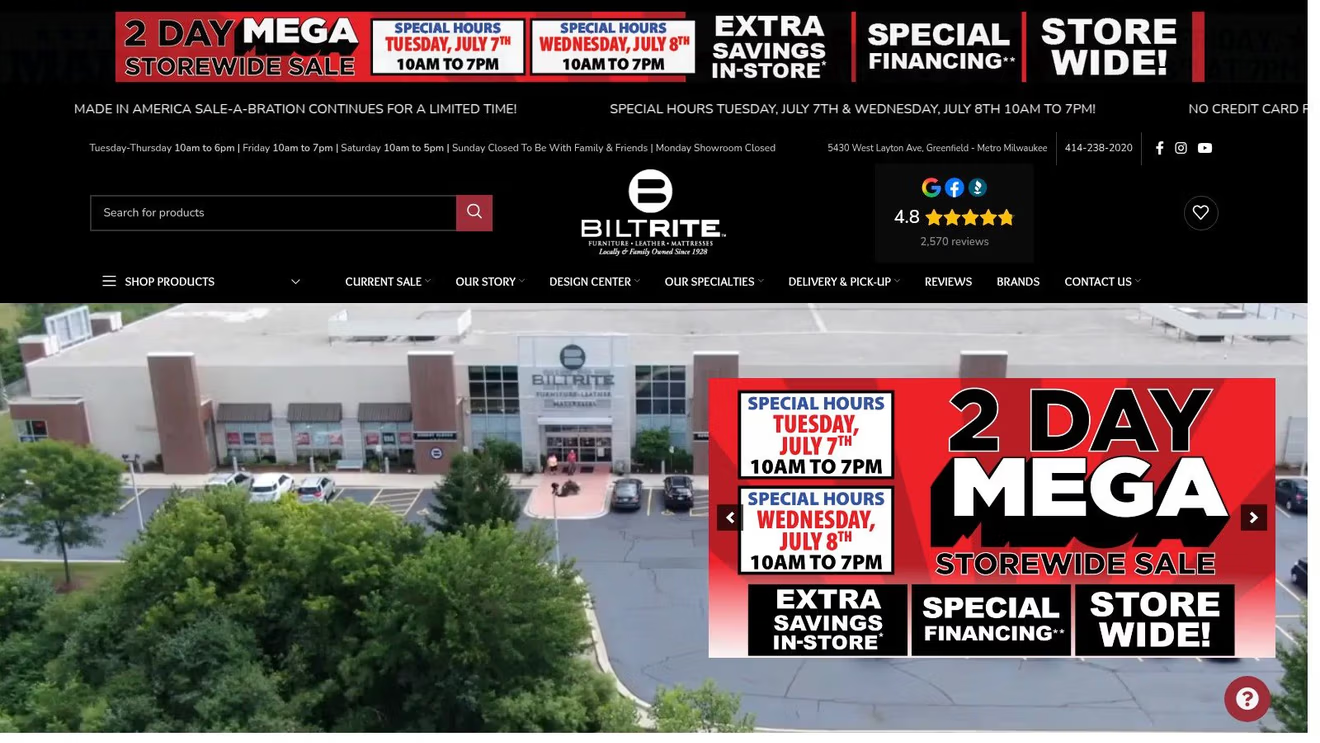
BILTRITE Furniture-Leather-Mattresses is one local option that offers custom upholstery choices with fabric, leather, wood, finish, and hardware selections in a Greenfield showroom. That kind of process matters because custom upholstery fabric decisions usually get better when someone can see the frame, feel the cushion, and place real swatches against the piece.
Why the showroom still matters
BILTRITE has been part of Metro Milwaukee since 1928 and is now led by its fourth generation of family leadership. The company notes on its main website that it has remained a local, family-owned institution while over 67 furniture and mattress stores have closed since 1980. That kind of longevity doesn't happen by accident. It usually comes from steady service, practical advice, and a clear sense of what local families need.
The showroom model also fits the company's values. There's no rush toward a buy-now button because the business doesn't sell online. It puts the focus on face-to-face help, touchable materials, and time to think.
What Milwaukee shoppers can expect
A custom upholstery visit often goes more smoothly when people bring a few basics:
- Room photos: These help with scale, style, and color decisions.
- Measurements: Doorways, wall lengths, and room dimensions prevent a lot of headaches.
- Lifestyle notes: Kids, pets, sun exposure, and traffic levels all affect fabric choices.
The store also leans into categories that many Milwaukee-area shoppers care about, including USA-made furniture and Amish-made pieces. OnMilwaukee's feature on BILTRITE notes that the store specializes in quality American-made furniture and uses a visible “USA Made” icon to identify locally crafted, solid-wood products.
There's also range in the assortment. Some households need small-scale furniture for a condo or senior living setting. Others need heavy-duty seating for a busy family room. Mattress shoppers have another reason to stop in, too. The store carries over 60 models in its mattress department.
Help without pressure
One thing many shoppers still value is a conversation with somebody who knows the difference between a nice-looking swatch and a fabric that will hold up for the long haul. BILTRITE's sales associates bring over 400 years of combined experience, and that kind of practical guidance can save a customer from a costly mismatch.
The store is also upfront about being family-first. It's closed on Sundays, and that choice says a lot about how the business sees community, work, and home life.
For anyone in Metro Milwaukee who wants custom upholstery fabric to feel less overwhelming and more enjoyable, the simplest next step is an in-person visit to Greenfield. Touch the fabrics. Sit on the frames. Ask the everyday questions. That's usually where the right answer shows up.
Shoppers who want help choosing custom upholstery fabric, American-made furniture, Amish-crafted pieces, or a new mattress can visit BILTRITE Furniture-Leather-Mattresses in Greenfield. The showroom gives Milwaukee-area homeowners a chance to see the furniture up close, compare fabric swatches in person, and talk with an experienced team that focuses on helpful guidance rather than pressure.