Small Scale Sofas and Loveseats: A BILTRITE Guide


A lot of Milwaukee homes ask living room furniture to do some serious work. Maybe it's a bungalow with a narrower front room. Maybe it's a condo where every inch counts. Maybe it's a third-floor apartment where the stair turn is tighter than expected. The problem usually isn't finding a sofa. The problem is finding one that feels comfortable, looks right, and still lets people move through the room without sideways shuffling.
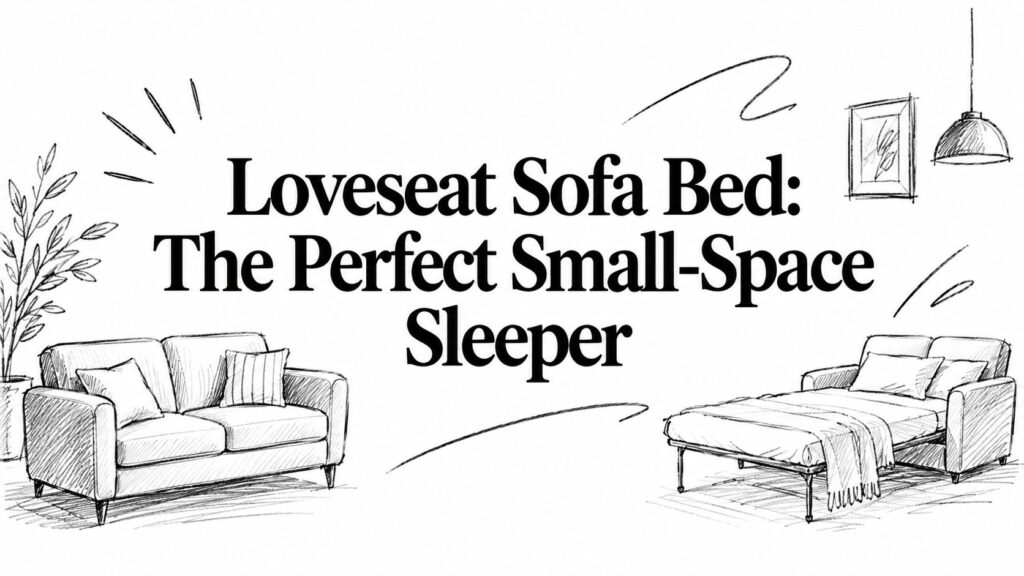
That's where small scale sofas and loveseats earn their keep. They aren't a compromise when they're chosen well. They're a smarter fit for the way many people live.
Shoppers aren't alone in this search, either. The global small space furniture market was valued at $52.4 billion in 2025, and sofas made up about 21.7% of that revenue, according to Dataintelo's small space furniture market report. That tells a simple story. More households want furniture that works harder in less space.
Table of Contents
- A Fun Welcome from Our Family to Yours
- First Things First Sizing Your Space
- Arranging Your Room for Comfort and Flow
- Finding Your Style That Is Built to Last
- The BILTRITE Way of Getting It Home
- Come Say Hi and Find Your Fit
A Fun Welcome from Our Family to Yours
Small rooms can be sneaky. A space may look open when it's empty, then feel crowded the second a bulky sofa lands in the middle of it. That happens all the time in Metro Milwaukee homes. A piece can fit the wall and still be wrong for the room.
That's one reason this topic matters so much to a family business that's been serving Milwaukee since 1928. BILTRITE has helped generations of local families furnish starter homes, downsized condos, apartments, duplexes, and those classic Milwaukee living rooms that look generous until traffic flow gets blocked by one oversized arm.
A local point of view
A smaller room doesn't need miniature furniture. It needs furniture with the right proportions, the right shape, and the right footprint. That's a big difference.
Small scale sofas and loveseats should make a room feel calmer, not more crowded.
That practical mindset comes from years of seeing real homes, not just showroom setups. In a Milwaukee bungalow, the issue may be a tight front entry. In a condo, it may be a shorter wall and an open path to the kitchen. In an older apartment, the challenge may be getting the sofa upstairs in the first place.
What neighbors usually need
Most shoppers looking at smaller seating want some mix of the same things:
- Comfort that feels adult-sized without swallowing the room
- Style that doesn't look temporary or skimpy
- Durability that holds up to daily use
- Delivery solutions that work in older buildings and tighter layouts
That last point matters more than people think. A sofa isn't just a style choice. It's a room-planning choice, a comfort choice, and sometimes a staircase choice.
The good news is that well-chosen small scale sofas and loveseats can solve all three. The trick is starting with measurements and proportion instead of color and throw pillows. That part isn't glamorous, but it saves a lot of regret.
First Things First Sizing Your Space
Most furniture mistakes happen before anyone sits down. They happen when shoppers measure one wall, skip the doorway, forget the hallway turn, and assume “apartment size” means the same thing everywhere. It doesn't.
Measure first. Then shop.
Start with the room, not the sofa
A tape measure, a notepad, and ten honest minutes will save a lot of frustration. The room needs more than a wall measurement. It needs a full picture of how people move through it.
Use this checklist:
- Measure the wall where the sofa or loveseat may sit.
- Measure the full room length and width.
- Mark obstacles like radiators, vents, windows, floor lamps, and door swings.
- Check the path in including entry doors, stairways, hallway corners, and elevator openings.
- Write it all down before stepping into a showroom.
For anyone who wants a more detailed walkthrough, BILTRITE has a helpful guide on how to measure furniture for delivery and fit.
Practical rule: Measure twice, relax forever.
Use this sizing chart as a starting point
The most useful dimensions for small spaces are surprisingly consistent. A typical small-scale sofa is about 65 to 80 inches wide and 32 to 38 inches deep, according to Povison's guide to sofas for small spaces. A loveseat is more compact, usually 60 to 72 inches wide, with common dimensions around 34 to 38 inches deep and 32 to 36 inches high, based on Adorncroft's sofa size guide.
| Piece Type | Typical Width | Typical Depth | Best For |
|---|---|---|---|
| Small scale sofa | 65 to 80 inches | 32 to 38 inches | Main seating in smaller living rooms, condos, and apartments |
| Loveseat | 60 to 72 inches | 34 to 38 inches | Tight layouts, shorter walls, or two-seat setups |
Those ranges are useful because they give a realistic envelope. A sofa in that width and depth range usually keeps circulation more workable than a standard oversized frame. A loveseat works especially well when a full sofa would dominate the room.
What the numbers mean in real life
Width tells only part of the story. Depth changes how the room feels.
A sofa that pushes too far into the room can make everything around it harder. Side tables get cramped. Walkways tighten up. The room starts feeling cluttered even when it isn't. That's why shallower small scale sofas and loveseats often work better than people expect.
A smart shopper also pays attention to arm style. Slimmer arms can give back usable room without sacrificing seat space. That means the sofa can look cleaner and feel less bulky even when the width is similar.
Arranging Your Room for Comfort and Flow
A lot of people default to the same idea. Sofa on one side, loveseat on the other, coffee table in the middle. That setup can work, but in many tight rooms it's the wrong answer.
Stop forcing the matching set
In smaller rooms, a sofa plus one chair often works better than a sofa-and-loveseat combination. Design guidance also stresses preserving at least 36 inches of walking space so the room keeps its flow, as noted in this small-room layout discussion.
That's the contrarian advice more shoppers need. Matching sets can make a room feel like a furniture display instead of a place to live. They eat up negative space, tighten walkways, and limit flexibility.
A better arrangement often looks like this:
- One compact sofa anchors the room
- One chair adds a second seating zone without as much bulk
- One lighter table keeps the center open
- One clear walkway protects everyday movement
For TV rooms, placement matters too. BILTRITE offers a useful article on calculating sofa and television placement that helps shoppers think through comfort and room flow at the same time.
Let the room breathe
A room feels larger when the eye can travel through it. That's why layout is only half the job. The shape of the furniture matters just as much.
Floating a sofa slightly away from the wall can help. So can choosing one substantial piece instead of two smaller-but-bulkier pieces. The goal isn't to pack every inch with seating. The goal is to make the room feel usable.
Leave breathing room around the furniture, and the whole room starts working better.
That advice applies especially well in Milwaukee homes with front rooms that connect to dining rooms or entries. A little open floor space does more for comfort than an extra seat that no one enjoys using.
Finding Your Style That Is Built to Last
A small sofa still gets sat on every day. It still handles movie nights, kids, naps, guests, and long winters. Size doesn't reduce the workload. If anything, a smaller piece often works harder because it lives in a more active part of the home.
That's why style should never be separated from construction.

Choose visual lightness on purpose
Certain design details consistently help a room feel more open. Sofas with legs that raise the seat height to about 17 to 20 inches create a more airy visual effect, and narrow arms around 20 inches deep help maximize the sense of space, according to this small-space sofa design discussion.
That's not just stylistic advice. It's practical.
Look for these features:
- Raised legs so more floor stays visible
- Slimmer arms so the piece looks cleaner and less blocky
- Lower-profile silhouettes that don't crowd the eye
- Balanced seat depth that fits the household comfortably
Shoppers who want help narrowing the look can also browse BILTRITE's overview of types of furniture styles before visiting the showroom.
Style matters, but construction matters more
Fabric and color grab attention first. Frame quality decides whether the sofa still feels good years later.
BILTRITE Furniture-Leather-Mattresses carries small-scale options with a strong emphasis on USA-made and Amish-made construction, including solid wood furniture built for long-term daily use. That matters in compact seating because lighter-looking furniture still needs real structural strength underneath.
A few good signs to ask about in the showroom:
- Solid wood construction rather than shortcuts hidden under fabric
- Cushion support that feels stable instead of flimsy
- Tailoring that looks neat at the seams, arms, and back
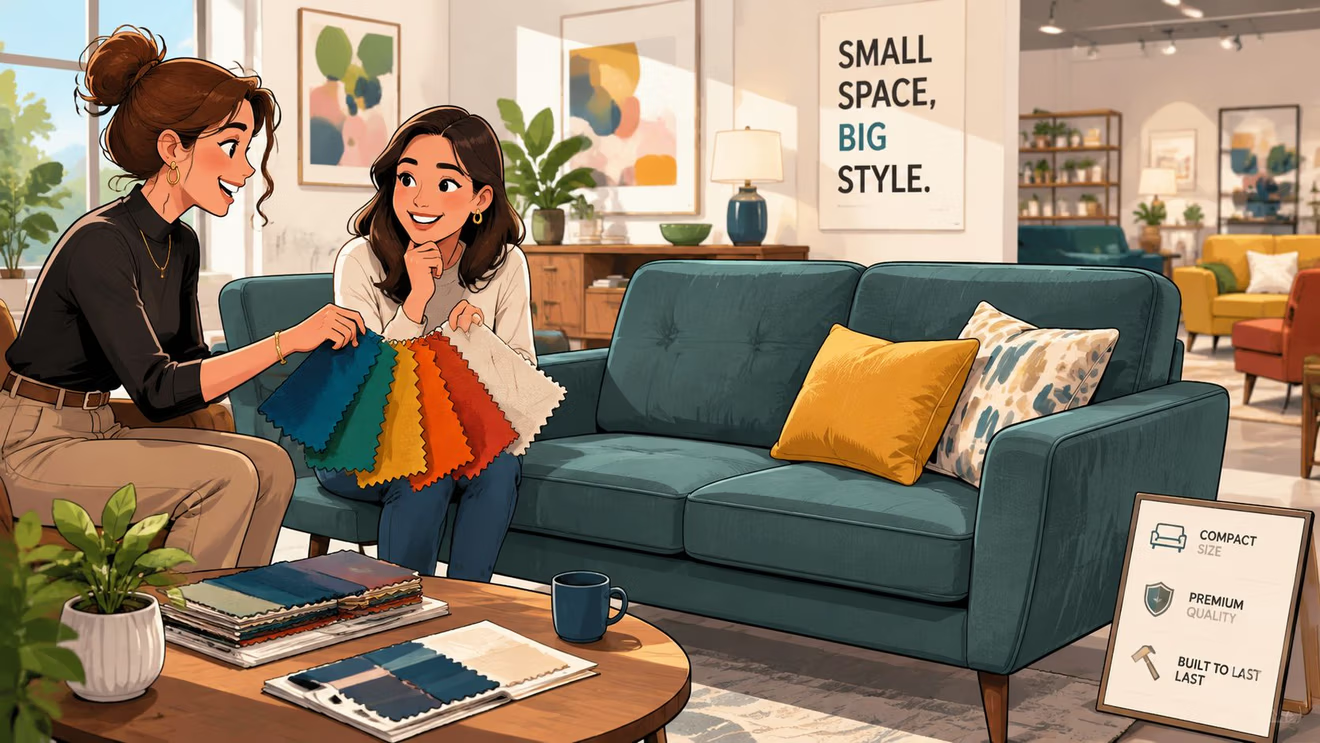
- Customization options when a shopper likes the frame but wants a different cover
Worth checking: A compact silhouette should feel sturdy when someone sits down. If it looks light but feels weak, keep shopping.
In-person shopping earns its value. People can sit, stand, look underneath, feel the arm shape, and compare how one frame uses space better than another. That's hard to judge from dimensions alone.
The BILTRITE Way of Getting It Home
The wrong question is “Will it fit in the room?” The better question is “Will it fit through the building, up the stairs, around the corner, and into the room without a disaster?”
In Milwaukee, that question comes up a lot.

Ask the delivery question early
Older homes and apartments can be unforgiving. Tight stairwells, narrow upper hallways, small landings, and sharp turns can turn a simple delivery into a headache if nobody planned ahead.
That's why come-apart sofas and sectionals are such a practical solution. These pieces are designed to be taken apart for delivery and reassembled in the home. For shoppers in walk-ups, condos, and tricky layouts, that can make the difference between “that'll work” and “that won't even make the turn.”
There's also a strong case for white-glove delivery with furniture like this. BILTRITE explains the process clearly in its guide to what white-glove delivery service includes.
A smart delivery conversation should cover:
- Entry path details such as stairs, corners, and building access
- Room destination including floor type and final placement
- Assembly needs for come-apart pieces
- Old furniture removal questions if the room is already full
Customization helps small rooms work harder
Small rooms don't leave much margin for error. That makes customization more valuable than many shoppers realize.
A fabric change can lighten the room. A cleaner arm style can improve visual space. A different configuration may solve a traffic issue without changing the overall look. In a compact home, these choices aren't extra fluff. They're functional decisions.
The in-store process helps because shoppers can bring measurements, photos, and rough room notes, then compare options with someone who sees these fit problems all the time. That's especially useful when balancing style with practical issues like delivery access, pet-friendly materials, or how the seating will be used every night.
Come Say Hi and Find Your Fit
The right small-scale seating doesn't just fit the wall. It fits daily life. It leaves room to walk, room to relax, and room for the home to feel settled instead of crowded.
That's why trying furniture in person still matters. Seat depth feels different from one body type to another. Arm height changes comfort. Cushion support can look good in a photo and feel wrong in five seconds. A showroom visit clears that up fast.
Why in-store still makes sense
There's real value in sitting on a few different styles and noticing what changes the room visually. One frame may look cleaner because the arms are slimmer. Another may feel better because the seat is shaped more comfortably. A third may solve a delivery problem because it comes apart.
BILTRITE has been part of Metro Milwaukee since 1928, and that local perspective shows up in how the shopping experience works. The focus is on helping neighbors sort through what fits their homes, not rushing them into a quick click. That family-first mindset also shows in being closed on Sundays so families can spend time together.
Bring the basics and let the showroom do the rest
Before visiting, bring:
- Room measurements
- Doorway and stair measurements
- A few photos of the space
- Notes on how the room gets used
That makes the conversation easier and the choices sharper. Anyone planning a visit can find directions and store details on BILTRITE's locations page for the Greenfield showroom.
A smaller home can feel every bit as comfortable and stylish as a larger one. It just needs furniture that respects the space instead of fighting it.
Ready to find the right fit for a Milwaukee home, condo, apartment, or downsized living room? Visit BILTRITE Furniture-Leather-Mattresses in Greenfield, bring the room measurements, and let the team help narrow the options with friendly guidance, no pressure, and a sharp eye for what will work in the space.