A lot of Milwaukee-area homeowners are in the same spot right now. The grill is ready, the patio is getting more use, and the old outdoor set is starting to show its age. The cushions feel tired, the frame wobbles a little, and the wicker that looked good in a photo a few years ago doesn't look so convincing up close anymore.
That's why buying outdoor furniture deserves a little more thought than a quick scroll and a guess. Families are putting serious attention into outdoor living now. The U.S. outdoor furniture market was estimated at about $9.06 billion in 2020 and is projected to reach about $19 billion in 2025, according to Statista's U.S. outdoor furniture market overview. Patios and decks aren't treated like bonus space anymore. They're used like real rooms.
For a fourth-generation family furniture store serving Metro Milwaukee since 1928, that shift makes a lot of sense. Outdoor seating has to do two jobs at once. It has to look inviting on a sunny Saturday, and it has to keep holding up after cookouts, rain, humidity, and long Wisconsin winters. That's where a smart wicker purchase separates itself from an expensive mistake.
A good patio setup changes how a home feels all summer. A deck stops being a pass-through space and starts acting like the family room with fresh air. One neighbor uses it for quiet morning coffee. Another fills it with grandkids, paper plates, and a table full of burgers and corn on the cob. The furniture has to handle both.
That's why the best outdoor wicker furniture isn't the set that looks the fanciest in a staged photo. It's the one that still feels solid after repeated use, still looks neat after weather exposure, and still invites people to sit down for one more hour outside. Style matters, of course. Durability matters more.
The right outdoor furniture should make a patio easier to use, not harder to maintain.
Around Metro Milwaukee, that point gets clear in a hurry. Outdoor pieces face sun, moisture, temperature swings, and months when they're not the center of attention. A flimsy set can look fine on day one and disappointing not long after. A well-built wicker set earns its spot season after season.
For families who want outdoor wicker that lasts, a hands-on approach beats guesswork. That's one reason local showroom shopping still has an edge. Photos can flatter almost anything. A real visit lets shoppers sit, inspect the weave, test the frame, and decide whether the scale fits the space and the family.
The strongest outdoor rooms don't feel overdone. They feel usable. A deep-seat sofa, a pair of chairs with supportive arms, and cushions that don't make guests shift around after ten minutes will get more real use than a trendy set that only looks good from across the yard.
A practical goal works best. Buy outdoor wicker that can handle regular life, not just special occasions.

Start with the part shoppers get wrong all the time. Wicker is a weaving style, not the material itself. In our Milwaukee-area showroom, that confusion shows up every season. Folks point at a set and call it rattan, wicker, or resin as if those words mean the same thing. They do not.
For outdoor use, natural wicker is the wrong pick for an uncovered patio. It has charm. It also has a short leash once rain, sun, and damp air get involved. If you want the basics sorted out clearly, this guide on the difference between wicker and rattan explains what the weave is and what the material underneath does.
The smarter choice is synthetic resin wicker made for outdoor exposure. In person, good resin wicker feels consistent and flexible, not brittle or papery. It keeps its shape better, handles weather better, and asks for less babysitting during the season. That matters around here, where patio furniture has to deal with humid days, sudden storms, and long stretches of sitting idle.
The frame matters just as much.
A pretty weave can hide a weak build for a while, especially in online photos. In a showroom, you can feel the difference in ten seconds. Pick up the arm. Press on the back. Shift the piece slightly across the floor. A good outdoor wicker chair should feel stable and easy to move, not heavy in a clumsy way or loose at the joints.
Choose aluminum frames. They resist rust and keep the furniture manageable when you need to rearrange the patio or move pieces into storage. Be careful with vague label language like "metal frame" or "durable metal construction." That wording often avoids identifying the material.
Here is the standard I tell neighbors to stick with:
Practical rule: if a set sells you on the woven look but stays quiet about the frame and materials, keep shopping.
This is one of those categories where local, hands-on shopping still wins. We do not sell from a warehouse website with polished photos and hopeful descriptions. In the store, you can touch the weave, feel the frame, and tell right away whether the piece was built for real family use or just made to look good for a season.
Once the materials pass the first test, the thorough inspection begins. During this process, shoppers can save themselves from buying a set that looks good for one season and tired after that.
Good outdoor wicker tells on itself quickly. The weave should look tight, even, and controlled. It shouldn't have loose runs, obvious gaps, or a sloppy pattern near corners and pressure points.
A useful in-store check looks like this:
| What to check | What a shopper wants to see |
|---|---|
| Arm tops | Tight weave with no loose ends |
| Seat rails | Clean coverage and no sagging look |
| Back corners | Consistent pattern, not stretched or thin |
| Legs and base | Stable contact with the floor |
| Overall feel | Solid, not shaky or rattly |
Then comes the wiggle test. A chair or sofa should feel planted. If the arms twist, the base rocks, or the back shifts under light pressure, that piece isn't built for years of family use.
Shoppers who want a broader in-person quality checklist can also review how to buy quality furniture, because many of the same habits apply outdoors too.
Durability isn't just about whether a label says “all-weather.” The more useful question is what usually fails first. Neutral guidance on wicker durability points shoppers toward three trouble areas: UV brittleness in the weave, corrosion on non-aluminum frame parts, and loose weaving. It also notes that a good warranty matters because some of these issues stay hidden at first, as explained in this outdoor wicker durability guide.
That means smart shoppers should ask direct questions:
A weak frame doesn't announce itself in the showroom. It shows up after enough sitting, shifting, and weather.
Maintenance matters too. Synthetic wicker is lower maintenance than natural wicker, but it isn't maintenance-free. Routine cleaning, shade when possible, and protective covers during long idle stretches all help preserve color and finish. The buyers who stay happiest are usually the ones who shop with failure points in mind, not just style.
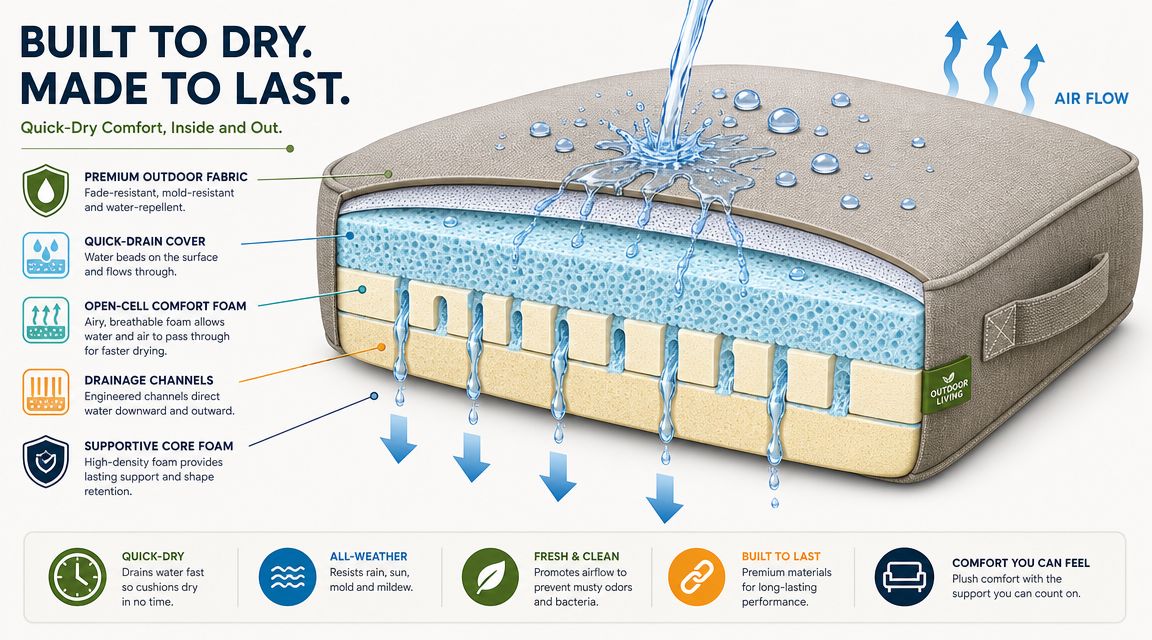
A beautiful wicker frame doesn't carry the whole job. If the cushions feel thin, soggy, stiff, or hot, the set won't get used much. Families don't gather where they aren't comfortable.
Many shoppers underspend in this regard. They focus on the weave, glance at the frame, then treat the cushions like an accessory. That's backward. Cushions are the part people feel for hours at a time.
The better route is to look for:
A patio sectional with weak cushions becomes a short-stay seat. People perch on it instead of settling in. A stronger cushion setup turns the same footprint into a real living space.
Performance fabric matters just as much as cushion fill. For many outdoor spaces, fade resistance and easy cleanup are what keep the furniture looking respectable through regular use. A fabric that holds its color and wipes clean gives the owner more time to enjoy the space and less time babying it.
Shoppers comparing options should pay attention to fabric hand, color depth, and cleanability. Neutrals usually age well and make it easier to swap in accent pillows or throws as tastes change. Busy patterns can be fun, but they should still work with the home and the patio instead of fighting both.
For a closer look at why these materials matter in everyday life, the benefits of performance fabrics are worth reviewing before a purchase.
Outdoor furniture should be easy to live with after a spilled drink, a surprise rain shower, or a weekend full of guests.
A smart fabric decision also helps with long-term satisfaction. The frame may last, but if the cushions fade badly or become a nuisance to clean, the whole set starts to feel older than it is. The best outdoor wicker furniture combines durability underneath with comfort on top. One without the other is a compromise most families end up regretting.
A lot of patio mistakes happen before anyone talks about materials. The set is the wrong size. It crowds the deck, blocks circulation, or leaves the space feeling oddly empty and disconnected.
This part should be boring. That's why it works.
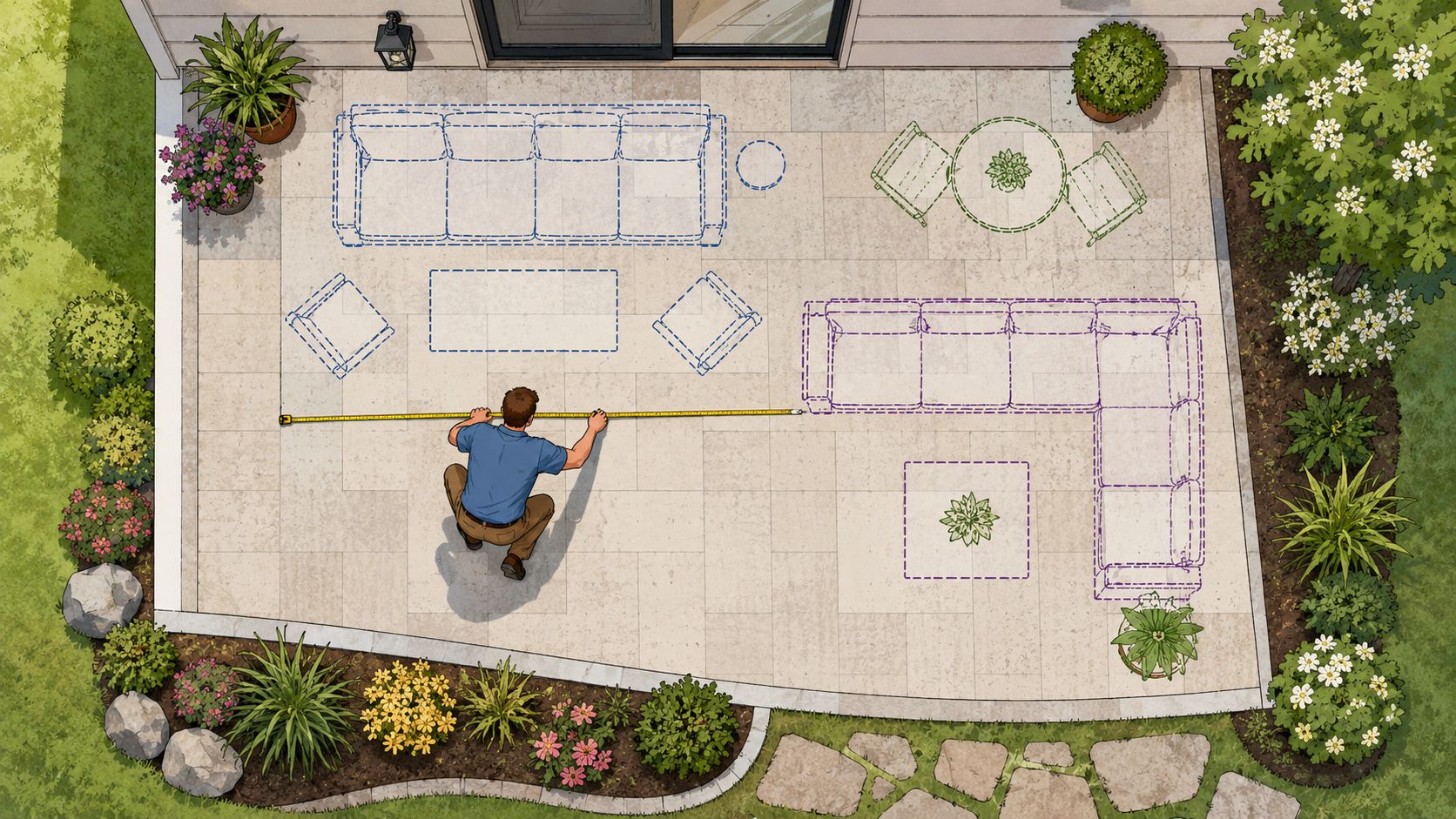
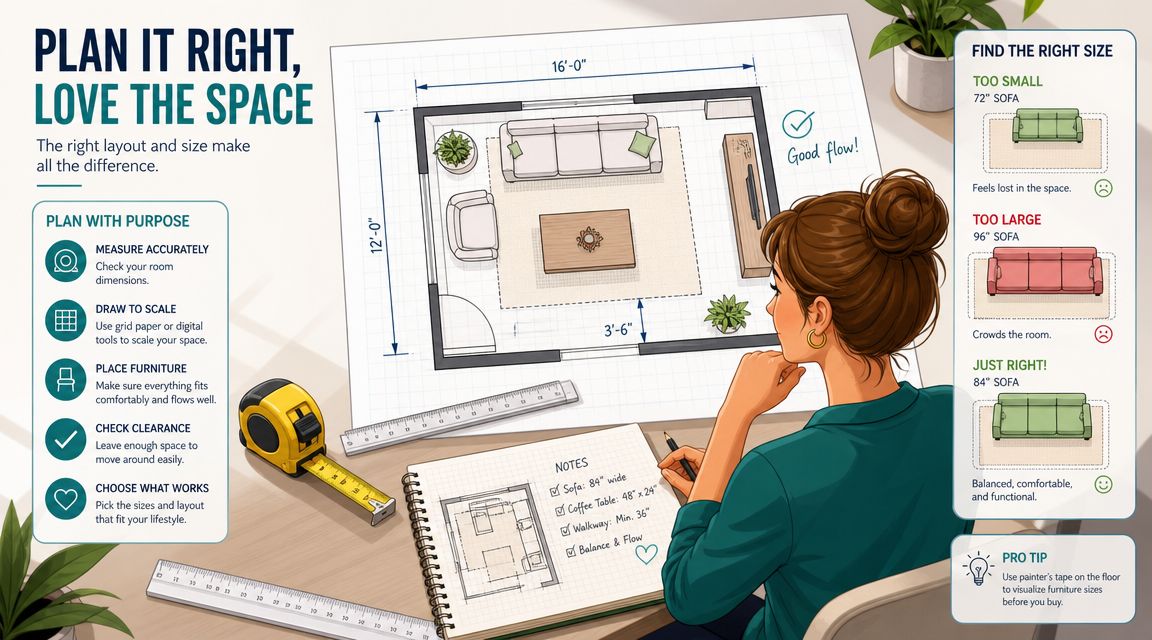
Measure the space first. Then mark out furniture footprints with tape. That quick step shows whether a sectional really fits, whether dining chairs have room to pull back, and whether people can move naturally around the setup.
A simple planning order helps:
For homeowners who want a practical refresher, how to measure furniture is a useful guide to keep handy.
The right layout depends on use, not trends. A household that hosts dinner outside needs a different setup than one that wants coffee seating and a place to stretch out after work.
Here's a quick decision guide:
| If the space is used for | A better furniture direction |
|---|---|
| Family meals | Dining-height seating and clear chair movement |
| Casual conversation | Club chairs, loveseat, or chat grouping |
| Lounging and long visits | Deep seating or sectional layout |
| Small balcony or compact patio | Smaller-scale seating with light visual weight |
This is also where showroom shopping helps. Scale is hard to judge online. One loveseat can read compact and useful in person. Another can feel undersized the moment someone sits down.
For tighter homes, condos, and awkward delivery paths, smaller-scale and modular-friendly options can make a real difference. BILTRITE Furniture-Leather-Mattresses offers in-person furniture shopping in Greenfield, including categories such as outdoor seating and space-conscious options that can help shoppers evaluate fit before purchase.
A good layout gives outdoor furniture room to work. It shouldn't force people to sidestep around chairs, squeeze past corners, or feel boxed in. If a set fits the patio but not the flow, it doesn't fit.
Saturday hits 72 degrees, the grill is hot, and half the family ends up outside. That is the moment bad patio furniture gets exposed. Seats flex. Cushions slide. The pretty set from a screen photo suddenly feels cheap. Good wicker should feel solid before the burgers ever hit the grate.
Around Milwaukee, that matters. Patio season is precious, and outdoor furniture has to earn its spot. In our showroom, shoppers can tell the difference fast because they can grab the arm, check the weave, sit down, and feel whether a piece is built for years of cookouts or one short season.
Bring this short list and use it. It will save you from buying on looks alone.
That is the whole test. Simple beats fancy.
Online photos hide a lot. They hide loose weave tension, thin frames, flat cushions, and seats that look deep but feel awkward the second you sit down. A showroom visit gives you answers in ten minutes that a product page never will.
That is one reason shoppers still seek out family-owned furniture stores near Milwaukee. Since 1928, BILTRITE has served the Metro Milwaukee area with better-quality furniture, including USA-made and Amish-made selections across the showroom. For outdoor pieces especially, local shopping gives you something the internet cannot. You can test comfort, inspect construction, and ask blunt questions face to face.
Buy wicker the same way you would buy a dining chair you plan to use every week. Check the structure. Check the comfort. Check the details with your own hands. That approach cuts through the online noise and leads to furniture that still feels right after many family cookouts to come.
Ready to upgrade the patio with outdoor wicker that feels good and holds up for many family cookouts to come? BILTRITE Furniture-Leather-Mattresses welcomes shoppers to its Greenfield showroom to see the furniture up close, sit in it, and talk with an experienced team in a relaxed, local setting.