


Your Guide to Protective Coatings for Furniture


A family's home tells on itself fast. The dining table turns into homework central. The sofa becomes movie-night headquarters. A favorite chair catches morning coffee, afternoon sunlight, and the occasional pet nap. Before long, good furniture isn't just furniture. It's where daily life shows up.
That's why protective coatings matter more than most homeowners realize. They aren't only for factories, bridges, or heavy equipment. In a real Milwaukee-area home, they help quality furniture stand up to spills, scuffs, sunlight, dry winter air, and sticky summer humidity. For families who buy solid wood, leather, and upholstered pieces meant to stay in the home for years, that protection can make a real difference.
Table of Contents
- Welcome to the Family A BILTRITE Guide
- What Are Furniture Protective Coatings Anyway
- Choosing a Protective Coating for Wood Furniture
- Protecting Your Leather Sofas and Upholstery
- Our Family's Tips for Application and Upkeep
- Come See the Difference at Our Milwaukee Showroom
Welcome to the Family A BILTRITE Guide
One family uses the dining table for taco night, science projects, and bills. Another keeps a leather sofa in the brightest room in the house because that's where everyone gathers. A third has a solid wood bedroom set that gets moved, cleaned, and bumped around through every season of family life. Good furniture earns its keep.

In Metro Milwaukee, families know furniture has to work hard. It has to look good, yes, but it also has to handle boots by the door, sun through the windows, furnace-dry winter air, and summer humidity that seems to settle into everything. That's where a smart finish and the right upkeep habits start pulling their weight.
BILTRITE Furniture was founded in Milwaukee in 1928 by Irwin Kerns and his wife Frieda Kerns as an upholstery shop making custom furniture, and it has proudly served the Metro-Milwaukee area for nearly a century as a locally and family-owned institution, as noted by Sleep Savvy Magazine's feature on the Kerns family tradition.
Why this matters to homeowners
Protecting furniture isn't about being fussy. It's about helping a dining set, recliner, bed, or sofa stay useful and good-looking through ordinary life.
A protective coating or finish helps in a few practical ways:
- It slows everyday wear. Scratches, rubbing, and repeated cleaning can dull a surface over time.
- It adds spill resistance. That extra moment before moisture soaks in can be the difference between a quick wipe and a stubborn stain.
- It supports long-term value. Better furniture deserves better care, especially when it's solid wood, leather, or upholstery chosen to stay in the home for years.
Good furniture collects memories. A good finish helps it survive them.
That neighborly mindset runs through this whole guide. The goal isn't to sound technical. The goal is to make protective coatings easy to understand, so homeowners can make steadier choices for the pieces they already own and the ones they plan to bring home next.
What Are Furniture Protective Coatings Anyway
The simplest way to think about protective coatings is this. They're a raincoat for furniture.
Not a bulky plastic cover. Not a gimmick. A proper protective coating is a finish or treatment that helps the material underneath stand up to daily use. On wood, that may mean resisting moisture, scratches, or household cleaners. On leather and fabric, it may mean helping repel spills and reduce wear from regular contact.
More than decoration
People often misunderstand this concept. Many homeowners hear “coating” and think paint, shine, or color. However, the primary job is protection first.
As explained in this overview of engineered coating properties, unlike domestic paint formulated for decorative purposes, industrial and high-quality furniture protective coatings are engineered materials designed specifically for corrosion control and asset protection, with key properties like water resistance, abrasion resistance, and excellent adhesion.
Furniture isn't a bridge or a storage tank, of course. But the basic idea still holds. A quality finish isn't only there to look nice. It needs to stick well, hold up to contact, and resist the kind of wear a real household creates.
What they protect against at home
A furniture surface usually faces a handful of repeat offenders.
- Moisture: drink rings, damp glasses, wet coats, and humidity
- Abrasion: sliding dishes, zippers, toys, pet nails, and repeated wiping
- Light household chemicals: cleaning sprays, hand lotions, and accidental splashes
- Sunlight: fading, drying, and finish breakdown over time
That's why a finish should match the job. A formal accent table and a family dining table don't live the same life. Neither do a sunny leather sectional and a bedroom dresser tucked away from windows.
Practical rule: The best coating isn't the shiniest one. It's the one that fits the way a piece gets used.
Homeowners who want a deeper look at day-to-day wood protection can browse this guide to protecting wood furniture from scratches and stains.
Why better furniture deserves better protection
Solid wood, USA-made, and Amish-made furniture often shows off the material itself. Grain, texture, color depth, and craftsmanship are part of the appeal. A weak finish or the wrong care routine can chip away at that beauty faster than people expect.
Protective coatings help furniture do what families bought it to do. Stay useful. Stay attractive. Stay in the house long enough to become familiar.
Choosing a Protective Coating for Wood Furniture
Wood furniture gives homeowners a lot to love. It has warmth, grain, depth, and character that manufactured surfaces often can't fake. It also asks for a little respect. The right finish can help a wood piece age gracefully. The wrong one can leave it vulnerable or make it harder to maintain.
Why finish choice matters
A finish isn't just a surface detail. It affects how wood responds to spills, sunlight, friction, and seasonal changes inside the home.
According to AMPP's discussion of protective coating life and performance, the performance of a protective coating is determined by variables like its thickness and resin type. Industrial systems have precise thickness targets, but the same principle applies to furniture. A well-applied, appropriate finish is critical for lifecycle and protection against environmental stress.
That helps explain why two tables made from beautiful wood can age very differently. One may shrug off years of family dinners. The other may pick up rings, scratches, and dull patches much sooner.
Wood Finish Friend-Finder
Different finishes suit different homes, habits, and expectations.
| Finish Type | Best For… | Durability | Look & Feel |
|---|---|---|---|
| Polyurethane | Dining tables, coffee tables, desks, and other hard-working surfaces | High | Protective film with a clean, finished look |
| Lacquer | Bedroom furniture, accent pieces, and styles that favor a smooth appearance | Moderate to high | Smooth, refined, often a bit sleeker |
| Shellac | Decorative pieces and lower-traffic furniture | Moderate | Warm, classic glow with a traditional feel |
| Oils and waxes | Solid wood pieces where touch, grain, and a natural feel matter most | Lower to moderate | Soft, hand-rubbed, natural appearance |
How each finish behaves in real life
Polyurethane is often the practical favorite for busy households. It creates a stronger barrier, which makes it a good fit for dining sets, end tables, and any surface that sees regular contact. Families who want less worry over everyday use often lean this way.
Lacquer has a polished, furniture-showroom look that many people love. It can work beautifully on case goods and accent pieces. It may not be the first choice for the roughest daily treatment, but it offers a smooth, appealing finish when the piece's use is a bit gentler.
Shellac carries plenty of old-school charm. It gives wood a warm, classic character that suits certain traditional looks. It's not usually the go-to option for hard-driving family wear, but it can be lovely in the right setting.
Oil and wax finishes let the wood feel more like wood. People who love the tactile side of solid wood furniture often appreciate this most. The tradeoff is maintenance. These finishes usually ask for more regular attention and a lighter hand with spills.
For readers comparing options for one of the busiest surfaces in the house, this guide to the best wood finish for a dining table is a helpful next step.
A finish should match the life of the furniture, not just the look in the store.
How families can choose wisely
A few practical questions usually narrow things down fast:
- Who uses this piece every day? Kids, pets, guests, and daily routines all matter.
- What lands on the surface? Plates, laptops, remotes, homework supplies, or almost nothing.
- Is touch part of the appeal? Some homeowners want a sealed surface. Others want to feel the natural grain.
- How much upkeep is realistic? Some finishes ask very little. Others reward owners who don't mind periodic care.
A solid wood heirloom-style dresser may call for one kind of finish. A family dining table that sees cereal bowls, puzzles, and holiday meals may call for another. Neither choice is wrong. The better question is which one fits the house.
Protecting Your Leather Sofas and Upholstery
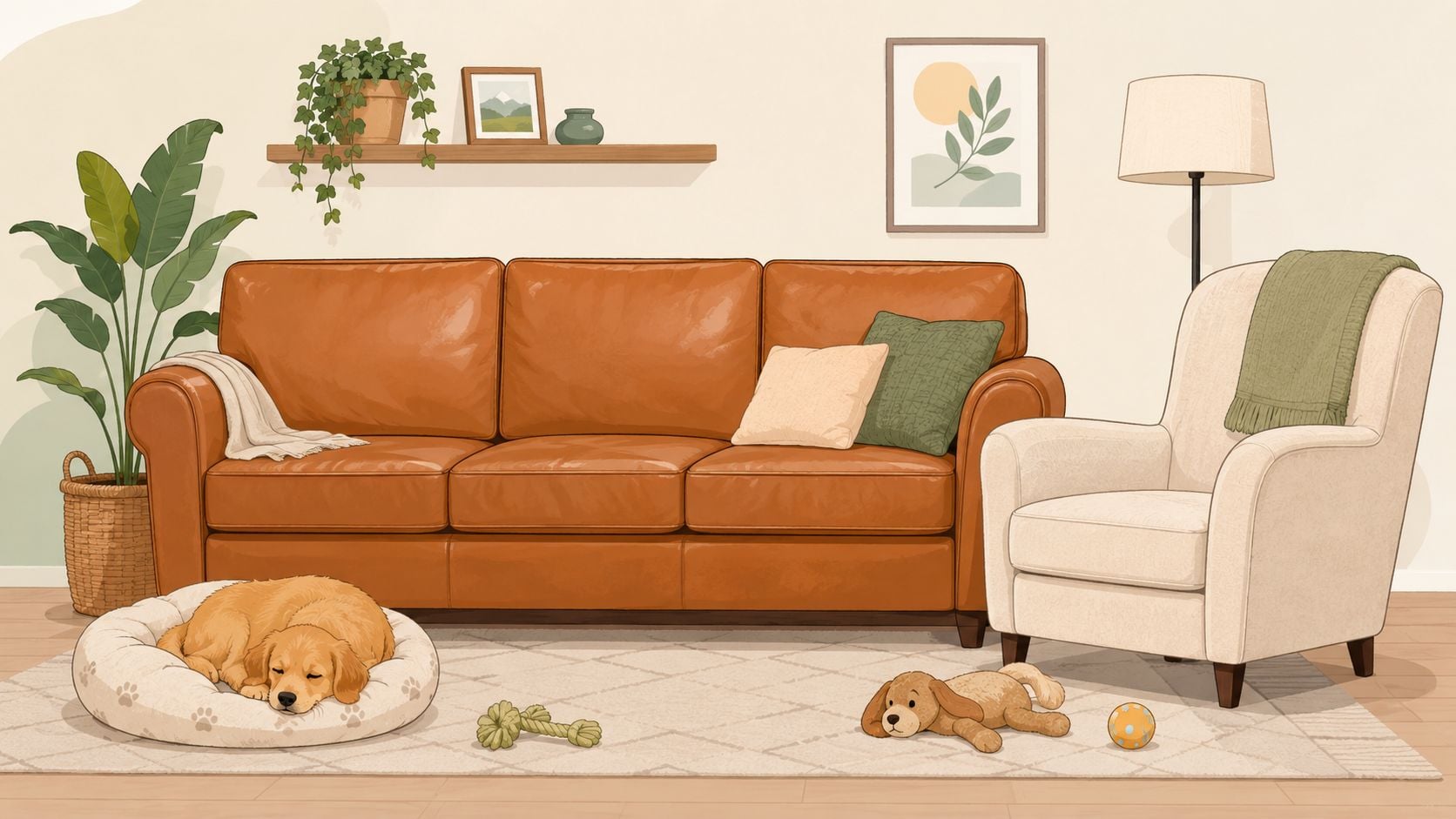
Soft furniture gets mistaken for “already comfortable, so it must already be protected.” That's not always true. Leather, woven fabrics, and mattress surfaces all face their own version of wear, and much of it comes from normal living.
Leather needs care, not guesswork
Leather is durable, but it isn't maintenance-free. Sunlight can dry it. Household heat can make it lose some suppleness. Daily use can wear the same seat, arm, or headrest over and over.
A good leather protector or conditioner helps support the surface so it doesn't dry out as quickly and can better handle minor spills. The goal isn't to coat it until it feels fake. The goal is to preserve what people like about leather in the first place, which is its rich, natural character.
Homeowners who want material-specific advice can read this leather furniture care guide.
Fabric protection in busy homes
Fabric upholstery deals with a different set of headaches. Think snack crumbs, denim rub, pet traffic, damp clothing, and the mystery drip nobody notices until later. A fabric protector helps create an invisible barrier so the material has a better shot at resisting quick accidents.
A significant awareness gap exists concerning where protection is needed in the home. As noted in this discussion of where protective coatings are needed, research shows that without protection, furniture surfaces can degrade from UV exposure, moisture, and mold, with a significant percentage of plastic and fabric furniture failures linked to untreated UV exposure.
That's especially relevant in homes with sunny windows, moisture-prone spaces, or furniture placed near doors and seasonal traffic.
- Sun-facing seating: fabric and leather can fade or dry faster near bright windows
- Family room furniture: the most-used seats usually need the most thoughtful protection
- Multi-use spaces: guest rooms, dens, and home offices still collect dust, sunlight, and accidental spills
Upholstery damage usually starts quietly. A little fading here, a little wear there, then one day the whole piece looks tired.
Don't forget the mattress
Mattresses don't get talked about enough in this conversation. Yet they deal with body oils, moisture, friction, and daily compression. A mattress protector helps with hygiene and surface preservation, and it's one of the easiest furniture-protection decisions a homeowner can make.
For families, pet owners, and anyone outfitting a guest room, that extra layer can save a lot of frustration later. It's simple, unglamorous, and smart.
Our Family's Tips for Application and Upkeep
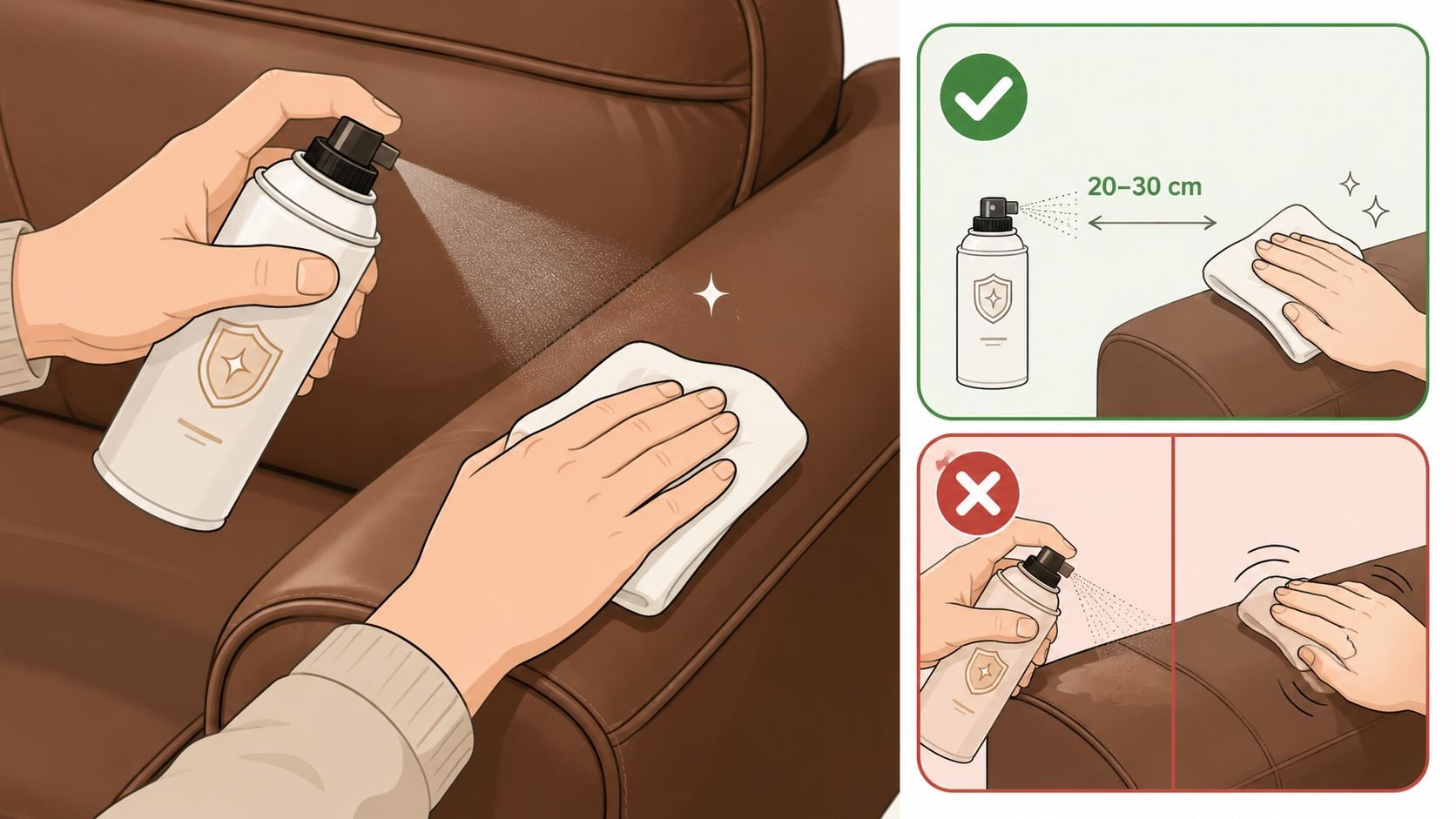
Most protective products work better when people slow down a little. Trouble usually starts when someone sprays too much, wipes with the wrong cloth, or grabs a harsh cleaner because it was handy under the sink.
Simple rules that save furniture
A steady routine beats heroic rescue jobs every time.
- Read the label first. Wood, leather, and fabric each respond differently. One product doesn't fit every material.
- Test a hidden spot. The back edge, underside, or inside arm area is a safer place to check color change or residue.
- Use light applications. More product doesn't always mean more protection. Heavy application can leave buildup or uneven sheen.
- Keep fresh air moving. Good ventilation makes application safer and usually helps the product cure more cleanly.
- Stick to gentle cleaning tools. Soft cloths beat abrasive pads. Mild cleaners beat strong household chemicals.
People caring for finished wood can also review these wood furniture cleaning tips.
When DIY makes sense and when it doesn't
Some furniture care is well within reach for homeowners. Wiping down a table correctly, using a fabric protector as directed, or conditioning leather on schedule are all reasonable DIY jobs.
Other situations deserve a pause.
One safe habit beats one aggressive cleaning session.
Ask for help when:
- The piece is an heirloom or high-value solid wood item
- The finish is already damaged, cloudy, sticky, or peeling
- The material type isn't clear
- A stain has already set and scrubbing may make it worse
A rushed fix can do more harm than the original spill. That's especially true with leather color issues, delicate wood finishes, or upholstered pieces where over-wetting can spread the problem.
Homeowners don't need fancy routines. They need consistent ones. Dust regularly, wipe spills quickly, keep furniture out of punishing direct sunlight when possible, and use protectors that suit the actual material.
Come See the Difference at Our Milwaukee Showroom
A Milwaukee family with kids and a dog can shop online for hours and still miss the detail that matters most. The table may look beautiful in a photo, but your hand cannot tell from a screen whether the finish feels thin and plasticky or smooth and well built for daily life. The same goes for leather and upholstery. You learn a lot faster when you can sit, touch, open drawers, and look at a surface in real light.
That has always been our family's view. We have helped local families furnish their homes since 1928, and after four generations in Milwaukee, we can tell you this much. Good furniture protection starts long before a spill or scratch. It starts with choosing materials, construction, and finishes that make sense for the way Midwestern families live.
Why seeing finish and feel matters
A protective coating is a little like a winter coat in Wisconsin. Two coats can look similar on the rack, but one keeps you comfortable through the season and the other leaves you disappointed after a few rough weeks. Furniture finishes work the same way. What matters is how the surface feels, how it was built, and how it holds up to normal use.
Solid wood is a good example. One dining table may have a finish that shows the grain with warmth and depth. Another may look flat, overly shiny, or thick in a way that hides the character of the wood. Leather tells its story through touch too. Better leather usually feels richer and more natural, while lower-grade or heavily corrected leather can feel dry or stiff.

Our showroom is at 5430 W. Layton Ave. in Greenfield, just southwest of Milwaukee. If you want store hours, directions, or planning details before you stop in, visit the BILTRITE locations page for Greenfield showroom information. We are also closed on Sundays and Mondays so our team can spend time with family, which is a value we take seriously as a family business.
Frequently Asked Questions
| Question | Answer |
|---|---|
| Do protective coatings make furniture bulletproof? | No. They help furniture resist everyday wear, but quick cleanup and steady care still make a big difference. |
| Is every shiny finish a protective coating? | No. Some finishes are mainly for appearance, while others are built to better resist moisture, rubbing, and daily use. |
| Does solid wood always need a heavy-duty finish? | No. The right choice depends on how the piece will be used and how much upkeep fits your household. |
| Should leather be treated the same way as fabric upholstery? | No. Each material needs its own care products and methods. Using the wrong product can create new problems. |
| Is a mattress protector worth it? | For many households, yes. It helps keep the mattress cleaner and shields the surface from everyday moisture and wear. |
A well-made piece should feel right the first day and still feel right years later. That is the difference many Milwaukee families notice in person.
BILTRITE Furniture-Leather-Mattresses has been helping Metro Milwaukee families furnish their homes since 1928 with affordable, better-quality furniture and mattresses, including many USA-made, Amish-made, and solid wood options built to last. The showroom is at 5430 W. Layton Ave. in Greenfield, and the team would love to help neighbors compare finishes, materials, and furniture care in person. Visit BILTRITE Furniture-Leather-Mattresses and come say hi.


