Walnut vs Oak Furniture: A Friendly Buyer’s Guide


You know the moment. The dining table has been scratched one too many times, the bedroom set feels dated, and now the big question is staring back from the showroom floor, walnut or oak? Both are hardwood, both are smart, and both can live a long time in a Metro Milwaukee home. The trick is picking the one that fits the room, the traffic, and the way a family uses the piece.
At BILTRITE, we see this choice all the time. A young family in Wauwatosa wants a table that can take everyday life. A couple in Brookfield wants a bedroom set that feels warmer and more refined. One wood usually wins on toughness and value, the other usually wins on depth, color, and presence. That split has held up for years, with white oak the #1 wood choice for flooring and cabinetry in 2023 and walnut the top choice for custom furniture since 2016 according to the history cited by Brenelli Design, and that tells shoppers these woods have settled into different jobs rather than acting like simple substitutes. Brenelli Design history of America's favorite woods
| Feature | Black Walnut | White Oak |
|---|---|---|
| Look | Darker, richer, more dramatic | Lighter, warmer, more versatile |
| Common role | Statement furniture, bedroom pieces | Dining tables, cabinets, flooring, family-use pieces |
| Toughness | Softer of the two | Harder and more dent resistant |
| Price | Usually higher | Usually better value |
| Best fit | Style-first rooms | Busy rooms and daily-use furniture |
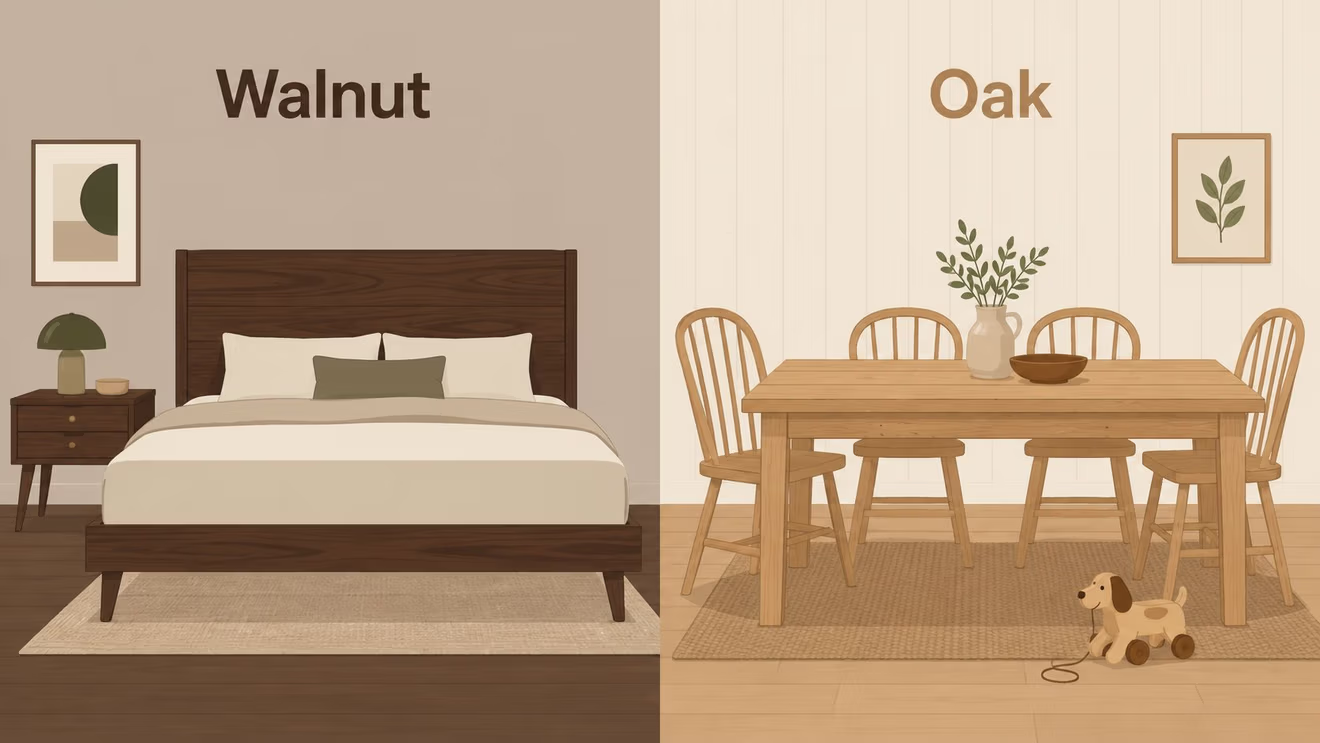
If the choice feels broad right now, that's normal. The right answer usually comes down to where the piece goes, how hard it gets used, how you want the room to feel, and how much you want to spend. For a shopper standing in the middle of a showroom, those are the questions that matter.
Why Walnut and Oak End Up in Different Rooms
A dining room in a starter home asks different things of furniture than a quiet bedroom does. That's why walnut and oak don't really fight for the same spot. They've earned different jobs over time, and that's the smartest way to think about walnut vs oak furniture.
Two hardwoods, two personalities
Walnut tends to show up where the piece is supposed to feel special. A headboard, a console, an accent table, or a set of case goods can use walnut's darker tone to anchor a room without shouting. White oak, by contrast, fits the kinds of pieces that get touched all day, every day, because it brings a lighter visual weight and a more forgiving, family-room feel. BILTRITE's own walnut color guide is helpful if the shopper wants to see how that darker tone reads in real rooms, not just in a sample chip. What color is walnut at BILTRITE
Practical rule: if a piece needs to feel like the main character, walnut earns a look. If it needs to blend into real life and still look good, oak usually makes more sense.
That split is why a buyer can walk into one room and love walnut, then step into another and immediately prefer oak. Oak often feels right for the dining set, the desk, or the busy family area. Walnut tends to work better where the room is calmer and the furniture gets to act like an anchor instead of a workhorse.
What the rest of the decision comes down to
There are really seven questions behind the purchase. How does the wood look up close? How hard is it? How does it take finish? What does it cost? Where does it belong in the house? Which style does it support? And how do you keep it looking good for years?
That's the whole game. Once a shopper answers those questions straightforwardly, the wood choice gets a lot easier. For a family in Metro Milwaukee, the right call usually isn't the prettiest wood in the abstract. It's the wood that fits the room that's getting lived in.
Grain, Color, and Overall Look
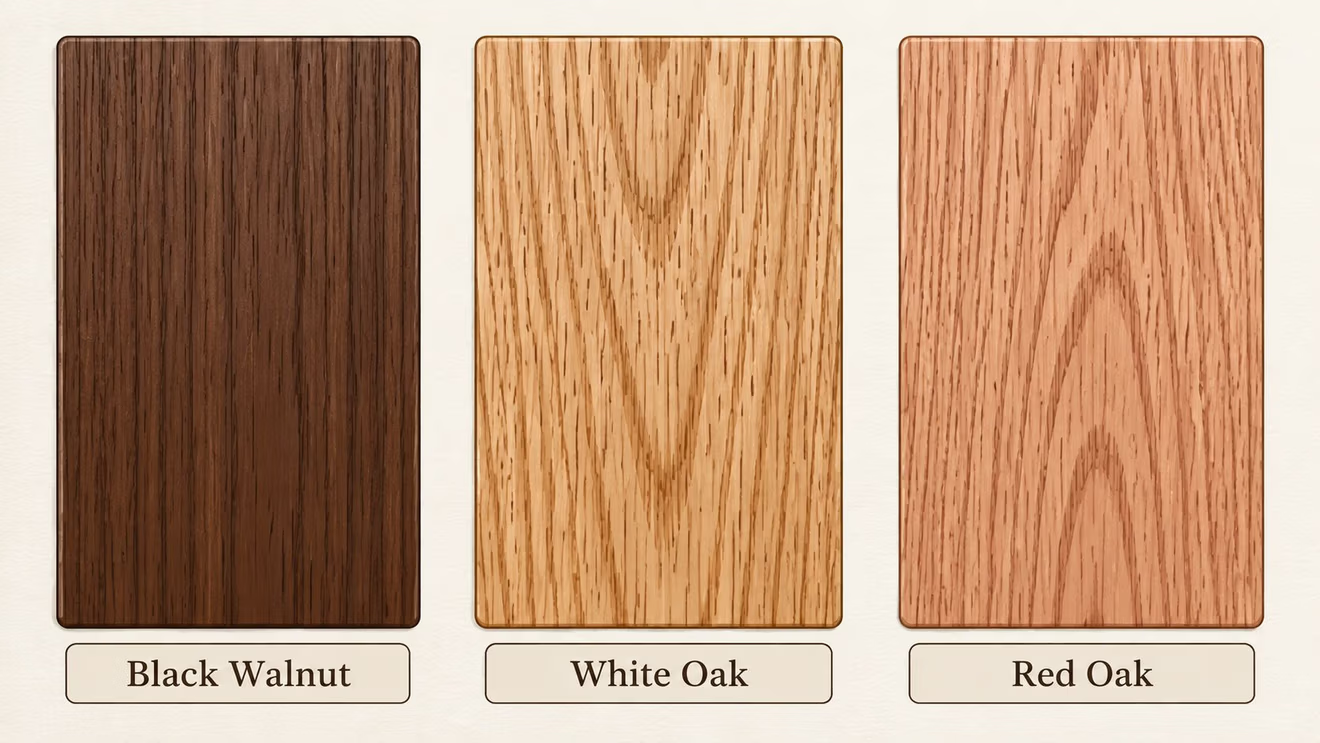
Walk up to both woods in a showroom and the difference shows up fast. Walnut reads darker, smoother, and more restrained. Oak reads lighter, busier, and more open. That first impression matters because most shoppers are choosing with their eyes before they ever touch a finish sample.
Walnut leans rich and polished
Black walnut usually runs in chocolate-to-honey brown territory, with a fine grain that looks calm even on a larger surface. That steadier look gives walnut a sleek, modern presence, which is why it fits bedrooms, accent pieces, and rooms that need contrast without clutter. It also tends to lighten where sunlight hits it, so a walnut piece can soften over time instead of staying frozen in the same exact shade.
Oak feels warmer and more casual
White oak brings a lighter, cleaner look, and red oak reads a little pinker or warmer. The grain is more open, so the wood has more visual movement. That's why oak often feels at home in farmhouse, craftsman, coastal, and transitional rooms. It has a friendly, everyday look that doesn't try too hard.
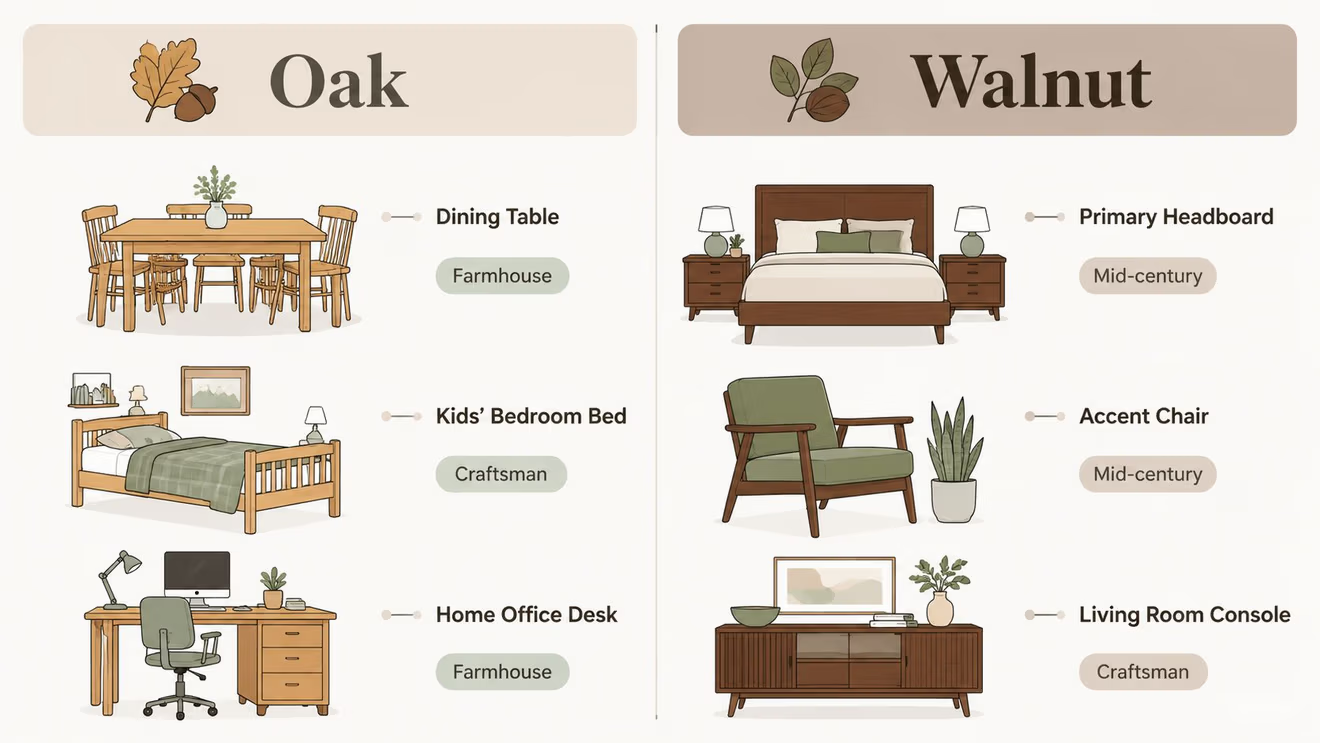
| Walnut vs Oak at a Glance | Black Walnut | White Oak |
|---|---|---|
| Color | Dark brown, rich, and deep | Light to medium brown, warm, and versatile |
| Grain | Fine and mostly straight | More open and visibly textured |
| Feel in a room | Sleek, tailored, elevated | Casual, welcoming, relaxed |
| Style match | Modern, contemporary, warm minimalist | Farmhouse, craftsman, transitional |
What aging does to each wood
Walnut and oak both change over time, and that matters if the buyer is planning for the long haul. Walnut's darker tone can mellow in sunlight. Oak tends to amber as it ages, which is one reason older oak furniture often feels warm rather than tired. That aging pattern is part of the charm, not a flaw.
For shoppers who care more about mood than measurements, this section is the giveaway. Walnut makes a room feel composed. Oak makes it feel lived in. If the house already has a lot of texture and color, walnut can settle it down. If the house feels flat, oak brings it back to life. Wood furniture explained for longevity and style
Hardness, Durability, and Real-World Toughness
A furniture shopper hears “hardwood” and assumes the job is already done. It isn't. Hardwoods still vary a lot in how well they resist dents, chair bumps, and daily wear. That's where the Janka numbers tell the truth.
The numbers that matter
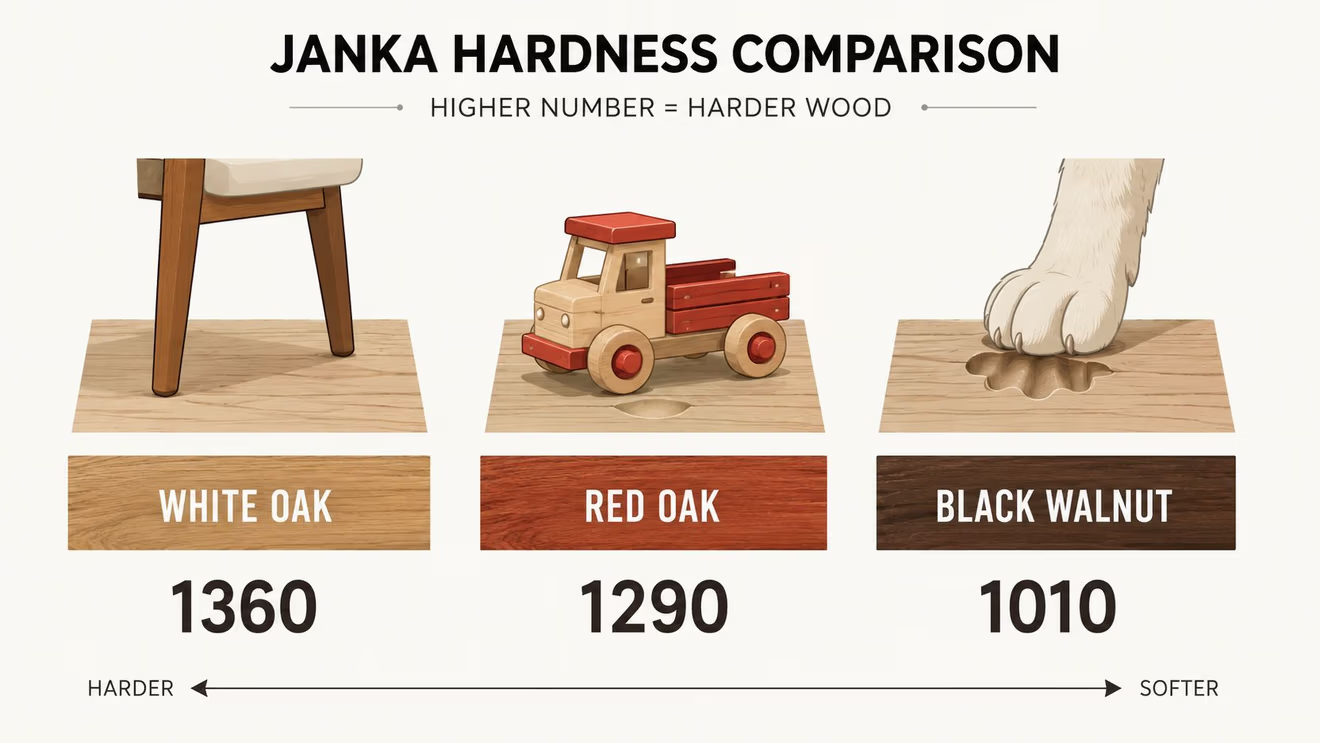
Black walnut rates at about 1,010 on the Janka hardness scale. White oak is around 1,360, which makes it roughly 34.7% harder by that metric, and red oak sits around 1,290. Oak's edge is not subtle. It gives the wood better dent resistance in the places where chairs get pushed in, grandkids climb, and daily life leaves marks. Edward Martin on walnut or oak for a modern wood dining table
Where oak earns the nod
For dining tables, desk tops, chair arms, entry benches, and family-room surfaces, oak is the safer pick. It takes more abuse before it shows it. That's why oak gets recommended so often for households that want a piece to look good after years of use, not just after the delivery truck leaves.
Walnut still belongs in the hardwood conversation. It just belongs in rooms with lighter contact and less rough handling. Bedrooms, formal living spaces, and statement pieces are all fair game. Walnut also gives carvers and Amish shops a forgiving working surface, which helps explain why it stays popular in custom solid-wood furniture.
Walnut isn't fragile. It's just less forgiving than oak when chairs get dragged, belts buckle against tabletops, or pets hop up and down without warning.
For anyone comparing walnut vs oak furniture with family life in mind, the answer is plain. If the piece is going to get hit every day, oak is the better bet. If it is going to be admired, used carefully, and kept in a calmer room, walnut does the job beautifully. BILTRITE's solid wood vs engineered wood guide
How Each Wood Takes Stain and Finish
Finish changes the whole story. Two pieces made from the same species can look completely different once stain, oil, or lacquer enters the picture. That's why a shopper who likes the wood in the sample cube should still ask how it will behave under finish.
Walnut usually wants less help
Walnut's dark color already does a lot of the work. It takes oil, lacquer, and clear finishes in a way that deepens the richness without needing heavy stain to “fix” it. The tight grain also helps it keep a smooth, refined surface. In plain terms, walnut usually looks best when the finish is asked to protect the wood, not disguise it.
Oak likes to show off the finish
Oak is more open-grained, so it soaks up pigmented stain in a way that can look especially attractive on dining tables and case pieces. It also works well with a clear natural finish, which lets the ray flecks and grain movement stay visible. That is why people think of oak in golden, pickled, driftwood, or naturally warm finishes. White oak's closed grain structure also gives it better moisture resistance than red oak, which is one reason it gets used in more demanding spots. BILTRITE's guide to the best wood finish for a dining table
Simple rule: choose walnut if the natural color already fits the room. Choose oak if the finish needs to carry more of the design.
That rule helps keep the finish conversation honest. Walnut is the easier wood for someone who wants a rich look without much fuss. Oak is the better canvas for a buyer who wants more control over tone, stain color, or a softer, more weathered effect. For a family table near a sunny window, the moisture and wear advantages also make white oak a very practical finish partner.
A good sales associate should talk through the finish with the buyer, not just point to a sample and move on. The right finish changes how a room feels on day one, and it changes how the wood ages five years later.
Price, Availability, and USA-Made Sourcing
The wallet gets a say here. Solid walnut furniture typically runs about 40% to 80% more expensive than comparable oak pieces, and raw walnut lumber can cost 2 to 3 times as much as oak. That premium comes from slower growth, tighter supply, and walnut's long-standing place in higher-end furniture. Hush Basket on oak vs walnut materials
Why the premium exists
Walnut takes longer to grow into usable lumber, so the supply stays tighter. That's part of why the wood is positioned as more exclusive, especially in statement furniture and custom case goods. Oak has a much wider presence in the market, which is exactly why it remains such a strong value choice for people furnishing a full house.
That difference matters more than shoppers think. A family buying a dining set, a bedroom set, and maybe a desk does not just choose a wood, they choose a budget pattern for the whole room. Oak often lets the buyer cover more square footage of furniture without backing into a higher price tier too quickly. Walnut often makes sense when the goal is one standout piece rather than a whole coordinated room.
How a local showroom helps
At BILTRITE, that split shows up clearly on the floor. Shoppers can compare solid-wood USA-made and Amish-made oak pieces for value and everyday use, then look at custom walnut options when the goal is a statement piece with a more refined feel. Cabinfield on oak versus walnut for furniture
The smartest way to think about price is room cost, not just piece cost. A walnut table might be worth it if it's the one item that anchors the whole space. An oak dining set might be the better deal if the family needs durability across several pieces at once. For many Milwaukee households, oak wins on practicality, while walnut wins on presence.
Best Rooms and Styles for Each Wood
Room by room, the right wood becomes obvious pretty fast. A family dining table is not asking for the same personality as a bedroom headboard. That's why this decision gets easier when it gets tied to how the house is used.
Where oak usually belongs
Oak is the better fit for the family dining table, kitchen island seating, kids' bedroom furniture, and heavy-use home office desks. It also makes sense in homes where the furniture gets moved, cleaned, and bumped around often. For style, oak fits farmhouse, craftsman, coastal, and transitional rooms without forcing the rest of the decor to match too hard.
Where walnut earns its keep
Walnut is the stronger choice for a primary bedroom headboard, accent chair, formal living room piece, or one standout item in a condo or apartment. It brings enough depth to make a room feel deliberate, but not so much visual weight that it swallows a smaller space. Walnut also fits mid-century modern, contemporary, and warm Scandinavian looks very naturally.
For shoppers dealing with small-scale rooms, senior living spaces, or a tighter footprint, the choice often comes down to visual weight. Oak can keep things bright and easy. Walnut can make a small room feel more finished and grown-up, especially when the buyer wants one impressive piece instead of a full room of matching furniture. BILTRITE's small-scale focus helps here because the right wood matters even more when the furniture has to work harder in less space.
A quick showroom mindset
- Choose oak for function-first rooms: A desk, a dining set, or a bedroom set for kids needs toughness and flexibility.
- Choose walnut for focal-point rooms: A headboard, a console, or a chair can carry the room when the wood itself does more of the decorating.
- Choose based on the room's job, not just the catalog photo: A photo can flatter either species, but daily life tells the truth fast.
The right pick is not the wood that looks best in isolation. It is the wood that looks right after the couch, rug, wall color, and family traffic all get factored in.
Which Wood Should You Actually Buy
A clear answer beats a fancy one. For most Milwaukee families furnishing a real home, oak is the better default. It is tougher, usually easier on the budget, and better suited to the kind of daily use that dining rooms and home offices take. That makes it the safer recommendation for starter homes, active households, and anyone buying with value in mind.
Straight answers for common buyers
A young family in a Milwaukee starter home should lean oak for the dining table, the desk, and anything with heavy contact. That buyer needs durability and room-wide value more than a dramatic wood tone.
An empty-nester redoing a primary suite can go either way, but walnut usually feels more rewarding if the goal is warmth and calm. A walnut headboard or dresser gives the room a richer, more finished look without needing a lot of extra decoration.
A style-savvy decorator curating a condo often gets more mileage from walnut. One well-chosen walnut piece can hold a room together, especially in a smaller footprint where every item has to earn its place.
A senior shopper looking for a sturdy lift-chair table, side table, or low-traffic surface should think first about use, then about color. If the piece is going to get bumped, moved, or cleaned often, oak is usually the sensible pick.
Walnut becomes overkill when the piece is going to be a glue, sawdust, or everyday-work surface. Oak can feel too plain when the whole point is to create a moody, modern focal point. That's the honest split.
If the room needs a workhorse, buy oak. If the room needs a statement, buy walnut.
BILTRITE also carries a broad mix of solid-wood furniture for different room sizes, including pieces that fit apartments, condos, senior living spaces, and heavier-use family homes. That matters because the wood choice only works when the scale is right too.
Care, Longevity, and Amish-Made Craftsmanship
Good solid wood should age with the house, not fight it. Walnut and oak both do that when they're cared for in a simple, steady way. Dust them with a soft cloth, use coasters and felt pads, skip harsh chemical polishes, and keep them out of direct sunlight as much as possible. A refinished oak or walnut table can outlast its first owner when the construction is solid and the upkeep is basic. BILTRITE's wood furniture maintenance guide
Why construction matters as much as species
A good species choice still needs good joinery. That is where USA-made and Amish-made solid wood furniture earns attention. Traditional construction, real wood parts, and repairable surfaces help turn either oak or walnut into something the family can keep for decades instead of replacing early. That is also why shoppers who care about American jobs and craftsmanship tend to look for the USA-Made and Amish Made icons in the showroom.
Walnut and oak also speak to different sides of sustainability. Walnut's slower growth makes it more limited. Oak's wider availability makes it easier to source in quantity. Neither fact automatically wins the argument, but both facts matter to buyers who want their furniture to reflect how they live and what they value.
The long-game view
A lot of furniture decisions get made on style alone. That's a mistake. A family table, a bedroom set, or a desk lives in the house for years, and the better question is whether the wood can be cared for and repaired when life happens. Solid wood gives that chance. That's the true advantage, not just the look on delivery day.
At BILTRITE, the family story matters because the furniture story matters. A showroom built around solid wood, Amish-made craftsmanship, and local service gives shoppers a place to compare the woods in person, feel the grain, and talk through the use case with people who do this every day. Come on down to our showroom in Greenfield and see how walnut and oak look side by side in real furniture, under real light, with real guidance from our team.