Bench Seating Buyer Guide for Milwaukee Homes

A Milwaukee family can have a beautiful dining table and still run out of elbow room when Sunday dinner brings everyone together. In a narrow entryway, a chair may block the path, while an empty mudroom wall could be doing useful work with storage and a place to sit. Bench seating solves both problems by combining shared seating with a smaller visual footprint.
The right bench isn't just the piece that fits beneath a table. Its height, depth, cushion, construction, and placement determine whether it feels welcoming or awkward after a few minutes. BILTRITE has served the Metro Milwaukee community as a fourth-generation, family-owned furniture business since 1928, and its design associates help households weigh those everyday trade-offs in person.
Why Bench Seating Is Having a Moment in Milwaukee Homes
A busy Milwaukee home often asks one room to serve several purposes. A dining bench can keep siblings together at the table, an entry bench can hold shoes and bags, and a built-in seat can turn an awkward corner into a reading spot. In older homes with narrow rooms, angled walls, or limited storage, that flexibility can matter more than having every seat match.
Bench seating also changes how people gather. Several family members can share one surface, shift closer, or leave room for a child without moving multiple chairs. That arrangement suits households with children, grandparents, and guests who need different levels of support.
A practical response to compact rooms
A backless dining bench can slide beneath the tabletop when the meal is over. The result is a clearer walkway and less visual bulk than separate chairs may create. In an entryway, drawers, cubbies, or a lift-up seat can keep shoes, bags, and seasonal items contained without adding a separate cabinet.
Measure before choosing. A bench that is too deep can reduce the passage behind it, while one that is too narrow may leave users perched near the edge. Older adults should also have enough room to place both feet firmly on the floor and stand without twisting around a table or wall.
Comfort remains the main trade-off. Backless seating suits shorter meals and flexible layouts, but it offers no lumbar support. For long dinners, homework, or daily use, choose a backed or upholstered design and confirm that its height works with the table. A few inches of clearance can determine whether knees fit comfortably or bump the underside.
Practical rule: A bench should solve a space problem without creating a comfort problem.
Why local shoppers ask different questions
BILTRITE customers ask whether a bench will work for real family routines, not just whether it fits a floor plan. They look for compact furniture in apartments and older homes, durable construction for active households, and supportive seating for seniors. The right answer depends on who sits there, how often, and for how long.
Bench seating fits the wider demand for furniture that performs more than one job. Current market coverage reports that roughly 46% of consumers prefer multifunctional seating, while 42% prioritize ergonomic depth and back support, 36% favor modular designs, and 39% are influenced by minimalist aesthetics. Those figures appear in current bench-seat market coverage. For Milwaukee buyers, the takeaway is practical: choose flexibility only after confirming seat depth, support, clearance, and ease of standing.
Types of Bench Seating and Where They Work Best
Different benches serve different jobs. A dining bench shouldn't be judged by the same standards as a bedroom bench, and a storage bench needs more than a comfortable cushion. The strongest choice starts with the room's daily routine.
Dining benches
Backless dining benches tuck neatly beneath a table and make efficient use of floor space. They're a sensible choice for casual meals, children, and homes where the bench gets moved aside regularly. A dining bench with a back offers better support for longer meals, homework, and everyday use, but it needs more clearance behind it.
Entryway and storage benches
An entry bench provides a stable place to put on shoes, which is especially helpful for children and older adults. Storage models add practical value in mudrooms, but hinges, drawer hardware, and interior access deserve close inspection. Upholstery feels friendlier against bare legs, though performance fabric or a cleanable surface is usually easier for a busy household.
Bedroom and dressing benches
A bedroom bench can sit at the foot of a bed, beside a dressing area, or under a window. These benches are usually chosen for occasional sitting, clothing placement, or visual balance rather than extended meals. A narrow upholstered model works well where a deeper seat would interfere with drawers or walking paths.
Built-in and banquette seating
A banquette uses a wall or corner to create seating without requiring a chair on every side. It can include drawers beneath the seat or lift-up storage, but built-ins demand careful planning because they aren't easy to reposition. The frame, cushion, and wall attachment should be treated as durable furniture construction, not just decorative millwork.
| Bench Type | Best Room | Seating Capacity | Space Efficiency | Comfort Level |
|---|---|---|---|---|
| Backless dining bench | Dining room or breakfast area | Depends on length | High | Moderate for shorter sitting |
| Dining bench with back | Dining room | Depends on length | Moderate | High for supported dining |
| Storage bench | Entryway or mudroom | Usually shared seating | High | Moderate to high |
| Bedroom bench | Bedroom or dressing area | Usually shared seating | Moderate | Moderate |
| Banquette or built-in | Breakfast nook or multipurpose room | Depends on design | High in corners | High when properly sized |
BILTRITE carries Amish-made solid wood dining benches, custom upholstered options, and storage benches suited to daily Milwaukee family use. The store's bar-height bench selection is useful for spaces built around taller counters, but shoppers should never assume a counter or bar bench will work with a standard dining table.
The Comfort Math Behind a Great Bench
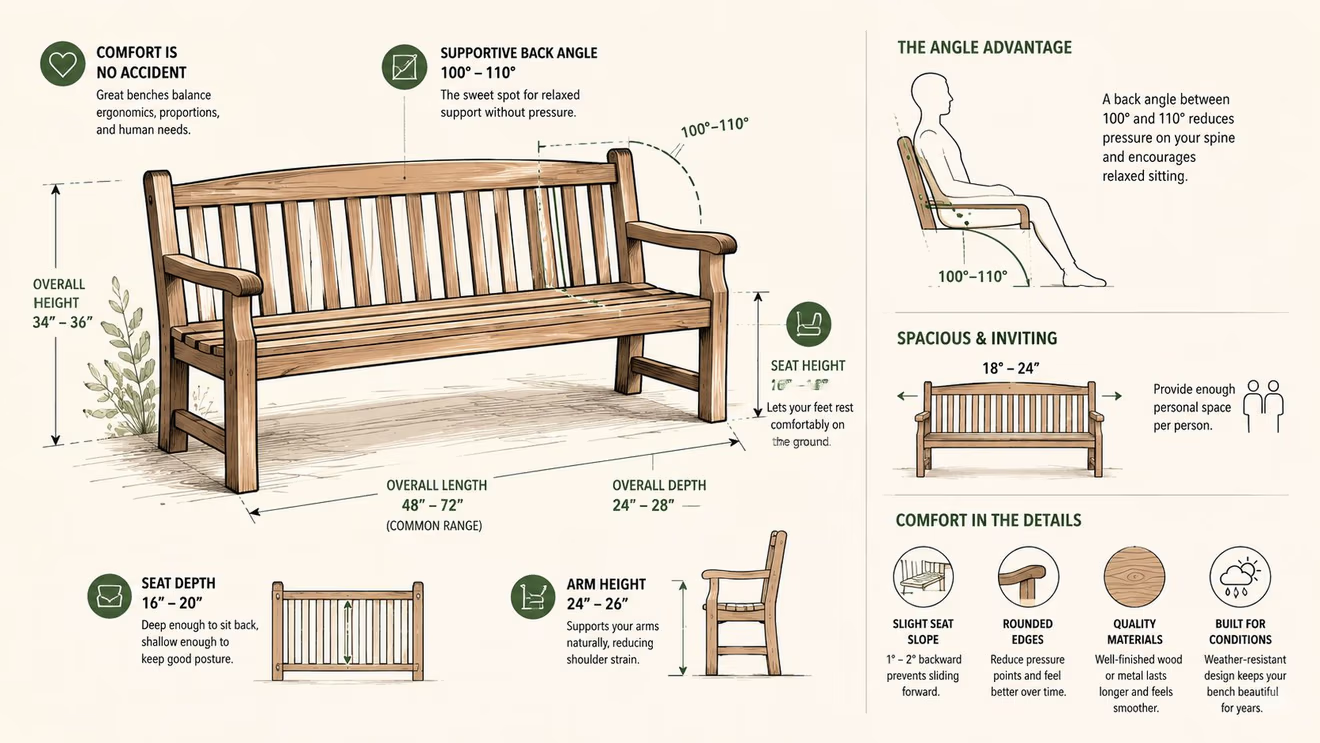
A bench feels comfortable because its proportions support the body. Padding can soften a poor design, but it can't fix a seat that's too high, too deep, or too short for the people using it.
For adult seating, independent ergonomic guidance generally places seat height around 17 to 19 inches and seat depth around 15 to 20 inches. These bench-dimension guidelines explain why feet-flat posture and full thigh support matter. Dining benches commonly use roughly 16 to 18 inches of depth, while public-seat guidance often centers on an 18-inch height and 12 to 18 inches of depth for backed benches.
Seat depth and posture
A seat that's too deep makes shorter users slide forward or slouch because their feet can't settle comfortably. A seat that's too shallow reduces thigh contact and can make longer sitting feel tiring. For a dining bench, the practical target is usually a supportive seat rather than a lounge-like platform.
Back angle matters as well. Public-space seating guidance places the seat-to-back angle around 95 to 105 degrees, with the seat tilted only 2 to 10 degrees from horizontal. This seating guidance explains the relationship between seat depth, back support, and body position. A backed bench generally needs 12 to 18 inches of depth, while a backless bench may need around 30 inches of depth when it is designed for more relaxed seating.
Length and cushion feel
Dining comfort depends on personal space, not just the number of bodies that can physically fit. Independent banquette guidance recommends about 24 inches per person, with 21 inches as a minimum, and suggests a 2 to 4 inch cushion for padding. The banquette ergonomics guidance gives shoppers a useful way to compare a crowded bench with one that supports relaxed meals.
Foam selection also changes the experience. Upholstery guidance commonly places bench-seat foam around 2.0 to 2.5 lb/ft3 density with an ILD of roughly 40 to 50 for a firm seat. For heavier users or more demanding daily use, guidance recommends 2.5 lb/ft3 or higher. BILTRITE's foam-density resource helps shoppers understand why density and firmness matter more than choosing the thickest cushion.
Choosing Materials and Construction That Last
A bench takes repeated loading in a concentrated area, especially when children climb onto it or several people shift at once. Material choice matters, but joinery and anchoring often decide whether the piece remains steady years later.
Solid hardwood remains a strong choice for dining and entry benches. Oak brings pronounced grain and a familiar, durable look. Maple offers a cleaner grain, while cherry develops a warmer appearance over time. Amish-made construction often highlights careful wood selection and traditional joinery, which is one reason shoppers seeking heirloom furniture inspect the underside, corners, and connections rather than judging only the finish.
Construction details worth checking
A mortise-and-tenon joint creates a substantial mechanical connection between parts. Dowel joints can also perform well when accurately drilled and properly glued. Staples have a place in upholstery, but they shouldn't be the only thing holding a structural frame together.
For fixed or ranked bench seating, EN 12727 addresses structural strength and durability testing for seating fastened to floors or walls. Code-oriented guidance for fixed bench seats assumes 450 mm per person, minimum row spacing of 760 mm with backs or 550 mm without backs, and at least 300 mm of knee clearance to the seat in front. The EN 12727 testing overview explains why repeated-load testing protects against progressive loosening in frames, joints, and anchors.
Upholstery and finish decisions
Performance fabric is a practical choice for children, pets, and frequent use because many options resist staining and clean more easily. Top-grain leather breathes well and develops character, but it still needs routine care. Vinyl offers straightforward cleaning and can work well in mudrooms or casual spaces, though it may feel less breathable than fabric or leather.
Wood finish should match the room's risks. A durable catalyzed varnish offers strong protection against water rings and scratches, while a hand-rubbed oil emphasizes the wood's tactile character and may require more attentive maintenance. BILTRITE's guide to the benefits of solid wood furniture gives shoppers useful context before they compare finishes.
| Material | Durability Rating | Best For | Maintenance Level |
|---|---|---|---|
| Solid hardwood | High when properly constructed | Dining, entry, heirloom use | Low to moderate |
| Engineered wood | Depends on core and construction | Budget-conscious, controlled use | Low |
| Metal frame | High when well-finished and properly joined | Modern interiors and heavy use | Low |
| Performance fabric | Good for active households | Cushioned dining and entry seating | Moderate |
| Top-grain leather | High with care | Long-term upholstered use | Moderate |
| Vinyl | Practical and cleanable | Mudrooms and casual areas | Low to moderate |
Weight capacity should come from the manufacturer or product documentation, not a guess based on appearance. A BILTRITE associate can help verify the rating, frame construction, and whether a specific model suits a heavy-use or senior-friendly household.
Bench Seating Trends for Modern Living
In a Milwaukee dining room that serves breakfast, homework, and holiday meals, bench seating earns its footprint by doing several jobs without adding visual bulk. It can define a dining zone in an open plan, give children room to shift positions, and provide a stable perch for guests. The design works best when the seat supports daily movement rather than just filling an empty wall.
Current bench designs favor multifunctional, modular, and built-in use. Hidden storage, convertible forms, mixed materials, and flexible layouts help a bench serve more than one purpose. Built-in seating also suits patios and other architectural outdoor spaces. Choose the trend for a real household need, not because the shape looks current.
Where benches outperform chairs
A bench is a strong choice when:
- The room is narrow: One continuous seat creates less visual interruption than several chair backs.
- The household needs flexible capacity: People can shift along the seat instead of sitting in fixed positions.
- Storage is limited: A lift-top or drawer bench adds organization without another cabinet.
- A corner is unused: Banquette seating turns a dead zone into a dining or reading area.
- The space changes throughout the day: The same seat can support meals, homework, and occasional gatherings.
For seniors or anyone who needs firm, independent support, chairs may be the safer choice. They allow easier entry from several directions and give each person a separate back and arm position. A sofa suits relaxed lounging. A properly proportioned bench keeps the body more upright for dining while using less floor area.
Mixing styles without making the room feel random
A rustic Amish wood bench can sit beside a modern farmhouse table without requiring identical furniture. Repeat one visual element, such as the wood tone, upholstery color, or metal detail, and the room will feel connected without looking staged.
Indoor-outdoor flexibility also has practical limits. A weather-resistant bench can move between a patio and an entryway seasonally only if its materials and finish suit both settings. Milwaukee households should plan for moisture, temperature swings, and protected storage before treating an outdoor bench as an all-purpose seat. Seniors benefit from the same planning: keep routes clear, choose a stable base, and avoid designs that require awkward lifting or deep reaching.
How to Measure and Plan Your Space
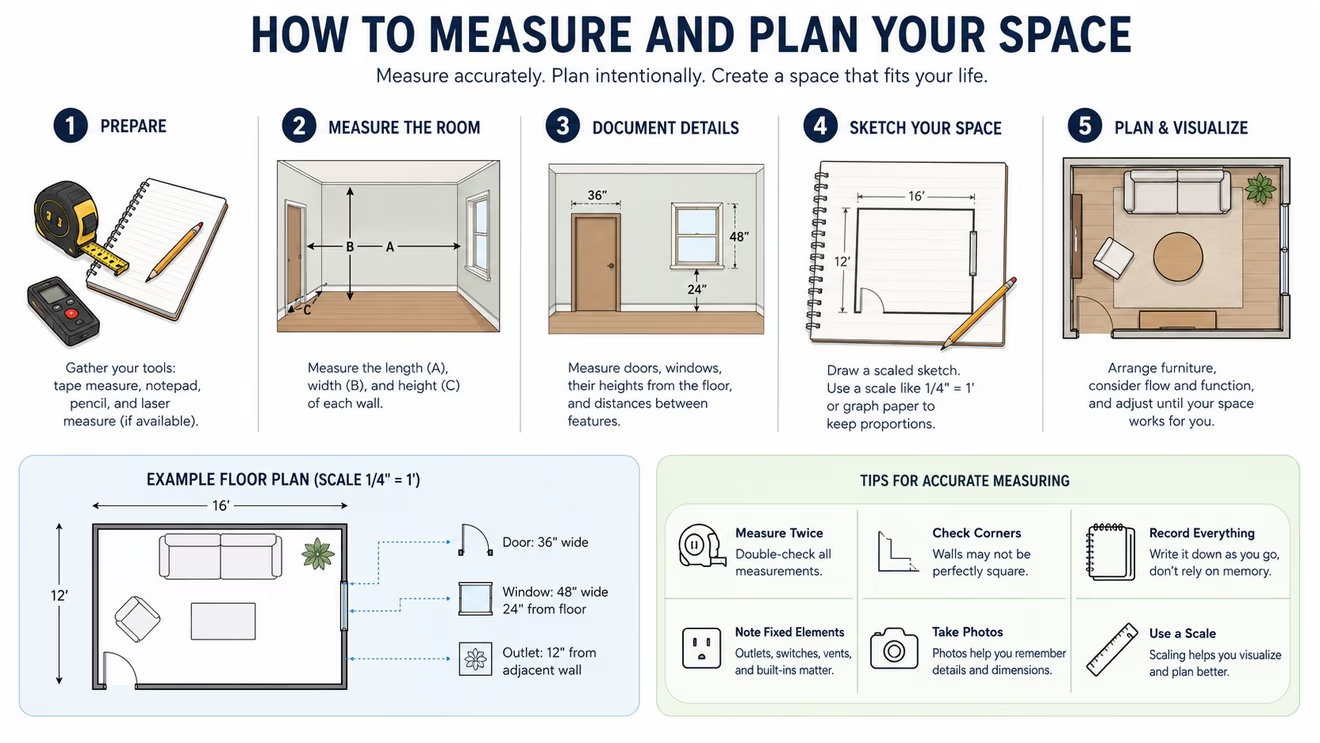
A tape measure and a quick sketch prevent most bench-buying mistakes. Measurements should include the furniture around the bench, not just the empty wall or table length.
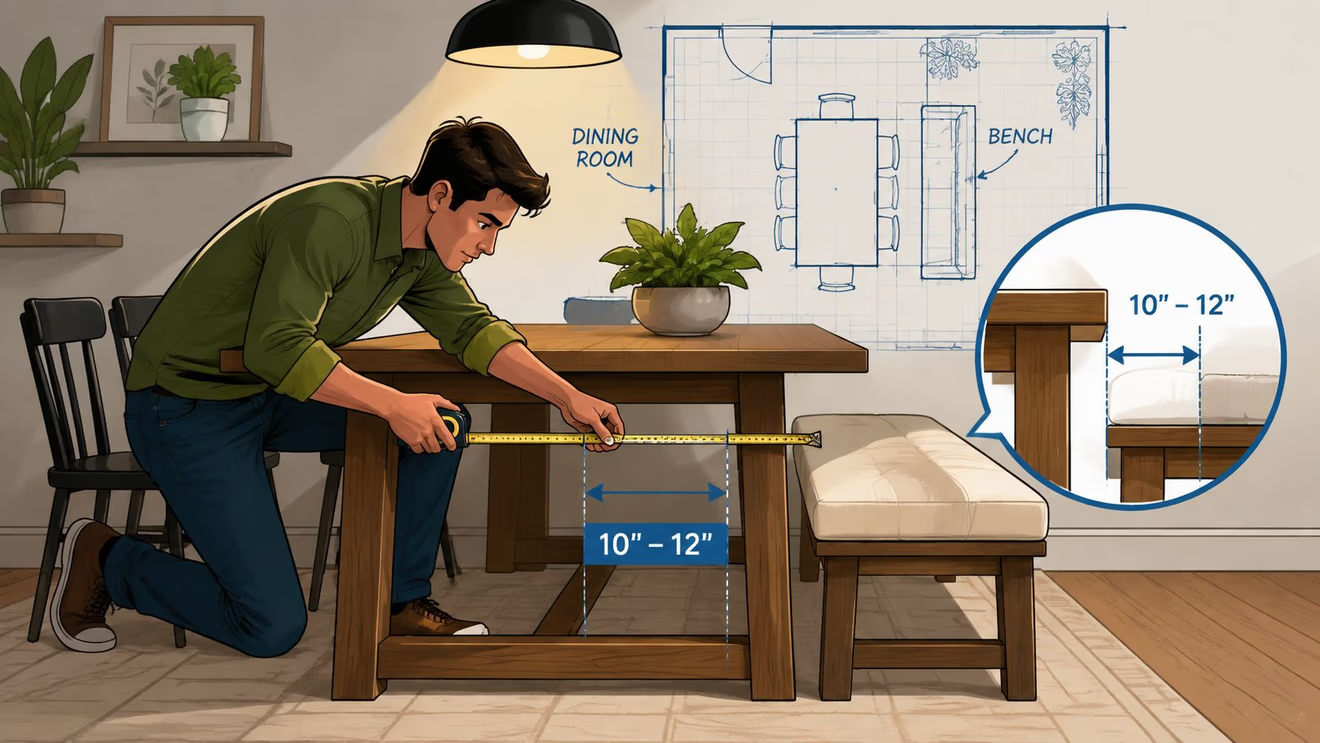
Measure the table relationship. Plan for roughly 10 to 12 inches between the bench seat and tabletop so users can sit without feeling pressed against the edge. Bench depth should generally remain 2 to 4 inches narrower than the table depth to preserve legroom.
Check the walkway. Leave at least 36 inches behind the bench where people need to pass. Pull the bench out from the table and measure that real operating space, especially if the seat has a back or heavy arms.
Inspect obstacles. Baseboards, radiators, vents, outlets, and trim can change the usable depth. A bench that fits on paper may sit too far forward if the wall behind it has a radiator or projecting molding.
Measure for daily movement
For a tuck-under bench, measure the table apron height, not only the distance from the floor to the tabletop. The bench must slide beneath the apron without catching, and its legs must clear any table supports.
A bench spanning roughly 60% to 75% of the table length often creates balanced proportions while leaving room for chairs at the ends. That proportion is a starting point, not a rule for every room. A smaller bench may be more practical if the table sits near a wall or if one end needs to remain open.
Plan an entry or mudroom bench
Entryway planning should coordinate the bench with hooks, shelves, and door swing. The seat needs enough clearance for a person to sit and stand without hitting the wall, while storage doors and drawers need room to open fully.
Before visiting the showroom, households should record wall width, available depth, table height, apron height, and walkway clearance. Photos of the room can reveal details a sketch misses. BILTRITE's furniture measuring guide can help organize those notes, and design associates can discuss custom sizing when standard dimensions don't suit the room.
Visit BILTRITE to Find Your Ideal Bench
Bench seating is difficult to judge from a photograph. Sitting on a backless wood bench reveals whether the height feels natural, while testing a backed or upholstered model shows how the angle supports the body during a longer meal. Shoppers can also compare cushion firmness, inspect joinery, and feel the grain of oak, cherry, and quartersawn white oak in person.
BILTRITE's design associates bring over 400 years of combined experience and can help with custom sizing, stain matching, fabric selection, and Amish-made options built to order. The showroom serves Greenfield and the wider Metro Milwaukee area with affordable, better-quality furniture, including USA-made and solid-wood pieces. It also offers a large mattress department with over 60 models, so a visit can support more than one room project.
Customers should bring room measurements, fabric swatches, and photos of existing furniture. For entryways and mudrooms, the storage bench collection can provide a useful starting point. Delivery and white-glove setup services are available throughout southeastern Wisconsin, helping the selected bench arrive ready for everyday use.
BILTRITE Furniture-Leather-Mattresses offers USA-made, Amish-made, solid-wood, upholstered, storage, small-scale, and heavy-duty furniture for real Milwaukee homes. Visit BILTRITE Furniture-Leather-Mattresses in Greenfield with room measurements and photos, sit on the benches in person, and let the local design team help create a comfortable, durable solution.