Dining Chair Styles: A Guide for 2026

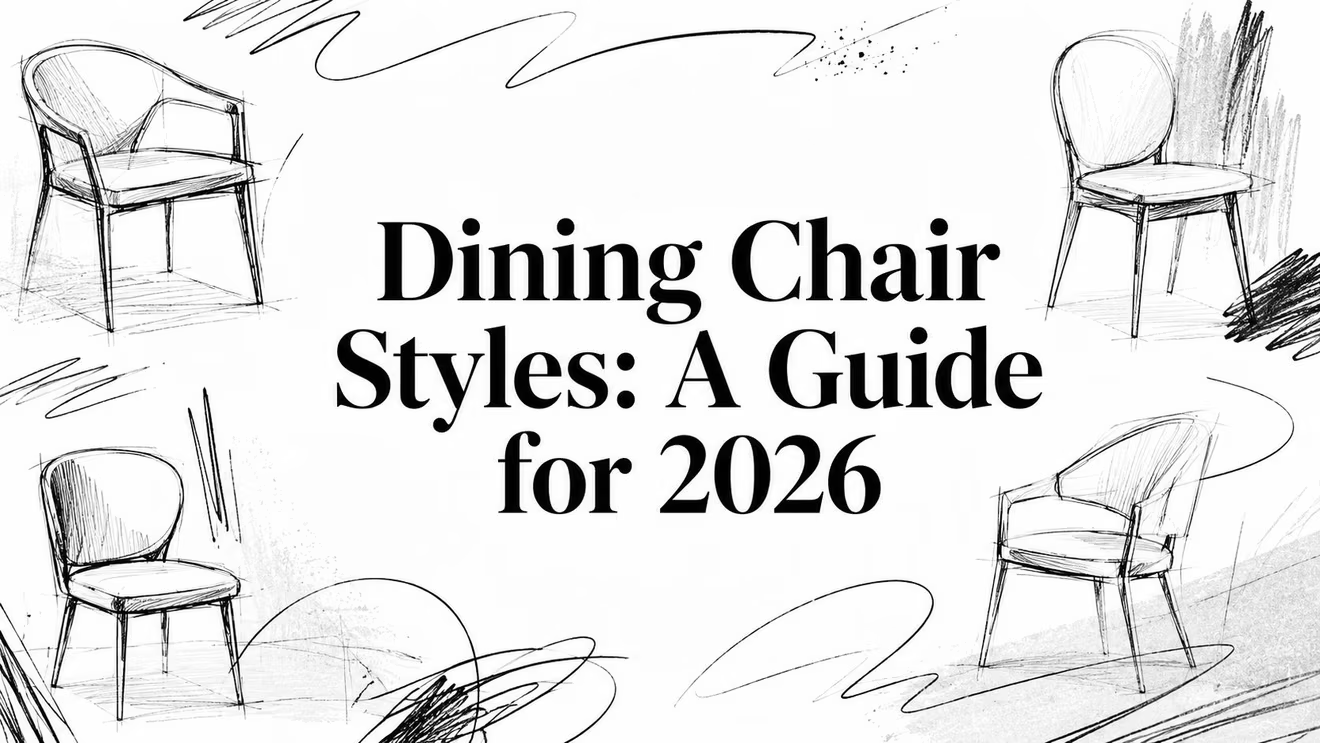
Saturday morning arrives with a familiar furniture puzzle. The table is ready for family meals, the room needs a fresh look, and several dining chairs seem appealing, but the prettiest option may not handle pets, children, spills, or long holiday dinners. The right choice has to do more than match the table. It needs to support comfortable sitting, fit the available space, and remain practical through everyday life.
Dining chair styles range from simple solid-wood designs to softly upholstered, modern silhouettes. At BILTRITE, a fourth-generation, family-owned furniture store serving Metro Milwaukee since 1928, the conversation starts with how a household uses its dining area. A small apartment, a busy family kitchen, and a formal dining room each call for a different balance of appearance, comfort, maintenance, and lasting value.
Why Your Dining Chairs Matter More Than You Think
A dining chair often works harder than people expect. It may serve as the everyday breakfast seat, the homework station, the place where a grandparent settles in for a long meal, and the extra seat pulled out when relatives visit. A chair that looks wonderful in a photograph can still disappoint if its back feels rigid, its seat presses behind the knees, or its finish shows every mark.
Consider a family choosing between a plush upholstered chair and a straightforward wood chair. The upholstered option may add softness and color, while the wood chair may be easier to wipe clean and simpler to repair. Neither is automatically the right answer. The better match depends on whether the room sees frequent spills, pets, extended meals, or occasional formal use.
Practical rule: A dining chair should look at home in the room, but it should also feel natural after an entire meal.
Comfort has shaped seating for thousands of years. Seating at Skara Brae in Scotland dates to about 3,200 BC, and Egyptian tomb paintings from around 3100 BC show chair-like forms used for dining and status display, as documented in this history of dining chair styles. By the 12th to 15th centuries, chairs had developed beyond basic stools and benches into backed, four-legged forms. Upholstered seats were established in Europe by the 17th century.
The look has changed, but the basic purpose hasn't. People still need a stable seat, useful back support, enough room to move, and a height that works with the table. The 18th century is often described as a golden age of chair design, when makers such as Chippendale, Hepplewhite, and Sheraton influenced proportions that continue to shape dining furniture.
That history offers a helpful reminder for modern shoppers. A trend can catch the eye, but a chair earns its place in a home through daily comfort and dependable construction.
Classic and Modern Styles Explained
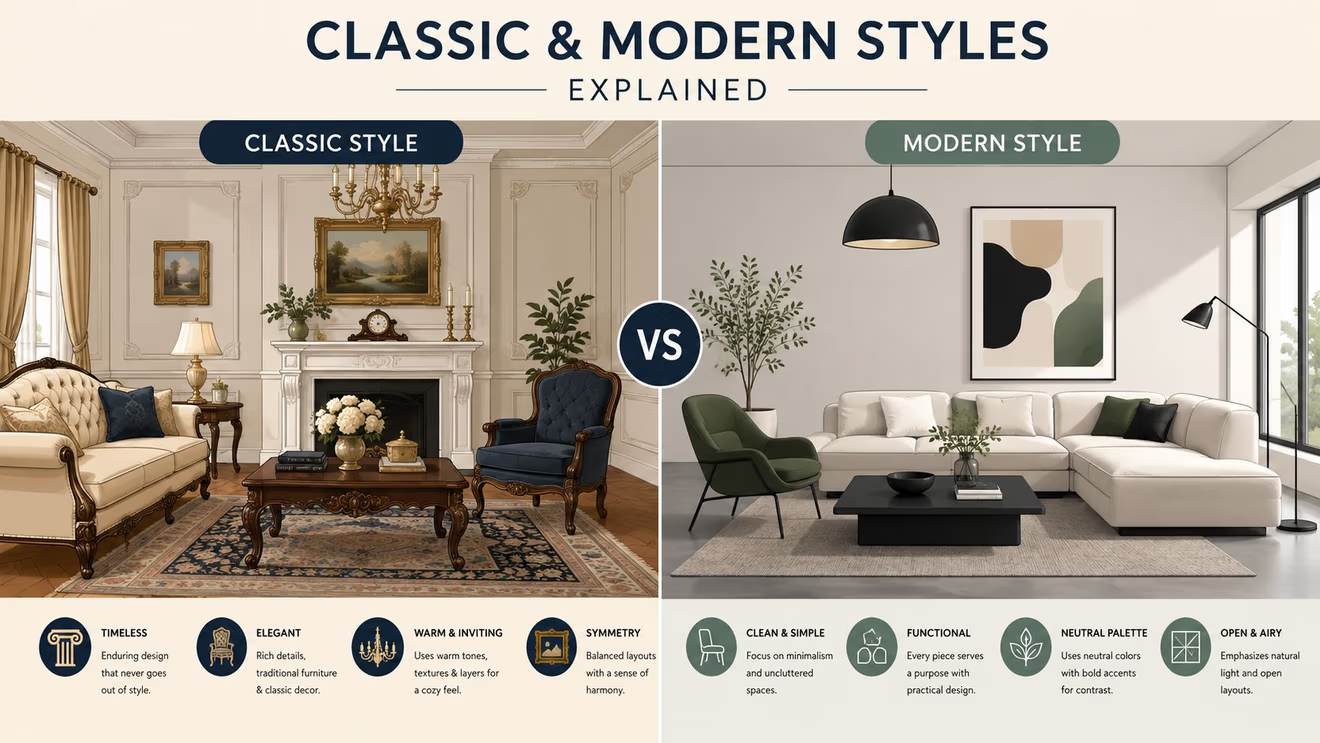
A style name helps shoppers describe what they like, but the silhouette explains why it works. The most useful starting point is the chair back, followed by the leg shape, seat treatment, and overall visual weight. A broader guide to furniture styles can help connect a dining chair to the rest of a home's design.
Traditional silhouettes with staying power
A Windsor chair is recognized by its open spindle back, rounded crest rail, and turned legs. It brings an airy, handcrafted feeling to a breakfast nook or traditional dining room. Windsor designs can also soften a substantial wood table because the open back keeps the arrangement from looking too dense.
A Parsons chair takes the opposite approach. Its upholstered seat and back usually have a clean, rectangular profile, with enough simplicity to suit transitional rooms. It can make a dining area feel polished without requiring ornate carving or elaborate decoration. Upholstered Parsons-style seating may work especially well when the dining space opens directly into a living room.
The ladder-back chair uses horizontal slats across the back. Its familiar shape feels warm and relaxed, making it a natural partner for farmhouse, cottage, rustic, and casual interiors. The open spaces between the slats keep the chair from appearing overly heavy, while the horizontal lines add structure around a rectangular table.
Modern forms and flexible materials
Mid-Century Modern chairs typically use tapered legs, gently curved or molded backs, and a lower visual profile. Their clean shape suits minimalist rooms, round pedestal tables, and spaces that need furniture with less visual bulk. A wood version can introduce warmth without losing the clean, uncluttered look.
Bentwood chairs use wood that has been shaped through steam bending. Thonet's bentwood chairs became globally significant during the industrial era because the method allowed chairs to be mass-produced, and the designs were used worldwide through the 19th and 20th centuries, according to this documented chair-style survey. Bentwood seating can feel light, graceful, and practical around a smaller table.
Other recognizable options include Mission or Shaker chairs, with vertical slats and quiet, straight lines; X-back chairs, with crossed rails that add rustic or industrial character; and curved-back chairs, which soften a room through rounded contours. The best match doesn't have to duplicate the table. Repeating a finish, wood tone, curve, or metal detail usually creates a more connected room.
Getting the Measurements Right for Comfort
You find a dining chair that suits your room, then discover your knees touch the tabletop apron. Or the seat sits so low that every meal feels like reaching uphill. Comfort depends on several measurements working together, especially in a compact Metro Milwaukee dining area where every inch affects movement.
The key relationship is the space between the seat top and the underside of the tabletop or apron. Mainstream sizing guidance generally places that clearance at about 10 to 12 inches for comfortable legroom. Too little space can encourage knee contact and forward leaning. Too much can raise the shoulders and make reaching across the table awkward, as explained in this dining chair dimension guide.
For a standard dining table measuring 28 to 30 inches high, a chair seat around 17 to 20 inches high is the usual range. A common seat height is about 18 inches, paired with roughly 10 to 13 inches of space below the tabletop, according to this dining chair height guide.
| Table Type | Table Height | Ideal Seat Height |
|---|---|---|
| Standard dining table | 28 to 30 inches | 17 to 20 inches |
| Counter-height table | 34 to 36 inches | 24 to 26 inches |
| Bar-height table | 40 to 42 inches | 28 to 30 inches |
The counter and bar ranges come from this chair height reference. A standard chair usually sits around 18 to 23 inches high, while counter-height and bar-height seating is built for taller surfaces. Mixing categories can leave diners with uncomfortable leg angles and poor table access.
Width and depth deserve equal attention
Seat width commonly falls around 16 to 20 inches, while seat depth generally sits around 16 to 18 inches. Use a guide to standard chair widths alongside your table dimensions, especially when planning several chairs in a small room. A narrower seat can fit a tight arrangement more easily, but it should not create side pressure. Excessive depth can press behind the knees or force shorter diners to sit forward.
Armless side chairs are often the easiest choice around a crowded table. Their seat height commonly falls around 16.5 to 19 inches, and the absence of arms helps them slide closer to the tabletop, as noted in this side-chair dimension reference. Before choosing armchairs, measure the table apron and confirm that the arms can slide underneath.
At home, measure from the floor to the tabletop, then measure from the floor to the top of the cushion. The remaining gap should provide comfortable legroom without making anyone reach upward. Bring those measurements to the showroom, where you can test how the chair feels before choosing a style your family will use for years.
Choosing Materials That Survive Real Life
Material selection changes the daily experience of a dining chair. A fabric may feel warm and inviting, while a wood seat may be easier to clean after a rushed family meal. Leather can bring a clean appearance and straightforward wipe-down care, but every material has tradeoffs that deserve attention before the chair enters a busy household.
Solid wood is a strong candidate for high-traffic dining rooms because it offers a firm surface, a durable frame, and the possibility of maintenance or repair over time. Different wood species and finishes can show wear in different ways. A natural, textured finish may disguise small marks better than a highly uniform, glossy surface.
Upholstery adds softness and support, particularly for long meals. Velvet and boucle bring texture and visual richness, but their raised surfaces can require more careful cleaning around crumbs, pet hair, and spills. A tightly woven performance fabric may be a more practical choice for households that want upholstery without making every dinner an anxious event. This upholstery materials guide can help shoppers compare feel, care, and everyday suitability.
A practical material comparison
| Material | What it contributes | What households should consider |
|---|---|---|
| Solid wood | Structure, warmth, and repairability | Finish and grain affect how daily marks appear |
| Velvet or boucle | Plush texture and a softer look | Spills, crumbs, and pet hair may need prompt attention |
| Leather | Tailored appearance and wipeable surface | Scratches and surface changes remain part of its character |
| Woven resin | Casual durability and easy-care appeal | The look may feel more relaxed than formal upholstery |
| Metal | Clean lines and industrial character | The seat and back shape matter greatly for extended sitting |
Metal and woven resin can work well in casual or modern rooms, especially where easy cleaning matters. They may feel less warm than wood or upholstered seating, so cushions, curved backs, or blended materials can make the arrangement more welcoming.
Families, pet owners, seniors, and anyone who hosts often should judge a chair by its full lifecycle. A fashionable chair that demands constant worry may deliver less value than a simple, well-built design that remains attractive after years of meals. BILTRITE Furniture-Leather-Mattresses offers furniture choices that include wood, fabric, and leather seating, allowing shoppers to compare those materials in person rather than choosing by appearance alone.
Smart Solutions for Small Spaces and Apartments
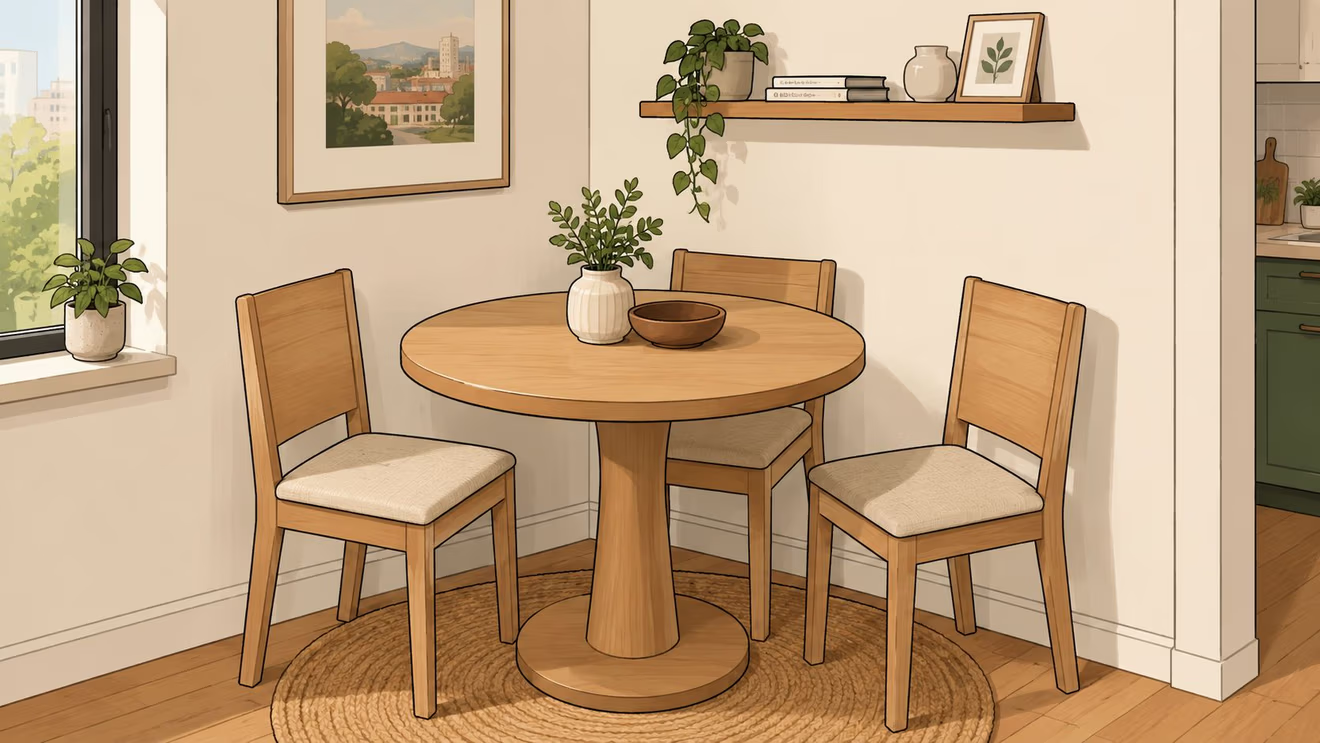
Small dining areas don't automatically require the most modern-looking chair. The better approach is to choose a style with a modest footprint, useful clearance, and enough comfort for the way the household eats. A narrow apartment nook can benefit from a traditional armless chair just as easily as from a contemporary one.
Reduce visual weight first
An armless side chair often makes the biggest difference because it can tuck closer to the table and doesn't add extra width at shoulder level. Open spindle, ladder, or slat backs also let light pass through the room, which can make a compact nook feel less crowded. A chair with a lighter frame may be more useful than one labeled “modern” if both provide similar comfort.
A bench can help a rectangular table serve changing needs. It may seat children comfortably, provide flexible space for guests, and slide under the table when not in use. A backless version usually creates the clearest walkway, while a backed bench offers more support but needs additional room behind it.
Small-space check: Measure the pulled-out chair, not just the chair pushed beneath the table.
Stackable seating can help households that need occasional extra places without keeping every chair around the table. Folding or nesting options can also preserve circulation, but shoppers shouldn't trade away stable construction or usable seat dimensions to save floor space.
Plan the movement around the table
A compact arrangement works best when people can pull out a chair without striking a wall, island, cabinet, or another piece of furniture. A pedestal table may provide more flexible leg placement than a table with corner legs, but the table base still needs to be checked against chair feet and the diners' knees.
BILTRITE's small-space furniture solutions include options for apartments, condos, smaller homes, and senior living settings. A showroom visit lets shoppers test whether a chair feels compact because it is well scaled, or merely because its seat has become too narrow.
Recent style coverage points toward lighter stools and compact seating for open-plan and smaller homes, but the practical question remains more important than the trend. The right chair preserves walking space, supports the body, and fits the table without making everyday meals feel squeezed.
The Case for Solid Wood and American Craftsmanship
A chair that looks fashionable today may feel dated after a room refresh. A well-built chair can stay useful through those changes, which matters when a family uses the dining area every day. Replacing weak chairs also costs time, creates waste, and adds frustration. For Metro Milwaukee households, solid wood and careful construction can be a practical choice for busy meals, gatherings, and years of changing décor.
A veneer is a thin wood layer applied over another material. It can provide an attractive wood appearance and suit some furniture applications. Solid wood, by contrast, runs through the substantial parts of the frame. It shows natural grain and gives a craftsperson more material to shape, maintain, and repair. Read more about the benefits of solid wood furniture when comparing solid wood construction with veneer.
The material label is only part of the story. Joinery connects the legs, rails, and back components, helping the chair stay stable as people shift, lean, and pull it from the table. A protective finish helps guard the surface, but it cannot make a weak frame strong.
Why the construction deserves attention
Amish-made furniture shows how solid wood, careful shaping, and traditional construction can work together. At BILTRITE, shoppers can look for Amish-made and solid-wood identifiers while comparing chairs in the showroom. The label matters less than understanding how the piece was made and whether it suits the household's expectations.
American-made furniture also connects a purchase with domestic craftsmanship and local buying values. BILTRITE has served the Metro Milwaukee community since 1928, focusing on affordable, better-quality furniture and USA- and Amish-made pieces. That history gives shoppers a way to weigh lasting construction against short-lived trend appeal.
A ladder-back, Mission, or Shaker-inspired chair may draw less immediate attention than a sculptural curved chair in delicate fabric. Yet a restrained solid-wood design can adapt when the table finish, wall color, or surrounding décor changes. In a small home, that flexibility matters because one chair may need to serve several spaces. Easy cleaning, repairability, and visual longevity often matter more than novelty once children, guests, and daily routines enter the picture.
Visit Our Greenfield Showroom to Test Your Favorites
Measurements and material comparisons narrow the field, but sitting in a chair reveals what a product description can't. A shopper can check whether the back supports a relaxed posture, whether the seat edge presses behind the knees, and whether an armchair slides below the table apron. Families can also compare a firm wood seat with upholstered and leather alternatives in the same visit.
BILTRITE's sales associates bring over 400 years of combined experience to the showroom. Their role is to help shoppers measure a room, compare dining chair styles, consider small-space needs, and think through maintenance without pressure. The store also carries furniture for different household needs, from small-scale pieces to heavy-duty options, along with a mattress department featuring over 60 models.
The Greenfield showroom is at 5430 West Layton Avenue in Greenfield, Wisconsin. BILTRITE is closed on Sundays and Mondays to support family time, so visitors should plan around those hours before heading in.
BILTRITE Furniture-Leather-Mattresses offers USA-made, Amish-made, solid-wood, upholstered, and leather furniture for households that want dining seating built around real life. Visit BILTRITE Furniture-Leather-Mattresses in Greenfield to sit in your favorite chairs, check the fit at a table, and talk with the team about a choice the family can enjoy for years.