3 DAY MATTRESS SALE! THURSDAY - FRIDAY - SATURDAY!
LABOR DAY SALE HELD OVER ENDS SATURDAY, SEPTEMBER 19 AT 5PM!
NO CREDIT CARD FEES!
1000's of Items IN-STOCK + 500 Mattresses!
Largest selection of USA Made Furniture & Mattresses + Amish Made!
FREE In-Store Design Services!
BUY LOCAL & LOVE YOUR HOME!
3 DAY MATTRESS SALE! THURSDAY - FRIDAY - SATURDAY!
LABOR DAY SALE HELD OVER ENDS SATURDAY, SEPTEMBER 19 AT 5PM!
NO CREDIT CARD FEES!
1000's of Items IN-STOCK + 500 Mattresses!
Largest selection of USA Made Furniture & Mattresses + Amish Made!
FREE In-Store Design Services!
BUY LOCAL & LOVE YOUR HOME!
OPEN LABOR DAY | Tuesday-Thursday 10am to 6pm | Friday 10am to 7pm | Saturday 10am to 5pm | Sunday Closed To Be With Family & Friends | Monday Showroom Closed
5430 West Layton Ave, Greenfield - Metro Milwaukee
Last week's room refresh can feel like a tug-of-war. A family heirloom dresser looks too beautiful to move out, the new sofa arrives in a cleaner shape than expected, and suddenly the whole room needs to make peace with itself. That's where modern heritage design earns its keep, because it lets old character and new comfort share the same space without turning the home into a museum or a showroom.
At its best, this look feels lived-in, thoughtful, and a little collected. It keeps the warmth of earlier design eras, then trims away the clutter so daily life still works. In Metro Milwaukee homes, that often means furniture has to handle narrow doorways, busy family rooms, condos, senior living spaces, and budgets that prefer smart choices over impulse buys.
What Modern Heritage Design Actually Feels Like
A room with modern heritage design usually gives off a calm, welcoming feeling before anyone can name the pieces in it. A grandmother's dresser might sit beside a brand-new sofa, and the pairing works because neither piece is trying too hard. The dresser brings history, the sofa brings ease, and the room feels like a place where people live.
The style is warm, but not fussy. It's familiar, but not stuck in the past. A reclaimed wood bookshelf beside a clean-lined sofa is a good example, because the room keeps its texture and personality while still feeling easy to sit in, easy to clean, and easy to grow into.
A room that feels collected, not decorated
The trick is restraint. One strong vintage chair can carry more visual weight than three small nods to the past, and a single modern lamp can keep a traditional room from feeling heavy. The result is less like matching a theme and more like assembling a family album, where each image belongs, but not every page looks the same.
Practical rule: if a piece only works because it looks old, it may be costume. If it works because it's useful and has character, it usually belongs here.
Readers who like to compare styles can also use this guide to contemporary vs traditional design styles as a quick sorting tool. The big idea is simple, modern heritage design doesn't copy the past, it edits it for today.
The Core Principles Behind the Style
The easiest way to understand modern heritage design is to treat it like a good playlist. A room needs a few familiar classics, a few fresh tracks, and enough breathing room that nothing fights for attention. The style works when those parts feel intentional instead of random.
Start with balance, then build texture
First, balance old and new. A traditional chest can sit comfortably with a modern sofa, just like an old song can sound right after a newer one if the transition makes sense. The room doesn't need equal parts vintage and modern, it needs pieces that respect each other.
Second, respect the material. Solid wood, honest metal, woven fabric, and real leather usually age with more grace than shiny surfaces that look great on day one and tired by year two. That's why the room should feel touchable, not slick.
Third, layer texture. A smooth table, a nubby rug, a sofa, and a lamp with a matte finish create depth without clutter. One texture alone reads flat, but three or four working together feel collected.
Keep color intentional and proportion in check
Color should do quiet work. Warm neutrals, muted greens, navy, and softened earth tones help older pieces and newer pieces meet in the middle. The best palettes don't shout, they connect.
Proportion matters just as much. A bulky sofa can overwhelm a narrow room, while a slender table can get lost under a heavy pendant. The right scale makes the room feel calm, which is exactly why this style tends to work so well in real homes.
Keep asking five questions, does the room feel balanced, are the materials real, is the texture layered, is the color doing its job, and does the scale fit the space?
For a deeper look at mixing categories without making the room feel messy, this furniture-style mixing guide is a useful companion. The lane is not farmhouse, not fully traditional, and not stripped-down contemporary. It sits right in the middle, with more warmth than minimalism and more restraint than a period room.
Where the Style Comes From
A living room with a paneled cabinet, a simpler sofa, and a lamp that feels made to last usually points back to older design traditions. Modern heritage design pulls from those traditions, then trims them down so they work in a real home, where delivery doors, family traffic, and a budget all have a say. One useful anchor is the Bauhaus, founded in 1919, which a design-statistics compilation says has influenced 90% of minimalist design principles today, while 85% of modern designers reportedly cite historical design movements as a significant influence on their work, and 60% of design schools worldwide include a mandatory course on design history, according to the same source (design statistics compilation). That makes heritage references feel less like a niche mood board and more like part of professional training.
Why the past keeps showing up in modern rooms
UNESCO's 2003 documentation guidance defines modern heritage as the architecture, town planning, and design of the 19th and 20th centuries, which gives the category a real historical frame instead of a vague label. A later academic source also summarizes UNESCO's 2012 view of modern heritage buildings as structures from the 19th and 20th centuries often built with synthetic materials such as concrete and steel (academic summary of UNESCO's view). That matters because the look grew out of industrial-era thinking, not just pretty ornament.
A conservation bibliography focused on twentieth-century built heritage shows the topic is specialized enough to need dedicated technical reading, which is another reminder that this is not merely décor with a nostalgic filter (twentieth-century built heritage bibliography). The style has lineage, craft, and a real design vocabulary.
For readers who want the older side of that vocabulary, the traditional design style guide helps show how ornament, symmetry, and proportion shaped the rooms that modern heritage design borrows from. That older language still matters because today's version keeps the structure, then loosens the fuss.
Why craftsmanship feels central
That history explains why solid wood, metal accents, and honest construction keep showing up in heritage-inspired spaces. The style favors materials that can tell the truth about age and use. If a piece gains character as it wears, it usually fits the lane.
In a practical sense, that is why the style works so well in Metro Milwaukee homes that need to handle daily life without looking temporary. A sturdy dining table, a well-made sideboard, or a chair with real joinery does more than decorate. It carries the room, the way a good coat carries winter, without complaint.
Picking Materials, Colors, and the Right Mix of Old and New
Material choice is where modern heritage design either feels rich or falls flat. The room doesn't need rare objects, it needs pieces that look as though they were chosen on purpose. That usually starts with wood that has visible grain, upholstery that feels tactile, and finishes that don't shout for attention.
What tends to work well
Solid wood brings weight and warmth, especially on tables, cabinets, and bed frames. Top-grain leather can add a lived-in feel, while natural fiber rugs soften the floor without making the room look overstyled. Matte metals work best when they're quiet enough to support the room instead of becoming the star.
Color should stay grounded. Warm neutrals give the room a base, then deeper tones such as navy, forest green, and muted terracotta can work as accents. One strong accent color can bridge an older piece and a newer one, like a navy pillow tying together a vintage chair and a modern sofa.
A simple palette guide
Color Family
Mood
Where It Works Best
Warm neutrals
Soft, grounded, calm
Walls, large upholstery, rugs
Deep greens
Earthy, steady, classic
Accent chairs, pillows, painted details
Navy
Tailored, timeless, quiet contrast
Sofas, case goods, throw pillows
Muted terracotta
Warm, welcoming, slightly vintage
Ceramics, cushions, small accents
The old-and-new mix usually feels best when it isn't forced into symmetry. A room can lean more modern and still nod to the past, or it can start with a vintage anchor and update around it. The goal is not a strict formula, it's visual conversation.
A good room doesn't need every piece to be from the same era. It needs enough overlap in shape, tone, and texture that the eye can move comfortably.
For readers who want more help choosing a direction, this color palette guide can help narrow the field. Layering texture at the end matters too. A woven throw, a smooth lamp base, and a wood surface with character can keep the room from looking like it was assembled in one afternoon.
Room-by-Room Ideas You Can Actually Use
The easiest way to work with modern heritage design is room by room, because each space has a different job. A living room should invite people to sit down, a dining room should feel sturdy and social, and a bedroom should calm the nerves without turning blank. Small rooms, meanwhile, need a lighter touch so they don't feel crowded before the door even shuts.
Living room and dining room
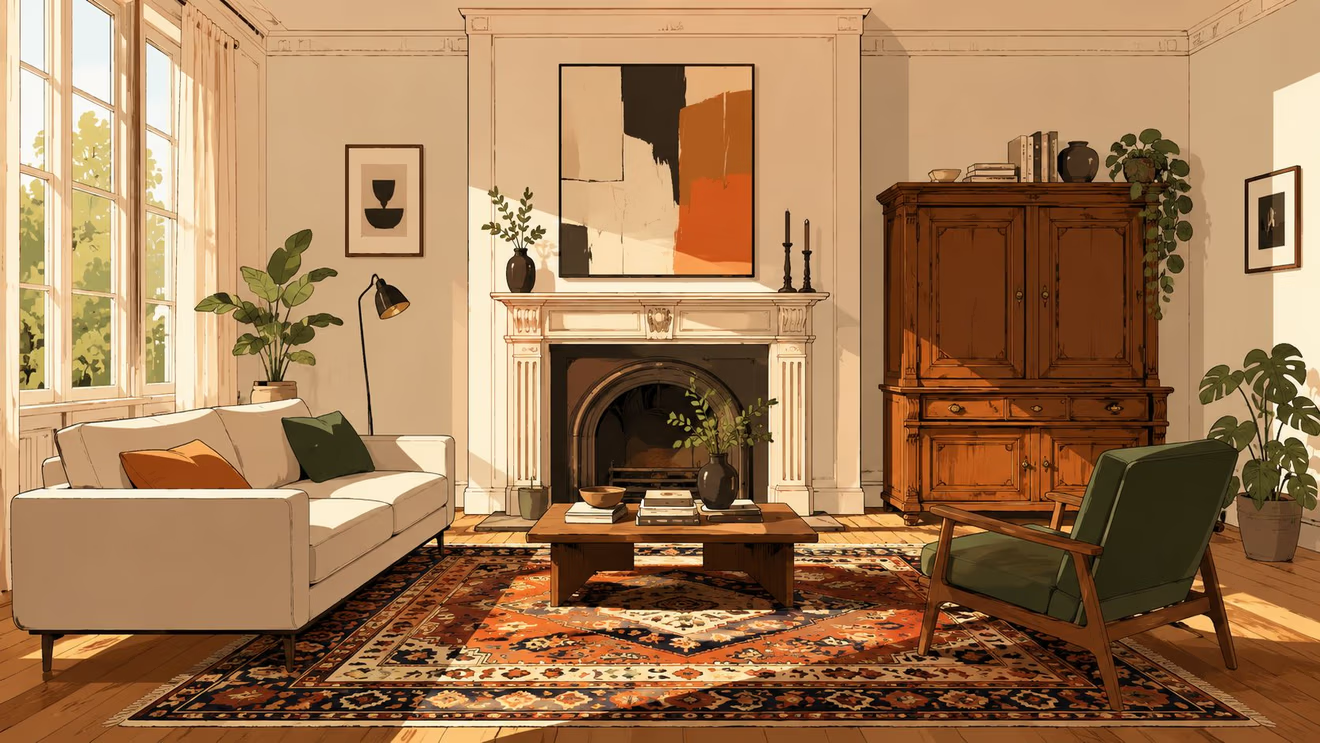
In the living room, a solid wood coffee table beside a modern linen sofa creates the right kind of tension. Add one older accent piece, maybe a framed mirror or a vintage side table, and the room starts to feel layered instead of themed. A come-apart sectional can be a smart move in Metro Milwaukee homes where delivery paths aren't generous.
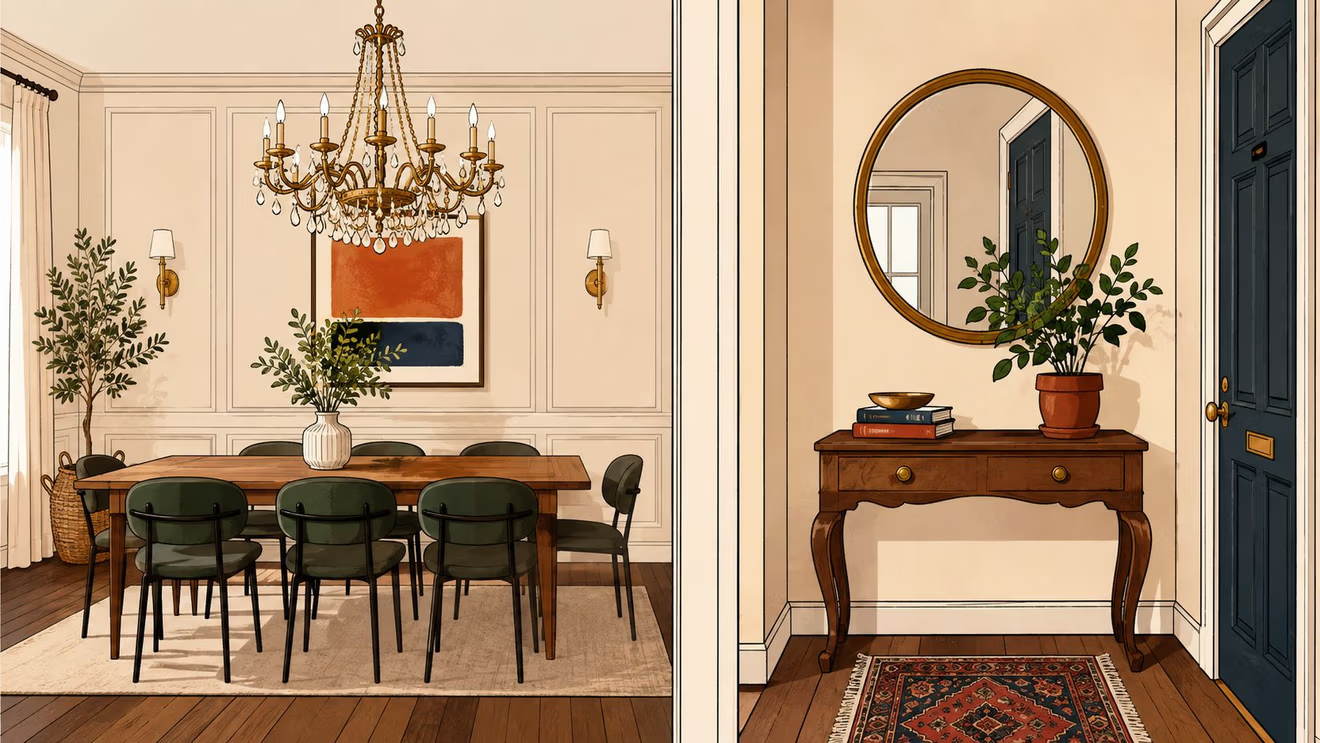
In the dining room, heavier wood helps the space feel anchored. A table with visible grain, chairs with clean lines, and one sculptural light overhead usually beats trying to match every object. Too many competing wood tones can make the room look busy, so two or three finishes are usually enough.
Bedroom, office, and entryway
Bedrooms work best when the furniture feels calm and durable. A wood bed, a soft lamp, and one piece with heritage character, such as an upholstered bench or antique-inspired dresser, create a restful mix. Over-theming is the mistake to avoid here, because a bedroom should feel collected, not staged.
Home offices like simple shapes with a little history. A desk with solid construction and a chair that looks personally fitted can make the room feel grounded without becoming formal. In narrow entryways, a vintage runner or a slim console can add personality without blocking movement.
Small-scale furniture matters more than people think. Apartments, condos, and senior living spaces often need pieces that respect the room's footprint, not just its style. In those homes, smaller silhouettes and easy-to-move furniture often do more good than oversized statement pieces.
If the room feels tight, the answer is usually scale, not more décor.
For households choosing American-made or Amish-made pieces, this furniture sourcing guide can help frame the search. The right piece should fit the room, move through the door, and hold up to daily use.
A Sourcing Checklist for Real, Lasting Pieces
Shopping for modern heritage design gets easier when the eye is trained to look beyond the first pretty impression. A good piece should feel sturdy in the showroom, look thoughtful from across the room, and make sense for the way the home works. That's especially true for families dealing with narrow hallways, older houses, and furniture that has to earn its keep.
What to check before saying yes
Solid wood construction: Look for real wood surfaces and ask how the piece is built, especially on tables, dressers, and beds.
Joinery and drawer feel: Open drawers all the way, check for smooth movement, and see whether the case feels tight rather than wobbly.
USA-made and Amish-made markers: These labels usually signal a clearer story about craftsmanship and materials, which helps when durability matters.
Finish quality: The finish should look even and feel like it can handle everyday cleaning without fuss.
Fit for the home: Think about delivery paths, doorway width, and whether a smaller-scale silhouette would serve the room better.
The in-store visit matters because furniture is tactile. Sitting on a sofa, testing a chair, opening drawers, and comparing wood tones under real light tells more than a photo ever can. A real sales associate can also help translate style language into practical choices, which is handy when a room needs both character and function.
Questions should stay simple. What is the frame made of, how is the piece finished, and does it come apart if the home has tight access points? Those answers reveal whether the furniture will work for daily life, not just the first day on the floor.
Craftsmanship also shows up in the boring details, which are often the most useful details. If a piece looks beautiful but feels flimsy, it probably isn't the right fit for a house that wants both charm and longevity.
Care, Maintenance, and Budgeting the Smart Way
A room built around modern heritage design should get better with age, not just older. That happens when care is simple and regular, not dramatic and occasional. Solid wood likes gentle dusting and an occasional check for spills, leather prefers soft cleaning habits, and upholstery usually stays happier when crumbs and dust don't get a long-term lease.
Keep the rhythm realistic
The smartest maintenance rhythm is small and steady. Wipe surfaces before grime settles in, rotate cushions when they start to wear unevenly, and keep rugs and fabrics from sitting in direct mess for too long. A little attention each week usually beats a deep rescue mission later.
Budgeting works best when the room is built in layers. Start with the pieces that do the hard work, such as a sofa, bed, table, or mattress, then add accents over time. That approach keeps the home from feeling rushed and helps the strongest items set the tone for everything else.
Spend more where daily use is highest. Save on items that can be changed later, like pillows, small décor, or lighter accent pieces. That way, the room stays flexible without losing its backbone.
Buy fewer pieces, but make each one carry more weight in the room.
A new mattress or a statement table can anchor the budget, while smaller accents fill in the personality. That's a very human way to furnish, because most homes don't get styled in one burst, they evolve between work, family life, and ordinary weekends. A house that grows slowly usually feels more settled than one that gets fully loaded all at once.
Modern heritage design works because it respects how people really live, from family rooms that need durable seating to dining spaces that have to look good and work hard. BILTRITE Furniture-Leather-Mattresses has the kind of solid wood, USA-made, Amish-made, small-scale, and come-apart options that fit this style beautifully, and the team can help match the right pieces to the right room. Visit BILTRITE Furniture-Leather-Mattresses in Greenfield and come see how easy it is to bring that warm, collected look home.