Furniture Risers a BILTRITE Guide to Height & Comfort


A lot of homes have that one piece of furniture that's almost right. The bed feels a little too low. The sofa looks great but takes too much effort to stand up from. The chair in the guest room works fine until a parent, grandparent, or recovering family member tries to use it.
That's where furniture risers come in. They're simple, but they can change how a room works day to day.
For Milwaukee homeowners, that matters even more. Many local homes balance tighter layouts, solid wood furniture, changing mobility needs, and a real need to make every inch count. A small lift can create storage, improve comfort, and make a favorite piece easier to use without replacing it.
Is Your Furniture Just a Little Off
A common scene plays out the same way in a lot of homes. Someone loves the bed frame, likes the mattress, and has no complaints about the room itself. But every morning starts with a slight scoot, a push off the edge, and that little extra effort to stand. It's not dramatic. It's just annoying.
The same thing happens with sofas and chairs. A handsome living room set can sit lower than expected, especially when the cushions soften over time. Then the room still looks nice, but the seat doesn't feel as easy to use.
The small problem that keeps showing up
Furniture height affects more than people expect:
- Getting up and down: Low seating can feel awkward for taller adults, seniors, and anyone recovering from an injury.
- Storage space: The area under a bed often goes unused when a few extra inches could hold bins, blankets, or seasonal clothing.
- Daily comfort: A desk, table, or reading chair that's slightly off in height can make a room feel less functional.
In homes with heavier pieces, even small adjustments should be planned carefully. That's one reason practical prep matters before lifting anything. Households dealing with large bedroom sets or bulky frames can get helpful moving advice from this guide on how to move heavy furniture upstairs.
Sometimes the best furniture fix isn't replacing the piece. It's changing how high it sits.
A home doesn't need a full redesign to feel better. Sometimes it just needs a smart adjustment in the right spot.
What Are Furniture Risers and Why We Love Them
Furniture risers are sturdy platforms placed under furniture legs or bases to raise the piece higher off the floor. That's the simple version. In everyday life, they act like little elevators for beds, sofas, chairs, desks, and tables.

Their popularity isn't hard to understand. The global bed riser market was valued at $0.4 billion in 2025 and is projected to reach $0.6 billion by 2034, reflecting how many homeowners use them to maximize storage and improve accessibility.
Why they help so many homes
A riser changes a piece of furniture in three useful ways.
- It adds height: That can make a bed or chair easier to use.
- It creates clearance: The extra room underneath can turn wasted space into storage.
- It changes function without replacing furniture: A family can keep the piece they already like and make it work better.
That last point matters. Replacing a solid bed, a sturdy sofa, or a well-made chair can be expensive and unnecessary when the issue is only height.
Where readers usually get confused
Some people assume all risers are basically the same. They aren't. Size, material, shape, and weight rating all matter. A lightweight nightstand and a heavy solid wood bed don't ask the same thing from a riser.
Others assume risers are only for college dorms or temporary setups. They can be, but they're also useful in family homes, condos, apartments, and senior living spaces where comfort and access matter every day.
Practical rule: Furniture risers work best when they solve one clear problem. Better standing height, more storage, or easier room function.
That's why they've stayed useful for so long. They're simple, direct, and surprisingly versatile.
Choosing the Right Risers for Your Home
Choosing furniture risers starts with one honest question. What exactly needs to change? More storage under the bed is one goal. Easier standing from a heavy sofa is another. A safer setup for a solid wood chair is something else entirely.
The riser has to match the furniture, not just the room.
Start with the weight and material
Many mistakes occur. A riser that works under a light piece may be the wrong choice for solid wood furniture.
Heavy-duty solid wood furniture risers must be non-hollow to achieve a collective capacity of 2,400 lbs, whereas typical plastic or laminated variants may only support 1,300 lbs. That's a major difference when the piece being lifted is substantial and built to last.
For households with American-made or Amish-made furniture, this isn't a minor detail. Heavier construction puts more demand on the riser material and on the floor contact point below it.
Furniture Riser Material Comparison
| Material | Best For | Weight Capacity | Appearance |
|---|---|---|---|
| Solid wood | Heavy-duty beds, sofas, and solid wood furniture | Collective capacity of 2,400 lbs for non-hollow heavy-duty solid wood risers | Warm, furniture-friendly look |
| Typical plastic | Lighter furniture and simpler temporary lifts | Typical plastic variants may support 1,300 lbs | Usually more utilitarian |
| Laminated plywood | Light-duty use where appearance matters more than maximum support | Laminated variants may support 1,300 lbs | Can blend in, but strength varies |
Then look at height
Not every room needs a dramatic lift. The right height depends on what the piece is supposed to do after it's raised.
A bed meant for storage might need enough clearance for bins. A chair meant for easier standing should match the user's body more than the size of the room. A sofa in a narrow entry path may need just enough extra clearance to function better during use or movement.
Some homeowners also need to think about surrounding dimensions before making any change. Measuring width, depth, leg spacing, and floor area first helps prevent a bad match. This guide on how to measure furniture is a useful place to start.
Questions worth answering before buying
- How heavy is the piece really? A mattress, frame, sleeper mechanism, or solid wood base adds up fast.
- Does the furniture have distinct legs or a broader base? Risers usually work best when the contact points are clear and stable.
- Will the riser look natural in the room? A practical solution should still feel at home visually.
- Is the furniture used by someone with mobility needs? In that case, stability matters more than style.
Rounded legs, tapered legs, and unusually wide feet deserve extra attention. Those shapes don't always seat securely in standard riser pockets.
A good riser should feel boring once installed. No wobble, no shifting, no second-guessing. That's the goal.
A Simple Guide to Safe Installation
Installing furniture risers safely isn't complicated, but it does require patience. The safest setups come from careful measuring, a clear floor, and slow lifting.

Measure before lifting
One measurement is more critical than often recognized. To prevent tipping, it's critical to measure the furniture leg diameter about 1 inch from the bottom to ensure it fits snugly within the riser's “Top Pocket Size,” as an improper fit is a major safety hazard.
That one-inch point matters because many furniture legs taper. A leg may look narrow at the very bottom but widen slightly above it. If the riser pocket doesn't match that real contact area, the setup can become unstable.
A safe installation routine
- Clear the area first. Rugs, toys, baskets, and cords should be moved out of the way.
- Check the floor surface. Flat, level flooring gives risers a better chance to sit evenly.
- Use a helper. Heavy furniture shouldn't be tilted and balanced by one person alone.
- Lift one corner at a time. Don't try to raise the whole piece at once.
- Center each leg carefully. The leg should sit fully inside the riser pocket, not partly on an edge.
- Lower the weight slowly. Let the furniture settle into place instead of dropping it.
- Test for movement. A gentle push from different sides can reveal wobble before regular use begins.
Don't ignore the floor
Floor protection matters too. Hard surfaces can show wear if furniture shifts during installation or use. A helpful companion topic is how to protect your floors from your furniture.
If a riser looks slightly off-center, it probably is. Reposition it before anyone sits, lies down, or leans on the piece.
The safest riser install feels secure immediately. If something seems uneven, that's a sign to stop and recheck the fit.
Smart Ways to Use Risers Around Your House
Some of the best furniture riser ideas come from everyday frustration. A crowded bedroom. A low sofa in the family room. A guest space that needs to work better for visiting parents or grandparents.
Furniture risers can help in all of those situations.
In the bedroom
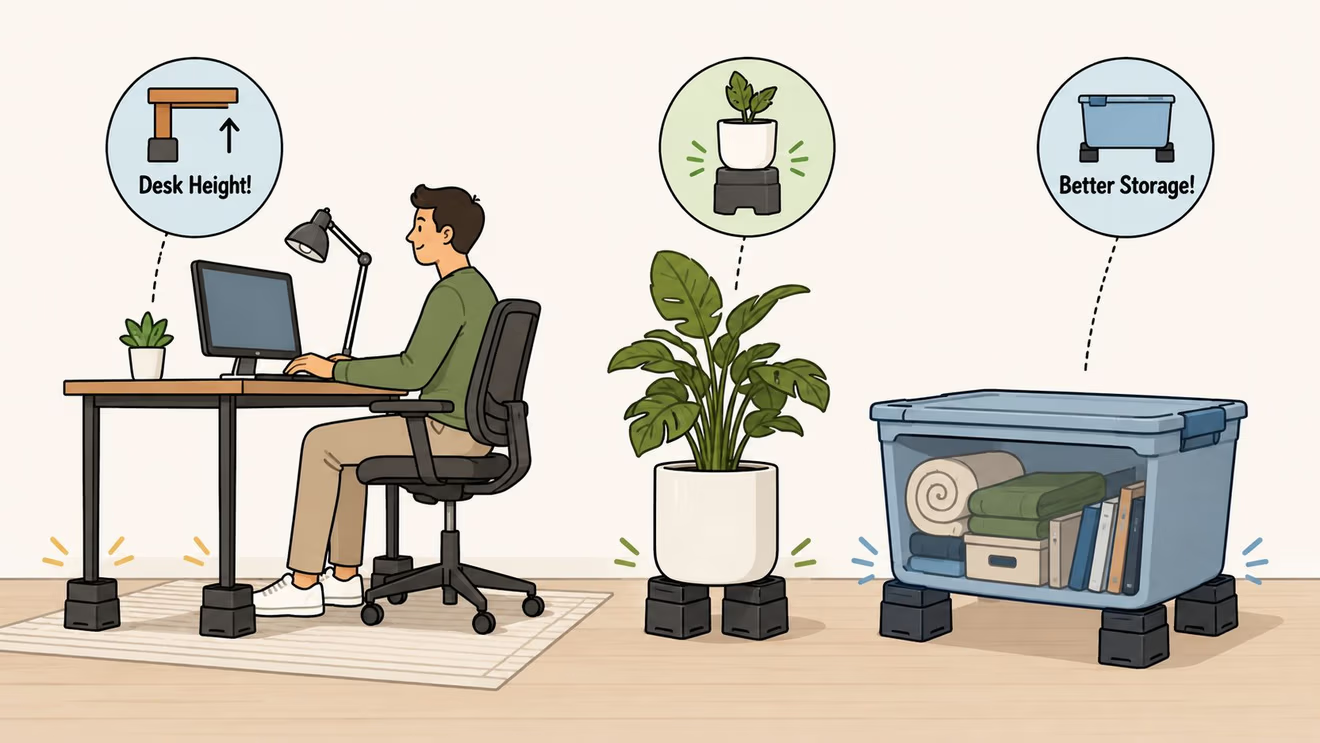
Beds are still the classic use case, and for good reason. Raising a bed can open up meaningful storage under the frame for off-season clothes, spare bedding, or keepsake bins that don't belong in the closet.
It can also improve access. Heavy-duty risers are engineered to support up to 3,000 pounds, and the standard 3-to-6 inch lift is ideal for mobility assistance. That makes them especially relevant for substantial solid-wood bedroom furniture and for households where bed height matters physically, not just visually.
For readers thinking about overall sleep setup, adjustable bed height options can also help frame what feels comfortable in daily use.
In the living room
A sofa that sits too low can affect the whole room. Not the style. The experience of using it.
A few extra inches can make it easier for an older adult to stand, easier for a taller person to sit without feeling folded up, and easier to clean under the piece. That's especially useful when the furniture is heavy and not something anyone wants to drag around often.
In smaller spaces
Apartments, condos, dorm-style rooms, and compact guest rooms benefit from risers because every inch matters.
- Under-bed bins: Great for clothes, shoes, and backup linens.
- Lifted desks or tables: Helpful when a work surface feels too low.
- Raised accent pieces: Useful when a side table or plant stand needs better proportion beside taller seating.
A few specialty situations
Some families use risers under craft tables or hobby stations to reduce bending. Others use them under seating in multi-generational homes where one room has to work for many people with different comfort needs.
There's also a less discussed use case. Some people want to raise only one end of a bed for a specific positioning need. That kind of partial elevation calls for much more caution than a full four-corner lift, because balance and frame stability change quickly when only one end goes up.
A smart furniture riser setup doesn't just raise furniture. It removes a daily annoyance.
That's why these small pieces can have such a noticeable effect around the house.
Why Shopping Local for Home Solutions Matters
A furniture riser looks simple on the shelf. The tricky part is knowing whether it's right for the piece at home.
That's one reason local guidance still matters. A real conversation can uncover details that a product label can't. Is the furniture solid wood or hollow-frame? Are the legs tapered? Is the floor level? Will the piece be used by someone who needs dependable support getting in and out?

Milwaukee homes have their own quirks
Many homes in the Milwaukee area have tighter entries, older layouts, and rooms that weren't built with oversized furniture in mind. In the USA-made furniture market, over 68% of heavy-duty sofas with come-apart designs need risers with a minimum 5-inch clearance to fit through the narrow doorways common in many Milwaukee-area homes.
That kind of detail shows why in-person advice is useful. Clearance, delivery paths, and daily usability all connect.
Why in-person guidance helps
A knowledgeable showroom team can help shoppers think through questions like these:
- Who is using the furniture most often? A young family and a senior household may need very different results.
- What kind of piece is being raised? A come-apart sofa, a lift chair, and a solid wood bed all need different thinking.
- What matters more, storage or access? The answer changes the best riser height.
- How does the furniture interact with the room? Doorways, rugs, stairwells, and flooring all matter.
Local stores also tend to understand local homes. That sounds obvious, but it matters. Advice hits differently when it comes from people who know the area's houses, room sizes, and delivery challenges.
For households planning around mobility or supportive sleep setups, beds for people with disabilities can add useful context around access and daily comfort.
Your Furniture Riser Questions Answered
A few questions come up again and again with furniture risers. Most of them have simple answers, but the details matter.
Frequently Asked Questions
| Question | Answer |
|---|---|
| Can furniture risers work on carpet? | They can, but carpet changes stability. The riser needs to sit as evenly as possible, and the furniture should be tested for wobble after installation. Thick or plush carpet deserves extra caution because it can let the riser settle unevenly. |
| What if the furniture legs are square instead of round? | Shape matters less than fit. The leg still needs to sit securely within the riser pocket without excess movement. A snug match is safer than forcing an awkward fit. |
| Can one end of a bed be raised instead of all four corners? | It can be done for specialized positioning needs, but it requires much more care than a full lift. The frame has to stay stable, the weight has to stay controlled, and the setup should never feel improvised. If there's any doubt, professional guidance is the safer path. |
| Are furniture risers a good choice for heavy solid wood furniture? | Yes, if the risers are rated for that load and the fit is correct. Heavy furniture needs risers built for substantial weight, stable contact, and even support on a flat surface. |
| Do risers damage floors? | They can if the setup shifts or if the contact surface is rough. A flat installation, proper fit, and floor-conscious materials help reduce that risk. |
The main takeaway
Furniture risers are most useful when they solve a specific problem safely. A little more height can make a room more comfortable, improve access, and create space that wasn't there before.
The key is matching the riser to the furniture, the floor, and the people using it. When those three line up, the change feels natural.
BILTRITE Furniture-Leather-Mattresses has helped Metro Milwaukee families since 1928 with better-quality furniture, Amish-made and USA-made options, small-scale solutions, heavy-duty pieces, and a mattress department with over 60 models. The Greenfield showroom gives shoppers the chance to see, sit, compare, and talk with a team that brings over 400 years of combined experience. The store doesn't sell online, and it's proudly closed on Sundays for family time. Readers who want help finding furniture that fits their home, comfort needs, and delivery challenges are invited to come say hi in Greenfield.