Custom Leather Furniture Guide for Milwaukee Homes


A Milwaukee homeowner can stand in a living room, look at a worn sofa, and realize the whole space would feel different with one better piece. Not just prettier, but more comfortable for nightly use, easier to live with, and sized so it doesn't crowd the room. That's where custom leather furniture earns attention, because it can be built around the way a home functions, not around a showroom floor plan.
For many buyers, the first question is simple. Why go custom at all? The answer usually comes down to fit, feel, and long-term use. The broader custom furniture market keeps showing strong demand for made-to-order pieces, with one market study valuing it at USD 38.78 billion in 2026 and projecting USD 66.49 billion by 2033 at a 9.4% CAGR (Coherent Market Insights). That growth makes sense, because people want pieces that match real rooms, real routines, and real bodies.
Introduction to Custom Leather Furniture
A family might sit on a standard sofa for years and still feel like something is off. The seat depth is a little too shallow, the arms are a little too wide, or the leather looks great but ages badly under daily use. Custom leather furniture solves that by letting the buyer shape the piece from the start, from the hide and finish to the frame, cushions, and dimensions.
What Custom Really Means
Custom doesn't just mean “pick a color.” It means the buyer can think through the whole piece as a system. A strong frame with weak upholstery still disappoints, and beautiful leather on an awkward seat still feels wrong after the first few weeks. That's why custom work matters most when comfort and use patterns are specific, like a family movie room, a smaller condo, or a main sofa that gets used every single day.
Practical rule: if the sofa has to fit both the room and the people using it, custom is about function first and style second.
The best way to think about it is like ordering a custom-fitted jacket instead of buying one off the rack. The off-the-rack version can look fine. The custom-fitted one can move better, sit better, and last longer in regular use because it was built with the wearer in mind. In homes across Metro Milwaukee, that difference can be the line between “good enough” and “we truly love this piece.”
For readers comparing options, the actual value isn't just the word custom. It's custom fit plus durable build, especially when the piece is expected to serve for years. That's the heart of the category, and it's why the rest of this guide keeps returning to leather grade, construction, comfort, and climate.
Understanding Leather Types and Grades
Leather sounds simple until the labels start stacking up. Full-grain, top-grain, corrected grain, bonded. Each one tells a different story about how the hide was processed, how it will wear, and how much care it will need. Buyers usually care most about three things, even if they don't say it out loud. They want the piece to look good, feel good, and age in a way that still feels appealing later.
How the Main Grades Compare
Higher-grade hides generally offer better abrasion resistance and more natural patina development than corrected or bonded alternatives, which is why leather grade changes both durability and comfort performance in custom furniture.
| Comparison of Leather Grades | Durability | Appearance | Maintenance | Typical Cost |
|---|---|---|---|---|
| Full-grain | Highest natural wear resistance, ages well | Most natural character, visible grain | Moderate, develops patina | Highest |
| Top-grain | Very strong, slightly more processed | Clean and consistent | Moderate | High |
| Corrected grain | More uniform surface, less natural variation | Smooth, more managed look | Usually easier than natural-grain hides | Mid-range |
| Bonded | Lowest long-term wear | Most artificial look and feel | Lowest upfront care, but shorter useful life | Lowest |
If a family wants the leather to show character over time, full-grain usually makes sense. If the priority is a more uniform look with a little less natural variation, top-grain can be a strong middle ground. Corrected grain can help when the buyer wants consistency, while bonded leather tends to serve a short-term budget better than a long-life plan.
A good rule is to choose the grade based on how the room is used, not just how the sample looks under showroom lights. The right choice is the one that fits the household's wear pattern and maintenance habits. For a deeper side-by-side breakdown, this guide on top-grain and full-grain leather is useful for readers comparing those two most common premium options.
What Matters Most in the Grain
The grain is where the story shows up. Natural grain can develop a richer look over time, while more corrected surfaces can stay visually controlled longer. That trade-off matters because some buyers want patina and some want predictability. Neither choice is wrong, but they're not the same.
Exploring Customization Options
Leather is only one piece of the puzzle. A sofa can be dressed in beautiful hide and still fail if the shape, support, or proportions don't suit the room. The smarter approach is to choose the leather after the buyer has thought through the style, the frame, the cushion feel, and how the piece will move through the home.
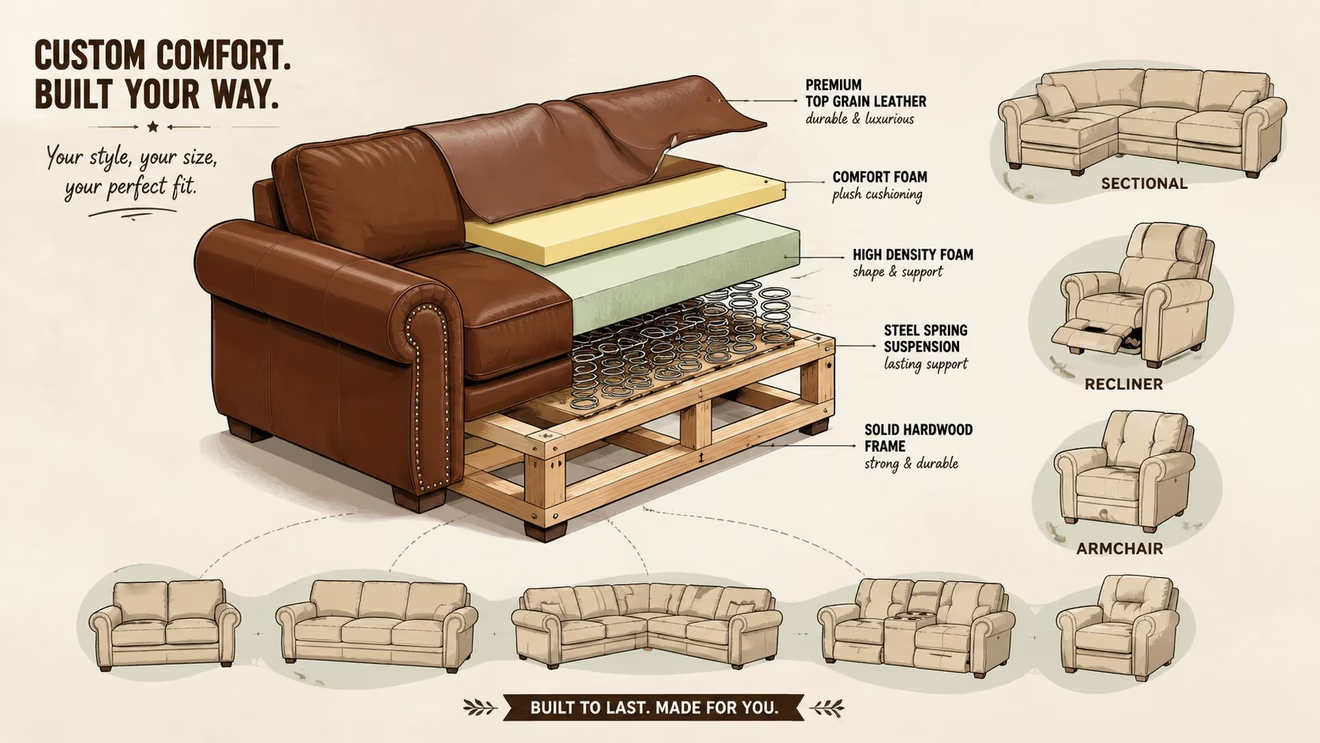
Start With the Shape and the Room
A sectional solves a different problem than a straight sofa. A recliner changes how people lounge. A chair and ottoman pair can keep a small room from feeling crowded. The goal is to match the silhouette to the home, then refine the details.
The frame is the hidden structure that carries the load, and the suspension works with it to spread weight so one area doesn't wear out too early. Cushion fill changes the seat experience a lot more than many buyers expect. A firmer seat can help with easier standing and a more upright posture, while a softer fill invites a deeper sink and a more relaxed feel.
The most comfortable piece isn't always the softest one. It's the one that supports the body the way the household uses it.
The Details Buyers Should Ask About
Small choices can change the feel of the whole piece.
- Cushion Fill: A denser core usually holds shape better, while a softer blend can feel more relaxed at first sit.
- Leg Style: Visible legs can make a heavy sofa look lighter, while a low base can ground the room visually.
- Hardware and Trim: Nailheads, stitch lines, and edge details can lean traditional or modern without changing the whole frame.
- Finish Level: Matte looks quieter and more natural, while a higher sheen reads dressier and tends to make the leather surface feel more polished.
The best way to work through those choices is to bring room measurements, doorway widths, and a few photos of the space before any order is placed. That way, the seller can narrow the options instead of guessing. This custom upholstery page is a helpful starting point for thinking through how those details come together in a real order.
Weighing Benefits and Drawbacks
Custom leather furniture can be a smart buy, but it shouldn't be treated like a magic fix. A better outcome starts when the buyer understands the upside and the trade-offs at the same time. If the room needs a precise fit, the advantages can be obvious. If the household wants a quick, low-commitment purchase, custom may not be the right path.
The Upside
The biggest benefit is fit. A custom piece can match the room scale, the doorway clearance, and the way the family sits. It can also be chosen for the people who use it most, which matters more than most shoppers expect.
Another advantage is lifespan. Well-built custom leather furniture commonly lasts 15 to 25 years when built and maintained correctly, while bonded or faux alternatives usually have shorter cycles (NIST upholstery leather specification). That doesn't make every leather sofa an heirloom, but it does show why frame quality and hide quality matter together.
The Trade-Offs
The downside is usually straightforward. Custom takes more thought, more decisions, and often more patience. It also asks the buyer to be honest about measurements, comfort needs, and maintenance habits. A gorgeous sofa can still miss the mark if it is too deep for the primary user or too large for the room.
For a balanced read on build quality and leather choices, this leather furniture quality page can help shoppers separate polished marketing language from actual construction value.
Here's the clearest way to think about it:
- Best case: the piece fits the room, supports daily use, and ages well.
- Common mistake: choosing leather only by appearance and ignoring seat feel.
- Buyer win: matching the build to real family habits, not to a showroom display.
- Regret trigger: skipping measurements or assuming “deeper seat” always means more comfort.
That's why custom is most valuable for households that know what they need. It reduces guesswork, but only if the buyer does the planning upfront.
Estimating Cost and Lead Times
Custom pricing can surprise people because the leather is only one piece of the bill. Frame material, cushion fill, hardware, size, and finish all play a role. A larger sofa, a more intricate silhouette, or a premium hide will change the final number, and that's normal. The buyer is paying for decisions, not just upholstery.
What Usually Drives the Price
A three-seat leather sofa may cost more if it uses a stronger frame, more detailed tailoring, or upgraded trim. A simpler shape with fewer decorative details can keep the price more grounded. That's why two sofas that look similar from across a room can carry very different price tags up close.
Lead time works the same way. Stock pieces can move faster because they already exist. Custom pieces take longer because they're being built to order, then checked, finished, and delivered as a complete package. The exact timing depends on the order, the materials, and the production queue.
How to Budget Without Surprises
A smart order conversation usually starts with four things. Size, leather grade, cushion feel, and delivery needs. Those details determine whether the piece stays in a comfortable range or starts to climb.
Budgeting tip: ask for the full spec set before comparing prices, because a lower quote can hide a smaller frame, simpler fill, or fewer finish options.
For a Milwaukee household, the useful question isn't “What is the cheapest leather sofa?” It's “What combination of durability, comfort, and finish gives the best value for our use?” That keeps the conversation grounded in daily life instead of sticker shock.
If the buyer wants a realistic custom plan, it helps to think in terms of priorities. A busy family room may justify a tougher build and easier-care leather. A formal sitting space might place more weight on appearance and shape. Both are valid. The right answer depends on how the piece will be used.
Caring for Custom Leather Furniture
Leather care doesn't need to be complicated, but it does need to be consistent. A custom piece can look rich and feel supple for years if it's cleaned gently and protected from habits that dry it out or overwork the finish. Care should match the home, not an idealized showroom routine.
Match the Routine to the House
Leather can feel cold in winter and sticky in heat, and it needs occasional conditioning to avoid drying or cracking (Castlery care guide). That matters in Milwaukee, where seasonal changes can be sharp. Dry indoor air in winter can pull moisture out of the surface, while summer humidity can make some finishes feel less crisp to the touch.
The simplest routine is also the most effective.
- Weekly Dusting: Use a soft, dry cloth to remove surface dust before it settles.
- Light Cleaning: Wipe spills promptly with a barely damp cloth, then dry the area.
- Conditioning: Use a leather-safe conditioner only as needed, especially when the surface starts to look dry.
- Sun Control: Keep strong direct sunlight off the piece when possible, because finish and color can suffer over time.
Finish Choice Changes Maintenance
A more protected finish usually behaves differently from a softer, more natural one. The protected surface can be easier to clean in a busy home, especially when kids, pets, or frequent guests are part of the picture. A more natural finish can feel richer and develop more visible character, but it often asks for more careful attention.
For a straightforward care reference, this leather furniture care guide is a practical companion to the routines above.
The safest approach is to treat the leather gently and avoid over-conditioning. More product isn't better. Care works best when it is regular, light, and matched to the finish type. That's how the surface keeps its look without becoming greasy, stiff, or uneven.
Ordering from Biltrite Showroom
A good custom order starts with a conversation, not a catalog guess. In Greenfield, the showroom model still matters because leather, seat depth, arm height, and frame shape are easier to judge in person than on a screen. That's especially true when the buyer wants a piece that works for a specific room and a specific family.
What the Visit Usually Looks Like
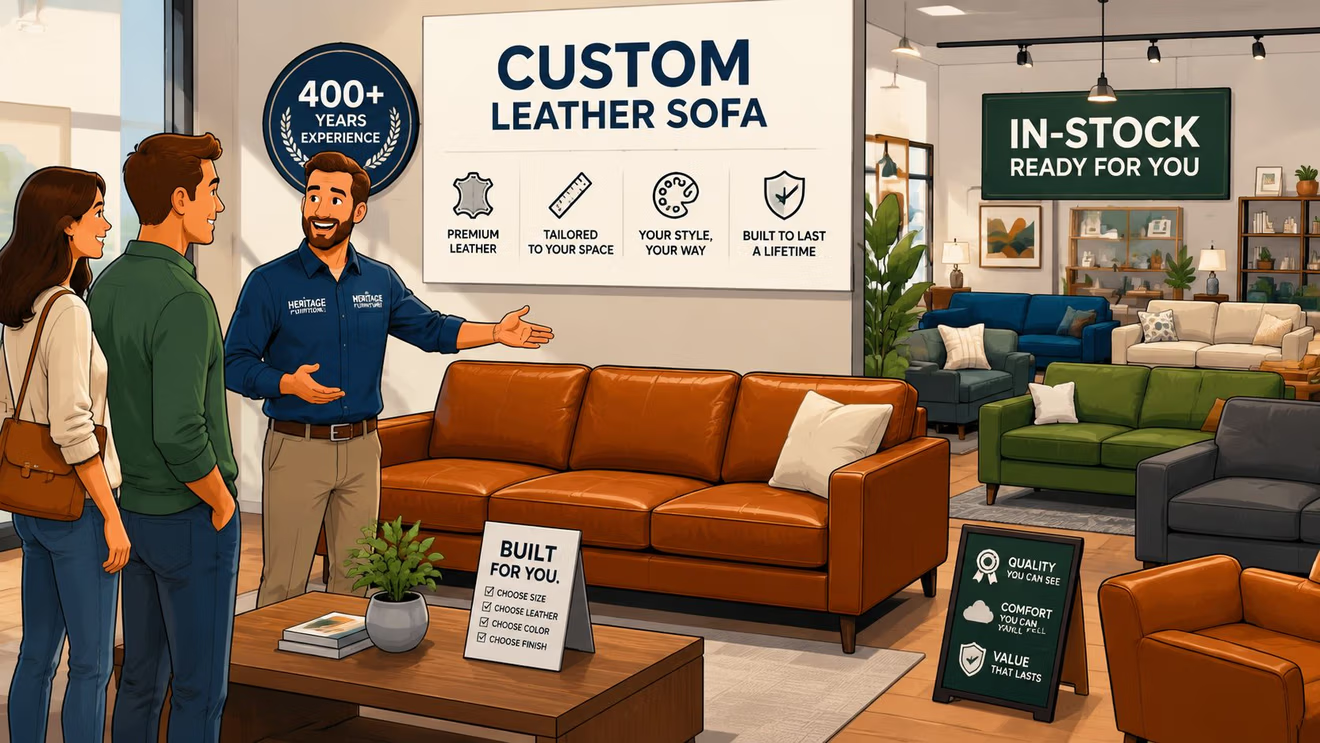
The first step is to look at the floor samples and decide whether the household needs something from the in-stock selection or a true custom build. In-stock works well when the timeline matters and the basic fit is already close. Custom makes more sense when the buyer needs a different size, a particular leather, or a comfort feel designed to specific preferences.
The sales conversation should cover room measurements, doorway clearance, seating habits, and the people who will use the piece most. That's where experienced guidance matters, because the right questions can prevent a bad fit before the order is placed. BILTRITE's public materials note more than 400 years of combined sales experience, which is the kind of deep bench that helps shoppers compare options calmly rather than under pressure.
The showroom also supports in-person hours and a traditional retail rhythm. A video interview with Randi Schachter notes that the store is open until 7 p.m. on Friday nights, which gives working families another window to stop in and talk through an order. The local presence is part of the value, not just a side note.
Bring the room size, doorway measurements, and a few honest notes about how the family sits. That short list saves a lot of guesswork.
This getting-started page is a useful companion for shoppers preparing for the first showroom visit.
Why the Location Matters
Milwaukee buyers often want a store they can return to if questions come up after the order. BILTRITE Furniture is located at 5430 W Layton Ave. in Greenfield, Wisconsin, and Milwaukee Magazine describes it as “a Wisconsin staple for nearly a century” (Milwaukee Magazine). That long local presence matters because custom furniture is easier to buy when the team knows the community, the homes, and the practical delivery challenges.
Decision Checklist and FAQs
A custom leather purchase gets easier when the buyer works through the same checklist every time. That keeps emotion in the process, which is good, but it also keeps the practical details from getting lost. The best orders usually come from shoppers who know what the room needs before they fall in love with a color.
Final Checklist Before Ordering
- Measure the room carefully: Include wall length, traffic paths, and doorway widths.
- Define the seat feel: Decide whether the household wants deeper lounge comfort or a more upright sit.
- Choose the leather grade: Match the hide to the expected wear and maintenance level.
- Confirm frame and cushion specs: Ask what sits under the leather, not just what covers it.
- Plan the finish: Think through whether a more protected look or a more natural appearance makes sense.
- Set a realistic budget: Compare like for like, not just sticker price.
- Think about care: Make sure the household can support the level of maintenance the leather needs.
Common Milwaukee Questions
Can a sectional fit through a tight doorway? Sometimes, yes, if the piece is designed to come apart or is built in manageable sections. That's why doorway measurements matter so much before the order is placed.
What about winter dryness? A home's winter air can be hard on leather, so conditioning and keeping the piece away from direct heat sources become more important.
Does custom always mean a longer wait? Usually, yes, because the piece is made to order rather than pulled from stock. That extra time is part of the trade-off for getting the fit and features right.
How should a family think about pets and kids? Protected finishes and more forgiving color choices often make daily life easier, especially when spill resistance and simple cleaning matter more than a high-patina look.
What should a shopper bring to the showroom? Measurements, photos of the room, and a clear idea of who will use the piece. That's enough to start a serious conversation.
The smartest custom buyers keep one simple idea front and center. The leather matters, the build matters, and the fit matters. When all three line up, the piece doesn't just look good on delivery day, it keeps earning its place in the home.
Ready to find your new favorite piece of furniture? Visit BILTRITE Furniture-Leather-Mattresses in Greenfield today.