Custom Leather Upholstery: BILTRITE’s Expertise in Milwaukee

A lot of Milwaukee families start in the same place. The old sofa still works, but it doesn't quite fit the room, the color feels tired, and the cushions have seen one too many movie nights, naps, and game days. They want something that feels more like their home, not something pulled from a warehouse shelf and dropped into the living room.
That's where custom leather upholstery starts to make sense.
For a family business like BILTRITE, this topic is close to home. BILTRITE has served Metro Milwaukee since 1928, and that history began as a custom upholstery shop. Four generations later, the same values still matter. Help people choose carefully. Build for real life. Stay honest about what lasts, what needs care, and what suits a busy household. That's also why the showroom experience matters so much. There's no online shortcut for sitting in a chair, feeling a leather sample, and seeing a color in real light.
Custom leather upholstery can sound fancy or complicated at first. It doesn't have to be. With the right guidance, it's a way to choose furniture that fits a family's space, style, and daily life a whole lot better. Families who want a little inspiration before stopping in can also browse BILTRITE's ideas for decorating with leather furniture.
Table of Contents
- Welcome to the World of Custom Leather
- What Does Custom Leather Upholstery Mean
- A Friendly Guide to Leather Types
- Making It Uniquely Yours with Custom Details
- Your Custom Order Journey with Our Family
- Caring for Your New Furniture
- Let Our Family Help Your Family
Welcome to the World of Custom Leather
A family walks into a showroom with a simple goal. They want a sofa that feels welcoming at the end of a long day. Then the actual-life details start coming out. The room is narrow. The dog claims one corner every night. One person likes a firm seat, another wants something softer. Suddenly, “just get a couch” turns into a bigger conversation.
That's why custom leather upholstery is so exciting. It gives families more say in how a piece looks, feels, and lives in their home. Instead of trying to squeeze a household into a standard option, the furniture can be shaped around the people using it.
For a Milwaukee furniture family, that process never gets old. BILTRITE has been part of the community since 1928, and helping neighbors sort through these decisions is a big part of the work. Some shoppers come in with paint swatches and room measurements. Others arrive with only a rough idea like, “something warm, durable, and comfortable.” Both are fine starting points.
Why leather still draws people in
Leather has a way of making furniture feel grounded and lasting. It can look custom-fitted and polished, or relaxed and lived-in, depending on the piece and the finish. It also tends to attract people who are tired of throwaway furniture and want something with more staying power.
A good custom piece should feel like it belongs in the room from day one, and still make sense years later when life changes around it.
Why local guidance matters
Custom work gets easier when shoppers can talk it through in person. A local showroom team can help spot issues before an order is placed, such as arms that are too wide for a small room or a leather choice that may not suit a house with heavy daily use. That kind of practical guidance has always been part of BILTRITE's family-first approach.
The process should feel welcoming, not intimidating. That's the whole spirit behind custom leather upholstery.
What Does Custom Leather Upholstery Mean
Custom leather upholstery means more than choosing brown instead of black. It means shaping a piece of furniture around the way a household lives. The closest comparison is a custom jacket. Off-the-rack can work. Custom pays attention to fit, feel, details, and how everything comes together.
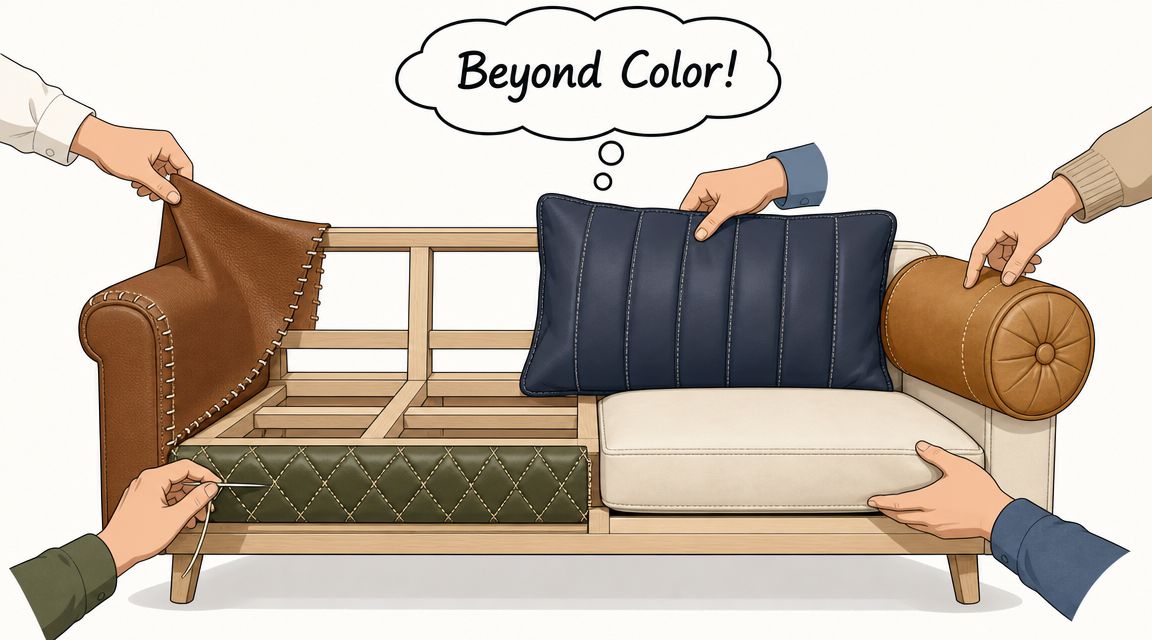
A custom order might involve the overall size, seat depth, cushion style, arm shape, back height, leg finish, or the leather itself. In some cases, it also means building a sectional to better suit a room layout or selecting details that make a sofa feel lighter, dressier, sturdier, or more casual.
It's not just color
Many shoppers first hear “custom” and think only about swatches. Leather color matters, of course, but it's only one piece of the decision.
A family might choose:
- A smaller scale frame for a condo, apartment, or tricky room layout
- A deeper seat for taller adults who want to lounge comfortably
- A cleaner arm style for a more modern look
- A firmer cushion for easier sitting and standing
- A leather finish that balances natural character with everyday practicality
That's where in-store help becomes valuable. BILTRITE's guide to leather furniture quality gives shoppers a good starting point before they compare options side by side.
Why leather feels special
Leather has a long history in seating. Its use dates back to about 5000 BCE, and today only about 15% of all leather produced is used for upholstery, which shows that it remains a specialized material for furniture designed to last, as noted in this overview of leather's history and upholstery use.
That matters because custom leather upholstery usually sits in a more considered category. People aren't choosing it because it's the default. They're choosing it because they want a certain look, feel, and lifespan from the furniture in their home.
Practical rule: “Custom” should solve a problem or fulfill a wish. Better fit, better comfort, better scale, better material choice. If it doesn't do one of those jobs, it's not much of a custom piece.
The easy way to think about it
Custom leather upholstery works best when shoppers ask a few plain questions:
- How will this piece be used every day
- Who will be sitting on it most
- What should it feel like
- How much natural variation is welcome
- What details will still feel right years from now
Those answers shape a much better final result than starting with color alone.
A Friendly Guide to Leather Types
Leather talk can get confusing fast. Some labels describe how natural the surface is. Some describe how the hide was corrected or finished. Some labels sound similar but perform very differently in a family room. Most shoppers don't need a lecture. They need clear, honest guidance.
For upholstery, corrected-grain or top-grain hides are commonly used because they offer a balance of natural strength and a more uniform appearance across large pieces, which is especially helpful on sofas and sectionals, according to this explanation of leather upholstery manufacturing.
The three categories most families ask about
Full-grain leather
Full-grain leather keeps more of the hide's natural surface character. That can include small variations, markings, and a less “perfected” appearance. People who love personality in furniture often enjoy this look because it feels rich and authentic.
The tradeoff is simple. A family has to be comfortable seeing nature in the material. On a large sofa, that can mean more variation from panel to panel than some buyers expect.
Top-grain and corrected-grain leather
This is often the sweet spot for upholstery. The surface is usually refined to create a more even look, which helps on larger furniture where matching matters. For many busy households, this category makes sense because it blends good durability with a cleaner, more consistent appearance.
If a shopper wants leather that feels warm and substantial but doesn't lean too rustic or too visually varied, this is often where the conversation lands.
For many family rooms, the goal isn't the most natural-looking hide possible. The goal is a leather that looks good across the whole sofa and handles daily use with less fuss.
Bonded and PU-style alternatives
These options aren't the same as real leather upholstery. They may suit a lower-budget project or a short-term furniture need, but shoppers should ask direct questions about what the material is and how it's expected to wear. A surface that looks smooth in the store may not age the same way as a genuine leather hide.
That doesn't make these materials automatically wrong. It just means they fit a different set of expectations.
Choosing Your Leather A Quick Comparison
| Leather Type | Best For | Feel & Appearance | Family-Friendliness |
|---|---|---|---|
| Full-grain | Shoppers who want natural character | More variation, more visible personality | Good for households that appreciate a lived-in look |
| Top-grain | Everyday sofas, sectionals, and most family rooms | Smooth, refined, more consistent across panels | Often a practical match for busy use |
| Corrected-grain | Large pieces where uniform appearance matters | Standardized surface and cleaner visual match | Helpful when consistency is a top priority |
| Bonded or PU-style materials | Budget-focused or temporary needs | Can look neat at first, but differs from real leather | Depends heavily on use and expectations |
Families who want a deeper look at how natural character compares with a more refined finish can review BILTRITE's article on the difference between top grain and full grain leather.
What often confuses shoppers
A lot of people assume “more natural” always means “better for every home.” That's not always true. The right leather is the one that matches the room, the people, and the level of maintenance a household is comfortable with.
A formal sitting room may invite one choice. A sectional that sees kids, pets, snacks, and nightly streaming marathons may point in another direction. That's why the best decision usually comes from touching samples, comparing finishes, and talking through real-life habits instead of buying based on a label alone.
Making It Uniquely Yours with Custom Details
This is the part shoppers tend to enjoy most. Once the leather type is narrowed down, the furniture starts to take on personality. The frame may be classic, clean-lined, cozy, dramatic, compact, or generously scaled. Then come the choices that turn it into something that feels at home in one specific room.

Modern custom furniture offers far more flexibility than older generations had. Early upholstered seating in the early 1900s moved away from simpler horsehair padding toward more engineered interior construction, and today some suppliers offer more than 650 leathers and finishes on demand, as described in this piece on the history behind leather couches and modern customization.
The details that change the whole look
A sofa can keep the same silhouette and still feel completely different based on a few detail choices.
- Color choice: A warm caramel, deep charcoal, soft cream, or earthy green changes the mood of the room right away.
- Stitching style: Contrast stitching can make a piece feel precisely crafted and bold. Matching stitching tends to feel quieter.
- Seat and back treatment: Tufting adds texture and formality. Smooth cushions often feel cleaner and more relaxed.
- Trim and accents: Nailheads can add classic character, while a plain edge keeps things more clean-lined.
- Leg shape and finish: Dark wood, light wood, or a more hidden base can each push the style in a different direction.
Why craftsmanship matters here
This is also where USA-made and Amish-made furniture often shines. The smaller touches matter more when people can see them up close. A carefully finished arm, a handsome wood leg, or neat, even stitching can make custom leather upholstery feel thoughtful instead of flashy.
BILTRITE works with many customizable options, and shoppers who want a simpler overview can start with custom furniture made simple.
Small details carry a lot of emotional weight. The right stitch, leg, or trim choice can turn a sofa from “nice” into “that's exactly what the room needed.”
A quick real-life example
A Milwaukee family may start by asking for a brown leather sofa. After sitting down with samples, they may realize the room needs a lighter, warmer tone to keep it from feeling heavy. Then they notice that slim arms leave more seating room, and a simple leg shape works better with the dining set nearby. By the end, the original idea has changed, but the result fits the home better.
That's the fun of custom. It's not about adding options just to add them. It's about combining the right ones.
Your Custom Order Journey with Our Family
Custom furniture feels easier when the process is clear. Most confusion comes from shoppers not knowing what to bring, what they'll be asked, or how decisions get made. In a good showroom, the order journey should feel collaborative and calm.
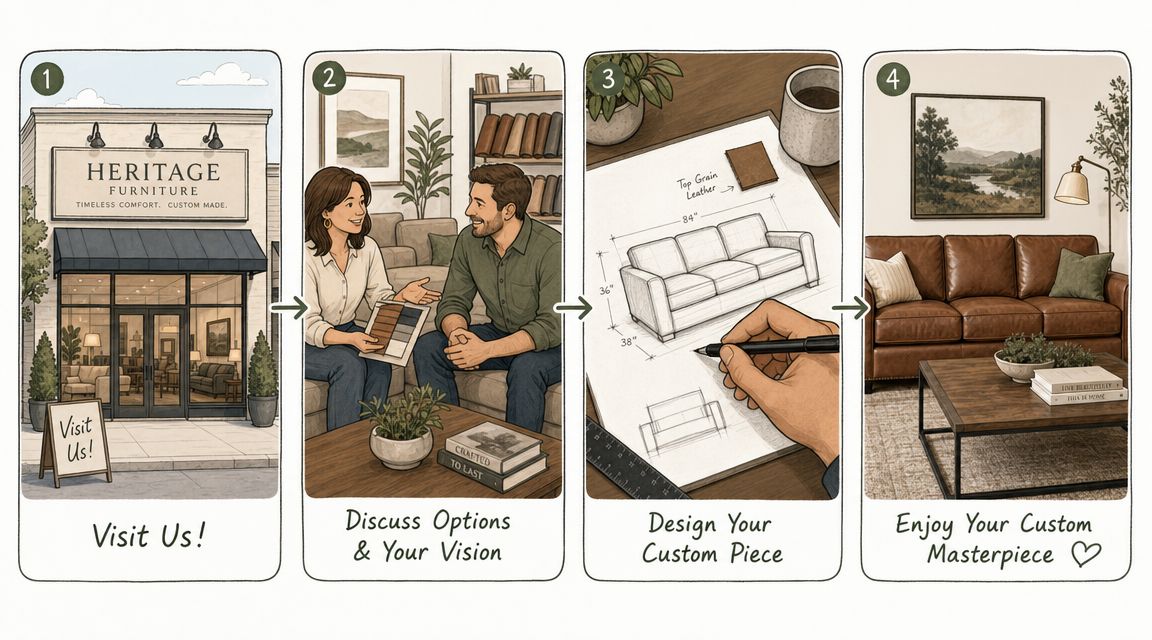
Because BILTRITE doesn't sell online, the in-store visit matters. That's where shoppers can compare seat comfort, hold leather samples, and talk through details face to face. For anyone preparing ahead, BILTRITE offers a useful starting point on getting started with a custom order.
What to bring to the showroom
A little preparation goes a long way.
- Room measurements: Width, depth, nearby walkways, and any tight corners matter.
- Photos of the space: These help show lighting, wall color, flooring, and surrounding furniture.
- A rough wish list: That might include style, color direction, seat feel, or size concerns.
- Questions about daily life: Pets, kids, frequent entertaining, and favorite lounging habits all shape the recommendation.
How the process usually unfolds
First comes fit
The team helps narrow the size and shape that make sense for the room. Sometimes this means choosing a smaller-scale sofa. Sometimes it means adjusting a sectional layout or avoiding an arm style that takes up too much visual space.
Then comes comfort
Sitting in the furniture matters. One household may want supportive, upright seating. Another may want something softer and deeper for long evenings at home.
Then comes the leather
Shoppers compare color, feel, finish, and the amount of natural variation they want to see. This is often where uncertainty clears up fast because real samples tell a different story than a screen ever could.
A custom order usually gets better when the family slows down long enough to test comfort first and finish second.
What about timing and cost
Custom furniture takes patience. There isn't a one-size-fits-all timeline because the final build depends on the frame, material, options, and production schedule. What matters most is that the process stays transparent and the choices stay grounded in value.
BILTRITE Furniture-Leather-Mattresses offers in-store custom options in leather, fabric, wood, finish, and hardware, with a focus on better-quality furniture and practical guidance. That makes it easier for Milwaukee shoppers to compare what they're paying for rather than guessing from photos alone.
A good showroom conversation also includes honest talk about cost drivers. Leather category, size, trim details, and construction all affect the final price. That doesn't mean custom is out of reach. It means shoppers can decide where customization matters most to them.
Caring for Your New Furniture
A custom leather piece should feel lived with, not worried over. Still, leather does best when families treat it like a long-term part of the home instead of a no-maintenance surface. A little regular care can help the furniture stay comfortable and attractive for years.
The simple routine that helps most
Most households do well with a basic rhythm of light dusting, quick spill response, and occasional conditioning based on the leather's finish and the maker's care guidance. Dust and grit may seem harmless, but over time they can add friction in the spots people use most.
For everyday upkeep, these habits make sense:
- Dust gently: A soft dry cloth helps remove surface dust before it settles into seams and creases.
- Blot spills quickly: Don't scrub. A gentle blot is usually the safer first move.
- Keep it out of harsh sun: Strong direct light can be tough on many upholstery materials over time.
- Follow care instructions: Different finishes may need different products or methods.
Where wear usually shows up first
Leather furniture often tells the truth about how a room is used. Seat fronts, arm tops, head areas, and the favorite corner of the sofa tend to show the earliest signs of daily life. That isn't automatically a problem. Some change is part of the material's character.
What families want to avoid is neglect. Dryness, repeated abrasion, and delayed cleanup after spills can create bigger issues than normal use alone.
Leather care works a lot like wood furniture care. Regular, gentle attention usually matters more than dramatic treatment after damage appears.
When it's smart to ask for help
Sometimes a spot, scratch, color loss, or crack needs professional attention. That's especially true if the damage affects a visible panel or if the leather has a specialty finish. A quick fix with the wrong cleaner can make a small issue harder to repair later.
For many families, this is the right mindset. Daily care at home. Professional help when the problem goes beyond ordinary maintenance. That approach protects the furniture without turning ownership into a chore.
Let Our Family Help Your Family
Custom leather upholstery gives families a rare chance to slow down and choose furniture with intention. The right scale can make a room feel more open. The right leather can make daily use easier. The right details can help a piece feel settled in from the start instead of almost right.
That kind of furniture choice fits the way BILTRITE has worked since 1928. Family-owned. Rooted in Metro Milwaukee. Focused on better-quality furniture, including USA-made and Amish-made options, with a showroom experience built around real conversation instead of pressure. The team helps shoppers compare comfort, materials, scale, and style in person, which is still the easiest way to understand custom work.
A few common questions
Is custom leather upholstery always the right choice for a busy family
Not always. It depends on the household's habits, tolerance for maintenance, and design goals. Some families love the feel and longevity of leather. Others may decide another upholstery type fits their day-to-day life better.
Is leather low maintenance
Leather can be durable, but it isn't maintenance-free. Households with kids, pets, or heavy use should consider routine conditioning and the possibility of repair over time. It's wise to think about the total cost of ownership over 5 to 10 years, as noted in this discussion of custom leather interiors and long-term upkeep.
What helps shoppers make a good decision
Three things help most. Seeing the furniture in person. Touching actual leather samples. Talking about how the piece will be used every day.
Why the showroom still matters
Photos can suggest a style. They can't tell a shopper whether the seat feels supportive, whether the leather feels too slick, or whether a color turns too cool under the room's lighting. That's why BILTRITE stays committed to the in-store experience and proudly sticks with its buy-local, family-first approach.
The showroom in Greenfield gives Milwaukee-area families a place to ask questions, compare options, and make a thoughtful choice with guidance from a team that cares about long-term satisfaction. That's also why being closed on Sundays and Mondays fits the company's values. Family time matters inside the store and outside it too.
BILTRITE Furniture-Leather-Mattresses welcomes Milwaukee-area families to visit the Greenfield showroom, explore custom leather upholstery in person, and talk with a friendly team about sizing, comfort, leather choices, and everyday durability. Shoppers can learn more through BILTRITE Furniture-Leather-Mattresses and then stop in to see, touch, and compare furniture the old-fashioned way.