Furniture Protection Plan: A Milwaukee Guide

Buying a new sofa, recliner, or dining set often feels great right up until checkout. Then a small question pops up. Would the household like to add a furniture protection plan?
That's where many Milwaukee shoppers pause. The piece looks sturdy, the fabric feels good, and the finish on that solid wood table looks like it can handle real life. But families still wonder what that add-on does, whether it overlaps with a warranty, and whether it makes sense for the way a home is used every day.
A smart answer usually comes from slowing down and looking at the piece, the room, and the people who'll use it. A busy family room in Greenfield, a condo dining nook near Bay View, and a formal living room in Wauwatosa don't all have the same risks. The right choice depends less on sales talk and more on how life really happens at home.
That Little Add-On at Checkout
A common scene plays out the same way. A shopper finally picks the sectional that fits the room, the style, and the budget. Then the checkout conversation shifts from color and delivery to protection.
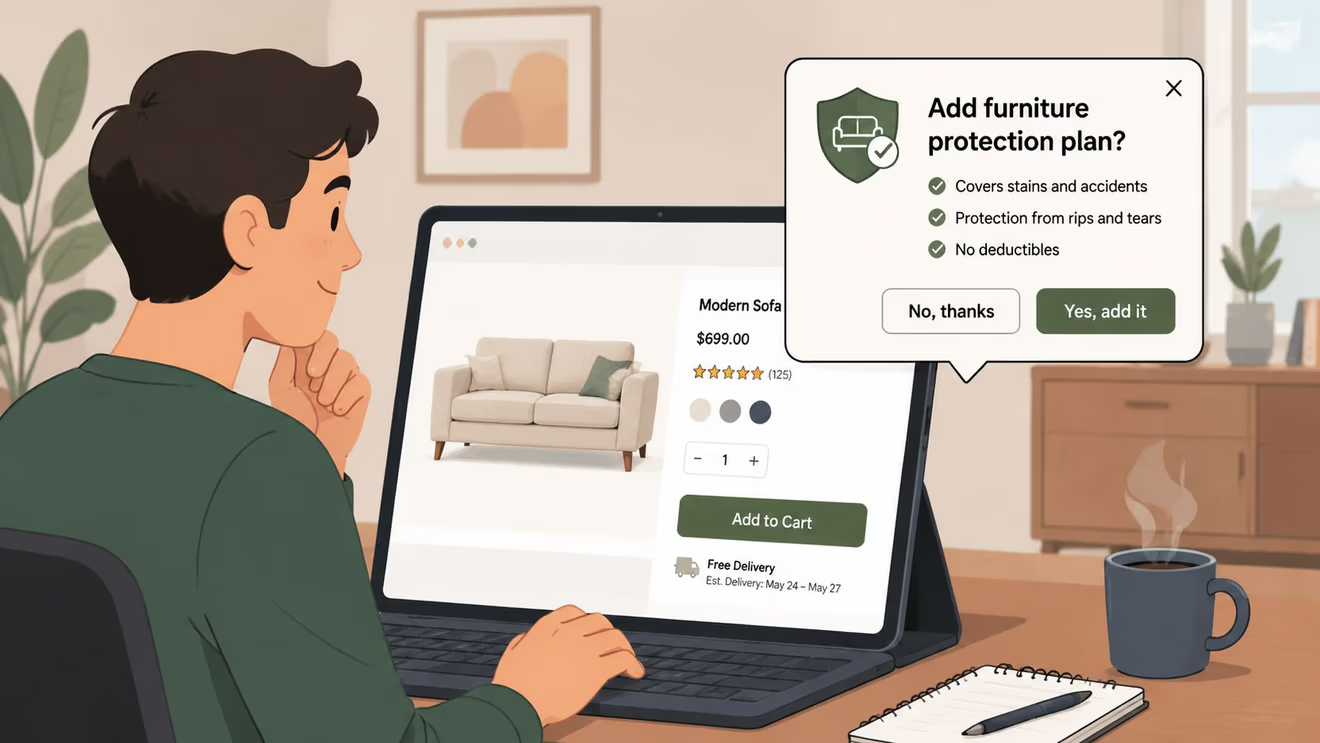
That question can feel small, but it matters. The global furniture protection plan market is valued at $6.96 billion in 2025 and is projected to grow to $7.54 billion in 2026, which shows how many people are choosing this option to protect new furniture, according to furniture protection plan market projections.
Why the question comes up so often
People ask because furniture is personal. A sofa isn't just a sofa. It's movie night, sick days, snack time, dog naps, and the place where guests always end up sitting. A dining set isn't just wood and finish. It's homework, holiday meals, and coffee cups set down a little too quickly on busy mornings.
That's why the idea of added protection sounds appealing. It seems like a safety net for real life.
Practical rule: A furniture protection plan is easiest to understand when it's treated like help for sudden household accidents, not as a promise that a piece will stay brand new forever.
Where shoppers get tripped up
Most confusion starts with one assumption. Many people hear “protection” and think it means everything that could go wrong is covered. That's usually not how these plans work.
Another point of confusion is whether the plan replaces the manufacturer's warranty. It usually doesn't. It fills a different role. That distinction matters a lot, especially for households buying better-quality pieces that they expect to keep for years.
Some shoppers also assume every store handles plans the same way. That isn't true either. Terms vary, so the fine print matters. BILTRITE has even addressed that topic directly in why some stores approach extended warranties and protection plans differently.
A practical way to think about the checkout add-on is this. It's not automatically a yes, and it's not automatically a no. It's a decision tool. If the household knows what it covers, what it doesn't, and how the furniture will be used in a Milwaukee home, the choice gets much easier.
Warranty vs Protection Plan What Is the Difference
Shoppers most often confuse these two concepts. A manufacturer warranty and a furniture protection plan sound similar, but they usually solve different problems.
A simple analogy helps. A warranty is like the builder standing behind the work if something was made wrong. A protection plan is more like coverage for a sudden accident that happens later in everyday life. One focuses on defects. The other usually focuses on mishaps.
Coverage at a Glance Warranty vs Protection Plan
| Feature | Manufacturer Warranty | Furniture Protection Plan |
|---|---|---|
| Main purpose | Covers defects in materials or workmanship | Covers many accidental incidents excluded by a warranty |
| Typical trigger | Something fails because it was made improperly | Something sudden happens during normal household use |
| Common examples | Faulty frame, stitching defect, factory issue | Spill, stain, tear, seam separation, recliner mechanism issue depending on terms |
| Timing | Often begins at purchase and may be limited | Often extends help beyond the standard warranty period |
| What shoppers should ask | “Was it made wrong?” | “Did something accidental happen?” |
The easy way to sort claims
A useful question is, “Did the furniture fail on its own, or did something happen to it?”
If the frame was defective from the start, that usually points toward the manufacturer's warranty. If grape juice lands on the seat cushion during Packers season, that usually points toward a protection plan, if the plan includes that kind of accident.
According to BILTRITE's furniture warranty information, manufacturer coverage depends on the product and brand, which is another reason shoppers should read the actual documents instead of relying on assumptions.
A warranty answers, “Was there a problem in how this was made?” A protection plan answers, “What happens if life gets messy?”
One more detail that matters
Furniture protection plans often require that the furniture already has an original written manufacturer warranty, and they generally apply to new furniture used for normal indoor household use. They commonly cover accidental stains, fabric tears, seam separation, and mechanical failures in recliners, with residential terms often standardized at 3 to 5 years, according to a retailer guide to furniture protection plans.
That's why reading both documents matters. They work side by side, but they aren't interchangeable.
What Most Furniture Protection Plans Cover
Once the warranty confusion is cleared up, the next question is more practical. What kinds of household “oops” moments are usually covered?
Many plans are built around one core idea. They respond to single, sudden incidents. They aren't designed for slow aging over time. They're designed for the coffee spill, the ripped seam, or the accident that happens in one moment.
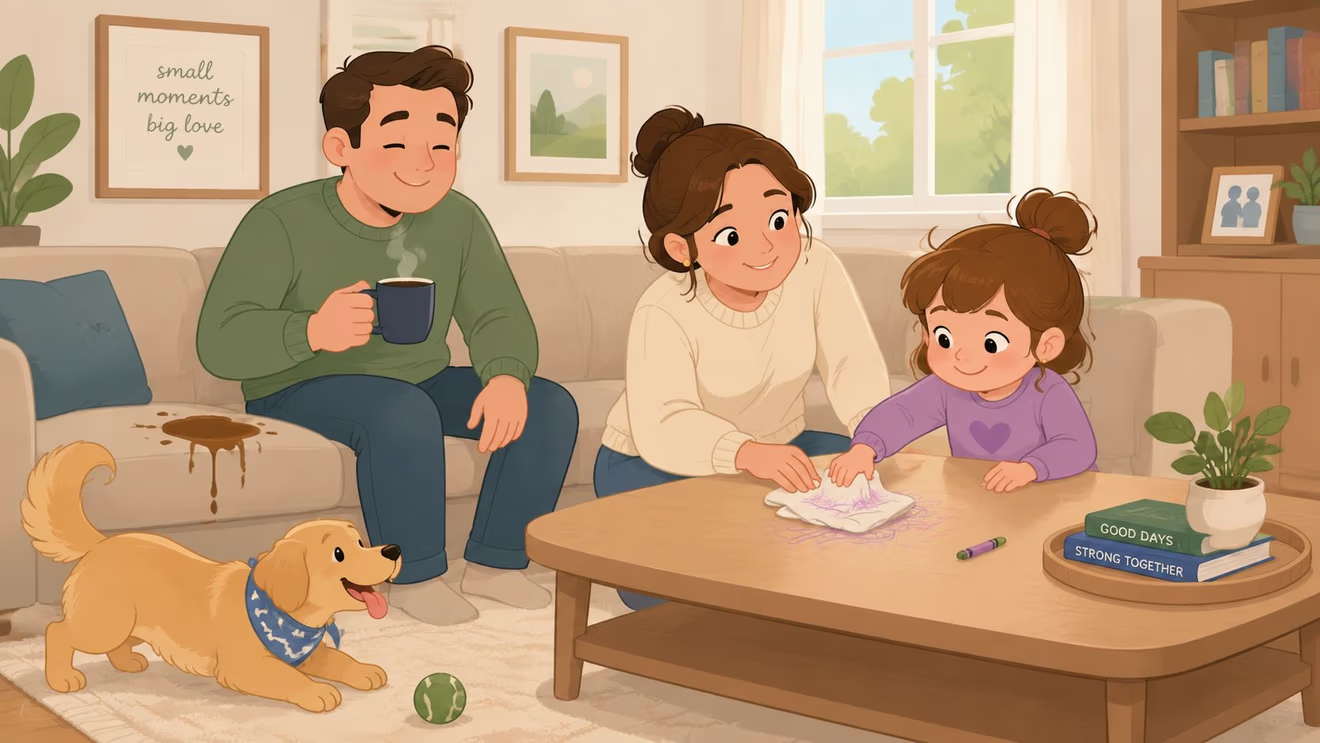
According to what consumers want from furniture protection plans, furniture protection plans typically offer coverage terms ranging from one to 10 years and specifically cover mishaps such as nail polish stains, bodily fluids, seam separation, and food or beverage stains that standard warranties exclude.
Common incidents that often fit
Here are the kinds of situations many shoppers have in mind when they consider a plan:
- Food and drink accidents: A child tips over a cup of juice onto an upholstered seat, or pasta sauce lands on a dining chair cushion during dinner.
- Single-event stains: Makeup, nail polish, or another sudden stain marks the surface.
- Seam problems after a covered incident: A cushion seam opens or separates in a way the plan specifically lists.
- Certain mechanical failures: Some plans include moving parts in recliners after manufacturer coverage ends.
- Everyday household mishaps: The kind of one-time damage that happens in normal family use, not in a commercial space.
Why this matters for busy homes
This kind of coverage can make more sense in the rooms that do the most work. Family rooms, kitchen dinettes, and everyday recliners see more action than a guest room chair that hardly gets touched.
That's also why material choice matters. A lighter fabric sofa in the main living space may face different risks than a darker leather chair in a quiet den. The plan doesn't replace common-sense care, but it may line up with the way the room is used.
For wood furniture, daily habits still matter a lot. Coasters, quick cleanup, and the right cleaning methods all help preserve the finish. Households trying to prevent scratches and stains on wood pieces can also review care tips for protecting wood furniture from scratches and stains.
A useful test is simple. If the damage happened all at once and can be described as one clear accident, it's closer to the kind of event many plans are built around.
Reading the Fine Print Common Exclusions
This is the part many shoppers skip, and it's the part that causes the most frustration later. A furniture protection plan may sound broad, but no plan covers everything.
The biggest misunderstanding usually involves wear and tear. Families see a piece change over time and assume the plan should help. In many cases, that's exactly where the exclusion starts.
What “general wear and tear” usually means
Wear and tear is the natural aging that comes from ordinary use. Cushions may soften. Fabric may fade in a sunny room. Leather may relax and change feel. A wood finish may show the signs of years of daily life.
Those changes can be normal, especially on well-made furniture that's being lived with and enjoyed. They usually aren't treated as accidents.
Exclusions that surprise people
A few common problem areas come up again and again:
- Gradual changes: Slow fading, softening, loosening, or finish changes over time usually don't fit the definition of an accidental event.
- Neglect: Damage that gets worse because it wasn't addressed quickly may be excluded.
- Improper use: Furniture used in ways it wasn't intended for can create claim problems.
- Moving damage: Scrapes, bumps, or breakage during a move are often handled differently than in-home accidents.
- Pet-related details: Some plans are very specific. Households should read whether pet incidents are covered, and if so, which ones.
One area that especially confuses owners of high-quality pieces is leather and solid wood aging. Natural character changes can be part of what makes premium furniture attractive in the first place. But a plan may still exclude those changes because they happen slowly, not suddenly.
The difference is especially important for pet households trying to protect leather seating. Prevention still matters, and practical ways to protect a leather couch from cats can help reduce damage before any claim question even comes up.
The fine print usually rewards one habit above all others. Read the exclusions before buying, not after something happens.
A smart mindset for shoppers
A good way to approach exclusions is to ask, “Is this damage the result of one event, or did it develop little by little?”
If it developed little by little, many plans won't treat it as covered damage. That can feel disappointing, but it's better to know that at the start than to discover it after years of use. For families buying USA-made or Amish-made furniture, that distinction matters because those pieces are often expected to age gracefully over a long stretch of time.
Is a Protection Plan a Good Choice for Your Family
There isn't one universal answer. A furniture protection plan can be sensible for one household and unnecessary for another. The better question is whether it matches the actual risks in the home.
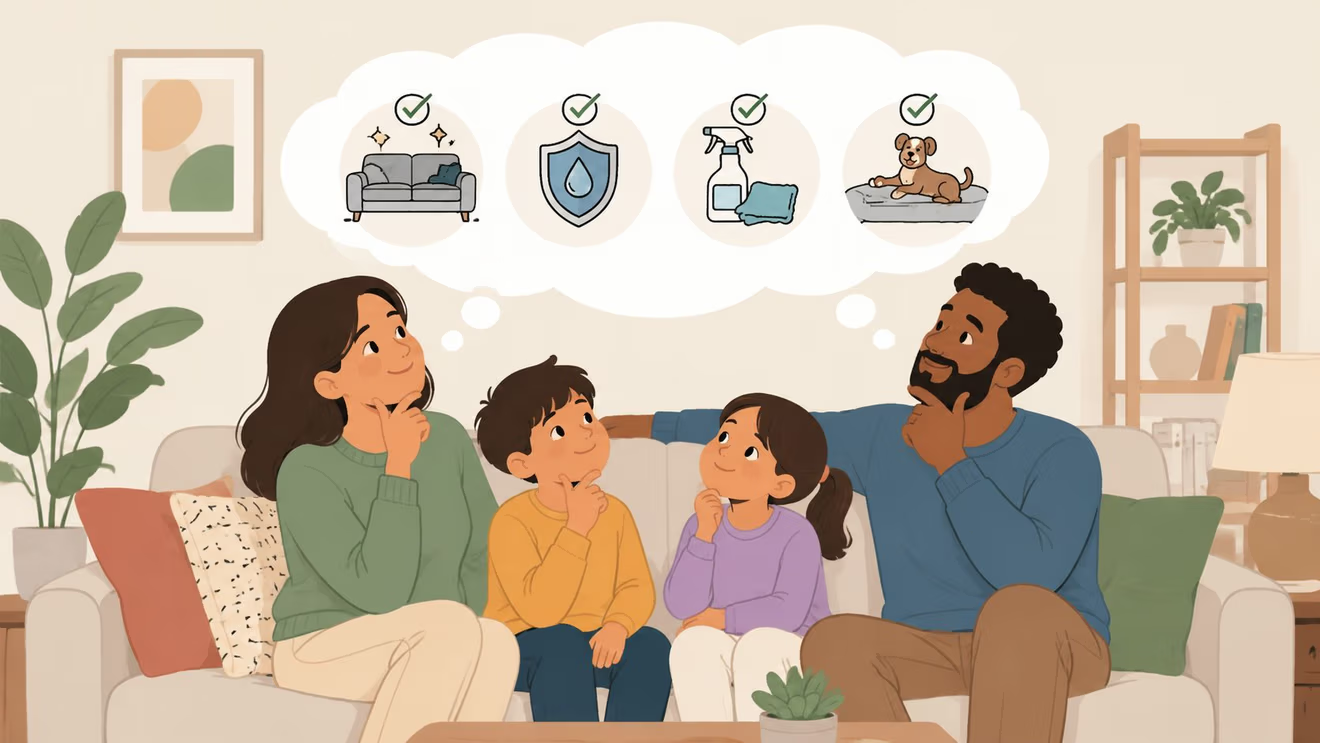
One useful place to start is cost. According to guidance on whether furniture protection plans are worth it, plans generally cost 10 to 20% of the furniture price, and shoppers should weigh whether that's justified for lower-cost items like small-scale furniture, where repair costs might not significantly exceed the plan's price.
Questions that help families decide
A Milwaukee household can sort this out with a few plain questions.
- Who uses the piece every day: A sofa in the main family room faces a different level of risk than a loveseat in a quiet office.
- What's the furniture made of: Some materials handle spills and scuffs differently, so the value of added coverage can change with the upholstery or finish.
- How likely are accidents at home: Young children, frequent snacks in the living room, and active pets all change the equation.
- What would replacement or repair feel like: Not just financially, but emotionally too. Some pieces are easy to replace. Some are harder to match later.
- Is the item a long-term investment: Better-quality furniture, especially solid wood and Amish-made pieces, often stays in the home much longer.
When the plan may feel more worthwhile
A plan may deserve stronger consideration when the household is buying a larger investment piece that will get heavy use. A dining table used for every meal and homework session, or an upholstered sectional that serves as the center of family life, may carry more real-world risk.
It may also matter more when the finish, fabric, or construction would be costly or difficult to restore after a sudden accident.
When the math may be less convincing
A lower-cost item can be different. If the furniture is more modestly priced, lightly used, or easier to replace, the added plan cost may not feel as sensible. That's especially worth thinking through for apartment-scale pieces, occasional seating, or items in rooms where accidents are less likely.
Quick gut-check: If the household would shrug at a repair bill or replacement, the plan may matter less. If a single accident would feel painful, the plan deserves a harder look.
The key is honesty. Not optimism, and not fear. Just a realistic look at how the home functions on an ordinary week in Milwaukee.
Protecting Your BILTRITE Investment in Milwaukee
A furniture protection plan is only one part of the bigger picture. The first layer of protection usually starts earlier, with the materials, construction, and fit for the household's daily routine.
That matters a lot in Milwaukee homes, where furniture often has to do real work. Families need dining sets that can handle regular use, recliners that support comfort year after year, and sofas that fit both the room and the people using them. Better-quality materials won't stop every accident, but they often give households a stronger starting point.
Quality is the first line of defense
Solid wood, durable upholstery choices, and well-built seating matter because they shape how a piece holds up in daily life. Households shopping for USA-made or Amish-made furniture often care about more than appearance. They want a piece that feels dependable from day one.
That's especially important for homes buying furniture meant to stay for the long haul instead of filling a space for a short season.
Smart care still matters
Even a strong piece benefits from good habits. Quick spill cleanup, the right cleaning products, and matching the material to the room all help protect the investment.
Leather is a good example. It can be a practical choice for many households, but it also needs the right care routine. Families considering leather seating can review how to care for leather furniture at home to help it age well.
A local showroom also gives shoppers something generic online advice can't. They can sit on the piece, touch the cover, open the recliner, compare wood finishes, and talk through how the furniture will be used. That kind of guidance often does more to prevent regret than any add-on can.
Good protection starts with choosing furniture that matches the home, the family, and the pace of everyday life.
Frequently Asked Questions About Furniture Plans
Do furniture protection plans cover normal aging
Usually, no. Most plans explicitly exclude general wear and tear, leaving owners of premium USA-made furniture unsure if natural finishing changes or leather softening over time are covered, as coverage typically focuses only on sudden accidents, according to an explanation of what furniture warranties often do and don't cover.
How long does a furniture protection plan last
Terms vary by plan. Some run shorter, and some run longer. The exact term should always be checked in the written agreement before purchase.
Are all spills covered
Not automatically. Many plans cover certain accidental stains, but each plan defines covered incidents in its own language. Households should check the list of covered events and exclusions.
Does a protection plan replace the manufacturer warranty
No. These are usually separate layers of coverage. The warranty generally addresses product defects, while the plan usually addresses accidental incidents listed in the contract.
What should shoppers read before saying yes
The most useful parts are the covered events, the exclusions, the claim steps, and any limits tied to residential use. If the wording around accidental damage versus gradual damage isn't clear, that's the moment to ask questions.
Families across Metro Milwaukee have counted on BILTRITE Furniture-Leather-Mattresses since 1928 for friendly guidance, affordable better-quality furniture, Amish-made and USA-made options, and a showroom experience that's built around real conversation, not pressure. With a fourth-generation family business, over 400 years of combined team experience, and a Greenfield showroom full of choices for small spaces, busy family rooms, and over 60 mattress models, there's a lot to see in person. Come on down to the store in Greenfield, say hi, and let the team help find the right fit for a Milwaukee home.