Perfect Size Rug Under Full Bed: BILTRITE Guide 2026


A lot of bedrooms feel almost right. The bed is in place, the nightstands are doing their job, and the bedding looks good, but the room still seems a little disconnected. In many cases, the missing piece is the rug, or more specifically, the wrong rug size.
That's especially true with a full bed. It sits in the middle ground. It's larger than a twin, smaller than a queen, and that makes rug sizing easy to second-guess. In Milwaukee-area homes, that question gets even trickier because not every bedroom has a wide, open footprint. Apartments, bungalows, condos, and senior living spaces often need a more thoughtful approach than standard decorating advice suggests.
That Finishing Touch for Your Bedroom
A full bed can look surprisingly adrift when the rug underneath is too small, too hidden, or pushed too far out at the foot. The room may still be functional, but it won't feel settled. A well-sized rug helps the bed feel grounded and gives bare feet a softer place to land in the morning.
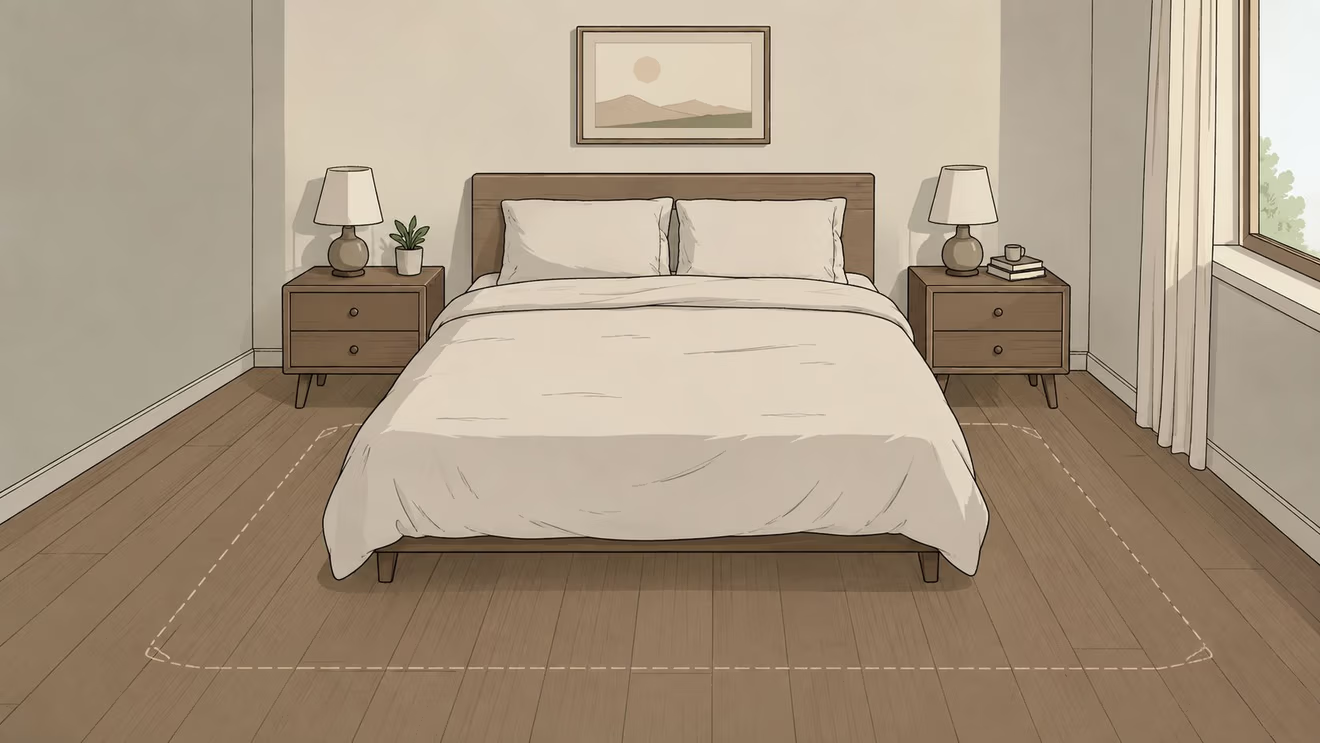
That's why so many homeowners start searching for the right size rug under a full bed only after the room already feels “off.” The good news is that this problem usually has a clear fix. Once the rug size and placement line up with the bed, the whole bedroom starts to feel calmer and more intentional.
A quick look at bedroom area rug sizing ideas can help narrow the options, but the most useful advice always starts with the bed itself and the space around it.
A rug doesn't have to fill the whole room to make a bedroom feel finished. It just has to relate to the bed in a way that feels balanced.
In real homes around Metro Milwaukee, that balance matters. A standard answer may work beautifully in one room and feel cramped in another. That's why the smartest approach isn't grabbing the most common rug size and hoping for the best. It's measuring first, then choosing the layout that fits the room people live in.
Getting the Measurements Right for a Full Bed
A full bed often looks simple to size for until you put it in a real bedroom. In a Milwaukee bungalow, a smaller apartment, or a senior living room with tighter walking space, the rug has to do two jobs at once. It needs to frame the bed well and still leave the room easy to move through.
Start with the bed itself. Standard full size bed dimensions are 54 inches wide by 75 inches long. From there, the goal is to have enough rug showing at the sides and foot so the bed does not look like it is floating.
A good working rule is simple. Leave visible rug around the bed, especially where feet land in the morning. Designers often use about 18 to 24 inches of rug beyond the bed for a balanced look and comfortable step-out space, as explained in this bedroom rug sizing guide.
Why 6×9 is the usual starting point
For many full beds, a 6×9 rug is the size that makes the math work. It usually gives enough rug at the foot and sides to feel intentional without crowding the room. That is why it is such a dependable starting point in everyday bedrooms.
But rooms do not all behave the same way.
In a larger bedroom, an 8×10 can show more rug around the frame and create a fuller, softer look. In a tighter space, especially in some Milwaukee apartments or secondary bedrooms, a 5×8 may fit the room better, though it often works best near the lower portion of the bed or at the foot instead of fully underneath. Bedroom rug placement guidance from Apartment Therapy shows this same pattern. Smaller rugs can still look right when the room does not have enough open floor for a standard under-bed setup.
Rug Size Chart for Full Beds
| Rug Size | Best Placement | BILTRITE Family Tip |
|---|---|---|
| 5×8 | At the foot of the bed in a tighter room | A smart choice when full under-bed placement would shrink the walking path |
| 6×9 | Standard under-bed placement for most full beds | Usually the safest pick for balance, comfort, and everyday use |
| 8×10 | Larger bedroom with a more generous look | Works well when you want more soft surface around the bed |
One easy way to check your choice is to picture where your feet will touch the floor. If the rug only peeks out by a few inches, it will feel more like an accent than an anchor. If it reaches so far that it crowds dressers, nightstands, or the doorway, it is probably too much for the room.
That last part matters in homes we see every day. A rug can be right for the bed and still be wrong for the bedroom. In senior living spaces, guest rooms, and compact city layouts, keeping clear edges around the bed often matters just as much as the rug size itself.
Choosing Your Perfect Placement Style
Placement changes the whole mood of the room. The same rug can make a full bed feel grounded, crowded, or lighter on its feet depending on where it sits.
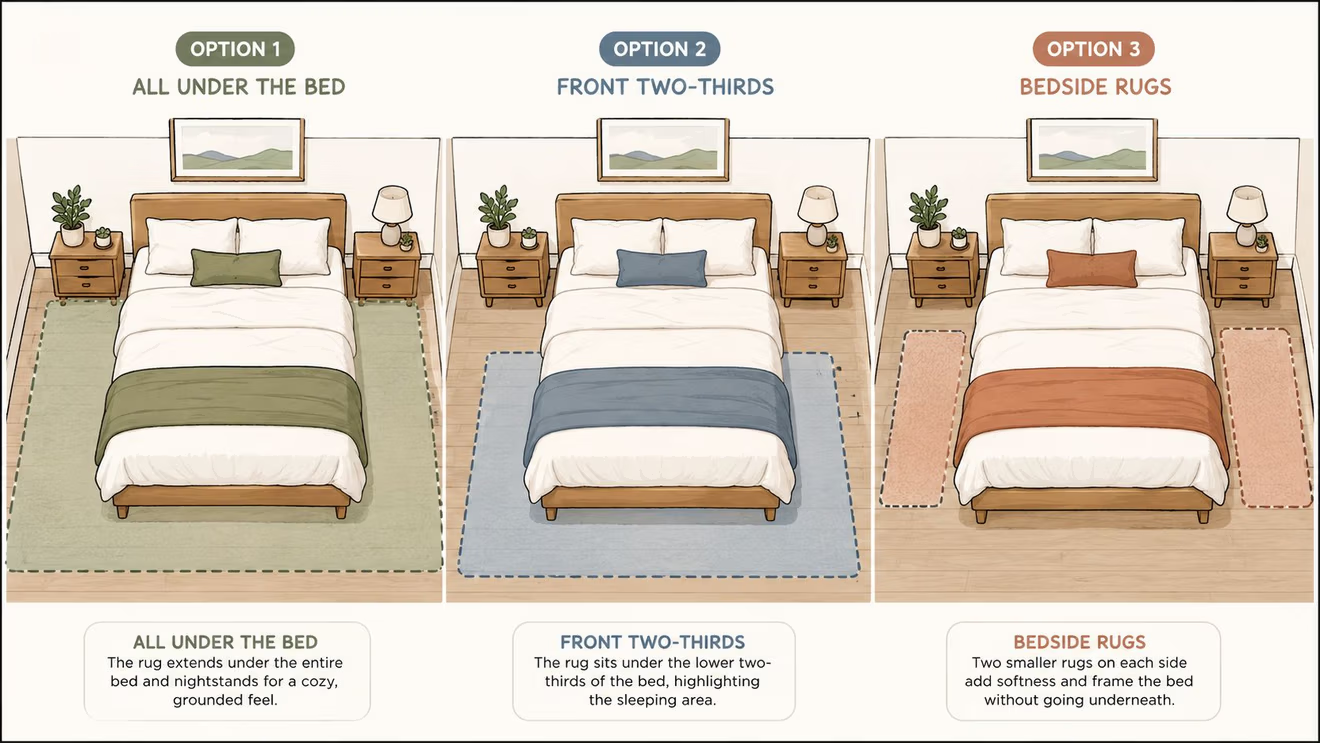
If you have ever moved a chair a few inches and watched the whole room settle down, rug placement works much the same way. A bed is the heaviest visual piece in the bedroom, so the rug needs to support it in a way that fits the room you have. In Milwaukee, that can mean a compact apartment bedroom in the East Side, a bungalow guest room, or a senior living space where open pathways matter every day. Our bedroom rug placement ideas guide shows these layouts in action, but the three patterns below are the ones we recommend most often.
Two-thirds under the bed
This is the classic choice for a reason. The rug starts under the lower portion of the bed and extends out past the foot, with enough showing on the sides to give your feet a soft place to land.
It works like a good picture frame. You see enough border to make the main piece feel finished.
For many full bedrooms, this placement creates the best balance between comfort and proportion. The bed looks connected to the floor, but you are not hiding most of the rug under the head of the bed where it does very little. If the room has decent width and your nightstands are not crowding the edges, this is often the easiest layout to live with.
Front portion only
Some bedrooms need a lighter touch. In this setup, the rug sits under the front half of the bed, usually beginning closer to where your feet land in the morning and extending outward from there.
This style can help a tighter room feel less packed. That matters in smaller Milwaukee apartments, where a full bed may already take up a generous share of the floor, and in secondary bedrooms where dressers and closet swings compete for space. You still get softness and visual structure, but with less rug tucked under furniture.
Two runners instead of one large rug
Sometimes one large rug is not the smartest answer. Two runners, one on each side of the bed, can solve the comfort problem without forcing a big rectangle into a room that does not want it.
We suggest this layout often for narrower bedrooms and senior living settings. It keeps more floor visible through the center and foot of the room, which can make the space feel calmer and easier to move through. It also gives each side of the bed a clear landing area, which many homeowners find more practical than squeezing in a rug that barely fits.
The best placement is the one that supports how you move through the room every day.
How to choose between them
A simple test helps. Stand at the foot of the bed and look at the walking paths, not just the bed itself. If the room has open space on both sides, the two-thirds layout usually feels most natural. If the bed, dresser, and doorway are already working hard in a modest room, front placement can keep the bedroom from feeling boxed in. If floor clearance and easier access matter most, runners are often the better fit.
That kind of flexibility matters in the homes we see across Milwaukee. Standard decorating advice often assumes a roomy primary bedroom. Real homes are usually more specific than that, and your rug plan should be too.
Styling Tips for Milwaukee Homes
Milwaukee bedrooms have personality. Some are tucked into older bungalows with charming but modest room sizes. Some sit in downtown apartments where every furnishing choice has to pull its weight. Others are part of condos or senior living spaces where comfort and scale matter just as much as style.
That's why one common decorating mistake shows up again and again. A rug gets chosen because the pattern is attractive, but the size is too small to support the bed.
The small-rug problem
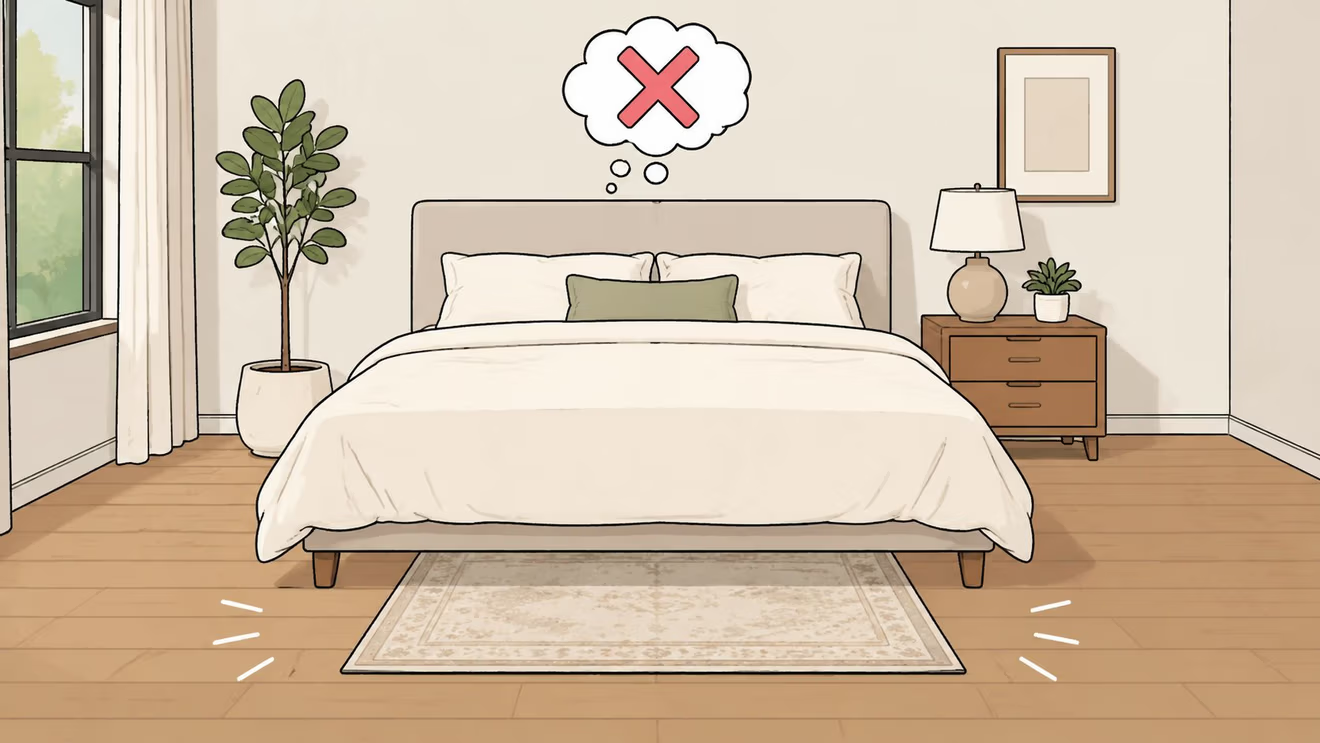
A 5×8 rug is often the pitfall with a full bed. It may extend past the foot, but it typically doesn't provide enough side coverage and can create a floating look that makes the room feel smaller, as described in this visual guide discussion of under-bed rug sizing.
That floating look confuses the eye. Instead of anchoring the bed, the rug looks disconnected from it.
Better styling moves in compact bedrooms
In smaller rooms, a few simple choices help a lot:
- Keep scale consistent. A bulky bed, oversized nightstands, and a rug that barely peeks out can make a full bedroom feel crowded fast.
- Let texture do some of the work. A rug with visible texture can add warmth even when the layout has to stay restrained.
- Coordinate with the bed frame. Natural wood, painted wood, or upholstered headboards all pair differently with rugs. The room feels calmer when those materials work together rather than compete.
- Preserve visible floor where possible. Small rooms need breathing room. If a standard rug eats up too much of the floor, the room can feel boxed in.
A related design note matters for local homes with tighter footprints. Existing advice often promotes a 6×9 under a full bed, but that doesn't always account for small-scale bedrooms in Metro Milwaukee apartments and senior living units, where the room may not leave enough visible floor around the rug. That gap is highlighted in this discussion of small-room rug planning challenges.
When standard advice doesn't fit the room
Homeowners often get stuck. They hear that a 6×9 is the standard choice, but once they tape it out on the floor, it feels too dominant for the room. That doesn't mean the room is being styled “wrong.” It means the room needs a layout decision, not a one-size-fits-all answer.
A bedroom should feel easy to move through. If the rug makes the room feel pinched, the layout needs adjusting even if the rug size is commonly recommended.
For color direction, a rug usually looks strongest when it supports the bed rather than fighting it. Those same ideas that help in a living room, such as the guidance in this rug color article for gray furniture, also apply in bedrooms. Tone, contrast, and texture often matter more than a bold pattern.
A Special Note on Safety and Accessibility
In some bedrooms, style comes second. Safety has to come first.
That's especially true for older adults, caregivers planning a more accessible room, or anyone with mobility concerns. A rug that curls at the edge, shifts underfoot, or creates a thick transition near the bed can become a daily frustration. In the worst cases, it can become a hazard.
What helps most
A safer bedroom rug setup usually includes:
- Low pile construction so feet, walkers, or mobility aids can move across it more easily
- A non-slip rug pad to help keep the rug steady
- Clean edges and simple placement that don't create awkward corners near walking paths
People often focus on softness first, but accessibility usually improves when the rug is flatter and more secure.
Bed height matters too
Rug choice and bed height work together. If the bed is already difficult to get in and out of, a thick or unstable rug can add one more obstacle. Guidance around adjustable bed height and bedroom comfort can help families think about the full setup instead of treating each piece separately.
Safety isn't a detail. In an everyday bedroom, it shapes how comfortable the whole room feels to live in.
A calm, easy-to-move-around-in bedroom often looks better too. When walkways are clear and the rug sits securely, the space feels more settled for everyone.
Find the Perfect Bed at BILTRITE
A rug can finish the room, but the bed is still the piece that sets the tone for everything around it. The frame, the scale, the materials, and the way the bed fits the room all influence which rug choices will work.
BILTRITE Furniture-Leather-Mattresses has served Metro Milwaukee since 1928 as a fourth-generation family-owned business. The showroom focuses on affordable, better-quality furniture, with a strong selection of USA-made, Amish-made, and solid wood pieces built for real homes and real daily use.
The store also carries over 60 mattress models, along with small-scale options for apartments, condos, and senior living spaces, plus sturdy choices for families who need heavier-duty furniture. The team brings over 400 years of combined experience, which gives shoppers the kind of practical guidance that's hard to replace with guesswork.
Because BILTRITE doesn't sell online, the showroom experience matters. People can walk the floor, compare sizes in person, and get help thinking through how a bed, mattress, and rug layout will work together in the room.
BILTRITE Furniture-Leather-Mattresses has been helping Milwaukee-area families furnish their homes since 1928 with better-quality furniture, USA-made and Amish-made options, and a mattress department with over 60 models to try in person. Visitors are always welcome to visit BILTRITE Furniture-Leather-Mattresses in Greenfield, say hello, and get friendly help finding the right fit for the bedroom.