Milwaukee Homeowners: Best Protective Coatings Guide 2026


A new dining table is finally in place. The sofa is fluffed, the lamps are on, and the room feels settled in a way that makes a house feel like home. Then the practical question shows up almost right away. How does that furniture keep looking good once real life starts happening on it?
That's where protective coatings matter.
For Milwaukee homeowners, that question isn't just about looks. It's about lake-effect humidity, winter dryness, wet boots, sunny windows, pets hopping up where they shouldn't, and family dinners that never stay neatly on the plate. Good furniture deserves a little backup. The right finish or protectant acts like a quiet shield against moisture, abrasion, sunlight, and daily wear, so a piece can stay handsome and useful much longer.
Protective coatings can sound technical at first. They don't need to. At the most basic level, they're the layer that helps wood, fabric, or leather stand up to ordinary living. Some are built into the furniture at the factory. Some are maintenance products used later. Some are tough and hard. Others stay flexible and subtle. The trick is knowing what belongs on which surface, and what kind of care keeps that protection working.
Welcome Home Protecting Your New Furniture
There's a familiar little moment after furniture arrives. The delivery team leaves, the room gets quiet, and someone in the family says some version of, “Let's be careful with that.” That reaction makes sense. A new bedroom set, sectional, or Amish-made dining table isn't just another household item. It's an investment in comfort, routine, and the look of the home.
Protective coatings help answer that worry before the first scratch, ring, or spill appears. A wood finish can slow moisture from getting into the surface. A fabric treatment can buy a few extra moments before a spill sets. A leather protectant can help keep the material from drying out and showing wear too soon. None of these products make furniture indestructible, but they can make it much more forgiving.
Why homeowners get confused
A lot of confusion comes from the word “coating” itself. People often think only of paint or heavy-duty industrial products. In a home, the idea is broader. On furniture, a protective coating may be a clear wood finish, a stain-resistant fabric treatment, or a conditioner and protectant used on leather.
Practical rule: The right protective coating should match both the material and the way the furniture gets used.
A formal accent table and a kitchen table don't need the same kind of defense. A recliner in a sunny room faces different challenges than a dresser in a spare bedroom. Milwaukee homes add another wrinkle because indoor air swings through heating season, humid summer stretches, and everything in between.
What protective coatings actually do
Most coatings handle one or more of these jobs:
- Block moisture: They help keep water, humidity, and spills from soaking in too quickly.
- Reduce abrasion: They add a sacrificial layer that takes some of the rubbing and scuffing.
- Filter sunlight: Some finishes do a better job resisting UV-related fading or breakdown.
- Make cleanup easier: Dirt and spills are easier to remove when they stay closer to the surface.
That's the heart of it. Furniture protection isn't about fussiness. It's about making daily life easier on the pieces that get used every day.
Choosing the Right Finish for Wood Furniture
Solid wood furniture has personality before any finish touches it. Grain, color variation, knots, and texture give each piece its own look. The finish is what helps that beauty hold up in daily use. For many homeowners, choosing a wood finish feels confusing because several options can look similar at first while behaving very differently over time.
A useful way to think about finishes is outerwear. Some finishes act like a raincoat. Some feel more like a classic wool jacket. Some are lightweight and natural-looking, but they won't handle the same abuse as a tougher top layer.
What a finish is protecting against
Wood furniture in a Milwaukee home usually faces four common threats:
- Spills and standing moisture: Common on dining tables, nightstands, and dressers under plants or drinks.
- Heat and sunlight: Window exposure can gradually affect color and surface condition.
- Scuffs and abrasion: Chairs, table edges, desktops, and kids' furniture see this constantly.
- Seasonal movement: Wood naturally responds to humidity, and the finish helps moderate surface exposure.
One of the clearest reasons finishes matter is that protective coatings on solid wood furniture typically extend the surface lifespan by 3–5 times compared to uncoated wood, with polyurethane and lacquer finishes showing the highest resistance to moisture and abrasion in controlled durability tests, as noted in Milwaukee Magazine's feature on BILTRITE.
Wood Finish Comparison
| Finish Type | Best For | Durability | BILTRITE's Take |
|---|---|---|---|
| Polyurethane | Dining tables, desks, family-use casegoods | High | A strong practical choice for hard-working furniture. Good for homes where spills and daily use are part of the routine. |
| Lacquer | Bedroom furniture, display pieces, some dining and living room pieces | High | Smooth and attractive, often used where a refined furniture look matters. It can be beautiful, but repair work may need a more careful hand. |
| Shellac | Traditional pieces, lower-impact areas, vintage-inspired furniture | Moderate | A classic option with warmth and character. Best where the piece won't take constant punishment. |
| Oils and waxes | Accent pieces, handcrafted furniture, homeowners who like a natural touch | Lower to moderate | Great for people who enjoy the feel of real wood and don't mind periodic upkeep. Usually not the first pick for heavy kitchen-table duty. |
Polyurethane and lacquer
For many busy households, polyurethane is the workhorse. It forms a durable film over the wood and usually makes sense for tables, desks, and frequently used surfaces. If a family wants less worry during weeknight meals, homework sessions, or holiday gatherings, this is often the finish that gives the most peace of mind.
Lacquer also performs very well, especially when a clean, elegant furniture appearance matters. It's often admired for how smooth and refined it looks. The catch is that while it resists wear well, repair can be less straightforward for the average homeowner if the surface gets noticeably damaged.
A deeper look at practical use cases appears in this guide on the best wood finish for a dining table.
A finish that looks beautiful in the showroom still has to make sense for spaghetti night, coffee mugs, and elbows on the table.
Shellac and natural oil or wax finishes
Shellac has a long history in furniture and gives wood a warm, traditional character. It suits decorative pieces, lower-traffic rooms, and homeowners who appreciate a more old-school furniture feel. It's less suited to surfaces that get constant moisture or rough daily handling.
Oil and wax finishes are a favorite among people who love the tactile side of wood. They can leave the piece feeling less plastic-like and more connected to the lumber itself. That natural feel is appealing, especially on handcrafted furniture. But these finishes usually ask more from the owner. They need ongoing attention and generally don't offer the same shield against spills and abrasion that a tougher film finish can provide.
A quick way to choose
When homeowners feel stuck, this simple filter usually helps:
- For family dining and homework zones: Lean toward polyurethane.
- For polished bedroom or living-room style: Lacquer may fit nicely.
- For traditional or decorative furniture: Shellac can be a charming match.
- For hands-on wood lovers: Oils and waxes offer a more natural experience.
The right answer isn't universal. It depends on whether the goal is maximum toughness, a certain visual style, easier repair, or a more natural feel in the hand.
Guarding Your Upholstery and Leather Furniture
Soft furniture has the toughest job in the house. People flop into it, kids snack on it, pets claim it, and guests don't always notice they're holding a sweating glass. Upholstery and leather need a different kind of protection because they don't just face scratches and moisture on the surface. They also absorb oils, dirt, and dye transfer over time.
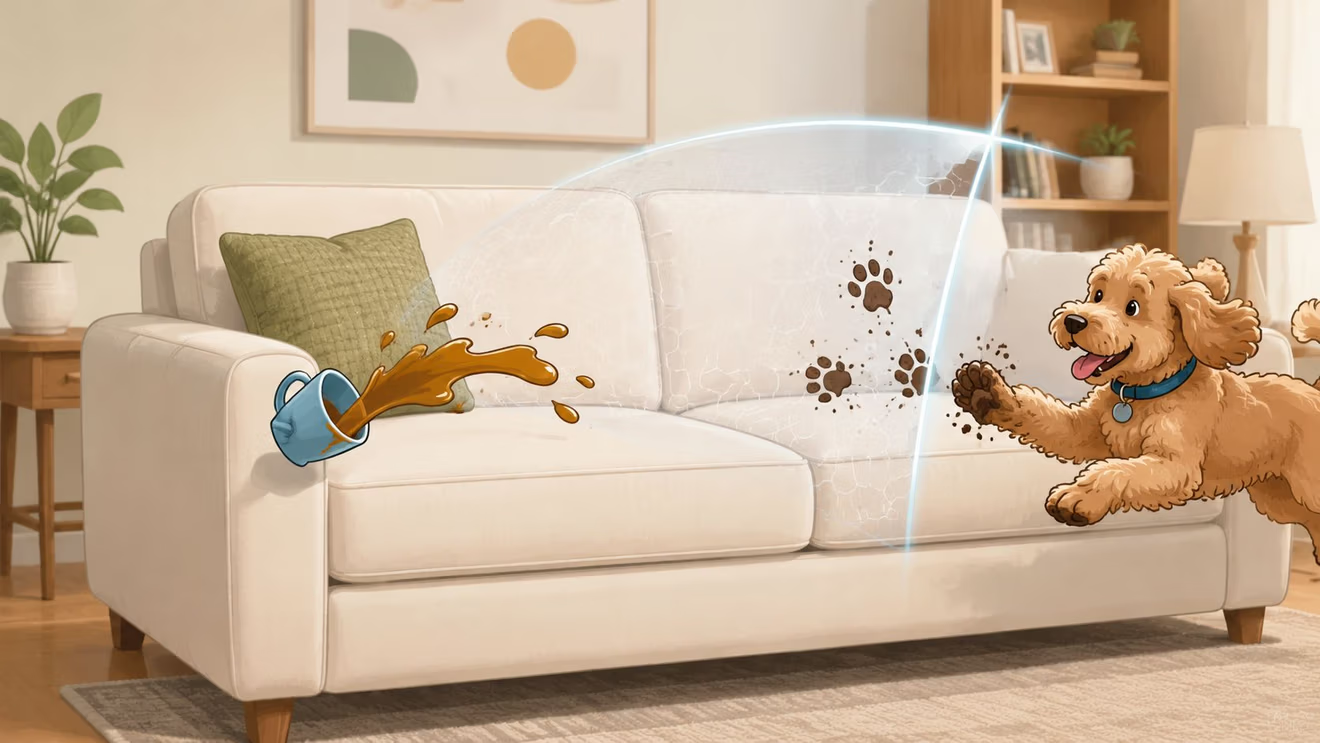
A fabric protector works by helping liquid stay near the top long enough for cleanup. That extra response time matters more than many people realize. Fabric protectors with fluoropolymers or silicones can repel liquids, preventing a spill from becoming a stain on over 80% of common household fabrics if treated within the first few minutes, according to this fabric protector study.
Fabric protection in plain language
A protected fabric isn't wrapped in plastic. It still looks and feels like fabric. The difference is that the treatment changes how liquid behaves when it hits the fibers. Instead of soaking in immediately, the spill often beads or spreads more slowly across the surface.
That can be especially helpful for:
- Dining chairs: They catch drips more often than people expect.
- Light-colored sofas: Beautiful, but they invite worry without a protectant.
- Family sectionals: The more time people spend on them, the more likely accidents become.
- Occasional chairs near windows or entry points: These often pick up dirt and body oils gradually.
Leather needs a different approach
Leather protection is less about making water bead dramatically and more about preserving the material. Leather can dry out, stiffen, and eventually show cracking or premature wear if it isn't maintained properly. A good leather care routine helps keep it supple and easier to clean.
The biggest mistake is assuming all leather products do the same thing. Some clean. Some condition. Some add a measure of stain resistance. Some are too aggressive for certain finishes. That's why material-specific guidance matters, especially for a sofa or recliner that gets daily use. Homeowners comparing care approaches can start with this article on how to condition a leather sofa.
Fast cleanup beats strong cleanup. The sooner a spill gets blotted, the less likely a homeowner will need harsh cleaning later.
Factory treatment or after-purchase product
Both can be useful, but they aren't interchangeable in every case.
- Factory-applied protection: Often gives a more uniform starting point because it's applied under controlled conditions.
- After-purchase fabric spray: Helpful for some existing furniture, especially if the fabric allows it.
- Leather conditioner and protectant: Best chosen to fit the leather type and finish, not as a one-size-fits-all product.
For performance fabrics, extra spray may not always be necessary. Some already have resistance built into the fiber or weave. In those cases, adding another layer without checking the care guidance can create problems rather than solve them.
Simple Maintenance for Lasting Protection
A protective coating works best when the surface around it stays clean. That sounds obvious, but it's where many homeowners lose years of useful life. Dust, grit, and pet hair don't just look untidy. They act like tiny abrasives whenever someone slides a plate across a table, shifts on a seat cushion, or wipes down a surface too aggressively.
That's why routine care matters so much. Regular cleaning and maintenance, such as dusting wood and vacuuming upholstery, can increase the effective life of a protective coating by up to 25% by reducing abrasive particle buildup, according to this furniture maintenance study.
The simple checklist that helps most
This doesn't need to become a weekend-long ritual. Consistency matters more than intensity.
- Dust wood gently: Use a soft, dry cloth so grit gets lifted rather than rubbed around.
- Vacuum upholstery regularly: Focus on seams, deck areas, and under cushions where particles collect.
- Blot spills right away: Press, don't scrub. Scrubbing can push moisture deeper and rough up the surface.
- Keep sunlight in mind: Rotate accessories or adjust placement if one arm or cushion gets strong daily exposure.
- Follow finish-specific care: Wood, fabric, and leather each need their own products and timing.
A more surface-specific routine appears in this guide on how to clean wood furniture.
What not to do
Many coating problems come from good intentions mixed with the wrong product or technique.
- Don't oversaturate wood: Too much liquid can stress seams and edges.
- Don't use rough cloths: They can dull a finish over time.
- Don't let dirt sit in upholstery: Every sit-down grinds it deeper.
- Don't skip the care tag: Manufacturer instructions often prevent avoidable mistakes.
Furniture lasts longer when homeowners treat maintenance like preservation, not punishment after something goes wrong.
A practical Milwaukee habit
In this region, seasonal habits help. During wet and snowy stretches, entryway chairs, benches, and nearby upholstered pieces often collect more moisture and grime than people notice. In dry heating season, leather may need closer attention so it doesn't start looking thirsty or stiff. A small adjustment in routine during each season usually does more good than one big annual cleaning day.
Safety Environmental and Family-Friendly Notes
Protective coatings don't just affect durability. They also affect how a home feels to live in, especially for households with kids, pets, older adults, or anyone sensitive to strong odors. Most homeowners don't need a chemistry lesson. They need plain guidance on what's worth asking before a piece comes home.

What to look for in family spaces
A finish can be durable and still deserve a second look from a safety standpoint. Homeowners often ask about low-odor, low-VOC, or food-safe options for dining areas and active family rooms. Those are smart questions.
VOCs are compounds that can off-gas from some finishes and treatments. In plain terms, they're part of why certain products smell strong during application or curing. For many families, lower-VOC options feel more comfortable, especially in tighter indoor spaces or rooms used right away.
A few practical considerations help:
- For dining and kitchen-adjacent furniture: Food-safe labeling matters when the surface may come into regular contact with meals.
- For nurseries and kids' rooms: Low-odor and lower-emission choices often rise to the top.
- For high-touch family pieces: Easy-to-clean surfaces can reduce the need for aggressive cleaners later.
The next wave of protective coatings
Residential furniture buyers are starting to hear more about coatings that do more than just sit on the surface. Some newer technologies aim to respond to damage or signal trouble before it becomes obvious. That's promising, but homeowners should keep expectations grounded.
Sustainable, smart coatings with self-healing or corrosion-detection properties are emerging but not yet mainstream for residential furniture, despite rapid growth projections in the U.S. market where these high-performance options are poised for expansion, according to this U.S. protective coating market outlook.
That doesn't mean traditional choices are outdated. It means buyers may see more environmentally mindful and more responsive options over time, especially as furniture shoppers ask better questions about materials and long-term upkeep. Homeowners interested in broader material choices can explore eco-friendly furniture materials.
The best family-friendly coating is usually the one that balances safety, maintainability, and the way the piece will actually be used.
When to Let a Milwaukee Professional Help
Some coating jobs are well within a careful homeowner's reach. Others can go sideways fast. Refinishing a treasured table, correcting a failed topcoat, or restoring damaged leather usually costs less in the long run when a skilled professional handles it from the start.
The biggest reason is uncertainty. Coatings don't come with a reliable countdown clock. Most existing content fails to address the critical gap that no accurate life-prediction testing exists for protective coatings, relying instead on relative ranking tools that cannot definitively forecast service life, as explained in this article on what experts wish they knew earlier about protective coatings.
Signs it's time to call someone local
A professional is often the better move when:
- The piece is high value or sentimental: An antique, heirloom, or custom item deserves careful handling.
- The damage is widespread: Peeling, clouding, deep staining, or large worn areas can be tricky to blend.
- The material is specialized: Fine lacquer, certain leathers, and delicate upholstery don't respond well to guesswork.
- A previous DIY attempt already failed: Adding more product usually doesn't fix poor adhesion or incompatible layers.
What good help should offer
A solid local refinisher or upholstery specialist should inspect the piece, explain the likely finish or material involved, and set realistic expectations. “Realistic” matters. Anyone promising an exact lifespan for a coating should raise eyebrows.
For leather restoration questions, homeowners can review this practical resource on the best leather furniture restorer. Even if a pro ends up doing the work, knowing the basics helps a homeowner ask better questions and avoid expensive shortcuts.
Your Protective Coating Questions Answered
A few questions come up again and again when homeowners are trying to make smart choices without overcomplicating things.
Can a new coating go over an old one
Sometimes, yes. Sometimes, absolutely not. Success depends on what's already on the furniture, whether the old layer is stable, and how well the surface gets cleaned and prepared. Waxed or oily surfaces are especially tricky because new finishes may not bond the way a homeowner expects.
How can someone tell if a protector is kid- and pet-conscious
Product labeling matters. Homeowners usually want to look for lower-VOC options where available and make sure the coating is fully cured before regular contact. If the furniture surface will be used around food, a finish specifically identified as food-safe is the safer path.
Do performance fabrics need another spray protectant
Often, they don't. Many performance fabrics are designed with resistance built into the fiber or construction. Adding another treatment without checking the care guidance can interfere with how the material is supposed to perform.
What's the biggest mistake people make
Using the wrong product because it sounds stronger. Stronger isn't always better. The right cleaner, conditioner, or topcoat should match the material first, then the problem.
Is maintenance still necessary after protection is applied
Yes. A coating helps, but it doesn't replace regular care. Dust, spills, oils from hands, and sunlight keep working on furniture whether the surface is protected or not.
BILTRITE Furniture-Leather-Mattresses has helped Metro Milwaukee families furnish their homes since 1928 with affordable, better-quality furniture, including USA-made, Amish-made, and solid wood pieces built to last. As a fourth-generation family business, the team believes furniture shopping should feel warm, helpful, and pressure-free. Visitors can explore the Greenfield showroom, see materials and finishes in person, and talk with sales associates who bring over 400 years of combined experience. The store doesn't sell online and is proudly closed on Sundays and Mondays for family time. To find a new favorite piece for the home, visit BILTRITE Furniture-Leather-Mattresses.