Vintage Furniture Stores: Milwaukee’s Best Finds 2026

A lot of Milwaukee homeowners are in the same spot right now. They're scrolling through photos of cozy dining rooms, character-filled bedrooms, and living spaces with one standout piece that makes the whole home feel collected instead of copied. Then comes the question. Should they spend the weekend visiting vintage furniture stores, or should they look for something new that brings that same warmth without the gamble?
That question makes sense. Vintage shopping can be exciting, a little overwhelming, and sometimes expensive in ways people don't expect until the piece is already in the house. It can also be a wonderful way to find furniture with soul.
Families in Metro Milwaukee have been thinking about furniture that way for generations. Furniture isn't only about filling a room. It helps tell a home's story. Since BILTRITE Furniture's early history in Milwaukee, when the business was founded in 1928 by Irwin Kerns and his wife Frieda Kerns as an upholstery shop, that family-centered view has stayed rooted in the local community.
Table of Contents
- Your Guide to Finding Furniture with a Story
- What Exactly Makes Furniture Vintage
- The Thrill of the Hunt Where to Find Vintage Treasures
- A Savvy Shoppers Checklist for Evaluating Vintage Finds
- The Vintage Look Without the Vintage Worries
- Come Say Hi and Continue Your Homes Story
Your Guide to Finding Furniture with a Story
A first-time homeowner in Milwaukee might fall in love with a weathered oak dresser online, then spot a sleek new table the next minute and wonder which path makes more sense. That push and pull is common. People want character, but they also want furniture that works for real life, real budgets, and real family use.
That's where a little guidance helps. The furniture world has a lot of terms, plenty of opinions, and no shortage of romantic language around old pieces. A shopper can hear “vintage,” “antique,” “solid wood,” and “refinished” in a single afternoon and still leave unsure what any of it means for quality or value.
Furniture with a story should still make sense in the room it's going into. Charm matters, but so do structure, comfort, and long-term use.
A good starting point is learning the style language behind the pieces a shopper already loves. Someone drawn to clean lines may enjoy browsing different furniture styles and looks before ever stepping into vintage furniture stores. That simple step helps narrow the search and keeps impulse buys from taking over.
For many households, the goal isn't to create a museum. It's to build a home that feels personal. One family may want a vintage sideboard with patina and old brass pulls. Another may decide they'd rather have a brand-new solid wood dining set that gives off the same grounded, timeless feel.
Both approaches can work beautifully. The key is knowing what they're buying, why it appeals to them, and what it will take to live with it once it gets home.
What Exactly Makes Furniture Vintage
The words get mixed up all the time. A lot of shoppers use vintage and antique as if they mean the same thing, but they don't. Knowing the difference makes shopping a whole lot easier, especially when a seller's description is vague.
The age rule that clears up the confusion
The clearest way to remember it is this. Vintage furniture is aged 20 to 99 years. Antique furniture is 100 years old or more. That distinction is tied to the 100-year antique benchmark established through the Smoot-Hawley Tariff Act and explained here.
That age split gives shoppers a practical framework:
| Term | Age range | What it usually means for the shopper |
|---|---|---|
| Vintage | 20 to 99 years | Distinct style, older construction methods, often easier to use in everyday rooms |
| Antique | 100+ years | Older historical pieces, often more delicate, often priced and evaluated with extra care |
A simple way to think about it is family generations. Vintage is like a well-loved piece from parents or grandparents. Antique is more like a piece handed down from great-grandparents or earlier.
That age range also helps explain why vintage furniture stores feel so varied. One store may focus on pieces from the later twentieth century with cleaner profiles. Another may specialize in much older carved wood furniture that belongs in the antique category.
Style matters too
Age sets the category, but style is what usually grabs attention first. A shopper may not know the exact year of a cabinet, yet they often know whether they're drawn to curved lines, lighter woods, bold geometric shapes, or richer traditional details.
Some shoppers head straight for styles associated with earlier design periods, while others prefer a look that mixes old and new. Someone who likes the romance of historic beds and headboards might enjoy learning more about traditional antique bed frame styles before shopping in person.
A few cues can help narrow taste:
- Clean, simple lines often appeal to buyers who want a room to feel open and relaxed.
- Decorative carving and ornate trim usually speak to people who enjoy more formal, classic spaces.
- Warm wood tones and visible grain tend to attract shoppers who care about craftsmanship and natural materials.
Practical rule: A piece doesn't need to match every other item in the room. It only needs to feel believable next to them.
That's one reason vintage furniture stores stay appealing. They give shoppers access to pieces that don't look like they came from the same page of a catalog. The look can feel layered, lived-in, and personal in a way many people are craving.
The Thrill of the Hunt Where to Find Vintage Treasures
Some shoppers love the chase almost as much as the furniture itself. They're happiest opening drawers, checking tags, looking under tabletops, and driving home with a piece that no one else noticed. That thrill is part of why the market keeps growing. The global market for off-the-shelf second-hand furniture was valued at USD 28.5 billion in 2023 and is projected to reach USD 52.1 billion by 2030, which shows how many buyers are choosing pre-loved pieces for style and sustainability.
Different places bring different surprises
Not all vintage furniture stores, sales, and marketplaces work the same way. Each one has its own rhythm.
A dedicated vintage furniture shop usually offers a more edited experience. Pieces are often cleaned, arranged well, and easier to compare. That can save time for a shopper who wants quality options without sorting through piles of mixed goods.
Estate sales feel more like stepping into someone else's home story. A buyer may find dining chairs that sat around the same table for decades or a writing desk tucked into a guest room. The selection can be exciting, but decisions often need to happen fast.
Flea markets reward patience. They can be terrific for small accent pieces, occasional tables, mirrors, and chairs with personality. They also ask more from the shopper. Measurements, condition checks, and transport planning matter a lot more there.
Online listings can widen the search area, but photos don't always tell the full truth. A table can look sturdy in a picture and wobble badly in person. Finish color can shift in different lighting, and scale is easy to misread if the listing lacks clear dimensions.
How shoppers can choose the right hunting ground
A good match depends on the shopper's personality as much as their budget.
- For careful planners: Curated vintage furniture stores often work best because the setting makes inspection easier and the selection is less chaotic.
- For spontaneous treasure hunters: Flea markets and estate sales can be fun because they reward fast eyes and quick decisions.
- For busy households: Online browsing helps narrow options first, though it's smartest to inspect in person before committing when possible.
There's also a local comfort factor. Many Milwaukee shoppers prefer dealing with a trusted, long-standing showroom when they're making big home decisions. That same instinct often shapes where they begin their search for used or one-of-a-kind pieces. Readers looking for a strong local starting point can browse a family-owned furniture store near Milwaukee to get a feel for what community-rooted furniture guidance looks like, even if their final room includes both old and new.
A simple comparison can keep the search grounded:
| Shopping spot | Best for | Main caution |
|---|---|---|
| Vintage furniture store | Edited selection, easier browsing | Prices may reflect curation and restoration |
| Estate sale | Unique household finds | Fast decisions and limited time |
| Flea market | Unexpected accents and bargains | Condition can vary a lot |
| Online listing | Broad selection | Photos can hide flaws |
A buyer doesn't need to use only one route. Many of the best rooms come together from a mix. A family might find a vintage chest at a local shop, a lamp at a weekend market, and fill in the everyday pieces elsewhere. That's often the smartest way to enjoy the hunt without forcing every piece to come from the same source.
A Savvy Shoppers Checklist for Evaluating Vintage Finds
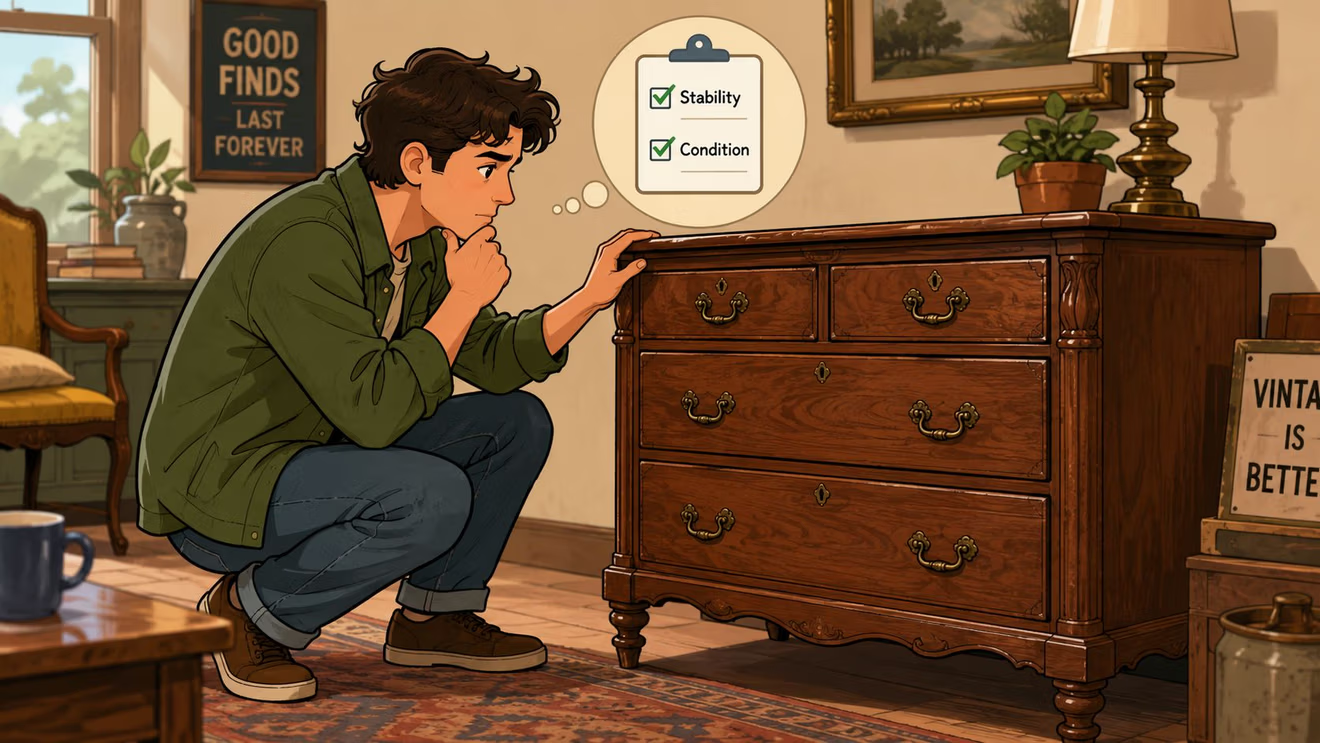
Falling for the look is easy. Evaluating the piece is where good shopping starts. A smart buyer checks construction first, material second, and total cost third.
Start with the bones
The structure tells the truth faster than the finish does. According to this guide to spotting authentic vintage furniture, authentic vintage pieces often show dovetail joints or mortise-and-tenon joinery, both strong construction methods associated with solid hardwood work. Older drawers also commonly run on wooden slides instead of modern synthetic glides.
That gives shoppers a straightforward first inspection list:
- Open the drawers: If they stick a little or sag slightly on wooden slides, that can be a clue the piece has age and older construction.
- Look underneath and inside: Joinery hidden from the front often says more than the polished top.
- Test for wobble: A little movement may be repairable. Serious racking or twisting is another story.
- Check the back panel: Thin, weak backing can signal lower-grade construction or later alteration.
The outside sells the piece. The inside proves whether it deserves the money.
A dining chair, for example, may have charming wear and a beautiful finish. But if the joints are loose and the frame flexes when lifted, the buyer should treat it as a project, not a ready-to-use bargain.
Check the material not just the color
A lot of shoppers get tripped up here. Dark stain doesn't mean solid wood. Visible grain doesn't always mean solid wood either. Veneer can be beautiful and legitimate, but a buyer should know when they're paying for veneer and when they're paying for true solid wood construction.
A few simple checks help:
- Look at the edges. Solid wood usually shows more natural continuity in the grain and edge pattern.
- Notice the weight. Many solid wood pieces feel heavier and denser than look-alike alternatives.
- Tap lightly. Thin, hollow-sounding surfaces can hint at lower-density material or layered construction.
- Inspect wear spots. Veneer damage often looks different at corners and edges than normal wear on solid wood.
Shoppers who want a more detailed walkthrough can review how to tell if furniture is real wood before they head out. That kind of preparation helps filter out pieces that only look durable from a distance.
Think past the price tag
Hidden costs often complicate vintage purchases. The listed price is only the first number. Delivery, repairs, missing hardware, refinishing, or upholstery can change the full cost quickly.
One source discussing resale shopping notes that 36% of Americans shop secondhand primarily for better value amid inflation, while also pointing out that reupholstering a second-hand sofa can run more than $500 to $1,500 per piece in some cases, which is exactly the kind of hidden expense many shoppers miss at first glance. That detail appears in this discussion of resale and vintage furniture shopping.
A buyer standing in front of a sofa should ask:
- Is the frame strong enough to justify upholstery work?
- Are the cushions usable now, or is replacement likely?
- Will it fit through the doorway and up the stairs?
- Does the final cost still feel like good value once repairs are included?
Sometimes the answer is yes. A well-built old sofa with great lines may be worth the added investment. Other times, the “deal” only works until the first repair estimate arrives.
That's the heart of savvy vintage shopping. It isn't about finding the cheapest piece. It's about finding the piece with the best value after the whole picture comes into focus.
The Vintage Look Without the Vintage Worries
A lot of shoppers start out convinced they want only vintage. Then they spend a few weekends lifting drawers, noticing warped tops, spotting veneer loss, and adding up upholstery quotes. At that point, the goal often changes. They still want warmth, character, and a collected look. They just want fewer surprises.

Why some shoppers change direction
Vintage can be wonderful, but it asks the buyer to become a part-time inspector, part-time restorer, and sometimes a part-time delivery coordinator too. That's fun for some people. For others, it turns a decorating project into a string of small headaches.
There's another option. A shopper can aim for furniture with timeless shape, real wood construction, and handcrafted detail, but buy it new. That approach gives the room the grounded, layered feeling many people associate with vintage while avoiding some of the common issues tied to age and prior use.
A home can look collected without every piece being old.
This is where solid wood really shines. Furniture made with strong joinery, durable materials, and classic proportions tends to age gracefully over time. It may begin life brand new, but it doesn't have to look generic or temporary.
What new furniture can do that some old pieces can't
The strongest argument for buying new isn't trendiness. It's confidence. Buyers know what they're getting, how it functions, and what kind of daily use it can handle.
A useful comparison looks like this:
| If the shopper wants | Vintage route | New solid wood route |
|---|---|---|
| Character | Comes from age, wear, and rarity | Comes from craftsmanship, wood grain, finish, and design |
| Durability | Depends on current condition and repairs | More predictable from day one |
| Maintenance | May require restoration or part replacement | Usually easier to live with right away |
| Long-term use | Can be excellent if well chosen | Can become tomorrow's heirloom |
That's also why many value-minded shoppers lean toward American-made and Amish-made furniture when they want staying power. As noted in this feature on BILTRITE and its American-made focus, the showroom specializes in quality American-made furniture and uses a dedicated USA Made icon to identify locally crafted, solid wood furniture that supports American jobs and craftsmanship.
For households trying to balance beauty with practicality, that matters. A new solid wood dresser with classic lines can deliver the same visual calm that draws someone into vintage furniture stores, while giving them dependable drawers, stable construction, and fewer repair questions.
Some buyers even blend both paths. They may choose one true vintage accent piece, then pair it with newer wood furniture that carries the room for daily use. If a dated finish on an older item still has appeal, readers can also explore how to refinish wood furniture and decide whether a refresh is realistic before they commit.
That balanced approach often creates the most livable rooms. The space still has story and personality, but it also works on a Tuesday night when homework is spread across the table and everyone's using the furniture.
Come Say Hi and Continue Your Homes Story
The best homes rarely come together all at once. They're layered over time, piece by piece, with some choices made for beauty and others made for everyday life. That's why the conversation around vintage furniture stores matters so much. It isn't only about old furniture. It's about finding what feels right, lasts well, and fits the way a family really lives.
For some Milwaukee shoppers, that means hunting for one special old cabinet with age marks and charm. For others, it means choosing new, solid wood furniture that brings the same warmth without the uncertainty. Most homes end up somewhere in the middle, and that's usually a very good place to be.
There's a lot to enjoy in the search when buyers know what to look for. Check the structure. Study the material. Think through the full cost, not just the sticker. Trust the piece that makes sense both emotionally and practically.
People who want to keep exploring those ideas in person can stop by a local showroom, take their time, and talk through options with experienced furniture people who care about quality. A relaxed conversation and a close look at construction can teach more in half an hour than a week of scrolling ever will.
Ready to find furniture with character, comfort, and lasting value? BILTRITE Furniture-Leather-Mattresses would love to welcome Milwaukee-area shoppers into the Greenfield showroom. Visitors can browse at their own pace, see solid wood craftsmanship up close, and chat with a friendly team that's been serving local families since 1928.