3 DAY MATTRESS SALE! THURSDAY - FRIDAY - SATURDAY!
98TH ANNIVERSARY SALE-A-BRATION ENDS SATURDAY, NOVEMBER 7TH AT 5PM!
NO CREDIT CARD FEES!
1000's of Items IN-STOCK + 500 Mattresses!
Largest selection of USA Made Furniture & Mattresses + Amish Made!
FREE In-Store Design Services!
BUY LOCAL & LOVE YOUR HOME!
Tuesday-Thursday 10am to 6pm | Friday 10am to 7pm | Saturday 10am to 5pm | Sunday Closed To Be With Family & Friends | Monday Showroom Closed
5430 West Layton Ave, Greenfield - Metro Milwaukee
When you start thinking about the types of tables for your home, your mind probably jumps to the big dining table where everyone gathers for dinner, or maybe the coffee table that’s always piled high with your favorite books. But the world of tables is so much bigger! Each one has its own special job, from the console table that welcomes guests in your entryway to that trusty little end table holding your evening cup of tea.
Finding the Right Table for Your Family
Home furniture includes a surprising number of distinct table categories, each engineered for a specific function or placement. Before you decide on a style, it helps to understand that table types are primarily classified by their room placement and intended use. For instance, dining tables prioritize durable surfaces and spacious tops for meal settings, while console tables are designed with deep, narrow footprints to serve as entryway drop zones or behind-sofa display surfaces.
At BILTRITE Furniture, a 4th generation, family-owned business helping folks in the Metro Milwaukee area since 1928, we categorize tables into three main functional groups to help you find exactly what fits your daily life:
Primary Social Surfaces: These are the large tables where family life happens—dining tables, kitchen islands, and work tables.
Secondary Support Tables: These include coffee tables, end tables, and bedside tables that support seating areas and provide convenient surface space.
Accent and Utility Tables: These are stylistic pieces like console tables, entryway tables, and nesting tables that solve specific spatial problems.
Choosing a new table can feel like a huge decision, but it doesn't have to be overwhelming. In fact, it can be pretty fun! All it takes is breaking it down into a few simple questions. To get started, you just need to think about three key things.
Key Factors to Consider
How will you use it? Are you looking for a sturdy surface for daily family meals, a decorative piece for an entryway, or a functional spot right beside your favorite chair for your morning coffee? The job it needs to do is always the best place to start.
What space are you working with? The size and shape of your room play a massive role in what will—and won't—work. Knowing your measurements is the first step to finding a great fit that doesn't cramp your style (or your shins).
What's your family's style? Do you love the warm, timeless look of solid wood, or are you drawn to the clean lines of more modern designs? Your table should feel like a natural extension of your home's personality.
This simple concept map shows how use, space, and style are the three pillars of choosing the right table for your home.
Balancing these three elements is the secret to finding a piece that's not just beautiful but also works hard for your family day in and day out. Getting the dimensions right is especially important, which is why we created a handy guide on how to measure furniture to help you get started before you even leave the house.
Thinking through these points will set you up for success when you come visit us in our showroom.
To make things even easier, here's a quick rundown of the most common tables you'll find in a home and what they're typically used for.
Quick Guide to Common Household Tables
Table Type
Primary Role
Common Location
Dining Table
The centerpiece for meals and gatherings.
Dining Room, Kitchen
Coffee Table
A low table for drinks, books, and decor.
Living Room, Family Room
End Table
A small table for lamps, drinks, or remotes.
Beside a Sofa or Chair
Console Table
A long, narrow table for display and storage.
Entryway, Hallway, Behind a Sofa
Accent Table
A small, decorative table for extra surface area.
Any Room
Nesting Tables
A set of tables that stack to save space.
Living Room, Bedroom
Sideboard/Buffet
Storage for dining essentials.
Dining Room
Bedside Table
Holds nighttime necessities like lamps and books.
Bedroom
This little cheat sheet can help you pinpoint exactly what you're looking for based on where you need it and what you need it to do.
How We Classified These Types of Tables
Our team at BILTRITE uses a functional classification system for the different kinds of tables available, rather than relying solely on aesthetic styles like "modern" or "farmhouse." While style is important, it changes quickly; function and placement remain constant. We group tables based on four criteria:
Room Placement: Where the table lives (dining room, living area, entryway, bedroom).
Primary Function: What the table is used for (eating, working, displaying, storage).
Size and Clearance Needs: How much floor space the table requires and how it interacts with traffic flow. See our how to measure furniture guide for clearance standards.
Material Durability: How well the table construction can withstand the wear and tear of its intended environment.
This methodology ensures that whether you are searching for different types of tables for a formal dining room or compact accent tables for a small apartment, you can find options that are built for their specific purpose.
Types of Tables by Room and Function
Understanding the distinct roles that different table types play can help you make smarter decisions for your home. Here is a breakdown of the major categories based on where they belong and what they do.
Dining Tables: The Heart of the Home
Dining tables have evolved from multifunctional household surfaces into recognizable categories of furniture shaped by changing social habits. In the early 18th century, formal dining was largely limited to wealthy households, and one trestle or gateleg table often served several purposes rather than remaining permanently dedicated to meals. By the middle of the 1700s, the growth of the merchant class increased demand for purpose-built dining furniture. Queen Anne tables, produced approximately from 1720 to 1750, commonly used walnut, cabriole legs, and decorative pad feet [https://dataintelo.com/report/global-solid-wood-dining-table-market].
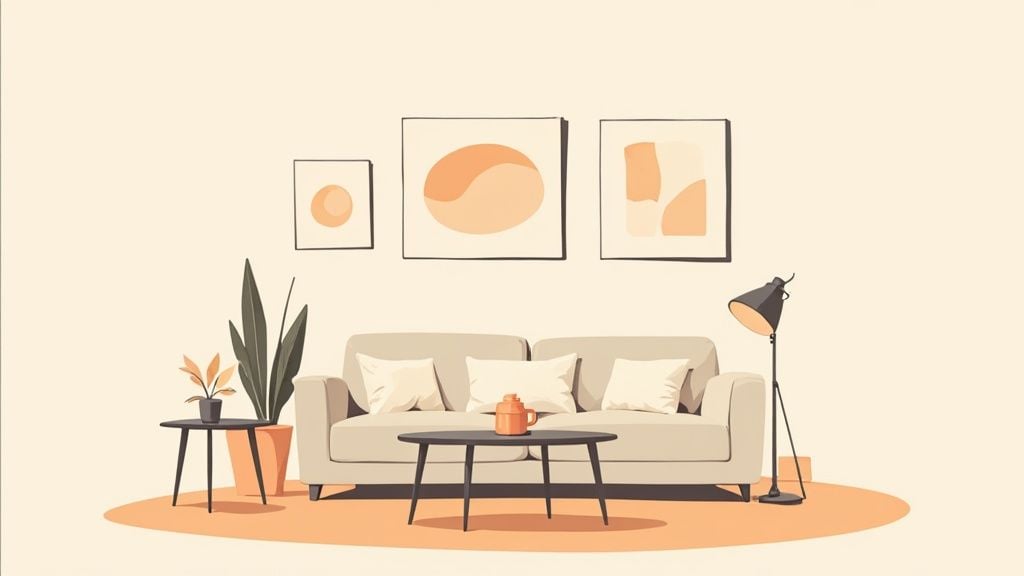
In the living room, coffee tables and end tables form the core of your seating arrangement. Coffee tables are low-profile surfaces designed to sit in front of sofas or sectionals, providing a convenient spot for drinks, books, and remote controls. End tables, also known as side tables, are placed next to seating to hold lamps and personal items.
These are part of the broader category of occasional tables, which includes coffee tables, end tables, console tables, and other compact surfaces designed to support a room’s primary furniture. Their history is closely linked to the increasing specialization of domestic interiors: instead of one large table serving every purpose, households began using differently sized tables beside sofas, at entrances, and in living areas. Current market segmentation illustrates the scale of that distinction. In the 2025 global solid-wood table market, coffee tables accounted for an estimated 22.3% of revenue, console tables represented roughly 18.5%, and end tables made up about 15.2% [https://dataintelo.com/report/solid-wood-table-market].
Console and Accent Tables: Solving Spatial Problems
Console and accent tables are versatile pieces that can transform awkward spaces. They solve distinct problems depending on where they are placed in the home. A sofa table placed behind a sofa provides a surface for lighting and decor without blocking the view of the room, making it ideal for open-concept layouts where a conventional console wouldn't fit [https://www.geeksforGeeks.org/data-science/what-are-the-different-kinds-of-tables/]. An accent table works well in any room where you need a small, mobile surface for a lamp, plant, or drink, offering flexibility that larger tables cannot. Nesting tables are particularly effective in small apartments or multi-functional rooms, where you can stack them to save floor space during the day and separate them to provide extra surface area for guests at night. A bedside table is specifically designed to hold items within arm's reach of the bed, solving the problem of needing a stable surface for reading lamps and books in the bedroom. Side tables placed next to chairs or armchairs provide convenient surface space without obstructing traffic flow, making them perfect for reading nooks or living rooms with limited square footage. When choosing between these options, consider whether you need dedicated placement (sofa or bedside) or flexible positioning (accent or nesting).
Work and Office Tables: Functional Furniture
Work tables and office tables represent another major table type, shaped by the shift between traditional workplaces, home offices, and hybrid work. Unlike dining or occasional tables, work tables prioritize writing, computing, organization, and sustained posture. The U.S. office-furniture market provides a useful measure of how consumers continue to purchase these products through physical showrooms: offline distribution accounted for 61.82% of U.S. office-furniture sales in 2025 [https://www.grandviewresearch.com/industry-analysis/us-office-furniture-market].
Bedroom Tables: Nightstands and Dressers
Bedside tables, or nightstands, are essential for bedrooms, providing surface space for lamps, alarms, and books within easy reach of the bed. They come in various styles, from compact cubes to full-sized dressers with integrated tables.
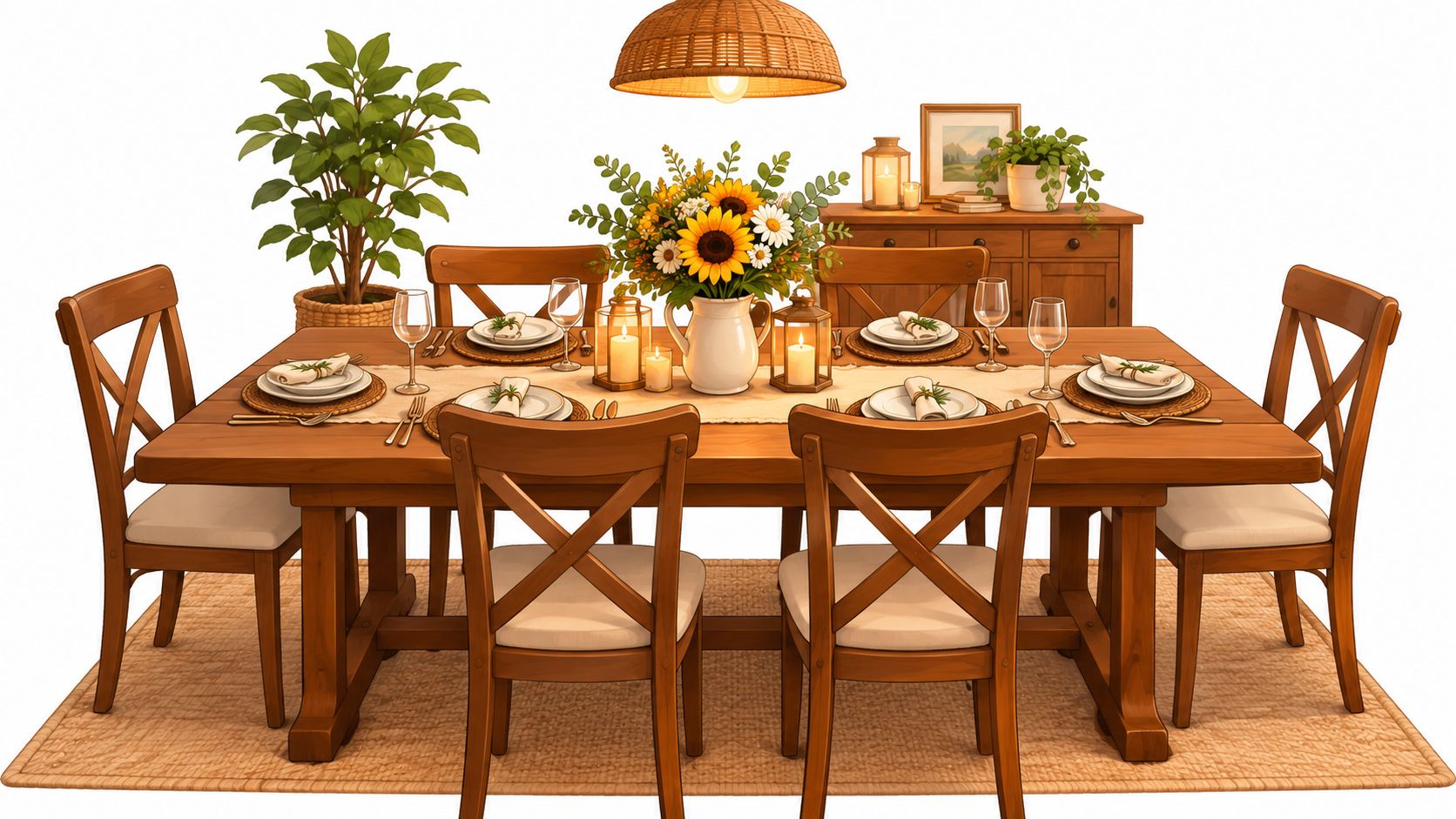
Understanding Dining Room Tables
The dining table is so much more than just a place to eat. It's the central hub of family life—where stories from the day get shared, homework is tackled, and holiday memories are made that you'll cherish for a lifetime. Choosing the right one is about finding a piece that will stand strong through all those special moments for years to come.
Here at BILTRITE, we’ve been helping Milwaukee families find their ideal tables since 1928, so we’ve learned a thing or two about what makes a dining table special. It all starts with getting the shape and size just right for your home and your family.
Finding the Right Shape for Your Room
The shape of your dining table can completely change the feel of a room. Each one has its own distinct personality and works best in certain spaces.
Rectangular Tables: This is the classic choice, and for good reason! They are fantastic for seating larger groups and are a natural fit for long, narrow dining rooms. Plus, they offer plenty of space down the middle for all your serving dishes during those big family get-togethers.
Round or Oval Tables: Think of these as the ultimate conversation starters. With no head of the table, everyone feels equally included. Round tables are wonderful for smaller, square-shaped rooms or eat-in kitchens, creating an intimate and cozy atmosphere.
Square Tables: Ideal for smaller groups of four, square tables bring a sense of balance and symmetry to a room. They work beautifully in square spaces and provide a comfortable, close-knit dining experience where everyone is just an arm's length away.
As a 4th generation family business, we know that the best tables are the ones that bring people together. A round table, for example, makes it easy for everyone to chat and connect, making it a wonderful choice for close-knit family dinners.
Materials That Are Made to Last
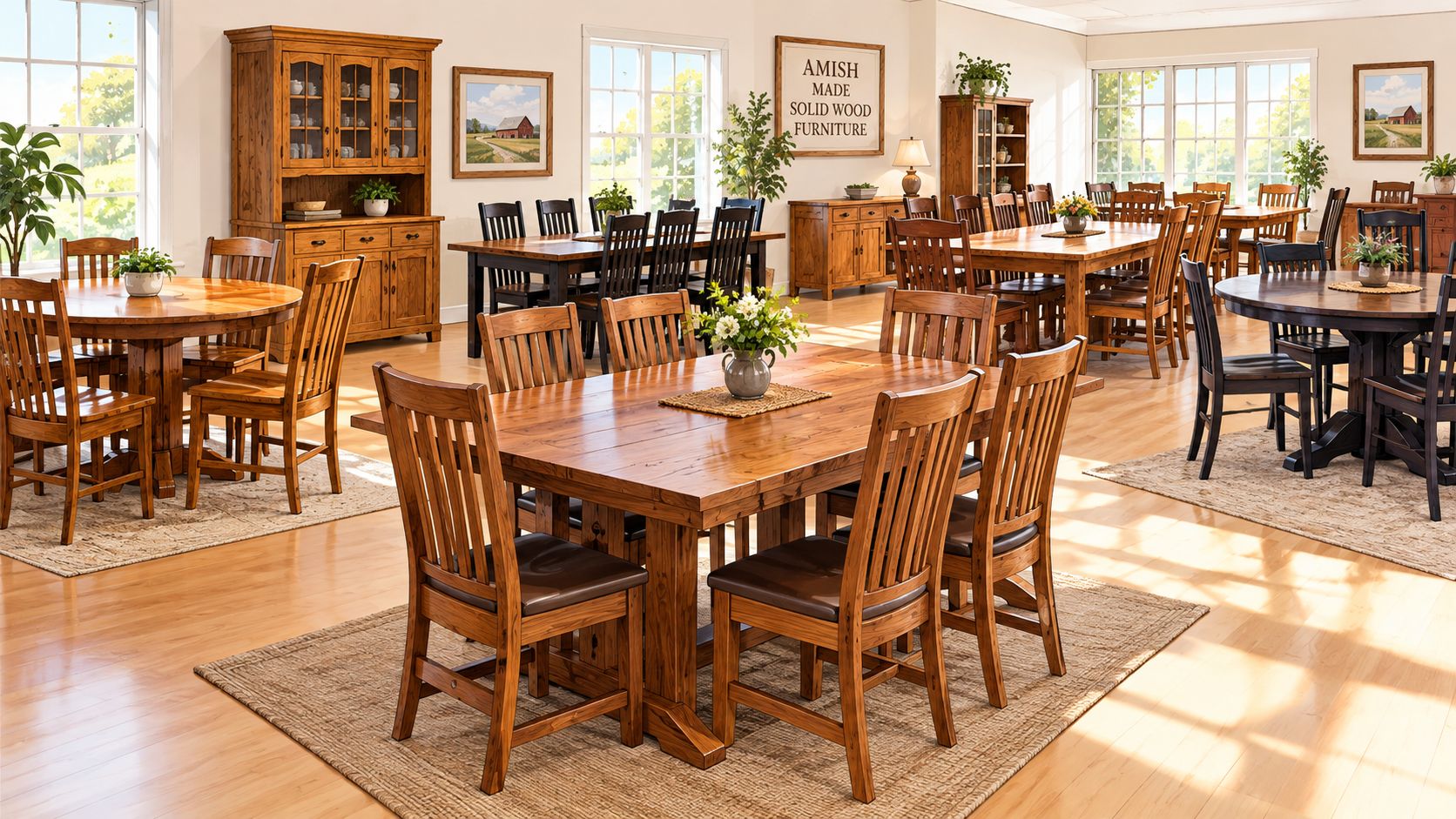
We have a real soft spot for solid wood. It's durable, timeless, and every piece tells a story. We’re proud to specialize in American and Amish-made solid wood furniture. These aren't just tables; they're heirloom pieces crafted with care by skilled artisans, ready to be passed down through your family.
Of course, the options don't stop there! From sturdy metal bases that add an industrial edge to elegant glass tops that can make a room feel more open, there's a material out there to match every family's style. We believe in affordable, better-quality furniture, and that means offering options that not only look great but are built to handle the rigors of daily life. For guidance on maintaining wood finishes, refer to how to care for solid wood furniture.
Getting the Size Just Right
One of the most common questions we get is about sizing. A table that’s too big can make a room feel cramped, while one that’s too small can get completely lost.
A great rule of thumb is to leave about three feet (36 inches) of space between the edge of your table and the walls or any other furniture. This gives everyone plenty of room to pull out their chairs and move around comfortably without bumping into things. For more information on table heights, check out The Ultimate Guide to Dining Table Heights.
Ready to see some of these beautiful types of tables in person? We'd love to see you in our store! Come say hi and let us help you find the dining table your family will gather around for years.
Choosing Your Living Room Tables
After a long day, there’s nothing better than sinking into your favorite spot in the living room. The right tables do more than just hold your coffee mug or remote; they’re the pieces that create a warm, welcoming space where your family can relax and connect.
Let's chat about the essential duo that makes every living room more functional and cozy: the coffee table and its trusty sidekick, the end table.
A coffee table is the true anchor of your seating area. It’s the central hub for drinks, snacks, magazines, and maybe even the occasional board game night. It’s the piece that pulls your sofa and chairs together, making the whole room feel connected and complete. Since 1928, we've helped countless Milwaukee families find that centerpiece table that just clicks with their space.
The Centerpiece Coffee Table
A great way to start is by choosing a coffee table shape that complements your sofa. Each shape creates a totally different flow and feel for the room.
Rectangular Coffee Tables: These are a classic for a reason! They work beautifully with standard-length sofas, giving everyone an easy-to-reach surface from any seat.
Round or Oval Coffee Tables: If you have a big sectional or little kids running around, a round or oval table is a fantastic choice. The curved edges make it easier to walk around and eliminate those sharp corners—a real family-friendly favorite.
Square Coffee Tables: Got a sectional with a chaise or sofas arranged in an L-shape? A square table is a great match. It fills that central space nicely and offers a generous surface area for everyone.
We believe furniture should make your life easier and your home happier. A well-chosen coffee table does both, turning a simple seating area into a true gathering spot for your family and friends.
Getting the size right is also absolutely key. A good rule of thumb is to pick a coffee table that's about two-thirds the length of your sofa and roughly the same height as the sofa's seat cushions. For even more great tips, you can explore our foolproof guide to styling your coffee table.
Helpful End and Accent Tables
End tables are the unsung heroes of the living room! They're those convenient spots right next to your sofa or chair, just right for a reading lamp, a good book, or a warm cup of tea. They help frame your seating and provide that little bit of extra surface area you always seem to need.
But why stop there? Let’s talk about a few other handy types of tables for your living room:
Accent Tables: These little tables are all about personality! An accent table is a smaller, often more decorative piece you can place anywhere you need a pop of style or a small surface. Think of it as functional art for your room.
Nesting Tables: Great for smaller homes or apartments, nesting tables are a set of two or more tables that stack together. You can keep them tucked away to save space and then pull them out when guests arrive. It's a clever trick to get more table space without sacrificing your floor plan.
Whether you need small-scale furniture for a cozy apartment or durable, heavy-duty options for a busy family, we’ve got something for everyone. Come down to our Greenfield showroom, and let's find the tables that will complete your living room.
Using Console and Accent Tables
Let's talk about some of the most clever problem-solvers in the furniture world—the tables that fill in the gaps and add that ideal finishing touch to a room. These are the pieces that make your home feel more organized, more stylish, and uniquely you.
Have you ever walked into your home and wished you had a dedicated spot for your keys, mail, or that framed family photo you love? That’s where a console table (sometimes called a sofa table) comes in. These long, narrow tables are true multitasking champions. Tucked against a wall in your entryway or hallway, they create an instantly welcoming first impression. For more great ideas, check out our guide on the elements of the entry table.
When placed behind a sofa, a console table is fantastic for adding a pair of matching lamps. This simple trick creates a warm, cozy glow in your living room, an instant style upgrade that’s also practical. You can learn more about the different kinds of tables and their specific uses to find the perfect fit for your space.
Adding Personality with Accent Tables
While console tables are masters of function in very specific spots, accent tables are all about injecting personality and a little extra surface area wherever you might need it. An accent table is that small, often decorative piece you can pop next to a reading chair or into an empty, forgotten corner.
Think of it as functional art! These little tables can make a big impact without taking up a lot of precious floor space. We've seen them used for:
Holding a favorite plant to catch the morning sun.
Creating a cozy reading nook with a lamp and a spot for your book.
Serving as a temporary drink holder when friends stop by.
At BILTRITE, we believe every piece of furniture in your home should have a purpose, even the small ones! An accent table might seem minor, but it's often the little details that make a room feel complete and truly lived-in.
Come See the BILTRITE Difference
Reading about all the different types of tables is a great place to start, but there’s just no substitute for seeing and feeling the quality for yourself. We’ve been a proud, brick-and-mortar store serving the Metro Milwaukee community since 1928. You can learn about the BILTRITE advantage on our website, but nothing compares to seeing our pieces in person.
To help you decide which table is right for your needs, here is a quick guide:
Best for small spaces: Nesting tables or slender console tables that tuck away when not in use.
Best for entertaining: Large rectangular dining tables or expansive kitchen islands that seat many guests.
Best for kids/high traffic: Solid wood tables with durable finishes (like oak or maple) that resist scratches and stains.
Best decorative-only: Glass-top accent tables or ornateConsole tables placed against walls where they won’t see heavy daily use.
We’d love for you to stop by, say hello, and let us help you find a new table for your home.
Common Questions About Choosing Tables
After helping families in the Metro Milwaukee area find great furniture since 1928, you can bet we’ve heard just about every question in the book! We love it, though. Asking questions means you’re thinking carefully about what will work best for your home and your family. It's a big decision, and we're here to make it a whole lot easier.
Here are a few of the most common questions our team gets asked right here on our Greenfield showroom floor. Hopefully, these answers help you on your own furniture-finding journey!
What Are the Different Types of Tables Called?
This is one of the most common questions we hear from shoppers trying to figure out exactly what they need. The names depend on where the table lives and what it does:
By Placement:
Dining Table: Large table for meals in the dining room or kitchen.
Coffee Table: Low table in front of a sofa in the living room.
End Table / Side Table: Small table beside a chair or sofa.
Console Table: Long, narrow table against a wall, often in an entryway.
Bedside Table / Nightstand: Small table next to a bed.
Desk / Work Table: Table for working, studying, or computing.
By Style/Material:
Modern/Contemporary: Clean lines, minimal ornamentation, often using glass, metal, or lacquered wood.
Farmhouse/Rustic: Solid wood, often with visible grain, distressed finishes, and sturdy construction.
Industrial: Metal frames, reclaimed wood tops, utilitarian design.
Traditional: Ornate details, carved legs, rich wood tones like mahogany or cherry.
Mid-Century Modern: Tapered legs, organic shapes, popular from the 1950s-60s.
How Do I Know What Size Dining Table to Get?
This is a fantastic question, and it’s probably the most important one to ask! A good rule of thumb is to leave at least 36 inches of breathing room between the edge of your table and the walls or other furniture. This gives everyone enough space to comfortably pull out their chairs and walk around without that awkward, cramped feeling.
Before you come to see us, grab a tape measure and jot down the length and width of your dining space. When you bring those numbers into our showroom, our team can help you find a table that not only looks incredible but fits your room beautifully, ensuring it's a comfortable spot for every single meal.
What Is the Difference Between Solid Wood and Veneer?
We love this question because it gets right to the heart of what makes for better-quality furniture! Solid wood tables are exactly what they sound like—crafted from solid planks of wood like oak, maple, or cherry. They are unbelievably durable, can be refinished if they get scratched over the years, and are true heirloom pieces you can pass down.
This is exactly the kind of quality you’ll find in the USA and Amish-made furniture we specialize in here at BILTRITE.
On the other hand, veneer tables have a very thin layer of real wood glued to a core made of something else, usually particleboard or MDF. They might look nice at first, but they aren't nearly as long-lasting and can't be repaired in the same way. We believe in furniture that's both affordable and built to last, which is why we're so passionate about the lasting value of solid wood.
Should My Coffee Table and End Tables Match?
Not at all! While buying a matching set is a classic, no-fuss approach that always looks polished, mixing things up can inject so much more personality into your living room. You definitely don't have to feel locked into a pre-packaged set.
The trick is to find pieces that complement each other without being identical. Here are a few ideas for creating a look that’s coordinated but not "matchy-matchy":
Shared Wood Tone: Choose tables that have a similar wood finish, even if their shapes and styles are different.
Common Design Element: Maybe your coffee table has clean metal legs, and you find end tables with similar metal hardware or accents.
Consistent Shape: You could pair a round coffee table with round end tables, even if the materials are completely different.
Our team has a great eye for this stuff and can show you how to pair different pieces for a look that's uniquely you. It’s one of the most fun parts of shopping for new furniture!
We hope these answers have been helpful! Of course, the best way to get all your questions answered is to come chat with us in person. At BILTRITE Furniture-Leather-Mattresses, our friendly team is always ready to help you find that piece your family will love for years and years.