Expert Small Scale Bedroom Furniture for Milwaukee


A lot of people are dealing with the same bedroom problem right now. The bed fits, technically. The dresser fits, sort of. Then a drawer won't open all the way, the closet door bumps a nightstand, and getting dressed feels like navigating a hallway instead of enjoying a bedroom.
That's where smart small scale bedroom furniture earns its keep. This isn't about squeezing random tiny pieces into a room and hoping for the best. It's about choosing furniture with the right proportions, the right storage, and, of equal importance, the right construction for daily life. A smaller bedroom can still feel calm, useful, and well put together.
Families around Metro Milwaukee have been working through this challenge for generations, especially in apartments, condos, bungalows, and downsized homes. Since 1928, BILTRITE has helped people furnish rooms that need every inch to work harder. The need is only getting bigger. The global small space furniture market is projected to reach USD 41.2 billion by 2032, reflecting how many households are living in smaller homes and relying on smarter layouts, according to this small space furniture market outlook.
Table of Contents
- Making the Most of Your Cozy Bedroom
- Defining Small Scale Furniture Sizing
- Planning Your Space Before You Shop
- Choosing Your Bed and Storage Pieces
- Investing in Quality That Lasts
- Delivery, Customization, and Final Touches
Making the Most of Your Cozy Bedroom
One of the most common bedroom mistakes is buying by appearance alone. A piece looks slim online or in a big showroom, then it lands in a smaller room and suddenly the whole space feels off. The room isn't bad. The scale is.
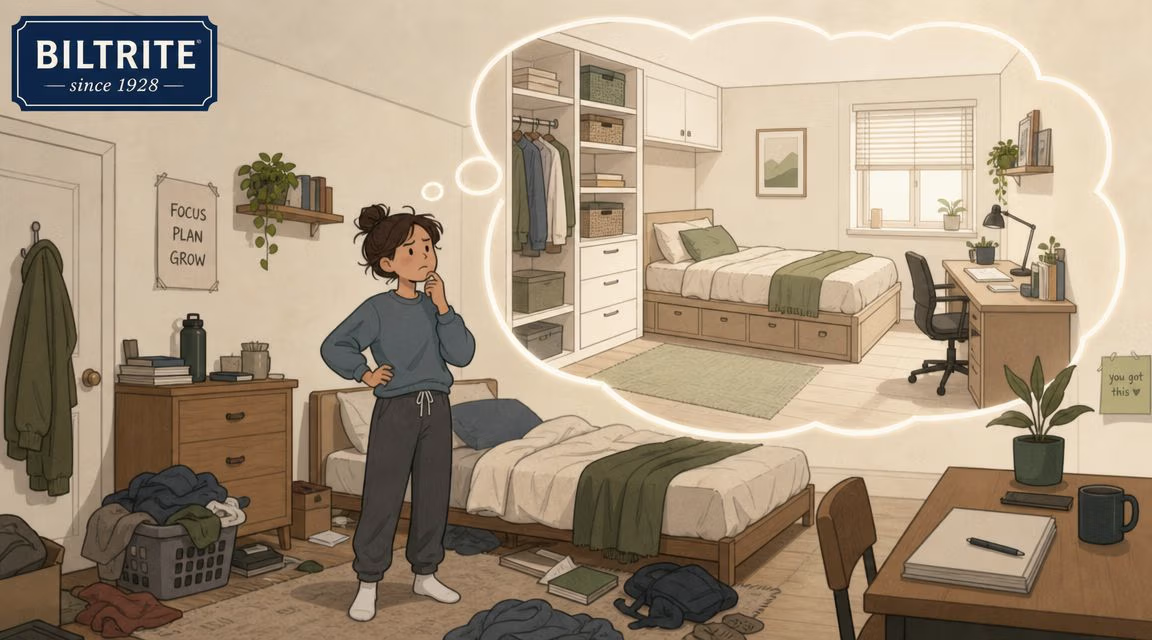
A cozy bedroom works when each piece earns its footprint. That usually means a bed that doesn't dominate the entire floor, storage that goes upward instead of outward, and nightstands that leave enough room to move like a normal person. Small scale bedroom furniture should solve problems, not create new ones.
Why smaller rooms need better decisions
A compact bedroom can be one of the nicest rooms in the house. It feels restful when the layout is clean and the furniture is in proportion. It feels chaotic when every piece is standard-sized and fighting for space.
That's why “small scale” shouldn't be confused with “cheap,” “temporary,” or “good enough for now.” Smaller rooms often need more thoughtful furniture than large ones do. There's less margin for error.
A small bedroom doesn't need less personality. It needs fewer mistakes.
What families usually run into
Most households run into the same problems:
- Oversized beds: The mattress eats up the room, leaving no useful walking space.
- Deep case pieces: Dressers and chests project too far into the room.
- Bulky frames: Thick headboards, wide rails, and chunky trim consume inches that matter.
- Storage gaps: The room ends up short on usable storage because the furniture plan wasn't coordinated.
That's why the right answer usually isn't “buy less furniture.” It's “buy furniture that's scaled for the room and built for how the room gets used.”
For Milwaukee-area homes, that can mean fitting out a second-floor bungalow bedroom, a condo guest room, or a downsized primary suite where comfort still matters. The good news is that a smaller room can look sharp and function beautifully when the furniture is chosen on purpose.
Defining Small Scale Furniture Sizing
Small scale bedroom furniture is about proportion, not just shrinking everything. A real small scale piece is designed with a smaller footprint from the start. It may be narrower, shallower, taller, lower-profile, or all four.
That matters because the bed isn't the only thing taking up space. Nightstands need breathing room. Dressers need room for drawers to open. Closet doors and bedroom doors need clearance too. A smart layout depends on the whole group of pieces working together.
What small scale really looks like
The most useful small scale bedroom furniture usually has a few shared traits:
- Reduced depth: A dresser that's less deep can make a tight wall much more usable.
- Vertical storage: Taller chests and narrow dressers preserve floor space.
- Slim framing: Beds with less visual and physical bulk leave more room around them.
- Multi-use design: Storage beds and pieces with built-in function reduce the need for extras.
A lot of people focus only on mattress size, and that's only half the decision. The frame around the mattress can add a surprising amount of bulk. In a smaller room, those extra inches count.
Bedroom Furniture Size Guide
| Bed Size | Dimensions (Approx.) | Best For |
|---|---|---|
| Twin | 19.8 square feet | Kids' rooms, guest rooms, very compact bedrooms |
| Full | 28.1 square feet | Single sleepers who want more room without overwhelming the room |
| Queen | 33.75 square feet | Larger bedrooms or rooms with very careful planning |
This chart makes one thing obvious. Moving from a queen to a full can recover meaningful floor area. In a tight bedroom, that can be the difference between squeezing past the bed and having room for a narrow chest or usable walkway.
Sizing rule: The right furniture size is the one that lets the room function every day, not the one that looks biggest on paper.
The pieces that usually work best
For many smaller bedrooms, the most practical lineup looks like this:
- A lower-profile bed frame.
- One storage-focused dresser or chest, not two bulky pieces.
- Narrow nightstands, or a single nightstand if the room is very tight.
- Vertical storage instead of wide storage whenever possible.
That's how a room starts to feel intentional instead of crowded. The furniture isn't just smaller. It's scaled correctly.
Planning Your Space Before You Shop
A tape measure will save more frustration than any decorating trick. Before shopping for small scale bedroom furniture, the room needs a real plan. Not a guess. Not “it should fit.” Actual measurements.
The most important dimension in a small bedroom isn't only the wall length. It's the usable space left after the bed, storage, door swing, and daily movement are accounted for. Professional space-planning guidance commonly aims for 30 to 36 inches of clear walking space, with 24 inches as an absolute minimum in tighter layouts, as noted in this bedroom planning reference.
The measurements that matter most
Start with the room itself, then move to the obstacles.
- Room width and length: Measure wall to wall in more than one spot if the room is older.
- Door swing: Check how much floor area the door claims when open.
- Closet access: Make sure hanging or sliding doors can function without hitting furniture.
- Windows, vents, and radiators: These limit where case pieces and headboards can go.
- Drawer and walkway space: Don't measure only where a dresser sits. Measure the space needed in front of it too.
A room can hold a dresser and still be badly planned if no one can stand in front of it comfortably.
A simple layout test
Use painter's tape on the floor. Mark out the footprint of the bed, dresser, and nightstands. Then walk the room.
If the taped layout forces sidestepping, awkward turns, or blocked drawer zones, the furniture is too large or too deep. That test catches problems early and costs almost nothing.
Bedrooms don't fail because the furniture is unattractive. They fail because the clearance is wrong.
A practical checklist before any purchase
This is the checklist worth following every single time:
- Map the bed first: The bed drives the whole plan. Everything else adjusts around it.
- Protect the main pathway: Keep the route from the door to the bed open and comfortable.
- Test drawer reach: Leave enough room in front of dressers and storage beds for full use.
- Check corner conflicts: Watch for bed corners, nightstand edges, and closet doors competing in the same zone.
- Think about daily habits: Charging phones, making the bed, folding laundry, and getting dressed all require actual working room.
A smaller bedroom doesn't need fancy planning software. It needs honesty. If a piece leaves only the bare minimum and makes the room awkward, it's the wrong piece.
Choosing Your Bed and Storage Pieces
You feel it the minute a bedroom is furnished wrong. The bed looks fine in the showroom, then it lands in a tighter room and suddenly every other piece has to fight for space. We have seen that happen for decades, and the fix is usually simple. Choose a bed that fits real life, then add storage that earns its footprint.
A small bedroom does not forgive a bulky bed frame, an oversized headboard, or extra case pieces that only half get used. Start with restraint. A cleaner bed profile usually gives you more freedom everywhere else, and that matters far more than chasing a dramatic look that crowds the room.
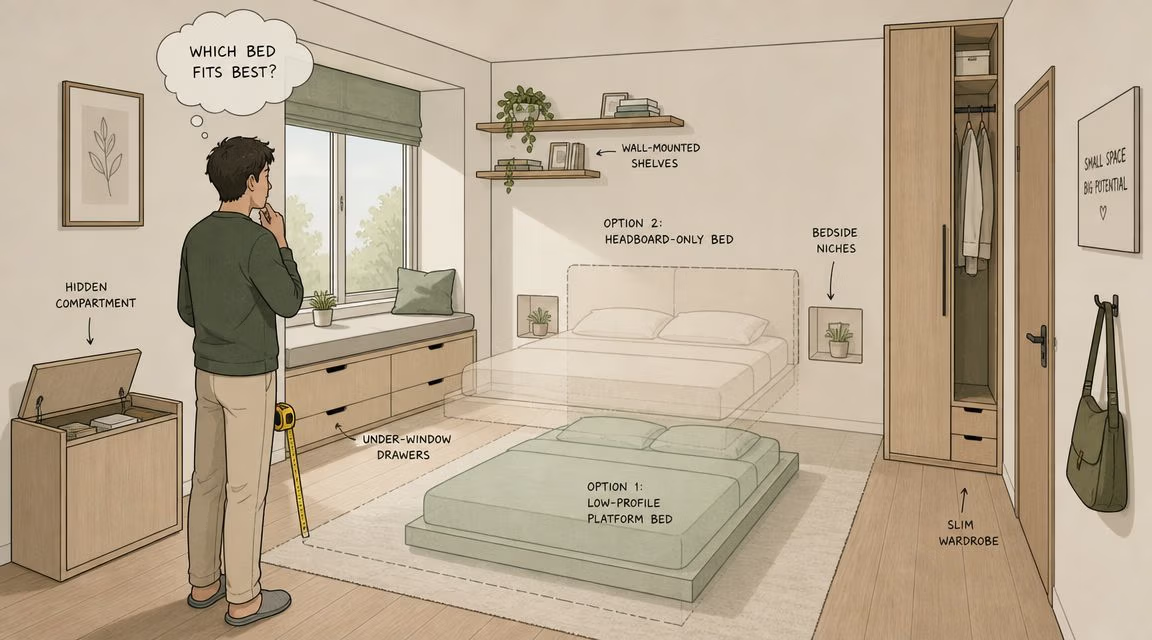
Bed choices that make sense
Some bed styles behave better in compact rooms.
| Bed Type | Main Advantage | Watch Out For |
|---|---|---|
| Low-profile platform bed | Keeps the room visually lighter and often trims bulk | Some styles still have wide side rails |
| Headboard-only look | Reduces visual weight at the foot of the bed | Needs a clean support setup |
| Storage bed | Adds built-in function without another large piece | Requires clearance for drawers or lift access |
| Loft-style option | Opens floor area underneath | Not right for every age or mobility need |
If you want our blunt advice, start by looking hard at low-profile beds and well-designed storage beds. They solve real problems. A storage bed can cut down on the need for an extra chest, and that can be the difference between a room that works and a room that always feels cramped.
Now for the part shoppers miss. The right bed has to fit the bedroom, but it also has to fit the house on the way in. Tight stair turns, narrow apartment entries, older hallways, and second-floor landings stop plenty of bedroom sets before they ever reach the room. Come-apart construction earns real respect in these situations. We have helped families furnish difficult spaces with pieces that are built to go in intelligently, then live solidly for years.
Storage pieces worth choosing
Small bedrooms need storage that goes upward, not outward.
Consider these smarter picks:
- Tall chests: They use vertical space well and leave more open floor area.
- Narrow nightstands: They hold the basics without crowding the bed.
- Beds or headboards with storage: They reduce the number of separate pieces you need.
- One substantial case piece: A single dresser or chest that works hard usually beats several undersized pieces scattered around the room.
Depth matters just as much as width. A dresser that looks modest from the front can still stick too far into the room and make daily use annoying. We tell people to favor pieces with disciplined proportions and full function, not oversized tops, thick framing, or decorative bulk.
A factual example of this category is BILTRITE Furniture-Leather-Mattresses, which carries small scale furniture for apartments, condos, small homes, and senior living settings. That kind of focused assortment helps shoppers compare proportion, depth, storage style, and delivery practicality in person instead of guessing from a photo.
Buying advice: Choose fewer pieces with more function, and choose them well enough that you will still want them years from now. Small rooms reward discipline, and good solid wood pieces keep paying you back long after the first setup.
Investing in Quality That Lasts
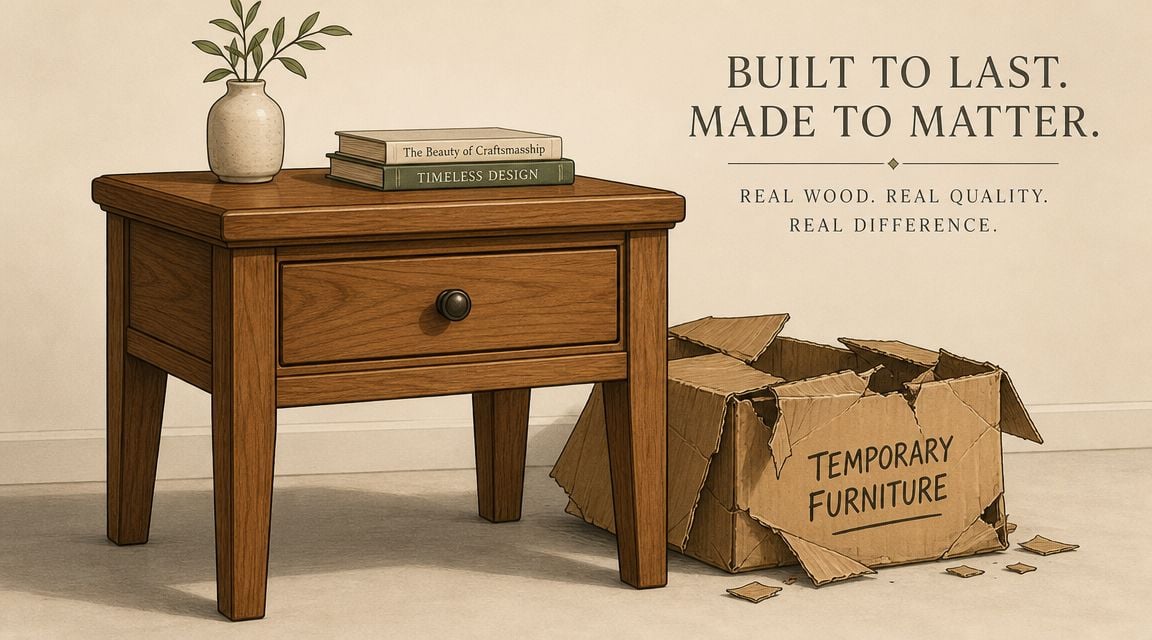
Small scale furniture should not be treated like temporary furniture. That's one of the worst habits in this category. People buy for a smaller room as if the piece only needs to survive a lease term, a guest room refresh, or a quick move. Then the drawers loosen, the hardware wears out, and the piece starts wobbling long before the room changes.
Shoppers have been moving away from disposable fast furniture and looking more closely at durable, repairable pieces, especially those built with solid wood and quality hardware, according to this discussion of durability and repairability in furniture buying. That shift makes sense. Small bedroom furniture often gets asked to do more, not less.
Why durability matters more in smaller rooms
Compact rooms create more wear points. Beds get bumped. Drawers open into tighter clearances. Pieces may get moved around more often because the room has to adapt.
That's why construction matters:
- Solid wood holds up better through moves and everyday use.
- Replaceable hardware is worth having because it extends the life of the piece.
- Reinforced joinery matters when furniture gets reconfigured or relocated.
- Repairable furniture saves money over time even if the upfront cost is higher.
Cheap furniture can look like a bargain until it has to be moved once or used heavily for a few years.
What to look for instead of shortcuts
Small scale doesn't mean fragile. It should mean efficient.
A durable piece for a smaller bedroom should feel stable, open and close cleanly, and look like it was built to stay in service. That's especially true for households that move, host guests often, or want furniture that can shift from a first apartment to a long-term home.
Well-built furniture for a small bedroom isn't a compromise. It's a smarter long-term purchase.
For buyers who value USA-made and Amish-made solid wood, smaller-scale pieces can be one of the strongest places to invest. These are the pieces that get touched daily, used hard, and noticed immediately when they fail.
Delivery, Customization, and Final Touches
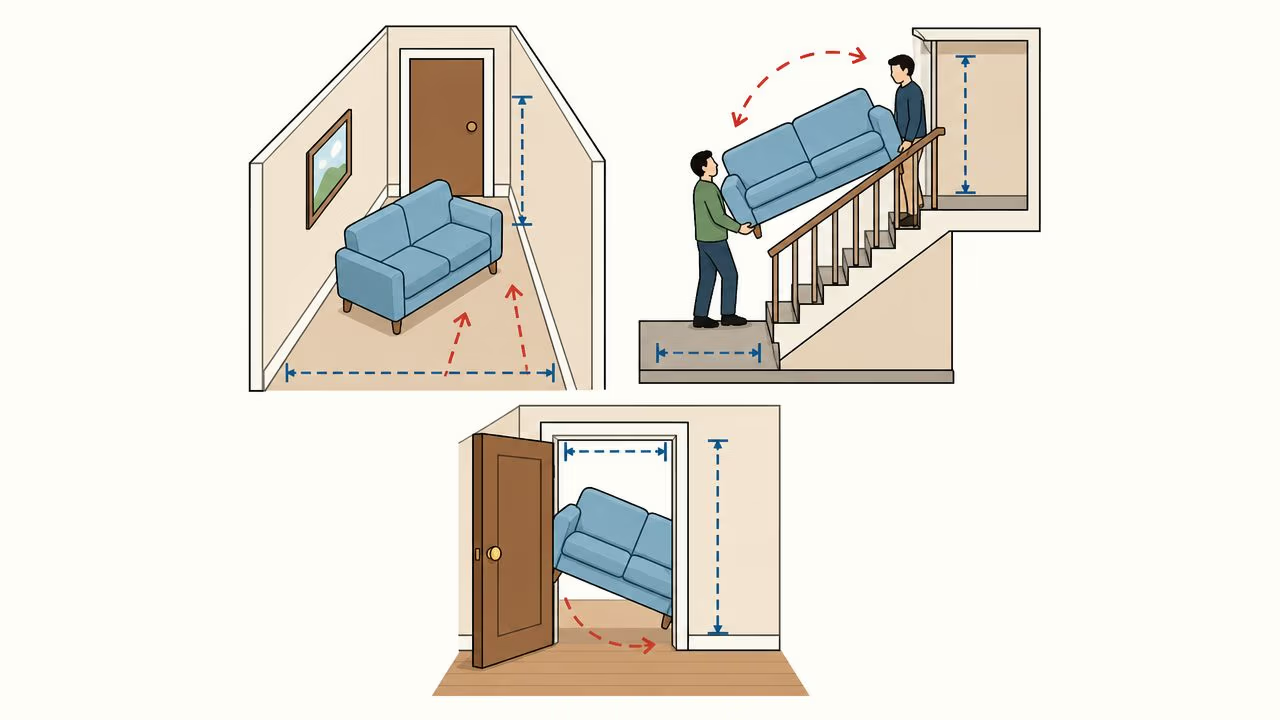
You can pick the right scale, the right storage, and the right finish, then hit a wall at the front door. We have seen it happen plenty of times. The piece fits the bedroom on paper, but it will not clear the stair turn, the elevator opening, or the hallway into the room.
That is why delivery access needs to be part of the buying decision from the start, especially in older homes, condos, upstairs bedrooms, and tight apartment layouts. Small rooms often come with small pathways.
The delivery measurements people forget
Room size is only half the job. The delivery path decides whether the furniture makes it inside.
Measure these before you buy:
- Entry doors: Front, side, apartment, and bedroom doors
- Hallways: Narrow sections and tight bends
- Stairwells: Width, ceiling clearance, and landing depth
- Elevators: Interior size and door opening
- Turn points: Sharp corners between rooms or at the top of stairs
Come-apart construction solves a lot of these headaches. Beds with detachable rails and headboards, dressers with removable mirrors, and other pieces designed to break down for delivery can make a tight home much easier to furnish. At BILTRITE, we always tell people to shop for the route into the room, not just the room itself.
Custom choices that pay off later
Customization matters more in a small bedroom because every piece gets noticed. The wrong finish can make the room feel heavy. The wrong hardware can make daily use annoying. The wrong dimensions can waste the one wall that needed to work harder.
Make the practical choices first. Pick the size that leaves walking space. Choose drawer depth that opens cleanly without crowding the bed. Select finishes and hardware that fit the rest of the home so the room feels settled, not temporary.
This is also where buying better pays off. A well-made solid wood piece with the right dimensions and finish will still make sense years from now, even if the room changes, the house changes, or the furniture gets handed down. We have seen small-scale USA-made and Amish-made bedroom furniture outlast trendier pieces by a wide margin because it was built to be used, moved, and kept.
For anyone in Metro Milwaukee who wants help sorting through bed scale, storage options, delivery access, and durable USA- or Amish-made choices, BILTRITE Furniture-Leather-Mattresses is worth a visit in Greenfield. The showroom gives shoppers a chance to see small scale bedroom furniture in person, compare solid wood construction, and talk with an experienced team that's been helping local families since 1928.