Black Queen Mattress: Your Milwaukee Buying Guide

A lot of Milwaukee-area shoppers end up in the same spot. They search for a Black Queen mattress, scroll through polished photos, see a dark cover, a luxury-looking label, and a long list of comfort words, then realize they still don't know what they're buying.
That confusion makes sense. A mattress is one of those purchases people live with every night, yet much of the advice out there sounds either overly technical or overly salesy. Most neighbors don't need jargon. They need clear guidance they can use when they walk into a showroom, sit on the edge of a bed, and ask, “Is this one built for the way I sleep?”
Hello Neighbor Let's Find Your New Mattress
A typical mattress-shopping day often starts with good intentions and ends with ten browser tabs open. One model looks plush. Another looks sturdy. A darker mattress cover catches the eye and suddenly “black queen mattress” sounds like it must mean something specific.
That's where a local perspective helps. A family business serving Metro Milwaukee since 1928 has spent generations helping people sort through style, comfort, durability, and budget without turning the process into a guessing game. That long local history is part of why BILTRITE's nearly century-long Wisconsin story still connects with so many families.
Some shoppers are furnishing a first home. Some are replacing a worn-out mattress that should've been retired years ago. Some are helping parents move into a more supportive setup. The details vary, but the questions are familiar.
A mattress that looks impressive in a photo still has to feel supportive after several nights, not just several seconds.
There's also a reason local mattress shopping still matters. Seeing a bed in person reveals things a product description can't. Edge support, ease of getting in and out, surface feel, and how the cover looks under real showroom lighting all become much easier to judge.
For shoppers who want a community-first approach to sleep shopping, why buying locally matters when choosing a new mattress is worth considering before the search gets any more complicated.
Decoding The Black Queen Mattress
A lot of Milwaukee shoppers come into the showroom using the phrase Black Queen mattress as if it were a specific mattress class, the same way “hybrid” or “pillow top” means something precise. In most cases, it means a Queen-size mattress with a black or very dark cover.
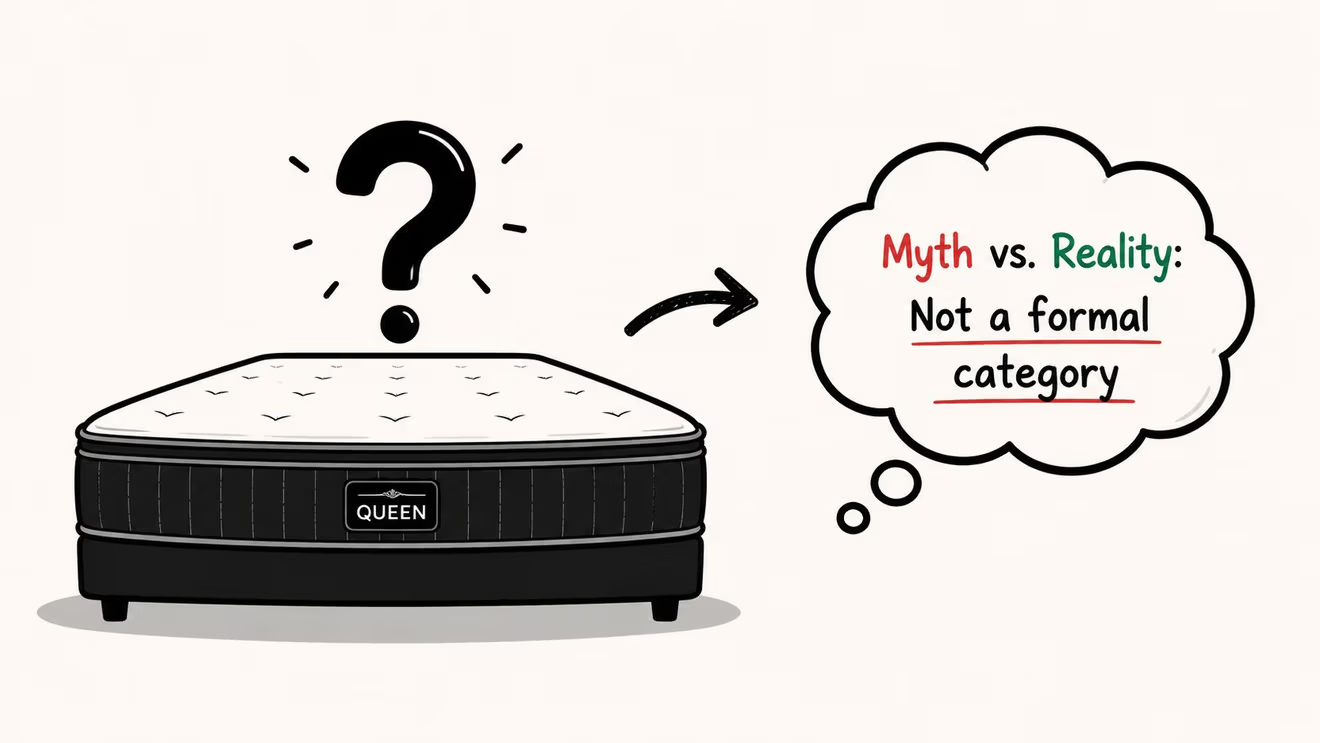
That can be confusing, especially if you are shopping in person and trying to sort out what is style, what is size, and what changes how a bed feels at home. The term sounds technical. It usually is not. The black part describes the outside. The queen part describes the size.
That distinction matters in a showroom.
A mattress cover works a lot like the fabric on a sofa. Color and texture shape the first impression, but they do not tell you what is going on inside the frame or cushions. Mattresses work the same way. A dark cover may look dressier or more modern under showroom lighting, but it does not tell you whether the bed has pressure relief, strong edge support, or the kind of support your back needs after a long day.
Here is the practical way to read the phrase:
- Black refers to the outer appearance.
- Queen refers to the mattress size.
- Comfort and support come from the materials and build inside.
That last point is the one shoppers often miss online. A photo can make two mattresses look nearly identical, especially if both use dark fabric. In person, the differences show up fast. One may feel springy and easier to turn on. Another may feel closer-contouring and quieter when a partner moves. If you want a clearer picture of those build differences, BILTRITE's guide to different mattress types and what sets them apart is a helpful place to start.
What the color can tell you
A black cover can suggest a certain style. Some shoppers like the cleaner, sleek look, especially with darker bedroom furniture or a more contemporary setup. It can also hide minor visual wear a bit better than a very light fabric.
What the color cannot tell you
Color does not tell you how supportive the mattress is, how durable the foams are, or whether the edge will hold up when you sit to put on your shoes. It also does not tell you whether the mattress will sleep cool, feel plush, or keep motion from traveling across the bed.
Those are inside-the-mattress questions, not cover-color questions.
Why the word Queen carries the real meaning
If one part of the phrase deserves your attention, it is Queen. That is the functional piece. Queen size affects whether your current bed frame will work, how the mattress fits your room, and how much personal space two people get at night.
For many local shoppers, Queen lands in the sweet spot. It is roomy enough for many couples and still practical for a lot of bedrooms in Milwaukee-area homes, condos, and apartments. So if you hear “black queen mattress” on a sales floor, translate it into plain language. You are usually looking at a standard Queen mattress with a dark cover, not a special sleep technology.
That simple translation clears up a lot of the mystery.
Mattress Types and Materials To Know
Walk into a mattress showroom and two queen beds can look nearly identical from the side, yet feel completely different the moment you lie down. That difference usually has very little to do with the black cover and almost everything to do with what is layered underneath it.
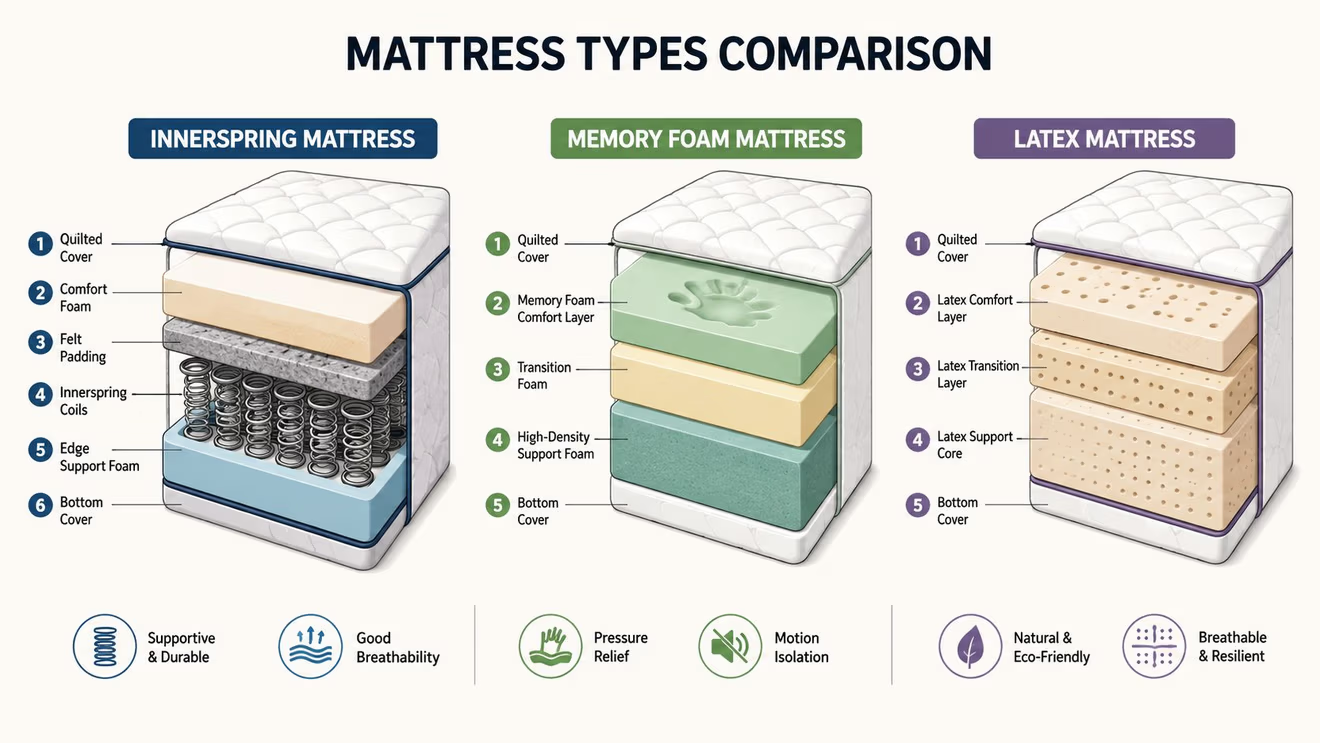
The easiest way to sort mattresses in person is to start with the feel of the support system, then notice how the top layers change that feel. It works a lot like trying on boots. Two pairs may look similar on the shelf, but the sole, padding, and flexibility decide how they feel after a few minutes on your feet.
Innerspring feels familiar and responsive
An innerspring mattress uses coils as its main support core. For many Milwaukee shoppers, this is the feel they grew up with. It usually has more bounce, a steadier push-back, and an easier time letting you change positions without feeling stuck.
That can be helpful for sleepers who like a traditional bed feel or who want a mattress that is easy to get in and out of. In a showroom, innerspring models often feel more straightforward right away. You lie down, and the bed responds quickly.
Memory foam cushions and contours
Memory foam reacts differently. It molds more closely to the body's shape and often softens pressure at the shoulders and hips. Some people describe that as a hugged or cradled feel.
That closer contour can be comforting, especially for sleepers who dislike pressure points. It can also feel too close-fitting for shoppers who prefer a surface with more lift. This is one reason an in-person test matters so much. A mattress that sounds great in a product description can feel very different after five quiet minutes in a showroom.
Hybrid mattresses mix coil support with foam comfort
A hybrid combines a coil base with foam or similar comfort layers on top. If innerspring feels more buoyant and memory foam feels more contouring, hybrid often lands somewhere in the middle.
This category gets a lot of attention in stores because it can satisfy more than one preference at the same time. One partner may want cushioning at the shoulders. The other may want a surface that feels stable and easy to move on. A hybrid sometimes brings those needs closer together without forcing either sleeper too far from what feels comfortable.
Latex has a buoyant, springy feel
Latex tends to feel lively rather than slow-moving. It compresses under weight, but it usually does not create the same deep, close hug that memory foam can. Shoppers are often surprised by it because it feels supportive and cushioned at the same time.
If you have never tried latex in person, it is worth a few minutes on the showroom floor just to calibrate your sense of what "soft" or "supportive" can mean.
A quick side-by-side view can help:
| Mattress type | Common feel | Often a good match for |
|---|---|---|
| Innerspring | Responsive, classic, easier to move on | Shoppers who like a familiar, traditional feel |
| Memory foam | Close contouring, cushioned pressure relief | Sleepers who want more shaping around the body |
| Hybrid | Balanced feel with support and cushioning | Couples or shoppers with mixed preferences |
| Latex or specialty builds | Buoyant, springy, distinct feel | Shoppers who want cushioning without a deep sink-in feel |
On a showroom visit, a better question than "Which one looks nicest?" is "What is doing the supporting here, and what is adding comfort on top?" That simple shift clears up a lot of confusion around the term "black queen mattress" and helps you judge the bed by feel, not label.
If you want a little homework before stopping by, this guide to different mattress types and what they feel like gives you a solid starting point for comparing what you test in person.
Finding Your Just-Right Firmness And Support
“Soft” and “firm” sound like the whole story, but they aren't. The better question is whether a mattress gives the sleeper the right support in the position they use all night.
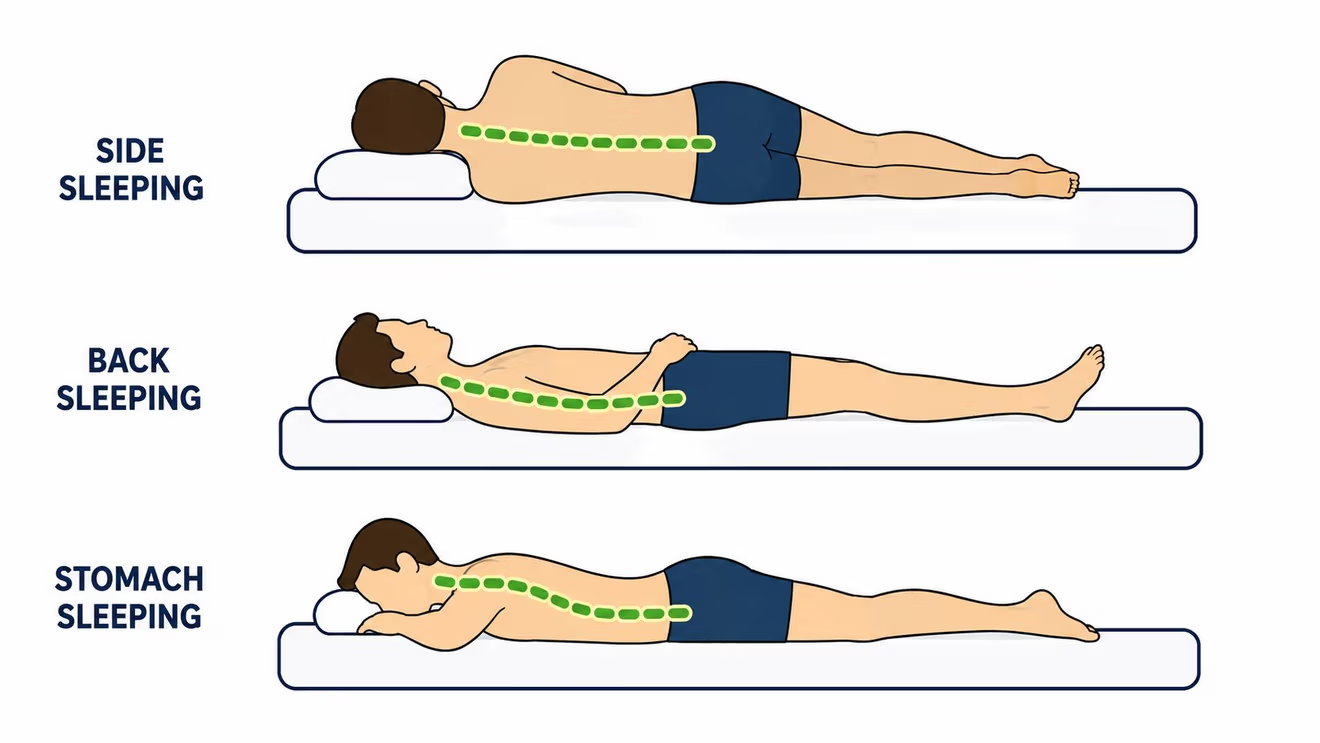
That's why firmness labels can be misleading. One person's “comfortably firm” is another person's “too hard on the shoulders.” A better mattress match comes from checking how the body stays aligned and supported.
Sleep position changes everything
Side sleepers usually need enough give for the shoulders and hips, but not so much that the midsection drops too far. Back sleepers often do well when the mattress supports the lower back while keeping the body from bowing awkwardly. Stomach sleepers generally need to be careful with surfaces that let the midsection sink too much.
Those differences matter more than color, quilting pattern, or showroom buzzwords. Support has to match the body's shape and sleeping habits.
A helpful in-store check is simple:
- For side sleeping: watch for pressure at the shoulder and hip.
- For back sleeping: pay attention to whether the lower back feels supported, not hollow.
- For stomach sleeping: notice whether the hips feel like they're dipping downward.
Durability deserves more attention
A lot of online mattress chatter focuses on cooling fabrics, trendy materials, or dramatic styling. Durability often gets pushed to the side, even though it affects long-term satisfaction.
One cited source notes that 70% of mattress shoppers in the U.S. prioritize durability and flip-ability for long-term value, while content around this topic often leans too heavily on appearance instead. That finding appears in this mattress shopping discussion about common queen mattress buying mistakes.
That's especially relevant for anyone considering a Black Queen mattress because the dark cover can signal “premium” at first glance. Premium-looking isn't the same as longer-lasting.
Practical rule: If a mattress feels good for two minutes but raises questions about edge stability, one-sided wear, or long-term support, keep testing.
Seniors and heavy-duty needs aren't side notes
Older adults and caregivers often shop differently from younger buyers, and they should. Ease of entry and exit matters. Stable edges matter. Pressure relief matters. So does a surface that doesn't feel unstable when someone sits down to put on shoes or stand back up.
Heavy-duty use deserves the same practical thinking. A mattress should be judged not just by initial comfort, but by whether it's built for steady support over time.
Here are a few useful questions a shopper can ask in person:
How does the edge feel when sitting?
If the edge collapses too easily, getting in and out of bed may become frustrating.Is the construction one-sided or two-sided?
Some shoppers prefer flip-able designs because even wear can support longer use.Does the comfort layer feel supportive after several minutes?
Quick softness can feel appealing, but support shows itself after the body settles in.
For readers comparing feel categories ahead of a visit, this mattress firmness guide gives a practical starting point.
The Deal With Black Covers and Mattress Care
A black mattress cover can look sharp. It can also create a few assumptions that aren't always accurate.
Some shoppers like the darker color because it looks polished and can hide minor visual wear better than a pale knit cover. Others notice that lint, dust, or pet hair can show up more clearly. In some bedrooms, a dark cover also feels warmer visually, even before anyone lies down on it.
Care matters more than color
A mattress lasts better when owners rotate it as recommended, keep it protected, and clean the sleep surface gently instead of soaking it with harsh products. That advice applies whether the cover is black, gray, white, or patterned.
A few habits go a long way:
- Use a protector so the mattress surface has a barrier against spills and body oils.
- Vacuum lightly to remove dust and debris from seams and top panels.
- Follow label directions instead of using random cleaners that may damage the fabric.
- Address spots early with careful cleaning rather than aggressive scrubbing.
The visual side of a black cover shouldn't distract from what sits under that cover.
Ask about the fire barrier
One of the least-discussed questions in mattress shopping involves the fire barrier. Existing content around black mattresses rarely explains this clearly, yet experts have specifically recommended asking what fire retardant is used before buying. That question matters because reviews and FAQs for this topic often don't clarify whether the materials include wool-based barriers, silica, or synthetic treatments.
That doesn't mean a black cover automatically signals one barrier type or another. It means a shopper shouldn't assume the color tells them anything useful about what's beneath the fabric.
Ask the salesperson what's inside the mattress cover, not just how the outside looks.
For anyone trying to keep a mattress in good shape for the long haul, these mattress maintenance and cleaning tips are worth reviewing before stains or wear become a bigger issue.
How To Test A Mattress In Our Showroom
Online shopping can show dimensions and fabric photos. It can't show how a mattress feels under an actual shoulder, lower back, or hip. That's why showroom testing still matters so much.

A calm in-store visit works best when the shopper treats it less like a quick errand and more like a real comfort test. A mattress isn't something to judge with a ten-second sit on the edge and a polite nod.
A better way to test
Start with clothing that makes it easy to move and lie down naturally. If a shopper normally sleeps on their side, that's the position to try first. If they share a bed, both people should test it together whenever possible.
This short checklist helps:
- Spend real time on each favorite. The body needs a few minutes to settle.
- Try the usual sleep position instead of lying flat only on the back for appearances.
- Sit on the edge before lying down, especially if ease of entry matters.
- Change positions once or twice to see whether movement feels awkward or smooth.
What to pay attention to
Pressure points tend to develop. A shoulder may start to feel compressed. The lower back may feel unsupported. The edge may dip more than expected when getting up.
Those clues are more useful than product names or dramatic marketing language. A shopper testing a Black Queen mattress should notice whether the black cover is merely attractive, or whether the bed itself is comfortable and supportive.
Good mattress testing looks a little less graceful than furniture browsing, and that's fine. Real sleep positions tell the truth.
A stronger in-store experience also comes from asking direct questions. Ask what the mattress is made of. Ask whether it's two-sided. Ask how the edge is built. Ask what type of sleeper usually likes it.
For anyone who wants a simple walkthrough before visiting, this guide on how to test a mattress offers a practical way to shop with more confidence.
The BILTRITE Family Promise For Your Best Sleep
Local mattress shopping works best when people can compare a lot of options in one place and talk with someone who knows the difference between a stylish cover and a supportive build. That's part of what makes a large showroom valuable.
At BILTRITE's Mattress Center, shoppers can explore over 60 mattress models and more than 500 mattresses in total, including flip-able and 2-sided mattresses designed for even wear and lasting durability, as shown on BILTRITE's mattress sales floor overview. That kind of selection gives Milwaukee-area families room to compare feel, construction, and long-term value in person instead of relying on labels alone.
The family side matters too. BILTRITE has served Metro Milwaukee since 1928 and remains grounded in a local, community-first approach. The showroom at 5430 West Layton Avenue in Greenfield, WI is closed on Sundays for family time and closed on Mondays to support delivery operations, reflecting those values in a very practical way.
Why this approach stands out
Some shoppers need small-scale furniture for tighter spaces. Some need heavy-duty support. Some care most about USA-made and Amish-made craftsmanship. Some want a mattress that can be flipped and used evenly over time.
Those needs aren't all the same, so the shopping experience shouldn't be one-size-fits-all. A real showroom lets people compare, ask better questions, and make decisions based on feel and construction instead of guessing from a screen.
A local visit can clear up the whole search
The phrase Black Queen mattress often sounds more complicated than it is. Once the term is decoded, the important questions become much easier. How does it feel? How is it built? Will it support the way the sleeper rests? Is the edge stable? Is the mattress designed for durability?
Those are the questions that help Milwaukee shoppers leave a showroom feeling informed instead of overwhelmed.
For Milwaukee-area shoppers who'd rather see, feel, and compare mattresses in person, BILTRITE Furniture-Leather-Mattresses is a great local stop. Come on down to the Greenfield showroom, say hi, and let a friendly team help narrow the choices without any pressure.