3 DAY MATTRESS SALE! TUESDAY - WEDNESDAY - THURSDAY!
LABOR DAY SALE EXTENDED ENDS SATURDAY, OCTOBER 3RD AT 5PM!
NO CREDIT CARD FEES!
1000's of Items IN-STOCK + 500 Mattresses!
Largest selection of USA Made Furniture & Mattresses + Amish Made!
FREE In-Store Design Services!
BUY LOCAL & LOVE YOUR HOME!
3 DAY MATTRESS SALE! TUESDAY - WEDNESDAY - THURSDAY!
LABOR DAY SALE EXTENDED ENDS SATURDAY, OCTOBER 3RD AT 5PM!
NO CREDIT CARD FEES!
1000's of Items IN-STOCK + 500 Mattresses!
Largest selection of USA Made Furniture & Mattresses + Amish Made!
FREE In-Store Design Services!
BUY LOCAL & LOVE YOUR HOME!
OPEN LABOR DAY | Tuesday-Thursday 10am to 6pm | Friday 10am to 7pm | Saturday 10am to 5pm | Sunday Closed To Be With Family & Friends | Monday Showroom Closed
5430 West Layton Ave, Greenfield - Metro Milwaukee
A double twin bed usually means two twin mattresses, each 38 by 75 inches, pushed together, or a split setup built from twin pieces. It does not mean one standard mattress size, so the right choice depends on whether the room needs flexibility, separate sleepers, or a simple guest bed.
A neighbor bringing home a guest-room frame, a dorm setup, or a kids' room arrangement often runs into the same problem, the label sounds clear until the measurements show up. That's where the confusion starts, and it's why this phrase keeps getting used for very different bedroom setups.
What Does Double Twin Bed Actually Mean
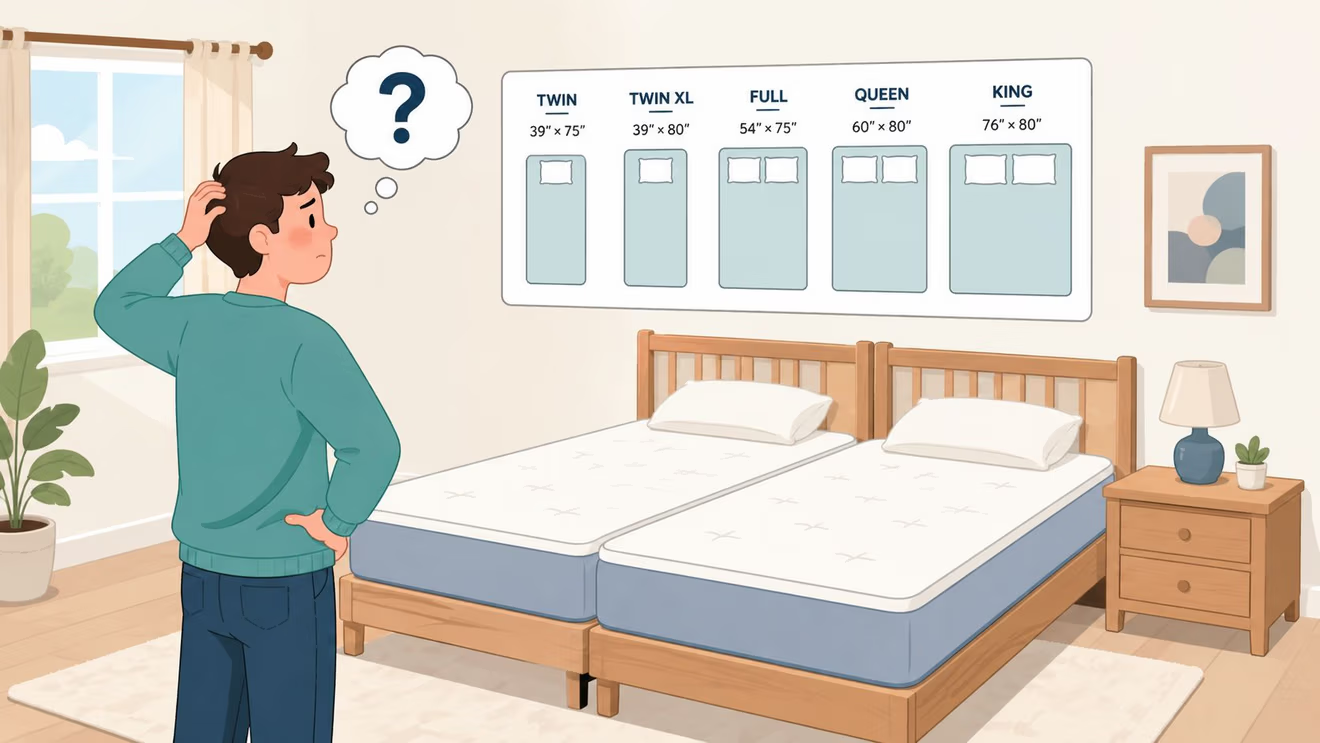
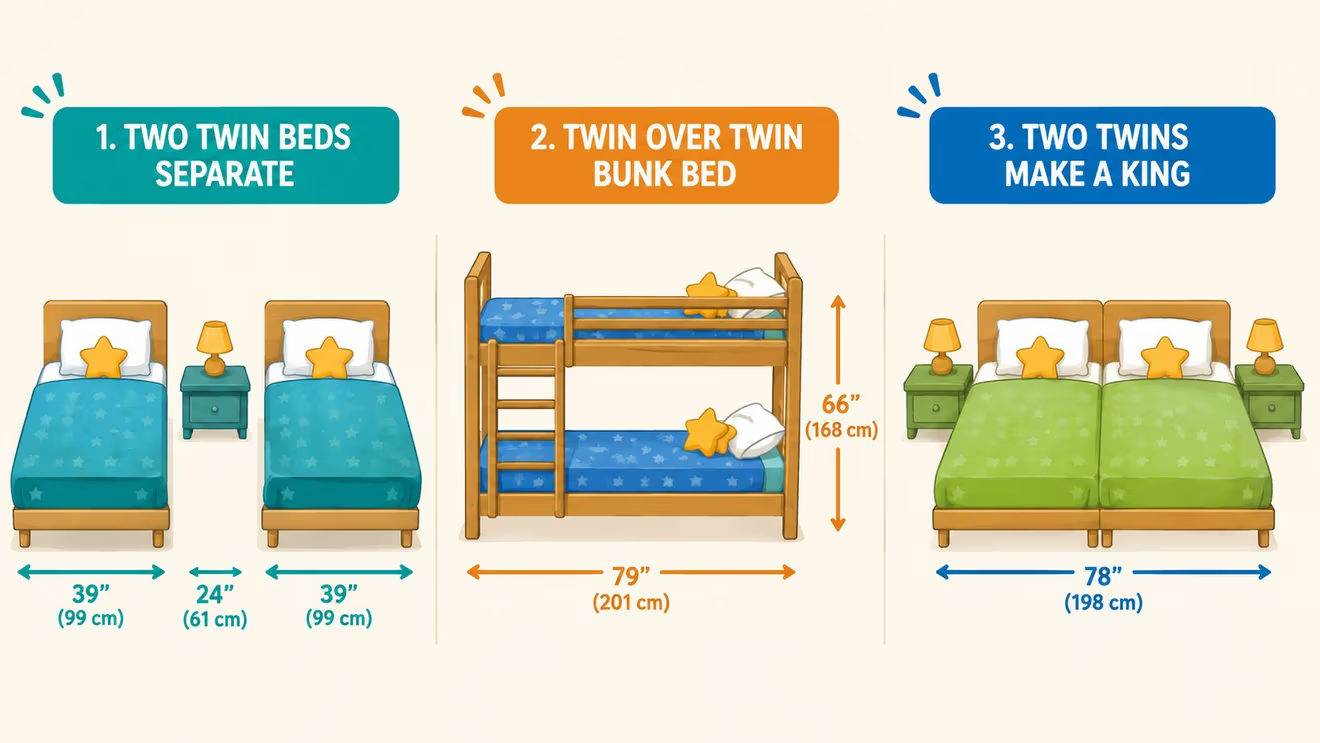
A shopper can hear double twin bed and picture three different things at once. One person imagines two twin beds pushed side by side, another thinks of a twin-over-twin bunk, and a third means a twin bed with a trundle underneath. That's the trouble with the phrase, it isn't a standard mattress size, so the label shifts depending on who's speaking.
The cleanest way to sort it out is to ask what the room needs. If the goal is flexibility for two sleepers, separate twins can make sense. If the goal is saving floor space, a bunk or trundle usually fits better. For a quick size refresher, this twin bed width guide helps anchor the basics.
The three meanings people usually mean
A pair of twins works well in guest rooms, kids' rooms, and spaces that need to shift between one sleeper and two. A twin-over-twin bunk stacks the beds vertically, which keeps the footprint compact. A twin with a trundle gives a hidden second sleep surface that can stay out of the way until needed.
Practical rule: if the second sleeper needs to disappear during the day, think trundle. If floor space is the tightest issue, think bunk. If flexibility matters most, think separate twins.
The wording varies from store to store because people often use the phrase casually instead of technically. That's why the buyer should focus on use case first, then size second. A room that hosts cousins once in a while needs a different setup than a bedroom used every night.
Common Twin Bed Configurations and Exact Dimensions
A twin setup starts with the mattress, then the frame around it. A standard U.S. twin mattress is 38 inches by 75 inches, while a full or double is 54 inches by 75 inches. The mattress gives you the sleeping surface, but the frame usually adds a little more on every side, so the footprint in the room is always a bit larger than the label suggests.
Separate twins side by side
Two separate twin beds give the most flexibility. You can keep them apart for two sleepers, push them together for a shared sleeping surface, or leave space between them for a nightstand or shared walkway. Common twin frame widths run about 40 to 44 inches and lengths 77 to 82 inches, since rails, headboards, and footboards extend beyond the mattress edge.
Measure the overall frame dimensions, not just the mattress size, before you commit to this layout. One example of a twin-plus-twins floor-bed configuration measures 81.8 x 78.2 x 15.7 inches and supports 200 lb plus 200 lb, with a mattress thickness recommendation of 6 inches or less (frame dimensions guide). That kind of example shows how quickly two sleep surfaces can fill a room once the frames are included.
A pair of twins also raises a practical question about height. If one mattress needs a little more leg room, a Twin XL can help, and the dimensions are worth checking in a Twin XL size guide. That matters most in guest spaces where taller sleepers may use the room from time to time.
Bunks and trundles
A twin-over-twin bunk keeps the same mattress size but changes the room layout completely. The advantage is vertical stacking, so floor space stays open for play, storage, or a desk. A twin trundle does the opposite. It keeps the second bed low and hidden, which works well in smaller rooms that need open space during the day.
What to remember before ordering
The mattress number is not the whole story. The frame, the rails, and the room layout decide whether the setup feels tidy or cramped.
A shopper comparing twin layouts should always check doorway width, stair turns, and nightstand clearance before deciding. Two twins can be a smart guest-room choice, but they are not always the easiest answer. If the room is tight or the sleepers want a simple setup, one larger mattress may be easier to live with than two separate frames.
Double Twin Bed vs Full and Queen Beds
A room with two twins asks a different question than a room with one larger mattress. The choice is not just about size on paper. It is about how the room will be used, who will sleep there, and whether the setup needs flexibility or simplicity.
Standard U.S. Bed Size Comparison
Bed Size
Width
Length
Sleep Surface Area
Twin
38 inches
75 inches
2,850 square inches
Twin XL
38 inches
80 inches
not provided in verified data
Full or Double
54 inches
75 inches
4,050 square inches
Queen
not provided in verified data
not provided in verified data
not provided in verified data
A full or double bed gives 16 extra inches of width over a twin and about 42% more surface area. That extra width changes daily comfort more than many shoppers expect, especially if two adults will use the bed. The length stays the same, so the added room shows up at the shoulders and elbows, not at the feet.
A pair of twins is still a different setup from a full. Two separate mattresses create a seam, and the bedding has to fit around that split. That is why the phrase double twin bed can confuse buyers trying to decide between two individual sleep surfaces and one shared mattress.
The practical comparison is straightforward. If the room will host occasional adult use, a full can work. If the room will often hold two adults, a queen gives more room to spread out. For a closer look at how those sizes differ, a twin versus full bed guide helps buyers see where a full fits and where a larger bed makes more sense.
Buying shortcut: choose separate twins when the room needs flexibility. Choose a full when the room needs simplicity. Choose larger than full when two adults will sleep there often.
Where Twin Bed Setups Work Best
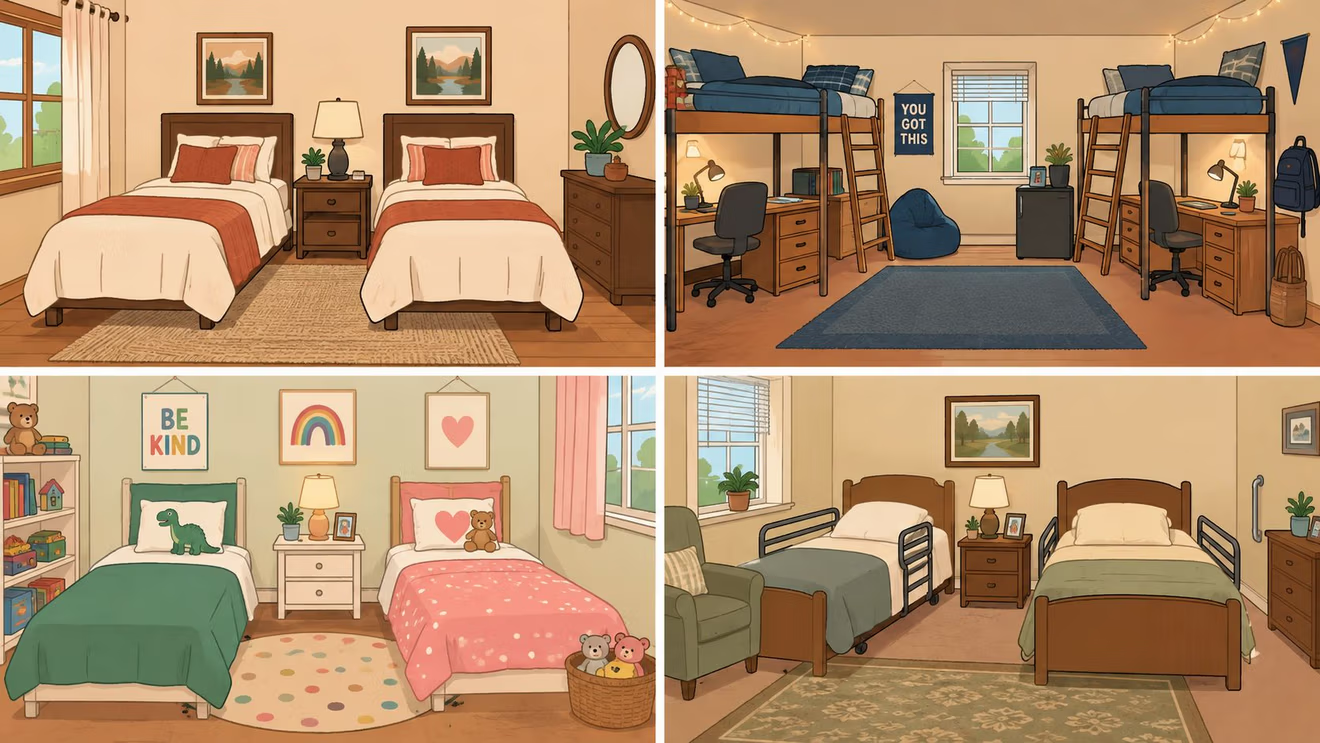
Twin setups shine in rooms that need more than one function. A guest room can become a spare office, a child's room can hold sleepovers, and a small upstairs room can stay open enough to move around in during the day. That kind of flexibility is why twin beds keep showing up in homes with changing needs.
Guest rooms and short stays
A pair of twins can be handy in a guest room when the room needs to host different kinds of visitors. Two friends, cousins, or siblings can sleep separately without forcing a shared mattress. That's a real advantage in homes that host different guests across the year.
The contrarian part matters here. Two twins are not always the best guest-room choice, especially when adult couples visit often. The seam between mattresses, the separated surfaces, and the bedding fit can feel less comfortable than a single full or queen.
Dorms, kids' rooms, and senior living
Dorm rooms often rely on twins because the beds fit predictable footprints and leave enough room for desks, chairs, and storage. In kids' rooms, twins make it easier to separate personalities, bedding styles, and bedtime routines. In senior living spaces, smaller-scale layouts can help the room stay easier to move through and easier to furnish.
The right setup depends on who uses the room most often. A room for grandkids during holiday weekends can support a different bed plan than a room used by adults every month. That's why the “best” choice always starts with the room's actual job.
Choosing Frames and Mattresses for Twin Setups
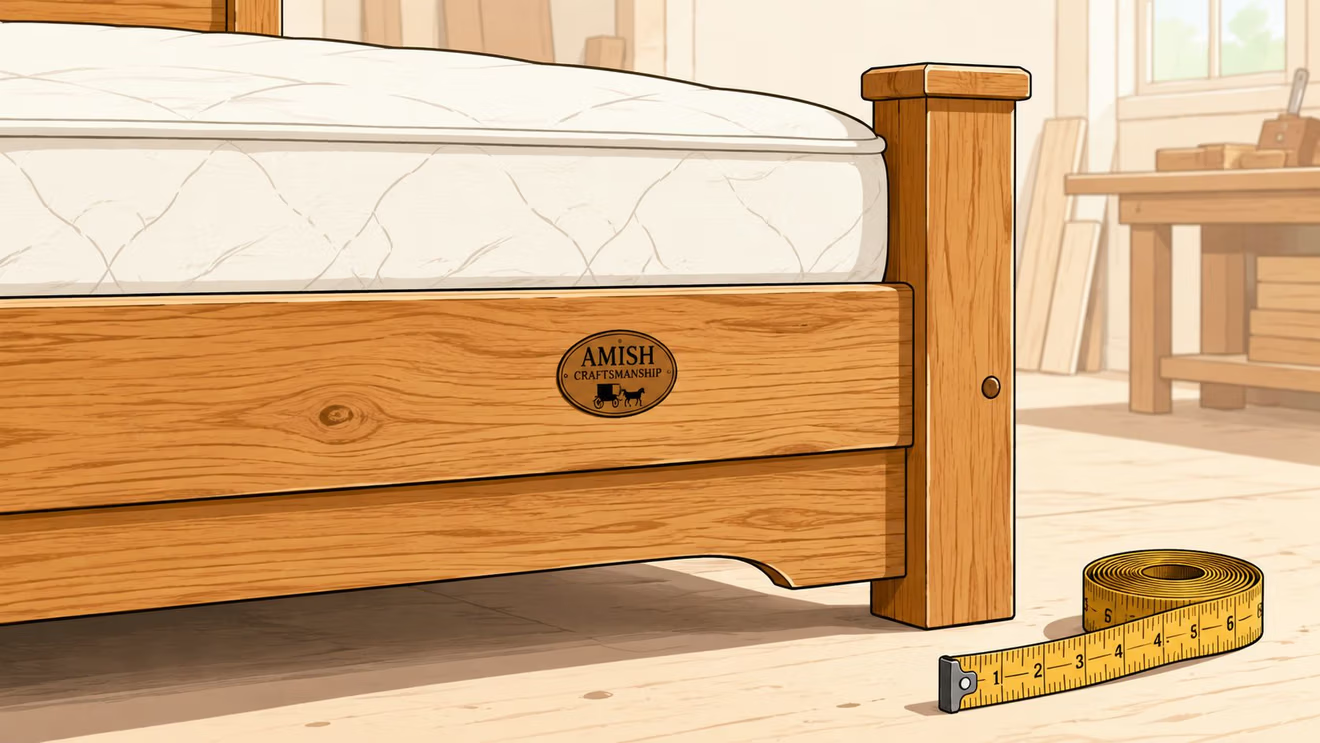
Frame choice matters just as much as mattress size. A solid wood frame can give a twin setup more stability, and Amish-made or USA-made pieces are especially useful when a buyer wants craftsmanship that's built for regular use. BILTRITE carries both USA-made and Amish-made furniture, along with real solid wood options for rooms that need durability and a cleaner long-term feel.
What to look for in the frame
A twin frame should match the mattress size, but it also needs to fit the room and support the way the bed will be used. Heavier solid wood frames can feel more grounded, while lighter frames may be easier to move when the room changes. Headboards and footboards also need space, so the frame should be measured as a whole piece, not as a mattress alone.
For shoppers comparing frame types, this bed frame choosing guide can help narrow the decision. A frame that looks modest on the floor can still carry a substantial footprint once the rails and posts are added.
Mattress pairing for twin setups
Twin setups work especially well with flip-able and two-sided mattresses, because turning and flipping can help spread wear more evenly over time. That matters in guest rooms and kids' rooms, where one side of the bed might see hard use during certain seasons and almost none during others. A mattress that can be rotated or flipped gives the owner more flexibility.
BILTRITE's mattress center carries twin-size mattresses as part of its broader selection, so buyers can match the frame to the room instead of forcing the room to fit a mismatched mattress. The smartest approach is usually to choose a frame first, then check mattress thickness, edge support, and sheet fit before bringing the set home.
A twin setup should feel balanced, not pieced together. Solid construction and compatible mattress sizing do most of that work.
Buying, Measuring, and Delivery Tips
A bed can look right in the showroom and still fail at the doorway. That's why measuring has to start with the room, then move to the hallways, stairs, and entry points that the bed has to cross on delivery day. A few careful measurements can save a lot of regret later.
A simple checklist before purchase
Measure the wall span first. The bed needs space for the mattress, frame, and any side clearance the room requires.
Check door and stair clearance. Solid wood furniture can be sturdy and beautiful, but it still has to fit through the path to the bedroom.
Ask how the piece is built. Some bedroom pieces are easier to move when components can separate for delivery.
Confirm mattress thickness early. A frame that looks right may call for a thinner mattress, especially in compact setups.
Plan delivery before you buy. White-glove service can save time and reduce stress when the route into the home is tight.
BILTRITE's white-glove delivery service is designed to help with that last step, especially for pieces that need careful placement in the home (white-glove delivery service). The showroom at 5430 West Layton Avenue in Greenfield also gives families a chance to talk through fit, delivery, and room layout before anything leaves the store.
That conversation matters more than most shoppers think. A good bed choice is not just about size on paper, it's about getting the furniture into the room cleanly and using it comfortably once it's there.
Frequently Asked Questions About Double Twin Beds
Is a double twin bed the same as a full bed
A double twin bed is usually a phrase people use for two twin beds or a split twin setup. A full or double bed is a single mattress size, so the names sound close, but they point to different buying choices. A full bed is 54 by 75 inches, while a twin is 38 by 75 inches.
That difference matters in the room, not just on paper. A full mattress gives one uninterrupted sleep surface, while two twins give you flexibility if the room needs to serve different people or change uses over time.
Do two twin beds make one larger standard size
Two twins can give you a wider sleep area, but they do not turn into one standard larger mattress. The seam between the mattresses changes how the surface feels, how the bedding fits, and how the beds sit in the room.
For some buyers, that tradeoff is fine because it makes the setup easier to arrange and reconfigure. For others, the split can be distracting, especially if they want one smooth surface for sleeping every night.
What should a buyer choose for a guest room
Separate twins work well in a guest room that may host different kinds of visitors, or a room that sometimes needs to do double duty. They can be moved around more easily, and they give you more layout choices when the room has to serve several purposes.
A single full or queen usually feels simpler for adult guests who stay often. It gives one shared mattress surface and avoids the middle seam that comes with two separate beds. For a very small room, a twin or bunk setup may still make more sense because it leaves more usable floor space and keeps the room easier to live with day to day.
The right answer depends on how the room gets used. A guest space that sees children, teens, or a mix of sleepers may benefit from two twins, while a room meant mainly for adult overnight stays often feels more settled with one larger bed.
BILTRITE Furniture-Leather-Mattresses carries bedroom furniture, twin-size mattresses, and durable solid wood options that can help a twin setup feel stable and well matched to the room. Visit BILTRITE Furniture-Leather-Mattresses in Greenfield to see the frames, mattresses, and delivery options in person, and let our family help yours find the right fit for your home.