Your Guide to Custom Upholstery Fabric at BILTRITE


A lot of people walk into a furniture showroom with one clear idea and one immediate problem. They know they need a new sofa, chair, or sectional, but the moment they see rows of swatches, textures, and color cards, the decision gets fuzzy fast.
That's especially true with custom upholstery fabric. A fabric can look great on a hanger and feel all wrong for a busy family room. Another one may seem simple in the showroom, then become the piece that makes the whole room feel settled once it's on the frame. The difference usually comes down to touching it, sitting with it, and talking through how the furniture will be used.
In Metro Milwaukee, families often aren't shopping for a formal “look” alone. They're shopping for movie nights, grandkids, pets, naps, spills, and years of daily use. That's where custom work gets fun. It turns a furniture purchase into a more personal decision, one that fits the household instead of forcing the household to adapt to the furniture.
Finding Your Family's New Favorite Fabric
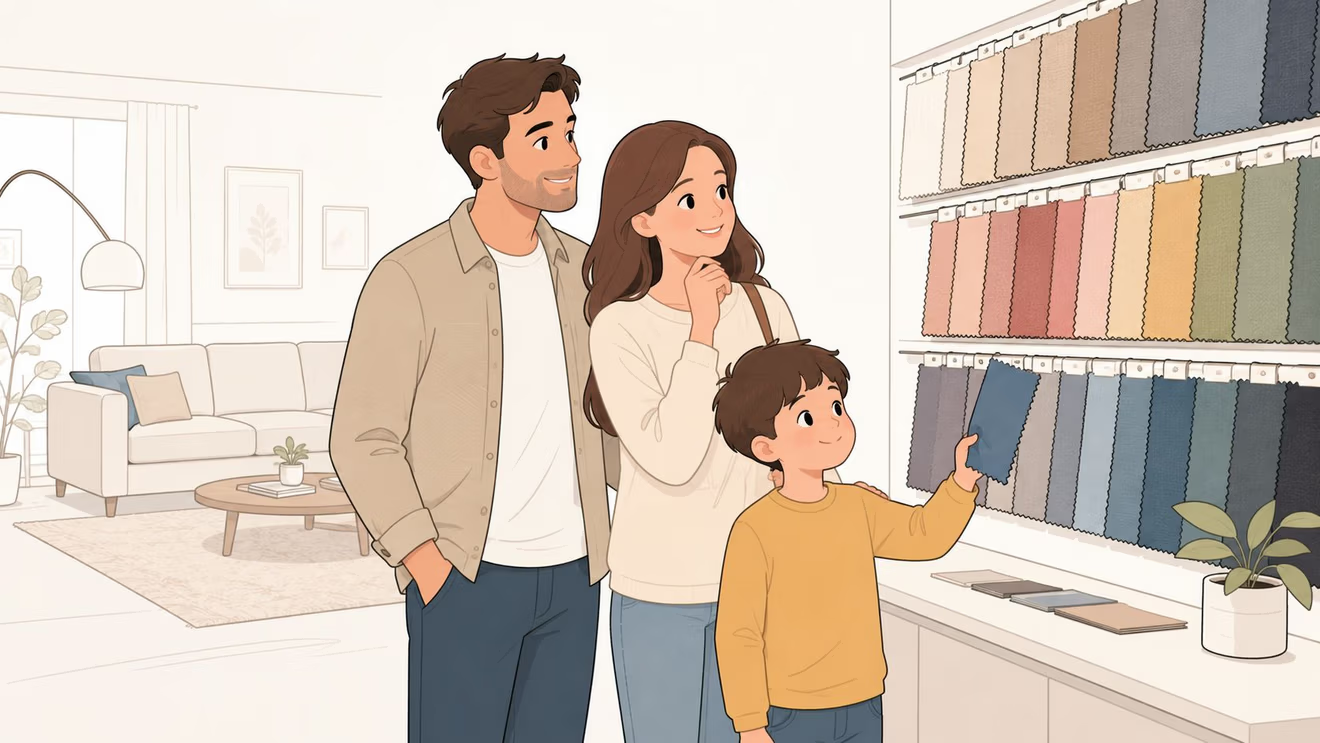
A common scene plays out in the showroom. A couple has finally decided to replace the worn living room sofa. One person wants something light and fresh. The other is already thinking about snack spills, a dog that claims the corner cushion, and whether the fabric will still look good a few years from now.
That's a normal place to start.
Since 1928, BILTRITE has helped Milwaukee-area families sort through those exact questions in person. The conversation usually gets easier once people stop trying to choose from a tiny mental picture and start handling the actual fabrics. Texture changes opinions quickly. So does seeing how a woven neutral looks next to a patterned accent option, or how a soft performance fabric feels compared with a more formal one.
Why more families are going custom
The broader market shows that this isn't a small niche. The global upholstery fabric market reached USD 46.2 billion in 2023 and is projected to expand to USD 65.75 billion by 2032. That points to strong interest in durable, personalized home furnishings, not just off-the-floor basics.
People want furniture that feels like theirs. They want the frame style they like, the seat comfort that suits the room, and a fabric that makes sense for everyday life.
Practical rule: The fabric choice should start with how the room lives, not with the prettiest swatch on the wall.
What helps narrow the choices
A showroom visit works because real decisions happen through comparison. Families tend to make faster, smarter choices when they focus on a few basics first:
- Who uses it most: Kids, pets, guests, or just adults in a quieter room.
- What the room handles: Daily traffic, occasional use, or heavy lounging.
- What kind of upkeep feels realistic: Some households want forgiving surfaces, and some don't mind a little extra care.
- How the fabric will feel at home: That's why articles on kid-friendly and pet-friendly furniture choices help, but touching the fabric in person usually seals the decision.
That's a key advantage of custom upholstery fabric. It takes a piece of furniture from “close enough” to “that fits this home.”
Decoding Fabric Lingo and Durability
The tag on an upholstery fabric can look more technical than it really is. Once the terms are translated into plain language, the decision gets easier.
The first number to check for an everyday sofa is abrasion resistance. That's the wear rating. For a high-traffic family piece, the benchmark matters a lot more than people think.
For family furniture that sees regular use, a fabric should have a minimum of 30,000 Wyzenbeek double rubs, and using something below that can lead to 40% higher visible wear within three years, as explained in BILTRITE's guide to fabric durability ratings.
What double rubs actually mean
A simple way to think about double rubs is like tread life on a tire. The rating doesn't tell the whole story, but it gives a strong signal about whether the fabric belongs on a formal accent chair or on the sofa where everyone lands every night.
One mistake shoppers make is assuming all durability numbers are interchangeable. They aren't. Wyzenbeek double rubs and Martindale cycles are different test methods. The label matters.
If the sofa is for a main family room, the fabric tag should be treated like a specification sheet, not a decorative detail.
Fabric Durability at a Glance
| Double Rub Count | Durability Rating | Best For |
|---|---|---|
| Below 30,000 | Light to moderate use | Accent pieces, lower-use rooms |
| 30,000 | Heavy family use minimum | Primary sofas and chairs |
| Above 30,000 | Stronger for daily wear | Busy households, pets, kids |
The other terms worth checking
Durability isn't only about abrasion. A good custom upholstery fabric should also hold color, resist stretching problems, and keep its shape on the frame.
Here are the terms that deserve attention:
- Colorfastness: This tells shoppers how well a fabric resists fading and wear in normal use.
- Tensile strength: This speaks to how well the fabric stands up to pulling stress once it's upholstered tightly over cushions and frames.
- Fiber blend: Blends often behave differently than all-natural fibers, especially in active households.
A showroom conversation usually gets more useful when the question changes from “Which one looks nicest?” to “Which one still makes sense after daily use?” That shift saves people from choosing a fabric that fits the room visually but not practically.
Choosing Fabrics for Real Family Life
A fabric doesn't live on a sample card. It lives under elbows, feet, throw blankets, dog paws, and the occasional dropped plate. That's why the right custom upholstery fabric depends less on trend and more on the household story.
One family may need a textured neutral that hides day-to-day life. Another may want a smoother, cleaner look because the room is quieter and more formal. Neither choice is “right” for everyone. The right choice is the one that fits the way the furniture will be used.
Three household examples that change the recommendation
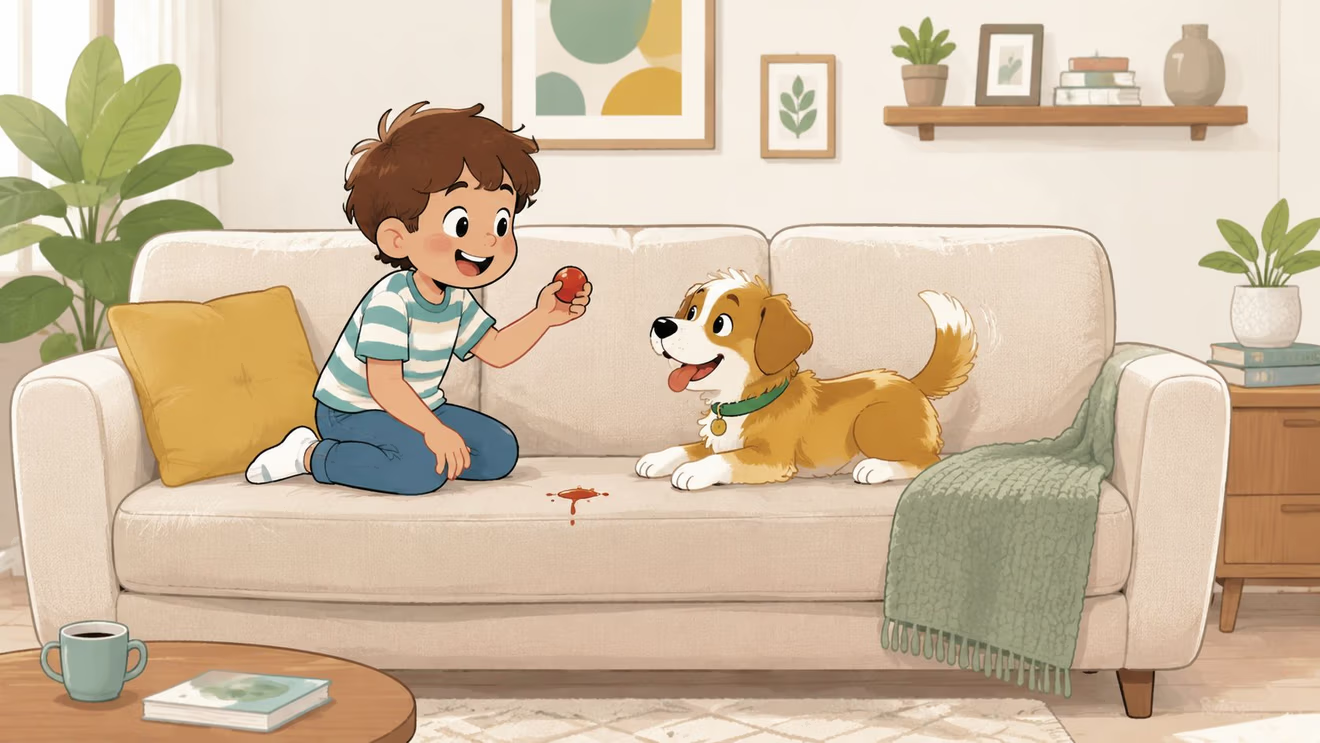
A family with a golden retriever and two kids usually does better with a fabric that has visual texture and easier cleanup characteristics. Tight weaves and forgiving color variation tend to age more gracefully than fabrics that show every mark.
Grandparents who host often may lean toward a fabric that feels welcoming, wears well, and still looks tidy without constant fussing. That matters on recliners, lift chairs, and everyday seating where comfort and ease of movement count.
A condo owner furnishing a smaller room may want something softer-looking and lighter in tone, but still sturdy enough for daily use. That's where seeing swatches against wood finishes, wall colors, and room photos can make a big difference.
Quality markers that matter at home
For residential use, a custom upholstery fabric should have a minimum tensile breaking strength of 50 pounds and a Grade 4+ colorfastness rating to resist fading and wear, according to the AHFA fabric standards and guidelines.
Those aren't abstract trade specs. They affect whether a sofa keeps looking settled and usable after steady use.
A fabric can feel soft and still be a practical choice. Softness and durability aren't opposites when the construction is right.
What usually works better than expected
Some of the strongest in-store conversations happen when households stop aiming for a “safe” fabric and start aiming for a useful one. That often means considering performance-oriented choices with a little texture, a grounded mid-tone, or a pattern that breaks up visual wear.
Families who want that balance can get helpful background from BILTRITE's page on the benefits of performance fabrics. The big advantage in the showroom is that the fabric can be touched, bent, compared under lighting, and held next to the frame style before any order is placed.
Bringing Your Vision to Life with Color and Pattern
Custom furniture starts to feel personal. Once durability and use are sorted out, color and pattern turn the piece into something that belongs in the room instead of just filling a spot in it.
The easiest mistake is choosing too quickly under showroom lighting alone. Fabric changes throughout the day. A warm neutral may look creamy in the morning and flatter in the evening. A blue-gray may read calm in one home and chilly in another.
A better way to choose color
The strongest process is simple. Narrow the field in person, then bring swatches home and look at them where the furniture will live.
That home test helps with a few things:
- Wall color interaction: Undertones show up fast once the swatch is next to paint.
- Flooring and wood tones: Fabric can clash with nearby finishes even when it looked fine under store lighting.
- Natural and lamp light: A fabric that looks balanced at noon can shift dramatically after sunset.
- Existing textiles: Rugs, drapes, and pillows often settle the final choice.
Solids, patterns, and texture
Solid fabrics often create a calm foundation. They work well when the room already has movement from rugs, artwork, or wood grain.
Patterns can do another job. They add personality and can soften the look of everyday use. Texture sits between the two. A textured weave may read almost like a solid from across the room but still hide life a little better up close.
Bring room photos to the showroom. A fabric rarely needs to match the room exactly. It just needs to belong there.
For anyone feeling stuck between warm and cool, bold and quiet, BILTRITE's article on building an expert color palette for the home is a helpful starting point. Still, this part of the process gets much easier once several swatches are spread out side by side and viewed with the room in mind.
The BILTRITE Custom Order Experience
Custom ordering works best when shoppers can slow the process down enough to make clear decisions. That's one reason an in-store approach still matters. Fabric is tactile. So is furniture comfort. A screen can't tell someone whether a weave feels too rough for a nap-worthy sofa or whether a pattern scale looks too busy on a larger frame.
For shoppers working through custom upholstery fabric options, BILTRITE Furniture-Leather-Mattresses provides an in-store custom order process built around swatch review, finish selection, and frame comparison. That's a factual advantage of a showroom model. It lets people compare real materials before committing.
Why the in-person process reduces second-guessing
A local showroom helps shoppers answer practical questions before the order goes in:
- How does the fabric feel: Not just visually, but against skin and clothing.
- How does it pair with the frame: Some fabrics sharpen a silhouette, while others soften it.
- How does the color read at scale: A tiny swatch can be misleading until it's considered on a full piece.
- What trade-offs make sense: Some households choose easier maintenance. Others prioritize a specific hand or visual look.
That's where experienced guidance matters. BILTRITE's sales associates bring more than 400 years of combined experience to those conversations, and the store has served Metro Milwaukee since 1928. The process is built around helping shoppers compare choices, not rushing them through a transaction.
Lead times and handcrafted details
Custom work also means timing matters. Amish-made custom upholstery fabric orders often need a 4-to-6-week production window because artisans hand-select and apply fabric so seams align with the solid wood frame's grain for stronger integrity, as described in Milwaukee Magazine's look at BILTRITE's long history.
That timeline isn't a drawback. It's part of what makes custom furniture feel considered. The piece isn't pulled from a warehouse. It's built for a specific home, with specific materials, by people doing careful hands-on work.
Your Beautiful Custom Furniture Awaits
Custom upholstery fabric isn't just a style decision. It's a comfort decision, a durability decision, and often a long-view decision about how a room should work for years.
That larger value shows up in the market too. The upholstered furniture market is valued at USD 68.88 billion in 2025 and is projected to reach USD 122.45 billion by 2034, according to 360iResearch's upholstered furniture market outlook. Shoppers continue to put real value on quality, customization, and furniture that feels worth keeping.
Why local showroom shopping still matters
For Metro Milwaukee homeowners, the biggest benefit is confidence. They can see the wood, feel the fabric, sit on the cushions, compare small-scale and heavy-duty options, and talk through the trade-offs with a team that knows the category well.
That matters whether the goal is a family sofa, an accent chair, a lift chair, or a custom Amish-made piece. It also fits the way BILTRITE has always done business. Family-owned since 1928. Focused on better-quality, affordable furniture. Proud of USA-made and Amish-made craftsmanship. Closed on Sundays and Mondays for family time. Built around the in-store experience instead of a checkout button.
The next step is the easiest one. Visit the Greenfield showroom, bring room photos if possible, sit on the frames, and start handling swatches. Custom gets a lot less intimidating once the fabrics are right in front of you.
Ready to explore custom upholstery fabric in person? BILTRITE Furniture-Leather-Mattresses welcomes shoppers to the Greenfield showroom at 5430 West Layton Avenue, where families can compare real swatches, see USA-made and Amish-made furniture up close, and talk with an experienced team that's here to help, not pressure. Come say hello and find a fabric that fits the way your home really lives.