Bowl with Hands: Styling, Care, and Buying Guide


You've probably had that moment in a living room or dining nook where the space looks finished, but something still feels a little bare. A small decorative bowl can fix that fast, especially when it has the kind of sculptural charm that makes people lean in and ask about it. A bowl with hands can also mean something much more practical, which is why this topic matters to both style lovers and caregivers.
What Is a Bowl With Hands and Why Homes Love It
A bowl with hands usually falls into one of two worlds. The first is decorative, where the bowl itself is shaped like hands, held by hands, or decorated with hand motifs that make it feel like a little piece of art. The second is functional, where the bowl is designed for one-handed use, easier stability, or better grip for someone who needs a little more support at the table.
That split matters because the same phrase can send someone shopping for a sculptural accent or an adaptive dining aid. In older dining traditions, handwashing and finger-rinsing vessels helped bridge hand-based eating and more formal service, and historical accounts place the formalized use of finger bowls in European aristocratic dining between the late 1700s and mid-1800s (historical overview). That history explains why hand-related bowls still feel elegant now, even when they're used for everyday living.
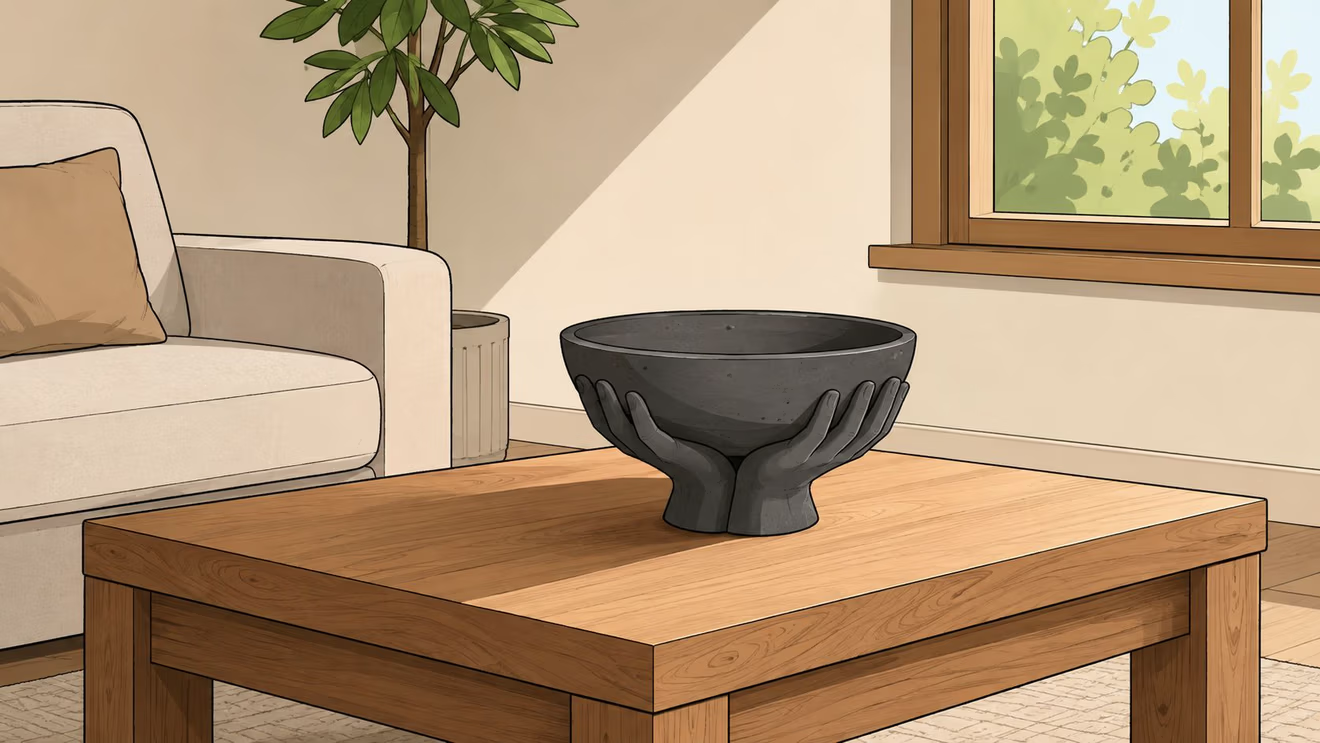
For many homes, that mix of beauty and utility is the appeal. A decorative piece can warm up a shelf or coffee table, while an adaptive bowl can make a mealtime routine easier for a parent, grandparent, or anyone recovering hand strength. The phrase sounds playful, but the use cases are highly practical.
A good example is a bowl that feels like a small conversation starter on a table, the kind of object that says the room was styled with care. Another example is a bowl chosen because it helps one person eat with less strain and fewer spills. Both belong under the same umbrella, even though they serve very different needs.
The shared thread is simple. These bowls work best when they make a home feel more thoughtful, more comfortable, and more personal. That's why families keep circling back to them.
For a decorative example that leans into the sculptural side, see this roker bowl.
Decorative Versus Functional Bowl Types
Decorative bowls focus on presence
Decorative bowls with hands are usually about shape, texture, and story. Concrete hand bowls, ceramic pieces with hand motifs, and artisan vessels with a carved or molded hand form all pull the eye first. They're meant to sit on a coffee table, entry console, or shelf and add a little personality without needing to do much else.
Practical rule: if the bowl's first job is to look interesting, it belongs in the decorative category.
These pieces often work best when they echo something else in the room, like warm wood, soft upholstery, or a matte metal finish. A hand-shaped bowl can soften a room full of straight lines, and a ceramic version can add a handmade feel to a cleaner, more modern setting. If the bowl is being chosen mainly for visual balance, it should be judged like any other accent object.
Functional bowls solve real daily problems
Functional bowls are different. They're made for stability, easy handling, and better everyday use, especially for people who need one-handed eating support or a steadier base. An example is a bowl with a sloped base designed for one-handed use, which suggests demand from seniors, rehabilitation users, and caregivers who need a more forgiving shape.
A useful way to shop is to ask what the bowl has to do under real conditions. If it's for a person with arthritis, tremor, or limited grip, the bowl should be easy to steady, simple to clean, and comfortable to approach from one side. If it's for a styled room, the focus shifts back to proportion, surface finish, and how the form relates to the rest of the decor.
For a decorative set that can anchor a styled vignette, take a look at this carling bowl set of 3.
A quick mental check helps:
- If the bowl is for display, visual weight and shape come first.
- If the bowl is for mealtime support, stability and grip matter more than ornament.
- If a household needs both, keep one decorative piece for styling and one functional piece for daily use.
That distinction keeps the search focused and stops shoppers from buying a pretty bowl that can't handle practical use, or a utilitarian bowl that feels out of place in a finished room.
Materials and Finishes That Last
A bowl with hands can feel playful on a shelf, or practical in a caregiving setup, and the material decides which side of that line it lands on. The finish shapes the mood first. The job it has to do comes next.
Different materials do different jobs
Concrete, ceramic, stainless steel, and solid wood each bring a different kind of value to a bowl with hands. Concrete has the grounded, sculptural look many people want for decorative pieces, especially when the form is meant to feel handcrafted. Ceramic and porcelain bring a smoother, more polished finish that can read as elegant, whimsical, or artisan depending on the glaze.
Stainless steel is the material most tied to functional, high-use settings. Its chromium-nickel composition gives it strong corrosion resistance in wet, sanitizing environments, which is why it suits bowls meant for repeated cleaning and steady daily handling. That kind of construction favors cleanability and durability over ornament.
Solid wood sits in a different lane. It brings warmth, visible grain, and a sense of heirloom character that mass-produced pieces rarely match. For homes that already use USA-made or Amish-made furniture, wood bowls feel especially natural because they echo the same craftsmanship language found in well-made tables, cabinets, and serving pieces.
Material choice affects care and everyday use
A good bowl doesn't just look right, it also fits the household routine. Concrete usually needs thoughtful sealing and gentler handling. Ceramic can be easy to live with, but finish quality matters because a rough interior or unstable base changes how the piece feels in use.
Solid wood should be cared for with the same attention given to other real-wood items, and stainless steel is the easiest of the group to keep feeling sanitary in demanding environments. The key is to match the finish to the job, not the trend.
| Bowl Materials Compared | Best For | Durability | Care Level |
|---|---|---|---|
| Concrete | Sculptural decor, statement displays | Strong, weighty, steady | Moderate |
| Ceramic or porcelain | Artisan accents, shelves, sideboards | Good with careful handling | Moderate |
| Stainless steel | Functional, high-use, adaptive settings | Very high in wet environments | Low |
| Solid wood | Warm decor, heirloom-style rooms | Strong when well cared for | Moderate |
If a household needs a piece that feels substantial and grounded, concrete or solid wood usually makes sense. If the goal is easy sanitation and dependable utility, stainless steel is the most practical fit. For a clear example of how finish and protection affect longevity, see this protective coatings guide.
Styling Ideas for Every Room in Your Home
A bowl with hands doesn't have to stay in one room or do one job. The same sculptural shape can feel calm on a shelf, lively on a dining sideboard, and useful on a vanity. The trick is matching the bowl's scale and texture to what's already in the room.

The living room wants one strong focal point
A sculptural concrete hand bowl looks especially good on a solid wood coffee table because the materials play off each other. The bowl gives the eye a place to land, while the wood keeps the arrangement from feeling too cold or too precious. That pairing works best when the rest of the tabletop stays simple.
On a larger table, a bigger bowl can stand alone with one or two low objects nearby. On a smaller table, the bowl should be the main event. If the room already has a patterned rug or colorful pillows, a matte bowl usually feels calmer and more grounded.
Dining and bedroom spaces call for lighter touches
On a dining room sideboard, a ceramic hand-motif bowl can hold keys, wrapped mints, or seasonal potpourri. That works especially well beside an Amish-made dining set because the handcrafted feel ties together naturally. In a bedroom, a smaller decorative bowl makes a useful landing spot for rings, earrings, or a watch.
For shelf styling, the same bowl benefits from the rule of three. Pair it with one taller object and one softer object, then vary the textures so the group doesn't look flat. A hand bowl with a smooth finish usually stands out more when it's next to woven, wood, or glass pieces.
For a practical guide to arranging that kind of display, see this how-to decorate shelves in any room.
A bowl with a strong shape can quiet a crowded room, but it can also disappear if it's too small for the surface it sits on.
That's why scale matters so much. Large bowls command a dining table or wide console, while smaller pieces feel better on floating shelves, narrow nightstands, or compact vanities. The room decides the size, not the other way around.
How to Choose the Right Bowl for Your Space
Start with scale and proportion
A simple measuring habit saves a lot of second-guessing. Before shopping, check the length and depth of the shelf, table, or vanity where the bowl will live, then leave enough visual breathing room on each side. If the piece fills the whole surface, it can feel crowded even when it's technically the right size.
The same rule helps with functional bowls. A person who needs one-handed use usually benefits from a shape that stays steady without being hard to move or lift. That balance matters more than a decorative silhouette, because the bowl has to cooperate with real movement, not just look nice on a surface.
Judge the bowl the way it will actually be used
A family with young children may want a sturdier piece that tolerates daily handling. An empty nester might feel comfortable choosing a more delicate artisan bowl for display or occasional use. Neither choice is wrong, but the material should match the household's habits.
Look closely at the base, surface, and edges. A stable base reduces wobble. A smooth finish makes both handling and cleaning easier. Good construction is visible even before the bowl is used.
If a bowl feels awkward in the hand on the showroom floor, it usually feels awkward at home too.
That's one reason in-person shopping matters. Photos can hide weight, texture, and balance, which are the details that determine whether a bowl fits the space or just fills it.
Use a short checklist before bringing one home
- Check the base: It should sit flat and feel steady.
- Check the finish: Surfaces should look even and comfortable to touch.
- Check the weight: Heavier isn't always better, especially for one-handed use.
- Check the scale: The bowl should relate to the furniture around it, not fight it.
The best choice is usually the one that solves two problems at once. It should look right in the room and behave well in daily life.
Care Tips and a Fun DIY Concrete Hand Bowl
Concrete bowls need a gentle hand and a little planning. Cleaning should stay simple, and sealing matters because unprotected concrete can absorb moisture or pick up stains more easily than smoother materials. Solid wood pieces do best with care that supports the grain instead of stripping it, while stainless steel usually benefits from straightforward cleaning that keeps the surface looking crisp.
A practical routine for each material
For decorative concrete, dust first, then wipe with a lightly damp cloth and dry it right away. For solid wood, use food-safe oils when needed and keep the piece away from standing moisture. Stainless steel stays easiest when it's cleaned regularly and dried after washing so the finish doesn't collect water spots.
The same idea applies across all three materials, keep care simple enough that it gets done. A piece that's easy to maintain gets used more, displayed more, and kept longer.
A weekend concrete hand bowl project
A DIY hand bowl can be made with a glove mold. One tutorial recommends cutting a small incision at each fingertip so air can escape, filling the glove with cement, tying the end closed, and supporting it in a bowl with a towel and cardboard between the fingers so they don't fuse together; the piece should cure for at least 24 hours before the glove is removed (DIY hand bowl guide). Another step-by-step guide says the glove should be filled only about two-thirds full, that makers should use at least 750 grams of concrete per hand for glove sizes S-XL, and that full drying takes 2 to 3 days before the rubber mold comes off (concrete hand method).
For small concrete projects, mix consistency matters. The UK Concrete Society notes that small quantities can be mixed by hand, but the proportions need to be careful because the mix design affects strength and workability (small-quantity mixing guidance). That's especially relevant here, since a mix that's too wet or too dry can ruin the shape before it has a chance to set.
Visit BILTRITE in Greenfield to See These Pieces in Person
A bowl with hands is one of those pieces that really changes when it's seen up close. Texture, weight, finish, and scale all matter, and those details are easier to judge in person than on a screen. BILTRITE Furniture-Leather-Mattresses at 5430 West Layton Avenue in Greenfield has been serving Metro Milwaukee as a fourth-generation, family-owned business since 1928, and our team brings over 400 years of combined experience to the showroom floor.
We're closed on Sundays and Mondays because family time matters to us, just like it matters to you. We also don't sell online, because furniture and decor deserve to be touched, compared, and lived with before they come home. Come say hi, browse our USA-made and Amish-made collections, and let our friendly team help you find a piece that feels right for your space.
If you're looking for furniture and decor that bring warmth, usefulness, and lasting style together, BILTRITE Furniture-Leather-Mattresses has a showroom full of ideas worth seeing in person. Come visit us in Greenfield and let us help you find a bowl with hands or another thoughtful piece that makes your home feel more welcoming every day.