Protective Coatings: Furniture Care Guide 2026


A new dining table is in the house. The sofa finally made it through the front door. The bedroom set is in place, and everything looks clean, warm, and ready for real life in a Milwaukee home. Then the questions start. What keeps the finish looking nice? What helps with spills? What actually protects furniture, and what's just marketing on a spray bottle?
That's where protective coatings come in. For families who want furniture that looks good and holds up, a little knowledge goes a long way. Protective coatings don't have to sound industrial or complicated. At home, they mean the finish or treatment that helps a piece handle sunlight, moisture, everyday touching, and the occasional accident.
What Are Protective Coatings Anyway
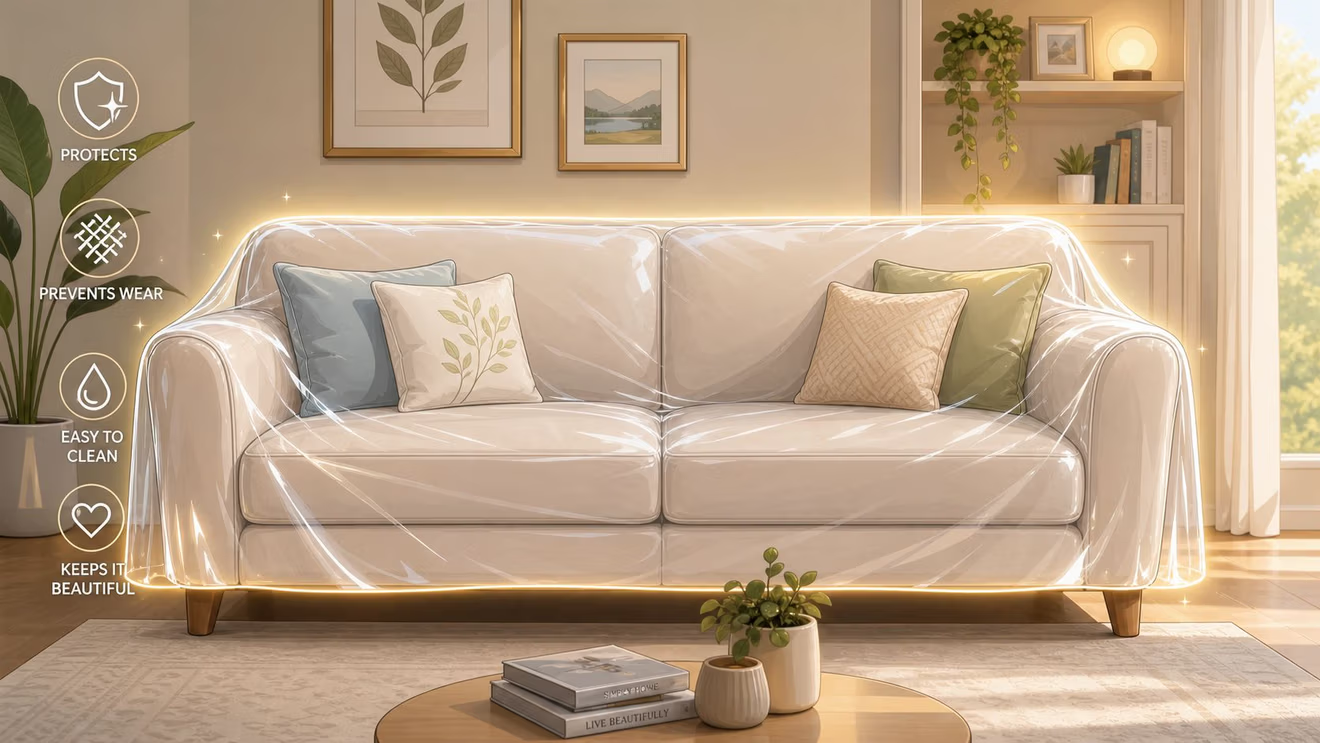
A protective coating is a layer that helps guard a surface from damage. On furniture, that usually means helping wood resist moisture, helping leather stay from drying out, or helping fabric buy a little time when something spills. It's a lot like a raincoat. The coat doesn't change who's wearing it. It helps them handle the weather better.
Hearing the phrase, one often thinks of factories, ships, or heavy equipment. That's not wrong. Protective coatings are a huge category worldwide. The global protective coatings market reached USD 39.62 billion in 2024, with consumption above 12.48 million metric tons, and corrosion alone costs the global economy an estimated 3 to 4% of GDP annually, according to protective coatings market data from Reports and Data. That same report projects the market to reach about USD 57.88 billion by 2034 at a 3.9% CAGR, with Asia Pacific holding 46.12% of global revenues in 2024, followed by North America at 23.41% and Europe at 21.68%.
That big-picture scale matters for one simple reason. The same basic idea applies at home. A coating is there to stand between the material and the trouble.
What a coating does in a family home
A furniture coating usually helps with a few practical jobs:
- Moisture protection helps a wood top handle a damp glass or routine wiping.
- Wear resistance helps the surface deal with hands, dishes, pets, and daily use.
- Appearance control gives the piece its sheen, color depth, or natural look.
- Cleanability makes normal maintenance easier.
Protective coatings matter most on the days nobody's thinking about them. That's when they quietly handle ordinary life.
For wood furniture, the coating may be built into the factory finish. For leather and fabric, it may be a treatment added at the time of purchase or later as part of care. For anyone comparing finishes on dining sets, this guide to the best wood finish for a dining table helps connect the jargon to real household use.
Where people get confused
The biggest mix-up is assuming every shiny surface is equally protective. It isn't. Some finishes are built for years of daily use. Others are mostly there for appearance. Some can be touched up easily. Others are tougher but harder to repair neatly.
That's why the smartest question isn't “What looks best?” It's “What kind of life is this furniture going to live?”
Protecting Your Wood Furniture The BILTRITE Way
Solid wood has character. It also needs the right finish for the job. A coffee table in a quiet room doesn't need the same kind of surface protection as a kitchen table that handles homework, pizza night, and elbows every evening.
One useful way to think about wood finishes is clothing. Some are rain jackets. Some are dress coats. Some are old favorites that feel rich and natural but ask for more care.
The difference between a finish and a quick spray
Homeowners often get tripped up. A temporary polish or retail spray may freshen the look for a while, but it isn't the same thing as a real protective system. As noted by Armorthane's overview of protective coatings, true engineered protective coatings can extend an asset's life by 15 to 40 years. That's a very different category from a quick wipe-on product that mostly changes surface appearance.
For furniture buyers, the takeaway is simple. A well-made piece with a quality finish starts ahead. Maintenance products can help support that finish, but they usually don't replace it.
Choosing Your Wood Furniture's "Jacket"
| Finish Type | Best For | Look & Feel | Durability |
|---|---|---|---|
| Polyurethane | Dining tables, high-use case goods, family spaces | Smooth, sealed surface, often slightly thicker feel | High |
| Lacquer | Bedroom furniture, display pieces, sleek contemporary looks | Crisp, refined, often glossy or satin | Good, but can be more delicate in rough use |
| Shellac | Traditional pieces, decorative furniture, lower-moisture settings | Warm glow, classic depth | Moderate to lower in demanding household conditions |
| Oils and waxes | Solid wood pieces where a natural look matters most | Soft, rich, close-to-the-wood feel | Varies, often easier to refresh but needs more upkeep |
Four common finishes in plain language
Polyurethane is the practical coat in the closet. It forms a stronger barrier, so it's a natural fit for tabletops and other surfaces that see repeated use. Families usually like it because cleanup is straightforward.
Lacquer has a polished look many people love. It can feel more refined and can show off color and grain beautifully. It's often a good fit where appearance is a top priority and the piece won't take constant abuse.
Shellac has old-school charm. It brings warmth and depth, especially on traditional furniture. But it's not the one to count on for heavy moisture or rough treatment.
Oil and wax finishes appeal to people who want wood to look and feel like wood. These finishes can be lovely on Amish-made and other solid wood furniture because they let the grain speak for itself. They also tend to be friendlier for touch-ups, though they ask the owner to stay more involved in maintenance.
Practical rule: The more active the room, the more the finish should lean toward protection first and beauty second.
For anyone dealing with everyday wear, this guide to protecting wood furniture from scratches and stains is a helpful next read.
Keeping Your Leather and Fabric Cozy and Clean
A living room usually teaches this lesson fast. A child sets down a juice box. A dog hops up after coming in from outside. Someone eats popcorn during a movie and brushes buttery fingers across the arm of the sofa without even noticing. Furniture doesn't wear out in dramatic moments. It wears out in small ones.
That's why leather and fabric protection matters so much in a family home.

Leather needs balance
Leather is durable, but it isn't maintenance-free. A good leather protectant helps the material stay supple and can help minor spills sit on the surface a little longer instead of soaking in right away. It also supports the finish so the leather is less likely to look tired before its time.
Dry indoor air, direct sun, and body oils all affect leather over time. Families often focus only on stain prevention, but softness matters too. When leather loses moisture and flexibility, it can start looking stressed.
Fabric protection buys time
Fabric treatments don't create a force field. What they often do is give the homeowner a better chance to respond quickly. Instead of a spill sinking in immediately, the liquid may bead on the surface for a short window. That extra moment can make cleanup much easier.
A few common examples make it clear:
- Movie night accidents often involve buttery snacks or soda splashes on seat cushions.
- Pet messes can mean muddy paws, drool, or fur collecting in the same favorite spot.
- Daily family traffic brings denim rub, hand oils, and ordinary dust that slowly dull fabric.
Quick cleanup matters more than fancy cleanup. Blotting early usually beats scrubbing later.
Mattresses belong in this conversation too. A protector helps shield the sleep surface from spills, allergens, and routine wear. That's especially useful in homes with kids, pets, or breakfast-in-bed weekends. For readers looking deeper into hide care, this leather furniture care guide covers the basics in plain language.
Simple Tips for Application and Maintenance
Most factory-finished furniture doesn't need complicated care. It needs consistency. A soft cloth, a little attention, and the right cleaner for the material will handle most routine upkeep better than an overstuffed cabinet of mystery products.
The most overlooked danger isn't always a spill. It's moving day.
The hidden damage people miss
Industrial coating experts have long noted that coating damage can happen during installation and go unnoticed until later. One industry article even notes there is “no requirement to check or test the effectiveness of the coating system once the pipe is pulled through” after certain installation methods, as described in Materials Performance on hidden damage to protective coatings. In a home, the same lesson applies in a much simpler way. The finish often gets its first real injury while the furniture is being moved into place.
A tiny scrape on a doorway, a rub against a stair rail, or friction from sliding a piece across the floor can create micro-abrasions. They may not show up right away, but they can weaken the protective layer.
A short care checklist that works
- Dust gently: Use a soft, dry cloth on finished wood before dust builds into a gritty film.
- Match the cleaner to the material: Wood, leather, and fabric each need different products. If the label is vague, caution is smarter than guesswork.
- Test first: Any wax, polish, or cleaner should go on a hidden area first.
- Move with padding: Blankets, corner guards, and a helper at tight turns can prevent the scratches people don't see until months later.
- Skip harsh chemicals: Strong cleaners can strip or dull the very surface that's doing the protecting.
A furniture finish usually needs less product than people think. Too much can create buildup instead of protection.
For fabric seating, this natural fabric sofa cleaning guide offers safe, simple ideas for regular care.
When to Let the Pros Handle It
Some furniture problems look smaller than they are. A cloudy water mark, peeling finish, deep gouge, or widespread dryness can tempt a homeowner into trying three or four home remedies in a row. That often leaves the piece in worse shape than it started.
Full refinishing is skilled work. The person doing it has to understand the existing finish, remove or repair it correctly, prepare the surface evenly, and apply the next coating under the right conditions. Ventilation, product compatibility, and color matching all matter.
Jobs that usually deserve professional help
- Failing finishes where the top layer is peeling, cracking, or turning uneven
- Deep damage such as gouges, major water intrusion, or broad discoloration
- Heirloom pieces where a mistake would be expensive or sentimental
- Leather restoration when the issue is more than light cleaning and conditioning
There's also a money question here. DIY sounds cheaper until the homeowner has bought multiple products, spent a weekend experimenting, and still needs a professional to undo the attempt.
For anyone dealing with more serious wear on upholstered pieces, this page on leather furniture restoration is a sensible place to start gathering guidance.
Your Furniture's Best Friend The BILTRITE Team
Good furniture care starts with good furniture choices. That's one reason local showroom guidance still matters. A finish that looks great under bright lights may not be the right fit for a busy household with kids, pets, or daily entertaining.
BILTRITE Furniture-Leather-Mattresses has served Metro Milwaukee since 1928, and that long history shows up in the kind of advice shoppers get. The store is a fourth-generation family-owned business focused on affordable, better-quality furniture, with a strong mix of USA-made, Amish-made, and solid wood pieces built for real homes.

Why in-store guidance still helps
Some questions are easier to answer in person:
- What finish is on this table?
- Will this leather work with pets?
- Is this sofa a smart choice for a narrow staircase?
- Would a mattress protector make sense for this specific bed?
That's where experienced people make a difference. BILTRITE's sales associates bring over 400 years of combined experience, and the showroom includes over 60 mattress models along with a wide selection for apartments, family rooms, senior living spaces, and heavy-duty use.
A neighborly way to shop
The store doesn't sell online, and that's part of the point. Furniture is easier to understand when someone can sit on it, touch the wood, compare finishes, and ask questions without pressure. BILTRITE is also closed on Sundays and Mondays to support family time, which fits the same family-first values that have shaped the business for generations.
For Milwaukee-area shoppers who want practical advice, that kind of setting still goes a long way.
Your Top Furniture Protection Questions Answered
Shoppers ask smart questions about protective coatings, especially when they're bringing home better-quality furniture and want it to last. These are some of the most common ones.
Are eco-friendly or low-odor coatings actually useful
Yes, many are. Water-based and lower-odor finishes have improved a lot, and many do a very good job in family homes. The important thing isn't chasing a label by itself. It's choosing furniture from a maker that applies a quality finish well and matches it to the piece's intended use.
A dining table still needs a durable surface. A bedroom chest may have different needs. “Safer-feeling” and “good protection” don't have to be opposites.
My new wood table picked up a small scratch while being moved in. Now what
Stay calm and look closely first. If the scratch is very light and only affects the surface, a color-matched furniture marker or a wax filler stick may help disguise it. The goal is to improve the appearance without doing more damage.
If the scratch catches a fingernail, cuts through the finish, or exposes bare wood, stop before trying random fixes from the cabinet. At that point, the manufacturer's care guide or a professional opinion is the safer route.
Small scratches are often cosmetic. Aggressive DIY repairs are often the real problem.
How often should oil or wax be reapplied to solid wood furniture
It depends on the finish, the location, and how the piece is used. A hard-working dining table may need attention sooner than a bedroom chest that mostly sits idly and looks nice. The easiest clue is the wood itself. If the surface starts looking dry, dull, or less even, it may be ready for fresh care.
Instead of following a rigid calendar, owners should watch for changes in appearance and feel. That usually gives a better answer than a one-size-fits-all schedule.
Do homeowners really need a mattress protector
In most homes, yes. A mattress protector is one of the simplest ways to guard against spills, body oils, allergens, and ordinary day-to-day buildup. That matters even more for households with children, pets, or anyone who likes coffee in bed on a Saturday morning.
For flip-able mattresses, a protector helps both sleeping surfaces stay cleaner over time. That supports the value of the mattress and makes routine upkeep easier.
Can a coating fail even if the furniture still looks good
Yes. A surface can have tiny abrasions or weak spots long before major damage shows. That's one reason moving and setup matter so much. The finish may appear fine but still be more vulnerable around edges, corners, or rub points.
This is also why gentle maintenance beats harsh scrubbing. A furniture owner doesn't need to see obvious peeling for protection to be reduced.
What should people avoid most
A short list covers most mistakes:
- Using the wrong cleaner: One product rarely works for wood, leather, and fabric alike.
- Overapplying polish: More product doesn't always mean more protection.
- Ignoring sunlight: Direct sun can be rough on finishes, leather, and fabric.
- Sliding instead of lifting: Friction damages both furniture and flooring.
- Trying too many fixes at once: Mixing products can create haze, buildup, or discoloration.
Good furniture care isn't complicated. It's mostly about matching the care to the material, responding quickly to accidents, and respecting the finish that's already doing the hard work.
BILTRITE Furniture-Leather-Mattresses has helped Metro Milwaukee families furnish their homes since 1928 with affordable, better-quality furniture, Amish-made and USA-made options, solid wood pieces, and a huge mattress selection. For anyone who'd like friendly, no-pressure help choosing furniture that fits real life, visit BILTRITE Furniture-Leather-Mattresses in Greenfield.