Bowl with Hands: A Friendly Guide for Everyday Living


A homeowner in Wauwatosa may spot a sculptural bowl shaped like open hands and think, “That would look lovely on the coffee table.” Nearby, a family in Greenfield may be searching for something very different, an easier-to-hold bowl for a father recovering from a stroke. Both shoppers may type bowl with hands into a search bar, but they aren't looking for the same kind of object.
That small phrase covers decorative art, practical assistive dishware, and pieces that combine both ideas. Understanding the difference helps shoppers choose a bowl that suits the room, the person using it, and the job it needs to do. As a fourth-generation, family-owned showroom serving Metro Milwaukee since 1928, BILTRITE approaches that choice from a simple angle: a beautiful home should also work comfortably for the people who live in it.
What People Really Mean When They Search for a Bowl With Hands
The phrase bowl with hands can describe three distinct products. The first is a decorative hand bowl, where open palms or carved fingers become part of the sculpture. It may hold keys, jewelry, potpourri, or nothing at all. Its main purpose is visual, and it often belongs on a shelf, console, or coffee table.
The second is a functional one-handed bowl. Instead of using a hand as decoration, the design helps a person hold, steady, or use the bowl with limited grip strength. Raised rims, attached handles, sloped interiors, and non-slip bases can make scooping easier for seniors, people with arthritis, stroke survivors, and anyone eating with one hand.
The third is a hybrid artisan piece. The bowl may appear to grow out of a carved hand, or its supporting shape may be both artistic and useful. These pieces can be attractive enough for display while still offering a more secure way to lift or carry the vessel.
A quick way to identify the category
A shopper can ask one question: Is the hand a shape on the bowl, or a feature of how the bowl is held?
- Decorative shoppers usually want a conversation piece, a small catchall, or an expressive accent for a styled room.
- Caregivers and seniors usually need stability, manageable weight, and an edge that supports scooping.
- Style-focused homeowners may want an artistic form that still handles occasional practical use.
The history helps explain why these meanings overlap. Finger bowls, small vessels of water used to rinse fingers during dining, were common in elite British and American dining culture by the early 1900s. Historical accounts trace formalized European aristocratic use to roughly the late 1700s through the mid-1800s, while older hand-cleansing traditions existed in ancient Rome and Greece and across South Asia and the Middle East. This history of finger bowls shows that bowls and hands have been connected in dining for a long time.
The practical question today is more personal. Does the bowl need to decorate a room, or does it need to help someone manage a meal with greater confidence?
Decorative Hand Bowls Versus Functional One-Handed Bowls
A decorative hand bowl is closer to a small sculpture than a plate. It may be cast from resin, shaped in ceramic, or carved from wood, with the hand motif carrying the visual message. A homeowner might place one beside a leather recliner to hold reading glasses, or use one near the entryway for keys.
A functional one-handed bowl works more like everyday equipment. Its sloped sides guide food toward the spoon, its raised rim gives the utensil a stopping point, and a handle or stabilizing base helps keep the vessel from shifting. The purpose isn't to make the bowl look like a hand. The purpose is to make the bowl easier to use.
The hand-shaped test
When comparing two pieces, shoppers can work through three simple questions:
- What does the hand do? If it only forms the exterior silhouette, the bowl is likely decorative. If it creates a grip, brace, or support, it may be functional.
- Where will it be used? A shelf piece can prioritize finish and visual character. A lap meal or dining-table bowl needs balance, cleanability, and a secure rim.
- Who will use it? A decorative bowl can suit almost anyone who enjoys the look. An assistive bowl should match the user's reach, grip, coordination, and preferred eating style.
The distinction matters because a beautiful sculptural bowl may not offer the stability needed by someone with tremors or reduced dexterity. Conversely, a bowl designed for assisted eating may look too specialized for a homeowner seeking a purely decorative accent.
| Feature | Decorative Hand Bowl | Functional One-Handed Bowl |
|---|---|---|
| Main purpose | Display, storage, and visual interest | Easier holding, scooping, and eating |
| Hand design | Sculptural open palms, fingers, or carved support | Handles, raised rims, sloped sides, or stabilizing base |
| Typical placement | Shelf, coffee table, entry console | Dining table, lap tray, couch, or bedside surface |
| Key buying concern | Shape, finish, scale, and style | Weight, grip, balance, cleanability, and slip resistance |
| Typical user | Decorator or gift shopper | Senior, caregiver, stroke survivor, or one-handed diner |
For a decorative example, the Roker Bowl collection can help shoppers think about how a bowl functions as an accessory within a room. The important decision is still the same: choose the piece for the way it will be used.
Materials, Finishes, and Build Quality Worth Knowing
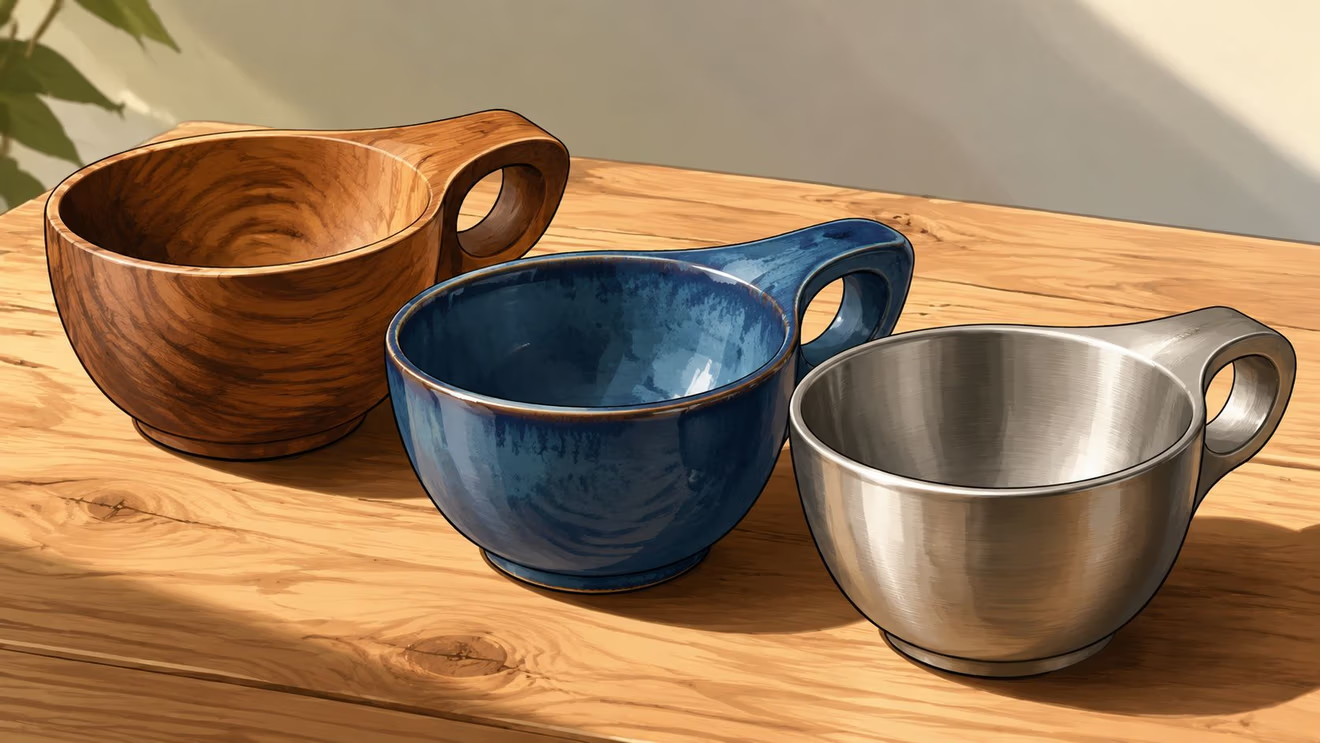
Material changes the bowl's personality and its practical limits. Solid wood brings warmth and visual depth, especially in walnut, cherry, or maple. A wood bowl can sit comfortably beside Amish-made furniture because its grain connects naturally with the room's larger furniture story. Readers considering wood accents can also review this guide to the best wood finish for a dining table before matching finishes.
Ceramic and porcelain offer a clean, familiar look for dining use. A lead-free glaze and a smooth surface matter more than a decorative hand motif when food will touch the bowl. Resin works well for sculptural display pieces, provided the item is intended for that purpose and the manufacturer's care instructions are followed. Stainless steel and aluminum can suit weighted or utilitarian designs where resistance to tipping matters.
Build details that deserve a close look
Finish is only one part of quality. Buyers should run a hand along the rim, examine the base, and gently test any handle or carved support. The strongest clues are often tactile.
- Smooth edges: An assisted-grip bowl should have a comfortable rim without sharp transitions.
- Balanced weight: A one-handed bowl should feel stable during lifting, not top-heavy or awkward.
- Secure base: A non-slip pad or stabilizing underside can reduce the force needed to keep the bowl in place. Guidance on non-slip mixing bowls connects anchored cookware with less compensatory strain for people with arthritis, hand pain, or reduced dexterity.
- Consistent construction: Decorative wood pieces should show an even surface, clean shaping, and a finish suited to their intended placement.
A delicate porcelain assistive bowl may be better stored carefully between uses, while a walnut hand-shaped bowl can become a grounding accent on a BILTRITE living room shelf. Material should follow the room and the task, not just the color trend.
Who Actually Benefits From a Hand-Friendly Bowl Design
A hand-friendly bowl earns its place when it removes a specific obstacle. Someone with arthritis may have trouble maintaining a tight grip around a smooth round vessel. Someone recovering from a stroke may need to eat with one hand. A person with reduced dexterity may spill less when the bowl stays still while the spoon moves.
The improvement isn't about making mealtime look medical. It's about helping the person complete a familiar task with less assistance. A contoured base, widened grip zone, or raised edge can let a diner focus on the food instead of constantly correcting the bowl.
People who may notice the greatest difference
Seniors often value dishware that supports independence without making the table feel clinical. Adults with arthritis, Parkinson's, or limited grip strength may appreciate a design that reduces the need to pinch or hold tightly. Children learning to self-feed can benefit from a stable bowl with an edge that helps guide food onto a spoon.
Caregivers may also find a practical advantage. A bowl that stays put can make oatmeal, soup, or a sandwich meal easier to manage on a lap tray or couch. The design may reduce spills, but the larger benefit is dignity. The diner gets more opportunity to handle the meal personally.
Practical rule: If the user has to grip the bowl harder than the utensil, the bowl probably isn't doing enough of the stabilizing work.
One-handed handling becomes more secure when a bowl has a lower indentation or widened grip area, because the fingers gain more purchase and contact area. This overview of ergonomic eating bowls describes that approach as especially useful in relaxed seating positions where a tabletop can't provide a boundary.

A non-slip mat can add another layer of stability, particularly for a lap meal. At BILTRITE, showroom visitors can compare small-scale and supportive furniture with accessories by physically testing how a bowl feels in a seated position. That hands-on check is more useful than judging a product from a photograph alone.
Styling a Bowl With Hands in Your Living Spaces
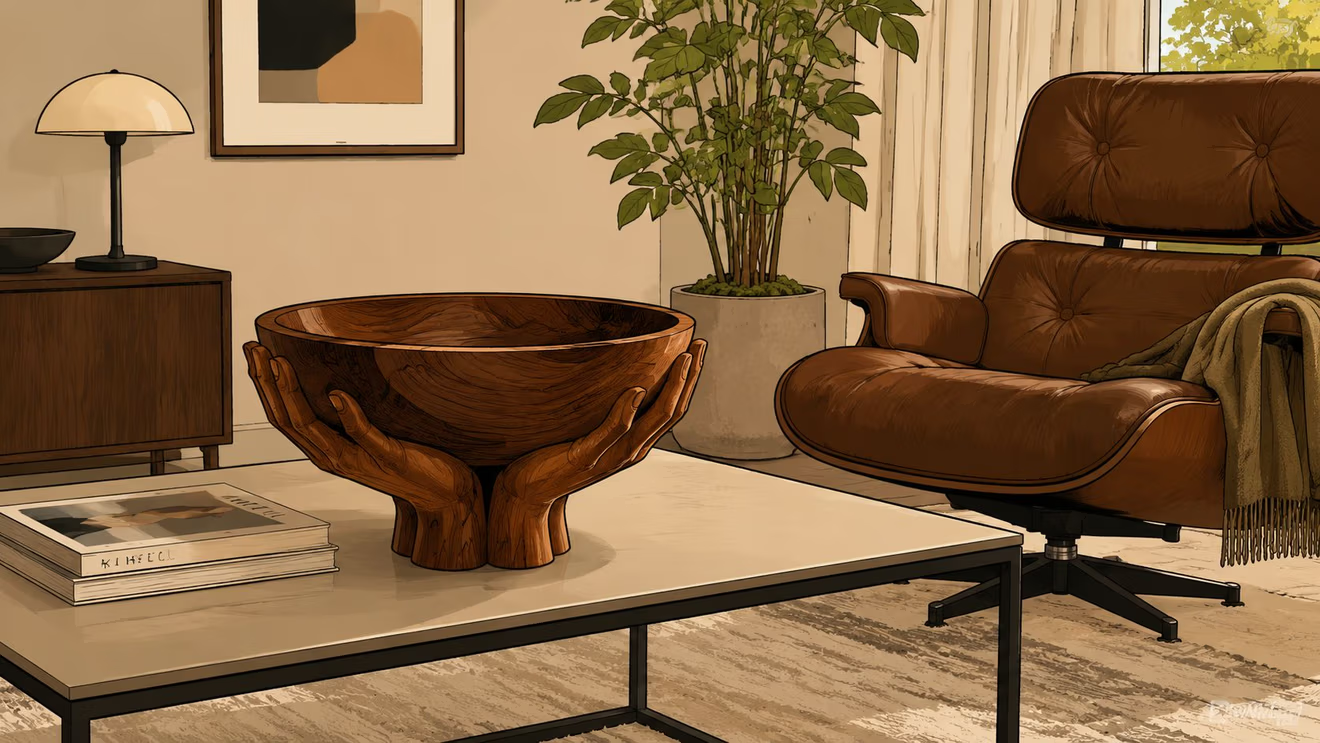
A walnut hand-shaped bowl can anchor a coffee table without taking over the room. On a BILTRITE table beside a leather recliner, it might hold remotes or reading glasses while echoing the warmth of nearby wood. The open-hand silhouette adds personality, while the dark grain keeps the arrangement connected to the furniture.
A dining shelf offers a different opportunity. A pair of ceramic hand bowls can sit near taper candles, a small framed print, or a simple serving piece. The arrangement feels intentional when the bowl's glaze repeats a color already present in the room, such as blue from an area rug or cream from upholstered dining chairs.
Three placements that work naturally
- Entryway: A small carved bowl gives keys and sunglasses a defined landing place without crowding a narrow console.
- Living room: One larger vessel can serve as the visual center of a coffee-table arrangement, especially beside a recliner or sofa.
- Dining area: Medium ceramic bowls can frame candles, folded napkins, or seasonal objects on a hutch shelf.
Scale matters. A single large vessel often looks calmer than several competing pieces. Two medium bowls can create balance, while three small bowls work best when they share a material or finish. Seasonal filling keeps the display fresh, with pinecones in colder months and citrus when the room needs brighter color.
A styled bowl still needs to respect its job. If a family member relies on it for assisted eating, the bowl shouldn't be buried beneath decorative objects or placed where reaching it requires stretching. The coffee-table styling guide can help with arrangement, but accessibility should decide the final position.
Buying From a Local Showroom Versus DIY Alternatives
DIY projects can be appealing because they let a shopper choose the color and shape. A craft-store blank bowl may become a hand motif with paint, carving, or added fabric. An online generic piece may also look attractive in a product photo.
The challenge appears when appearance is only part of the requirement. A bowl used for food needs a finish appropriate for food contact. A bowl intended for one-handed use needs a handle that feels secure, a base that resists sliding, and a weight that doesn't make lifting uncomfortable. Those details are difficult to judge from a listing and easy to test in person.
| Factor | BILTRITE Showroom | DIY / Online Alternative |
|---|---|---|
| Material inspection | Shoppers can handle the piece and examine grain, glaze, rim, and base | Buyers often rely on photographs and written descriptions |
| Fit for use | Staff can discuss decorative placement or one-handed handling | The buyer must interpret specifications alone |
| Finish questions | The shopper can ask how the surface is intended to be used and maintained | Finish information may be limited or unclear |
| Craftsmanship | Solid wood and Amish-made construction may be evaluated alongside other furniture | Quality can vary by maker, material, and production method |
| Local support | In-person guidance keeps the decision connected to the home and user | Returns, repairs, or adjustments may require shipping or outside coordination |
Amish furniture is commonly associated with solid hardwoods such as oak, maple, cherry, walnut, and hickory, along with traditional joinery including mortise-and-tenon and dovetail construction. An overview of Amish solid-wood construction explains why frames, doors, drawer fronts, and tabletops made from solid wood are treated as structural features rather than surface decoration.
For BILTRITE shoppers, local showroom value also includes seeing how a bowl relates to a table, shelf, or chair before taking it home. The store's USA-made and Amish-made furniture selection reflects a construction approach centered on real materials and long service, while local buying keeps questions, fit checks, and furniture planning close to the Milwaukee community.
Simple Care Tips That Keep Bowls Looking Their Best
Care takes less time when it becomes a small household habit. The right routine depends on whether the bowl is solid wood, glazed ceramic, or metal, and whether it serves food or decoration.
A solid-wood hand bowl usually needs gentle dusting and a soft, damp cloth rather than soaking. Dry it promptly, keep it away from prolonged direct sunlight, and follow the maker's recommendation for food-safe oil. Applying food-safe mineral oil every few months can help maintain a suitable surface on an unfinished or oil-finished food bowl, but the specific finish should always guide the routine.

A short routine for each material
- Solid wood: Wipe dust with a microfiber cloth, wash by hand with mild soap when needed, and dry immediately. Avoid standing water, harsh cleaners, and sudden changes in heat or moisture.
- Glazed ceramic: Hand-wash assistive bowls when handles, suction features, or attached grips may be vulnerable. Inspect the glaze after washing, and don't use a piece for food if it develops a crack.
- Brushed or powder-coated metal: Remove crumbs with a soft brush or cloth, then wash with mild soap and dry to prevent residue. Abrasive pads can dull brushed surfaces and mark coatings.
A decorative bowl should also stay clear of direct sunlight if its finish or color could fade. Food-contact pieces require extra caution around hairline cracks, loose handles, flaking coatings, or warping. Those signs mean the bowl should be repaired if appropriate or retired from food use.
For related wood-care habits around the home, BILTRITE offers this guide to cleaning wood furniture. The same basic principle applies to a hand-shaped bowl: gentle cleaning and prompt drying protect the surface better than aggressive scrubbing.
Quality furniture and accessories reward steady care. Solid wood and thoughtfully finished pieces can remain useful and attractive for a long time when households treat the material according to its design.
Milwaukee Shopping Tips and a Friendly Next Step
Milwaukee-area shoppers can make a showroom visit more productive by bringing a little information from home. A phone photo of the room, shelf measurements, and a clear description of the intended use can quickly narrow the options.
A caregiver should also note whether the bowl is for a dining table, a lap tray, or a couch. A decorator should bring the dimensions of the coffee table or console. Someone matching an existing dining set may want to identify whether the furniture uses oak, cherry, maple, or a quarter-sawn finish.
A practical showroom checklist
- Bring measurements: Record the available shelf, table, or tray space, including clearance around the bowl.
- Describe the user: Explain whether the person needs one-handed support, a wider grip, a raised rim, or a decorative accent.
- Ask about materials: Confirm the wood species, ceramic surface, metal finish, and intended cleaning method.
- Test the weight: Hold the bowl with one hand and see whether the balance feels natural.
- Inspect the base: Look for a stabilizing pad or another feature that limits sliding.
- Compare the finish: Place the bowl near furniture in oak, cherry, or quarter-sawn tones to judge the relationship in person.
A local showroom offers something a screen can't. Shoppers can inspect joinery, feel a rim, compare weight, and see whether a hand-shaped bowl belongs with the furniture already in the home. BILTRITE is a fourth-generation, family-owned business serving the Metro Milwaukee community since 1928, with sales associates who have over 400 years of combined experience. This guide to family-owned furniture stores near Milwaukee reflects the local, relationship-based approach that makes those conversations useful.
BILTRITE Furniture-Leather-Mattresses is located at 5430 West Layton Avenue in Greenfield, Wisconsin. The showroom is closed on Sundays and Mondays for family time, so shoppers should check current hours or call ahead before visiting. Parking, room photos, and a quick phone conversation can make it easier for staff to pull furniture and accessories that coordinate.
A bowl should feel right in the hand and look right in the room.
BILTRITE Furniture-Leather-Mattresses offers affordable, better-quality furniture, USA-made and Amish-made solid wood pieces, supportive senior-living options, and a mattress department with over 60 models. Visit BILTRITE Furniture-Leather-Mattresses in Greenfield to hold a few bowls, test their balance, and talk with the family showroom team about a comfortable choice for home or everyday dining.