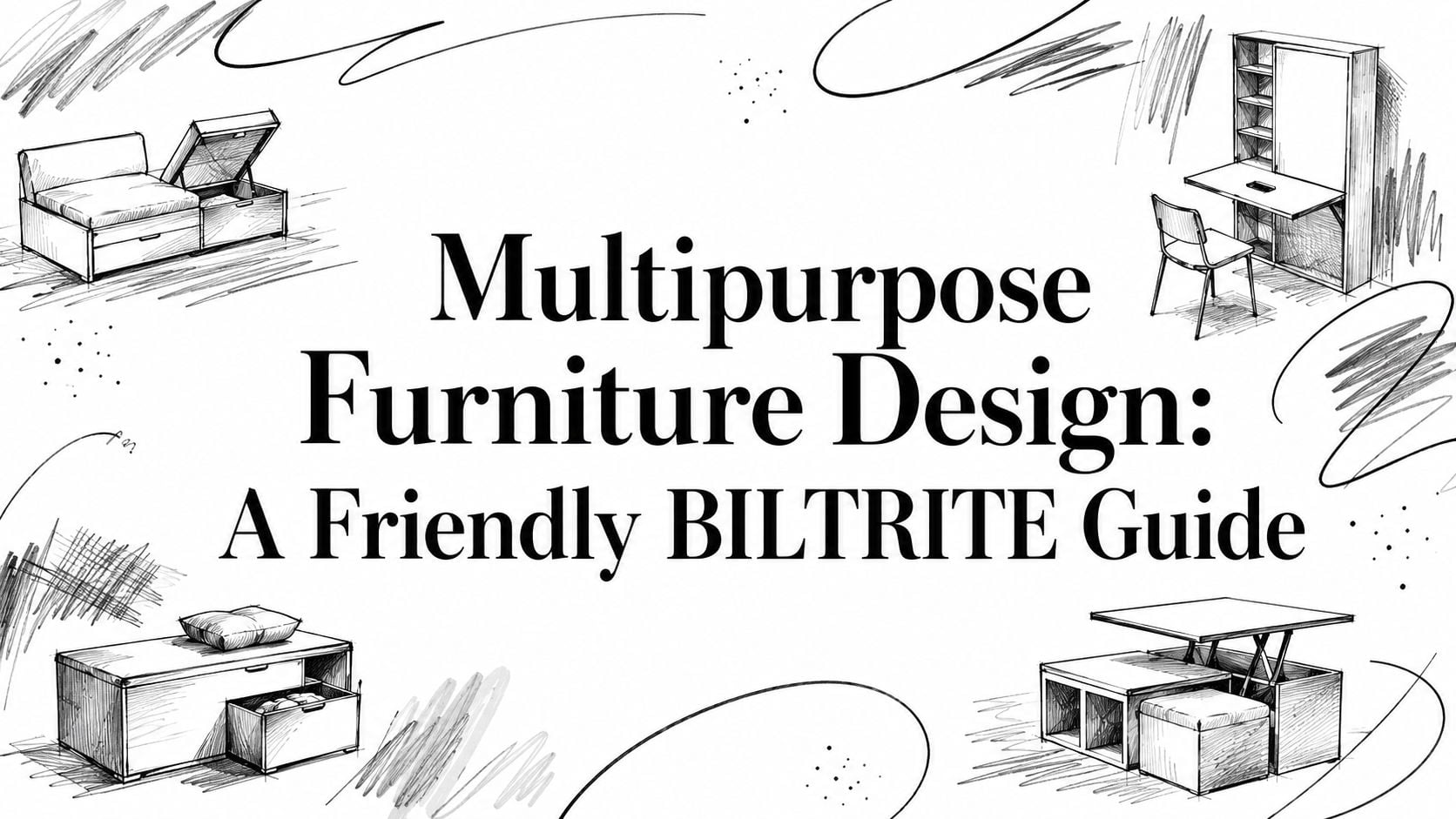
Multipurpose Furniture Design: A Friendly BILTRITE Guide

A lot of homes are being asked to do more than they used to. A dining room becomes a homework station. A guest room pulls double duty as a home office. The living room hosts movie night on Friday and out-of-town family on Saturday. That's why so many Milwaukee-area homeowners are looking harder at multipurpose furniture design.
For families in older houses, smaller condos, first apartments, and busy family homes, this kind of furniture isn't just about squeezing more into less space. It's about making daily life smoother. One well-planned piece can reduce clutter, give a room breathing room, and help a household shift gears without dragging furniture all over the place.
That practical mindset fits BILTRITE well. Since 1928, this 4th-generation, family-owned business has helped Metro Milwaukee shoppers find better-quality furniture that works for real life. The store's roots are local, the approach is hands-on, and the focus stays on durability, comfort, and honest value. For readers exploring room layouts or compact living ideas, BILTRITE also shares small space furniture solutions that show how smart planning can make a home feel easier to live in.
Table of Contents
- Welcome to a Smarter Way of Living
- What Is Multipurpose Furniture Anyway
- Hallmarks of High-Quality Multipurpose Design
- Smart Ideas for Every Room in Your Home
- How to Choose Furniture That Truly Lasts
- Ready to Find Your New Favorite Piece
Welcome to a Smarter Way of Living
Multipurpose furniture sounds fancy, but the idea is simple. One piece handles more than one job. A storage bed holds blankets and clothing. A sleeper sofa gives a room a place to sit by day and a place to sleep by night. An expandable table stays compact most of the week, then opens up when company comes over.
That's why many families describe it as the home version of a Swiss Army knife. It's not trying to be flashy. It's trying to be useful.
In everyday life, that usefulness matters most when a room has to keep changing. A spare bedroom may need desk space on weekdays and guest space on weekends. A family room may need hidden storage for games, blankets, and chargers. A condo may need every piece to earn its keep.
Why this approach feels so relevant now
Good multipurpose furniture design helps a home adapt without feeling crowded. It gives people options. Instead of adding more pieces, the room works harder with fewer pieces.
That can make a home feel calmer, too. When storage is built in and layouts are easier to adjust, there's less visual noise. People can move around the room more easily, clean faster, and use the space in more than one way.
Practical rule: The smartest furniture doesn't just save space. It reduces friction in everyday routines.
For a family-owned Milwaukee furniture business, that practical side has always mattered. BILTRITE has served local homes since 1928, and that long history shapes how the store looks at furniture. A piece should help a household live better, hold up to regular use, and still look good years later.
Smart living is not the same as cramped living
Some readers hear “space-saving” and picture tiny, awkward furniture. That's usually where the confusion starts. Multipurpose design doesn't mean every room has to feel small. It means the room is planned with purpose.
A larger home can benefit just as much as an apartment. A basement rec room can include sleep space for guests. A den can include concealed storage. A primary bedroom can hold more without adding clutter. Smart living is less about square footage and more about making each square foot work.
What Is Multipurpose Furniture Anyway
Multipurpose furniture design means one piece is built to do more than one job well. In real homes, that could mean a sofa that also sleeps guests, a bed that stores winter blankets, or a table that shifts from everyday breakfast to holiday dinner.

The idea sounds straightforward. The hard part is execution. A well-made piece should feel comfortable and dependable in its first job and just as practical in its second.
That distinction matters a lot in Milwaukee homes. Long winters, muddy spring entryways, lake-effect dampness, and busy family routines can expose weak construction in a hurry. From our family's perspective at BILTRITE, a multipurpose piece only earns its place if it saves space and keeps working year after year. That is what turns it from a clever idea into a smart investment.
Analysts tracking the furniture market have found growing demand for multifunctional pieces, and that lines up with what many households already know from experience. People want furniture that adapts to real life without asking them to replace it too soon.
Readers who want to see one of the clearest examples can visit this guide explaining what a Murphy bed is.
One piece, several jobs
A few familiar examples make the category easy to spot:
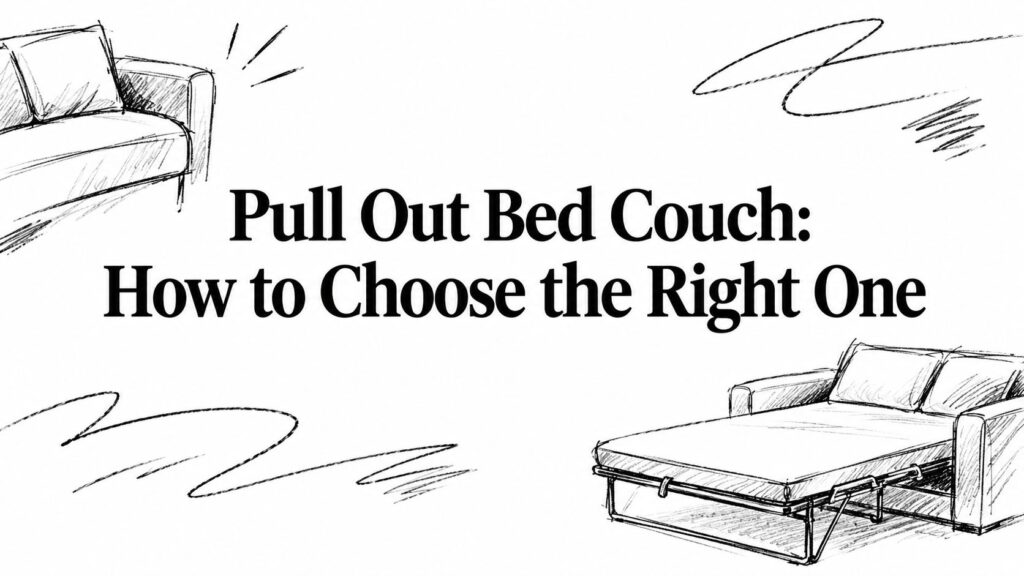
- Sleeper sofas give a living room a real guest-sleeping function.
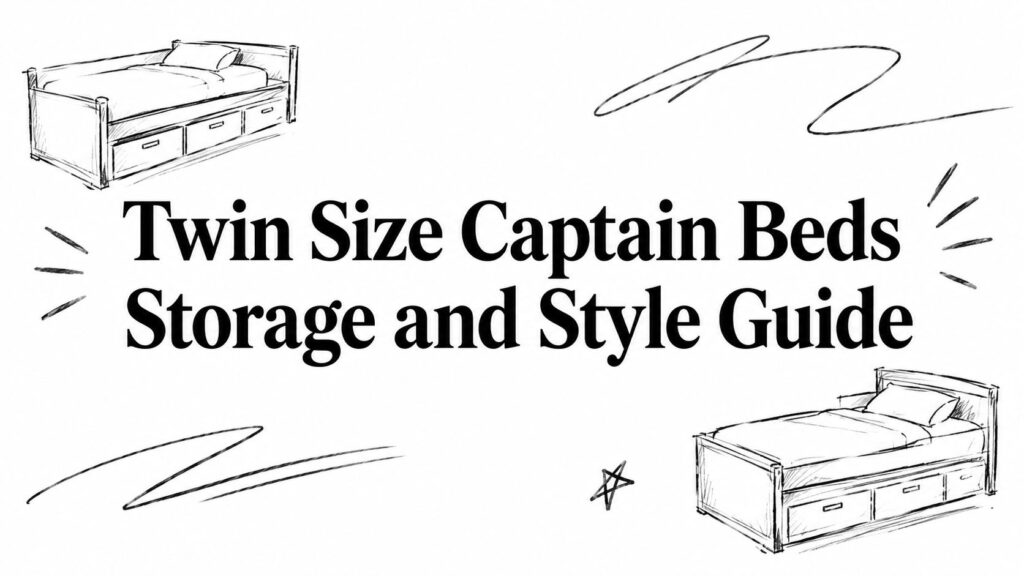
- Storage beds use the large footprint of a bed for drawers or lift-up storage.
- Lift-top coffee tables help with casual meals, laptop use, or homework.
- Expandable dining tables stay compact most days and open up for company.
- Modular seating can be rearranged as a household changes.
A simple way to judge these pieces is to ask one question. Does each function feel natural in daily use?
That is the part shoppers sometimes miss. A piece can look clever on a showroom floor and still become irritating at home if it is too heavy to move, awkward to open, or flimsy at the hinges and joints. Multipurpose design works like a good pocketknife. The value is not in having extra features alone. The value is in each feature working reliably when you need it.
The core ideas behind the design
The design principles behind multifunctional furniture are more than just buzzwords. They describe how a piece behaves in a real room, with real people using it over and over.
| Design principle | What it means at home |
|---|---|
| Space optimization | The piece uses its footprint efficiently |
| Modularity | Parts can adapt, move, or grow with changing needs |
| Flexibility | The room can support different activities without major rearranging |
| Accessibility | The piece stays comfortable and easy to use |
Here is where those ideas become practical. Space optimization means the piece does more work without crowding the room. Modularity means sections or components can change with the household. Flexibility means the furniture supports everyday shifts, like work, sleep, storage, or hosting. Accessibility means the second function is not a hassle.
For Milwaukee-area shoppers, accessibility and durability often go hand in hand. If a storage bed drawer sticks during a humid summer or a sleeper mechanism starts fighting back after regular use, the design has failed its basic job. Furniture should make life easier, not add one more chore.
The best multipurpose pieces do not feel mechanical or fussy. They feel obvious, almost like they were built for the routines of the people using them. That is usually the sign of thoughtful design and quality construction working together.
Hallmarks of High-Quality Multipurpose Design
On a February night in Milwaukee, the difference between a smart purchase and a frustrating one gets clear fast. A guest is on the way, the sleeper sofa needs to open, and nobody wants to fight a stubborn mechanism or hear a frame creak across the room.
That is the true test.
High-quality multipurpose furniture earns its keep through repeated use, not just a clever showroom moment. In my family's furniture business, we have always believed a piece should do its extra job without giving up the first one. A sleeper sofa still needs to be a comfortable sofa. A storage bed still needs to feel like a solid bed. An extendable table still needs to sit firm and level on an ordinary Tuesday, not only on holidays.
For shoppers who want a closer look at what separates lasting construction from short-term convenience, our guide on how to buy quality furniture is a helpful companion.
What quality looks like in real rooms
The easiest way to spot good design is to watch for strain. Where does the weight go? What moves? What gets touched every day?
A well-made multipurpose piece spreads that stress the way a good foundation supports a house. The load is planned for. Hinges are mounted where they can handle repetition. Drawers track square. Table leaves line up cleanly. Cushions return to shape instead of collapsing into permanent dents.
In a living room, that means a sleeper sofa should feel supportive during movie night and open without a tug-of-war at bedtime. In a bedroom, storage drawers should glide even after a humid summer. In a dining room, an extension table should stay steady when the leaves are in and when they are out. If the second function feels awkward, heavy, or shaky, the design was never finished properly.
Why craftsmanship matters more than extra features
This particular aspect often confuses many shoppers. More functions can sound like more value, but every added motion point asks more from the frame, hardware, and materials.
A multipurpose piece works like a pocketknife. The useful one is not the model with the most attachments. It is the one that opens easily, locks firmly, and keeps working year after year. Furniture follows that same rule.
That is why craftsmanship matters so much in this category. The best pieces are built with the wear points in mind first. Corners are reinforced. Hardware is installed securely. Upholstery is fitted tightly enough to hold its shape. Wood components are chosen for the job they need to do, especially in places carrying weight or resisting movement.
Some signs of stronger construction are easy to notice in person:
- Frames that stay square when the piece changes position
- Mechanisms that move smoothly without jerking, scraping, or forcing
- Drawers and panels that align cleanly instead of rubbing or drifting
- Materials matched to stress points so high-use areas do not wear out first
- Accessible hardware and service points that make future adjustment much simpler
A multipurpose piece earns trust when daily use feels natural and the added function feels dependable.
That long-term dependability matters a lot in Milwaukee homes. Seasonal humidity, winter dryness, boots by the entry, kids home from school, and guests during the holidays all put furniture through real use. Good craftsmanship protects your investment from those everyday cycles. That is one reason many local shoppers choose USA-made and Amish-made pieces for storage beds, dining furniture, and solid-wood bedroom collections. The goal is not just saving space. It is buying furniture that keeps solving problems without becoming one.
Smart Ideas for Every Room in Your Home
The easiest way to judge multipurpose furniture design is to walk through a home room by room. Some needs are obvious. Others only show up after a family lives in the space for a while.

Shoppers looking for examples can browse ideas for small space convertible furniture to see how different categories solve different problems.
Living rooms that shift with the day
The living room often carries the heaviest workload in the house. It hosts relaxing, reading, streaming, snacking, homework, and overnight company.
A sleeper sofa is the classic example because it solves a real problem without needing a dedicated guest room. A lift-top coffee table helps in a different way. It can bring a laptop, puzzle, or casual meal up to a comfortable height, then return to standard use when the day is done.
For families with kids, hidden storage matters just as much as convertibility. Ottomans, benches, and consoles that conceal blankets, remotes, games, or chargers can calm down a room fast.
Bedrooms with built-in function
Bedrooms benefit from some of the quietest forms of multipurpose design. Storage beds are a strong example because they add function without making the room feel busy.
That matters in homes where closet space is limited. Drawers under the bed can handle off-season clothes, extra sheets, or keepsakes that would otherwise crowd a dresser or hallway closet.
A well-made bedroom bench can do double duty too. It provides a place to sit while dressing and gives extra storage for bedding or pillows. In a guest room, that one piece can make the space feel more prepared without adding bulk.
In many homes, the best space-saving move is replacing one single-purpose piece, not stuffing in three more pieces.
Dining and work areas that stay flexible
Dining rooms and eat-in kitchens often need more flexibility than people expect. A table may serve breakfast in the morning, paperwork in the afternoon, and extended family at night.
Expandable tables are useful because they stay reasonably sized most of the time. Then they stretch when the room needs to host more people. That's especially handy in Milwaukee-area homes where square footage varies so much from one neighborhood to the next.
Home office areas can benefit from furniture that hides visual clutter. Desks with organized storage, cabinets that close up, and bookcases that do more than display decor can help a work zone coexist with the rest of the home.
A few practical room matches can help narrow the search:
- Apartment or condo living calls for small-scale seating, compact dining, and beds with built-in storage.
- Busy family homes often need heavy-duty upholstery, durable tables, and storage that can handle daily traffic.
- Guest-friendly spaces do well with sleeper seating, storage benches, and flexible dining surfaces.
- Shared rooms benefit from furniture that clearly separates functions without adding crowding.
For homeowners who want help sorting through these options in person, BILTRITE Furniture-Leather-Mattresses offers in-store design guidance and a wide selection that includes small-scale, heavy-duty, USA-made, Amish-made, and solid-wood furniture.
How to Choose Furniture That Truly Lasts
Durability is the part many articles skip. They'll show the hidden drawer, the fold-down panel, or the neat before-and-after setup. They won't spend much time on what happens after years of opening, closing, sitting, lifting, and moving.
That's the true buying question. A multipurpose piece should still be pleasant to use after the novelty wears off.
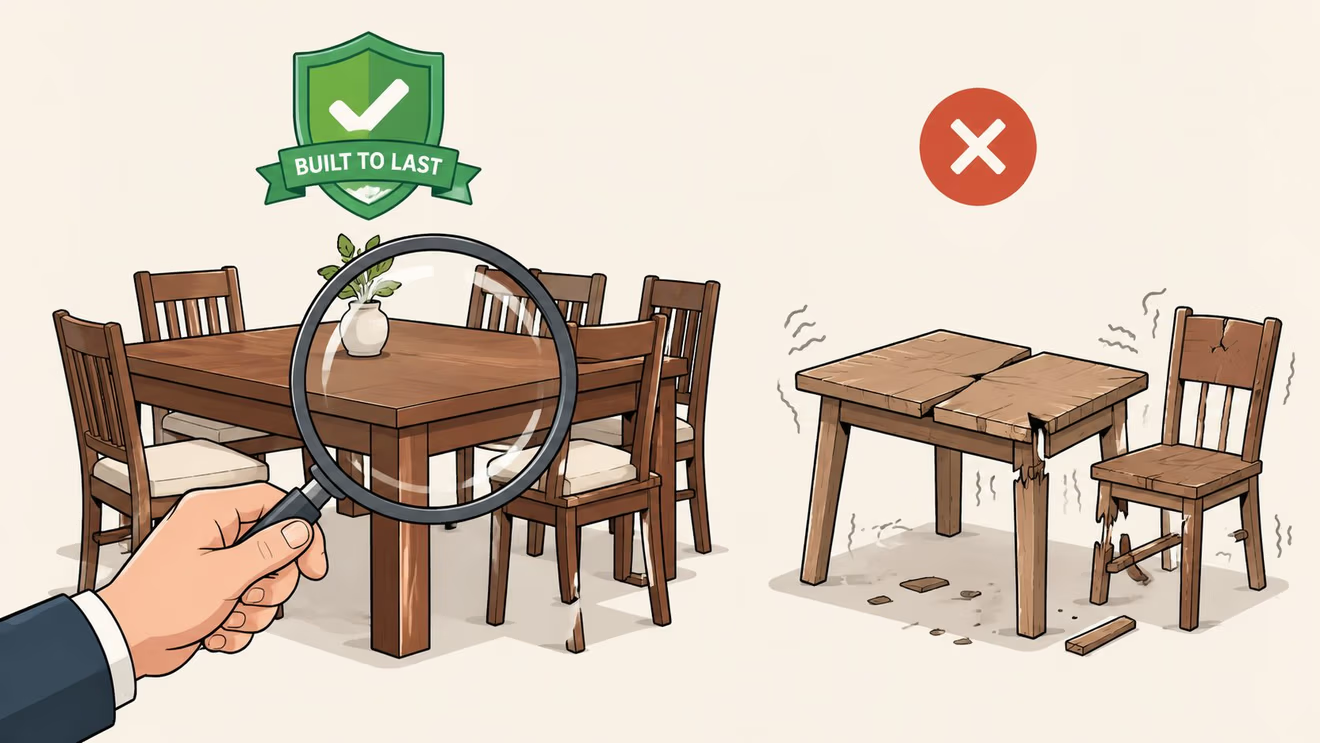
Recent expert guidance notes that the most successful multipurpose furniture usually has mechanically simple secondary functions and strong hinges or locking mechanisms, because repeated transformations create wear at stress points over time. That principle is explained in this discussion of multi-functional furniture durability and mechanism design.
For shoppers comparing materials, this overview of the benefits of solid wood furniture can help frame the conversation.
Start with the main job
A good rule is simple. Judge the furniture by its primary role first.
If it's a sofa bed, start by asking whether it's a comfortable, supportive sofa. If it's a storage bed, ask whether it feels stable and quiet as a bed. If it's an expandable table, check whether it works beautifully in its everyday size.
The secondary feature should add value. It shouldn't excuse weakness in the main function.
Check the parts that wear out first
Wear usually starts at the same places. Hinges loosen. Tracks collect dust. Locks misalign. Upholstery strains where people grab and pull.
A careful shopper can inspect those areas without needing a technical background:
- Open and close the mechanism more than once. A smooth first try doesn't tell the full story.
- Watch for frame movement when weight shifts across the piece.
- Look underneath for the quality of supports, fasteners, and reinforcement.
- Touch the fabric or leather where friction will be highest.
- Ask how serviceable the piece is if a part needs adjustment later.
Ask ownership questions before buying
Experienced salespeople can save a shopper from future headaches. The right questions often reveal more than the sales tag.
| Question | Why it matters |
|---|---|
| How often will this transform? | Daily use demands stronger mechanisms |
| Who will use it most? | Kids, guests, and older adults all use furniture differently |
| Can it be serviced or adjusted? | Repairability affects long-term value |
| Will it fit the room and delivery path? | A great piece still has to get into the house |
| Is the finish and material right for the household? | Wear patterns differ in busy homes |
The best multipurpose piece often isn't the one with the most features. It's the one people will still enjoy using years from now.
That practical lens fits especially well in homes that need furniture to work hard every day, not just look clever in a showroom.
Ready to Find Your New Favorite Piece
Milwaukee-area homes have their own quirks, and those quirks matter when shopping for flexible furniture. Some houses have tight stair turns. Some have narrow bungalow doorways. Some have bonus rooms that need to become guest rooms fast. Others need seating that stands up to family traffic, pets, or frequent visitors.
That's why local, in-person furniture shopping still has real value. A household can bring measurements, talk through room use, and compare whether a compact piece or a heavy-duty piece makes more sense. They can sit on the sofa, open the storage bed, test the table leaf, and see whether the mechanism feels easy enough for everyday life.
Milwaukee homes need practical planning
Older homes especially reward careful measuring. Hallways, entry doors, stair landings, and low basement transitions can all affect what works.
That's also where come-apart sofas and sectionals can help. A piece that enters the home more easily can open up options that might otherwise seem off limits. The same goes for shoppers outfitting senior living spaces, where accessible seating, lift chairs, and supportive furniture can make daily routines easier and more comfortable.
A short checklist can prevent expensive mistakes:
- Measure the room and leave space for walking paths
- Measure the delivery route from entry to final placement
- List the top two uses the room needs to handle
- Decide what must stay hidden such as bedding, toys, or office supplies
- Think about daily users including kids, guests, or aging family members
Why seeing it in person still matters
Furniture is physical. The seat depth matters. The drawer glide matters. The hinge resistance matters. A lot of those details don't show up clearly until someone interacts with the piece.
That's one reason BILTRITE has stayed focused on the showroom experience in Greenfield. As a 4th-generation, family-owned business serving Metro Milwaukee since 1928, the store leans into old-fashioned strengths. Real conversations. Better-quality options. USA-made, Amish-made, and solid-wood furniture built for long-term use. A team with deep experience, ready to help without pushing.
The family-first part matters too. The showroom is closed on Sundays and Mondays, and that says something about the kind of business it is. Local roots still count. Time with family still counts. Helping neighbors make sound furniture decisions still counts.
For readers sorting out a guest room, condo, den, or family room, multipurpose furniture design can be a smart investment when the piece is built well and chosen carefully. A home doesn't need more stuff. It needs furniture that fits how the household lives.
Ready to find a piece that works harder and lasts longer? BILTRITE Furniture-Leather-Mattresses welcomes Milwaukee-area shoppers to visit the Greenfield showroom, try the furniture in person, and talk with a knowledgeable team about small-scale options, solid-wood designs, sleeper sofas, storage beds, lift chairs, and more. Come on down and say hi!