BILTRITE’s Top 7 Upholstery Cleaning Tips

Spills happen. Life on a family sofa always does.
One minute it's movie night in Milwaukee with popcorn balanced on the armrest. The next, there's coffee on a cushion, a mystery smudge on the recliner, or a pet claim on the corner seat. Upholstery puts in real work every day, especially in busy homes where sectionals, sofas, and dining chairs get constant use.
BILTRITE has been part of the Metro Milwaukee community since 1928, and as a fourth-generation family business, upholstery care has never been treated like a small detail. Better-quality furniture is meant to be lived on, not stared at. That also means it deserves smart care that helps it stay comfortable, clean, and good-looking over the long haul.
The good news is that effective upholstery cleaning tips usually aren't complicated. Most of the time, the best results come from fast action, the right cleaning method for the fabric, and a little consistency. Weekly vacuuming matters. Blotting matters. Using the correct amount of moisture matters. So does knowing when to stop and call a professional.
The seven tips below keep things simple and practical. They're the kind of habits families can use on a daily-use sectional, a favorite reading chair, or a well-made USA-made sofa that's expected to stay in the home for years.
Table of Contents
- 1. Start with the Basics and the Vacuum and Brush Method
- 2. Quick Action with a Mild Soap Solution
- 3. For Tricky Stains the Dry Cleaning Solvent Method
- 4. Pet and Kid Friendly Enzyme Based Stain Removal
- 5. The Deep Clean with Steam Cleaning
- 6. The Natural Deodorizer with Baking Soda and Vinegar
- 7. The Ultimate Care Plan with Pro Cleaning Rotation and Protection
- Upholstery Cleaning: 7-Point Comparison
- Ready to Find Your Next Family Favorite?
1. Start with the Basics and the Vacuum and Brush Method
Saturday morning is usually when families notice it. A few cracker crumbs in the corner cushion. A little dust on the arm. Maybe the sofa still looks clean from across the room, but the fabric is already holding onto the kind of dry soil that slowly wears it down.
In our family furniture business, this is the first lesson we pass along because it saves people from bigger cleaning problems later. Dry debris acts a lot like fine sandpaper. Every time someone drops into a favorite seat, that grit rubs against the fibers and settles deeper into the upholstery.
Why dry soil comes first
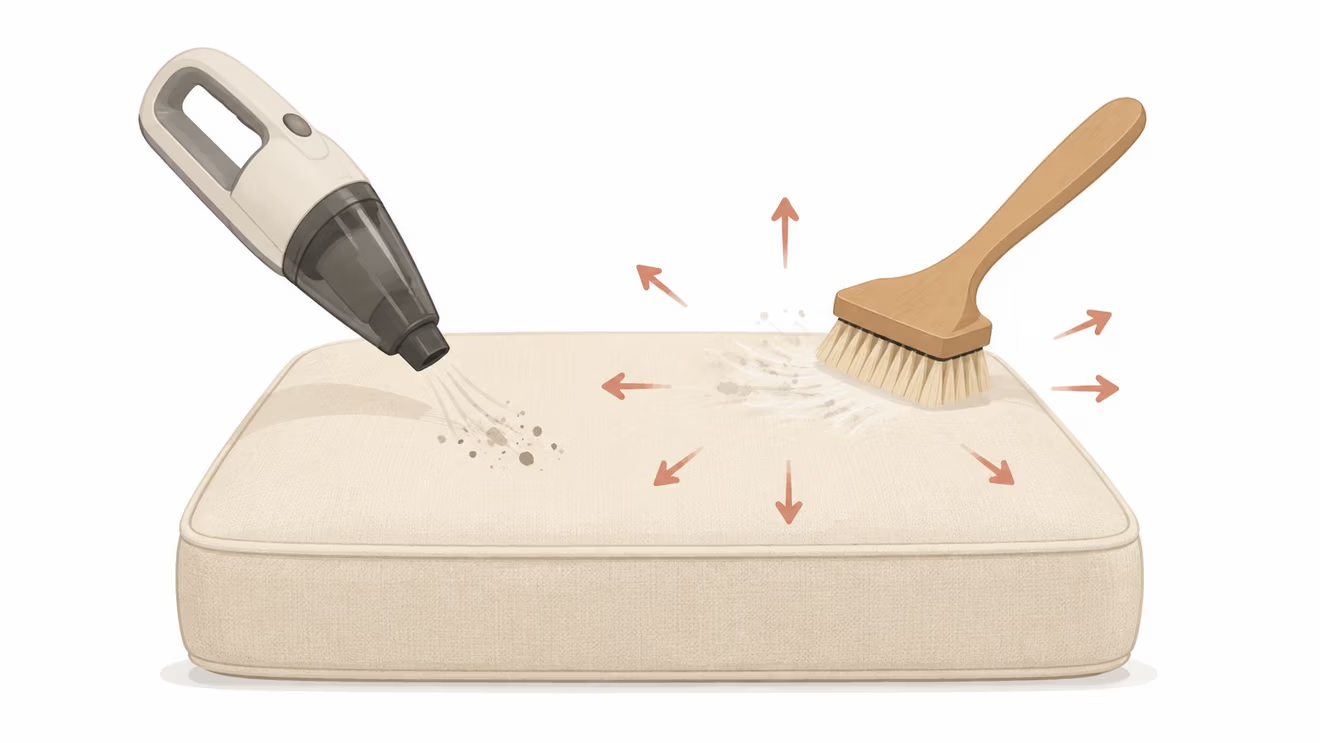
Before reaching for any cleaner, start with removal. A vacuum with an upholstery attachment lifts crumbs, dust, lint, and the dry particles that collect in seams, welting, and under cushions. That matters most on better-quality upholstered pieces, where preserving the fabric surface helps preserve the look and value of the whole piece.
Textured weaves, chenille, and velvet-like fabrics need extra care. Those fabrics can trap grit close to the surface, and everyday use can leave them looking worn before their time if that debris stays put.
A soft brush helps finish the job. On fabrics with a nap, gentle brushing in the direction of the fabric works like smoothing the grain on wood. It restores the surface, freshens the look, and loosens dust the vacuum may have missed.
Practical rule: Vacuum the arms, headrests, seat cushions, seams, and under the cushions before the furniture looks dirty. Visible dirt is usually the last stage, not the first.
A few small habits make this method work better in real homes:
- Vacuum in more than one direction: Front to back, then side to side, helps lift fibers and catch debris hiding below the surface.
- Lower the suction on delicate fabrics: Velvet, chenille, and loose weaves respond better to a gentler pass.
- Use the brush lightly: Short, soft strokes are enough. Scrubbing can flatten or fuzz the fabric.
- Don't skip hidden areas: Creases, tufting, cushion edges, and the deck under loose cushions collect more soil than most families expect.
- Match the care to the upholstery: Fabric behaves differently from fabric, which is why it helps to understand common upholstery materials and how they behave before cleaning.
If you prefer lower-moisture upkeep between bigger cleanings, this basic routine pairs well with a few natural ways to clean a fabric sofa at home.
For Milwaukee families who invest in well-made, American-made furniture, this step is simple insurance. A few minutes with the vacuum and brush each week can help a favorite sofa age with character instead of wear.
2. Quick Action with a Mild Soap Solution
Saturday movie night. Someone reaches for the popcorn, someone else bumps the drink, and now there is a fresh splash on the sofa cushion you still want looking good five years from now.
That moment matters more than the spill itself.
In our family furniture business, we have seen the same pattern for generations. Fresh spills usually come out more cleanly than old ones, but only when the cleanup stays controlled. A mild soap solution can help on water-safe upholstery, yet the key skill is using very little moisture and a soft touch. Good fabric is a lot like a well-finished wood table. Gentle care preserves it. Overworking it leaves a mark.
How to treat a fresh spill without spreading it
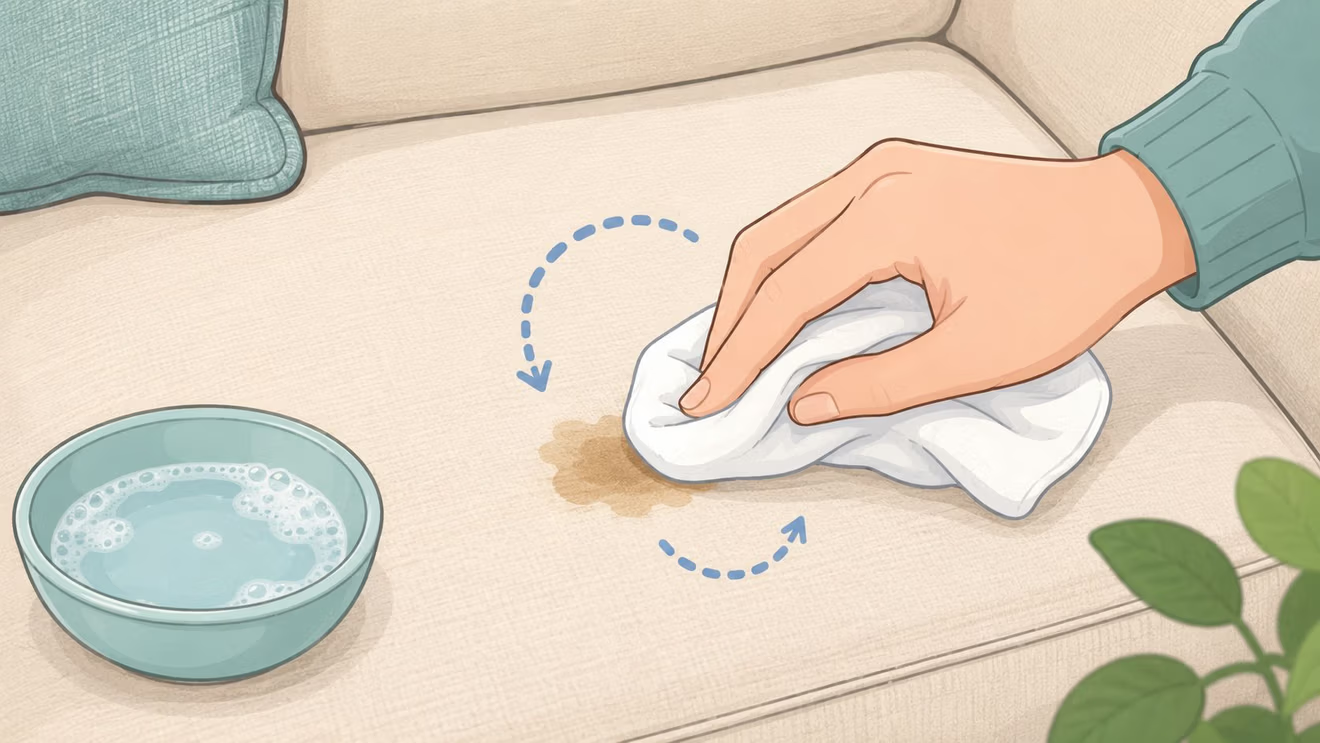
Start with a clean white cloth so you can see whether color is lifting from the fabric. Blot the spill from the outside edge toward the center. That small detail keeps the stain from traveling outward into clean fibers.
If the upholstery tag allows a water-based method, use a cloth that is damp with a small amount of mild soap and water. Damp is the goal. Wet cloths often push moisture past the fabric and into the cushion, which can leave a ring or slow the drying time.
A simple order helps:
- Blot the fresh spill with a dry white cloth.
- Dab with a lightly soapy damp cloth if needed.
- Wipe once more with a second cloth lightly dampened with plain water.
- Press with a dry towel to pull out leftover moisture.
Scrubbing is where families get into trouble. It roughs up the surface, spreads the stain, and can grind the spill deeper into the weave. Blotting works more like lifting than grinding. That is the safer move on better-quality upholstery.
A water ring usually means one spot got wetter than the surrounding fabric and dried unevenly.
Airflow helps prevent that. Turn on a fan, open the room up, and let the area dry naturally. One cushion should not stay damp while the rest of the seat dries quickly.
Here is a practical example. If pasta sauce lands on a seat cushion, lift the extra sauce first with a spoon or cloth, then blot, then use a mild soap solution only if the fabric can handle it. If your home has leather seating mixed in with fabric pieces, this guide on how to remove stains from leather furniture helps you avoid using the wrong method on the wrong surface. Families who prefer a gentler at-home option can also look through natural fabric sofa cleaning ideas.
For Milwaukee families who buy well-made, American-made furniture, this step protects more than appearance. It helps the piece keep its texture, color, and everyday comfort. Quick action, light moisture, and patience usually do more good than a cabinet full of cleaners.
3. For Tricky Stains the Dry Cleaning Solvent Method
Some stains don't respond well to water. Grease from buttery popcorn, oily fingerprints on an armrest, or an ink mark on a pale chair can smear or set if the wrong cleaner gets involved. That's where solvent-based cleaning enters the conversation.
Upholstery isn't one-size-fits-all, making proper care code identification essential. Fabrics are commonly classified by care codes such as W, S, SW, and X, and the wrong method can permanently damage the material (care code upholstery cleaning basics). When a piece is marked S, or when the tag is missing and water seems risky, a solvent-safe approach is often the safer move.
When solvent is the safer choice
A solvent cleaner should go onto a clean white cloth, not directly onto the upholstery. That gives better control and lowers the chance of overapplying product in one spot. Dabbing works better than scrubbing, especially on finer upholstery and tightly woven fabrics.
The missing-tag problem is common with older furniture, secondhand finds, and inherited pieces. In those cases, a cautious decision tree helps:
- Start with a hidden test area: Try the smallest possible amount and watch for color change, texture change, or dye transfer.
- Look at the fabric behavior: If the cloth picks up dye or the surface darkens unevenly, stop.
- Choose dry methods first when unsure: Vacuuming and light brushing are safer than guessing with liquid.
- Call a professional for treasured pieces: That's often the wisest move for heirloom-quality chairs, detailed upholstery, or anything with sentimental value.
A Milwaukee family with an Amish-made accent chair doesn't want to learn the hard way that a random internet trick can leave a watermark or faded patch. For leather, the rules are different again, which is why leather stain removal needs its own method.
Test first. A hidden seam is a much cheaper place to make a mistake than the center of the seat cushion.
Solvent cleaning can solve the right problem. It just has to be matched to the right fabric.
4. Pet and Kid Friendly Enzyme Based Stain Removal
Kids spill things that stick. Pets create stains that linger. And some messes don't just leave color behind. They leave odor behind too.
That's where enzyme-based cleaners can be useful. These products are designed for organic messes such as food, milk, or pet accidents. Instead of only masking a smell, they work on the residue causing it. On family furniture, that can make a big difference after a rough afternoon or a long night with a sick pet.
Use the product long enough to do its job
Enzyme cleaners usually need contact time. If they're sprayed on and wiped off immediately, they often can't work the way they're supposed to. The label directions matter here, especially on fabric seating that gets daily use.
A smart approach looks like this:
- Blot first: Remove as much of the fresh mess as possible before applying anything.
- Use the smallest effective amount: The area should be treated, not drenched.
- Let the cleaner sit as directed: This gives it time to break down the residue.
- Blot again and dry thoroughly: Good airflow helps prevent lingering dampness.
Families with pets should also remember that even a successful stain removal can leave patchiness if moisture spreads beyond the cleaned spot. Cleaning in sections and drying evenly helps reduce that problem.
For homes shopping with durability in mind, kid-friendly and pet-friendly furniture features can make cleanup easier from the start. Tight weaves, forgiving textures, and practical cushion designs all help.
One more note matters here. If the upholstery starts smelling sour after cleaning, or if the stain returns at the edges, too much moisture may still be buried in the cushion. That's the point to stop repeating the same DIY step and bring in help.
5. The Deep Clean with Steam Cleaning
The family sofa after a long Milwaukee winter often tells the story. The cushions look a little dull, the arms have picked up body oil, and regular vacuuming no longer brings the fabric back to life. That is usually the point where families start wondering whether steam cleaning will help or make things worse.
Steam cleaning, or hot-water extraction, can be a good deeper-clean option for some upholstered furniture. On the right fabric, it helps pull out embedded soil that surface cleaning leaves behind. In our family business, we usually frame it this way for customers: spot cleaning handles the accident, but deep cleaning addresses the buildup from daily living.
The tricky part is timing. Some homes need deeper cleaning more often than others. A formal chair in a quiet room may go a long time between cleanings, while a sectional in the family room with kids, pets, and movie-night traffic may need attention much sooner. The care label, the fabric type, and the amount of use should guide the decision more than a fixed calendar.
Why moisture control matters most
Steam cleaning works a bit like washing a winter coat. Enough moisture can lift out dirt. Too much moisture gets trapped in the padding, takes too long to dry, and can leave the piece smelling worse than before. On upholstery, over-wetting can also lead to wicking, where hidden residue travels back to the surface as the fabric dries.
That is why the method matters as much as the machine. A careful deep clean leaves the fabric refreshed and evenly dried. A rushed one can leave water in the cushion core, strain seams, and create that blotchy, patchy look families notice the next day.
Before any steam cleaning starts, keep these three steps in order:
- Vacuum thoroughly first: Dry soil turns into grime once water hits it.
- Test a hidden area: Color and texture can change, especially on textured weaves or blended fabrics.
- Plan for fast drying: Use fans, open space around the piece, and light cushion separation if the design allows it.
For better-quality American-made furniture, this step deserves extra care. A well-built sofa has more to protect, from the fabric and cushion wrap to the stitching and its precise form. If the upholstery is delicate, made with natural fibers, or missing a clear cleaning code, professional upholstery cleaning is often the safer choice.
One simple rule helps avoid a lot of trouble. The fabric should feel clean and lightly damp after deep cleaning, not wet clear through. That standard protects comfort, appearance, and the long-term value of the furniture your family plans to keep.
6. The Natural Deodorizer with Baking Soda and Vinegar
You sit down on the sofa and nothing looks wrong, but the fabric has that closed-up, lived-in smell. Milwaukee winters can do that to a family room. Homes stay shut up, pets claim their favorite cushion, kids burrow into the same corner, and good furniture starts holding onto everyday odors.
In our family business, we have seen plenty of well-made American sofas that did not need a full wet cleaning. They just needed a careful refresh. That distinction matters. Odor and soil are not always the same problem, and using too much liquid for a smell issue can create a fabric issue.
Baking soda works like a dry odor sponge. It helps absorb lingering smells without asking the upholstery to drink in moisture it may not handle well. For many families, that makes it the safest first step.
A careful way to freshen fabric
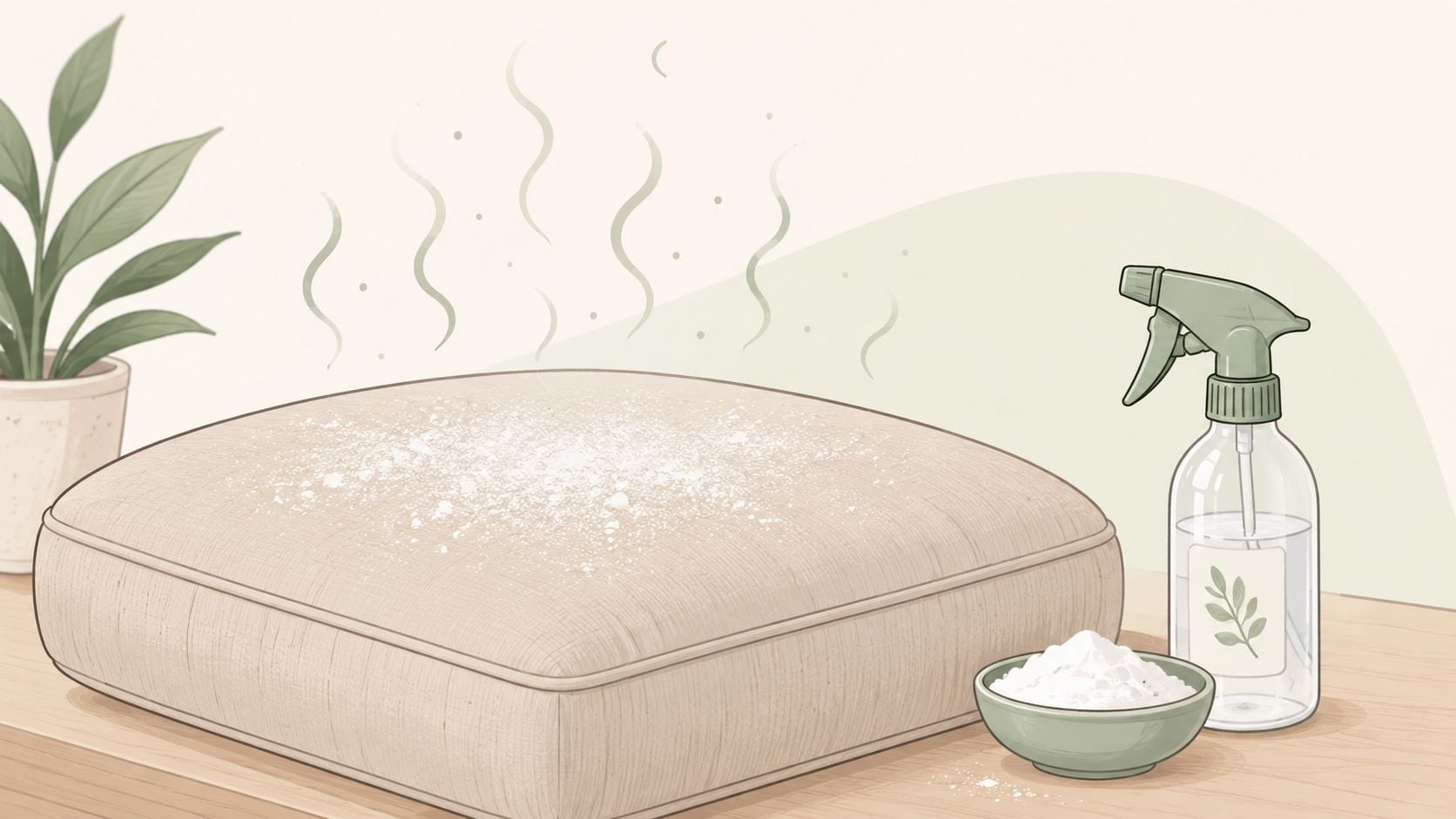
Start with completely dry upholstery. Sprinkle a light, even layer of baking soda over the section that smells musty, let it sit, then vacuum it thoroughly with an upholstery attachment. If the odor is mild, that may be all you need.
Vinegar takes more judgment. It can help with some odor problems, but it is still a liquid, and upholstery reacts to liquid the way a wood table reacts to too much water. One small mistake can leave a visible reminder. On some fabrics, even a light mist can shift color, flatten texture, or leave a ring as it dries.
A simple order keeps the risk low:
- Use baking soda first: Dry deodorizing is usually the gentlest place to start.
- Test any vinegar mix in a hidden spot: Check for color change, texture change, or a water mark after it dries.
- Mist the cloth, not the furniture, if you try it: Lightly dampening a towel gives you more control than spraying the fabric directly.
- Treat the full area evenly: Spot-wetting one patch can leave outlines.
- Let it dry fully before judging the result: Some odors fade as airflow does its job.
One common mistake is enthusiasm. A heavily sprayed arm or seat panel may smell fresher at first, then dry with a darker edge or stiff feel. That is a hard trade on a chair you paid good money for.
This is one reason many families choose upholstery with easier-care features from the start. If you are shopping with kids, pets, or everyday use in mind, performance fabrics for busy family homes can make odor and spill care much simpler.
For everyday deodorizing, keep the goal modest. You are freshening the fabric, not soaking it clean. On quality furniture, that lighter touch often protects both appearance and long-term value better than any aggressive home remedy.
7. The Ultimate Care Plan with Pro Cleaning Rotation and Protection
The furniture that holds up best usually gets more than emergency stain treatment. It gets a routine. That means occasional professional help, regular cushion rotation, and a little planning before the next spill shows up.
The larger cleaning services market is projected to keep growing, with forecasts in the mid-single-digit range and projections reaching roughly USD 83.50 billion by 2030 or USD 108.57 billion by 2034 depending on the market scope (cleaning services market projections). In a steady, maturing market like that, repeatable quality matters. Pre-inspection, colorfastness testing, and moisture management are the details that separate careful work from risky work.
A long term routine for furniture families love
Rotation is one of the most overlooked upholstery cleaning tips because it doesn't look like cleaning. But flipping and rotating loose cushions helps spread wear, body oils, and pressure more evenly across the seating surface. That's especially helpful on family sofas where one seat somehow becomes everybody's seat.
A practical care plan might include:
- Rotate seat and back cushions regularly: This helps reduce uneven wear patterns.
- Address spills the same day: Fast action keeps soils from setting deeper.
- Schedule deeper cleaning based on use: Busy homes usually need it sooner than quiet rooms.
- Ask about protection: Some fabrics are built for easier maintenance from day one.
For shoppers choosing new upholstery, performance fabric benefits for active homes are worth a close look. Families with kids, pets, or frequent guests often appreciate furniture that's designed with cleanup in mind.
This long-view approach fits how BILTRITE has always looked at furniture. Better-quality pieces deserve care that matches the investment. For Milwaukee families buying USA-made upholstery, Amish-made dining seating, or a sturdy recliner meant for daily life, a little prevention goes a long way.
Upholstery Cleaning: 7-Point Comparison
| Method | 🔄 Implementation complexity | ⚡ Resources & speed | 📊 Expected outcomes | 💡 Ideal use cases | ⭐ Key advantages |
|---|---|---|---|---|---|
| Start with the Basics: The Vacuum and Brush Method | Low 🔄, simple weekly routine | Low resources; moderate time for large pieces ⚡ | Reduces surface dust/allergens; prevents dirt embedding 📊 | Routine maintenance for all upholstery; high-traffic homes | Cost-effective, preserves fabric and air quality ⭐⭐⭐ |
| Quick Action: Spot Cleaning with a Mild Soap Solution | Low 🔄, immediate, simple technique | Minimal resources; very fast response ⚡ | Removes fresh water-based stains; prevents setting 📊 | Fresh spills (coffee, juice); dining chairs; quick fixes | Inexpensive, gentle, widely safe ⭐⭐⭐ |
| For Tricky Stains: The Dry Cleaning Solvent Method | Moderate 🔄, careful handling and testing needed | Requires solvent and ventilation; quick drying; higher cost ⚡ | Removes oil/grease and some inks on 'S' fabrics 📊 | Oil-based stains, delicate or water-sensitive upholstery | Effective where water fails; preserves delicate fibers ⭐⭐⭐⭐ |
| Pet & Kid-Friendly: Enzyme-Based Stain Removal | Low–Moderate 🔄, follow dwell time and reuse if needed | Enzyme product required; slower action (dwell time) ⚡ | Breaks down organic stains and odors; can remove set-in protein stains 📊 | Homes with pets/kids; urine, vomit, food stains | Eliminates odors at source; eco-friendly; family-safe ⭐⭐⭐⭐ |
| The Deep Clean: Steam Cleaning Method | Moderate–High 🔄, technique-sensitive; testing required | Machine rental or pro recommended; time-consuming ⚡ | Deep sanitizing; removes embedded dirt, dust mites, allergens 📊 | Annual deep clean; allergy sufferers; heavy-use furniture | Deep, chemical-free sanitizing; restores freshness ⭐⭐⭐⭐ |
| The Natural Deodorizer: Baking Soda and Vinegar | Low 🔄, simple pantry method; test delicate fabrics | Very low cost; requires sit/dry time; easy to apply ⚡ | Neutralizes odors; light cleaning; limited stain removal 📊 | Monthly refreshes; pre-guest deodorizing; budget maintenance | Affordable, non-toxic, biodegradable ⭐⭐⭐ |
| The Ultimate Care Plan: Pro Cleaning, Rotation & Protection | High 🔄, combines pros and consistent habits | High cost and scheduling; ongoing maintenance required ⚡ | Restores appearance, removes deep stains, extends lifespan significantly 📊 | High-value/custom pieces, heirlooms, long-term investment | Best long-term protection and results; prevents uneven wear ⭐⭐⭐⭐⭐ |
Ready to Find Your Next Family Favorite?
Good upholstery care isn't about keeping furniture untouched. It's about helping the pieces a family loves keep up with real life. Sofas get used. Recliners become favorite nap spots. Dining chairs catch crumbs, spills, and all kinds of weekday chaos. The goal isn't a home that looks frozen in time. The goal is a comfortable, welcoming home where better-quality furniture keeps doing its job well.
That's one reason these upholstery cleaning tips matter so much. Regular vacuuming helps stop dry grit from settling in. Quick blotting can keep a small spill from becoming a stubborn stain. Fabric codes help families choose the right cleaner instead of guessing. Controlled moisture, even drying, and the occasional professional deep clean all help protect texture, color, and comfort over time.
At BILTRITE, that kind of care lines up naturally with how furniture has been viewed since 1928. As a fourth-generation, family-owned showroom serving Greenfield and the Metro Milwaukee area, BILTRITE has always believed that well-made furniture should be practical, comfortable, and built for everyday family life. That includes affordable, better-quality options in styles and sizes that work for all kinds of homes, from apartments and condos to busy family rooms and senior living spaces.
Shoppers will also find a strong focus on USA-made, Amish-made, and solid-wood furniture, along with small-scale options, heavy-duty choices, come-apart sofas and sectionals, lift chairs, and a large mattress selection. The BILTRITE Mattress Center offers over 60 models and 500+ mattresses in stock, which gives families a lot to compare in person without pressure. The team brings more than 400 years of combined experience, and that shows up in the kind of practical guidance people can use at home.
Because BILTRITE doesn't sell online, the showroom experience matters. People can sit on the sofa, feel the fabric, compare cushion support, and ask honest questions about upkeep before making a decision. That's often the best way to choose furniture that fits a home and a lifestyle.
BILTRITE Furniture-Leather-Mattresses is a useful stop for families who want help finding furniture that looks good, feels comfortable, and stands up to real use. The showroom in Greenfield is closed on Sundays and Mondays to support family time, which says a lot about the kind of business it is.
Families who want help choosing easy-care upholstery, durable sectionals, solid wood furniture, or a new mattress can visit BILTRITE Furniture-Leather-Mattresses in Greenfield and talk with a team that's been serving Metro Milwaukee since 1928.