Glass Coffee Tables Sets: Find Your Perfect Style


A lot of Milwaukee living rooms hit the same moment. The sofa is in place. The rug is down. The wood entertainment center looks great. Then the room still feels a little heavy, or a little unfinished, and the missing piece is sitting right in the middle of it.
That's where glass coffee tables sets can make a room click. They can open up a space visually, keep a smaller room from feeling crowded, and add a clean modern note without forcing the whole room to go cold or trendy. That matters in homes where solid wood furniture, family traffic, and everyday use all have to live together.
Families around Metro Milwaukee have been sorting out these choices for generations, and the same questions keep coming up. Will glass hold up? Will it look out of place next to Amish furniture? Is a nesting set smart, or just stylish? And how big should the table be before it starts getting in the way?
Table of Contents
- Welcome to the BILTRITE Family's Guide to Glass Tables
- Are Glass Coffee Tables a Clear Winner for Your Home
- Understanding Glass Table Construction and Safety
- How to Measure for Your New Coffee Table Set
- Styling Glass Tables with Wood and Amish Furniture
- Keeping Your Table Beautiful and Our Promise to You
Welcome to the BILTRITE Family's Guide to Glass Tables
A young family in Greenfield might have a warm wood sofa table, a comfortable sectional, and a room that still feels tighter than it should. Another homeowner in Bay View might have inherited a beautiful solid wood bookcase and now wants a coffee table that lightens the whole room instead of adding more visual weight. A condo owner might want something that feels cleaner and easier on the eyes than another dark rectangle in the middle of the floor.
That's exactly where glass earns its keep.
For many households, a glass coffee table set isn't about chasing a trend. It's about balance. It gives the room breathing room. It lets a handsome wood floor or a textured rug show through. It can make traditional furniture feel more current without turning the home into a showroom.
That practical, neighbor-to-neighbor approach fits the way BILTRITE has always done business. BILTRITE Furniture was founded in 1928 by Irwin Kerns and his wife Frieda Kerns as an upholstery shop in Milwaukee, marking the start of a 4th-generation, family-owned business that has served Metro Milwaukee for nearly a century. That history matters because furniture choices aren't just style choices. They're family-life choices.
A good coffee table should make a room easier to live in, not just nicer to photograph.
Some homes need a sleek glass set to break up a lineup of heavier wood pieces. Others need a sturdier single table with glass on top and a grounded base underneath. Some need small-scale furniture that won't crowd an apartment or senior living layout. The right answer depends on how the room works every day.
A smart buyer should look at three things first:
- Daily use: Kids, pets, snacks, feet, and game nights change what type of glass table makes sense.
- Visual weight: Thick wood furniture often benefits from a lighter-looking table in the center.
- Room flow: A table that blocks movement is a bad table, no matter how nice it looks.
Glass can be a terrific answer. It just needs the right construction, the right size, and the right partner pieces around it.
Are Glass Coffee Tables a Clear Winner for Your Home
Some homeowners already know they love the look of glass. Others need the honest version. Glass coffee tables sets are a strong choice for the right room, but they aren't magic. They solve certain problems very well, and they create a few tradeoffs that shouldn't be ignored.
The design appeal is obvious. The global coffee table market is projected to reach $3289.3 million by the end of 2025, and that continued growth reflects stronger demand for modern, space-enhancing pieces like glass tables that fit the contemporary living room look, according to coffee table market projections. Buyers keep coming back to glass because it helps rooms feel lighter and more open.
That benefit is especially useful in smaller homes, condos, and apartments where every bulky piece shows. A transparent top doesn't stop the eye the way a thick wood slab does. That's one reason many decorators use glass to visually stretch a room. Readers who are dealing with a tight layout can also pick up a few related ideas in this guide on how to make a small room feel big.
The good side of glass
Glass works best when a room needs relief. It pairs well with wood, metal, upholstery, and textured rugs. It also helps show off a rug pattern instead of covering half of it.
A few situations where glass usually wins:
- Smaller living rooms: The room feels less crowded.
- Rooms with substantial wood furniture: Glass breaks up visual heaviness.
- Modern or mixed-style spaces: It adds a clean line without demanding a full makeover.
Practical rule: If the room already has a lot of visual weight, glass often brings the balance back.
The honest drawbacks
Glass shows fingerprints. It shows dust. It asks for regular wiping if the household wants that crisp, polished look. That doesn't make it high maintenance, but it does make it more revealing than wood.
It also isn't the best answer for every family. If a table will be climbed on, sat on, or treated like gym equipment, glass is the wrong material. The issue isn't whether quality glass can hold everyday objects. The issue is whether the household will use it like a table or like a bench.
The best advice is simple. Choose glass for openness and style. Skip it if the home needs a surface that can take rough treatment without a second thought.
Understanding Glass Table Construction and Safety
A glass coffee table is only as good as its construction. The top gets the attention, but the important aspect is the combination of the glass itself, the support underneath it, and the way the weight gets distributed.
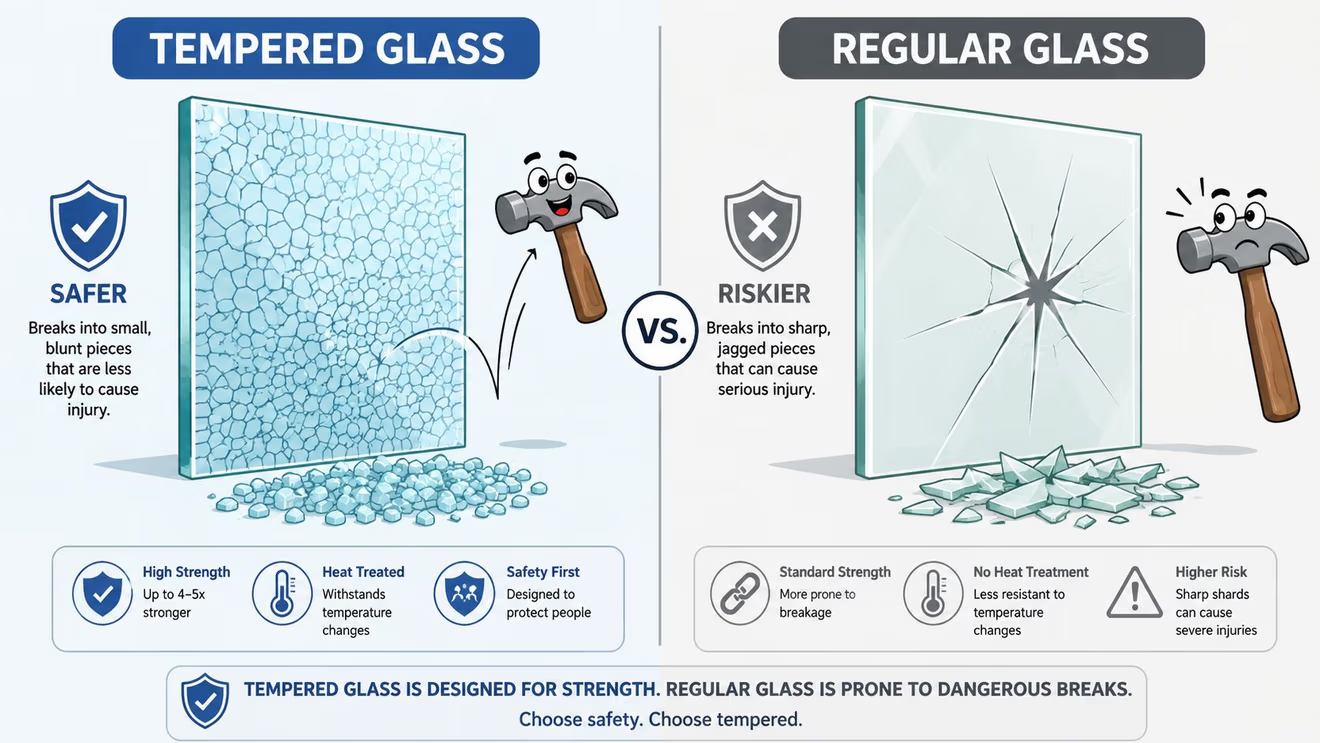
Most standard tempered glass coffee tables are built to support a static load of 200 to 400 pounds, but that capacity drops when weight is concentrated in the center or when someone sits on the top, as outlined in this coffee table material guide. That's the part many shoppers miss. A table can be strong and still be used the wrong way.
Tempered glass matters
For coffee tables, tempered glass is the smart choice. It's the safer, stronger option for normal household use.
For larger tables and family homes, thickness matters too. Guidance on glass table top thickness notes that for tables exceeding 36 inches or those in households with children, 3/8 inch (10 mm) tempered glass is required to eliminate vibration and ensure structural integrity. That's the benchmark worth remembering.
Here's the simple breakdown.
| Feature | Tempered Glass | Regular (Annealed) Glass |
|---|---|---|
| Safety | Built for safer breakage behavior | More hazardous if it breaks |
| Strength | Better for everyday furniture use | Less suitable for active living spaces |
| Best use | Family rooms and main living areas | Not the top choice for coffee tables |
| Buyer recommendation | Choose this | Skip this |
A shopper trying to sort through shapes, sizes, and construction details can also use this guide on how to choose a coffee table.
The base matters just as much
A beautiful top on a weak base is a bad purchase. Open metal frames can look great, but they need to be stable. Wood bases need solid joinery and proper support points. Nesting sets need special scrutiny because multiple pieces create more chances for wobble, shifting, and chipped contact points.
That's why buyers shouldn't focus only on the glass. They should check these details in person:
- Edge support: More support usually means less flex and less vibration.
- Connection points: Loose or poorly aligned hardware creates stress where the top meets the base.
- Floor contact: If the base doesn't sit level, the whole table will tell on itself fast.
Better construction usually feels obvious in person. The table sits still, doesn't chatter, and doesn't look nervous when touched.
A quality table should feel calm. No shimmy. No rattle. No slight little wobble that a shopper talks themselves into ignoring.
How to Measure for Your New Coffee Table Set
Most coffee table mistakes start with the wrong instinct. Buyers fall for shape or finish first, then try to convince themselves the size will work. That backwards approach is why tables end up too big, too small, or parked right where people need to walk.
The demand for compact furniture is growing. This coffee table trend guide notes that emerging 2025 trends show a 28% rise in demand for small-scale furniture solutions in urban areas, yet many guides still don't tell buyers how glass sets affect walking clearance in apartments, condos, or senior living spaces. That missing practical advice matters more than color or finish.
Start with the room, not the table
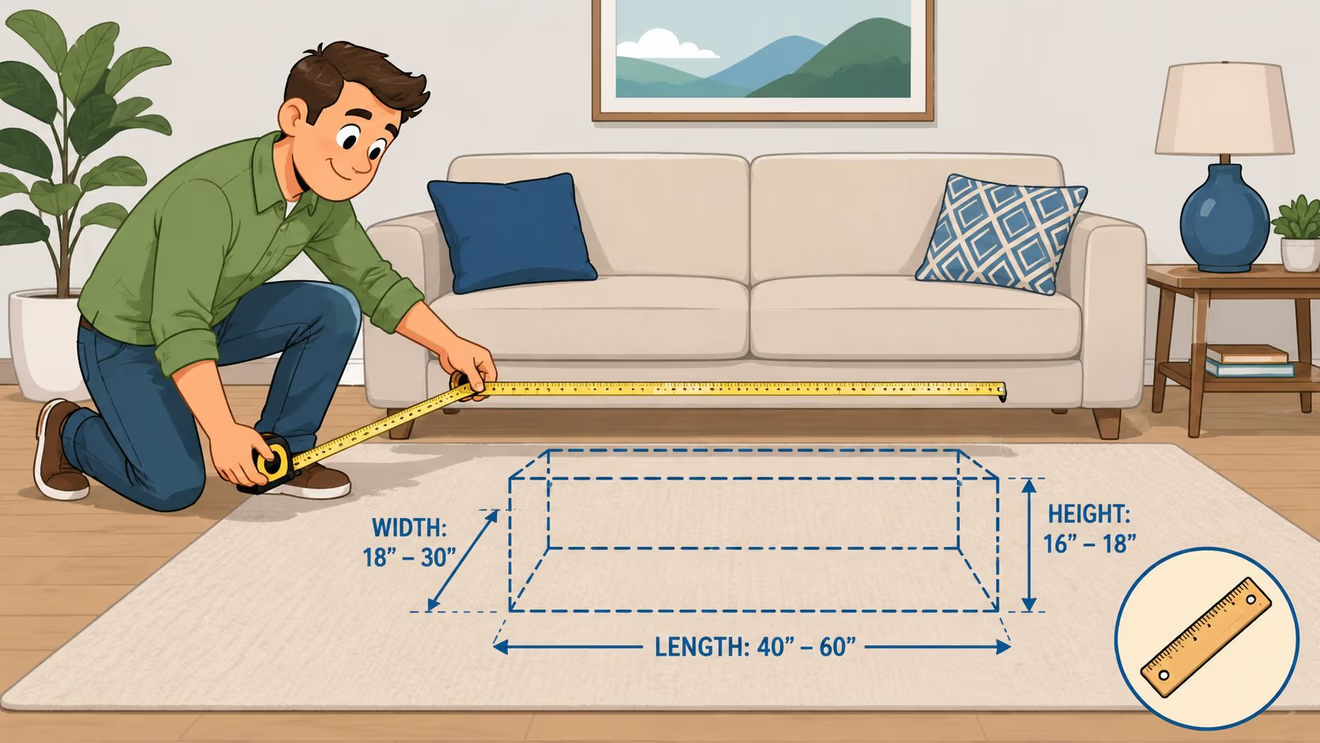
Grab a tape measure, mark the floor, and map the actual footprint before shopping. Painter's tape works well because it shows the size in real life without forcing guesswork.
Use this sequence:
- Measure the open area between the sofa and any chairs, ottomans, or media pieces.
- Mark the walkway people use, not the one the room has on paper.
- Test the shape with tape on the floor. A rectangle, square, or nesting layout can feel very different once it's outlined.
For households that want a clean measuring process before they visit a showroom, this article on how to measure furniture is worth a look.
Small spaces need discipline
Glass helps a room look bigger, but it doesn't solve bad spacing. A table that's too wide still blocks knees and traffic, even if the top disappears visually.
That's why smaller rooms should favor control over drama.
- Keep movement easy: Walking around the table should feel natural, not like a side-step routine.
- Choose shape based on traffic: Round or oval can soften movement paths, while a compact rectangle can work well in narrower rooms.
- Be realistic about multi-piece sets: Nesting tables are handy only if there's room to pull them out and use them.
In a tight room, the best table is often the one that leaves a little empty space. Empty space is what makes the room feel comfortable.
A buyer in a condo or apartment should be especially strict here. The room needs enough open floor to breathe. Glass can enhance that feeling, but size still decides whether the room feels sharp or cramped.
Styling Glass Tables with Wood and Amish Furniture
Many generic decorating guides fall short. They act like a room has to choose one lane. Modern glass on one side. Traditional wood on the other. Real homes don't work that way, especially in Milwaukee where many homeowners want the warmth of solid wood and the lighter feel of a more updated center table.
That mix can look fantastic.

Why this mix works so well
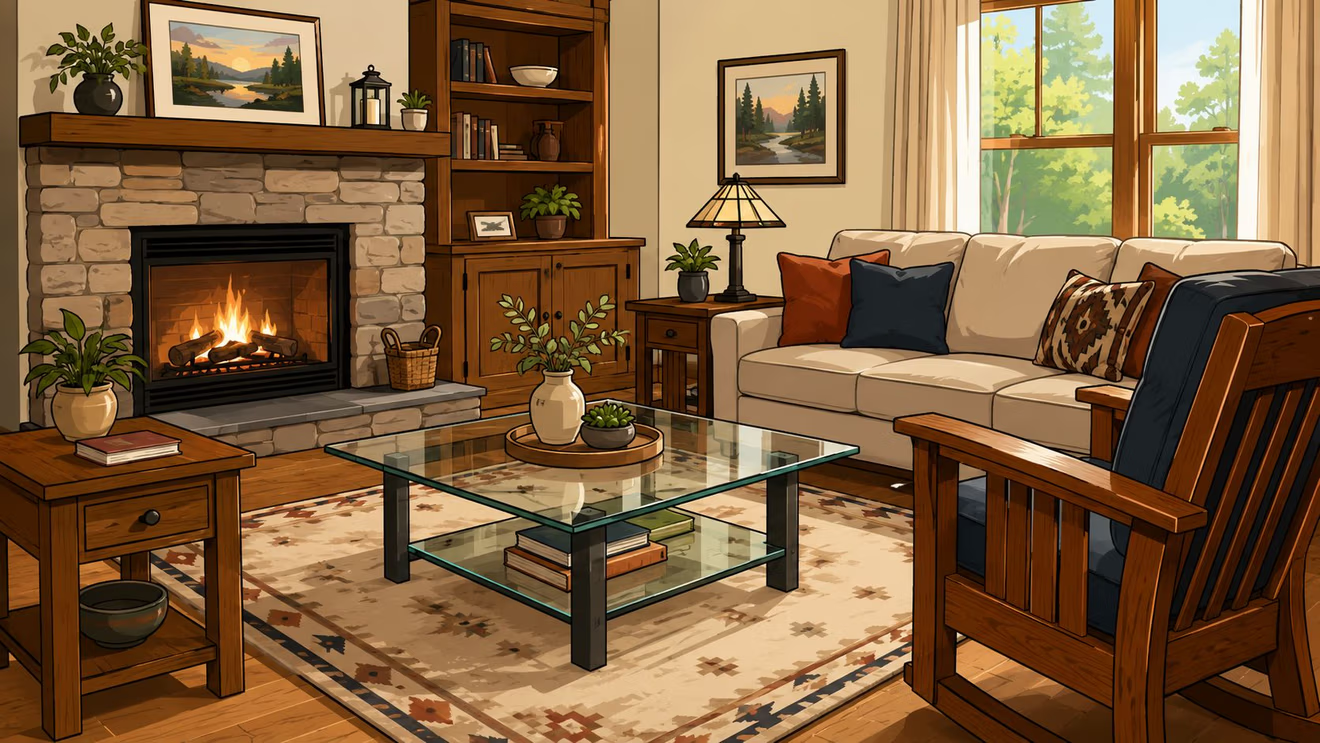
Glass acts like a visual pause between heavier pieces. A living room with a substantial wood entertainment center, end tables, or a bookcase can start to feel dense if every surface is solid. A glass coffee table set cuts through that heaviness and lets the room relax.
That's especially true when the surrounding furniture has real craftsmanship and strong grain patterns. The wood keeps the room grounded. The glass keeps it from feeling overloaded.
A few combinations tend to work well:
- Clear glass with medium or dark wood nearby: The contrast keeps the wood from looking bulky.
- Glass with wood accents: This creates a bridge between modern and traditional pieces.
- Simple glass silhouettes beside Amish furniture: Clean lines let the craftsmanship of the wood stay in the spotlight.
Buyers curious about handcrafted wood furniture can learn more from this explainer on what Amish furniture is.
Glass doesn't compete with solid wood. It gives solid wood room to shine.
What to avoid with nesting sets
This is where style needs a dose of common sense. Nesting sets can look smart in photos, but not all of them are built equally well. Reporting on recent decor and return patterns points to a 35% increase in return requests for glass nesting sets due to base instability. That's a big warning sign for homeowners who care about long-term use.
That doesn't mean every nesting set is a bad idea. It means buyers should inspect them harder than a single-table design.
Watch for these red flags:
- Uneven stance: If one table rocks, the set already failed the test.
- Thin-looking support at stress points: Chips and wear tend to show up there first.
- Overly fussy design: More joints and more delicate contact points usually mean more trouble.
For many homes, a single well-built glass table with wood or metal support is the better long-term call. If a nesting set is chosen, it should feel stable every time it's moved, separated, and tucked back in.
Keeping Your Table Beautiful and Our Promise to You
A good glass table doesn't need a complicated routine. It needs steady, sensible care. The homes that keep glass looking sharp usually follow simple habits, not fancy ones.
Simple care that keeps glass looking sharp
Use a soft cloth. Wipe spills quickly. Don't let gritty crumbs or rough objects grind across the surface. Skip the habit of dropping heavy items in the center, especially on larger tops or multi-piece sets.
Glass also looks better when the whole room gets considered. If the nearby wood furniture is cared for properly, the contrast between warm wood and crisp glass stays intentional instead of accidental. This guide on how to clean wood furniture is useful for keeping those companion pieces in good shape too.
A simple rhythm works best:
- For daily upkeep: Remove fingerprints and dust before they build up.
- For styling items: Use trays or decor with felt pads to reduce rubbing.
- For family use: Teach everyone that a coffee table is a surface, not a seat.
What local furniture help should feel like
Furniture shopping should still feel personal. That matters more with glass than with many other categories because shoppers need to see the scale, touch the edges, test the stability, and decide whether the table works with the wood pieces already at home.
That showroom experience is part of what has kept BILTRITE rooted in this community for generations. Located at 5430 W. Layton Ave in Greenfield, WI, BILTRITE has served the Metro Milwaukee area since 1928 and offers a huge in-stock selection, custom options, and over 60 mattress models. That local, in-person focus fits the way many families want to shop for long-term furniture.
BILTRITE is proud to be family-owned, proud to serve Metro Milwaukee, and proud to be closed on Sundays so families can be with their families. There's nothing old-fashioned about that. It's just honest.
A good glass coffee table set should feel right with the room, right for the household, and right in quality when touched in person. That's why local showrooms still matter. Better furniture usually makes its case the moment someone sees it up close.
Ready to find a glass table that works with real life and looks right with the rest of the room? BILTRITE Furniture-Leather-Mattresses would love to see neighbors in the Greenfield showroom. Stop in, say hi, and let the team help match a stylish glass option with the kind of better-quality wood, Amish-made, USA-made, small-scale, or heavy-duty furniture that makes a home feel finished.