Storage Trunk Table: A Complete Guide for 2026


You're staring at a living room that needs a coffee table, but the blankets, board games, and seasonal throw pillows still need a home. That's exactly where a storage trunk table earns its keep. It gives the room a surface you can live with every day, plus enclosed storage that doesn't look like clutter.
The best part is that this piece isn't a gimmick. It comes from a long furniture lineage built around secure, movable storage, and today it can still solve a real household problem without giving up style. If the goal is a furniture piece that works hard in a family room, condo, or front entry, this one deserves a serious look, especially when the details are chosen carefully. See how multipurpose furniture fits real homes
Why a Storage Trunk Table Might Be Your Next Favorite Piece
A good living room often needs two things at once. It needs a place to set down drinks, remotes, and a tray of snacks, and it needs somewhere for the mess to disappear when guests arrive. A storage trunk table does both jobs without making the room feel crowded.
That's why this form keeps winning people over. It feels more substantial than a decorative accent because it earns its spot. The top works like a coffee table surface, while the inside hides the things a family uses all the time but does not want out in the open.
The core appeal is function first
This furniture style makes sense in homes where every piece has to pull its weight. A trunk table can hold throws in winter, kid stuff in the afternoon, and extra décor when the season changes. It also avoids the awkward look of a storage bin parked beside the sofa.
Practical rule: if a piece needs to serve as both display surface and storage, the trunk format usually beats adding a separate table and basket.
There is also a practical comfort to it. People want a room full of furniture that can handle daily use, not pieces that feel delicate every time someone sets down a cup. They want something sturdy, easy to understand, and attractive enough to leave out year-round.
Why this guide focuses on the details that matter
Shoppers who visit showrooms often notice that trunk tables feel more substantial than they look. The harder part is knowing whether a piece fits the room, opens safely, and can handle the way a household lives. That is where the overlooked details matter most.
This guide focuses on materials, sizing, safety, and styling, because those choices decide whether a trunk table is a smart buy or just a pretty mistake. It also makes sense to see pieces in person when possible, since lid feel, finish quality, and interior workmanship are hard to judge from a photo. Families feel that difference right away. In a Milwaukee showroom, the right piece also stands out for another reason, solid-wood and Amish-built construction usually feels reassuring the moment you lift the lid. See how multipurpose furniture fits real homes
What a Storage Trunk Table Is
A storage trunk is a sturdy, often rectangular container used to store and protect belongings, traditionally built from wood, metal, or a combination of materials. The defining feature is simple, it opens by lifting or sliding a lid or cover rather than by using drawers. That lid is what lets the piece pull double duty as a table.
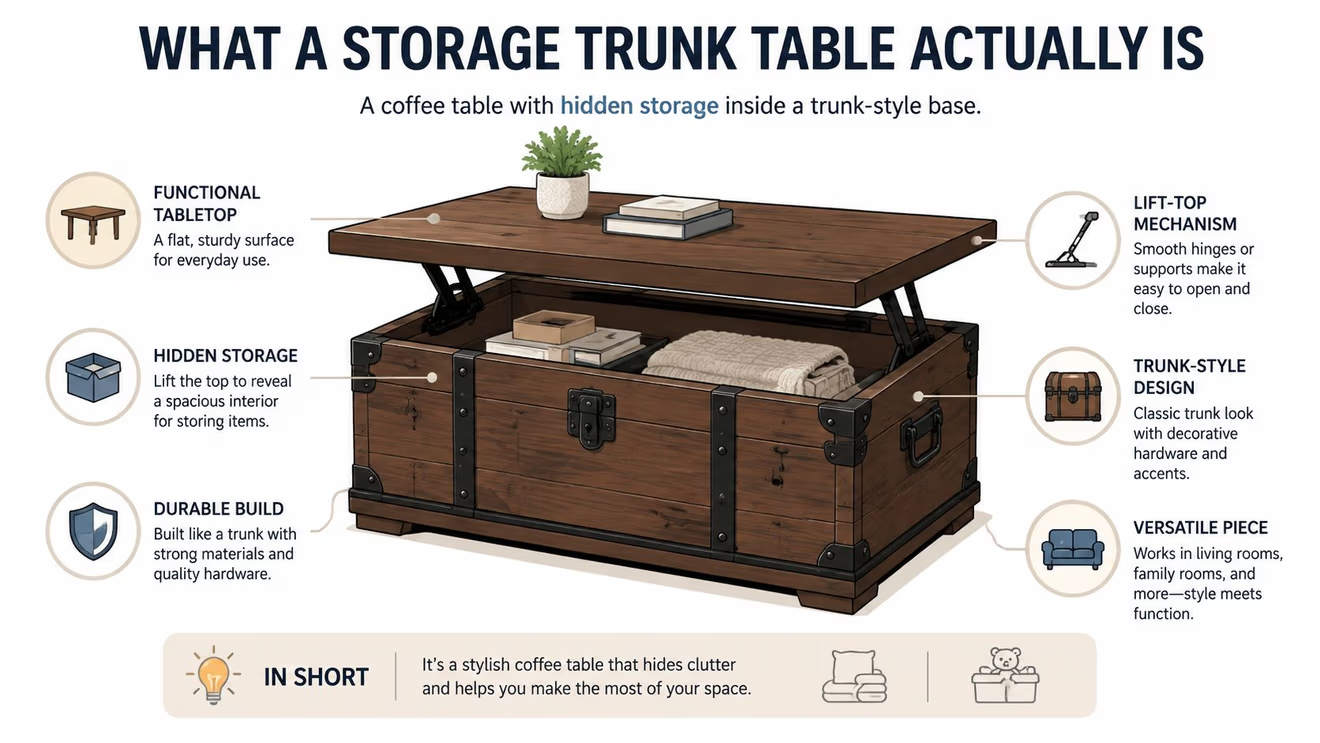
A trunk table keeps that storage-first design, then adds a flat top that can hold lamps, drinks, or everyday decor. In a living room, it works like a coffee table while hiding blankets, games, or seasonal items inside. That simple formula explains why the form keeps showing up in homes that need furniture to work hard. Compare trunk tables with other table styles
A furniture form with deep roots
Storage trunks are among the oldest forms of portable household furniture. Sources trace them back to pre-medieval times, and the history of storage trunks includes Egyptian storage chests and boxes with carving and metalwork described in the source material used here. In the American market, the first trunks are said to have appeared in the late 17th century, made largely of wood, and by the late 18th and early 19th centuries round trunks were commonly used history of storage trunks.
That background matters because it shows the trunk table is not a passing novelty. It comes from a long tradition of furniture built to move, protect contents, and keep serving a household over time. Later improvements such as locks, brass handles, and metal reinforcement grew out of the need for more durability and better travel use.
The mechanism is what separates it from cabinets
A cabinet usually relies on doors or drawers. A storage trunk table relies on a lid, and that lid becomes part of daily use. That detail sounds minor, but it changes the buying decision.
If the lid is heavy, awkward, or unsafe, the whole piece becomes frustrating. If it opens smoothly and stays open, the trunk becomes one of the easiest storage pieces in the house. That is why the lid mechanism deserves more attention than the decorative finish.
Comparing Materials and Construction Options
The material choice changes almost everything about a trunk table. It affects weight, durability, repairability, and how the piece feels in a room. It also changes how much trust a buyer can place in the load rating, because a thick-looking top does not automatically mean the trunk is built for seated weight or hard daily use.
Solid wood gives the warmest look and usually the longest visual life. Amish-made craftsmanship brings that same strength into focus, with real wood, careful joinery, and pieces meant to stay in service for years. Heavy-duty engineered construction goes a different direction, putting more emphasis on engineered structure and clear load performance than on heirloom character. For shoppers comparing wood construction methods, our guide on solid wood versus engineered wood helps make the trade-offs easier to see.
What each material does well
Solid wood feels right in family rooms because it looks like furniture, not packaging. Scratches and wear usually read as age rather than failure, which is one reason many buyers prefer it for long ownership. The trade-off is weight, and that weight can help keep a trunk steady or make it a nuisance if the piece gets moved often.
Amish-made pieces bring the same sturdy feel with a handcrafted sensibility that suits homes where quality matters more than a disposable look. Leather-wrapped or leather-topped trunks lean more decorative, with a softer visual texture that works well in refined spaces. Heavy-duty engineered options are often the strongest choice for households that care about explicit load data and stability.
A trunk table should be chosen for how it will be used, not for how dense the wood looks in the showroom.
The load details matter. One solid-mango-wood trunk table is explicitly not designed to support weight for use as a bench, which is a useful reminder that material alone does not tell the whole story Urban Barn product information. The same general style of trunk table may list separate tabletop and interior capacities, while some mass-market trunk coffee tables list higher top and storage limits, and another engineered trunk design reports a very high static load capacity. Those figures are not interchangeable, and shoppers should not treat them that way.
Storage Trunk Table Materials at a Glance
| Material | Typical Top Load | Best For | Maintenance Level |
|---|---|---|---|
| Solid wood | Varies by build, often modest unless rated | Warm family rooms and long-term ownership | Moderate |
| Amish-made solid wood | Varies by build, often modest unless rated | Buyers who want handcrafted wood furniture | Moderate |
| Leather-wrapped or leather-topped | Varies by build | Formal spaces and accent styling | Moderate to higher |
| Heavy-duty engineered with steel reinforcement | Can be very high when specified | Households that need explicit static-load performance | Low to moderate |
The smartest question to ask is simple. Is this trunk table built for looks, for storage, or for real daily use as a furniture piece? If that answer matters to a household, the spec sheet has to support it. One trunk-style table may be rated for tabletop use and interior storage separately, while another may be designed for heavier static loads but still not suited to bench seating Amazon product listing.
Sizing and Placement for Every Room
A storage trunk table works best when you measure for use, not just for footprint. The outside dimensions matter, but so do sofa clearance, lid travel, and the space a person needs to reach in without bumping a wall or another piece. In a Milwaukee showroom, I would tell a neighbor to measure the living path first and the finish second.
For a coffee-table setup, a height around 17-18 inches usually sits well with most sofas, and 14-18 inches of sofa clearance keeps the piece usable without crowding the seating area. Lid-swing clearance should also match the trunk depth plus 2-4 inches, so the top can open cleanly and stay out of the way oak and loom sizing guide. Those measurements decide whether the trunk feels comfortable in the room or awkward every time someone reaches for a book or tray.
A compact trunk can still hold a lot
A smaller trunk table can still give you real storage. One solid-wood example measures 38.75 x 21.25 x 18.75 inches overall, with interior storage of 34.25 x 17 x 11.5 inches and a weight of 61 lb. That kind of size works well when you want a low, manageable table that still swallows blankets, games, or seasonal items without taking over the room.
Some trunk coffee tables are built with separate strength ratings for the top and the storage cavity, which matters if you plan to stack heavier items inside or set a tray, lamp, or books on top. A mass-market trunk coffee table may list 80 lb on the top and 100 lb in interior storage. Those numbers are useful only if you treat them for what they are, a guide to that specific build, not a promise that every trunk table will behave the same way.
Where placement makes the most sense
In a living room, place the trunk where people can reach it without stretching across the seating area. If the room is tight, choose a shallower piece and leave enough room for the lid to open without hitting a wall, radiator, or console. In a larger room, a wider trunk can anchor the seating group and keep the layout from feeling scattered.
Entryways and bedrooms can work well too. An entryway trunk gives you a landing spot for scarves, shoes, and daily carry items while still looking grounded and substantial. At the foot of a bed, it can handle blanket storage and double as a visual anchor, but only if the construction, lid action, and load rating fit that kind of use. Before you fall in love with the finish, measure your room before you buy furniture.
Safety and Hardware Details Most Buyers Overlook
A trunk table can look solid and still be awkward or unsafe to live with. That is why the lid hardware deserves attention before the finish does. In homes with children, older adults, or anyone who will open the piece often, the lid should feel controlled, not unpredictable.
The first test is simple. The lid should open smoothly without requiring two hands or excessive force, and it should stay open on its own because weak hinges can let it drop unexpectedly buying guide on trunk coffee tables. If that does not happen in the showroom, it will not improve at home. Pinch-point risk is real on any lid that drops fast, so the hardware has to earn trust every time.
What to check before buying
Look past the hinge style and check how the whole lid behaves. The opening motion needs to be easy enough for daily use, but steady enough that the lid will not surprise someone reaching inside. Soft-close hinges and lid-stay mechanisms help because they reduce the chance of a slam.
The interior matters too. An unfinished trunk may leave visible raw wood and staples each time it is opened. That is not just a visual issue. It can make the piece feel rough in daily use, especially when stored items get pulled in and out often.
Good hardware should make the trunk feel lighter than it looks.
Load claims need the same scrutiny. A table surface, interior storage space, and bench use are three different things. One solid-wood trunk may look heavy enough to sit on, but unless the specification sheet explicitly says it can handle seated or static load, that assumption is a risk.
A quick buying checklist
- One-hand opening: The lid should lift without a wrestling match, because daily use gets old fast if both hands are always needed.
- Stable stay-open action: The lid should hold itself open so hands can load blankets, games, or linens safely.
- Finished interior: The inside should feel smooth, not rough or splinter-prone.
- Separate load ratings: Tabletop, storage, and bench performance are not the same thing.
- Family-friendly movement: If the piece lives near kids or seniors, slower, more controlled lid action is the safer choice.
A smart shopper also checks the way the trunk is built where stress shows up first. Solid wood and Amish craftsmanship often give you heavier lids and sturdier joinery, but they do not excuse poor hinges or a sloppy catch. In a Milwaukee showroom, I always tell neighbors to open the lid, let it rest, and open it again. That simple test reveals whether the hardware feels dependable or merely decorative.
A beautiful trunk that opens badly is still a bad buy.
See how entry furniture can work harder in small spaces
Styling Ideas for Living Rooms and Entryways and Bedrooms
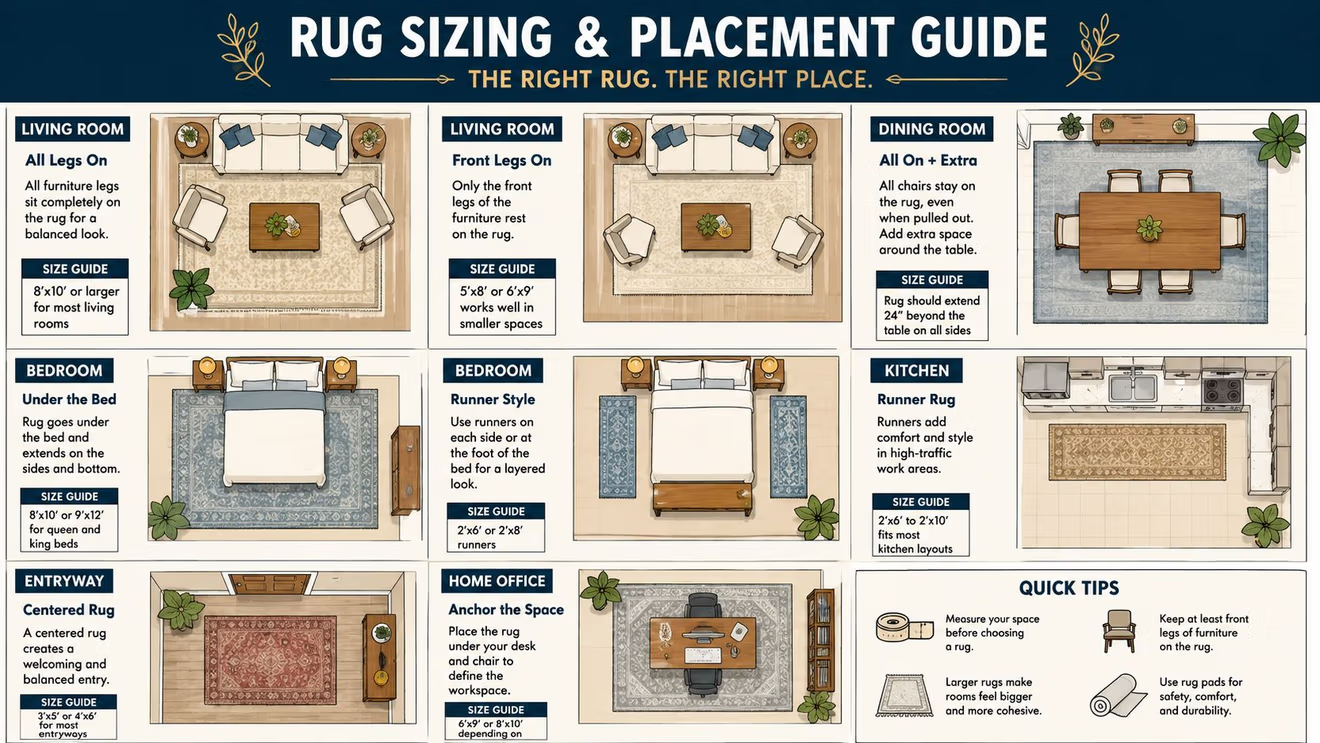
A trunk table works best when it feels like part of the room, not a prop dropped into it. In the living room, that usually means pairing it with a low sofa and textiles that make the whole seating area feel relaxed. A rug, a throw, and a tray on top can make the piece read as intentional rather than rustic for rustic's sake.
Mixing wood tones can work well if the room already has a mix of finishes. A darker trunk can anchor lighter upholstery, while a warmer wood tone can soften a room that feels too crisp. Decorative objects on the lid should stay low enough to move easily when the trunk needs to open.
Room by room, the trunk changes jobs
In an entryway, the trunk becomes a catcher's mitt for daily life. Shoes, scarves, and seasonal gear can live inside while the top gives a place for keys and mail. That's a strong use case for households that want hidden storage without giving up a useful landing spot.
In a bedroom, a trunk at the foot of the bed can hold extra bedding and act like a visual stop point that finishes the room. If the load rating explicitly allows it, the top may even serve as occasional seating. Without that rating, it should stay a storage piece, not a bench.
See how entry furniture can work harder in small spaces.
The styling trick that keeps it from feeling heavy
A trunk can feel visually weighty, so the surrounding pieces should add balance. Light lamps, open-leg side tables, and softer textiles help the room breathe. The goal is contrast, not clutter.
A few good styling habits make a difference:
- Use a tray on top: It keeps remote controls and candles from looking scattered.
- Keep décor low: Tall objects can make the trunk feel top-heavy.
- Repeat one finish nearby: A matching wood tone in a picture frame or side table helps the room feel connected.
- Leave opening space clear: The lid has to move freely, so don't cram accessories against the back edge.
One BILTRITE Furniture-Leather-Mattresses option that fits this category is a tables product category on the showroom floor, which gives shoppers a place to compare finishes and proportions in person. That matters because trunk tables look different under real lighting than they do in a photo, and the surrounding room changes how heavy or light the piece feels.
Why an In-Person Showroom Visit Makes All the Difference
Online photos can show shape, color, and maybe a rough sense of scale. They can't show lid weight, hinge smoothness, wood grain, or whether the interior finish feels clean enough for daily use. Those are the details that decide whether a trunk table feels easy or irritating after the first week.
A showroom visit makes the choice concrete. A shopper can lift the lid, check the balance, compare finishes, and decide whether the piece matches the way the home functions. That's especially useful for households choosing between solid wood, leather accents, and heavier-duty designs.
The value of real help, not guesswork
Experienced sales associates can point out choices in fabric, leather, wood species, finish, and hardware so the trunk fits the room instead of fighting it. They can also help with practical concerns like moving a piece through tight spaces, understanding how much open clearance the lid needs, and figuring out whether the table will sit comfortably beside a sofa or bed.
A trunk table should never be chosen by photos alone when the lid is doing real mechanical work.
Local shopping also matters because service goes beyond the sale. White-glove delivery and old-item removal make the process easier on families, especially when the new piece replaces something bulky or awkward. That kind of help turns a furniture purchase into a smoother home project.
BILTRITE has served Metro Milwaukee since 1928, and that long local history matters because it reflects a family-first approach rather than a throwaway retail mindset. The showroom is a place to talk through trade-offs with people who know how furniture behaves in real homes, not just how it looks in a catalog.
Ready to find a storage trunk table that fits your room, your family, and your everyday routine? Visit BILTRITE Furniture-Leather-Mattresses in Greenfield and see the finishes, hardware, and storage options for yourself. The team can help you compare solid wood, Amish-made craftsmanship, and practical load ratings so you can choose with confidence.