Maximize Space with a Pull Out Bed Under Bed

A lot of Milwaukee-area families hit the same wall. A child wants a sleepover. Grandparents are staying for a weekend. A guest room has turned into a home office, craft room, or catch-all room. Everyone needs a place to sleep, but nobody wants to lose precious floor space every day.
That's where a pull out bed under bed setup makes real sense. It's one of those furniture ideas that sounds simple because it is simple, and that's exactly why it works so well. For families in older bungalows, condos, apartments, and smaller suburban bedrooms, this kind of bed can solve a real problem without making the room feel crowded.
BILTRITE has helped local families with space-saving furniture since 1928, and that long view matters. Some homes need compact options. Some need solid wood pieces that hold up to busy kids and frequent guests. Some need help figuring out whether the bed will even fit through the house and work on the flooring that's already there. Those are the practical questions that matter.
Table of Contents
- Welcome to the Family Let Us Help You Find More Space
- What Exactly Is a Pull Out Bed Under a Bed
- Exploring the Types and Mechanisms
- Measuring for Success in Your Milwaukee Home
- Who Are These Beds Best For Exploring Pros and Cons
- Come Find Your Pull Out Bed at BILTRITE
Welcome to the Family Let Us Help You Find More Space
A common local scenario goes like this. A family in Greenfield or Wauwatosa has one extra bedroom, but it has to do everything. It's a kid's room during the week, a guest room when relatives visit, and sometimes a homework zone in between. Adding another full-time bed would make the whole room feel stuffed.
That's why a pull out bed under bed setup keeps coming up in smart small-space conversations. It gives the room breathing room during the day and sleeping space at night. For a lot of households, that's the right tradeoff.
BILTRITE has been part of the Metro Milwaukee furniture story since 1928, and the same theme keeps showing up. Families don't just want more furniture. They want furniture that solves the problem cleanly, fits the home they already have, and still looks like it belongs there.
A good space-saving bed shouldn't make a room harder to live in. It should make the room more useful.
That's especially true in older Milwaukee-area homes where bedrooms can be narrower, doorways can be tighter, and every inch counts. A trundle-style bed can be a practical answer for sleepovers, visiting family, and multi-use rooms without turning the space into a maze.
For households trying to make a smaller room work harder, BILTRITE's ideas on small space furniture solutions are worth a look before making a final decision. The right bed is rarely just about the bed. It's about how the whole room functions.
Local homes need practical answers
Older homes around Bay View, West Allis, and Shorewood often come with charm and quirks in equal measure. That means shoppers need to think beyond a catalog photo. Will the bed roll easily? Will the room still open up for daily use? Will the frame style match the rest of the home?
Those are the kinds of questions that deserve straight answers. A pull out bed under bed option can be a terrific solution, but only when it's chosen with real-life use in mind.
What Exactly Is a Pull Out Bed Under a Bed
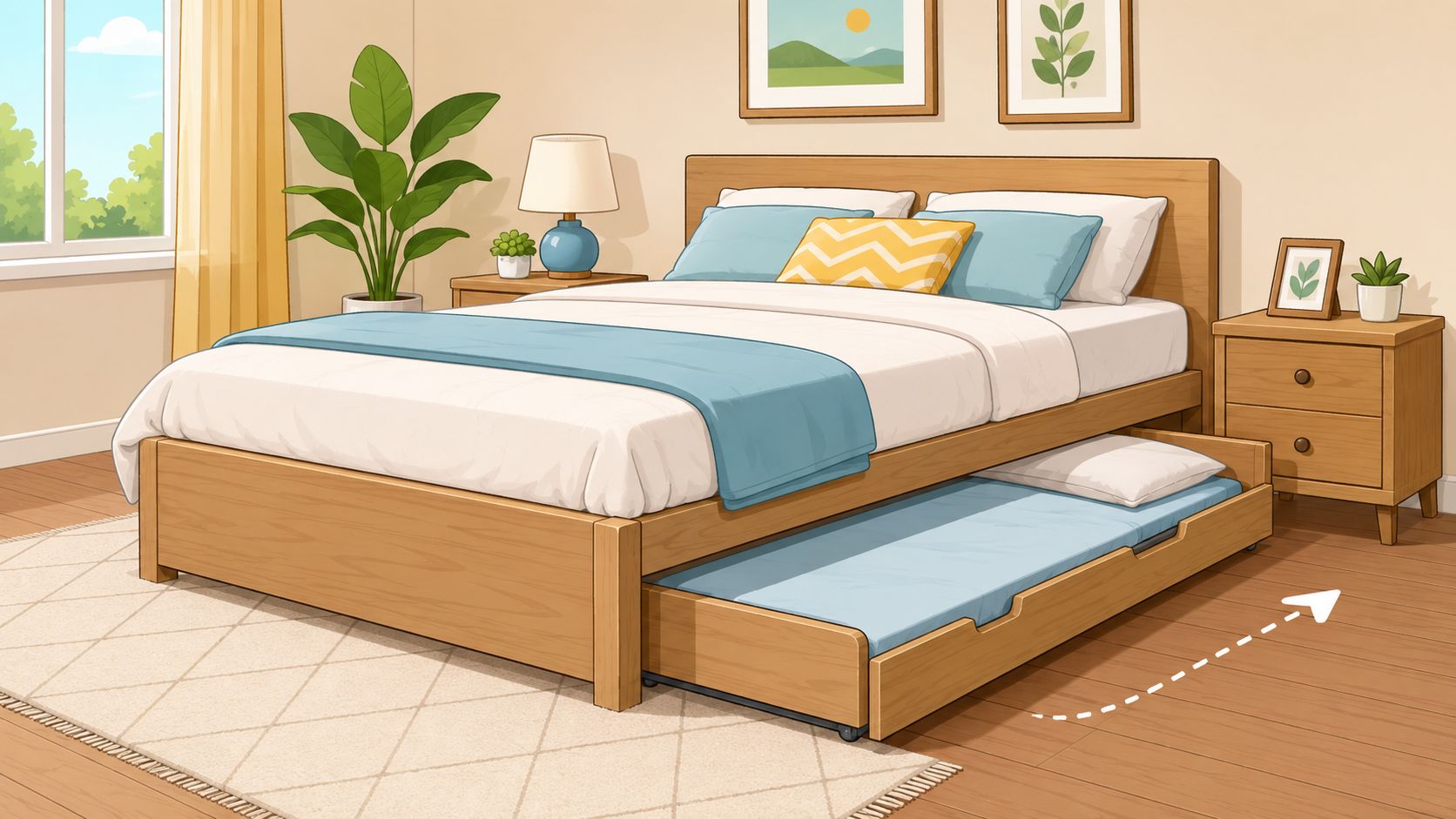
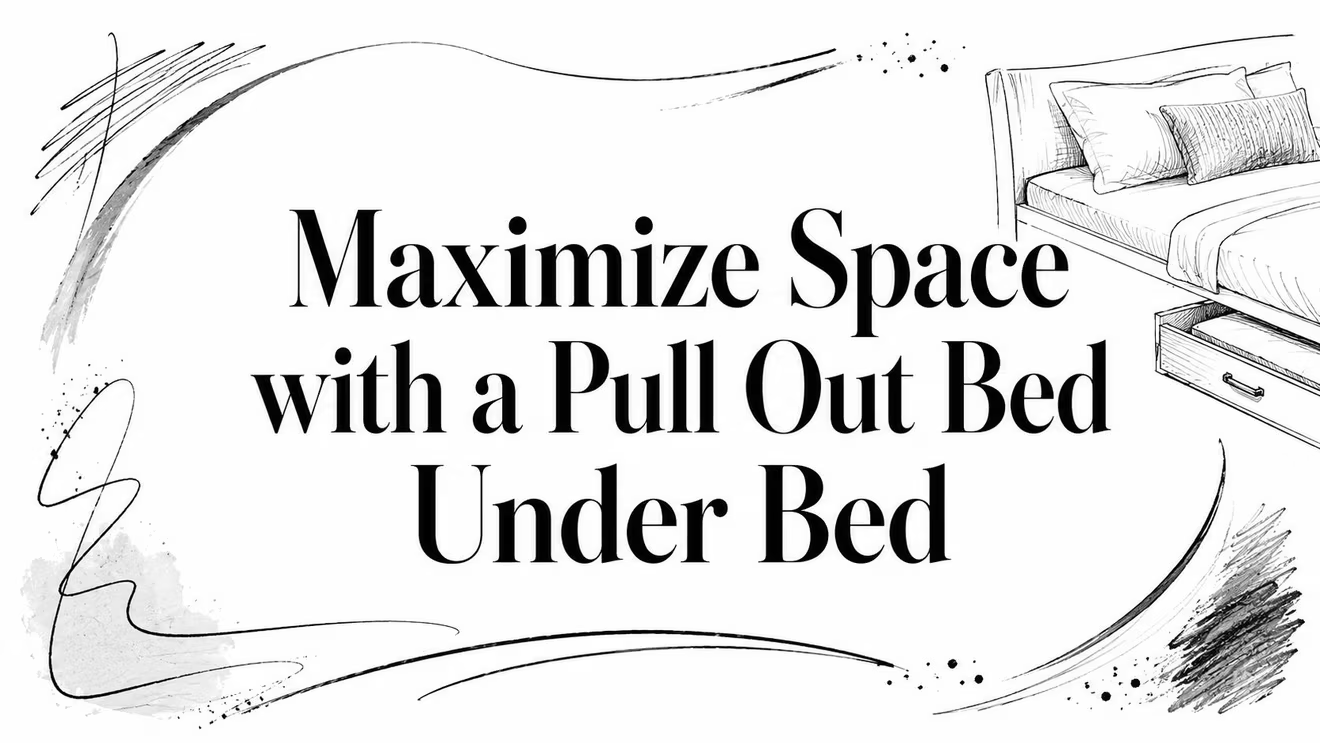
The plain answer is this. A pull out bed under bed is usually called a trundle bed. It's a bed with a second sleeping surface tucked underneath the main frame.
The simple definition
The lower section usually sits on wheels or a rolling base, so it can slide out when needed and store out of sight when it isn't. That hidden lower bed is the whole point. One room can serve as a bedroom at night and feel more open during the day.
A helpful way to think about it is “a bed hiding in plain sight.” The top bed looks normal. The extra sleep space stays out of the way until company shows up.
According to this trundle bed guide, modern trundle beds are a two-in-one design with a top bed plus a hidden lower bed that rolls out when needed, and the trundle portion typically has a weight limit of 250 to 300 lb. That tells shoppers something important. These beds were designed as flexible sleeping solutions, not as a heavy-duty replacement for every nightly sleeping need.
Why families keep choosing them
This style works because it solves a very specific problem. It adds another place to sleep without demanding another permanent bed footprint. In a child's room, that means sleepovers become easy. In a guest room, that means one room can still serve another purpose when nobody's visiting.
There's also a simplicity to trundles that people appreciate once they see one in person. No complicated setup. No converting cushions. No separate guest bed to drag out of storage. Just pull, place bedding, and the room is ready.
A lot of shoppers also like that there are bed options made specifically for compact rooms, and space-saving beds for small rooms can help narrow the field if the goal is to preserve as much floor area as possible.
Practical rule: If the room needs to do two jobs, a trundle deserves a hard look before adding a second full-time bed.
Exploring the Types and Mechanisms
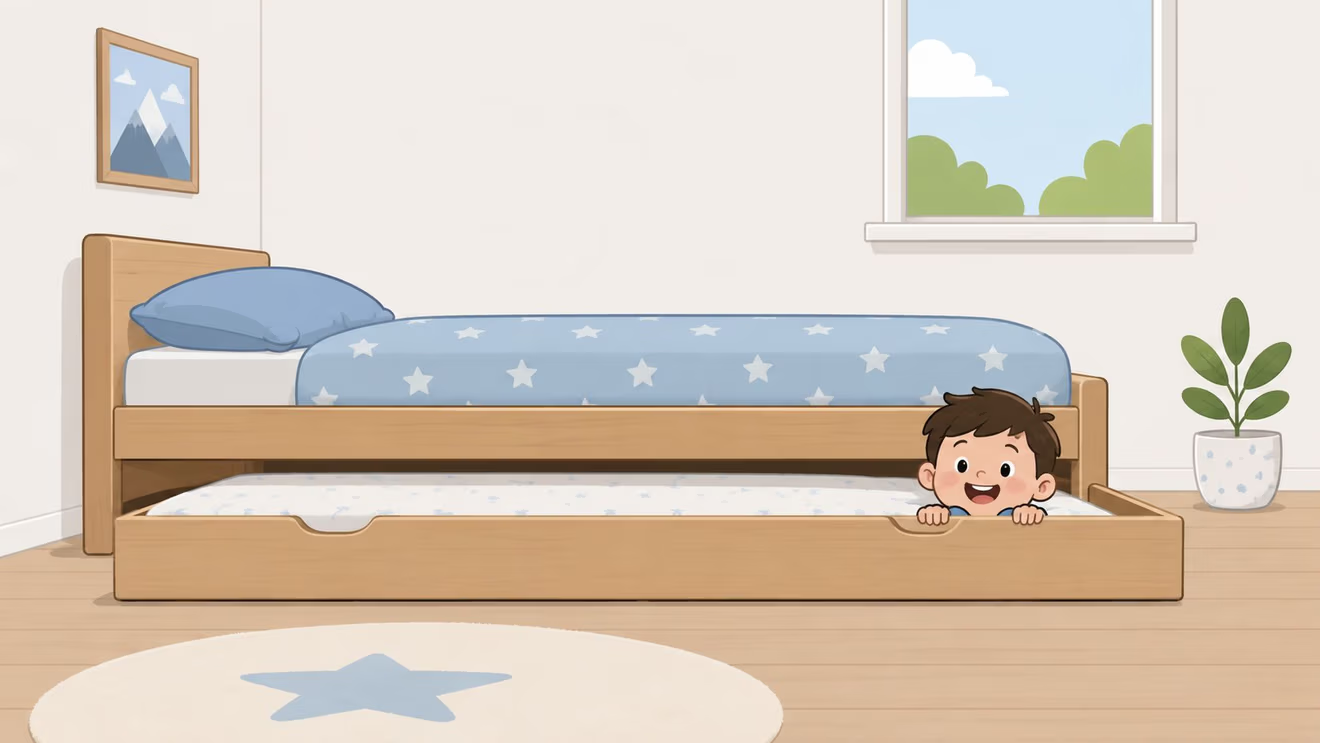
Not every trundle works the same way, so shoppers should get picky. The mechanism changes how the bed feels to use, who it suits, and whether it's a smart fit for the room.
Low trundle versus pop-up trundle
The most familiar version is the low trundle. It rolls out and stays close to the floor. That makes it practical for children, especially in rooms where parents want a lower sleeping surface for guests or sleepover friends.
Then there's the pop-up trundle. This version rolls out and can be raised up to sit closer to the height of the main bed. That creates a more conventional sleeping setup and can feel more comfortable for some adult guests.
Here's the simplest comparison:
| Type | How It Works | Good Fit For | Watch Out For |
|---|---|---|---|
| Low trundle | Pulls out and stays low | Kids' rooms, casual guest use | Lower sleeping height may not suit every adult |
| Pop-up trundle | Pulls out, then lifts higher | Guest rooms, more flexible sleeping setup | Mechanism adds parts, so build quality matters even more |
According to this guide on trundle bed dimensions and value, a pull-out bed converts a single bed footprint into two sleeping surfaces, and the standard lower unit is commonly built around twin dimensions of roughly 39 in × 75 in. That size makes sense. It gives usable sleep space while keeping the lower unit manageable enough to roll in and out.
What matters more than style
The mechanism matters, but construction matters more. A trundle that looks nice in a photo can still be annoying in daily life if the wheels catch, the frame flexes, or the lower section racks out of alignment.
Shoppers should pay attention to these details:
- Caster quality: Cheap rolling hardware is the fast track to a frustrating trundle.
- Frame rigidity: A sturdier frame tends to roll better and hold alignment longer.
- Ease of grip: Pulling the lower bed out should feel smooth, not awkward.
- Real room function: A stylish bed that jams on carpet isn't a smart buy.
For some homes, a trundle is the better answer. For others, another dual-purpose sleep option may make more sense, especially when the room doubles as a main living space. That's where options like The Transformer Sleeper Sofa can enter the conversation.
The right mechanism is the one the household will actually enjoy using. If it feels clumsy in the showroom, it won't get better at home.
Measuring for Success in Your Milwaukee Home
This is the make-or-break step. A shopper can choose the right style, the right finish, and the right price point, then still end up with the wrong bed if the measurements are sloppy.
The measurements that actually matter
First, measure the under-bed clearance if the lower unit needs to fit beneath an existing frame. A trundle only works if the total stack of platform, wheels, and mattress can slide under cleanly. The under-bed opening decides what's possible.
Second, measure the open floor area in front of the bed. The lower bed has to roll all the way out without crashing into a dresser, desk, radiator, or closet swing.
Third, look underneath the main bed. Support legs, center supports, and low slats can block the path. A DIY trundle example highlighted in this compatibility-focused article points out that buyers must measure under-bed space, consider floor supports, and account for the floor surface so the unit can roll, store, and function correctly in a real room. That's not a minor detail. That's the difference between “smart purchase” and “why won't this thing fit?”
A simple checklist to bring shopping
| Measurement/Check | Why It Matters | Your Measurement (Inches) |
|---|---|---|
| Under-bed clearance | Determines whether the trundle and mattress can store underneath | _____ |
| Front floor space | Makes sure the lower bed can fully roll out | _____ |
| Distance to nearby furniture | Prevents collisions with dressers, desks, or nightstands | _____ |
| Width through doorway and hall | Helps with delivery into older homes or tight layouts | _____ |
| Height of carpet or rug edge | Affects how easily the trundle rolls | _____ |
The floor deserves special attention in Milwaukee homes. Thick carpet can make rolling harder. Area rugs can catch wheels. Original hardwood is often better for glide, but only if the trundle's rolling parts are solid and the room has enough clearance to avoid scraping.
A lot of shoppers also forget the mattress itself. A pull out bed under bed design usually needs a low-profile mattress to fit the available opening. Some guides say a trundle mattress is often 6 to 8 inches thick, while other compatibility guidance says a maximum of about 6 inches often gives the safest fit, especially when clearance is tight. The practical lesson is simple. Measure first, then choose the mattress and frame together, not separately.
For households that want a clean process, BILTRITE's guide on how to measure furniture is a smart starting point before heading into the showroom.
- Bring photos: A quick picture of the room, bed area, and floor surface helps narrow options faster.
- Measure twice: One rushed measurement creates expensive headaches.
- Check traffic flow: The room still has to function when the trundle is open.
- Think about who's sleeping there: Kids, teens, and adult guests don't all use a room the same way.
In older homes, the challenge often isn't style. It's clearance, turning space, and floor compatibility.
Who Are These Beds Best For Exploring Pros and Cons
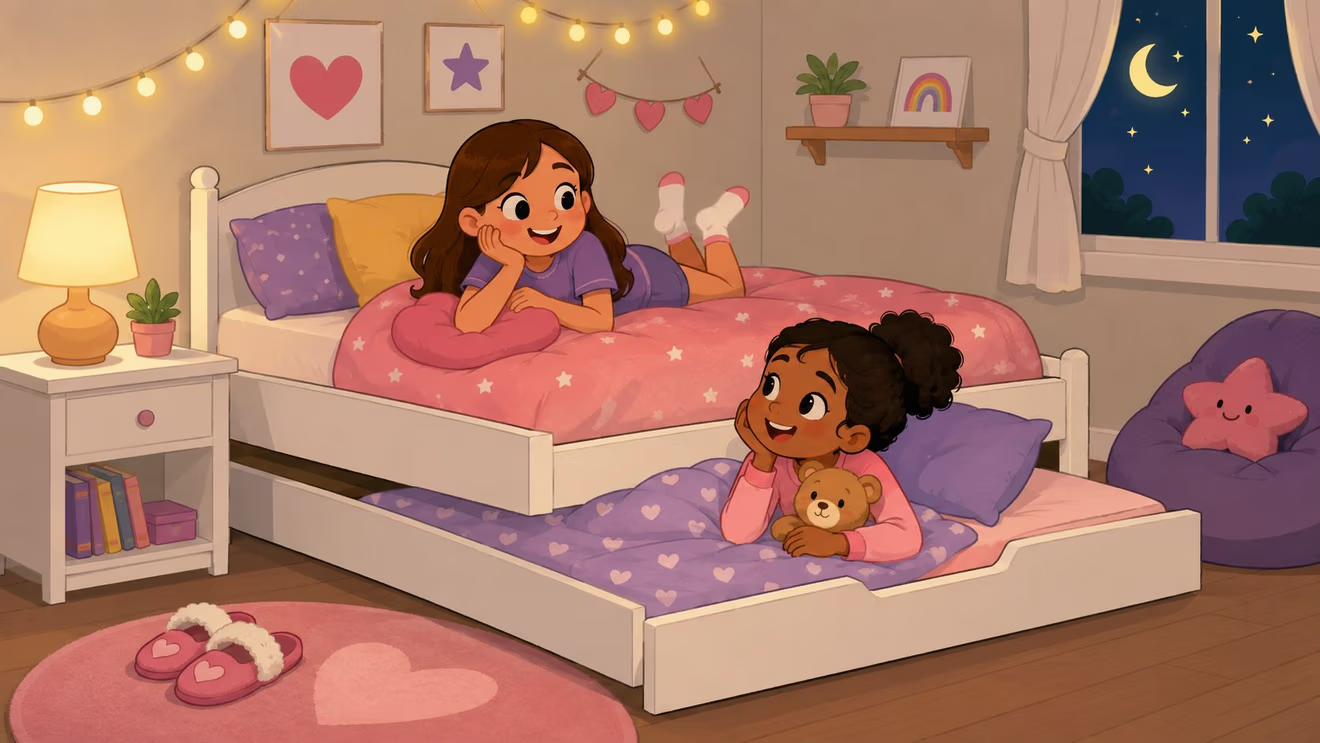
A trundle is a strong solution for the right household. It isn't for everybody, and that honesty saves people time.
Where a trundle shines
For kids' rooms, it's tough to beat. One bed handles everyday sleep. The hidden bed handles cousins, friends, and sleepovers without leaving an extra mattress parked in the corner all week.
For guest rooms, a trundle makes a room more flexible. A home office can still be an office. A hobby room can still be a hobby room. When guests come over, the room adapts.
For apartments, condos, and smaller homes, this style works because it protects open space. According to this overview of trundle bed uses and mattress fit, a pull-out bed under a bed is designed for space efficiency, making it ideal for kids' rooms, guest rooms, and other small spaces, and most require a thinner mattress, often 6 to 8 inches thick, to fit under the main bed.
When to choose something else
A trundle isn't always the right answer. If an adult plans to sleep on the lower bed every single night, another bed style may be a better long-term fit. The lower sleeping surface is often more limited in mattress choice and may not provide the same feel as a standard full-height setup.
It can also be a poor fit in rooms with rough carpet transitions, bad clearance, or furniture layouts that block the rollout path. A beautiful trundle in a cramped room becomes dead weight fast.
A simple pros and cons breakdown helps:
- Big advantage: It keeps a room open when the second bed isn't needed.
- Another plus: It works well for temporary guests and children.
- Main drawback: The lower bed usually requires a thinner mattress.
- Another limitation: It depends heavily on room layout and floor conditions.
For households comparing guest-sleep solutions broadly, whether a sleeper sofa is beneficial is also worth considering. Some rooms need a hidden bed under a bed. Others need the bed built into seating instead.
A trundle is strongest when the extra sleeping space is needed often enough to matter, but not so constantly that the lower bed becomes the primary everyday bed.
There's also a style and age question. In a child's room, the lower height can feel fun and practical. In a guest room for older relatives, some shoppers may prefer a setup that's easier to get in and out of. That's why trying the motion and seeing the height in person matters so much.
Come Find Your Pull Out Bed at BILTRITE
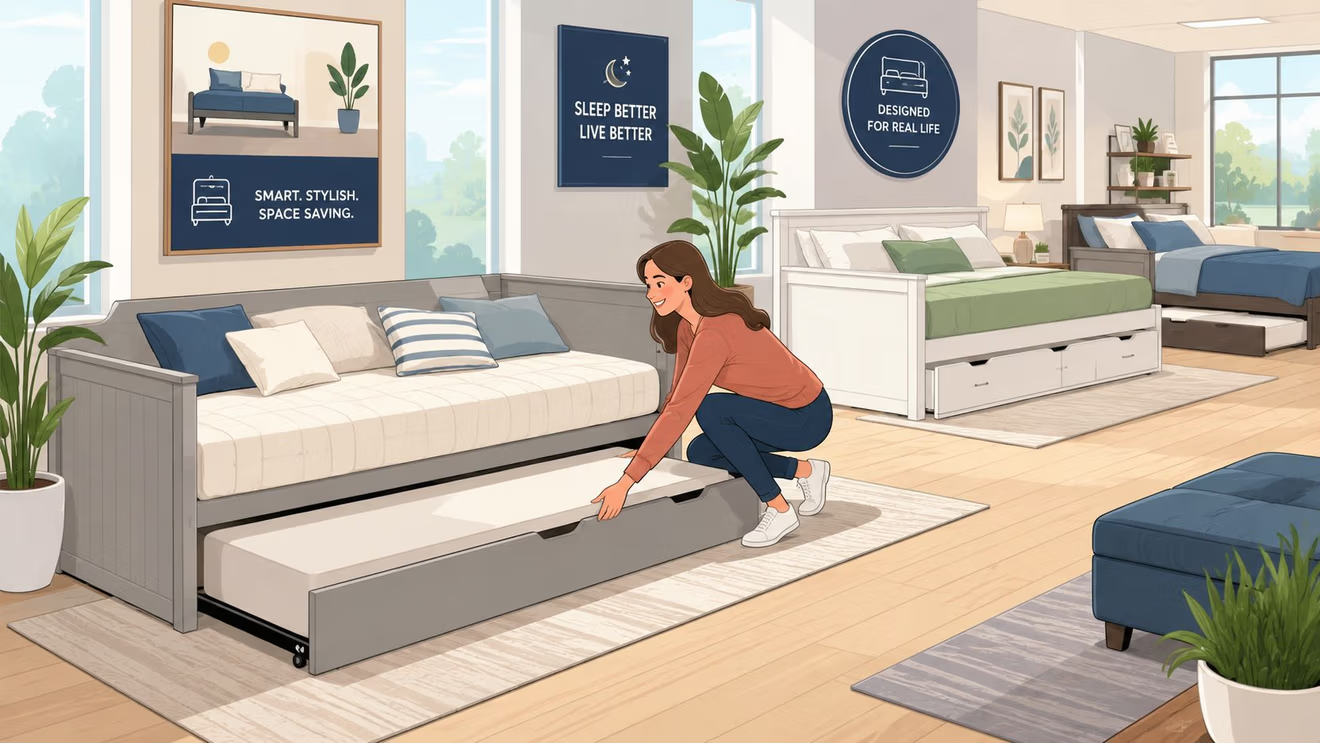
Photos help, but this is one of those furniture categories that makes far more sense in person. A shopper can read about caster quality, frame strength, and sleeping height all day long. Pulling the trundle out, pushing it back in, and feeling the difference in the frame tells the story faster.
Why seeing one in person helps
That's especially true for shoppers deciding between materials and construction types. A solid wood Amish-made option feels different from a lighter frame. The motion, the sound, the sturdiness, and the finish all become easier to judge when the bed is right in front of the shopper.
This is also where local context matters. Metro Milwaukee homes have quirks. Some have narrower stairs. Some have tighter bedrooms. Some have older flooring that changes how a trundle rolls. Seeing choices in person makes it easier to ask the practical questions that online browsing usually misses.
BILTRITE Furniture-Leather-Mattresses serves Greenfield and the broader Milwaukee area, and the showroom approach fits this kind of purchase well. The store specializes in affordable, better-quality furniture with strong USA-made, Amish-made, and solid wood options, and the mattress center carries over 60 models, which helps when a trundle needs a lower-profile mattress paired thoughtfully with the frame.
What local shoppers should ask about
When visiting the showroom, shoppers should ask direct questions.
- Ask about frame construction: Solid wood and stronger joinery matter on a bed that will be pulled in and out repeatedly.
- Ask about floor compatibility: Carpet, rugs, and hardwood each change the user experience.
- Ask about delivery access: Older homes in the Milwaukee area can be tight, and that should be discussed before buying.
- Ask to try the mechanism: If the rollout feels awkward in the store, it won't feel smoother at home.
BILTRITE has been family-owned since 1928, and that history shows up in the way the store operates. The focus is on helping people make a smart furniture decision, not rushing them through one. The team brings deep experience, and the showroom in Greenfield gives local shoppers a chance to compare styles, finishes, and practical space-saving options face to face. The store is also proudly closed on Sundays and Mondays for family time, which says a lot about the kind of business it is.
Some furniture can be chosen from a photo. A trundle usually shouldn't be.
For Milwaukee-area shoppers trying to make a guest room, kid's room, condo, or bungalow bedroom work smarter, BILTRITE Furniture-Leather-Mattresses is a strong place to start. Come visit the Greenfield showroom, bring room measurements and a few photos, and let the team help narrow down a pull out bed under bed option that fits the space, the floor, and how the room is utilized.