Ottoman with Storage: A Friendly Buyer’s Guide


You've got the room, the sofa, the blankets, the remotes, and the toys. What's missing is the one piece that fixes the clutter without making the space feel crowded. That's where an ottoman with storage earns its keep, because it gives a room a place to sit, a place to rest tired feet, and a place to hide the everyday mess that never seems to disappear.
Most shoppers start by looking at fabric or shape first. That's backwards. The smarter move is to treat the ottoman as a hidden-storage system first and a style piece second, then choose the look that fits the room. A good one works hard in a living room, bedroom, entryway, or family space, and the right choice depends on what needs to be tucked away, who needs to sit on it, and how much floor space can spare it.
Why an Ottoman With Storage Might Be the Hardest-Working Piece in Your Home
A couch full of throw blankets, a coffee table covered in remotes, and a pile of toys drifting across the floor is a familiar scene. Add one well-chosen ottoman with storage, and that same corner starts pulling its weight. It hides clutter, gives someone a place to sit, and turns into a footrest or soft table surface without asking for extra square footage.
That's why this piece keeps showing up in homes that need flexibility. It doesn't just decorate a room, it solves a layout problem. The lid closes, the mess disappears, and the top becomes useful again, which is a lot more than most accent furniture can say.
Practical rule: if a piece of furniture doesn't do at least two jobs in a busy room, it's usually taking up more space than it deserves.
The appeal is simple. A family room needs a spot for blankets. A bedroom needs somewhere for extra pillows. An entryway needs a perch for putting on shoes. A storage ottoman can cover all of that, and it still looks like part of the room instead of a plastic bin pretending to be furniture.
For homeowners who are trying to keep the center of the room open, that matters. It's also why shoppers should think about storage before style. A pretty ottoman that barely holds anything is just a low seat. A well-sized one becomes the piece that keeps the room calm. For more ideas on clearing out clutter with furniture that works, this guide to storage furniture fits the same practical mindset.
A Short History of the Storage Ottoman
A storage ottoman started as a simple upholstered seat, then grew into a smarter piece of furniture as homes demanded more from every square foot. By the late 18th century, ottomans were already in Europe and appearing in French boudoirs and salons, where low cushioned seating fit the room's formal look. In the 19th century, makers added built-in storage, and the piece became far more useful without losing its soft profile.
That change still makes sense today. The same shape can suit a sitting room that wants polish and a family den that needs a place for shoes, blankets, and board games. The ottoman kept the welcoming look people liked, then picked up the hidden storage that busy homes rely on. For shoppers trying to compare furniture that does more than one job, how to choose multi-functional furniture for modern homes is the right mindset to bring to the showroom floor.
The category is not a minor corner of the market. A recent estimate put the global storage ottoman market at $4.2 billion in 2025, with a projected rise to $6.1 billion by 2034, which points to a 5.3% CAGR from 2026 to 2034. The same research says residential applications account for 72.5% of revenue, which lines up with what homeowners already know, this is a home-first product. MarketIntelo's market estimate shows how steady that demand has become.
Why the old design still works
The shape has lasted because the job has stayed the same. People still need extra seating. They still need hidden storage. They still want furniture that softens a room without crowding it.
Homes have changed faster than the ottoman has. That usually means the design got the basics right.
Today's versions come in fabrics and shapes that fit compact apartments, larger family rooms, and everything in between. The old salon piece became a modern storage workhorse, and that is why it still belongs on the showroom floor.
The Four Main Types of Storage Ottomans Explained
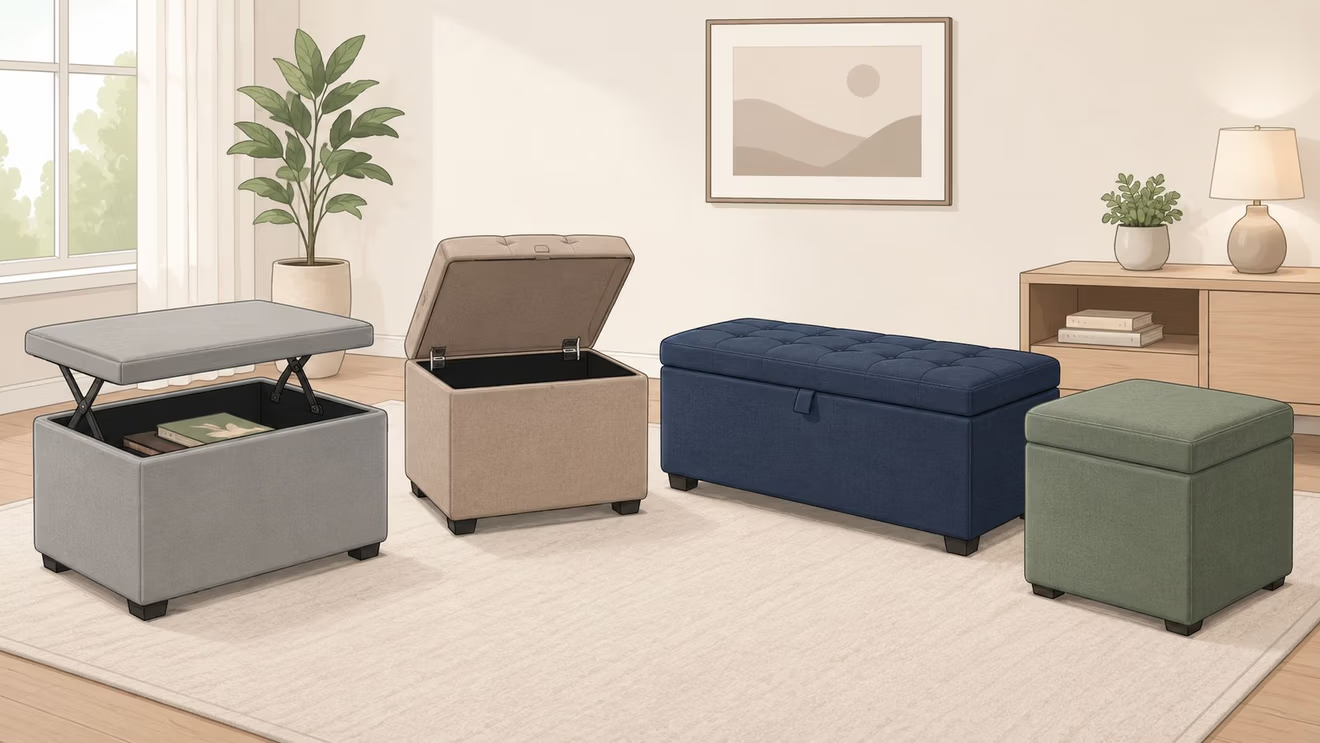
The shape decides a lot more than the color does. A storage ottoman can look similar from across the room and still behave very differently once it gets home. The four types shoppers run into most often are lift-top, hinged-lid, ottoman bench, and cube, and each one suits a different kind of room.
Lift-top and hinged-lid styles
A lift-top model works well when the ottoman needs to act like a coffee table or a flexible seat. The lid comes off completely or lifts away, which makes access easy when a tray or a stack of books has to share the top. A hinged-lid design is the everyday classic. It's the better pick when blankets, toys, and odds-and-ends need fast access without removing the lid every time.
Bench and cube shapes
An ottoman bench stretches along a window, at the foot of a bed, or in a wide entryway. It's the right call when multiple people may use the same piece, because it creates a longer landing spot without looking bulky. A cube is the space-saver. It fits tight corners, smaller apartments, and rooms where a larger piece would interrupt the walkway.
| Type | Best For | Typical Placement |
|---|---|---|
| Lift-top | Coffee-table use, flexible serving surface | Living room center |
| Hinged-lid | Everyday hidden storage | Family room, bedroom |
| Ottoman bench | Multiple sitters, longer rooms | Entryway, end of bed |
| Cube | Tight spaces, small-scale seating | Apartment corners, reading nooks |
The right shape depends on how the room moves. If the ottoman needs to sit in the middle of traffic, a cube or lift-top can work better. If it needs to anchor a wall or bed frame, a bench usually feels more natural.
For shoppers who want to think through furniture that has more than one job, this guide to multi-functional furniture is a useful companion. The point is the same, choose for use first, then style second.
Sizing Your Ottoman the Right Way
Start with storage, not style. A storage ottoman can look generous on the floor and still disappoint once you count the padding, lid thickness, and side panels that take up usable space. Check the inside space first, because that is what decides whether it holds throws, games, or the extra clutter that needs a home.
Match the size to the job
Use the room and the load to set the size. Small units are usually 18 to 24 inches in diameter and work for light storage. Medium units run 26 to 30 inches and give you more room for everyday items. Large bench-style pieces are about 36 to 42 inches long and handle bigger storage loads and shared seating, with weight limits that vary by build.
| Size tier | Best use | What it usually handles |
|---|---|---|
| Small | Bedrooms, small living rooms | A few throws, remotes, chargers |
| Medium | Kids' rooms, dens | Blankets, pillows, games |
| Large | Main living rooms | Bigger storage loads, shared seating |
That table keeps the decision honest. A small ottoman belongs in a tight room where every inch counts, while a larger one can take over a nook that needs open floor space. The right size is the one that fits the room's rhythm and still leaves the walkway clear.
Measure the room, not just the opening
Clearance matters just as much as capacity. The lid has to open without bumping the sofa, and the route from the front door has to work if delivery is tight. Measure the spot, check the path, and confirm the interior storage before you buy.
For a practical walkthrough, BILTRITE's furniture measuring guide gives you a clean way to check openings, clearances, and the space the piece will occupy. That is the smart habit before any purchase, especially if the ottoman has to serve as both storage and seating.
Buying rule: compare usable interior volume, not just outside size. A bigger-looking ottoman can still store less than a smaller one with a cleaner interior design.
Materials, Frames, and What Actually Lasts
Construction decides whether the ottoman keeps its shape or starts sagging. Shoppers often get distracted by upholstery first, but the frame underneath tells the story. A well-made storage ottoman should feel steady when someone sits down, close cleanly, and stay aligned after regular use.
What to look for inside the frame
Solid wood is the safest bet for long-term strength. It handles repeated use well and tends to support better hinge performance over time. Engineered MDF can still be strong when it's reinforced properly, and many low-cost ottomans use it successfully, but the buyer should pay attention to the joinery, panel geometry, and hardware instead of assuming all frames age the same way.
Upholstery changes the experience on the outside. Fabric gives a softer, more casual look. Leather brings a cleaner surface and can be easier to wipe down. Performance weaves are a strong middle ground for active households that need something durable without going too formal. For a broader look at upholstery choices, BILTRITE's upholstery materials guide is worth a look.
Why craftsmanship matters here
BILTRITE's focus on USA-made, Amish-made, and real solid wood furniture fits this category especially well. A storage ottoman takes repeated lid movement, steady weight, and constant contact from shoes, feet, and hands. That means the build underneath matters more than the trim on top. Handcrafted joinery and solid framing usually mean a sturdier lid, tighter hardware, and less loosening over time.
Look for the structure, not just the finish. Tight seams are nice, but sturdy hinges and a firm frame are what keep the piece useful.
A good storage ottoman should also include hardware that feels deliberate, not flimsy. If the lid wobbles in the store, it'll still wobble at home. If the frame flexes when pressed, it won't improve later. The safest buying habit is simple, lift it, sit on it, open it, and see whether it feels like furniture made for daily life.
Where a Storage Ottoman Earns Its Keep in Real Rooms
An ottoman with storage earns its spot fastest in rooms that never stay tidy for long. In an entryway, it can hold shoes, gloves, bags, and the little stuff that usually ends up in a pile by the door. In a living room, it replaces a coffee table for families that want a softer center piece and a hidden place for blankets or games.
At the end of the bedroom, it does a different job. It catches extra linens, keeps pillows out of the way, and gives the bed a finished look without adding clutter. That's why ottoman benches feel so natural there. They stretch the room visually and still provide real storage.
A kids' room is where the piece becomes obvious. Toys get tossed in after cleanup, the lid closes, and the floor stops looking like a storage spill. In senior living spaces, the benefits are just as practical. A firm seat helps with putting on shoes, and an easy-open lid keeps storage accessible without constant bending.
One piece, different jobs
A lift-top style suits someone who wants occasional surface space and easy access to the inside. A bench works better where a second seat matters. A cube is useful in smaller homes where every inch of floor space has a job. That's the beauty of this category, the same basic idea adapts to different rooms without needing a different vocabulary.
For households that like a tray on top, the large tray option for an ottoman can make the surface more stable for drinks or books. That kind of detail matters in everyday use, where the ottoman often has to act like a table for part of the day and storage for the rest of it.
The right ottoman should make a room easier to live in, not just prettier to look at. If it solves a mess at the door, clears the middle of the living room, and gives someone a reliable place to sit, it has done its job.
Why Buying Local at BILTRITE Changes the Experience
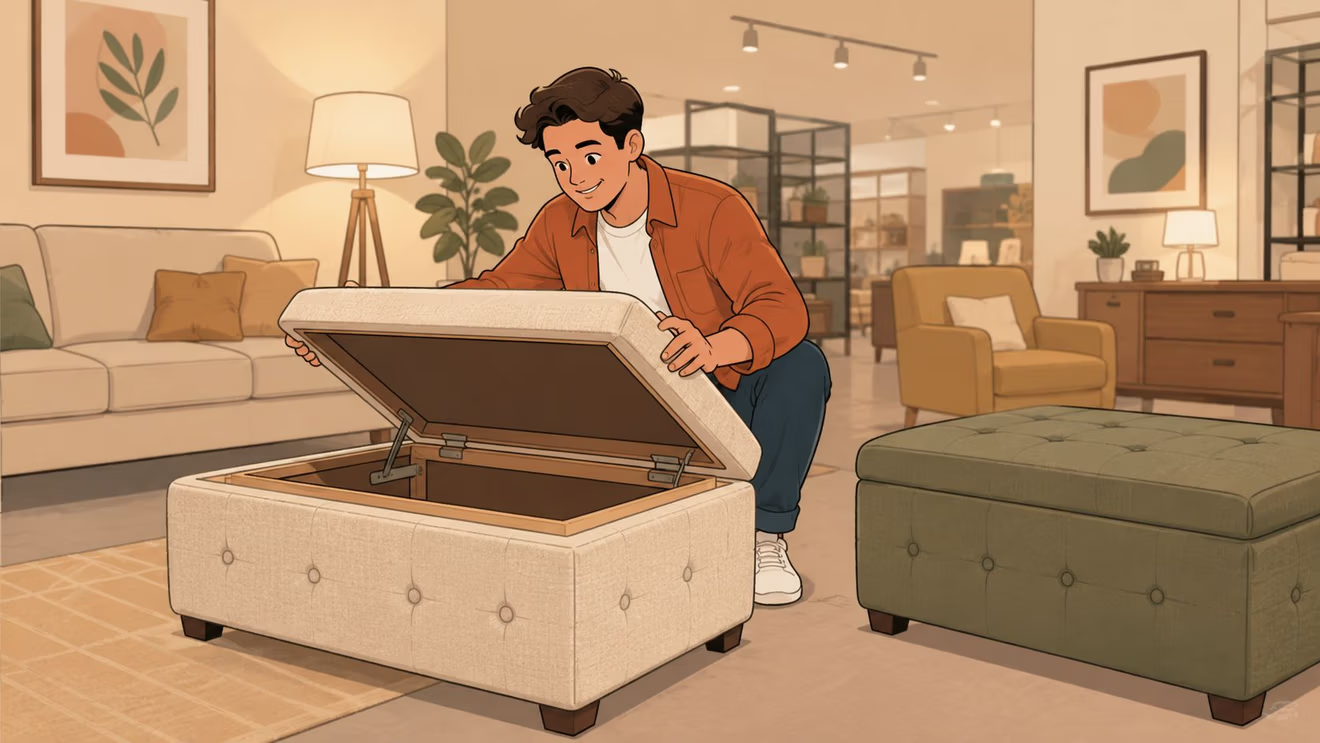
Buying local changes this kind of purchase because the ottoman needs to be touched, lifted, and opened before it goes home. A showroom visit lets shoppers compare the frame feel, lid action, and seat comfort in person, which is hard to judge from a photo. That matters even more with storage furniture, because the inside has to work as well as the outside.
BILTRITE's Greenfield showroom gives shoppers access to a large in-stock selection, plus custom options in fabric, leather, wood, finish, and hardware for pieces that need a more specific look. The store also offers white-glove delivery on qualifying purchases and old mattress removal on eligible sets, which keeps the whole home setup process simple. For tight Milwaukee-area homes, the come-apart sofa and sectional options are part of the same practical mindset, helping furniture get into homes that aren't built for oversized delivery.
The service side matters
The sales floor brings together over 400 years of combined experience, so the help comes from people who spend their days matching real homes to real furniture. That kind of guidance is useful when a shopper is choosing between a small cube, a bench, or a larger hidden-storage piece.
BILTRITE also stays closed on Sundays, and that family-first choice says a lot about how the store works. It's a local business that values time, community, and the showroom experience instead of pushing an online cart. That approach feels right for furniture that should be seen in person.
A storage ottoman is a small piece with a lot of decisions behind it. Seeing one in a showroom usually makes the choice obvious.
For shoppers in Greenfield and across Metro Milwaukee, that hands-on visit can make the difference between a nice-looking piece and one that fits the room.
Your Quick Checklist Before You Buy
Start with the room. Measure the floor space, check the doorway, and leave room for the lid to open without hitting nearby furniture. Then compare usable interior space, not just the outside dimensions, because padding and structure can shrink the storage more than the eye expects.
Next, look underneath the fabric. A strong frame, clear weight rating, and dependable lid hardware matter more than a pretty cover. Then match the shape to the room, cube for tight spots, bench for longer walls or beds, and a larger ottoman for open family spaces.
The short version
- Measure first: Confirm the room, the hall, and the doorway before anything else.
- Check the interior: Usable cubic space tells the truth better than the outer footprint.
- Inspect the frame: Solid wood and well-built joinery usually age better than loose construction.
- Match the shape: Pick the type that fits the room's traffic pattern and seating needs.
- Decide how you want to shop: In-stock pieces are fast, while custom options give more control over the finish.
That's the kind of purchase worth seeing in person, especially when the ottoman has to do real work in a busy home. A visit to the showroom at 5430 West Layton Avenue in Greenfield gives shoppers a chance to compare options side by side and talk through the details with a local team that knows the difference between a nice accent and a hard-working storage piece.
BILTRITE Furniture-Leather-Mattresses carries storage-friendly furniture, custom options, and practical pieces that fit real Milwaukee homes. If an ottoman with storage is on the list, visit BILTRITE Furniture-Leather-Mattresses and stop by the Greenfield showroom to see the frames, fabrics, and sizes in person.