Small Apartment Furniture Ideas: Space-Saving Solutions


You've found a sofa you love, measured the living room twice, and still aren't sure whether it will make the turn through the apartment doorway. That's the small-apartment furnishing puzzle. A room can look roomy on an empty floor plan, yet feel crowded once a sofa, table, bed, and storage pieces arrive.
The smartest small apartment furniture ideas start before shopping. They account for clearance, delivery, flexibility, comfort, and lasting quality, not just a piece's appearance in a staged photo. The right furniture can make a compact home feel welcoming and useful without forcing every room to serve only one purpose.
The Small Apartment Furniture Problem
A first apartment often begins with an exciting blank canvas. Then the measurements come out. The sofa that looked comfortably compact online is too deep for the living area. The coffee table leaves barely enough room to walk around it. A bedroom set fits on paper, but the drawers can't open without striking the bed.
That frustration isn't unusual. A peer-reviewed consumer study of apartment furniture found that only 12% of respondents were satisfied with their current furniture use, while 60% were dissatisfied, with limited space identified as a major constraint. The study also concluded that space-saving furniture can improve apartment-dweller satisfaction, which supports choosing pieces for how they function every day, not merely how they photograph. Read the apartment furniture satisfaction study
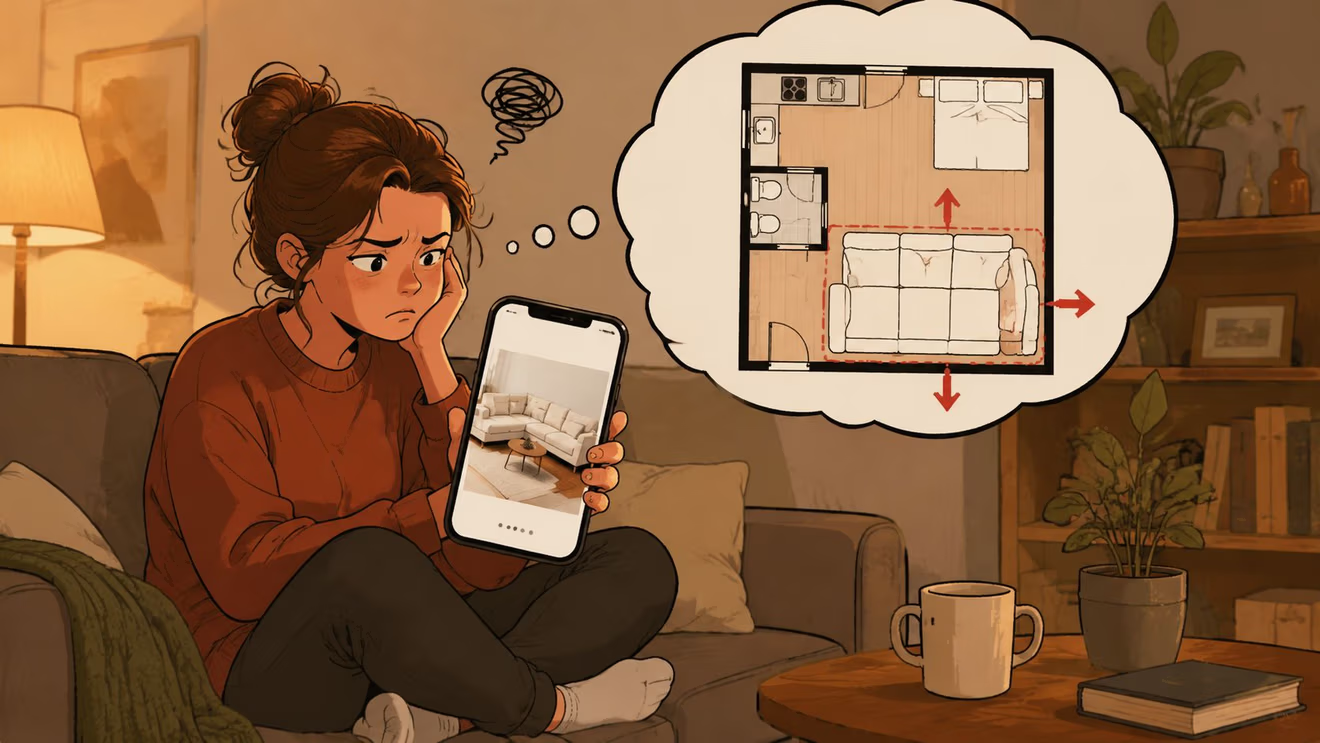
Practical rule: A piece earns its place when it supports the way the resident actually lives.
A compact apartment doesn't need to feel like a storage closet. A sofa can anchor the living zone while a storage ottoman handles blankets and extra seating. A wall-mounted desk can disappear after work. A bed with drawers can reduce the need for another bulky dresser.
Apartment sizes also vary greatly by location. In the United States, the average new rental apartment reached 916 square feet in 2024, after increasing by 27 square feet that year, while Seattle's average remained 661 square feet and Gainesville, Florida, reached 1,173 square feet. See the apartment size reporting and market context Those differences show why a furniture plan that works in one city may be awkward in another.
The best starting point isn't a shopping list. It's an honest look at the apartment's doorways, walkways, storage needs, and daily routines.
Measuring Your Space Before You Buy
Furniture measurements matter, but room measurements alone aren't enough. A sofa may fit along a wall and still block a hallway. A dining table may fit when closed but make the kitchen unusable when expanded. Before visiting a showroom, residents should measure the full path from the building entrance to the intended room.
A simple planning routine helps:
- Measure the room. Record wall length, ceiling height, windows, radiators, outlets, doors, and closets.
- Measure the route. Check the apartment entrance, hallways, stair turns, elevator opening, and interior doorways.
- Mark the footprint. Use painter's tape to outline the proposed sofa, bed, table, or desk on the floor.
- Test the movement. Walk the taped paths while carrying a laundry basket or opening doors. A layout that looks acceptable may feel awkward in motion.
- Record the measurements. Keep the notes on a phone before shopping, then compare every product's dimensions with the actual room.
For main walkways, common apartment guidance recommends 30 to 36 inches of clearance. A sofa and coffee table generally need 18 inches between them, while a bed benefits from 24 to 30 inches around three sides. Review small-city apartment furniture fit guidance
| Space Type | Minimum Clearance | Why It Matters |
|---|---|---|
| Main walkway | 30 to 36 inches | Keeps regular movement comfortable |
| Sofa to coffee table | 18 inches | Allows seating access and table use |
| Around three sides of a bed | 24 to 30 inches | Supports making the bed and moving around it |
The phrase “minimum clearance” deserves attention. These figures aren't a command to fill every available inch. They're a warning line. If a room only works when a chair is pushed aside or a closet door stays closed, the furniture is too large for the lifestyle.
A useful furniture measuring guide can help residents prepare before a showroom visit. Bringing a rough floor plan, doorway measurements, and photos of the room gives a furniture associate something practical to work with.
Measure the route before falling in love with the piece. Delivery problems are much easier to prevent than to solve after furniture arrives.
Multi-Functional Furniture That Works Hard
Small apartments benefit from furniture that performs more than one job, but multifunctionality shouldn't excuse poor comfort or weak construction. A sofa bed, for example, needs to feel pleasant for everyday sitting and provide a usable sleep surface when guests stay over. A clever mechanism isn't helpful if nobody wants to sit on it.
The global small-space furniture market is projected to reach USD 12.151 billion by 2035, with the source describing continued expansion from compact and multifunctional designs. Review the small-space furniture market estimate That projection reflects a broad shift toward furniture that combines living, storage, sleeping, working, and dining functions in a smaller footprint.
Compare the job, not just the feature
A sofa bed saves space compared with maintaining a separate guest bed, but daily comfort deserves priority. Residents who host guests often may value a true sleeping function, while others may prefer a standard apartment-sized sofa and a separate occasional sleeping option.
Modular sectionals offer another kind of flexibility. Sections can be rearranged when the living room changes, and some configurations can separate into chairs or a loveseat. The trade-off is that a sectional still needs careful planning so its individual pieces don't interrupt the walkway.
Nesting tables suit residents who occasionally need more surfaces. The smaller tables tuck beneath the larger one when the room is quiet, then spread out for snacks, laptops, or guests. A storage ottoman can serve as a footrest, extra seat, and place for throws, but the lid should open securely and remain easy to handle.
A drop-leaf dining table works well when everyday meals happen at a compact surface, but the table should feel stable before it expands. If it wobbles in its regular position, the added surface won't solve the problem.
A practical evaluation checklist includes:
- Daily comfort: Can the piece support its main use without constant adjustment?
- Changeover effort: Is the transformation simple enough to happen regularly?
- Stability: Does the piece feel solid in both compact and expanded forms?
- Repair and upkeep: Can hardware, upholstery, or moving parts be maintained?
- Future layouts: Will it still work if the resident moves or changes the room?
The guide to choosing multifunctional furniture can help shoppers weigh these trade-offs. A smaller footprint matters, but adaptability only has value when the furniture remains comfortable and dependable.
Smart Storage That Disappears When Not in Use
Storage works best when it follows the apartment's daily rhythm. Frequently used items should stay easy to reach, while seasonal belongings and occasional supplies can disappear behind doors, inside drawers, or beneath the bed.
Vertical space creates the biggest opportunity. A floating shelf uses wall area without adding another floor obstacle. A tall bookcase can hold books, dishes, or baskets while drawing the eye upward. A wall-mounted desk can provide a work surface during the day and fold flat when the workday ends.
Build a connected storage system
In the living area, a storage ottoman can hold throws, games, or spare pillows while serving as seating. A storage ottoman option makes sense when the apartment needs hidden organization without another cabinet.
The bedroom can take on more work. Bed frames with built-in drawers use space that would otherwise remain difficult to access. Under-bed bins can hold seasonal clothing or linens, and vacuum-sealed bags can reduce the volume of items that aren't needed every week.
The entryway deserves its own small system. Hooks keep coats and bags off chairs, a narrow bench can provide seating while storing shoes, and a basket can contain items that need to leave the apartment. Even a short drop zone can prevent clutter from spreading into the living space.
Open and closed storage serve different purposes:
- Open shelves: Best for books, plants, and items used often.
- Closed drawers: Useful for clothing, paperwork, and small household goods.
- Baskets: Helpful for flexible categories such as accessories or folded blankets.
- Wall-mounted cabinets: Suitable when floor space is limited but concealed storage is needed.
The aim isn't to hide every possession. A few visible objects add warmth and personality. The goal is to keep daily clutter from occupying every surface, so the apartment still feels calm after a busy day.
Come-Apart Pieces for Tight Entries and Hallways
A furniture plan can be flawless inside the apartment and still fail at the front door. Residents often focus on the sofa's length and depth, then discover that the effective diagonal width makes it impossible to angle through an entryway.
Apartment doorways commonly measure about 29 to 32 inches, and delivery guidance emphasizes that the clear opening needs to exceed the piece's effective diagonal width. Review apartment delivery fit guidance Door trim, hinges, railings, hallway corners, and elevator interiors can reduce the usable path even further.

The delivery question comes before the style question. A piece that can't enter the building isn't a solution, no matter how well it matches the room.
Come-apart sofas, sectionals, loveseats, and recliners address this problem by separating into manageable sections for transport and reassembly. That design can be especially useful in older buildings, walk-up apartments, narrow corridors, and elevators with limited turning room.
Before ordering or reserving a piece, shoppers should ask:
- Which parts come apart? A removable back may help, but a separated frame can make an even greater difference.
- Who handles reassembly? The delivery team should explain how the pieces reconnect.
- What path will the crew use? A building entrance, stairwell, elevator, and apartment doorway all matter.
- Can the piece move later? Renters should think about the next apartment, not only today's floor plan.
A come-apart sofa guide provides a useful starting point for shoppers facing tight entries. The broader lesson is simple: manageable sections often matter more than one dramatic statement piece in dense-city housing.
Styling Your Small Apartment for Comfort and Flow
A compact home can feel crowded because of visual noise even when the furniture technically fits. A calmer result comes from giving each zone a clear purpose and repeating a few finishes throughout the apartment.
A studio with a sofa, bed, desk, and dining surface may initially read as one busy room. A rug beneath the seating area can define the living zone, while a separate rug or lighting fixture can mark the dining area. The furniture doesn't need to form walls. It only needs to create understandable boundaries.
Let light and sightlines do the work
Warm minimalism suits small apartments because it leaves room for personality without filling every surface. Natural wood, woven textures, and a restrained color palette can make different areas feel connected. A consistent palette also helps an open studio look intentional rather than assembled piece by piece.
Lighting should come in layers. A ceiling fixture provides general illumination, while a floor lamp, table lamp, or wall-mounted fixture adds softer light at seating and work areas. Mirrors can reflect daylight and make a room feel deeper, especially when positioned across from a window or lamp.
A few styling choices usually help:
- Use one visual anchor per zone. A headboard, artwork, pendant fixture, or sofa can establish character without competing for attention.
- Keep patterns related. Too many unrelated prints make a compact room feel fragmented.
- Leave some walls quiet. Empty space gives the eye a place to rest.
- Choose furniture with visible floor beneath it. Raised legs can make the room feel lighter.
- Keep windows clear. Tall furniture and heavy coverings can stop natural light from traveling through the apartment.
The finished room should feel comfortable, not showroom-staged. A small apartment has room for books, a favorite chair, family photos, and the occasional pile of mail. Good styling gives those everyday items a home.
Finding Quality Small-Scale Furniture at a Local Showroom
Small-scale furniture is easier to judge in person. A shopper can sit on a sofa, test the depth, inspect the clearance beneath a table, and compare upholstery in the actual light. Those details are difficult to understand from a product image, especially when the apartment's comfort depends on proportion.
A local showroom also makes delivery questions part of the conversation. Residents can bring doorway measurements, hallway photos, and a rough layout, then ask whether a sofa comes apart, whether a sectional can be reconfigured, or whether a recliner needs extra clearance behind it.
BILTRITE Furniture-Leather-Mattresses is a fourth-generation, family-owned business serving Metro Milwaukee since 1928. The Greenfield showroom carries small-scale furniture for apartments and condos, come-apart sofas and sectionals, USA-made and Amish-made solid wood furniture, and options designed for different household needs. Its mattress department includes over 60 models, giving apartment shoppers a place to address both furnishing and sleep needs during the same visit.
Why construction deserves attention
Small apartments often require furniture to move through tight spaces, change layouts, and serve several purposes. That makes durability, repairability, and upgradeability more useful than choosing the smallest item available. Solid wood construction, dependable hardware, and upholstery selected for daily life can help a piece remain useful when the resident moves or rearranges the room.
BILTRITE's sales associates have over 400 years of combined experience and are available to answer questions without pressure. The store is closed on Sundays and Mondays to support family time, a value that fits its long-standing local and community-first approach.
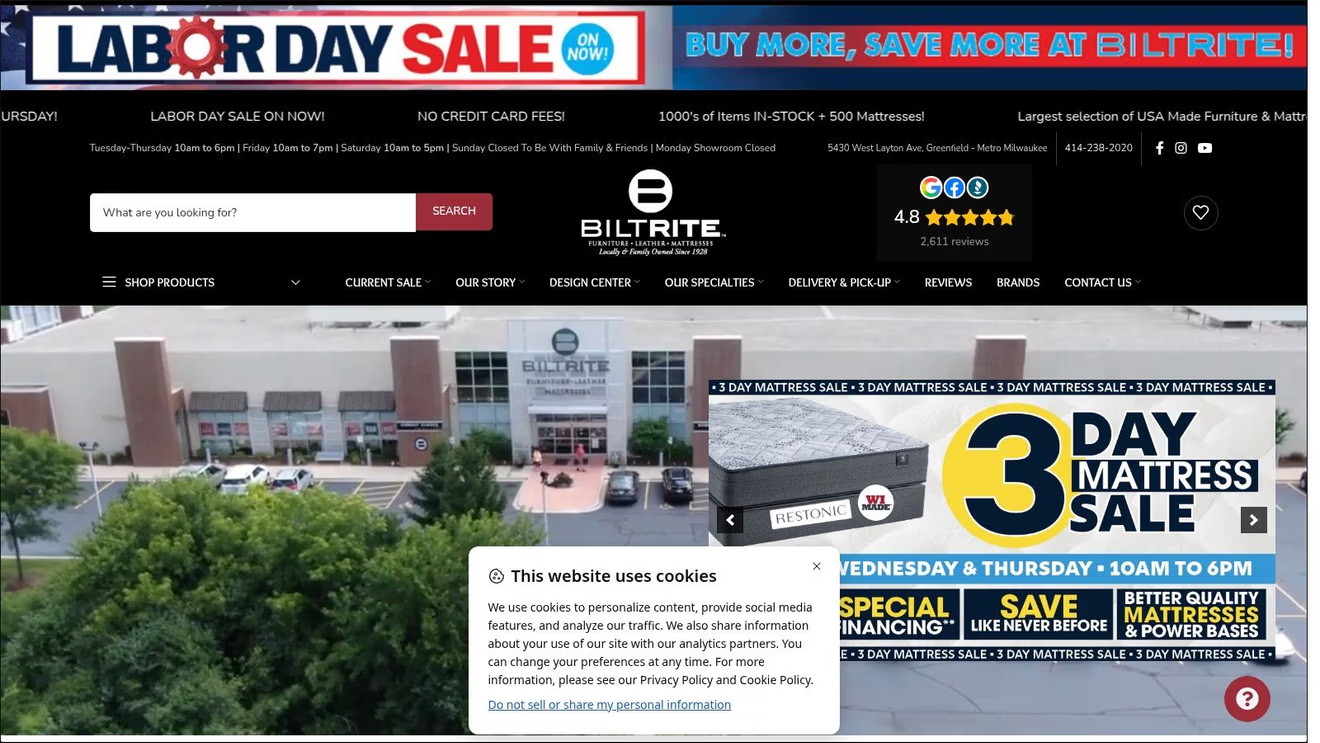
A visit to the showroom lets residents test the ideas that matter most, including scale, comfort, storage access, and delivery fit. The small-space furniture collection offers another way to prepare for that conversation before heading to Greenfield.
BILTRITE Furniture-Leather-Mattresses offers small-scale furniture, come-apart sofas and sectionals, USA-made and Amish-made pieces, and a mattress department with over 60 models for apartment living needs. Visit BILTRITE Furniture-Leather-Mattresses in Greenfield with room and doorway measurements, and let the local team help find comfortable furniture that fits both the apartment and the way its residents live.