3 DAY MATTRESS SALE! THURSDAY - FRIDAY - SATURDAY!
LABOR DAY SALE HELD OVER ENDS SATURDAY, SEPTEMBER 19 AT 5PM!
NO CREDIT CARD FEES!
1000's of Items IN-STOCK + 500 Mattresses!
Largest selection of USA Made Furniture & Mattresses + Amish Made!
FREE In-Store Design Services!
BUY LOCAL & LOVE YOUR HOME!
3 DAY MATTRESS SALE! THURSDAY - FRIDAY - SATURDAY!
LABOR DAY SALE HELD OVER ENDS SATURDAY, SEPTEMBER 19 AT 5PM!
NO CREDIT CARD FEES!
1000's of Items IN-STOCK + 500 Mattresses!
Largest selection of USA Made Furniture & Mattresses + Amish Made!
FREE In-Store Design Services!
BUY LOCAL & LOVE YOUR HOME!
OPEN LABOR DAY | Tuesday-Thursday 10am to 6pm | Friday 10am to 7pm | Saturday 10am to 5pm | Sunday Closed To Be With Family & Friends | Monday Showroom Closed
5430 West Layton Ave, Greenfield - Metro Milwaukee
You know that feeling when a mattress looks fine in the morning, but by midnight it starts acting like a bad guest, too hard in one spot, too soft in another, and somehow responsible for the sore shoulders the next day? That's usually when people start wondering whether memory foam mattress benefits are real or just marketing talk. For Metro Milwaukee shoppers, that question matters, because sleep comfort is personal, and the best answer usually comes from trying a bed in person, not guessing from a screen.
At BILTRITE, we've been helping families in Greenfield and across Metro Milwaukee since 1928, so we've seen how often the right mattress changes the whole feel of a bedroom. Our team has more than 400 years of combined experience, which means shoppers get guidance from people who've listened to a lot of sleep stories, not a script. And because we're a fourth-generation, family-owned showroom, the conversation stays practical, honest, and focused on what fits the sleeper.
Why Memory Foam Mattress Benefits Matter
A mattress usually gets attention only after it starts causing problems. A side sleeper may wake up with sore shoulders, a partner's movement may travel across the bed, or the body may feel stiff in the morning even after a full night of sleep.
That is where memory foam starts to make sense for many shoppers. It has become a major mattress category because people keep looking for pressure relief, motion control, and a feel that matches the body instead of fighting it. Local shoppers often hear the same questions again and again, and memory foam comes up because the material addresses the kinds of complaints that show up in real bedrooms, not just on a product label.
For families shopping in Milwaukee, the value of a showroom visit is easy to understand. A mattress can sound right on paper and still feel wrong once someone lies down on it. At BILTRITE, shoppers can compare memory foam options with other constructions, ask about feel, and get plain-language guidance from people who help customers with this every day. The conversation also includes practical fit details, like whether a sleeper may prefer a flip or two-sided option, how long a trial policy lasts, and what kind of support feels best for a specific body type.
Practical rule: if the mattress conversation keeps coming back to pressure points, partner movement, or waking up unrested, memory foam deserves a close look.
The point is not that memory foam fixes every sleep issue. The point is that it offers enough real-world usefulness, and enough sleep research behind it, to deserve careful comparison. BILTRITE's memory foam mattress guide helps shoppers understand what the material does before they decide whether it fits their home.
How Memory Foam Technology Works
Memory foam works like a material that listens to pressure. It softens where the body presses hardest, then slowly returns to its original shape after the pressure is gone. That slow reaction comes from its viscoelastic structure, which responds to heat and weight in a way that feels different from traditional springy support. If you want a plain-language overview before comparing models in person, our guide to memory foam mattresses is a helpful place to start.
The result is a mattress that spreads body weight across a wider area instead of pushing back in a few tight spots. Shoulders, hips, and the lower back often feel that change first. Shoppers usually describe the feeling as contouring or a gentle hug, but the practical point is pressure redistribution, which helps explain why the material is so closely tied to pressure relief.
Where the contouring really happens
Most of the shaping comes from the comfort layer, which is usually about 1 to 4 inches thick. Denser versions are commonly reported around 3.0 to 5.0 lb/ft³, and those denser builds often contour more firmly and hold up longer, though they can sleep warmer. How memory foam works
That detail matters because a mattress does not feel the same from top to bottom. The upper layer does most of the contouring, while the rest of the mattress changes how deep the body sinks and how quickly the surface bounces back after a movement. At BILTRITE, shoppers often ask whether a foam bed should feel too soft or too firm, and the answer usually depends on those construction details, plus whether the model is built as a flip or two-sided option.
The fastest way to understand the feel is to test it with your own body. Lie down long enough to notice how the shoulders settle, how the hips are supported, and how quickly the mattress responds when you turn from your back to your side. Those small shifts tell more than a spec sheet alone, especially for Milwaukee shoppers who want a practical fit before they bring anything home.
Key Memory Foam Mattress Benefits Explained
A memory foam mattress matters because it changes how your body meets the surface, not just how soft the bed feels at first touch. A 2024 study reported in Sleep found that people resting on memory foam had less wakefulness after sleep onset, fewer overnight awakenings, and better sleep efficiency and sleep maintenance than they did on their original mattresses. The same study also reported that participants felt more comfortable, fell asleep faster, slept longer, rated their sleep more highly, and woke up feeling more rested. 2024 Sleep study on memory foam
That kind of result helps explain why the category gets so much attention. The benefit shows up in both the numbers and the way people describe the bed in the morning. For someone who wakes up often, even a small improvement in sleep continuity can feel noticeable the next day.
The five benefits shoppers notice most
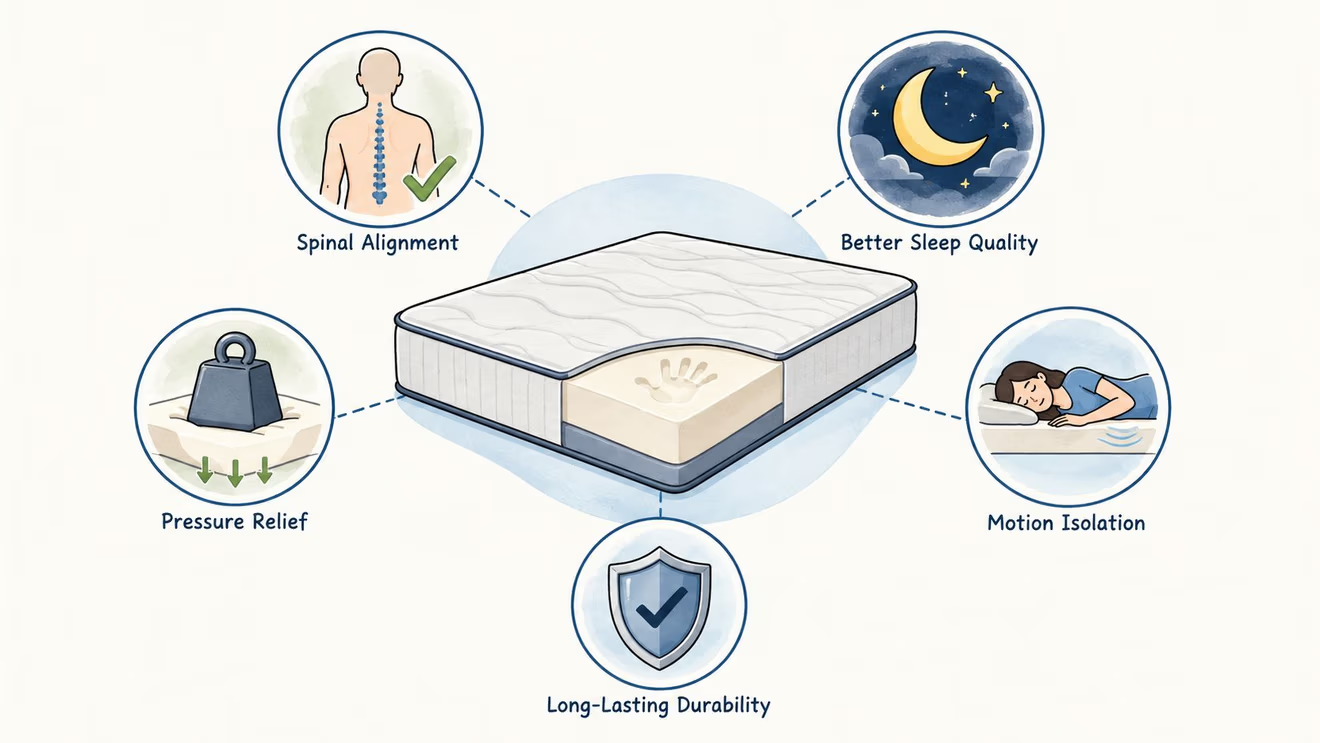
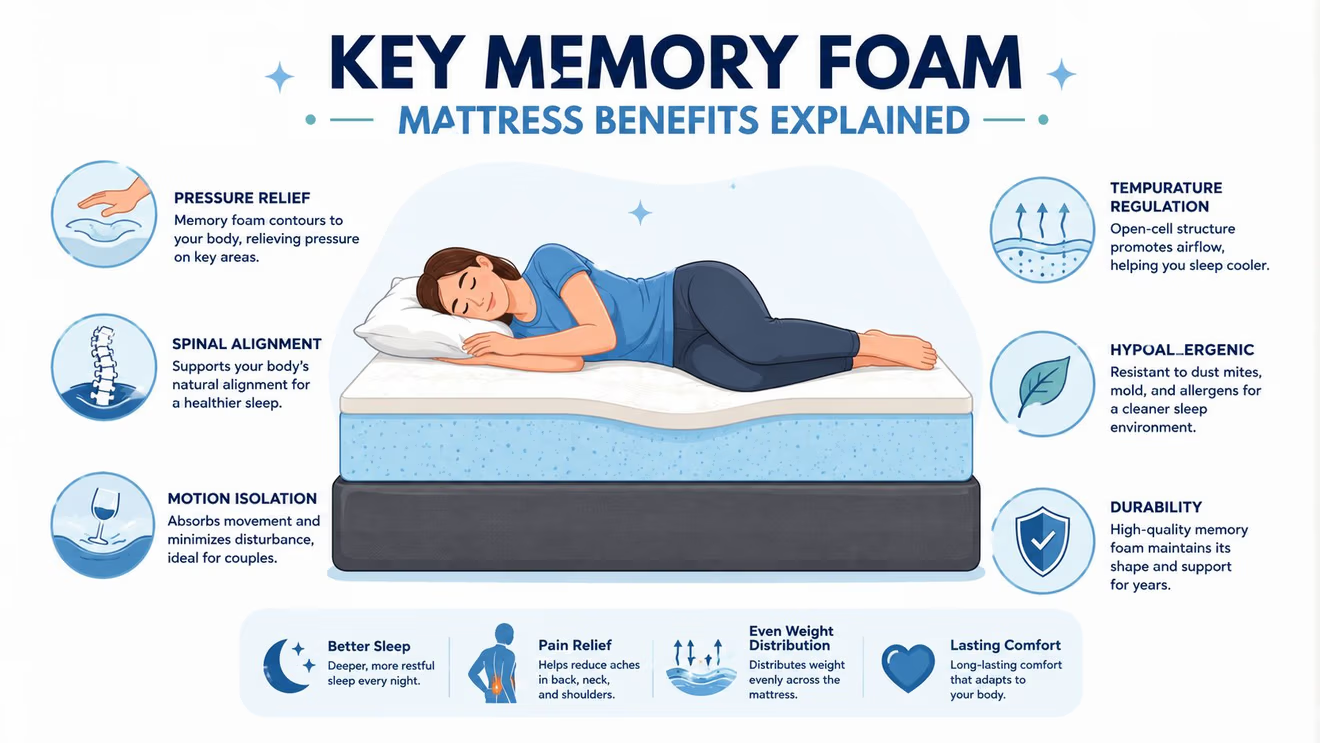
Pressure relief is usually the first thing people notice. The foam molds around the body and spreads weight away from high-pressure areas like the shoulders and hips. For many side sleepers, that feeling is the difference between waking up sore and waking up with less stiffness. Pressure-relief mattress guidance
Motion isolation comes next. Foam absorbs movement instead of sending it across the bed, so a partner turning over is less likely to disturb the other sleeper. In a shared bed, that can make the whole surface feel calmer and less jittery.
Spinal alignment is another reason shoppers choose memory foam. When the mattress follows the body's curves well, the spine can stay in a more natural position instead of dipping in one place and bracing in another. That matters for sleepers who want support without a hard, rigid feel.
Allergen resistance also comes up in conversation, though expectations should stay realistic. Dense foam does not leave the same open spaces as some spring systems, but the bigger allergy picture still depends on moisture control, regular cleaning, and the right encasement. The material alone does not solve every sensitivity issue.
Durability rounds out the list. Memory foam is often valued because it stays quiet and needs little day-to-day fuss, and many shoppers like that it does not require regular flipping or turning. At BILTRITE, that practical side matters just as much as the feel, especially for Milwaukee shoppers comparing one-sided beds with flip and two-sided options in the showroom.
Who Sleeps Best on Memory Foam
A side sleeper usually feels the memory foam advantage first. Shoulders and hips press into the bed at sharper angles than they do on the back, so contouring can take pressure off those contact points. Independent guidance notes that memory foam is especially strong for side sleepers under 230 pounds, which lines up with the way the material works against pressure, not just against body size. Body type and mattress fit guidance
That doesn't mean every side sleeper should pick the same feel. A lighter sleeper may want gentler contouring, while someone with broader shoulders may need deeper pressure relief. At a showroom like BILTRITE, that difference becomes obvious fast when shoppers lie down and compare.
A couple sharing a bed often looks at memory foam for a different reason, the quiet and motion control. If one person shifts during the night, the other person usually feels less of that movement across the mattress. That can make the bed feel calmer, especially for light sleepers.
A few common sleeper profiles
Back sleepers: often like the way the foam supports the lower back while still filling in the body's natural curve.
Side sleepers: tend to notice the strongest pressure relief at the shoulders and hips.
Combination sleepers: may like the contouring, but they should pay close attention to how easily the mattress lets them switch positions.
Heavier sleepers: may need to test whether the bed gives enough support under deeper compression, since low-resilience foam can feel too enveloping for some bodies.
Stomach sleepers: often need to be more careful, because too much sink can throw off alignment at the lower back.
If a shopper keeps changing positions at night, the test isn't just comfort, it's whether the mattress lets the body move without fighting back.
Older adults and people with chronic aches also tend to pay close attention to how the mattress handles pressure points. Memory foam can feel soothing, but the best result depends on whether the sleeper wants deeper contouring or a firmer, more lifted feel. That's why a local showroom visit helps so much, because comfort is personal, and body type changes the answer.
Common Memory Foam Drawbacks to Know
A memory foam mattress can feel right in the showroom and still leave a shopper with a few questions once it gets home. Heat is the complaint people mention first, because the foam responds to body warmth and can hold that warmth longer than some other builds. A new mattress can also give off a noticeable smell at first, and some sleepers do not like the deeper sink that can make position changes feel slower.
Edge support deserves a close look in person. If someone sits near the side of a foam mattress to put on shoes, the edge may feel softer or less stable than a bed with more spring support. That matters for people who use the full surface of the mattress, not just the center. For a closer look at how different foam feels in real use, BILTRITE shoppers often compare options through our gel mattress versus memory foam guide.
The trade-offs people ask about most
Heat retention: can stand out in warmer rooms or for people who already sleep hot.
Sinkage: feels comforting to some sleepers, but too deep for others.
Edge feel: may seem softer or less supportive than expected.
Durability limits: higher-quality foam can hold up well, but lower-quality foam can lose bounce sooner.
Allergy questions need a careful answer too. Dust mites are a common asthma trigger, and mattress material alone does not solve that problem. Bedding habits matter just as much, including an encasement and good moisture control.
Local shoppers often ask how foam compares with a cooler-feeling setup. That is a fair question, because some beds use gel layers or similar materials to change surface feel while still keeping some contour. The right choice depends on whether the sleeper wants more body-hugging support or a surface that feels less warm. BILTRITE's showroom team can help compare those feels side by side, and that hands-on test is usually clearer than reading a product page at home.
The honest takeaway is simple. Memory foam does a strong job with pressure relief and motion control, but it is not the right fit for every sleeper. The best match is the person who wants the hug and feels comfortable with it, instead of fighting against that closer contour.
Buying and Caring for Memory Foam
A good memory foam purchase starts with how the mattress will be used in the bedroom. Density shapes how closely the foam follows the body and how long that contouring feel tends to last. Thickness affects how far the sleeper sinks into the bed. Firmness decides whether the surface feels gently cradling or too wrapped around the body.
Local shoppers usually notice those differences best in person. A mattress that sounds right on a product page can feel very different once someone lies down on it, so BILTRITE's showroom team takes time to match comfort level, support, and sleep position instead of giving a one-size-fits-all answer.
A smart shopping checklist
Ask about layer thickness: the comfort layer does most of the contouring work.
Check firmness in person: the same foam can feel different once a body lies down on it.
Look for a build that matches temperature needs: hotter sleepers should pay attention to how the mattress handles heat.
Ask how it handles movement: couples usually care a lot about motion isolation.
Confirm care expectations: memory foam is generally low-maintenance and usually does not need regular flipping or turning. Low-maintenance memory foam care
The support layers underneath the foam matter just as much as the foam itself. A comfort layer can feel excellent for a few minutes in the showroom, but the base needs to match the sleeper's weight and position so the mattress does not feel uneven later. That is one reason BILTRITE's in-store team talks through the full build, not just the top layer. For shoppers who want to compare brands and builds side by side, our best memory foam mattress brands guide can help narrow the field before a visit.
A mattress protector helps keep spills and everyday moisture from becoming long-term problems. Rotating the mattress on the schedule recommended by the maker can also help it wear more evenly, especially for sleepers who settle into the same spot night after night. That routine is simple, and it supports the bed without adding much work.
A good memory foam bed should make bedtime easier, not add chores to the week.
Ventilation matters too. Letting the room breathe, using bedding that feels comfortable through the seasons, and keeping the sleep surface clean all help preserve the feel of the foam. For Milwaukee families, that kind of practical care usually matters more than fancy extras.
Visit BILTRITE for Your Memory Foam
Memory foam makes the most sense when shoppers can lie down, compare feels, and ask real questions about body type, room temperature, and sleep position. That's where a showroom helps. BILTRITE keeps over 60 mattress models on the floor, including flip-able and 2-sided mattresses that can extend wear through even use, and our team helps shoppers sort through comfort, support, and care in plain language. BILTRITE memory foam brands and selection
Our mattress center is built for local shoppers who want to see and feel the difference before bringing anything home. We're also proud to be family-owned since 1928, and we close on Sundays and Mondays so our family can keep family time. That local rhythm is part of how we work, and it's one reason many Metro Milwaukee shoppers like visiting in person instead of shopping online.
For shoppers comparing options, the in-store visit also makes policies and extras easier to understand. The team can explain trial details, delivery options, and what fits a home's layout without guesswork. And because the selection is broad, it's easier to compare memory foam with other feels side by side.
The practical part matters most. If a mattress feels great for five minutes but wrong after lying still for longer, that's useful information. If a sleeper needs more lift, less sink, or a cooler surface, the showroom can reveal that quickly.
Ready to sort through the options with people who know the products and know the community? Come see us in Greenfield and feel the difference for yourself.
Visit BILTRITE Furniture-Leather-Mattresses in Greenfield to explore memory foam mattresses, flip-able and 2-sided options, and a huge in-store selection with help from our family-owned team. We'd love to help you compare comfort, support, and value in person so you can find the mattress that fits your home and your sleep.