Brown Floor Lamp: USA-Made Styles & Sizing


A lot of Milwaukee homes reach this point. The sofa is in place. The entertainment center looks right. The rug finally ties the room together. Then one corner still feels flat, dark, or unfinished. That's usually where a brown floor lamp earns its keep.
Brown works because it softens a room without demanding attention. It plays nicely with oak, maple, cherry, walnut, leather, and the mixed wood tones that show up in real family homes. It also fits the way many local homeowners furnish. They want warmth, function, and pieces that don't feel trendy for one season and tired the next.
That practical mindset has guided BILTRITE since 1928, when Irwin Kerns and Frieda Kerns founded the business as an upholstery shop in Milwaukee making custom furniture, building what is now a fourth-generation family business serving Metro Milwaukee, as shared in this Sleep Savvy feature on BILTRITE's history. A brown floor lamp may sound like a small choice, but it changes how a room feels at night, how a reading chair functions, and how wood furniture looks once the sun goes down.
More Than Just Light A Brown Floor Lamp Warms Your Home
A brown floor lamp does more than fill a dark corner. It adds visual warmth, balances larger furniture, and makes a living room feel settled. That matters when a space already has strong anchors like a solid wood TV console, a leather sofa, or an Amish-made end table.
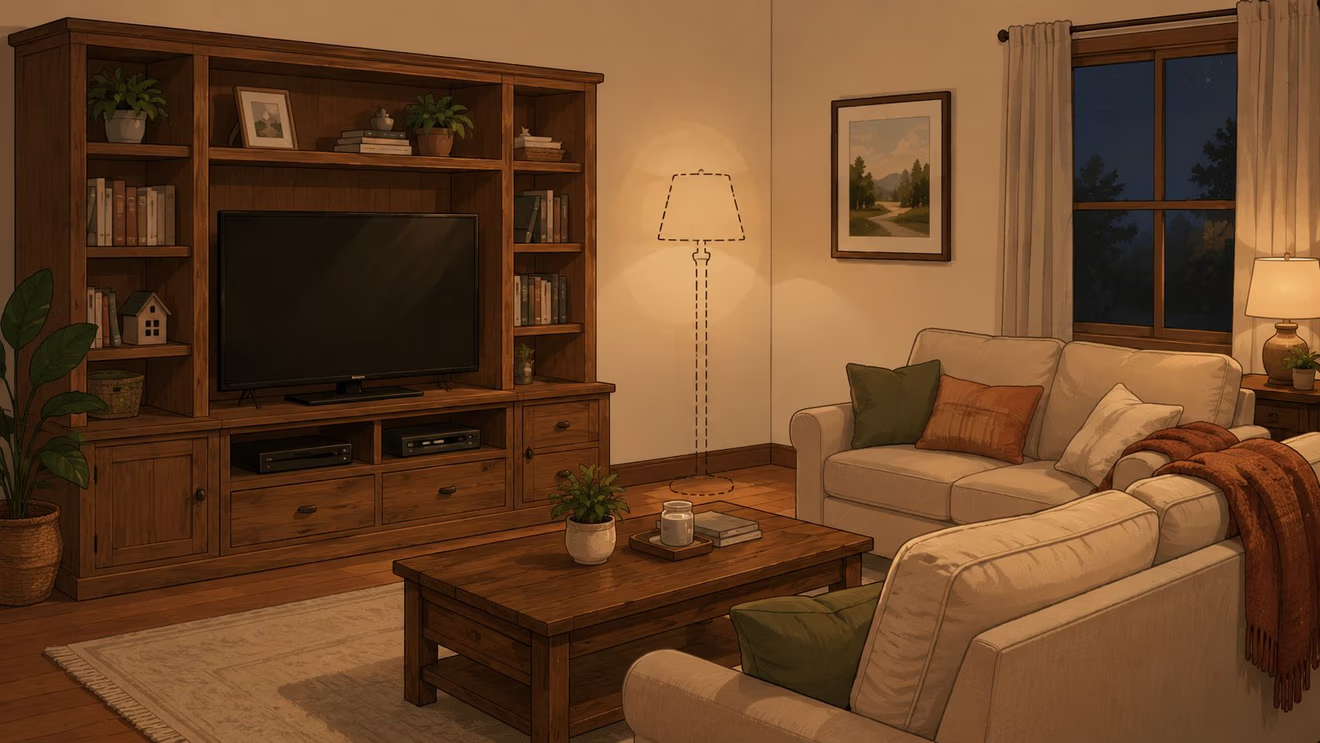
For many homes around Milwaukee, brown is the safer call than shiny chrome or stark black. It picks up the warmth in wood grain and keeps the room comfortable instead of cold. That's one reason floor lamps continue to matter in home furnishings. The global floor lamp market was valued at USD 43.6 billion in 2025 and is projected to reach USD 140.4 billion by 2035, with the residential segment representing 48.6% of the market in 2026, according to Future Market Insights on the floor lamps market.
Why Brown Feels Right in a Lived-In Room
Brown finishes tend to do three jobs well:
- They bridge wood tones. A brown floor lamp can sit near oak, cherry, or walnut without looking out of place.
- They calm down contrast. In rooms with a lot of screens, metal, and upholstery, brown adds softness.
- They stay useful across style changes. If pillows, rugs, or wall color change later, brown usually still works.
Practical rule: If a room already has solid wood furniture, a brown floor lamp usually looks intentional faster than a painted or high-gloss finish.
That's also why local shoppers often want to see these pieces in person instead of guessing from a screen. Brown can be rustic, deep espresso, bronze-toned, or woodsy depending on the material and the light in the room. A lamp that looks warm online can show up looking almost black at home.
The Finishing Touch Most Rooms Need
A lamp should support daily life, not just decorate a corner. It should help with reading, soften overhead lighting, and make the room more welcoming at night. Homes feel better when lighting comes from more than one level.
That same idea shows up in BILTRITE's thoughts on loving the space at home. A room doesn't feel complete because it's full. It feels complete because the pieces work together.
Finding Your Style Wood Metal and More
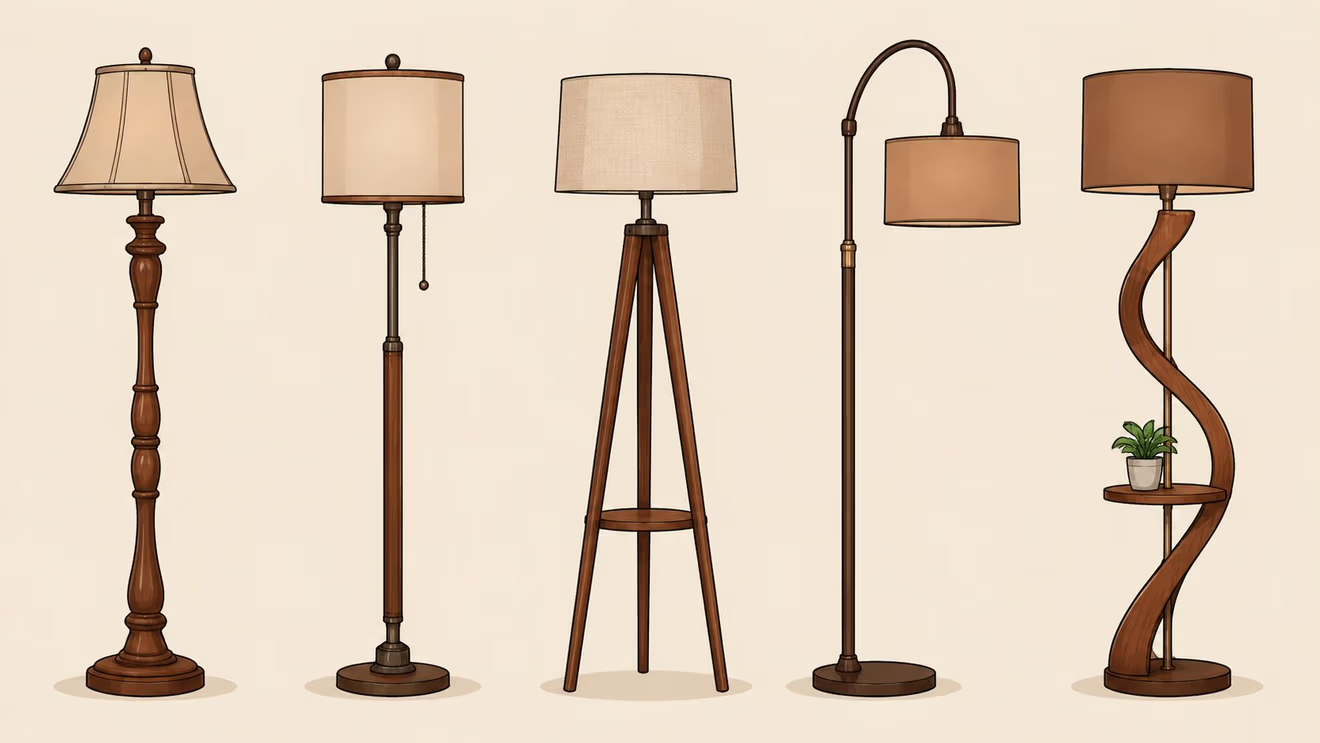
The phrase brown floor lamp sounds simple, but it covers a lot of ground. Some shoppers want wood because it coordinates with solid wood furniture. Others want metal with a warm bronze finish because the room leans modern. Both can work. The trick is matching the lamp's finish to the furniture's character, not just its color.
Brown Is Not One Finish
Brown shows up in several useful forms:
| Style | What it pairs with | What it feels like |
|---|---|---|
| Wood brown | Solid wood casegoods, Amish furniture, classic upholstery | Warm, grounded, familiar |
| Bronze brown | Transitional or industrial rooms, mixed metal accents | Rich, tailored |
| Espresso brown | Darker entertainment units, leather seating | Clean, dressy |
| Weathered brown | Rustic, farmhouse, relaxed spaces | Casual, softer |
A wood-bodied lamp often looks strongest next to real wood furniture because it repeats natural material, not just color. A bronze or oil-rubbed finish works well when a room already has hardware, frames, or accent tables with metal details.
The Black Versus Brown Problem
This trips up shoppers all the time. Online photos flatten color, and dark finishes often blur together. Existing content often skips this problem, even though customer questions regularly ask, “Is this lamp black or brown?”, as shown in this product question thread about finish confusion.
That confusion matters more in homes with solid wood furniture. Black can look sharp and deliberate. Brown can look softer and more connected to the room. Those are not the same result.
A lamp that's “close enough” in a product photo can look wrong beside real wood once it's under living room light.
A simple in-store check solves most of this. Look at the base next to the wood finish it needs to support. Then step back. If the lamp disappears into the piece beside it, that can be good. If it clashes or reads muddy, keep looking.
Matching Brown to Milwaukee Homes
Milwaukee-area homes aren't all styled the same, and the lamp should follow the home.
- Bungalows and colonials often look right with wood or bronze finishes that echo trim and traditional casegoods.
- Condos and apartments usually benefit from cleaner lines and slimmer brown metal bases.
- Family rooms with leather seating often handle deeper espresso or bronze tones well.
- Rooms with Amish-made furniture usually benefit from a lamp that respects the craftsmanship instead of stealing the scene.
For shoppers comparing finishes, this related look at black and gold floor lamps can help clarify when stronger contrast makes sense and when a warmer brown is the better fit.
Getting the Size and Scale Right for Your Room
A good-looking lamp can still be wrong if it's too short, too tall, or too bulky for the room. Scale matters. A lamp beside a reading chair has a different job than a lamp tucked near a sectional or placed behind a sofa.

The cleanest starting point is height. Expert ergonomic standards place freestanding floor lamps at 58" to 64" overall so the light source aligns with the standard seated eye level of 40" to 42" and gives useful light without glare, according to Dimensions guidance for floor lamps. That range is practical because it helps the light land where people use it.
A Fast Way to Judge Height
Use the seat first, not the ceiling.
- Next to a reading chair. The shade or light source should sit high enough to light a page, but not shine into the eyes.
- Beside a sofa end. The lamp should relate to the arm height and back height, not tower over both.
- Near a sectional corner. The lamp needs enough height to spread light across the seating area instead of creating one tight pool.
If a lamp looks tiny next to a substantial chair, it probably is. If it dominates a compact condo living room, it's likely the wrong pick even if the color is right.
Scale Has to Match the Furniture
Achieving proper room balance can be tricky. A thin lamp next to a hefty entertainment center can look accidental. A giant arc lamp in a narrow apartment can eat valuable floor space. Brown helps visually, but size still has to make sense.
A few practical pairings make the decision easier:
| Room setup | Lamp direction |
|---|---|
| Small apartment seating area | Slim base, open visual footprint |
| Deep upholstered chair and ottoman | Taller profile with focused downward light |
| Large sectional in family room | Broader presence or arc style |
| Senior living or tighter layouts | Stable footprint without awkward reach |
Local advice: In smaller Bay View or downtown spaces, shoppers usually do better with a lamp that's visually light, even if the base is solid.
That's also where small-scale furniture and lamp coordination matter. A room doesn't need less comfort. It needs pieces that fit the footprint.
For more help on how lighting changes the look of seating, tables, and traffic flow, this living room lighting guide from BILTRITE is worth a look.
Shades Bulbs and Creating the Right Glow
The base gets attention, but the shade and bulb decide how the room feels at night. Two lamps with similar brown finishes can produce completely different results depending on those choices. One can make a room feel soft and calm. Another can feel harsh or oddly dim.
What the Shade Changes
The shade controls direction and mood more than is often realized.
- Light-colored drum shades spread light wider. They're useful when a lamp needs to support the whole room.
- Tapered shades usually push more light downward, which helps in reading corners.
- Textured fabric shades soften brightness and add a little visual depth, especially near wood furniture.
A brown floor lamp with a pale linen-style shade often gives the most balanced look in a living room. The darker base grounds the lamp. The lighter shade keeps it from feeling heavy.
Keep the Bulb Warm, Not Blue
Most living rooms look better with a warm LED bulb. That kind of light flatters brown finishes, leather, and wood tones. It also makes evening spaces feel settled instead of clinical.
Shoppers don't need to overcomplicate bulb language. The useful questions are simple:
- Is the light warm enough for a living room?
- Is it bright enough for the task nearby?
- Does the shade help spread or focus that light?
For many homes, warm white is the comfortable direction. It supports TV watching, conversation, and casual reading better than a colder office-style look.
A beautiful lamp with the wrong bulb is still the wrong lamp setup.
A Better Way to Build the Look
Instead of choosing parts separately, treat the lamp as a three-part combination:
- Base for style
- Shade for light direction
- Bulb for mood
That approach keeps shoppers from ending up with a lamp that matches the room but doesn't work in the room. For example, a dark bronze base with a soft neutral shade can feel elegant and easy near a wood console. A wood lamp with a broad shade can help a corner feel brighter without adding visual fuss.
For readers who are also mixing in table lighting, this guide to mercury glass table lamps can help show how floor and table lamps should complement each other instead of competing.
Lighting for Life Durability and Safety First
Much shopping advice often gets too cute and not useful enough. A floor lamp isn't just décor. It's a standing electrical product in a high-traffic area, often near kids, pets, blankets, side tables, and upholstered furniture. If the base is flimsy or the top runs too hot, the risk is real.
The safety issue deserves straight talk. The U.S. Consumer Product Safety Commission recorded 89 cases where lamp assemblies contacted combustible materials and created fire hazards, and the same CPSC document connects halogen lamp hazards to 84 reported injuries and 6 deaths. That guidance also notes that a stable design may require a weight-to-height ratio that often means more than 15 lbs for a 60" unit, as detailed in the CPSC report on halogen lamp hazards.
What to Reject Immediately
Some lamp styles are more trouble than they're worth. Open-top torch lamps deserve extra caution. Existing shopping content often ignores an important point. Torch lamps and open-top floor lamps are banned in many dorms due to fire hazards, which catches buyers off guard when they're just shopping by finish or style, as discussed in this post about dorm lamp restrictions.
That matters beyond dorms. It matters in senior living, tighter apartments, guest rooms, and any home where a lamp may sit close to fabric or be bumped more often.
What a Safer Brown Floor Lamp Looks Like
A better lamp usually has these traits:
- Weighted base. It should feel planted, not easy to wobble.
- Shade that directs or diffuses sensibly. Open exposed heat is not the goal.
- Solid joints and straight assembly. No sway, no looseness.
- LED compatibility. Cooler-running light is the smarter path for most homes.
Families with children or pets should lean toward broader, heavier bases. Seniors and caregivers should care just as much about stability and easy access to the switch. Style matters, but not more than daily safety.
The right lamp should survive normal life. Passing feet, vacuum cords, pets cutting corners, and a grandchild reaching up shouldn't turn it into a hazard.
Buy for Years, Not for One Season
A cheap lamp often hides its weaknesses in the base, socket, and joints. That's where long-term disappointment starts. Better construction doesn't just mean nicer materials. It means steadier placement, fewer headaches, and a piece that keeps doing its job.
That same logic applies to furniture in general, and this look at how long furniture should last makes the case clearly. Household pieces should hold up to real use. Lamps belong in that conversation too.
One practical example in this category is BILTRITE Furniture-Leather-Mattresses, which offers brown floor lamp options that can be viewed in person alongside solid wood and Amish-made furniture, letting shoppers judge finish, scale, and stability before bringing one home.
Come Find Your Lamp at BILTRITE
A brown floor lamp is one of those purchases that gets easier the moment it's seen in a real room setting. Finish is easier to judge. Height is easier to judge. Shade color makes more sense. So does base weight. That's hard to get from a screen and easy to understand in a showroom.

The store operates from its single showroom at 5430 West Layton Avenue in Greenfield, WI, where it moved in 2006 after starting at 3rd and Garfield in 1929, and it remains closed on Sundays and Mondays to support family time, as noted on BILTRITE's company history page. That local, family-first approach still shapes how shoppers are helped. No pressure. Just practical advice from people who know how furniture, lighting, room size, and wood finishes work together in real homes.
Why the Showroom Matters
Shoppers can do three important things in person that online listings rarely handle well:
- Compare browns carefully. Espresso, bronze, walnut, and near-black finishes don't look the same in person.
- Test scale next to furniture. A lamp that works with a solid wood chairside table may not work with a large media console.
- See material quality up close. Base weight, shade fabric, and overall stability are easier to judge in seconds.
That's especially useful for Milwaukee homeowners furnishing around USA-made and Amish-made pieces. A lamp doesn't need to dominate. It needs to belong.
Local Help Still Matters
The showroom team has over 400 years of combined experience, and the store also carries over 60 mattress models with 500+ mattresses in stock in the Mattress Center. That broad experience helps because lamp decisions are rarely isolated. They connect to seating height, room layout, wood tone, and the way a family actually uses the room.
Readers interested in the store's broader focus on domestic craftsmanship can also browse BILTRITE's page on American-made furniture companies. It's a useful fit for anyone trying to coordinate lighting with furniture that's built to last.
A smart brown floor lamp should look right at night, feel stable on the floor, and coordinate with the wood furniture already in the room. That's the standard worth holding.
For shoppers ready to see brown floor lamps beside real solid wood, USA-made, and Amish-made furniture, BILTRITE Furniture-Leather-Mattresses is worth a stop in Greenfield. The showroom gives Metro Milwaukee homeowners a chance to compare finishes directly, check scale in person, and talk with an experienced team that's focused on helping, not hovering.