Is a Furniture Protection Plan Worth It in 2026?


A new sofa arrives. The room looks finished for the first time. Then somebody sets down a sports drink, a child swings around with a marker, or a dinner plate slips just enough to leave a stain nobody can unsee.
That's usually the moment people start wondering whether a furniture protection plan was a smart idea or just another add-on at checkout.
For most households, the key question isn't “What does a plan say it covers?” It's “Does this make financial sense for the way this home functions?” A quiet condo with adult-only seating has very different risks than a family room where kids sprawl out after school, the dog claims one corner of the sectional, and guests stop by every weekend. The claims process matters too. Coverage sounds nice on paper, but people want to know what happens after the accident.
That Heart-Stopping Moment We All Dread
A white fabric sofa and purple juice are a bad combination. So are a brand-new dining chair and a ballpoint pen. Or a wood cocktail table and a hot pizza box set down in a hurry.
Those moments happen fast, and they don't feel minor when the furniture is brand new.
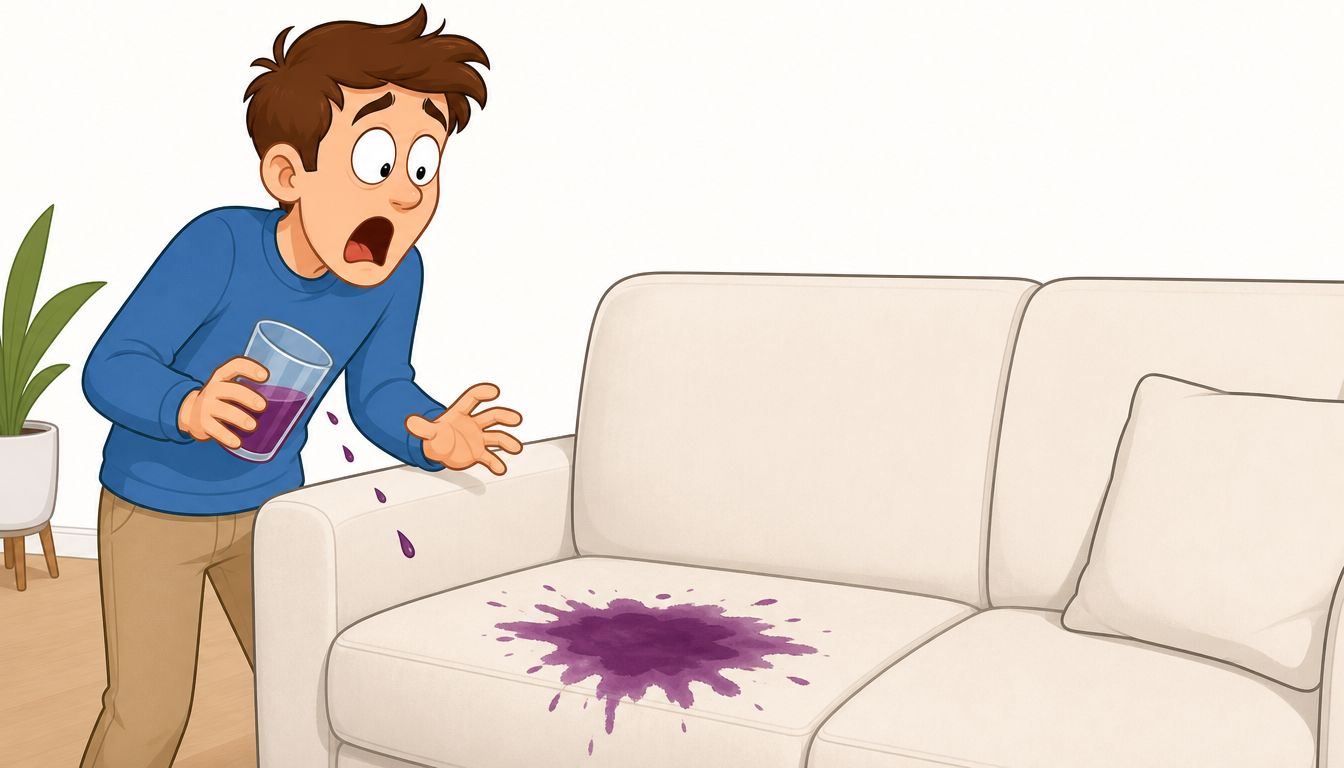
A lot of families treat those mishaps as rare bad luck. They usually aren't. The cost adds up across homes in a very big way. An estimated $23.5 billion is spent by 82 million Americans replacing and repairing damaged furniture, and 26% of online shoppers in a 2022 survey said they regretted not buying a product protection plan, according to this furniture damage survey summary.
That doesn't mean every home needs a plan. It does mean the concern is reasonable.
Why the worry is practical, not dramatic
Furniture lives in real homes, not museum displays. People eat on sofas. Kids build forts. Guests slide plates across tables. Recliners get used hard during football season. The risk isn't only one giant disaster. It's everyday life.
Practical rule: If a piece will be used often, by multiple people, and around food, drinks, pets, or children, accidental-damage risk usually deserves a closer look.
A protection plan is meant to remove some of that stress. It doesn't make furniture indestructible, and it won't erase every possible problem. What it can do is give a household a path for repair or replacement when a covered accident happens.
The part people often feel but don't say
Buyers aren't just protecting fabric, leather, or wood. They're protecting the feeling that comes with making a big home purchase and wanting to enjoy it without flinching every time somebody sits down with a snack.
That emotional side matters. So does the math. Both belong in the decision.
Protection Plans vs Manufacturer Warranties
A frequent point of confusion is this: Many shoppers hear “warranty” and “protection plan” and assume they're basically the same thing. They aren't.
The simplest comparison is this. A manufacturer warranty is for something that went wrong in production. A furniture protection plan is for something that went wrong in daily life.
A car analogy makes it easier. If the engine fails because of a manufacturing defect, that's a warranty issue. If somebody backs into the car in a parking lot, that's the kind of event insurance is built for. Furniture works in a similar way.
Protection Plan vs Manufacturer Warranty at a Glance
| Feature | Manufacturer Warranty | Furniture Protection Plan |
|---|---|---|
| Main purpose | Covers defects in materials or workmanship | Covers certain accidental damage from normal household use |
| Best example | A mechanism fails because it was made incorrectly | A drink spills and leaves a stain |
| What usually triggers it | Factory-related problem | Single covered incident in the home |
| Typical focus | Defects | Accidents |
| When buyers use it | When the product itself was faulty | When life happens after delivery |
That distinction clears up a lot. If a seam was never sewn correctly, that usually belongs under warranty. If the seam tears because of a specific covered event, that may fall under a protection plan instead.
Why both terms get mixed together
Retail shoppers hear these phrases during the same purchase, often within a few minutes. That makes them sound interchangeable when they really answer two different risks.
One protects against defect. The other protects against accident.
A warranty asks, “Was something wrong with the furniture when it was made?” A protection plan asks, “Did something happen to the furniture after it came home?”
That's also why some retailers spend time clarifying the difference in plain language. For a helpful store perspective on that distinction, this article on why extended warranties or protection plans may be offered differently is useful reading.
The key takeaway for shoppers
A buyer shouldn't assume a manufacturer will handle spilled coffee, nail polish, heat marks, or a puncture in upholstery just because the furniture is still fairly new. That's usually not what a standard warranty is built for.
Once that's clear, the next step is much easier. The shopper can stop asking, “Do I already have coverage?” and start asking the more useful question: “What kinds of accidents would matter most in this house?”
What a Good Furniture Protection Plan Covers
A good furniture protection plan usually covers the kinds of accidents households complain about most. Coverage commonly runs for 3 to 5 years, often goes beyond standard manufacturer warranties, and plan pricing for retailers typically falls between $79 and $299 depending on the item's value, as outlined in this guide to furniture protection plans for retailers.
That range matters because it frames the decision as a financial one. A buyer isn't just purchasing “peace of mind.” A buyer is weighing the cost of the plan against the cost and likelihood of a future mishap.
Upholstery accidents that plans often address
Fabric and leather furniture usually face the most obvious day-to-day trouble.
- Accidental stains such as food, drinks, ink, or other household messes are often the first thing shoppers think about.
- Tears and punctures can matter just as much, especially in busy rooms where sharp edges, toys, zippers, or dropped objects are part of daily life.
- Structural damage may be part of coverage too, particularly when a covered event affects the usable condition of the piece.
- Mechanical failures in reclining or adjustable furniture can also show up in plan terms, which is especially relevant for households buying motion seating.
A simple example helps. If someone drops takeout on a recliner and leaves a stain that won't come out, that's the kind of event many plans are built around. If the recliner mechanism later has a covered issue outside what the manufacturer handles, that may also be where a plan becomes valuable.
Wood furniture has its own risk list
Wood furniture buyers sometimes assume protection plans are mostly for upholstered pieces. Not so.
Tables, dressers, and nightstands can run into a different set of accidents:
- Finish damage
- Heat marks
- Liquid marks
- Surface scratches from a specific incident
Anyone shopping for dining, bedroom, or occasional tables should think in scenarios, not categories. A solid wood table may be built to last for years, but one dropped craft tool or one careless hot mug can still leave a visible reminder.
For wood-care basics outside of plan coverage, this guide on protecting wood furniture from scratches and stains adds practical upkeep advice.
Covered damage is usually about the event being specific and accidental. That detail matters as much as the type of material.
What “good coverage” really means
The best way to judge coverage isn't by the longest list of possible mishaps. It's by asking whether the plan addresses the accidents most likely to happen in that specific home.
A home with movie nights and kids on the sectional may care more about spills and tears. A home with a cherished wood dining set may care more about finish and heat damage. The right plan feels relevant to actual living patterns.
Understanding Common Exclusions and Fine Print
A lot of frustration comes from one false assumption. People think a furniture protection plan covers anything that goes wrong. Most plans don't work that way.
They're usually written for specific accidents, not for everything that happens over time.
According to these furniture plan terms and conditions, most plans exclude cumulative damage, general wear and tear, and fading, and eligibility may require the furniture to be new, sold through an authorized retailer, and purchased at the same time as the plan.
What “single covered incident” means
That phrase shows up often, and it confuses people.
It usually means the damage must tie back to one identifiable event. A spilled drink on Saturday night is different from months of gradual discoloration, repeated friction on an armrest, or a finish that slowly dulls from everyday use.
Here's the practical difference:
Usually easier to claim
A fresh stain from one spill, one puncture, one tear, one documented accidentUsually harder or impossible to claim
Fading from sunlight, softening from use, gradual wear on a seat, repeated rubbing, neglected maintenance
Why exclusions exist
They aren't there just to frustrate buyers. They define the line between insurance-style accidental protection and normal ownership.
Every chair cushion softens with time. Every finish changes if it's exposed to enough sun. Leather, fabric, and wood all age. Plans generally aren't maintenance contracts for the natural life cycle of materials.
Buyers should read exclusions with one question in mind: “Is this plan built for sudden accidents, or am I expecting it to cover aging?”
That question also matters for care habits. Using the wrong cleaner or handling leather poorly can create problems that fall outside protection. For routine upkeep, this article on how to care for leather furniture can help shoppers avoid preventable damage.
Fine print that deserves extra attention
A careful buyer should check these details before saying yes:
- When coverage begins
- Whether claims must be reported quickly after the incident
- Whether pet-related damage is included or excluded
- How the plan defines misuse
- What happens if repair isn't possible
The strongest plan isn't the one with the flashiest wording. It's the one the household understands.
Is a Plan Worth It for Your Milwaukee Home
This is the real decision. Not “Is protection good?” but “Is this protection worth the price for this household?”
Some furniture is already built for the long haul, especially durable pieces made from solid wood or other better-quality materials. That changes the conversation. A buyer may not need a plan solely because the item is expensive or substantial. The better question is whether the home itself creates enough accident risk to justify the added cost.
One of the most useful consumer insights is this: the value of a plan may depend more on household risk factors like kids and pets than on the furniture category itself, especially for durable solid-wood or Amish-made furniture, as discussed in this consumer-focused analysis of what shoppers want from furniture protection plans.
A lifestyle checklist that helps
A protection plan may be worth a closer look if several of these sound familiar:
- Young children at home who eat, color, climb, or jump near furniture
- Pets on the furniture or pets with access to rooms where accidents happen
- Frequent hosting for game nights, holidays, or casual gatherings
- Heavy daily use in a family room, breakfast nook, or primary living space
- Light-colored upholstery that shows stains quickly
- Motion furniture with reclining or adjustable features
- Furniture in multi-use spaces where working, eating, and relaxing happen on the same piece
That checklist doesn't produce a universal yes or no. It helps a family notice whether the risk is occasional or constant.
When a plan may be less compelling
There are homes where the plan may not deliver much value.
A low-traffic formal room. A dining set used only on special occasions. A household without pets or young children. A buyer who's highly attentive about coasters, placemats, and maintenance. Those situations don't erase all risk, but they may reduce it enough that the added cost doesn't feel justified.
Why material quality changes the conversation
Durable furniture can lower concern about some kinds of long-term ownership issues, but it doesn't erase accident exposure. That's why buyers should separate two ideas:
| Question | Better answered by |
|---|---|
| Will this piece hold up well over time? | Furniture quality and construction |
| What happens if somebody damages it by accident? | Protection terms and household lifestyle |
That's especially important for shoppers considering pet-friendly rooms. Material choice still matters. This guide to the best furniture for pet owners can help with that side of the decision.
A protection plan makes the most sense when a household can point to real, repeated risks, not just vague anxiety at checkout.
For many Milwaukee families, the smartest answer is simple. Buy good furniture first. Then decide whether the home's daily chaos makes added protection a sensible financial move.
How to Use Your Plan When an Accident Happens
The hardest part of a furniture protection plan often isn't choosing it. It's using it calmly when something goes wrong.
Most buyers want practical answers. Who gets called first? What proof is needed? What if the damage looks serious? Those questions matter because the biggest trust gap for many shoppers is the claims experience, including documentation, timing, and what happens if repair isn't possible, as noted in this discussion of what consumers want to know after the sale.
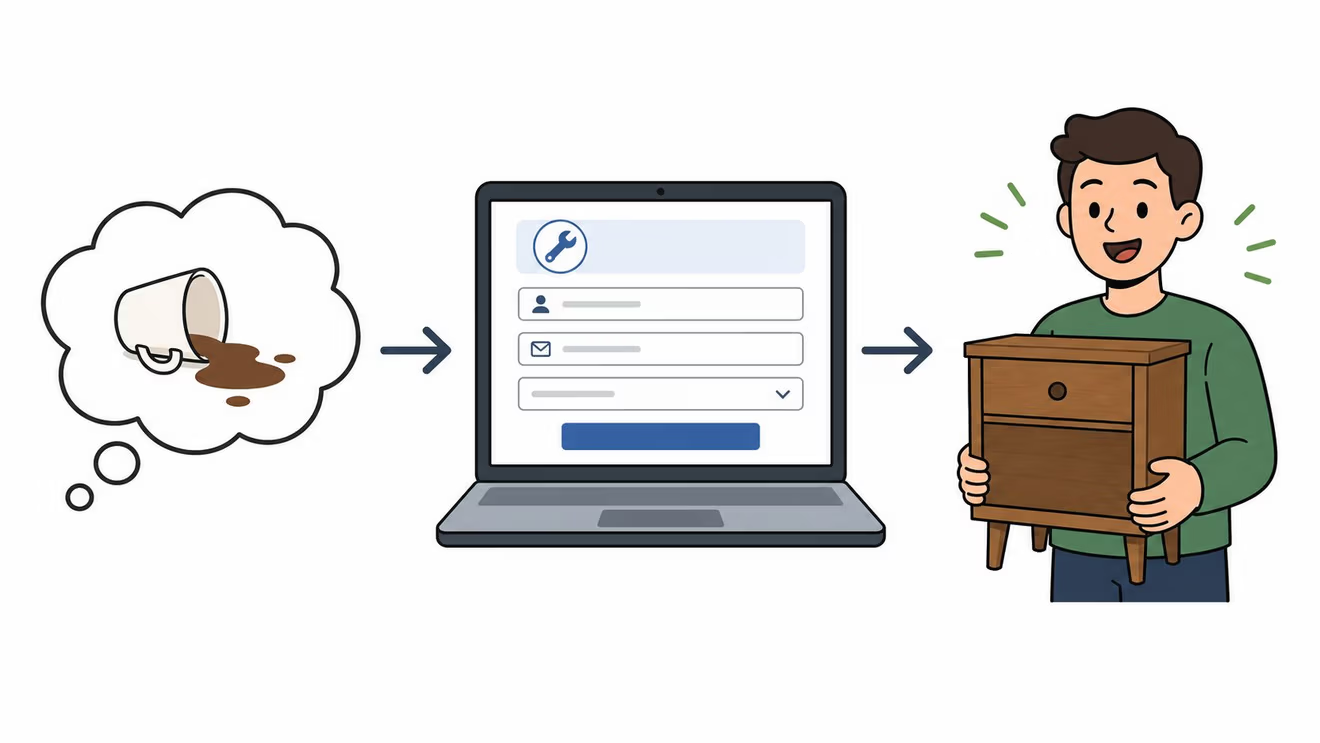
A simple way to handle a claim
When an accident happens, a buyer usually does best by acting in a steady order:
Find the plan paperwork
The claim number, purchase details, and coverage dates usually matter right away.Document the damage
Clear photos, a short note about what happened, and the date of the incident can make the situation easier to explain.Report it promptly
Many plans require quick notice after the accident. Waiting too long can create trouble even when the event itself looks covered.Follow the administrator's instructions
That may include more photos, a service appointment, or review before repair or replacement is approved.
What buyers should expect next
Some claims move toward repair. Others may lead to replacement if repair isn't realistic under the plan terms. That's why it helps to keep expectations grounded and specific.
Save receipts, delivery paperwork, and plan documents in one place before anything goes wrong. A calm claim starts with easy-to-find records.
Small cosmetic issues may also be handled at home if they fall outside coverage. For example, this guide on how to remove scratches from wood furniture can help with minor situations that don't call for a formal claim.
The process doesn't have to feel intimidating. It usually gets easier once the household knows where the paperwork is, what counts as the incident date, and how quickly the report needs to be filed.
Frequently Asked Questions From Our Neighbors
Some questions come up again and again because shoppers are trying to avoid surprises, not because they're confused. That's smart buying.
Does a furniture protection plan cover pet damage?
Sometimes, but not always. Pet-related coverage varies a lot by plan. A buyer shouldn't assume claw marks, chewing, or accidents are included unless the written terms say so clearly. If pet risk is one of the main reasons for considering a plan, that detail deserves careful attention before purchase.
If furniture is already durable, does a plan still make sense?
It can, but durability and accidental protection solve different problems. A well-built piece may hold up beautifully under normal use, yet still be vulnerable to a bad spill, a finish mark, or a puncture from one careless moment. The stronger the furniture, the more the decision shifts toward household behavior and away from construction concerns.
Can someone buy the plan later?
Many plans require the furniture to be new and the protection to be purchased with the item through an authorized retailer. That's one reason shoppers should ask questions before the sale is finalized, not months later when risk feels more real.
What if the damage happened slowly?
That's where many claims run into trouble. Gradual fading, wear, peeling from age, and ongoing deterioration are commonly treated differently from a single accidental event. If a household can't point to one clear incident, coverage may be limited or unavailable.
What paperwork should a buyer keep?
The safest approach is to keep:
- The sales receipt
- The plan agreement
- Delivery paperwork
- Any care instructions that came with the furniture
- Photos if damage occurs
That small habit can save a lot of scrambling later.
What happens if repair isn't possible?
That depends on the written terms of the plan. Some plans coordinate repair first and then address replacement when repair can't solve the covered problem. That's why shoppers should ask one very direct question before buying: “If this piece can't be repaired, what happens next?”
Is a furniture protection plan always the smart choice?
No. Some homes will benefit from one, and some won't. The best decision usually comes from matching the plan to the household's actual risks, reading exclusions carefully, and understanding the claims process before anything goes wrong.
BILTRITE Furniture-Leather-Mattresses has served Metro Milwaukee since 1928 as a fourth-generation family-owned business, and that long view still shapes how the team helps shoppers think through major purchases. The showroom at 5430 West Layton Avenue in Greenfield, WI is built for in-person guidance, with affordable, better-quality furniture, a strong mix of USA-made, Amish-made, and solid-wood pieces, plus a mattress center with over 60 models and 500+ mattresses in stock. The store is closed on Sundays for family time and on Mondays for in-home delivery, which says a lot about the kind of local business it is. Shoppers who want straightforward answers about furniture, mattresses, durability, and everyday living are always welcome to stop in and talk things through with the team.