Wood and Leather Desk Chairs: 2026 Home Office Guide


A home office can look polished and still feel strangely uncomfortable. The desk may be just right, the monitor may be in place, and the chair may be the last leftover from a dining set or a temporary setup. After a while, the room feels unfinished, and the workday feels harder than it should.
Wood and leather desk chairs offer a different experience. They bring the warmth of real furniture into a space that often fills up with screens, cords, and office equipment. The wood adds visible structure, while leather gives the seat a substantial, welcoming feel. A good chair doesn't disappear into the room. It becomes part of it.
At BILTRITE, a fourth-generation, family-owned business serving Metro Milwaukee since 1928, quality craftsmanship has always mattered. Furniture trends come and go, but solid wood, thoughtful joinery, and materials that age with character continue to earn their place in the home. The right desk chair should support daily work and look like it belongs in the home for years to come.
Table of Contents
- Welcome to Your New Favorite Seat
- Why Choose a Wood and Leather Desk Chair
- What to Look for in Quality Construction
- Finding All-Day Comfort and the Right Fit
- Caring for Your Wood and Leather Chair
- Matching Your Chair With Your Desk and Decor
- Find Your USA and Amish-Made Chair at BILTRITE
Welcome to Your New Favorite Seat
Consider a typical weekday morning. Someone sits down with coffee, opens a laptop, and settles into a chair that seemed acceptable for a quick email. An hour later, the seat feels too hard, the back doesn't meet the lower spine, and the chair has slowly drifted away from the desk. The room may be attractive, but the chair keeps reminding everyone that it was never chosen for the space.
A wood and leather desk chair changes that impression immediately. A shaped wood back or frame gives the piece a furniture-like presence, while leather creates a smooth, supportive place to sit. The combination works in a dedicated office, a bedroom workspace, or a small corner where the desk has to share space with the rest of the home.
A chair with personality
Office furniture doesn't have to look cold or overly technical. Warm wood tones can connect a desk chair to bookcases, flooring, trim, or a nearby dining area. Leather can add depth without demanding a particular decorating style. Brown, black, and natural finishes can feel traditional, rustic, transitional, or modern depending on the chair's shape and the surrounding pieces.
That versatility matters in real homes. A homeowner may need the chair to look professional during a video call, comfortable during paperwork, and attractive enough to leave visible when the office is part of another room. A well-made chair handles all three jobs.
Showroom advice: A desk chair should look inviting before anyone sits down. If the frame catches the eye and the seat welcomes the body, the piece has a better chance of becoming part of the daily routine.
BILTRITE's family history is tied to helping people choose furniture they can live with, not just pieces that fill an empty spot. The showroom experience makes that difference clear. Shoppers can see the grain, feel the leather, test the movement, and notice whether the chair feels balanced beneath them.
The best choice isn't the chair with the longest feature list. It's the chair that supports the workday while adding warmth and character to the room. For many homeowners, that makes wood and leather a compelling place to begin.
Why Choose a Wood and Leather Desk Chair
Wood and leather work well together because each material contributes something distinct. Solid wood provides structure and visual warmth, while leather supplies a durable, comfortable surface that can develop more character with use. Together, they create a chair that feels like a considered piece of furniture rather than disposable office equipment.
Wood also remains a mainstream furniture material. The global wood furniture market was valued at over USD 401 billion in 2025, showing that wood continues to serve as a foundational material for furniture rather than a niche choice, according to global wood furniture market data. That broad demand supports established supply chains for hardwood sourcing, milling, construction, and finished furniture.
Value beyond the first impression
A chair built with sound materials can offer value in several ways. It can remain visually relevant as the room changes, withstand regular use when the frame is properly built, and become easier to live with as its surfaces gain a natural patina. Leather may soften, and wood may show subtle changes that give the chair a more personal appearance.
That aging process is part of the appeal. A chair that looks exactly the same forever can feel replaceable. A chair that develops a richer surface while retaining its strength can feel connected to the home. This is especially meaningful for buyers who want furniture that may be passed along rather than discarded after a short cycle.
BILTRITE's approach centers on affordable, better-quality furniture. That doesn't mean choosing the cheapest chair. It means looking for honest construction and useful comfort at a price that makes sense for the household. Readers interested in the broader case for this material can explore the benefits of solid wood furniture.
Style that earns its space
A leather seat with a wood frame can pair with a traditional writing desk, a simple contemporary work surface, or a substantial executive desk. The key is proportion. A large chair can anchor a spacious office, while a smaller-scale design can keep an apartment workspace from feeling crowded.
The material combination also adds tactile interest. Wood invites the hand to notice grain and finish. Leather offers a different kind of warmth and softness. Those details matter because a desk chair is one of the most frequently touched pieces in a home office.
A strong wood and leather desk chair isn't automatically the right choice for every user. Material alone doesn't guarantee ergonomic support. Still, when the frame, seat, back, and adjustment features work together, the result can deliver long-term value that a temporary office chair rarely provides.
What to Look for in Quality Construction
Not every wood and leather desk chair is built with the same priorities. The showroom test should go beyond color and silhouette. A buyer should inspect the frame, ask how the joints are made, feel the upholstery, and test every moving part before making a decision.
Start with the frame
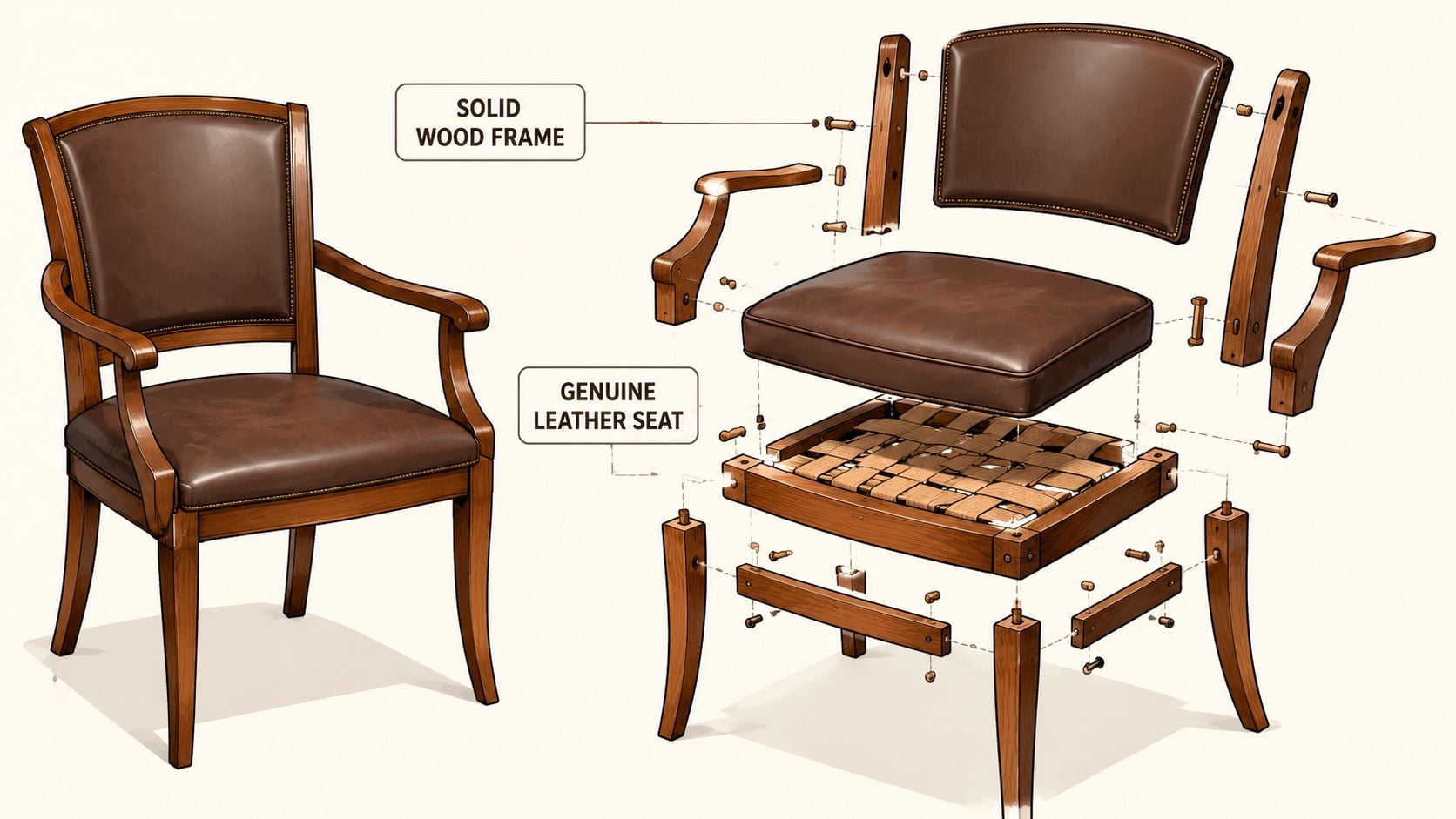
Real solid wood should feel substantial and purposeful. Look at the legs, arms, back supports, and areas where the seat connects to the back. A wood veneer can provide a decorative surface, but it doesn't tell the shopper how the internal structure was built. A chair may look like wood while relying on weaker materials underneath.
That doesn't make every veneered product unsuitable. It does mean the construction should be understood rather than assumed. For a chair that receives repeated movement and concentrated weight, the frame deserves close attention.
Check for these details in person:
- Stable contact points: Settle into the chair and shift gently. The frame shouldn't creak, rock, or feel loose at the seat-to-back connection.
- Clean grain and finish: Look for an even finish, smooth edges, and surfaces that feel intentional rather than hurried.
- Reinforced arms: Arm junctions receive repeated pressure as users sit down, stand up, and reposition themselves.
- Reliable movement: Swivels, lifts, tilts, and casters should operate smoothly without excessive play.
For leather desk chairs, structural performance rests heavily on the wood frame and joinery. Industry chair guidance places leather executive chairs in the 275-pound capacity class, with typical seat dimensions around 19 by 20 inches and seat-height ranges near 17 to 21 inches, as shown in chair construction and sizing guidance. Those figures reinforce a practical point. The upholstery can look luxurious, but the frame carries the concentrated loads.
Joinery tells the story
Good joinery connects parts mechanically instead of asking glue or fasteners to do every job. A mortise-and-tenon joint, for example, fits one piece into a carefully cut opening in another. It resembles a strong handshake, with the parts reinforcing each other rather than just touching at the surface.
Shoppers can learn more about mortise-and-tenon furniture joints before visiting the showroom. The terminology matters less than the result. The chair should feel tight, square, and composed when the user shifts position.
American-made and Amish-made furniture often receives attention for this kind of visible craftsmanship, but buyers should still inspect each piece. Ask what the frame is made from, how the joints are reinforced, and what the load rating covers. A knowledgeable associate should answer clearly.
Understand the leather
Leather quality involves more than a shiny finish. Check whether the surface feels supple without feeling thin, whether the seams are even, and whether the upholstery remains smooth when the user sits down. A seat should feel cushioned, not hollow or overly soft.
The ideal surface depends on the household. A busy family may value a finish that hides everyday marks, while a formal home office may prioritize a refined appearance. Either way, the leather should be paired with a cushion and frame that support regular use.
Construction rule: Premium upholstery can't rescue a weak frame. Examine the parts that hold the chair together before judging the surface that catches the eye.
Finding All-Day Comfort and the Right Fit
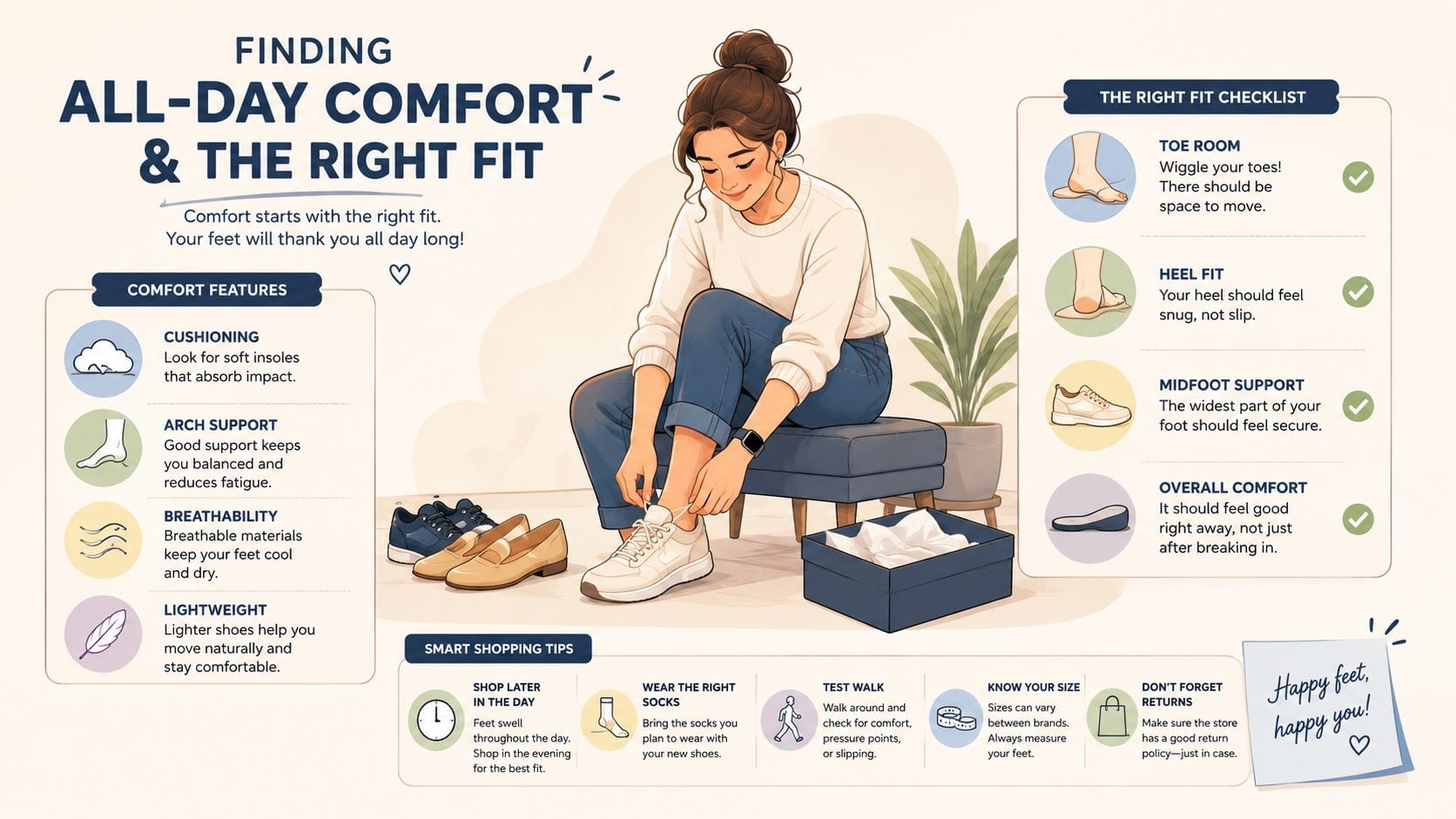
A beautiful chair still has to fit the person using it. The most useful test is simple. Sit down, place both feet on the floor, and notice whether the body settles naturally or keeps searching for support.
ANSI/HFES ergonomic guidance recommends a seat-height adjustment range of 16 to 20.5 inches, or 41 to 52 cm, so users can keep their feet flat on the floor, according to seated workstation guidance. This isn't a magic formula for every body, but it gives shoppers a concrete range to look for in a computer-work chair.
Use the floor and knees as guides
When the feet rest flat, the knees should sit comfortably rather than hanging or pressing upward. The crease behind the knees should remain slightly above the seat, which helps avoid pressure in that area. If the seat is too high, the feet may dangle. If it's too low, the hips and knees may feel cramped.
Seat depth deserves equal attention. A seat that's too deep can push against the backs of the knees and encourage the user to slide forward. That forward posture can reduce contact with the lumbar area, especially in a fixed-back chair.
Major office-chair dimensions commonly target a seat depth of about 16 to 17 inches maximum, with lumbar support positioned roughly 5.9 to 9.8 inches above the compressed seat, according to standard office-chair dimension guidance. The exact feel matters more than memorizing the measurements, but these ranges help shoppers identify chairs worth testing.
Check support while moving
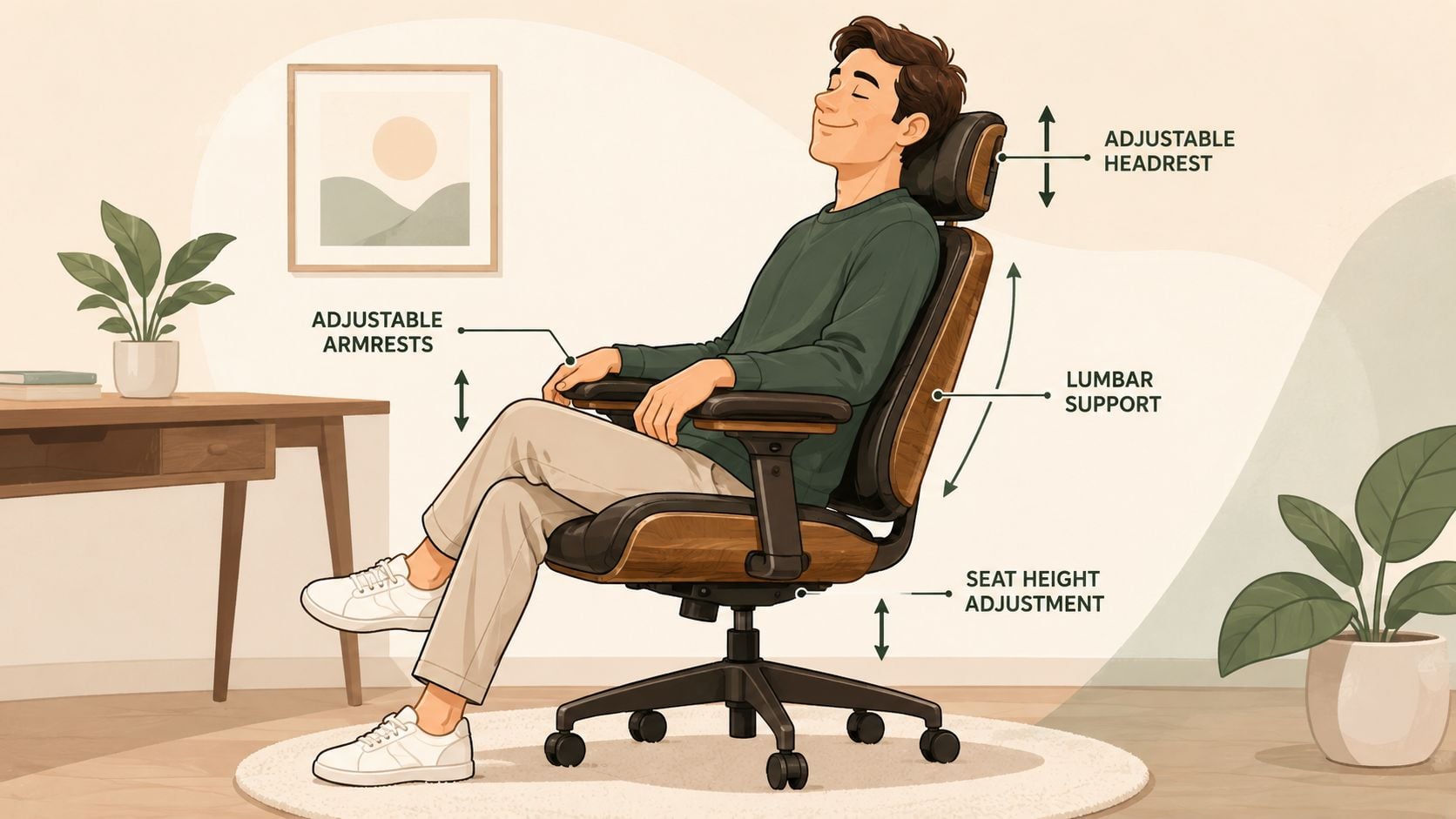
A chair should support more than one posture. Test the upright position used for typing, then lean back as if reading or taking a phone call. Notice whether the lower back remains supported or whether the body loses contact with the backrest.
Adjustable lumbar support can help users tune the chair to their shape. Readers can review adjustable lumbar support options before comparing chairs in person. Arms deserve a test as well. They should allow relaxed shoulders and shouldn't force the elbows too far outward.
A wood-and-leather design may have a more fixed feel than a highly adjustable office chair. That isn't automatically a flaw, but it makes the fitting process more important. A fixed chair must already match the user's proportions closely.
Fit test: Stay seated long enough to notice pressure behind the knees, tension in the shoulders, and missing lower-back contact. A quick glance doesn't reveal those problems.
Ergonomic evidence also deserves an honest reading. A systematic review identified anthropometrics, EMG, questionnaires, and RULA among common evaluation methods, while another review found the evidence that chair changes reduce low-back pain or discomfort to be very low to low quality, as discussed in the ergonomic review literature04415-3). The practical conclusion is straightforward. Choose adjustability and personal fit over material claims alone.
Caring for Your Wood and Leather Chair
A well-built chair doesn't need complicated care, but it does need consistency. Dust, skin oils, sunlight, spills, and heat can all affect leather and finished wood over time. Small habits protect the materials before a minor issue becomes permanent.
Keep leather clean and conditioned
Leather-care guidance recommends monthly dusting, wiping with a damp cloth about once per month, and conditioning every 6 to 12 months, according to leather office-chair care guidance. Use a soft cloth and avoid soaking the upholstery. A spill should be blotted promptly rather than rubbed into the surface.
Conditioner should be used carefully and according to the leather's care recommendations. Too much product can leave the surface greasy, while the wrong cleaner can alter the finish. When uncertain, a small hidden test area is safer than treating the entire seat at once.
Protect the finish
Wood benefits from gentle dusting and a clean, dry surface. A damp cloth may be appropriate for some finishes, but standing moisture should never remain on the frame. Coasters, desk accessories, and careful handling can help prevent scratches where the chair meets nearby furniture.
Direct sunlight and heat sources deserve special attention. Care guidance warns that they can contribute to fading and cracking in leather. A chair placed beside a sunny window or heating vent may need to be moved, shaded, or rotated within the room.
A simple care routine looks like this:
- Dust regularly: Remove grit before it can rub against leather or wood.
- Blot spills immediately: Press with a clean cloth and avoid aggressive rubbing.
- Condition on schedule: Follow the recommended interval and product directions.
- Control the surroundings: Keep the chair away from direct heat and intense sunlight.
- Inspect moving parts: Notice looseness early and ask for service before a small issue grows.
More guidance is available in this leather furniture care guide. Care isn't a chore that competes with quality. It's how the owner preserves the qualities that made the chair worth choosing.
Matching Your Chair With Your Desk and Decor
A wood and leather desk chair can either tie a room together or make the furniture feel mismatched. The finish doesn't have to match the desk exactly. Complementary tones often look more natural than a forced attempt at identical color.
A dark wood desk can work with a medium-toned chair when the leather repeats another dark detail in the room. A lighter wood chair can brighten a compact office, especially when the desk has a simple shape. The important question is whether the pieces share a visual relationship through tone, scale, or line.
Let the room guide the silhouette
A stately executive chair suits a substantial desk and a room with traditional details. A chair with a simpler back can fit a modern workspace or a bedroom corner without overwhelming the area. Smaller homes and apartments benefit from chairs that provide presence without excessive bulk.
Sunlight also affects the decision. A thermal comfort study found that leather and wood seats can reach the highest temperatures among tested chair materials, which matters in warm rooms or during extended work sessions, as reported in research on chair-material thermal comfort.
That doesn't rule out leather or wood. It suggests placing the chair thoughtfully and considering the room's temperature, window exposure, and ventilation. A shaded location, controlled sunlight, and breathable clothing can make the seating experience more pleasant.
When a shopper brings a desk photo or room measurements to the showroom, the conversation becomes more useful. The team can help compare proportions, finishes, and movement clearances instead of judging the chair in isolation.
Find Your USA and Amish-Made Chair at BILTRITE
Pictures can show color, but they can't show whether a chair feels stable when someone sits down. They can't reveal the difference between a smooth, supportive cushion and one that bottoms out. They also can't tell a shopper whether the arms sit at a comfortable height or whether the back meets the body in the right place.
That is why BILTRITE keeps the showroom experience central. The Greenfield location lets shoppers see solid wood construction, run a hand over the finish, feel the leather, and test the chair at a real desk. BILTRITE offers USA-made and Amish-made furniture, along with custom options that can include choices in wood, finish, leather, fabric, and hardware.
Friendly guidance without pressure
The sales associates bring over 400 years of combined experience to the floor. Their job is to ask useful questions, listen to how the chair will be used, and help shoppers compare comfort and construction. A family office, a compact apartment workspace, and a heavy-use home office may need very different proportions.
BILTRITE also carries choices for different households, including small-scale furniture for tighter rooms and heavy-duty options for families who need extra durability. The store's broader selection includes living room, dining, bedroom, home office, and mattress furnishings, including a mattress department with over 60 models.

A shopper looking specifically for an American-made desk chair can use the showroom to compare available construction, upholstery, and fit. The store doesn't sell online, so the visit remains hands-on and personal. That suits a chair purchase because comfort and craftsmanship are physical qualities.
BILTRITE Furniture-Leather-Mattresses is a fourth-generation, family-owned business serving the Metro Milwaukee community since 1928. The store is closed on Sundays and Mondays for family time, reflecting its local, family-first values.
BILTRITE Furniture-Leather-Mattresses offers affordable, better-quality furniture, leather pieces, USA-made and Amish-made solid wood options, and a mattress department with over 60 models. Visit BILTRITE Furniture-Leather-Mattresses in Greenfield to sit in wood and leather desk chairs, compare the craftsmanship up close, and get friendly help choosing a chair for years of comfortable work.