High Back Chairs for Living Room: A Friendly Buying Guide


After a long day, a living room chair should do more than fill an empty corner. It should welcome tired shoulders, support a relaxed posture, and fit the room without swallowing the coffee table or blocking the walkway. That's the question behind shopping for high back chairs for living room spaces: does the tall shape serve the people and the room, or does it look impressive in a showroom?
A high back chair can be a reading seat, a television chair, a quiet retreat, or a practical option for someone who needs more support when sitting and standing. The right choice depends on body fit, chair function, visual scale, and everyday habits, not just upholstery color. The following guide helps shoppers evaluate those details with the same care they'd use when choosing a sofa or mattress.
What Makes a High Back Chair Special
A high-back chair has an extended backrest that rises well above the shoulders. Depending on the design, that back may support the upper spine, neck, and head, creating a more enclosed feeling than a standard accent chair. The chair's arms, wings, cushioning, and recline mechanism then determine whether it feels upright and fitted or soft and lounge-ready.
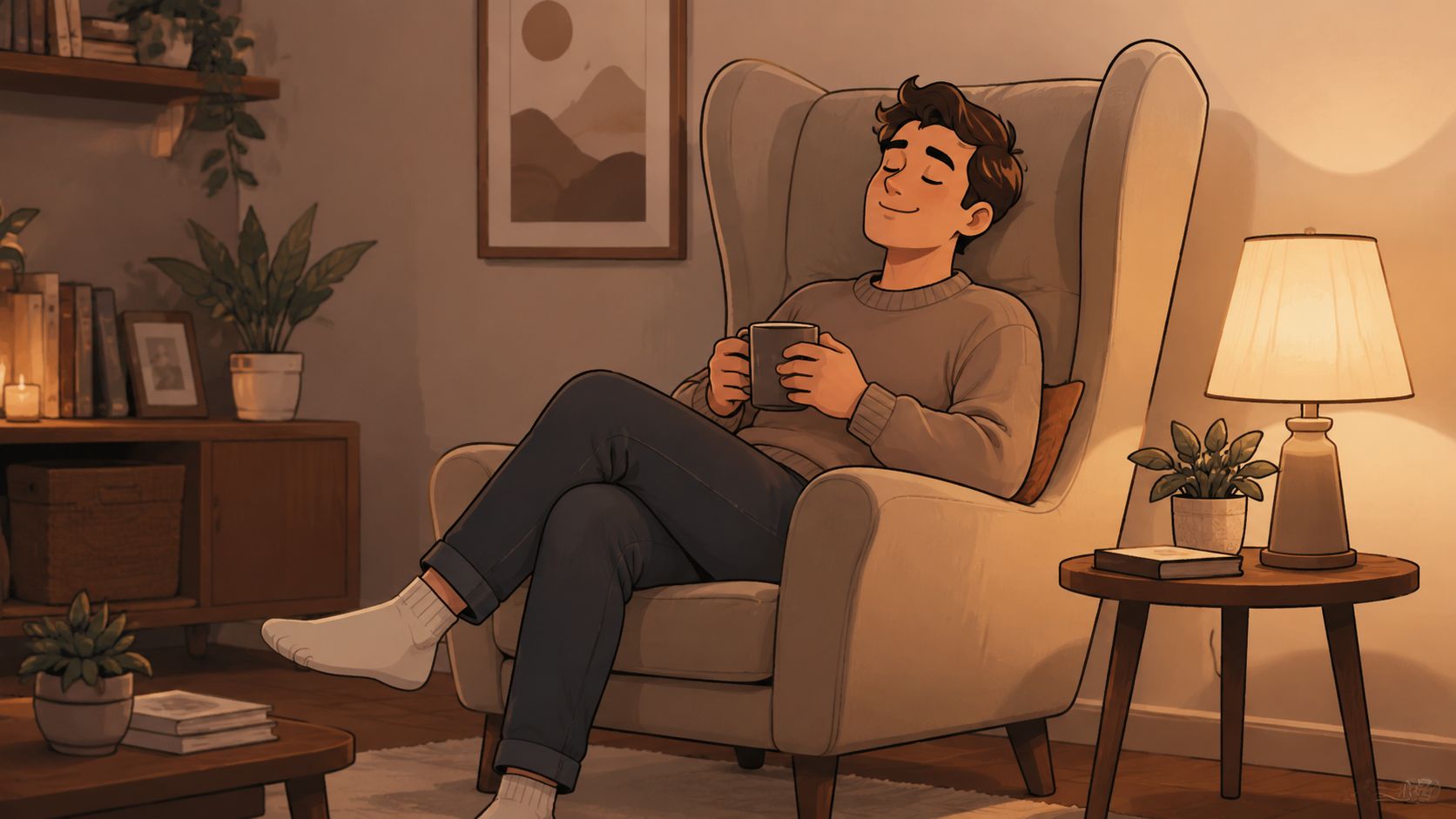
That taller silhouette changes the experience in several ways. A reader can rest the head during a long chapter, while someone watching television can settle back without constantly holding the neck upright. In an open living space, the chair can also create a small zone of privacy, especially when its back faces a dining area, hallway, or nearby workspace.
Support comes from shape, not height alone
A tall back isn't automatically a supportive back. The lower portion should meet the small of the back, while the upper portion should allow comfortable contact without forcing the shoulders forward. A chair that rises high but has a flat or poorly shaped back may feel less comfortable than a shorter chair with better lumbar contouring.
Cornell's seating guidance places adjustable seat height around 38–56 cm, or 15–22 inches, with a fixed-height seat around 43 cm, or 17 inches. It also identifies seat depth near 43 cm, or 16.9 inches, so the front edge won't press into the backs of the knees. These measurements offer useful starting points, but the seated test still matters because body proportions vary. Cornell's sitting guidance explains why the relationship between the seat and backrest matters more than a dramatic silhouette alone.
A chair can anchor the room
High backs bring vertical emphasis to a living room. A wingback can make a fireplace feel more intentional, while a sculptural accent chair can balance a low sofa and draw attention toward a reading lamp or window. That presence can make a room feel finished, but it can also make a small room feel crowded if the chair has thick arms, a deep seat, or heavy upholstery.
Before choosing a style, the shopper should ask three simple questions:
- What will the chair do? Reading, relaxing, watching television, greeting guests, or helping someone stand?
- Who will use it most? A taller adult, a shorter adult, a senior, or several family members?
- Where will it sit? Beside a sofa, near a fireplace, in a corner, or in a path between rooms?
For broader guidance on evaluating a living room seat, shoppers can review these practical sofa and chair considerations. The useful takeaway is simple: a high back should add comfort and structure, not just extra fabric above the shoulders.
A Short History of the High Back Silhouette
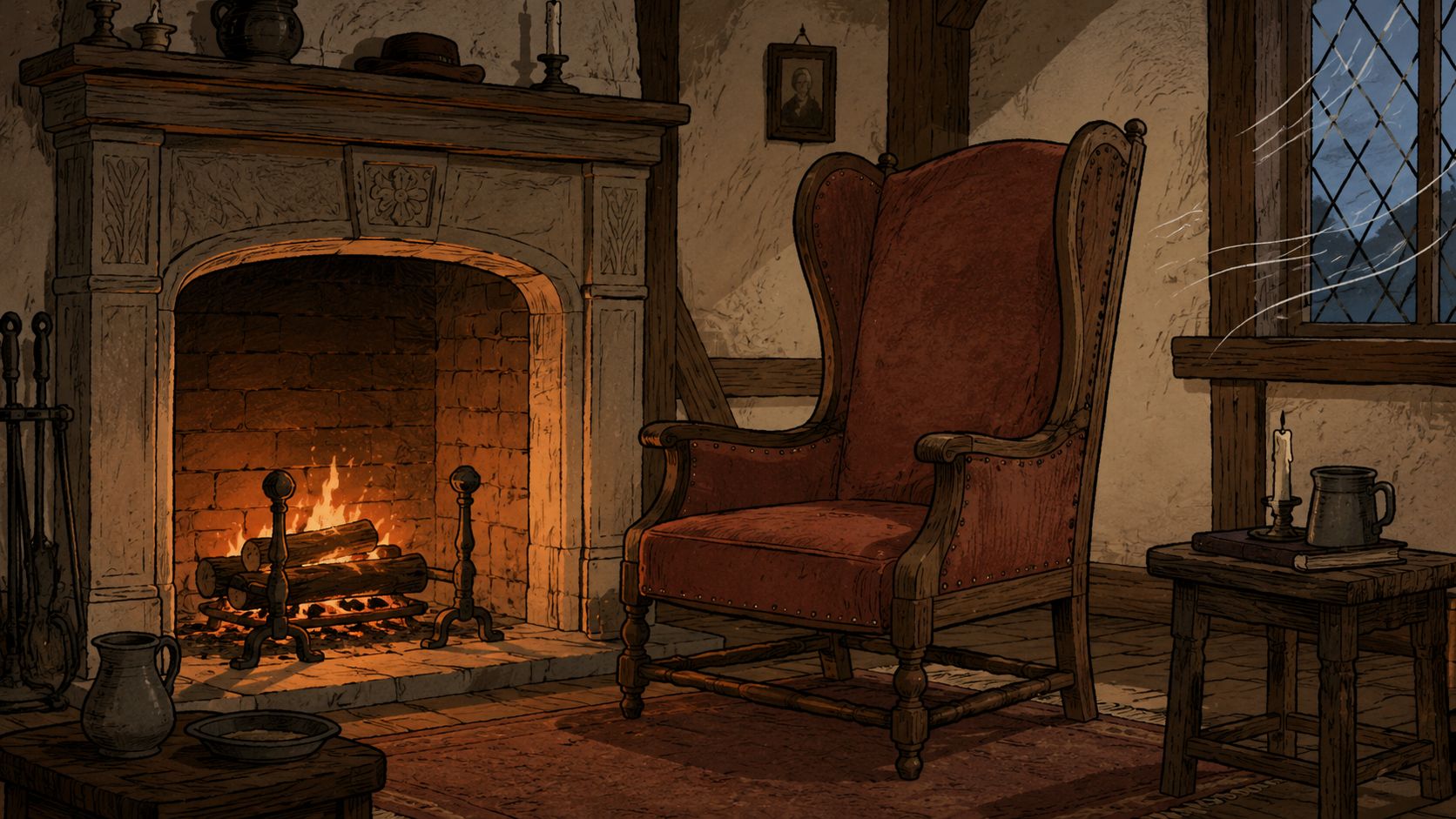
The high-back silhouette began with a practical problem. The wingback chair tradition dates to late 17th-century England, where the tall back and side wings helped shield a sitter from drafts and fireplace heat. The design became common in American homes during the 18th century, eventually moving from a functional fireside seat to a status symbol and decorative piece in parlors and drawing rooms. A history of the wingback chair places the form within a lineage spanning roughly 300 years or more.
That history explains why a traditional wingback can feel formal even when its cushions are soft. Its proportions carry visual memory. High sides, a shaped crown, button tufting, turned legs, and patterned upholstery all reinforce the old fireside character.
From formal rooms to everyday comfort
Later versions softened the original purpose. Leather club chairs became associated with private dens, libraries, and smoking rooms, where deeper seats and generous arms encouraged relaxed conversation. Their backs were often substantial without the pronounced wings of a traditional fireside chair.
As living habits changed, manufacturers adapted the tall profile again. Mid-century designs introduced cleaner lines, simpler upholstery, and more open arms. Recliners added mechanical movement, allowing a high back to support a person while the seat and footrest changed position. Modern accent chairs then borrowed the vertical presence without copying every traditional detail.
A family furniture story
A fourth-generation, family-owned furniture business such as BILTRITE has seen furniture habits change across generations. Since 1928, BILTRITE has served the Metro Milwaukee community while furniture styles moved from formal parlor arrangements toward flexible family rooms, media spaces, and smaller homes. The high-back form has remained useful because each generation can adapt it to a different routine.
A traditional household may choose a wingback beside a fireplace. A family that watches movies may prefer a reclining version. A senior may need a lift chair with controlled movement and a firm seat. A younger homeowner may choose a curved accent chair that provides visual height without heavy ornament.
Historical lesson: The high back survived because it keeps solving practical problems while changing its clothing.
That continuity helps shoppers read a chair's character. Traditional details usually make the piece feel grounded and formal. Clean upholstery, narrow arms, exposed legs, or a simple curved shell can make the same basic height feel contemporary. The silhouette has lasted because it can be both recognizable and adaptable.
Popular High Back Chair Styles Worth Knowing
Shoppers usually encounter five broad categories. Each one supports a different living-room routine, so style should follow function rather than lead it.
Wingback chairs
A wingback is the classic choice for a traditional or transitional room. The side wings frame the sitter's head and shoulders, creating a sense of enclosure and a strong focal point near a fireplace, bookcase, or window.
Choose this if the room benefits from a defined accent and the household likes upholstered pieces with visible legs, tufting, or patterned fabric. A wingback may feel too formal for a very casual room, but a simplified version can bridge traditional and contemporary furnishings.
Club chairs
A high-back club chair typically has a rounded, substantial body with broad arms and a more enclosed seat. Leather or textured upholstery often suits a den, library, or conversation area, though fabric versions can feel warmer in a family room.
Choose this if the chair needs to look sturdy and inviting without the pronounced wings of a traditional design. The shopper should check seat depth carefully, because a generous club-chair shape can leave shorter users without enough back support.
High-back recliners
A high-back recliner combines tall back support with a movable footrest or reclining mechanism. It suits television viewing, reading, and longer relaxation periods, especially when the back and leg positions can change independently.
Choose this if full-body relaxation matters more than a lightweight appearance. The chair needs room to operate, and its recline path must stay clear of tables, walls, and walkways.
Lift chairs
A lift chair resembles a supportive recliner but adds a powered lifting motion that helps the user move toward a standing position. It can serve older adults, people with mobility concerns, or anyone who needs additional assistance after an injury or procedure.
Choose this if standing from a low or soft seat is difficult. The best fit still depends on seat height, arm position, lumbar support, and a remote that the user can operate comfortably.
Modern accent chairs
Modern high-back accent chairs often use a tall, curved shell, a narrow frame, or a sculptural back to create height without the bulk of a traditional wingback. Some prioritize visual impact, while others include supportive cushioning for regular use.
Choose this if a contemporary room needs a vertical focal point but not a heavy silhouette. A shopper looking for a classic, non-reclining option can browse traditional accent chair ideas before deciding whether the room needs ornament, softness, or cleaner lines.
High Back Chair Styles at a Glance
| Style | Best For | Key Feature |
|---|---|---|
| Wingback | Traditional rooms and reading corners | Side wings and a strong vertical profile |
| Club | Dens, libraries, and conversation areas | Rounded, enclosed body with broad arms |
| High-back recliner | Television viewing and extended relaxation | Adjustable back and foot support |
| Lift chair | Seniors and users with mobility concerns | Assisted movement toward standing |
| Modern accent chair | Contemporary rooms and statement corners | Sculptural height with a lighter visual feel |
The useful distinction is not old versus new. It's how the chair supports the person and participates in the room. That distinction becomes clearer once shoppers test the actual dimensions.
Sizing and Ergonomics That Actually Matter
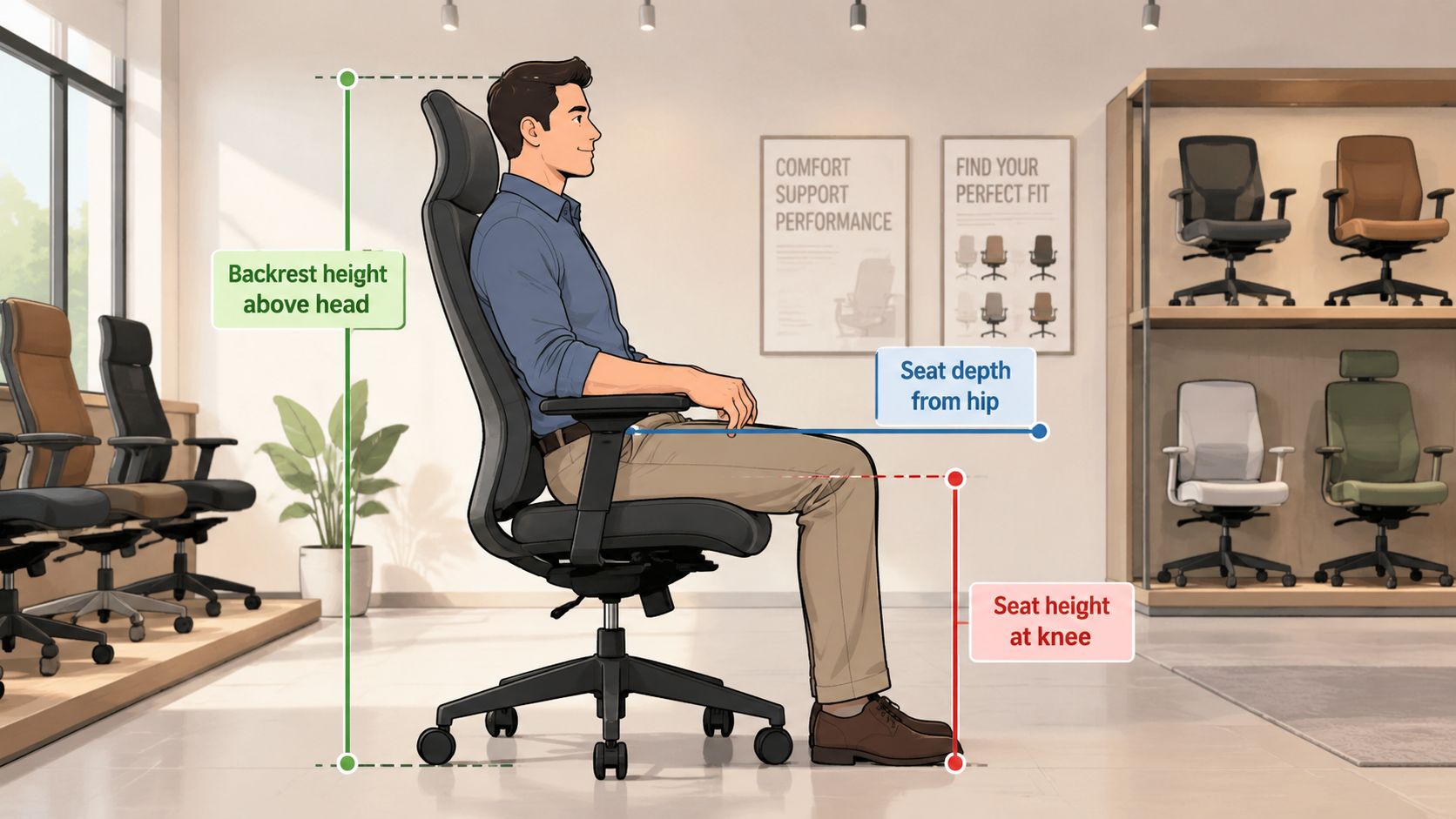
A showroom sit should be active, not passive. Instead of asking whether a chair looks comfortable, the shopper should check whether the feet rest naturally, the knees stay clear of the cushion edge, the lower back feels supported, and the arms fall into a relaxed position.
Start with the seat
Cornell guidance places comfortable living-room seat height generally around 16–18 inches, with seat depth around 15–18 inches for many adults. Furniture seating dimensions offers those proportions as practical reference points. The shopper should still compare them with the body: feet should sit planted, thighs should feel supported, and the knees shouldn't point sharply upward.
Cornell also advises that the seat pan should be at least one inch wider than the hips and thighs. A narrow seat can create pressure at the sides, while an overly deep seat can leave the sitter reaching for a pillow. For a quick test, the shopper can sit all the way back and check whether a small space remains between the cushion edge and the knees.
A useful showroom sequence looks like this:
- Sit fully back. Avoid judging the chair from the front edge.
- Place both feet on the floor. Notice whether the seat feels too high or low.
- Check the knees. The cushion shouldn't press into the backs of the legs.
- Rest the arms. The shoulders should stay relaxed rather than lifted.
- Stay seated. A brief pause can reveal pressure that isn't obvious during a quick perch.
Find the lumbar curve
The backrest's inward curve matters more than its overall height. Cornell guidance places lumbar support roughly 15–25 cm, or 5.9–9.8 inches, above the seat pan, while an empirical study cited in the same guidance identifies about 190 mm above the compressed seat surface. Cornell's ergonomic seating notes explains why incorrect lumbar placement can shift support away from the lower-back curve and encourage slouching.
Back height also needs balance. One furniture-design reference gives an effective back height of about 12–16 inches above the seat for general seating, while a U.S. military ergonomics guide specifies a minimum supported back surface of 45 cm high and 36 cm wide, contoured to the lumbar curve. The military ergonomics guide provides that supported-surface reference.
Check the recline
A perfectly upright chair isn't always the most comfortable. Cornell research identifies a supported recline angle of about 110° to 130° as a range associated with low lumbar disc pressure and low back-muscle activity. It also identifies a seat-pan and backrest recline range of 0° to 30°, noting that a headrest is needed when recline exceeds 30°. Cornell's ergonomic chair research gives shoppers a useful way to think about recliner comfort.
For a simple reference on chair width and proportions, shoppers can also review standard chair width considerations. The final test is personal: a high back should support the head and neck without forcing the head forward, and plush cushioning should feel comfortable without allowing the body to collapse into an unsupported curve.
Matching a High Back Chair to Your Living Room
A high-back chair changes the room's visual scale. A narrow chair with exposed legs can feel airy, while a wide chair with thick arms and dark upholstery may read as a large block. The same chair can work beautifully in one living room and make another feel cramped, because the surrounding furniture and walking paths differ.
Rooms also need functional clearance. A reclining chair requires open space behind and in front of its moving parts, while a fixed accent chair can sit closer to a wall. The exact clearance depends on the mechanism and design, so shoppers should ask the showroom team to demonstrate the full movement before choosing a placement.
High Back Chair Scale by Room Size
| Room Type | Recommended Chair Scale | Best Styles | Spacing Tip |
|---|---|---|---|
| Small apartment | Slim, visually open proportions | Narrow wingback or low-arm club chair | Keep sightlines open and avoid heavy arms |
| Mid-sized family room | One substantial focal chair | Wingback, recliner, or sculptural accent chair | Let the chair anchor one side of the seating group |
| Open-concept layout | Two coordinated chairs or one defined statement piece | Matching high backs, modern accents, or recliners | Position chairs to frame a fireplace, television, or conversation area |
Small rooms need visual breathing space
In an apartment or compact condo, a tall back can help define a corner without requiring a large sofa. Slim arms, visible legs, and lighter upholstery reduce visual weight. A chair with a compact footprint may work beside a small table, but the shopper should measure the door, hallway, and turning area before committing.
Shorter sightlines matter as much as floor space. A bulky chair placed directly across from a sofa may block the room's sense of openness, even when the measurements technically fit.
Family rooms can handle a focal point
A mid-sized family room often benefits from one chair with clear personality. That chair might echo the sofa's fabric, repeat a rug color, or introduce a contrasting texture. A useful rule is to pair a strong high back with calmer surrounding shapes, rather than placing several competing statement pieces together.
For broader arrangement guidance, living room styling ideas can help shoppers think through conversation angles, rug placement, and furniture balance. The chair should feel connected to the seating group, not parked beside it as an afterthought.
Open layouts need deliberate framing
Two matching high-back chairs can frame a fireplace or television while creating a clear conversation zone in an open plan. Matching doesn't require every detail to be identical, but the chairs should share a visual relationship through height, upholstery family, leg finish, or arm shape.
Color and material affect scale, too. Pale fabric and exposed wood can make a tall chair feel lighter. Dark leather, enclosed sides, and thick cushioning can make it feel more formal and substantial. Before leaving the showroom, the shopper should view the chair from the entry path and from the sofa, because a chair that looks balanced straight on may obstruct circulation from another angle.
Senior Friendly High Back and Lift Chair Options
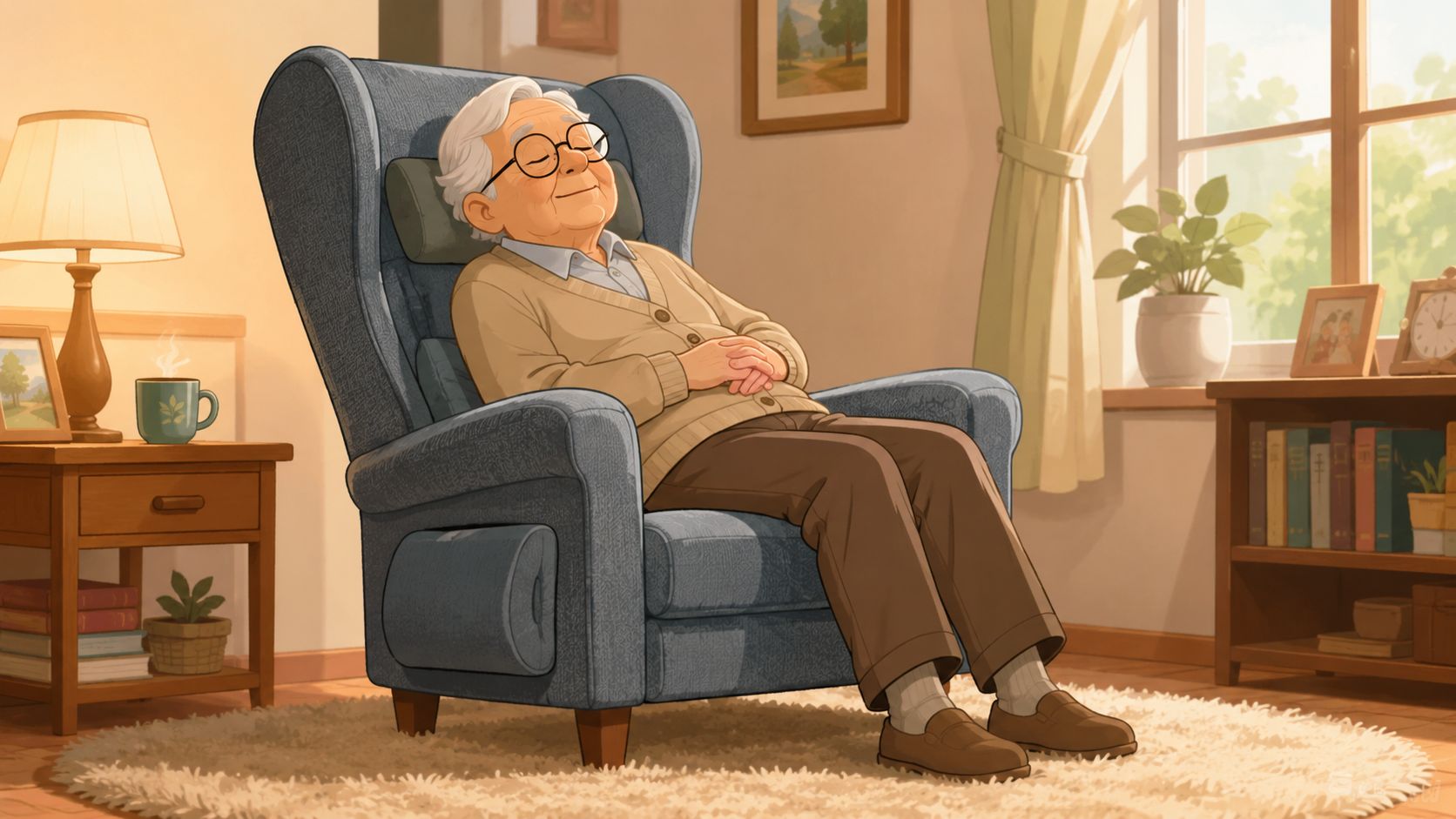
A high-back chair can be especially useful for older adults because it offers a larger support area around the head, shoulders, and lower back. That doesn't mean every tall chair is suitable for senior living. A soft, deep seat may make standing harder, while a low armrest may give the user little assistance.
Support should make daily movement easier
A firm lumbar curve can help the sitter maintain a more grounded posture. Firmness also matters at the front of the seat, where excessive sink can make the transition to standing more demanding. The arms should feel stable and sit at a usable height, allowing the person to press down gently without twisting the shoulders.
A lift chair adds powered assistance. As the mechanism raises the seat and tilts the user forward, it can reduce the effort required at the knees and hips. The user should test the full motion, remote control, footrest, and stopping positions rather than judging the chair only when it's fully upright.
Construction and fabric deserve attention
Senior-friendly furniture needs more than a pleasant cushion. Families should ask about frame construction, weight capacity, mechanism operation, and the fabric's cleaning requirements. Heavy-duty options may make sense for users who need added structural support, while easy-clean performance fabrics can simplify life in a busy family room.
A compact lift chair can fit an assisted-living suite, a shared family room, or a recovery space without looking clinical. Neutral upholstery, shaped arms, and a proportionate back can preserve dignity while still providing practical assistance. The chair should also leave enough room for the remote, a side table, and safe movement around it.
Test the chair with the actual user
The intended user should sit in the chair whenever possible. A caregiver can watch whether the feet stay stable, the lower back meets the lumbar curve, and the person can operate the controls without reaching awkwardly.
A helpful visit includes:
- Standing practice: Test the lift motion several times at a comfortable pace.
- Resting practice: Recline enough to evaluate head, neck, and back support.
- Control practice: Confirm that the remote is understandable and easy to hold.
- Room practice: Check where the chair will sit and whether the moving parts have clearance.
Families comparing options can review lift chairs for older adults before visiting. BILTRITE also carries small-scale, heavy-duty, and senior-living furniture options, so shoppers can compare supportive proportions rather than assuming a single chair style will suit every person.
Your Friendly Next Step and A Final View
Choosing a high-back chair becomes much easier when the shopper stops treating it as a decoration and starts treating it as a daily-use tool. The chair has to fit the body, support the intended activity, and respect the living room's circulation. A beautiful shape matters, but it should make the room more welcoming rather than more difficult to use.
Before heading to a showroom, a shopper can jot down this short checklist:
- Measure the route: Record doorway width, hallway turns, and ceiling height before considering a tall or reclining piece.
- Try a real sit: Stay seated for about 30 seconds and notice pressure behind the knees, lower-back contact, and shoulder relaxation.
- Confirm lumbar fit: The inward curve should meet the small of the back rather than stopping above it or pushing into the ribs.
- Test movement: For a recliner or lift chair, operate the mechanism and observe the full path.
- Compare the fabric: Bring a swatch home, or request one, and view it beside the sofa and rug in natural light.
- Check the room view: Look at the chair from the entry, sofa, and main walking route.
A modest recline can support relaxation. University ergonomics guidance places the backrest angle between 90° and 110°, depending on personal preference, and advises against leaning so far forward that the shoulders move past the hips. University ergonomic seating guidance offers a practical reminder that comfort isn't always found in a rigidly upright position.
BILTRITE has served Greenfield and Metro Milwaukee since 1928 as a fourth-generation, family-owned furniture business. The showroom offers American-made, Amish-made, and solid-wood furniture, along with small-scale and heavy-duty choices, a broad living-room selection, and a mattress department with over 60 models. The sales associates bring over 400 years of combined experience, and the in-store setting lets shoppers compare scale, upholstery, support, and movement without pressure.
The right high-back chair doesn't need to follow the latest look. It needs to welcome the person who uses it and fit the living room that family lives in.
BILTRITE Furniture-Leather-Mattresses offers supportive living room chairs, lift chairs, small-scale furniture, heavy-duty options, and USA-made and Amish-made pieces for homes across Metro Milwaukee. Visit BILTRITE Furniture-Leather-Mattresses in Greenfield to test high-back chairs in person and talk with the friendly showroom team about fit, comfort, upholstery, and delivery.