How to Choose a Bookcase Headboard for Twin Bed

A lot of people start looking for a bookcase headboard for twin bed after the same moment. The room feels finished enough to sleep in, but not finished enough to live in. There’s a bed, maybe a lamp, maybe a pile of books on the floor, and suddenly the space needs to work harder.
That’s especially true in a kid’s room, a guest room, a condo bedroom, or a small apartment where every inch matters. A twin bed already helps save floor space. Add a headboard with built-in shelves, and you create a spot for bedtime books, a clock, glasses, a phone, or a few personal touches without squeezing in another table.
The tricky part is that many shoppers see the phrase “bookcase headboard” and assume they’re all basically the same. They’re not. Shelf depth matters. Height matters. Material matters. Installation matters even more if the bed is for a child, a senior, or a room with tight clearances.
This guide walks through the practical side in plain language. You’ll get help understanding what a bookcase headboard does, how to compare styles, how to measure for a twin setup, how to install it more safely, and how to keep it looking good once it’s in the room.
Introduction to Bookcase Headboards for Twin Bed
A twin room can feel crowded fast. One stuffed animal, two paperback books, a charger, a water bottle, and somehow the nightstand is already overflowing.
That’s why a bookcase headboard for twin bed is such a smart piece. It combines two jobs in one footprint. You still get the visual finish of a headboard, but you also gain storage right where people naturally reach while in bed.
Think about a child settling in with a library book and a reading light. Or a grandparent in a smaller bedroom who wants tissues, glasses, and a favorite devotional within easy reach. Or a guest room where you’d like to offer a place for a phone and a small lamp without adding extra furniture. In each of those cases, the headboard becomes part of the room’s daily routine, not just a decorative panel behind the bed.
Why people love them in smaller rooms
Twin beds often go into rooms that ask furniture to multitask. A bookcase headboard helps because it can:
- Hold the nightly basics like books, glasses, and chargers
- Reduce floor clutter by taking over some of the job of a nightstand
- Make the room feel more organized without adding bulk
- Add character through wood grain, paint color, or a rustic profile
A good headboard shelf doesn’t just store things. It keeps the right things within arm’s reach.
There’s also an emotional side to it. These headboards often become display spots for favorite storybooks, framed photos, little trophies, or a small clock that’s been moved from room to room over the years. That gives the bed area a lived-in, personal feel.
Why the details matter
Shoppers often focus on style first, and that’s understandable. But the best choice usually comes from balancing looks, scale, material, and safety.
A sleek white unit may fit a condo beautifully. A rustic pine design may feel right at home in a cabin-inspired bedroom. A lower-profile solid-wood option may make more sense for a child’s room or senior living setup where stability and reach matter just as much as appearance.
Understanding Bookcase Headboards for Twin Bed
A bookcase headboard for twin bed is exactly what it sounds like. It’s a headboard with built-in storage, usually open shelves, cubbies, or a shallow top ledge. Instead of placing a plain panel behind the bed, you’re placing a small storage unit at the head of the mattress.
That sounds simple, but a lot of confusion comes from the different ways manufacturers build them. Some are just a single shelf with a back. Others have multiple openings, a taller profile, or cutouts that help with cords and lamps.
What makes it different from a regular headboard
A regular headboard mostly does two things. It gives the bed a visual anchor, and it provides a surface behind your pillow.
A bookcase headboard adds a third job. It gives you usable storage right at bed height.
That changes how the room functions. Instead of reaching sideways to a nightstand, you often reach backward or slightly upward. In a tight room, that can be much more convenient.
If you want a quick refresher on how a headboard fits into the larger bed setup, this guide to the parts of a bed is helpful.
The core parts to pay attention to
Not all shelf headboards are equally useful. A few design details make a big difference.
- Shelf depth matters if you plan to store more than a paperback or small alarm clock.
- Overall height affects both the look and how easy it is to reach the top shelf while sitting in bed.
- Back panel design changes whether cords are hidden, visible, or awkwardly pinched.
- Number of openings affects how organized the surface stays over time.
- Base clearance can matter if the headboard needs to work with a platform setup or a specific bed frame.
Here’s a real example of how specific dimensions can shape usability. The Gothic Cabinet Craft pine model measures 9"D x 41"W x 36"H, with a floor-to-base height of 11.5 inches, and it’s handcrafted in solid pine wood, available unfinished or in custom colors, according to Gothic Cabinet Craft’s twin bookcase headboard listing. That lower height gives it a compact look and can make it easier to pair with platform-style beds.
Where they work best
Twin bookcase headboards tend to shine in spaces where the furniture has to be efficient.
They’re especially useful in:
- Kids’ bedrooms where books and small toys need a home
- Guest rooms where visitors appreciate a shelf for essentials
- Apartments and condos where floor space disappears quickly
- Senior living spaces where easy reach can matter more than extra furniture
Practical rule: If the room is too tight for a roomy nightstand on both sides, a bookcase headboard often earns its keep.
Why they’ve stayed popular
This furniture type solves a real problem. It turns the dead space behind a pillow into something useful.
For many households, that means fewer loose items, fewer extra pieces to buy, and a room that feels more intentional. The best ones don’t just add storage. They make bedtime easier.
Comparing Styles and Materials of Bookcase Headboards
A twin bedroom in a Milwaukee bungalow usually does not give you much extra room to work with. In that kind of space, the style of a bookcase headboard matters, but the material matters just as much. One affects how the room feels. The other affects how the piece holds up after years of bedtime reading, bumped corners, and daily use.
That balance becomes even more important if you are shopping for an Amish-crafted piece made in the USA. Solid wood has a different feel than mass-market engineered panels. It is a little like comparing a real hardwood floor to a printed floor surface. Both can look nice at first glance, but they age differently, repair differently, and carry weight differently.
Four common style directions
Most bookcase headboard for twin bed designs fall into four broad groups.
Rustic styles use visible grain, warmer finishes, and details that feel relaxed and lived-in. In a smaller Milwaukee home, that can add welcome warmth, though a chunky rustic profile can also make a tight room feel fuller faster.
Contemporary styles keep the lines cleaner. You will often see painted finishes, squared corners, and shelf openings that feel neat and simple. This style works well if the room already has crisp trim, light walls, or a more updated look.
Traditional styles feel closer to classic case furniture. They may include framed shelf openings, shaped tops, or richer stains. These can look beautiful in older homes where you want the bed to match the character of the house rather than fight it.
Minimalist styles reduce visual noise. The outline stays simple, the storage is direct, and the headboard does its job without calling too much attention to itself. For very compact bedrooms, that lighter visual presence can help the room breathe.
Material changes how the headboard lives with you
Materials are where quality differences become easier to spot.
Solid wood usually feels steadier, weighs more, and tends to age with more character. That matters if you want a twin headboard that can handle years of use or one that can move from a child’s room to a guest room later. Many Amish-made headboards also use joinery and thicker wood parts that feel more furniture-grade than flat-packed alternatives.
Engineered wood can still be useful. It often lowers cost and expands finish options, especially for painted contemporary styles. But if moisture, bumps, or repeated moves are likely, solid wood usually gives you a wider margin for error.
If you want a clearer picture of why oak, maple, cherry, and other species behave differently over time, this guide to choosing the right hardwood for longevity and style explains the differences in plain language.
Comparison of Bookcase Headboard Styles
| Style | Common Materials | Pros | Cons | Typical Price Range |
|---|---|---|---|---|
| Rustic | Solid wood, veneer, engineered wood | Warm look, relaxed character, fits cozy rooms well | Can feel visually heavier in very small spaces | About $220 to $570 |
| Contemporary | Painted wood, engineered wood | Clean lines, bright finish options, easy to pair with modern décor | Painted surfaces may show chips or scuffs sooner | About $180 to $450 |
| Traditional | Solid wood, hardwood blends | Classic appearance, substantial feel, often ages well visually | Can look bulky in a narrow bedroom | About $300 to $800 |
| Minimalist | Engineered wood, solid wood | Lighter visual footprint, simple storage, good for compact rooms | Less decorative detail if you want a statement piece | About $200 to $500 |
Those ranges are best used as a planning tool, not a promise. Custom Amish-made solid-wood options often sit above mass-market pricing, but they also tend to offer better wood quality, more finish control, and a longer useful life.
A few examples of how style and material work together
A rustic model with engineered wood can give you the weathered look at a lower cost. A plain solid-pine headboard gives a quieter, more honest wood look. A painted contemporary design may brighten a room and hide visual bulk, especially in a twin setup tucked against one wall.
That is why I always tell shoppers to picture the room first, then the catalog photo. In a small Milwaukee bedroom, a headboard has to do three jobs at once. It has to look right, store a few nightly essentials, and stay safe and steady once installed.
For a child’s room, solid wood often makes sense because it handles real life better. For a guest room, a simpler engineered option may be enough. For anyone who wants long-term value and American-made craftsmanship, Amish-built solid wood deserves a close look. It often costs more upfront, but it behaves more like lasting furniture and less like a temporary solution.
A good shortcut is this: choose the style with your eyes, then choose the material with your hands and your future plans.
Sizing and Compatibility Guidance for Twin Beds
You find a twin bookcase headboard you love, bring it into a small Milwaukee bedroom, and suddenly the room feels tighter, the outlet disappears, or the bed no longer clears the window trim. That usually comes down to sizing, not style.
A bookcase headboard for twin bed has to match three things at once: the bed frame, the wall behind it, and the way someone uses the bed every night. With Amish-crafted solid-wood pieces, that check matters even more because the furniture is built to last and tends to have more substance than lightweight mass-market options.
Start with the twin bed itself
A twin mattress size is standardized, but twin bed frames are not always identical at the outer edges. Side rails, post details, and frame hardware can add a little width that changes how a headboard lines up.
If you want a quick refresher on mattress dimensions before you pull out the tape measure, this guide on how wide a twin bed is helps set the baseline.
For the headboard, use the widest point of the bed frame as your working number. Then compare that with the headboard width listed by the maker. A close match usually looks best. A headboard that is too narrow can look squeezed. One that runs too wide can feel bulky in a compact room.
The three measurements that matter most
Many shoppers measure only the mattress. That is like measuring a bookshelf by the books and forgetting the wall it has to sit against.
Check these in order:
Bed frame width
Measure the full outside width of the frame where the headboard will attach or sit.Wall width
Look for trim, radiators, windows, or a nearby closet door that could crowd the headboard.Room depth
Measure how far the bed can project into the room while still leaving comfortable walking space.
Height comes next. In older Milwaukee homes, that step often gets missed because windows, ledges, and sloped ceilings can create surprises above the bed.
How size changes daily use
A shallower headboard keeps the bed closer to the wall and usually preserves floor space. A deeper one gives you more shelf function for a lamp, a clock, or a bedtime book, but it can also block outlets or make the room feel tighter.
Height changes the feel too. A lower profile tends to be less prominent in the room. A taller bookcase headboard adds more vertical storage, but it needs enough visual and physical space around it to feel comfortable.
That is one reason Amish-made solid-wood headboards are worth measuring carefully before ordering. They are furniture you plan around, not furniture you treat as temporary.
A practical fit check for small bedrooms
Before you buy, stand at the side of the bed area and ask a few plain questions:
- Can the sleeper reach the shelf without stretching awkwardly?
- Will the headboard cover an outlet, light switch, or vent?
- Will the bed still leave a clear path to the door or dresser?
- Does the height work under window trim or wall décor?
- Will the frame and headboard connection make sense for your current bed?
Those questions sound simple, but they catch many of the problems that lead to returns or frustrating installs.
Common sizing mistakes
Small misses cause the biggest headaches later.
- Measuring only the mattress and not the frame
- Ignoring baseboards that push the headboard forward
- Forgetting to check outlet and cord access
- Assuming every “twin” headboard fits every twin frame the same way
- Choosing extra shelf depth without checking walkway space
For families furnishing a child’s room, guest room, or smaller city bedroom, painter’s tape helps a lot. Mark the width on the wall and the depth on the floor. That quick outline gives you a much more honest read than a product photo on a screen.
A good fit should feel calm. The headboard should hold what you need, sit where it belongs, and leave the room easy to live in.
Installation and Measurement Tips for Headboard
Once you’ve chosen the right size, installation becomes the part that matters most for peace of mind. A bookcase headboard for twin bed is heavier and more substantial than a plain flat headboard, so secure setup really counts.
Many product pages focus on looks and storage but say very little about stability. That gap matters. Safety and installation challenges for twin bookcase headboards in small-scale or senior living setups often go unaddressed, despite 80+ annual furniture tip-over injuries in CPSC data, and low-profile Amish designs reduce tipping risk by 30%, according to the verified safety summary tied to Walmart’s twin headboard with bookcase category page.
Tools to gather before you start
You don’t need a full workshop. You do need the right basics.
- Stud finder for locating solid anchoring points
- Level so the headboard doesn’t sit crooked
- Tape measure for height and alignment checks
- Pencil for marking drill locations
- Drill or screwdriver depending on hardware
- Appropriate screws and anchors based on your wall type
- Wrench or socket set if the bed frame uses bolts
If you’re unsure how to capture room and furniture dimensions before installation day, this guide on how to measure furniture gives a practical overview.
A visual guide helps
Here’s a quick step-by-step visual reference before the detailed walkthrough.
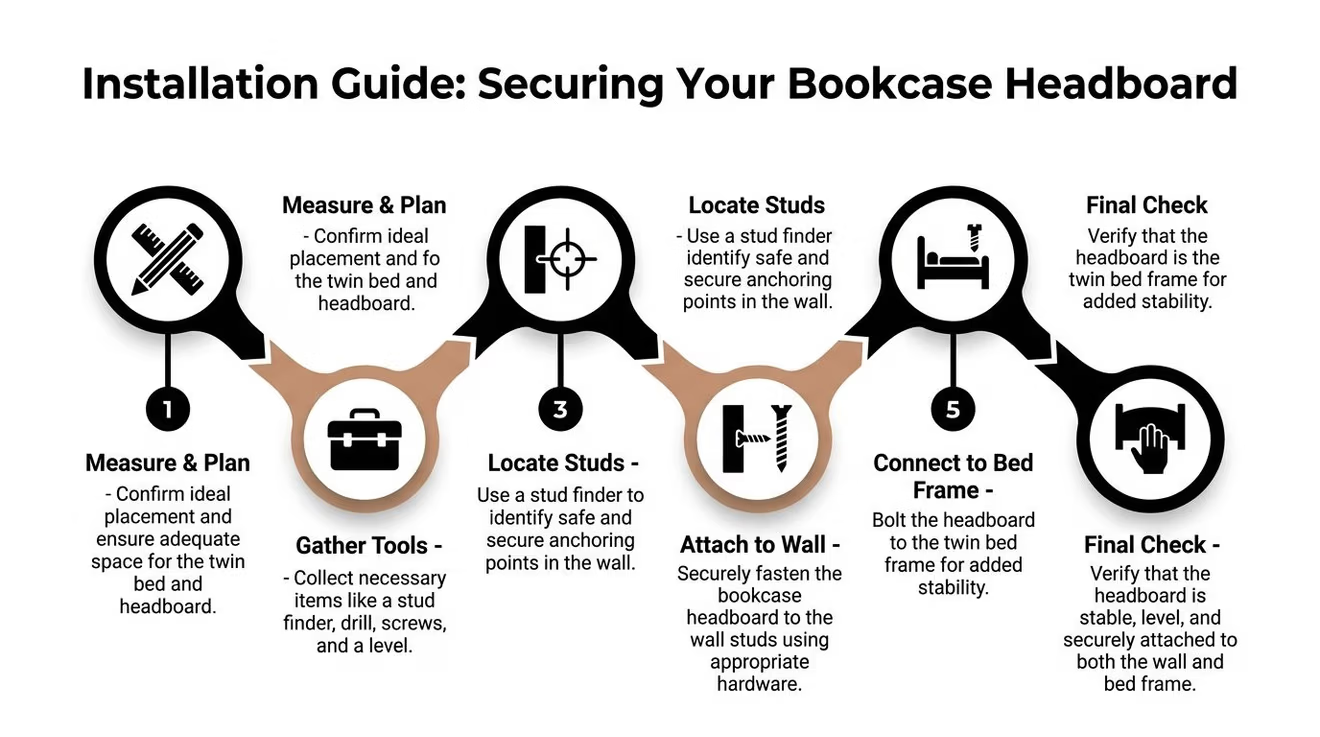
Step-by-step installation flow
Step 1 Measure the placement
Place the bed where it will live, or mark its footprint on the floor.
Then hold the headboard or note its dimensions and decide where its top and sides should land. Watch for outlets, trim, and windows. If the headboard has shelves that need to remain reachable, don’t mount it higher just to clear something else.
Step 2 Find the studs
Use a stud finder and mark the stud locations clearly.
This is one of the biggest safety points. A heavier headboard should be anchored into studs whenever the design and wall location allow it. Drywall alone usually isn’t the place to trust with the main load.
Wall anchors have their place, but they are not a substitute for good stud placement when a headboard can be anchored to framing.
Step 3 Check wall type and hardware
Drywall, plaster, and masonry all behave differently.
If the product includes hardware, read the instructions before assuming those pieces match your wall. If it doesn’t include hardware, take your measurements and wall details to a hardware store or ask an installer which fasteners suit the specific setup.
Step 4 Attach the headboard to the wall
Lift the headboard into position. Check for level before tightening everything fully.
If the design is meant for wall mounting, secure it first according to the product requirements. For example, the verified Steinhafels model with slide doors is designed for wall mounting with user-drilled holes, which is a good reminder that some headboards are not simple bolt-on bed accessories.
Step 5 Connect to the bed frame when applicable
Some headboards attach directly to a frame, some to the wall, and some benefit from both.
If your frame has pre-drilled headboard brackets, line those up carefully. Don’t force bolts at an angle. Start all bolts loosely first, then tighten once everything sits square and level.
Step 6 Test for movement
Push lightly at multiple points. Try the sides, the top edge, and the center.
You’re looking for sway, rocking, or any gap that changes when pressure is applied. The goal isn’t to make it immovable under all force. The goal is to make sure normal daily use won’t loosen it or let it tip.
Special notes for kids, seniors, and tight spaces
Some rooms call for extra caution.
- For children, avoid overloading upper shelves with heavy items.
- For seniors, make sure daily items are reachable without stretching.
- For apartment bedrooms, confirm that the headboard can be maneuvered through halls and doorways before assembly begins.
- For uneven floors, shim or adjust as needed before final fastening so the frame and headboard aren’t working against each other.
Final safety habits after installation
Even a well-installed headboard deserves a quick check from time to time.
Look over bolts and screws after the first stretch of use, especially if the bed gets moved during cleaning. Recheck level if the floor settles or the room is rearranged. And if the shelves begin collecting heavier décor than you originally planned, revisit whether the load still makes sense for the design.
A headboard should feel reassuring, not delicate. If it wobbles, creaks, or shifts, pause and fix it before regular use continues.
Maintenance and Styling Ideas for Bookcase Headboards
A bookcase headboard tends to become a catch-all. That’s part of its charm, but it’s also why a little maintenance goes a long way.
Dust gathers on the top ledge. Books get stacked sideways. Chargers snake across the shelf. Before long, the headboard can look busier than the rest of the room.
This is the easiest place to start.

A simple care routine that works
You don’t need a complicated wood-care ritual. Most households do well with a short, repeatable routine.
- Dust weekly with a soft dry cloth, especially on the top edge and inside corners
- Wipe spills quickly so water rings or sticky spots don’t settle in
- Use a wood-safe cleaner only when needed, not every time you dust
- Avoid overcrowding so air and light can still reach the surface
- Check for rubbing items like metal lamps or rough baskets that can wear the finish
For painted surfaces, use a gentle cloth and avoid harsh scrubbing. For stained wood, go easy on any cleaner that leaves a heavy residue.
How to style it without making it feel cluttered
The best-styled headboards usually mix function with just a little personality.
Try using a simple rhythm:
- one practical item
- one decorative item
- one open area
That might mean a small clock, a framed photo, and a bit of breathing room. Or a short stack of bedtime books, a small plant, and an empty corner for a phone at night.
Good styling ideas for twin rooms
For a kid’s room
Keep favorite books front-facing if possible. A tiny stuffed animal or framed art can add warmth without taking over the shelf.
For a guest room
Think helpful, not busy. A lamp, a small dish for jewelry, and one or two books make the room feel considerate.
For a teen or apartment bedroom
Cord management matters as much as décor. If the headboard has back-panel openings, use them. Keep chargers bundled so the shelf doesn’t turn into a tangle.
Leave at least one part of the shelf empty on purpose. That open spot often becomes the most useful part of the whole headboard.
Rotate instead of overdecorating
A lot of people try to solve styling by adding more. Usually the better answer is rotating what’s already there.
Swap seasonal books, refresh a framed print, or switch out one object every so often. The headboard will feel updated without becoming overloaded.
The nicest-looking setups often aren’t packed. They’re edited.
Custom Amish-Made Options at BILTRITE
Mass-market content often treats a twin bookcase headboard as a basic, one-size-fits-all product. That leaves out a big group of shoppers who want better materials, smaller-scale flexibility, or a build that feels more substantial in daily use.
That’s where Amish-made and USA-made options stand apart.

Why custom matters for twin headboards
Twin rooms are often the most space-sensitive rooms in the house. Small differences in width, shelf depth, or overall height can change whether the piece feels helpful or crowded.
That’s one reason custom options matter. Existing content on twin bookcase headboards overlooks solid wood, Amish-made alternatives designed for small spaces despite rising demand, with verified data noting +15% YoY in 2025, positioning local specialists for custom, durable builds, as stated in the verified summary linked to Target’s twin bookcase headboard search results.target.com/s/bookcase+headboard+twin).
A custom or semi-custom approach can help when you need:
- A specific wood species such as oak or maple
- A stain or paint choice that works with existing furniture
- A lower profile for easier reach or a calmer look
- A sturdier build for long-term use
- A small-scale solution that feels intentional, not squeezed in
Solid wood changes the feel
People often describe solid wood furniture in practical terms. Heavier. Warmer. More grounded. Easier to take seriously.
That doesn’t mean every room needs the heaviest piece possible. It does mean many shoppers appreciate a headboard that feels like furniture, not just packaging with shelves.
For a personalized route, this overview on getting started with a custom order can help you think through finish, wood, and fit before visiting a showroom.
Good questions to ask in person
A showroom visit is especially useful for this category because touch tells you a lot.
Run your hand along the shelf edge. Look at the back. Open and inspect the storage areas. Ask how the piece is meant to be installed and whether the design works with your bed frame.
A few smart questions:
- Is the wood solid throughout or mixed with other materials?
- Can the finish be customized?
- How does the piece handle tight deliveries or stair access?
- Is the profile suitable for a child, guest room, or senior setup?
- What kind of frame compatibility should I check before ordering?
The best furniture decisions often happen when you stop looking only at the front and start checking the sides, back, shelf thickness, and joinery.
Why local guidance helps
Twin storage furniture can be deceptive. It looks simple, but the wrong dimensions or installation plan can create daily annoyance.
That’s why local, in-person guidance helps so much. You can compare wood tones under real lighting, judge shelf reach with your own eyes, and talk through room constraints with someone who’s handled those questions before.
For shoppers who care about solid wood, American craftsmanship, and practical fit, that kind of help often makes the difference between “it works” and “we’re glad we bought this.”
Conclusion and Visit Our Showroom
A bookcase headboard for twin bed can do a lot of work in a small bedroom. It adds storage without asking for another piece of furniture. It keeps books and everyday essentials close by. It can also make the whole room feel more settled and useful.
The best results usually come from slowing down before you buy. Measure the space carefully. Think about who will use the bed every night. Compare style and material with real-life use in mind, not just photos. And take installation seriously, especially if the setup is for a child, a senior, or a tight room where stability matters.
Solid wood and Amish-crafted options deserve a close look if you want a headboard that feels substantial and built for the long haul. They often fit especially well in homes where durability, smaller-scale furniture, and thoughtful design matter more than trend-chasing features.
If you’d like to see these ideas in person, it helps to visit a showroom and test the scale with your own eyes. Open the shelf. Check the height. Picture the books, lamp, and daily items that will live there. A few minutes of hands-on comparison can answer questions that product photos never do.
If you’re ready to find a bookcase headboard that suits your space, come see us at BILTRITE Furniture-Leather-Mattresses in Greenfield. We’re a fourth-generation, family-owned business serving Metro Milwaukee since 1928, and we’d love to help you compare solid-wood, Amish-made, and small-scale bedroom options in person. Stop in, say hi, and let our experienced team help you choose a piece that fits your room, your style, and your everyday life.