Extra Wide Chairs: A Guide to Sizing and Comfort

A lot of people start looking for extra wide chairs after one small, annoying moment. A shoulder pressed against one arm. A grandchild trying to squeeze in for story time. A dog hopping up and leaving no room for anyone else. Or maybe a favorite chair never felt relaxed enough to curl up in.
That's where a roomier chair starts to make sense.
For families around Metro Milwaukee, comfort usually isn't about chasing a trend. It's about finding a seat that feels easy to live with every day. BILTRITE has helped local families furnish their homes since 1928, and after four generations in the furniture business, one thing stays true. The right chair should fit the person, the room, and the life happening around it.
Table of Contents
- Welcome to a World of Comfort
- What Makes a Chair Extra Wide Anyway
- Who Needs a Roomier Chair You Might Be Surprised
- The Nitty Gritty What to Look for in Your Chair
- Features That Make Life Easier and Cozier
- Finding Your Fit A BILTRITE Guide to Measuring
Welcome to a World of Comfort
A snug chair can feel fine for ten minutes. After an hour, it's a different story.
One family might notice it during movie night, when somebody ends up half perched on the edge cushion because there isn't enough elbow room. Another might notice it when a parent wants a chair that feels supportive, but not stiff. A grandparent may want enough space for a little one to climb up with a book. A pet owner may want a seat that handles evening lounging without feeling cramped.
That's why extra wide chairs appeal to so many households. They aren't only “big chairs.” They create a different kind of sitting experience. There's room to shift, tuck in a leg, lean to one side, or share the seat for a few minutes without feeling crowded.
A good chair doesn't just hold a person. It gives that person room to settle in.
For a family-owned store that has served Metro Milwaukee since 1928, that difference matters. BILTRITE has spent generations helping neighbors sort through what looks comfortable in a showroom and what feels right in a real home. Some shoppers need a sturdy recliner with easy access. Others want a cozy accent chair that softens the whole room. Some need both comfort and durability because the chair will get daily use from multiple family members.
Extra wide chairs sit right in that practical middle ground. They can feel more generous than a standard chair without forcing a room to revolve around a full loveseat. For many homes, that's the sweet spot.
What Makes a Chair Extra Wide Anyway
A shopper walks into the store, sits in one chair, then another, and says, “Both of these look big. Why does one feel so much better?” That question comes up all the time, and the answer usually starts with width.
The size labels that confuse most shoppers
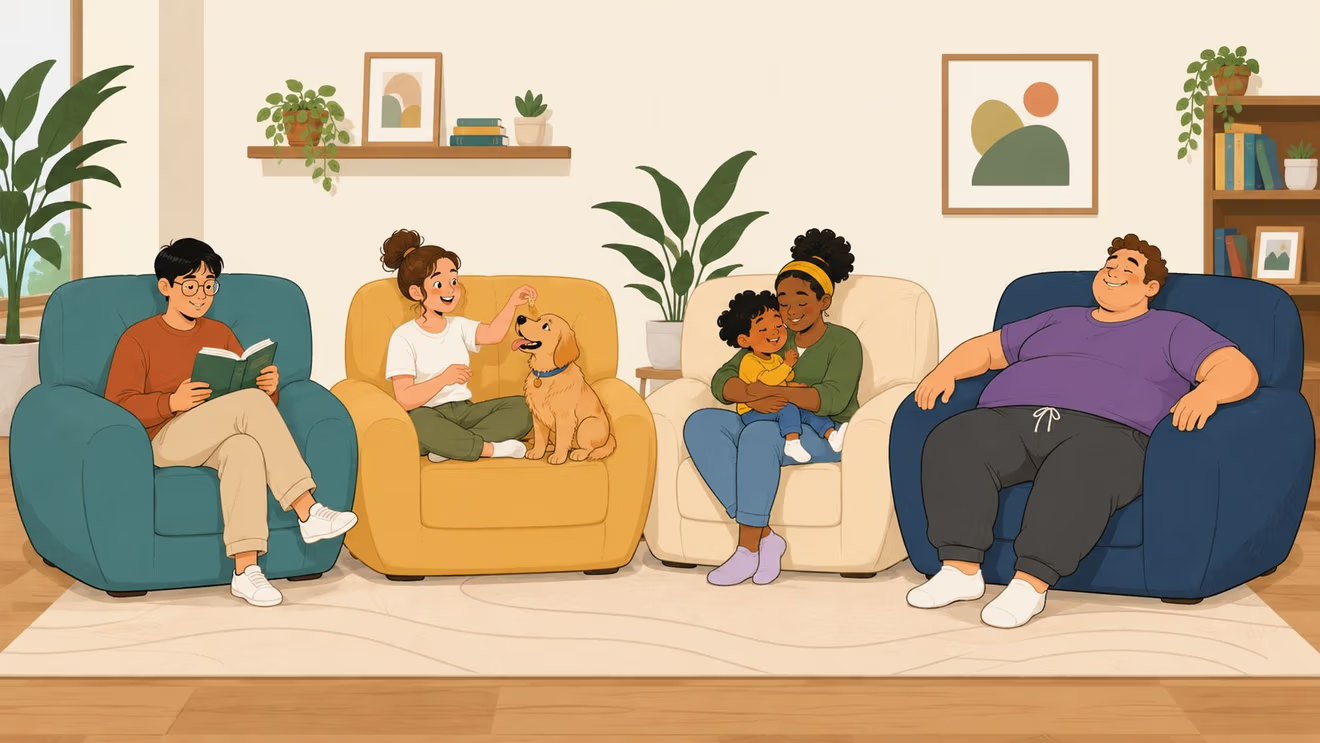
“Extra wide” is a practical description, not a strict industry term with one universal cutoff. Stores and manufacturers may use labels like oversized chair, chair-and-a-half, or extra wide lounge chair a little differently. That is why the tag alone can be misleading.
The clearest way to sort it out is to compare categories side by side.
| Chair type | Common width range | What it usually feels like |
|---|---|---|
| Standard armchair | Around 30 to 40 inches | A classic single-seat fit |
| Oversized chair | Around 40 inches and up | More elbow room and easier lounging |
| Chair-and-a-half | Often 40 to 60 inches | A roomy in-between size |
| Extra wide lounge chair | Sometimes 60 inches or more | Deep, spacious seating that may fit two for a short sit |
Width works like shoe sizing. “Large” tells you something, but the measurement tells you much more.
For shoppers who want a clearer frame of reference, this guide to standard chair width and roomier chair sizing shows how a few extra inches can change the whole sitting experience.
Why the category exists at all
Extra wide chairs fill a gap that many families notice right away. A standard chair can feel too contained, while a loveseat may take up more floor space than the room can spare. A wider chair lands in the middle. It gives one person more freedom to settle in, and sometimes enough room for a child, a pet, or a quick shared seat.
That middle ground matters in real homes. Milwaukee-area shoppers often tell us they want a chair that feels generous without making the room feel crowded. After so many decades helping families at BILTRITE, we have seen the same pattern again and again. People rarely ask for “an extra wide chair” first. They ask for a chair that feels easier to live with.
That is the heart of the category.
A wider chair can offer more comfort, but width alone does not guarantee comfort. Seat depth, arm height, cushion support, and overall scale still matter. The label gets you pointed in the right direction. The measurements tell you whether the chair will fit your body, your routine, and your home.
Who Needs a Roomier Chair You Might Be Surprised
A roomier chair often solves a family problem before anyone calls it by name. A parent sits down with coffee, a child climbs up with a book, and the chair that looked fine in the showroom suddenly feels too tight at home. We have seen versions of that story for generations at BILTRITE. People come in asking for comfort, breathing room, and a seat that feels welcoming. An extra wide chair often ends up being the answer.
It is not only about body size
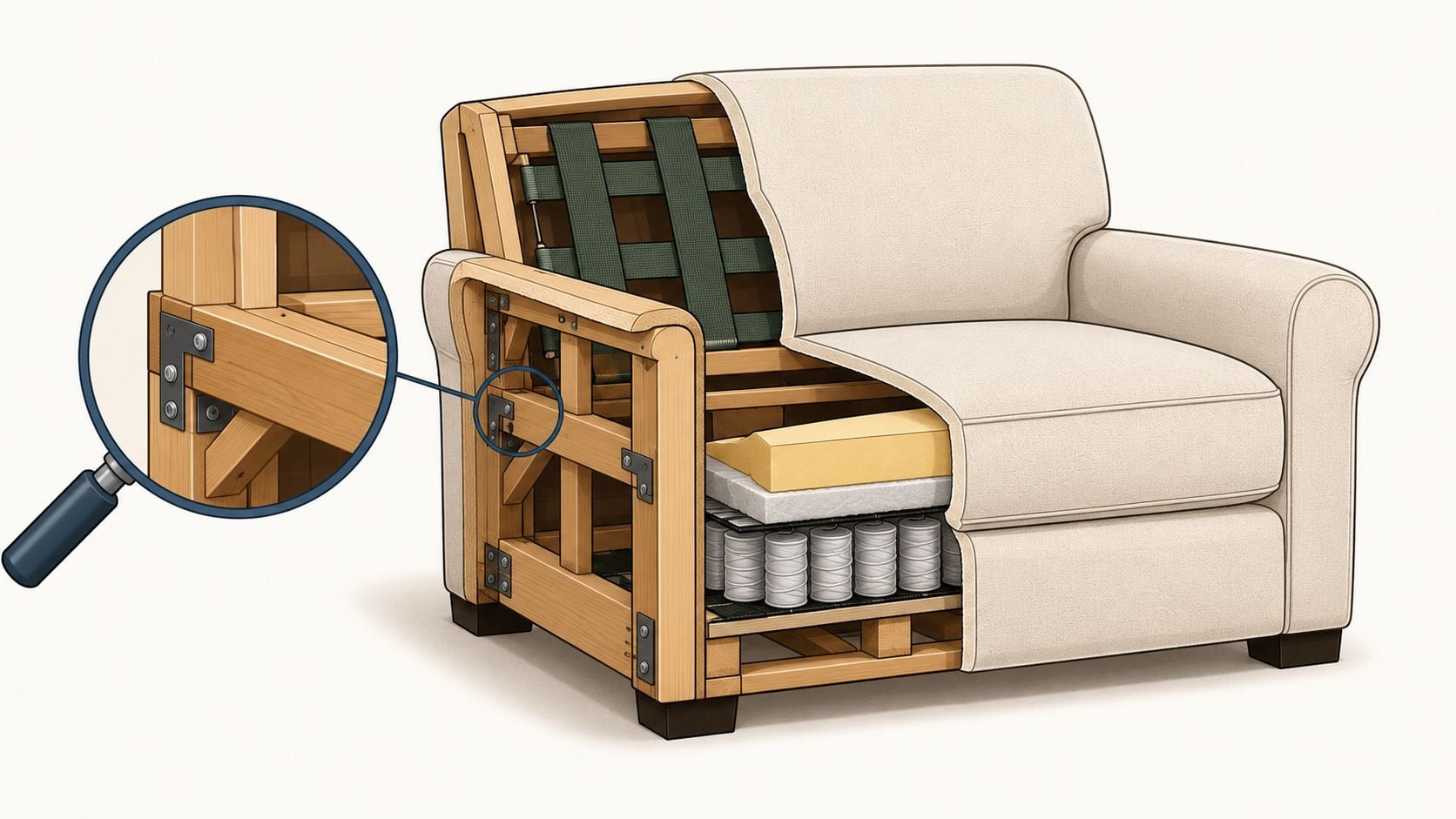
Body size is one reason some shoppers choose a wider chair, but daily living is just as important. A little extra space changes how a chair feels and how a family uses it.
A roomier chair often fits households like these:
- The reader and the grandchild: Story time is better when there is space to share.
- The pet owner: The dog or cat settles in beside you, and the chair still feels usable.
- The movie watcher: Some people sit cross-legged, tuck up one leg, or shift positions through the evening.
- The caregiver household: A chair that feels open and steady can be easier to approach, use, and get out of.
Those are ordinary home-life reasons. They come up all the time.
That is why shoppers are often surprised by what feels right once they sit down. The standard chair may look perfectly fine. The wider chair feels more relaxed, less restrictive, and easier to use for longer stretches. It works a lot like a kitchen table with one extra leaf. You may not need the extra room every minute, but when family life spills into it, you are glad it is there.
Some shoppers need more than extra space
Another group needs a roomier chair because support and durability matter every day. That can include larger-bodied adults, older family members, and anyone who finds that a narrow seat or weak frame makes sitting less comfortable or less secure.
It helps to separate two ideas that often get lumped together. One chair is wider for lounging. Another is built for heavier daily use, easier transfers, and stronger support through the frame, seat, and arms. The outside shape may look similar, but the job of the chair is different.
For families comparing those options, BILTRITE's guide to furniture for heavy people explains the kinds of support details that matter in real homes.
Some chairs are meant to feel roomy. Others are meant to feel roomy and carry more daily demand. Comfort and construction need to match the way the chair will actually be used.
That difference matters in a Milwaukee home where one chair often becomes everybody's favorite seat. A roomier chair can serve comfort, accessibility, family sharing, or all three at once. Once you look at it through that lens, the category makes a lot more sense.
The Nitty Gritty What to Look for in Your Chair
Shoppers often start with width because it's easy to notice. The stronger buying habit is to look at what holds the chair together.
A wider seat does not tell the whole story
One useful example comes from a commercial extra-wide guest chair. It has a 20-inch seat width and a 400 lb weight capacity, with overall dimensions of 26.8" W × 21.5" D × 33" H, seat dimensions of 20" W × 19" D × 17.5" H, and a listed chair weight of 22 lb, according to this extra-wide guest chair specification.
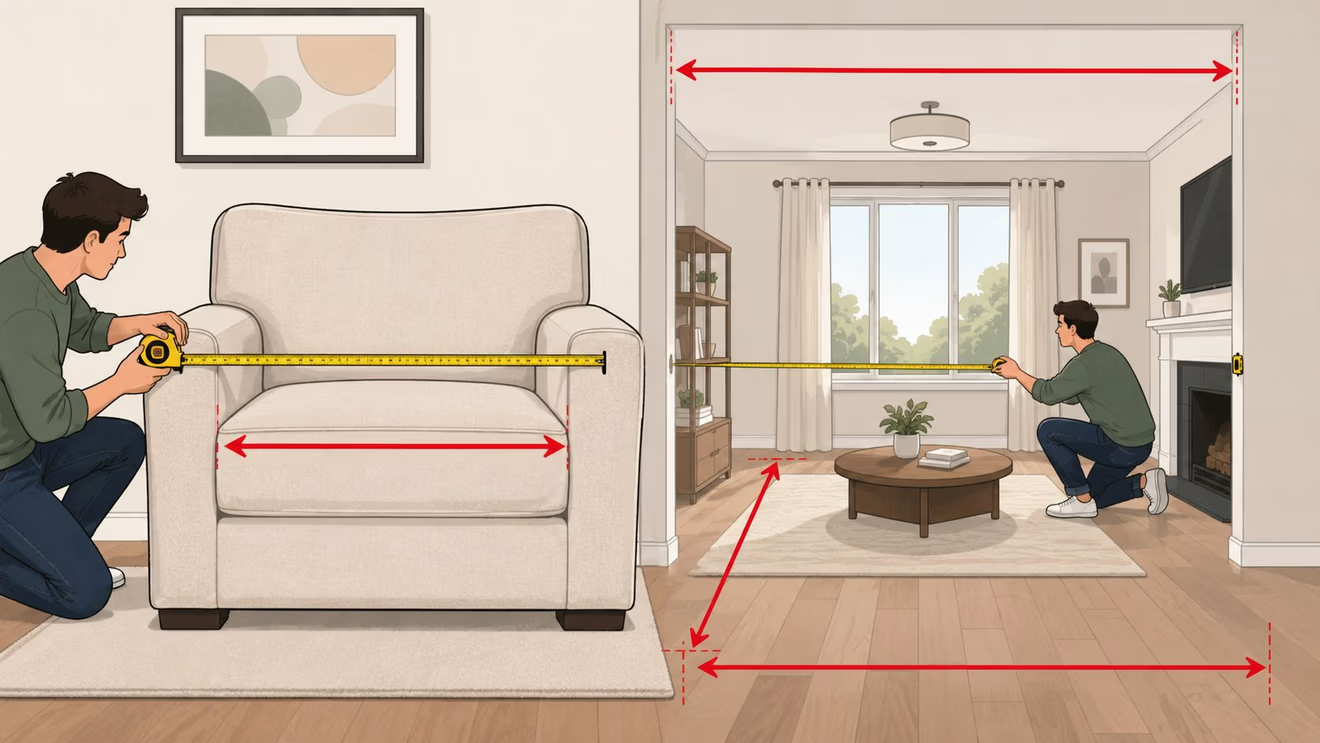
That example clears up a common misunderstanding. A chair doesn't become supportive just because it's wider. Load rating depends heavily on frame reinforcement, joinery, arm structure, and base geometry.
When comparing extra wide chairs, these details deserve attention:
- Seat depth: A roomy chair can still feel awkward if the seat is too shallow or too deep for the user.
- Arm design: Strong arms do more than frame the chair. They help with getting in and out.
- Base shape: The way weight is distributed affects stability.
- Back support: A soft back may feel pleasant for a minute, but daily comfort depends on consistent support.
For more buying criteria that apply to both sofas and chairs, this BILTRITE checklist for upholstery shopping is a useful reference.
Materials and construction that earn their keep
At this point, better-quality furniture starts to separate itself. A heavy-use chair needs good bones. Solid frame construction matters. Well-attached arms matter. Cushion support matters. Upholstery choice matters too.
A family with pets may lean toward a material that handles regular abrasion and cleans up more easily. A formal sitting room might prioritize texture and appearance. A daily TV chair needs a fabric or leather that still looks respectable after repeated use.
A helpful way to compare materials is to think in lifestyle terms:
| Material focus | Often suits households that want | Why it matters |
|---|---|---|
| Durable fabric | Everyday family use | Softer look and broad style range |
| Leather | Easy wipe-down care and a tailored feel | Ages differently and can simplify cleanup |
| Performance-minded upholstery | Busy seating zones | Built for frequent use and easier maintenance |
For shoppers who care about long-term value, construction is often the quiet hero. BILTRITE's showroom mix includes USA-made, Amish-made, and solid-wood-focused options, which matters most in pieces expected to hold up through years of use. In an extra wide chair, that strength isn't a bonus. It's part of what makes the chair worth bringing home.
Features That Make Life Easier and Cozier
Some chair features sound optional until the day they solve a real problem.
Helpful functions for everyday use
A recline feature can change how a chair feels over a long evening. For some households, that means easier relaxing after work. For others, especially seniors or people with mobility concerns, a power option can make the chair much easier to use.
Lift assistance is another example. It isn't only about convenience. It can reduce the effort of standing up and help a user feel more secure using the chair independently. In a family home, that can make one room feel more welcoming for everyone instead of unintentionally excluding someone who needs a little more support.
Shoppers also enjoy customization. The same extra wide chair can read casual, traditional, modern, or cozy depending on fabric, leather, wood tone, and cushion feel.
A few feature questions can simplify the search:
- Will the chair be used for long lounging sessions? Recline and ottoman options may matter more.
- Does someone need help standing up? Lift functions move from nice-to-have to highly practical.
- Will the chair live in a busy family room? Easy-care upholstery deserves a close look.
- Does the room need a lighter look? Some large chairs feel visually bulky, while others don't.
For shoppers exploring lounging styles, oversized chairs with ottomans at BILTRITE show how comfort features can shape the whole sitting experience.
Delivery details that save headaches
One issue gets ignored until delivery day. Big chairs still have to get into the home.
That's where come-apart construction can be a huge help. Some chairs and upholstered pieces are designed to separate for easier movement through narrow entries, stair turns, or tighter interior paths. For older Milwaukee-area homes, condos, apartments, and smaller hallways, that detail can matter just as much as fabric or color.
A chair can fit the room on paper and still fail the doorway test. Delivery planning belongs in the buying decision, not after it.
The coziest chair in the store won't feel very cozy if it can't make it to the family room.
Finding Your Fit A BILTRITE Guide to Measuring
The last step is the one too many shoppers rush. They measure the chair, but not the whole experience of living with it.

Measure the body side and the room side
A chair should fit the person. It should also fit the room's traffic pattern, visual balance, and delivery path.
One especially helpful guideline is this: in smaller living rooms, chairs wider than 32 inches can start to interrupt traffic flow and overwhelm the space, as explained in this room-fit video about chair sizing. That point catches many shoppers off guard because wider doesn't always mean more comfortable in the full context of the room.
A useful measuring routine looks like this:
Measure the seating area needed
Think about how the chair will be used. Upright reading, TV lounging, shared seating with a child, or support for getting up all suggest slightly different needs.Measure the room footprint
Mark the chair's width and depth on the floor with painter's tape. This makes the scale easier to see than numbers on a tag.Check walkways
People still need to move around the chair without sidestepping it every day.Check entry points
Measure doors, hallways, stair turns, and any tight corners before falling in love with a large piece.
For help with the practical side of that process, BILTRITE's furniture measuring guide walks through the basics.
Why sitting in person still matters
This is one category where showroom testing makes a real difference. Two extra wide chairs can have similar dimensions and feel completely different once someone sits down. One may have firmer support and easier arm placement. Another may feel deeper, softer, or harder to exit. Measurements narrow the field, but comfort finishes the decision.
That's especially true for a local showroom business like BILTRITE Furniture-Leather-Mattresses. Since the store doesn't sell online, shoppers can focus on the part that matters most here. They can sit, compare, ask questions, and get guidance from a team with deep furniture experience instead of guessing from a product photo.
For Metro Milwaukee families, that in-person step often saves time. It also helps avoid a common mistake. Buying a chair for body size alone, without checking how it lives in the room.
The right fit happens when the chair feels good, moves into the home without drama, and leaves the room easy to live in.
For anyone shopping for extra wide chairs, lift chairs, heavy-duty seating, or smaller-scale options that still feel comfortable, BILTRITE Furniture-Leather-Mattresses in Greenfield is a practical place to start. The showroom has served Metro Milwaukee since 1928, with a focus on better-quality furniture, many USA-made and Amish-made choices, and a team that helps customers compare fit, comfort, and construction in person. Stop by the store, say hello, and let the team help find a chair that feels right for the home and family.