Bowl with Hands: Styling, Uses, and Buying Tips

You're standing in the living room, trying to decide whether that shelf needs one more decorative touch, or you're helping a parent find a bowl that's easier to steady at dinner. That's where the phrase bowl with hands gets confusing, because it can point to two very different things, a sculptural home accent or a practical bowl made for easier grip and one-handed use.
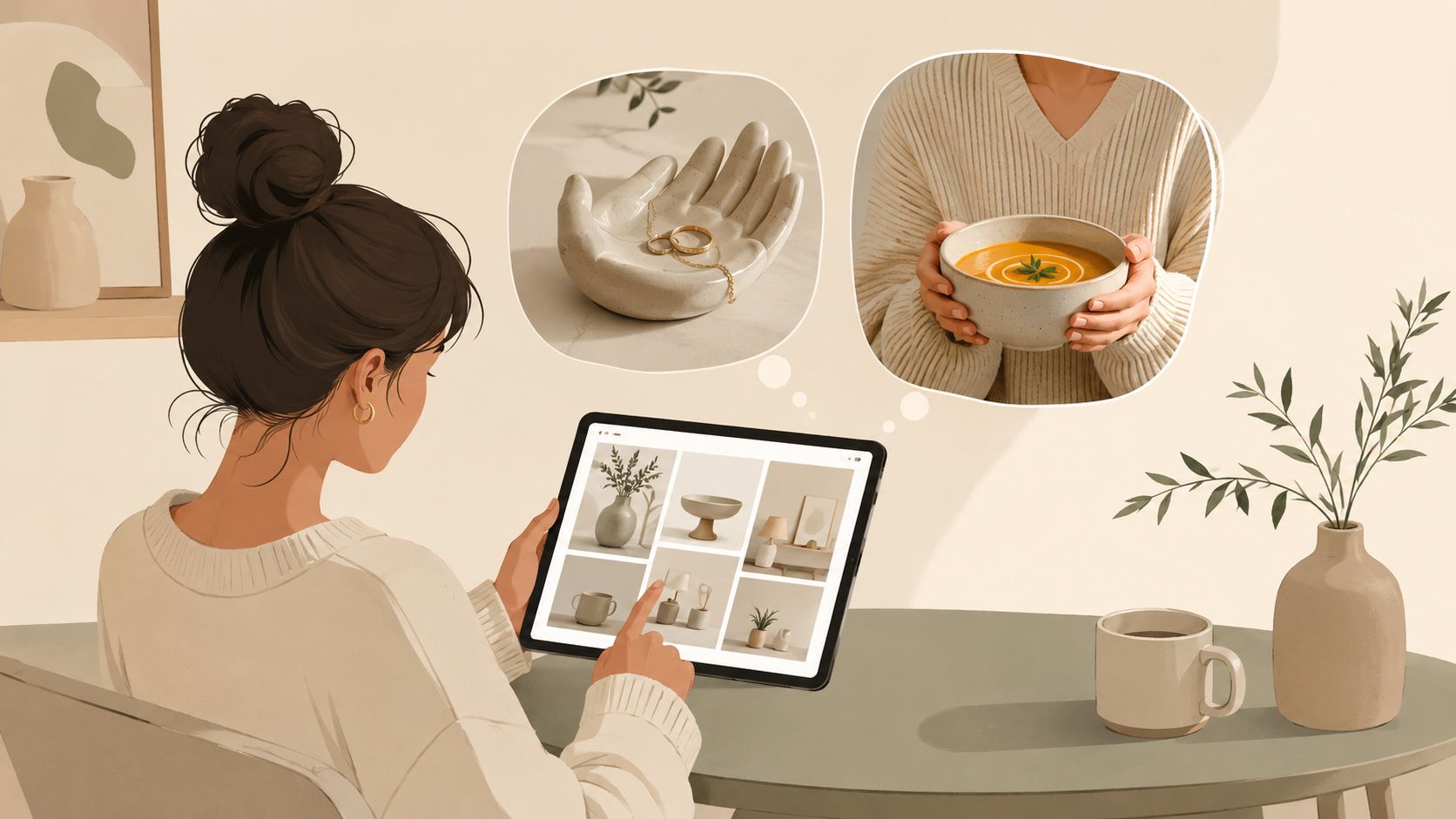
In home decor, the term can describe a bowl shaped like hands or decorated with hand motifs. In everyday use, it can also mean a functional bowl that helps someone hold food more securely at the table. Both have a place, but they solve different problems, and the trick is knowing which one fits the room, the meal, or the person using it.
What Exactly Is a Bowl With Hands
A homeowner might spot the term while browsing accents for a coffee table, then another family member might use the same words while looking for a steadier bowl for an older parent. That's the first thing to clear up. A bowl with hands is not one fixed product type, it's a phrase that gets used for both decor and function.
Two meanings, one phrase
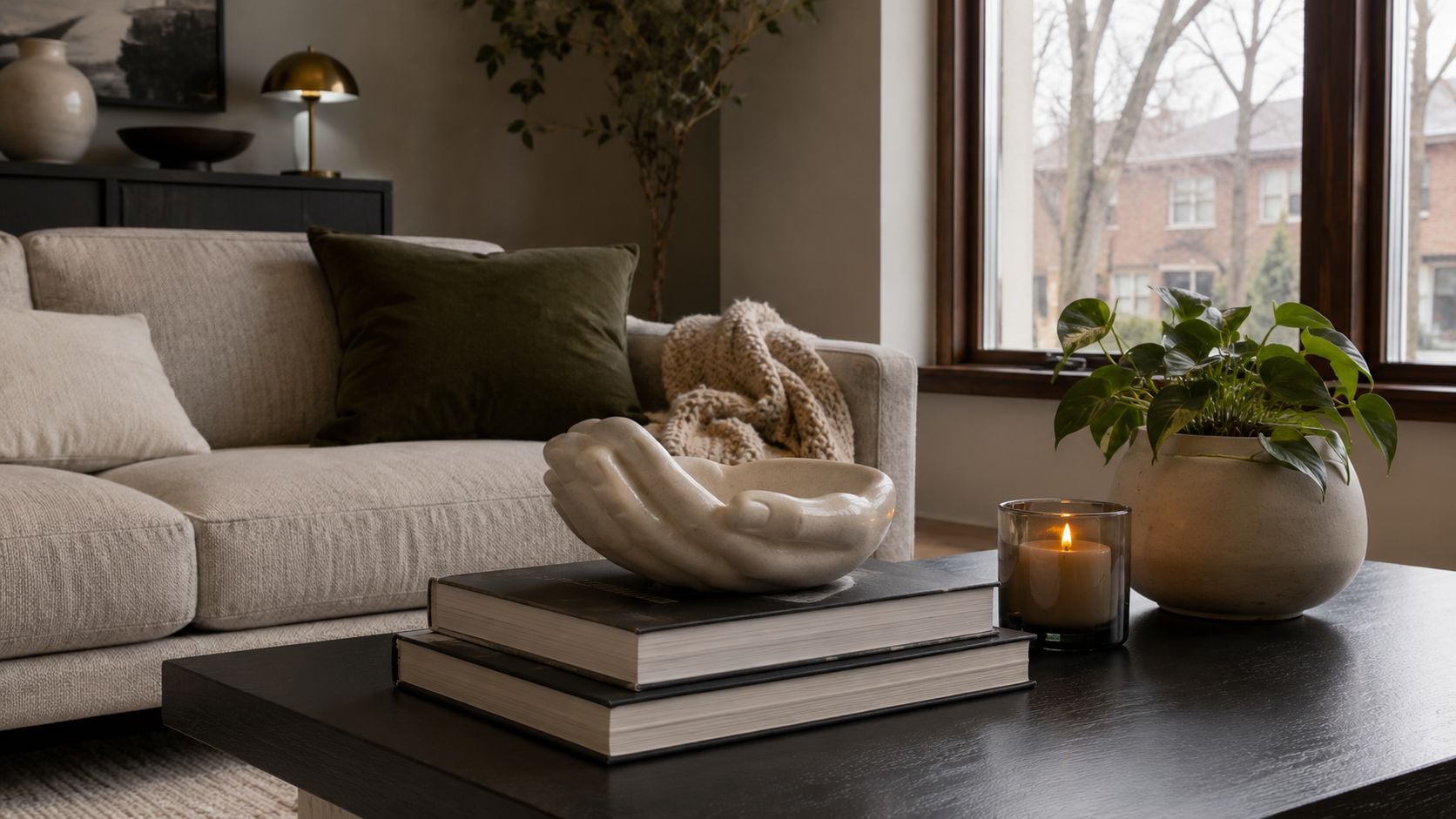
As a decorative piece, a hand-themed bowl can sit on a console, shelf, or dining table and act like a small sculpture. It might be shaped like hands, or it might carry hand imagery as part of the design. That kind of piece is about visual interest, texture, and personality.
As a functional piece, the same phrase can point to a bowl that's meant to be easier to hold, steadier on the table, or more forgiving for people with limited dexterity. That use case matters for seniors, people with arthritis, tremor, or grip weakness. A functional bowl isn't asking to disappear into the background, it's trying to make a daily task feel calmer and less awkward.
Practical rule: If the main goal is display, style comes first. If the main goal is easier eating, stability and grip come first.
The difference matters because people often assume a hand-themed bowl is only decorative. That can lead to the wrong purchase, especially when someone really needs an accessible dining aid rather than a sculptural accent. It can also work in the other direction, where a beautiful bowl gets ignored because it's assumed to be too utilitarian to display.
For readers who want a decorative starting point, a good place to look is this free-form bowl in the accessories collection, since pieces like that show how a bowl can function as both object and accent without feeling fussy. The key is to identify the job before judging the shape.
Decorative Versus Functional Bowls Explained
The easiest way to sort this out is to compare the two side by side. Decorative hand-themed bowls are about the room, while functional bowls are about the person using them. Both can be attractive, but they start from different priorities.
Decorative pieces for shelves, tables, and consoles
A decorative version usually behaves like art that also happens to be a bowl. It might be ceramic, concrete, or another solid material, and it often works best when styled with books, candles, greenery, or small everyday objects. On a coffee table, it can soften a harder surface. On a buffet, it can catch keys, loose change, or a few seasonal items without looking cluttered.
That's why these pieces pair so naturally with solid wood furniture and other substantial finishes. A hand-shaped bowl brings in a little movement and surprise, while a wood table or dining room cabinet keeps the look grounded.
Functional bowls for easier mealtime
A functional bowl is built for use first. Think sloped bases, thumb rests, double handles, or a weighted bottom that helps the bowl stay put while someone scoops food. Those features matter when hand strength is limited or a person needs a steadier hold at the table.
Many shoppers get tripped up here. They assume a bowl with a supportive shape can't also look good. That's not true. A well-designed functional bowl can still have a clean finish, a pleasing silhouette, and enough style to sit comfortably on the table instead of feeling clinical.
A good adaptive bowl should help the hand without drawing attention to the limitation.
For a broader look at dining-room accessories that support both style and usefulness, this dining-room accessories guide is a useful companion piece. The main takeaway is simple. Decorative bowls help a room feel finished. Functional bowls help a person eat with less strain. Sometimes one item can do a bit of both, but the buyer still needs to know which problem matters most.
Three Critical Buying Criteria You Must Check
A bowl can look wonderful online or under showroom lights and still disappoint at home. The three things that matter most are base stability, finish quality, and weight distribution. Those details tell the truth about whether the piece will sit well, feel good to handle, and work the way it should.
Check the base before anything else
The bowl should sit flat and steady on the surface. If it rocks, tips, or feels nervous when set down, that's a problem for display and an even bigger problem for daily use. Homes with kids, pets, or crowded tables need a bowl that won't wander every time someone bumps the furniture.
A stable base also helps the piece look more intentional. Even a beautiful form can feel cheap if it doesn't settle properly.
Feel the finish with your hand
The finish should be even, comfortable, and free of rough spots that catch skin or snag a cloth. That matters on decorative pieces, where the bowl may get moved often, and on functional pieces, where a person may grip it during mealtime. Shoppers should run a hand around the rim, the underside, and any curved edges.
If the surface feels scratchy in the showroom, it'll probably feel worse after regular use.
Don't let weight fool you
Heavier isn't automatically better. A bowl that feels solid can still be awkward for one-handed use if the person lifting it has limited grip strength. On the other hand, something too light may slide too easily or feel insubstantial on the table.
The better question is whether the weight supports the bowl's purpose. For a decorative accent, a little heft can help it stay put. For functional use, the weight should make the bowl secure without making it tiring to move.
For a general furniture-shopping mindset that translates well to decorative and practical home goods, this guide to buying quality furniture is a smart reference point. The same habit applies here, examine how the piece behaves, not just how it photographs.
Styling Ideas for Living Rooms and Dining Spaces
A hand-themed bowl looks best when it belongs to the room instead of sitting there like a spare prop. In Milwaukee homes, that usually means pairing it with solid materials, clean textures, and furniture that already has some visual weight. The result can feel calm, polished, or slightly artistic, depending on where the bowl sits and what it needs to do.
Coffee tables, buffets, and entryway consoles
On a coffee table, a decorative bowl looks strongest with one or two companion pieces, not a crowded cluster. Stacked books can give it height, and a candle or small object nearby keeps the arrangement from looking too flat. For more ideas, see our foolproof guide to the perfectly styled coffee table. On a dining room buffet, the bowl can catch keys, mail, or other loose items during the week, then shift to a seasonal accent when guests arrive.
Entryway consoles are another useful place for it. A hand-shaped bowl by the door gives keys, lip balm, or loose change a home, and it adds warmth before anyone gets farther into the house. That works especially well in smaller apartments, where every surface needs to do real work.
Making functional bowls feel at home
A functional bowl does not have to look medical or institutional. It can sit at the table with the rest of the dinnerware, especially if the color and finish match the room. A neutral tone, a smooth edge, and a shape that stays quiet visually all help it blend in.
For families who use one bowl for support and another for serving, consistency makes the setup easier to read. Keep the functional bowl close to the everyday dishes so it feels ordinary, not special-issue. That small habit can make mealtime easier to follow and less self-conscious for the person using it.
Solid wood furniture and Amish-made accents tend to anchor these arrangements beautifully because they give the room a sense of weight and honesty. The bowl adds movement, the furniture adds calm, and the whole space feels lived-in instead of staged.
Care and Maintenance for Long-Lasting Beauty
Different materials need different care, and that's especially true when a bowl has to work as both decor and a daily-use object. Ceramic, concrete, wood, and plastic each bring their own strengths, so the best care routine starts with the material in your hand, not the label on the shelf.
Match the care to the material
Ceramic bowls usually do best with gentle washing and careful drying. Concrete pieces need a little more caution, since moisture can mark the surface if they're left wet too long. Wood should be wiped clean promptly and kept dry, because standing water can dull the finish and weaken the surface over time. Plastic is the easiest to maintain, but it still deserves regular cleaning so it doesn't pick up odors or residue.
Decorative pieces need dusting, and they shouldn't sit in harsh direct sunlight for long stretches if the finish is likely to fade. That's a simple habit, but it keeps a display piece looking fresh much longer. Functional bowls should be cleaned after use, sanitized when needed, and replaced if the surface starts to wear, chip, or lose its grip-friendly quality.
A brief note for crafters
For anyone making a concrete hand bowl at home, the shaping matters as much as the finish. Use a bowl and towel to support the hand form, keep fingers separated with cardboard so they don't fuse together, and aim for a mix that isn't too wet or too dry. Let the concrete cure for at least 24 hours before removing it or handling it heavily, and thicker pieces may need longer, including 48 hours total in some projects before full removal from the mold, as noted in a CBC Life DIY hand bowl tutorial.
Care tip: If the bowl will be touched often, dry it fully after washing. A little extra drying time prevents a lot of wear.
That DIY route can be satisfying, but it works best when the maker pays attention to cure time and shape stability. Otherwise, the bowl may look finished before it's actually ready.
Why Shopping Local in Milwaukee Matters
A bowl with hands is one of those pieces that really benefits from being seen in person. Scale matters. So does finish, color, and how the bowl feels when it's lifted or set on a table. Photos can't show the whole story, and that's especially true when someone is choosing between a decorative accent and a functional aid.
Supporting a local showroom also means getting advice from people who know how Milwaukee families live. A fourth-generation, family-owned store has a different kind of memory than a warehouse with a screen and a cart. It can help a shopper compare materials, ask about durability, and look at a piece alongside the furniture already in the room.
BILTRITE's supporting local businesses perspective fits that kind of shopping well because the value is in the face-to-face experience. That's where someone can check stability, see the true size, and talk through whether the bowl is meant for styling, accessibility, or both.
If the goal is a home that feels thoughtful and practical, local shopping makes the decision easier. Come on down to the Greenfield showroom, say hello, and take your time with the pieces. It's a friendlier way to shop, and it usually leads to better choices.
BILTRITE Furniture-Leather-Mattresses has home decor, solid wood furniture, and supportive pieces that help a room feel finished without losing everyday comfort. If a bowl with hands is on the shortlist, visit BILTRITE Furniture-Leather-Mattresses in Greenfield and see the selection in person.