How to Choose Cabinet Hardware: BILTRITE’s Expert Guide


Standing in the kitchen with a cabinet door in one hand and a phone full of saved hardware photos is a familiar spot to be in. Every knob starts to look the same. Every pull looks either too tiny, too chunky, too shiny, or too trendy. That's usually the moment the decision stops feeling fun.
Learning how to choose cabinet hardware gets easier when the focus shifts away from tiny online thumbnails and back to real life. Hardware isn't just decoration. It's a hand feel, a daily-use detail, and one of the clearest signs of whether a room feels thoughtful or thrown together.
Your Cabinets Deserve a Glow-Up
A lot of homeowners get stuck at the same point. The cabinets are in good shape. The room works. But something feels flat. Then a hardware change wakes the whole space up.
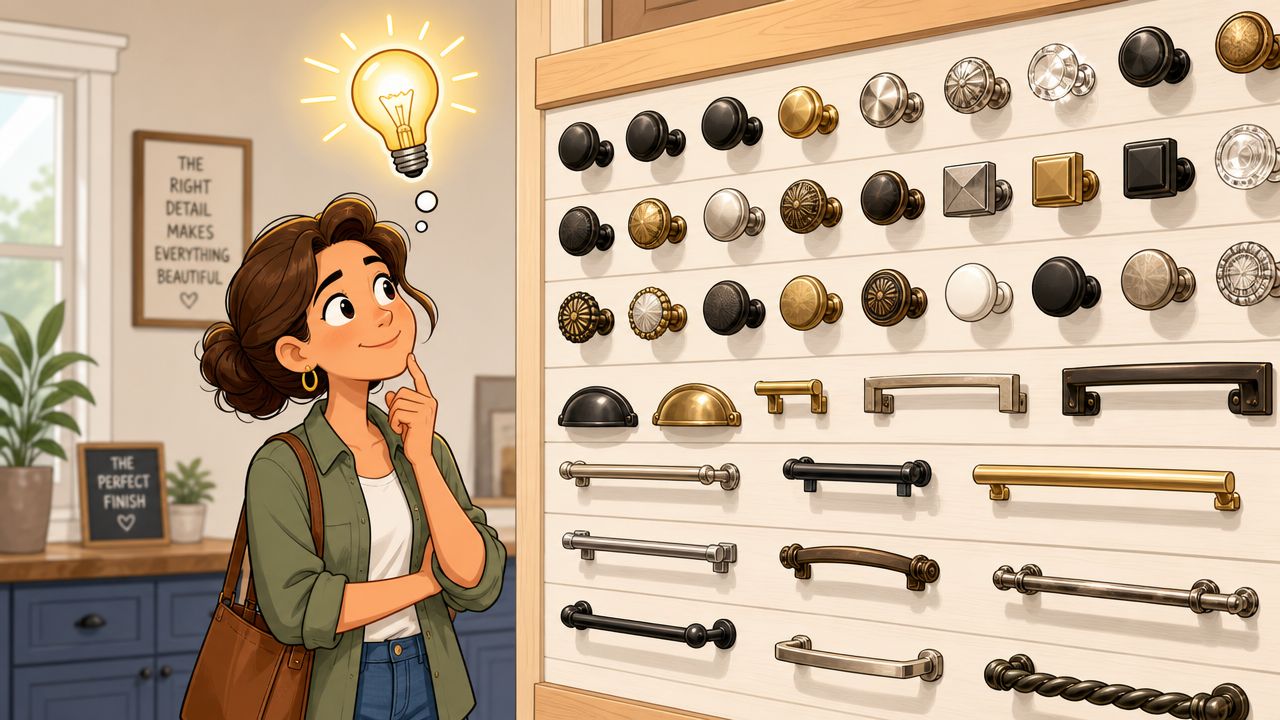
That's why cabinet hardware gets called the jewelry of the room so often. It finishes the look, yes, but it also changes the mood. A simple shaker kitchen can feel warmer with a rounded knob. The same kitchen can feel cleaner and more refined with a long pull. A bathroom vanity can go from builder-basic to custom-looking with one smart swap.
Why this small choice matters
The reason this decision feels bigger than it should is simple. People touch cabinet hardware every single day. If it looks nice but feels awkward, the mistake shows up fast. If it fits the cabinet, suits the room, and feels solid in the hand, the whole space feels more settled.
A good approach is to stop shopping by photo first and start with three questions:
- How does the room live? Busy family kitchen, guest bath, laundry room, or a quieter space all call for different priorities.
- What does the cabinetry say already? Detailed doors can handle classic hardware. Flat fronts usually want cleaner lines.
- What kind of furniture feeling fits the home? Hardware should support the room's character, not fight it.
Practical rule: The best hardware choice usually feels obvious once it's held in the hand and seen against the cabinet in real light.
Homeowners who are refreshing a kitchen or bath often find inspiration in pieces like accent kitchen cabinets because they show how wood tone, door style, and hardware work together as one complete look.
Knobs or Pulls Finding Your Family's Style
This decision should be more opinionated than people think. Knobs feel classic. Pulls feel cleaner and more current. That's the short version, and it's a useful one.
Knobs are a smart choice for cabinet doors when the goal is warmth, charm, or a more furniture-like look. They suit traditional spaces, cottage looks, and rooms with more detail in the door fronts. They're smaller visually, so they don't shout for attention.
Pulls do more work, both visually and physically. They create stronger lines across cabinetry, and they're usually easier to grab when hands are full, wet, or messy. In family kitchens, that matters. On heavier drawers, it matters even more.
The easy style test
A simple way to decide is to match the hardware shape to the cabinet personality.
| Cabinet feel | Hardware that usually fits best |
|---|---|
| Traditional, warm, detailed | Knobs or softly shaped pulls |
| Modern, minimal, flat-front | Straight or simple curved pulls |
| Transitional, mixed, layered | Knobs on doors and pulls on drawers |
Mixing knobs and pulls is often the strongest move. It gives doors a classic touch and gives drawers the grip they need. It also keeps a kitchen from looking too repetitive.
Some rooms need less matching and more balance. Hardware should support the cabinets, not become the only thing people notice.
Choose for the hand, not just the eye
A lot of stylish hardware looks good in photos and disappoints in daily use. Tiny knobs can feel fussy. Thin-edged pulls can feel sharp. Overly ornate shapes collect grime and make cleaning annoying.
That's where material and construction start to matter. On solid wood furniture, cheap-looking hardware stands out fast. Better-made pieces deserve hardware with the same sense of substance. Homeowners who are thinking through mixed materials can get useful inspiration from metal accents in furniture design.
A direct recommendation works well here:
- Choose knobs if the room leans classic and the doors carry the visual story.
- Choose pulls if function matters most and the room wants cleaner lines.
- Choose both if the goal is a balanced, lived-in look that feels intentional.
Getting the Size and Scale Just Right
Scale is a frequent point of error in hardware choices. The style may be right, but the scale is off. A beautiful pull that's too short can make a wide drawer look stumpy. A giant handle on a small door can take over the whole cabinet.
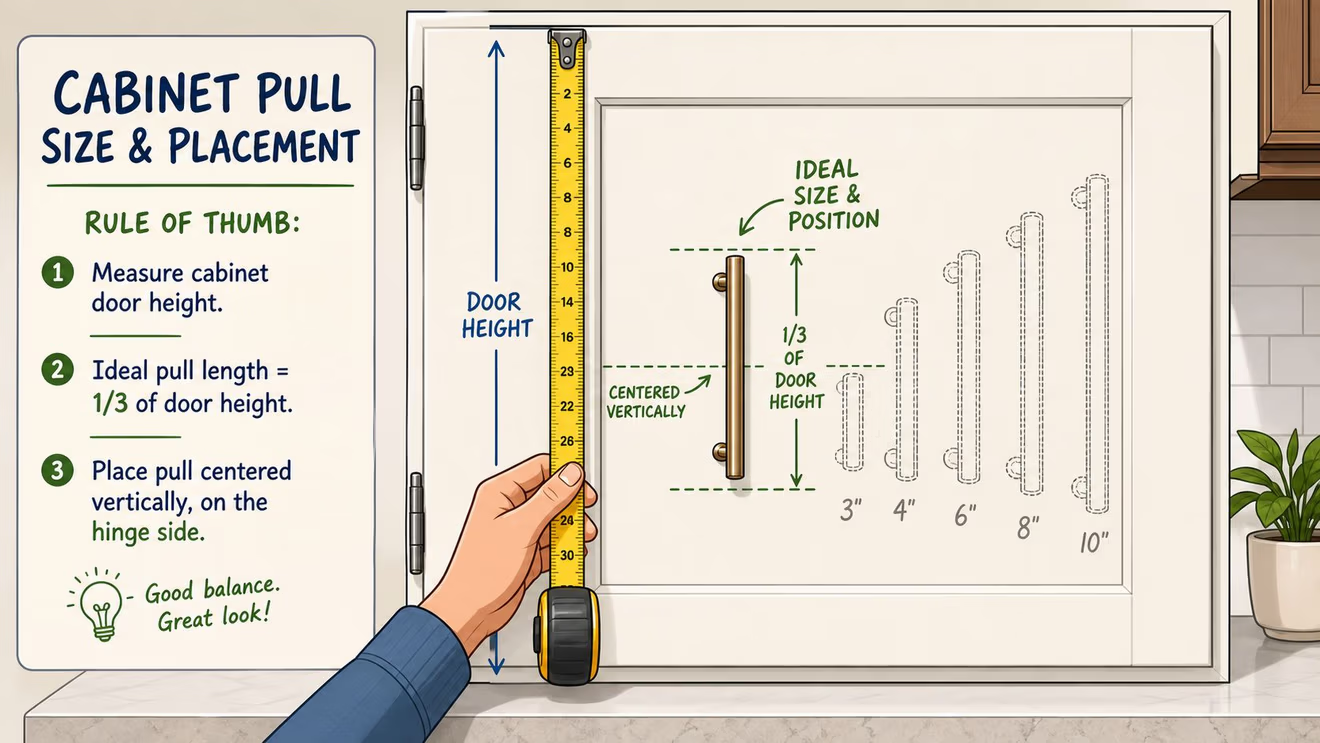
The cleanest starting point is the 1:3 ratio. According to this cabinet pull sizing guide, pull length should be about one-third of the cabinet door or drawer width for visual balance. The same guide says small drawers measuring 12 inches or less usually need a 3-inch to 4-inch pull or a 1-inch diameter knob, medium drawers from 12 to 30 inches work well with 4-inch to 8-inch pulls, and large drawers from 30 to 48 inches usually need pulls longer than 8 inches or two knobs or pulls.
Use the cabinet width first
That one measurement solves a lot. Measure the drawer or door width, then compare it to the hardware before getting distracted by finish or trend. People often shop the other way around, and that's why they end up second-guessing the choice.
Here's the practical takeaway:
- Small drawer fronts look better with hardware that doesn't overpower them.
- Mid-size drawers can handle more presence without looking heavy.
- Wide drawers need a functional grip, not just decoration.
A long pull on a big drawer doesn't just look more balanced. It feels better every morning when that drawer is loaded and needs a firm grip.
Don't ignore proportion in the room
Scale isn't only about one drawer. It's about what repeated hardware looks like across the whole wall of cabinetry. If every piece is too small, the room looks underfinished. If every piece is oversized, the room can feel busy.
That's why it helps to measure more than one cabinet before buying. A quick check against furniture measuring basics can save a lot of frustration because proportion works the same way across the room. Good scale makes a home feel calmer.
Bigger isn't always better. Better is better. The right size looks settled the minute it goes on.
One more opinionated point. If a homeowner is torn between two sizes, the slightly larger option usually wins on drawers. It reads more intentional and tends to feel better in daily use.
Choosing a Finish for Style and Durability
Open a kitchen drawer ten times a day and the finish tells the truth fast. The pretty option on a screen can start looking tired once real life gets involved, especially with damp hands, cooking grease, bathroom humidity, and constant wiping.
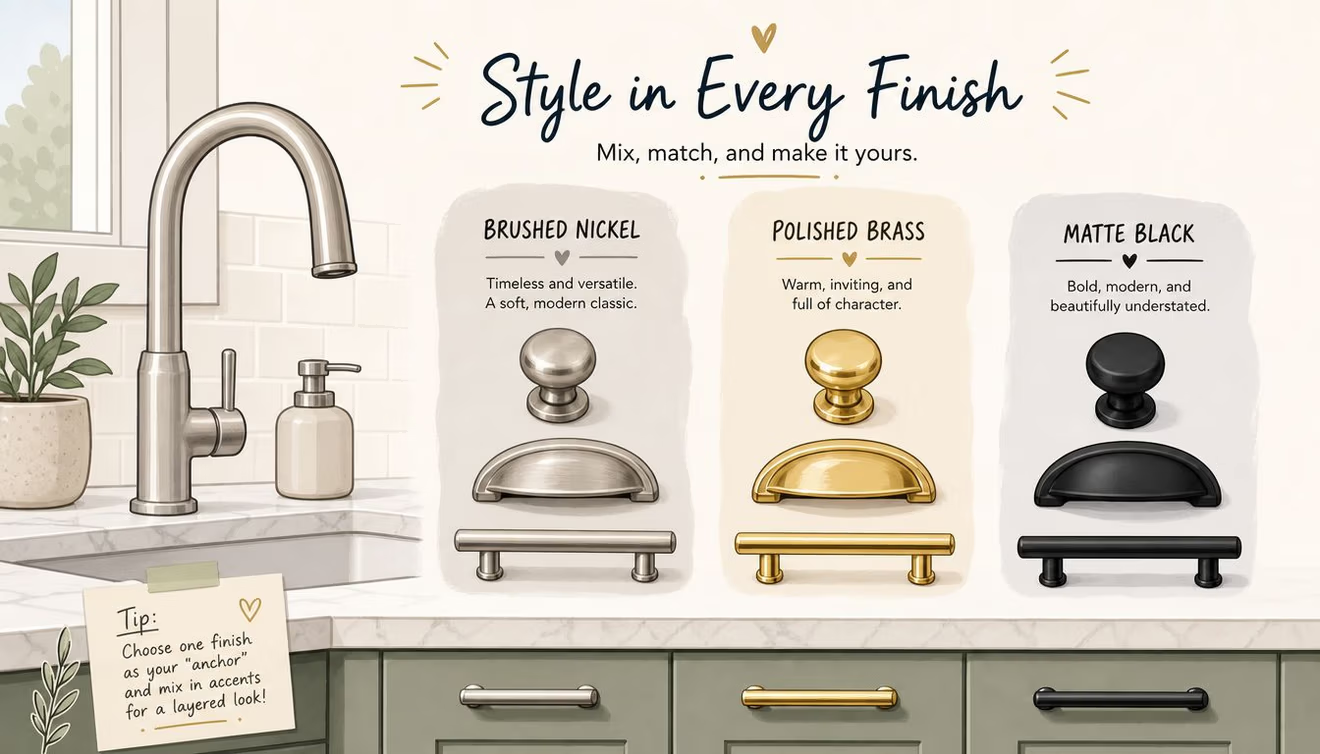
That is why finish should be chosen in person whenever possible. You need to see the color, touch the surface, and notice whether it feels solid and settled or thin and trendy. In a showroom, especially one filled with USA-made and Amish-made solid wood furniture, the difference is obvious. Good hardware has presence. It feels right in your hand before you ever install it.
What different finishes say about a room
Finish changes the mood quickly.
- Brushed nickel is the safe recommendation for busy homes. It looks clean, works with nearly everything, and does a better job hiding fingerprints and small wear.
- Matte black gives crisp contrast and helps light cabinetry feel more grounded. It works best when you want the hardware to be seen, not disappear.
- Warm metallic finishes such as brass or bronze feel more furniture-like and pair beautifully with stained wood cabinets.
- Bright polished finishes look sharp at first, but they show smudges, scratches, and water spots sooner.
Choose for use, not just style
A hardworking kitchen or bath needs a finish that can take daily abuse without asking for constant upkeep. Brushed nickel and matte black are usually the easiest finishes to live with. Polished surfaces ask for more cleaning and tend to show wear faster in active spaces.
That tracks with what families tell us in the showroom all the time. The finish they still love a year later is usually the one that felt practical from the start.
Good advice: If you are stuck between the flashier finish and the easier one to maintain, pick the easier one.
A simple way to decide:
| Household reality | Finish direction that makes sense |
|---|---|
| Busy kitchen, frequent cooking, plenty of hands on every drawer | Brushed nickel |
| Modern space that needs contrast | Matte black |
| Warm wood cabinetry and a softer, furniture-inspired look | Brass, bronze, or another warm metallic |
| Guest bath or lower-use area | Polished finishes can work |
Homeowners who care about lasting beauty usually apply the same standard to furniture and cabinetry. The same common-sense rule shows up in how to choose a wood finish that holds up to daily use. Buy the surface that looks good and lives well.
That is also why seeing hardware near real wood matters. A finish that looks perfect online can feel cold, flat, or overly shiny once it is next to solid cherry, oak, or maple. In person, quality is easier to trust. And if you want hardware that feels at home with American-made furniture built to last, that extra step is worth it every time.
Perfect Placement and Easy Installation Tips
Great hardware can still look wrong if it's installed poorly. Placement is what separates a thoughtful update from a rushed weekend project.
The good news is that standard placement is simple. According to these cabinet hardware placement guidelines, upper cabinet knobs or pulls are usually installed 2.5 to 3 inches from the bottom edge of the door, lower cabinet hardware is placed 2.5 to 3 inches from the top edge, and drawer hardware is centered horizontally on the face.
The easiest placement plan
That standard works because it looks orderly and feels natural in the hand. The eye reads consistency first. If hardware placement jumps around from one cabinet to the next, the room looks off even if nobody can explain why.
A simple install routine helps:
- Mark the spot with painter's tape so changes are easy.
- Step back and look at the full cabinet run before drilling.
- Use a template or jig if there are multiple matching doors or drawers.
- Check nearby doors and drawer fronts so nothing collides when opened.
Small mistakes that cause big annoyance
Some problems only show up after installation. A pull may look centered but feel awkward because it sits too close to the stile. A backplate may look handsome but crowd the cabinet edge. A hardware choice may suit one drawer front and look tiny on the next.
These are the details that deserve patience:
- Keep alignment consistent. Even a small visual shift is easy to notice across a row of cabinets.
- Test the hand position. If the fingers scrape the wood or pinch at the edge, placement needs adjusting.
- Watch backplate clearance. Backplate hardware needs enough breathing room to avoid interference with nearby doors or drawers.
- Drill once. Temporary tape marks are much easier to fix than misplaced holes.
Hardware placement should feel boring in the best way. It should look so natural that nobody thinks about it twice.
Modern rooms sometimes push hardware higher on slab fronts for a sleeker effect, while traditional cabinetry often keeps placement tied more closely to rail and stile lines. Both can work. What matters is discipline. Pick a system and repeat it cleanly.
Let Us Help You Find The One
Choosing cabinet hardware gets easier when the decision is treated like a quality choice, not a scrolling contest. The right hardware suits the cabinet style, feels comfortable in the hand, holds up to family life, and looks like it belongs in the room.
That last part is why in-person shopping still matters so much. Hardware is tactile. Weight matters. Edge shape matters. Finish depth matters. The difference between something that looks acceptable and something that feels right often doesn't show up on a screen.
For homeowners looking at custom furniture, cabinetry details, or solid wood pieces, seeing real examples makes the whole process clearer. It helps to compare proportions, test finishes in normal light, and look at how hardware changes the character of a piece. Anyone exploring personalized options can get a useful head start with custom order furniture basics.
A final opinionated note fits here. Cheap hardware is one of the fastest ways to make good cabinetry feel lesser than it is. Better hardware pays back in daily use. American-made and Amish-made solid wood furniture deserves the same level of thought in the finishing details.
BILTRITE Furniture-Leather-Mattresses has helped Metro Milwaukee families furnish their homes since 1928, and that family-owned history still shows in the way the team helps customers make practical, lasting choices. For anyone weighing cabinet details, custom options, solid wood construction, or the feel of better-quality USA and Amish-made furniture, a visit to the Greenfield showroom is the smart next step. The store doesn't sell online, and that's part of the value. Shoppers can see the craftsmanship up close, compare finishes in person, and talk with a team that brings over 400 years of combined experience. Ready to find a piece that feels right for the home and the family using it? Visit BILTRITE Furniture-Leather-Mattresses in Greenfield and say hello.