Small Space Modern Furniture: Quality & Style


A smaller home can feel exciting on move-in day and frustrating by the first weekend. The sofa looks good online, then the room feels cramped. The dining set fits the wall, then nobody can walk around it comfortably. A bedroom that seemed manageable suddenly has no place for a nightstand, a dresser, and the laundry basket that always seems to be out.
That's where good small space modern furniture earns its keep. It doesn't just look clean and current. It has to fit the room, move through the doorway, work hard every day, and still feel welcoming at the end of a long week. That's the part a lot of guides miss.
Around Metro Milwaukee, families, condo owners, apartment renters, seniors, and downsizers all run into the same problem. They want a home that feels open and stylish, but they also want furniture with staying power. Cheap, flimsy pieces can make a room feel temporary. Better-made furniture gives a small home some backbone.
Making Your Small Space Feel Like Home
A first apartment or condo often starts with a simple goal. Make it feel grown-up, comfortable, and pulled together. Then reality steps in. The living room is tight, the hallway is narrow, and the bedroom has just enough space to become a puzzle.
That's why a smaller home needs a plan before it needs products. Good rooms don't happen because everything is tiny. They happen because every piece has a job, every inch has breathing room, and the scale feels calm instead of crowded.
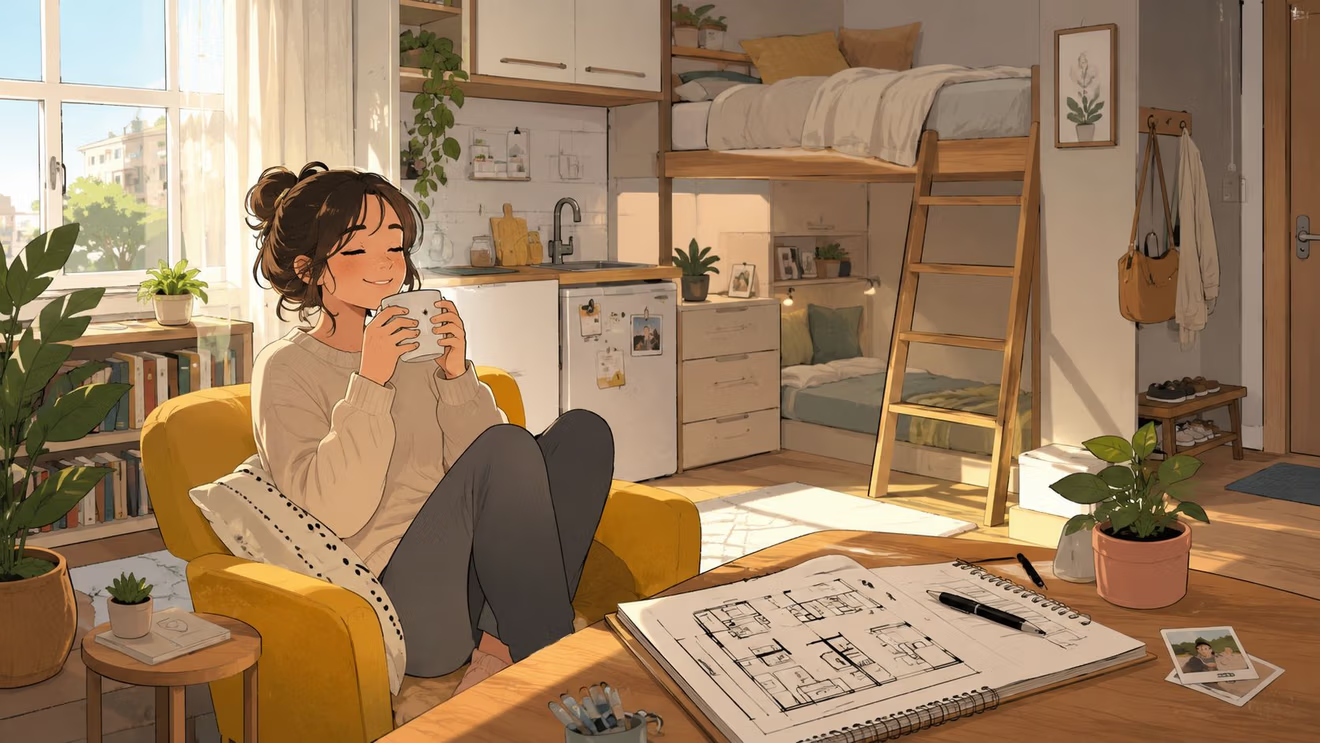
BILTRITE has helped Metro Milwaukee families furnish their homes since 1928. As a fourth-generation family business, the store has spent decades helping people solve real layout problems, not just pick something that looks nice under bright showroom lights. That matters in a small home, where one wrong purchase can throw off the whole room.
Start with comfort, not clutter
The home is still the center of daily life for most furniture shoppers. In the U.S., residential furniture accounted for 60.21% of the total market share in 2025, which says a lot about how seriously people take comfort at home, no matter the square footage, according to Grand View Research's U.S. furniture market report.
A small room doesn't need less personality. It needs better decisions. That usually means choosing fewer pieces, choosing them more carefully, and resisting the urge to fill every empty corner just because it's there.
Practical rule: In a compact home, every piece should earn its footprint.
For shoppers who want ideas before they visit a store, BILTRITE also shares small space furniture solutions for apartments, condos, and smaller homes. It's a helpful starting point for anyone trying to balance style, storage, and everyday comfort.
What a small home needs most
A good small-space setup usually comes down to three priorities:
- Right-sized scale: Pieces should fit the room without making it feel skimpy or overstuffed.
- Useful function: Storage, extension leaves, hidden compartments, and compact proportions matter.
- Lasting construction: Small homes put furniture to work every single day.
That last one is worth remembering. Small-space living isn't a compromise when the furniture is chosen well. It can feel warm, polished, and livable.
Measure Twice Buy Once
Measuring is the step nobody wants to do and everybody needs to do. In a smaller home, it isn't optional. It's the difference between a room that flows and a room that feels like a traffic jam.
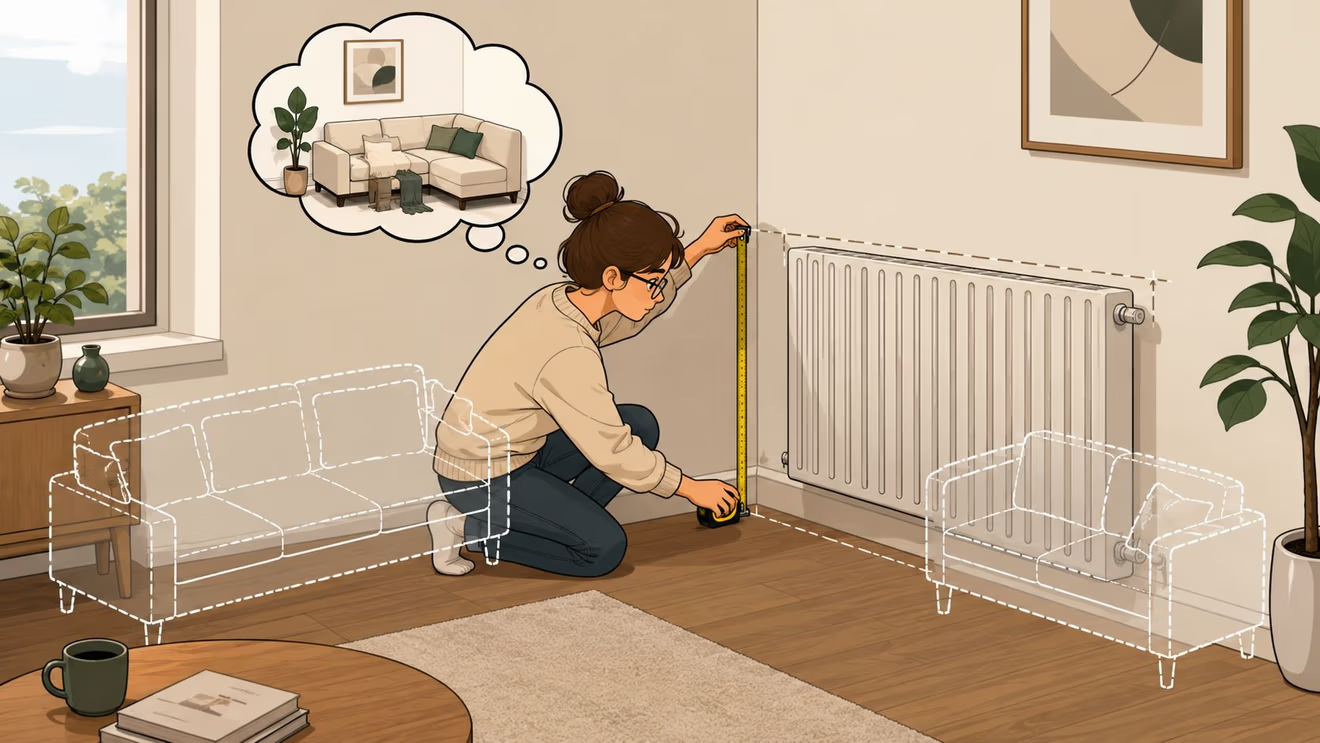
The biggest mistake isn't just buying furniture that's too large. It's buying furniture that technically fits the room but blocks movement, overwhelms the layout, or won't make it through the front door. That's why measuring should happen in two parts. First the room, then the path into the room.
The measurements that matter most
Designers are consistent on one key point. A 36-inch primary path for movement is the standard for comfortable living, and a sofa seat depth of 20 to 22 inches is ideal for most small spaces because deeper seating quickly eats up valuable floor area, as noted in this small-scale furniture design guide.
That means a tape measure should come out before anyone falls in love with a deep, loungy sofa.
Here's the checklist worth following:
- Measure the room walls. Write down width and length.
- Mark fixed obstacles. Windows, radiators, vents, baseboard heaters, outlets, and floor registers all affect placement.
- Measure movement lanes. Keep the main walking path at that 36-inch standard.
- Check entry points. Front doors, apartment doors, stairwells, elevators, hall corners, and interior doorways matter just as much as the room itself.
- Sketch a simple floor plan. It doesn't need to be fancy. Pencil and graph paper work fine.
A beautiful sofa that won't clear the hallway is still the wrong sofa.
A smarter way to shop
Most shoppers look at overall width first. That's understandable, but width isn't the whole story. Depth, arm thickness, back height, and leg style all affect how open a room feels. A slim-arm sofa can seat well without hogging the room. A visible-leg design helps a room feel less heavy.
This is also where delivery planning matters. If the home has a tight turn at the stairs or a narrow apartment entrance, modular or come-apart upholstery can save a lot of grief.
For anyone who wants a simple measuring guide before heading out, BILTRITE offers a practical how to measure furniture guide for room fit and delivery access.
The best question to ask in the store
Instead of asking only, “Will this fit?”
Ask, “Will this fit and still let the room breathe?”
That question changes everything.
Choosing Smart Multifunctional Furniture
Small homes ask more from every piece. A dining table may need to host dinner, hold a laptop, and fold back into everyday life without taking over the room. An ottoman may need to store blankets, serve as a footrest, and offer extra seating when family drops by.
That's why multifunctional pieces deserve serious attention. Not gimmicks. Not furniture trying to do ten jobs badly. Just smart pieces that solve real daily problems.
Real-life choices that work
A young couple in a condo often does well with a compact table that extends when guests come over. During the week, it stays neat and proportional. On holidays or game night, it opens up and earns its place.
A family room in a smaller home benefits from a storage ottoman or lift-top cocktail table. The room looks tidy faster because remotes, throws, chargers, and kids' clutter have somewhere to go.
A guest room can pull double duty with a smaller-scale bed, a narrow dresser, and a writing desk that also acts as a vanity or workspace. That room stays useful every day instead of sitting idle.
Don't ignore accessibility
A lot of modern furniture advice still acts like every shopper is young, agile, and happy to sink into a low chair. That's not reality. There's been a 22% surge in demand for small-space senior living, which makes stylish, higher-seated chairs with arm support more important for safe, comfortable homes, based on this discussion of small-space senior living demand.
That's an important shift. A compact home still needs modern style, but it may also need easier sit-to-stand support, sturdier arms, or a lift chair that doesn't look bulky and out of place.
Good design should help people live comfortably in their home today and stay comfortable there later.
For shoppers weighing storage, flexibility, and scale, BILTRITE has a useful guide on how to choose multi-functional furniture for modern homes.
What to look for in multifunctional pieces
Some features pull more weight than others:
- Visible legs: They open up the look of the room and keep heavy pieces from feeling blocky.
- Slim arms and clean lines: These help upholstery feel modern without wasting space.
- Rounded edges: They improve flow in tighter walkways and allow for smoother movement in busy rooms.
- Built-in storage: It cuts visual clutter fast.
- Adaptable height and support: Especially important for seniors, caregivers, and anyone planning ahead.
BILTRITE Furniture-Leather-Mattresses offers small-scale furniture, come-apart sofas and sectionals, lift chairs, and senior living options in one showroom setting, which makes side-by-side comparison easier for shoppers trying to solve both space and comfort needs.
Why Quality Materials Matter Even More in Small Spaces
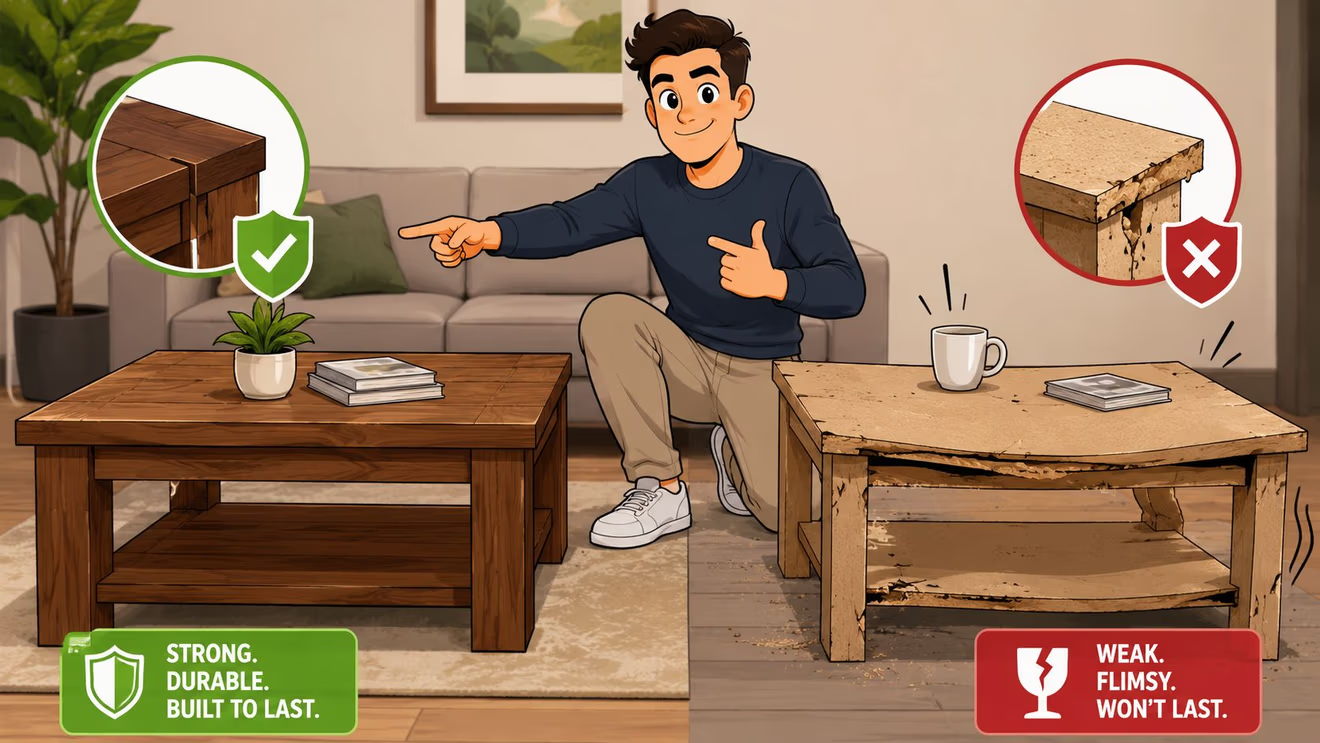
Small-space furniture has gotten a bad reputation because too much of it is built like a placeholder. Thin tops. Weak joints. Wobbly drawers. Veneers that chip the first time somebody bumps a vacuum into the base.
That approach makes no sense for real life. Smaller homes don't use furniture less. They use it more. The dining table may be a desk. The sofa may be the movie seat, reading spot, nap zone, and guest seating all in one day. In a compact home, every piece sees more action.
Long-term living needs long-term furniture
That's why durable materials matter. A surprising 78% of urban renters plan to stay in their apartments for 5+ years, which points to a real need for small-scale, durable, solid-wood furniture rather than throwaway pieces, as discussed in this source on long-term small-space living.
That lines up with what many Milwaukee-area shoppers already know. A smaller home doesn't mean temporary. Plenty of people love where they live and want furnishings that will still look good years from now.
What quality looks like
Solid wood deserves more attention in the small-space conversation. It brings warmth, character, and repairability that lower-grade materials often don't offer. Amish-made and USA-made pieces are especially appealing for shoppers who want honest construction and a finish that ages well.
Hardware matters too. Drawers, lift tops, expandable tables, and wall-bed style mechanisms should feel smooth and dependable. In compact homes, those moving parts tend to get used often, so weak hardware becomes annoying fast.
Here's what smart shoppers should look for:
- Solid-wood construction: Better for longevity, refinishing potential, and daily wear.
- Durable drawer and motion hardware: Important on pieces that open, extend, fold, or convert.
- Low-sheen finishes: They hide minor wear better and keep smaller rooms from feeling overly shiny or busy.
- Moisture-resistant engineered components where appropriate: Useful in spots where stability matters, especially on interior panels and support parts.
- A sturdy base and joinery: Small scale should never mean flimsy.
Cheap furniture often costs more in the long run because it gets replaced sooner.
For anyone comparing materials before making a decision, BILTRITE shares a solid overview of the benefits of solid wood furniture for long-term value.
The overlooked sweet spot
A key opportunity in small space modern furniture sits in the middle ground many stores skip. Shoppers want furniture that looks light and clean, but they also want substance. Tapered legs, slimmer profiles, and simple silhouettes can absolutely live alongside heavy-duty construction.
That combination is worth chasing. It gives a small room modern style without asking the homeowner to settle for disposable furniture.
Arranging and Styling Your Modern Pieces
A well-chosen room can still fall flat if the layout is off. Arrangement matters just as much as selection. In a smaller home, furniture placement controls whether the room feels easy, awkward, or chaotic.
The fix is usually simpler than people expect. Fewer pieces. Better spacing. Clear purpose.
Create zones that make sense
Even a studio or compact condo works better when each area has a defined role. A rug under the seating group tells the eye where the living area begins. A small dining set near the window becomes its own zone. A chair with a lamp and small table becomes a reading corner instead of random leftover furniture.
This doesn't require walls. It requires intention.
Let the room breathe
One of the easiest mistakes is pushing too many pieces into one room because each item seems useful on its own. Together, they drain the space. Leave some open floor visible. That little bit of breathing room helps the whole room feel calmer and larger.
A few arrangement rules hold up well:
- Float when needed: Not every sofa has to be jammed against a wall.
- Go vertical: Bookcases, taller chests, and wall-mounted storage pull the eye upward.
- Use fewer, better accents: One strong lamp and one good side table beat a cluster of undersized pieces.
- Mind visual weight: Balance a larger upholstered piece with open-base tables or lighter wood tones.
The room should feel easy to walk through before it feels decorated.
Style without overfilling
Modern style works well in smaller homes because it favors cleaner lines and less visual noise. That doesn't mean cold or bare. Wood grain, textured fabric, soft lighting, and a few meaningful accessories keep the room from feeling flat.
A compact room also benefits from restraint. If a piece is only there because there's technically space for it, it probably doesn't belong. Small homes respond well when each item has a reason to stay.
Shopping Local and Getting It Home
This is one place where local shopping still beats clicking a button. Small-space furniture is hard to judge from a screen. Scale looks different in person. Cushion height feels different in person. Wood tone, finish sheen, arm width, and seat support all make more sense when someone can see and touch the piece.
That's one reason BILTRITE doesn't sell online. The showroom experience matters. Families can sit on the sofa, open the drawers, compare woods, test support, and talk with a team that has over 400 years of combined experience. That kind of guidance helps prevent expensive mistakes.
Delivery matters as much as selection
In smaller homes, delivery can make or break the purchase. Tight staircases, narrow entries, condo elevators, and tricky corners are integral to the buying decision. Come-apart sofas and sectionals are especially useful because they solve a practical problem many shoppers don't think about until moving day.
White-glove service matters too, especially for busy families, seniors, and anyone who doesn't want to wrestle with setup. For shoppers who want to understand what that includes, BILTRITE explains its white-glove delivery service and what to expect at home.
Why the showroom still matters
There's real value in walking through a store with people who know the difference between furniture that only looks good for six months and furniture that will still be serving the home years later. That's especially true in Greenfield and across Metro Milwaukee, where many shoppers want affordable, better-quality furniture with real staying power.
BILTRITE has been part of that conversation since 1928. Family-owned. Closed on Sundays and Mondays for family time. Proudly local. Proud to offer USA-made, Amish-made, solid-wood, small-scale, and heavy-duty options that solve everyday problems instead of creating new ones.
Ready to make a smaller home feel comfortable, stylish, and built for real life? BILTRITE Furniture-Leather-Mattresses welcomes shoppers to visit the Greenfield showroom, see the quality up close, and talk with a friendly team that's here to help, not pressure. Come say hi and find a piece that fits the room, fits the doorway, and fits the way home should feel.