Leather Furniture Restoration: 2026 Guide

A leather sofa usually doesn't look worn out all at once. The arms get dull first. Then a seat cushion starts to crack. A favorite chair shows the outline of years of movie nights, naps, and pets claiming the warm spot by the lamp. For many families, that wear isn't just damage. It's history.
That's why leather furniture restoration matters. It can help preserve a piece tied to family routines, or protect a quality investment that still has plenty of life left in it. For homeowners around Metro Milwaukee, that question comes up a lot. Is this piece worth saving, or is it time to move on?
At BILTRITE, that decision means something. The store has served Greenfield and the Milwaukee area since 1928 as a fourth-generation, family-owned business, and furniture has always been treated as more than decoration. A well-made chair, sofa, or recliner often becomes part of the household. Restoring one can be a smart choice, but only when the leather and the structure give a solid reason to do it.
Table of Contents
- Has Your Favorite Leather Piece Seen Better Days?
- Knowing When Restoration Makes Sense
- Your Supply List for a Successful Restoration
- Bringing Your Leather Furniture Back to Life
- Protecting Your Hard Work and Keeping It Beautiful
- When It Is Time to Find a New Family Heirloom
Has Your Favorite Leather Piece Seen Better Days?
One of the most common household scenes is easy to recognize. A family still loves the old leather chair. Nobody wants to give it up. But the headrest has faded, the seat has fine cracks, and one arm is darker from years of use. It still feels like home, even if it no longer looks the part.
That emotional pull is one reason leather furniture restoration has become more common. A projected market analysis valued the global Leather Goods Repair Services Market at USD 2.81 billion in 2025 and projected it to reach USD 6.165 billion by 2035, with nearly 58% of consumers preferring to repair luxury leather goods to reduce waste, according to this leather goods repair services market projection. That doesn't mean every sofa should be saved, but it does show that repair-first thinking has moved into the mainstream.
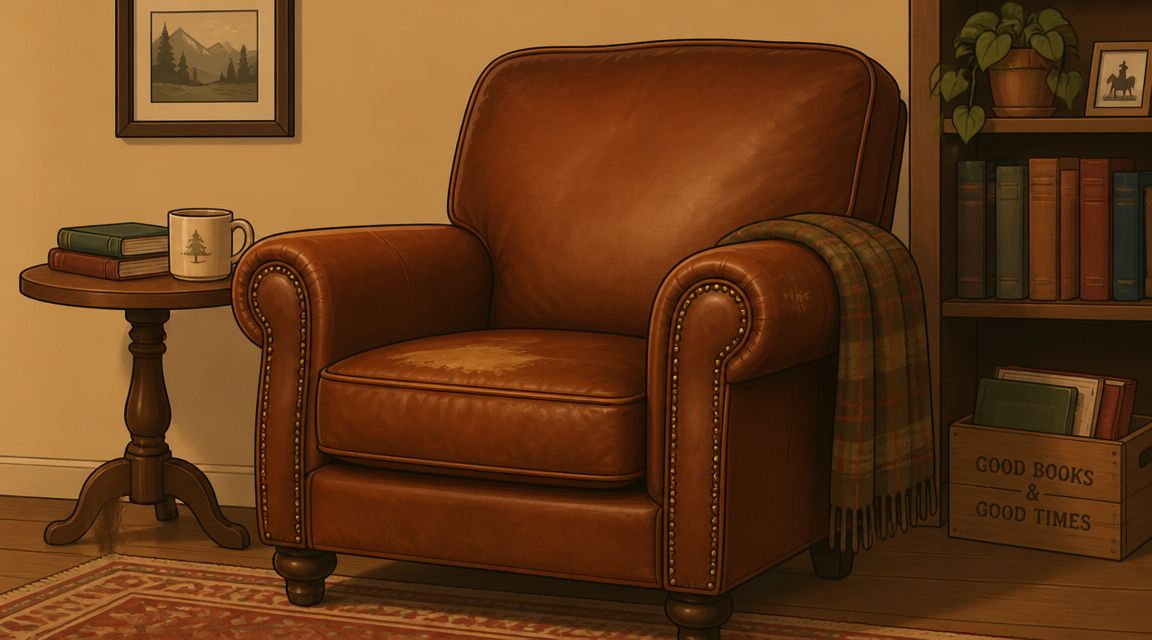
For a family-owned furniture business, that makes sense. People often want to keep the recliner Grandpa always used, the sofa where the kids piled in for snow-day cartoons, or the reading chair that still fits the room just right. Restoration can keep those memories in use instead of pushing them out to the curb.
Why this choice feels personal
Leather is one of those materials that can age with character when the underlying piece was made well. Small scuffs, light fading, and surface dryness don't always mean the furniture is done. Sometimes they mean the finish has worn while the frame, cushions, and leather base are still worth preserving.
Practical rule: If the piece still feels good to sit in and the damage is mostly on the surface, restoration may deserve a closer look.
That said, sentiment shouldn't be the only reason to move forward. Leather furniture restoration works best when it balances heart and logic. A family memory matters. So does the quality of the leather, the condition of the frame, and whether the result will hold up in everyday life.
Knowing When Restoration Makes Sense
Some leather pieces are strong candidates for restoration. Others will keep asking for money and effort without giving much back. The smartest move is to judge the material first, then the damage, then the value of the piece in daily life.
A helpful way to think about it is this. Restoration makes the most sense when the core structure is still worth saving. If the frame is solid, the seat support feels sound, and the leather itself is a quality hide rather than a disposable surface layer, there's a real foundation to work with.
The first thing to judge is the leather itself
Independent repair guidance points to a simple economic truth. For top-grain or full-grain leather, restoration is often rational because the core material is sound. For bonded or heavily worn pigmented leather, repair may not be practical, and replacement with a better-quality piece can be the smarter long-term move, as noted by this leather repairability overview.
That's where many homeowners get stuck. Bonded leather can look convincing at first glance, but it usually doesn't respond to restoration the way better leather does. Once it starts peeling or breaking down badly, no amount of recoloring can rebuild the material itself.
| Leather Type | How It Feels | Restoration Potential |
|---|---|---|
| Full-grain leather | Rich, natural, often shows character and grain variation | Usually strong if the hide and frame are still sound |
| Top-grain leather | Smooth, durable, refined surface | Often a good candidate for cleaning, recoloring, and crack repair |
| Pigmented leather | More uniform color and finish | Can often be refreshed if wear is moderate and the base is stable |
| Bonded leather | Often feels more manufactured and less natural | Usually limited, especially if peeling or separating |
A homeowner who wants a deeper explanation of what makes a restorer useful can also review this guide to choosing a leather furniture restorer.
Damage tells the real story
A second check is the kind of damage involved. Surface issues are one category. Structural failure is another.
Usually restorable problems include:
- Light cracking: Fine surface cracks often respond well to filler, leveling, and recoloring.
- Scuffs and scratches: These are often cosmetic and can blend nicely with careful color work.
- Fading: Sun-washed arms, headrests, and seat tops are common restoration projects.
- Dry appearance: Leather that looks thirsty may improve a lot with proper cleaning and conditioning.
Problems that deserve more caution include:
- Large tears: A big rip may need patching or professional upholstery work, not just a touch-up kit.
- Peeling surfaces: That often points to bonded material or finish failure beyond practical DIY repair.
- Collapsed seating: If support under the cushion is failing, surface restoration won't address the underlying issue.
- Loose frames or broken recliner mechanisms: Mechanical or structural defects change the equation.
A chair can have ugly leather and still be worth saving. A chair with weak leather, weak support, and frame trouble usually isn't a wise restoration candidate.
There's also the household test. If the piece is used every day by kids, guests, pets, and whoever grabs the good seat first, the repair has to survive real life. A decorative chair in a quiet room can handle a lighter cosmetic repair. A family-room sectional needs a tougher standard.
At BILTRITE, that's one reason better-quality furniture matters so much. Well-built pieces, especially those made with durable materials, tend to reward maintenance and repair. Lower-grade furniture often doesn't.
Your Supply List for a Successful Restoration
A smooth restoration job usually starts long before the first crack gets filled. Good supplies prevent bad habits. They also keep a small project from turning into a messy one.
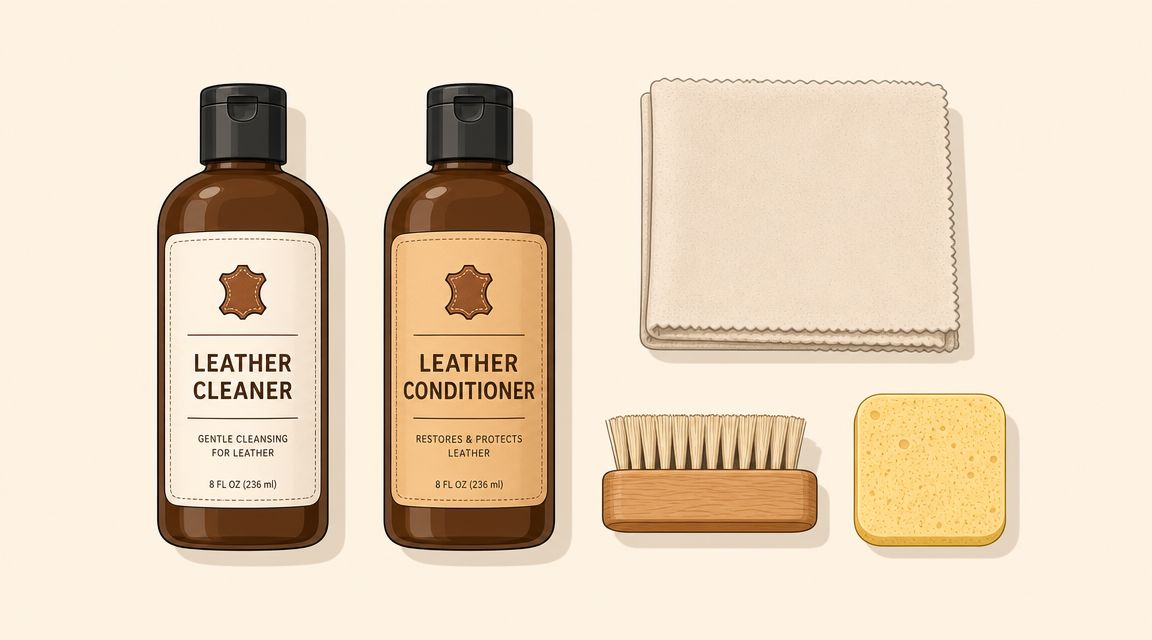
What belongs in the kit
Most homeowners don't need a giant workshop setup. They need a careful, leather-safe checklist.
- pH-balanced leather cleaner: This removes body oils, dust, and general grime without being too aggressive.
- Very mild soap and water option: This can help with gentle cleaning when used carefully on suitable surfaces.
- Leather prep agent: This is useful before recoloring because it removes waxes, oils, and silicones that can block adhesion.
- Soft cloths: Lint-free cloths help with cleaning, wiping away excess product, and buffing.
- Sponges or applicator pads: These help spread cleaner, filler, or colorant in controlled, light layers.
- Leather filler: Small cracks and worn areas often need filling before color goes on.
- Fine sandpaper: A very fine grit helps level cured filler without chewing up the grain.
- Matching leather colorant: The closer the match, the more natural the result will look.
- Protective topcoat or sealant: This helps defend the finished repair from wear and fading.
- Gloves and a test cloth: These keep hands clean and make spot testing easier.
For ongoing maintenance between bigger cleanups, some homeowners also keep leather furniture wipes for quick touch-ups on hand.
What should stay far away from leather
The wrong product causes more trouble than ordinary wear. That's especially true with antique, dry, or brittle leather.
A technically sound restoration process begins with full surface decontamination. Dust should be removed first, then the leather should be cleaned with a pH-balanced leather cleaner or very mild soap and water. When repainting or recoloring is planned, waxes, oils, and silicones should be stripped with a dedicated prep product so the finish can bond correctly, according to this antique leather restoration guidance.
Avoid these common mistakes:
- Harsh household cleaners: Ammonia, bleach, and alcohol-based cleaners can strip natural oils and create uneven absorption.
- Coarse abrasives: Rough sanding can flatten or scar the leather texture.
- Heavy, greasy products: These may soak in unevenly or interfere with recoloring.
- Skipping the hidden test spot: Leather can react differently than expected, even when the label sounds right.
The supply list doesn't need to be fancy. It needs to be appropriate for leather, and used with a light hand.
Bringing Your Leather Furniture Back to Life
A worn leather chair often looks worse than it is. One arm may be faded from years of afternoon sun. A seat cushion may show fine cracks from the same spot where someone always sat to read the paper. Before you start, it helps to remember what you are really restoring. You are not only fixing a surface. You are deciding whether a well-made piece, and the memories tied to it, deserves another chapter in your home.
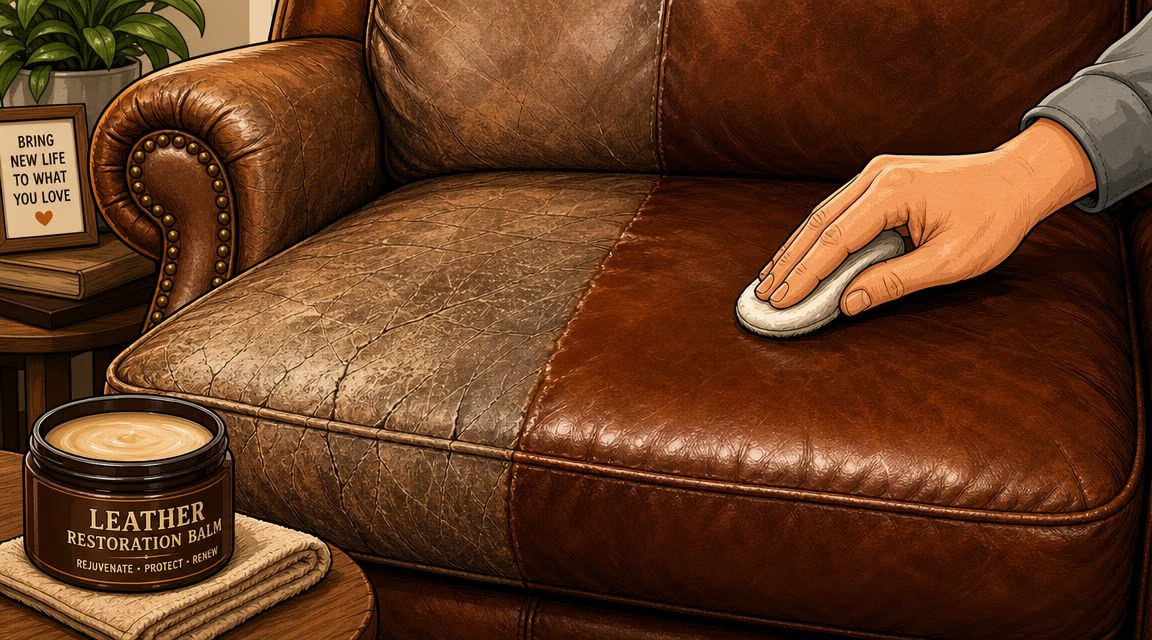
Start with cleaning and prep
Good restoration starts the same way good painting starts. The wall has to be clean before fresh paint will hold. Leather works much the same way. Body oils, dust, old conditioners, and stray polish can keep repairs from bonding evenly, even when the damage looks minor.
Vacuum the seams and folds with a soft brush attachment first. Then clean the surface with a leather-safe cleaner, or a mild soap-and-water mix if the label allows it. Use a lightly damp cloth, not a soaked one. Leather should feel clean, not wet.
If you plan to add color, remove any leftover waxy or oily residue with the prep product recommended for that system. Otherwise, the new finish may sit on top instead of settling in where it should.
A careful prep routine usually includes:
- Vacuuming the seams first: Grit likes to hide in creases and can scratch the surface during wiping.
- Cleaning in small sections: That helps you see how the leather is responding.
- Testing in a hidden area: The back panel or under a cushion is safer than the front arm.
- Waiting for full dryness: Repairs and colorants behave better on a dry surface.
If you want a refresher on everyday care before starting repair work, these natural ways to clean leather furniture give a useful overview.
Repair the surface before adding color
Color improves appearance, but it does not fix structure. If a seat has shallow cracks or a worn patch that feels rough, handle that first. Otherwise, the damage will still show through the finish, much like paint over a dented piece of wood.
For light surface wear, apply filler sparingly, let it dry, and smooth only the repaired spot with very fine sandpaper if your product instructions call for it. The goal is to level the damaged area without shaving down healthy grain around it. A light hand matters here. You are refining the surface, not reshaping the panel.
Sand the repair only enough to make it even with the surrounding leather.
Deep cuts, punctures, and torn areas need a different approach. Those problems usually call for a patch or repair support beneath the tear, followed by adhesive and filler where appropriate. Dye alone can soften the look of damage, but it cannot replace missing material.
This is also the point where quality matters. Full-grain or top-grain leather usually responds better to careful repair because there is real material worth saving. Bonded leather and heavily corrected low-grade surfaces can keep breaking or peeling no matter how neat the touch-up looks on day one. If your furniture has been in the family for years, or if it was a well-built investment piece to begin with, that extra effort often makes sense.
Build color slowly
This stage tests patience.
The first coat rarely looks impressive, and that unsettles plenty of homeowners. They see patchiness and try to fix it with a thick pass. That is how grain gets clogged and repaired spots turn shiny or stiff.
Apply color in thin, even layers with a sponge or other leather-safe applicator. Let each layer dry before adding more. Check creases and edges as you go, since excess product likes to collect there. Several light coats usually blend better than one heavy one because the leather can still look and feel like leather when you are done.
Helpful habits during recoloring include:
- Using light pressure: Heavy rubbing can force color into the grain and create buildup.
- Watching repaired areas closely: Low spots and cracks can catch extra product.
- Letting each coat settle: Dry layers are easier to judge than wet ones.
- Stopping after each pass to compare panels: Matching the surrounding leather matters more than chasing perfect coverage.
A faded chair arm is a good example. If you load on too much color at once, that arm can end up looking flat and painted, while the rest of the chair still has natural variation. Thin passes usually create a softer blend, which is what you want on a piece that has aged naturally over time.
Some pieces need only a modest refresh. Others need more color correction. Either way, the best results come from treating restoration like careful carpentry. Remove the problem, build back in layers, and leave the original character intact where you can.
Once the color looks even and the grain still shows, stop. That restraint is often what makes a restored piece look cared for instead of coated.
Protecting Your Hard Work and Keeping It Beautiful
The true test starts after the repair is done.
Fresh color can look great under bright light on day one, but family furniture has to survive real life. People slide into the same seat every evening. Kids climb on the arm. Sun lands on one cushion more than the others. Protection is what helps your work hold up under that kind of honest use, especially if the piece matters to your family and you want it to keep telling its story for years.

The topcoat matters
A protective topcoat works like the clear finish on a wood table. The stain gives wood its color, but the finish is what helps it stand up to hands, friction, and daily wear. Leather repair works much the same way. If you stop after recoloring, the refreshed area is more likely to rub unevenly, pick up scuffs, or fade faster than the surrounding surface.
That does not mean piling on heavy product. A light, even protective layer usually gives better results and keeps the leather looking natural instead of coated. Follow the product directions, allow proper cure time, and go easy on the furniture for the first few days so the finish can settle.
A rushed return to use is one of the easiest ways to spoil a careful repair.
Daily habits make the difference
Most long-term leather care is simple housekeeping, not complicated restoration work. Dust with a soft cloth. Blot spills promptly. Keep harsh cleaners away from the surface. If a chair sits in strong afternoon sun, shifting it a little or closing blinds during the brightest hours can help the color last longer.
Wear patterns also tell you a lot. A seat cushion that gets all the traffic will age faster than the rest of the piece, so rotating cushions or switching favorite spots when you can helps the furniture wear more evenly. That kind of small habit matters most on better-made leather, because quality materials often reward steady care with a longer life.
If you want a clear routine for cleaning and upkeep, this guide to practical leather furniture care is a helpful next reference.
Treat restored leather the way you would treat a good pair of boots or a well-made jacket. It does best with gentle cleaning, stable conditions, and quick attention when something goes wrong. That care protects more than the finish. It protects the comfort, character, and value that made the piece worth restoring in the first place.
When It Is Time to Find a New Family Heirloom
Some pieces earn a second chance. Others have reached the point where repair no longer makes sense. That doesn't mean anyone failed. It just means the material, the structure, or the amount of wear no longer supports a reasonable outcome.
Commercial restoration can cost only 10% to 30% of replacement, which means 70% to 90% savings versus buying new in that setting, according to this repair-versus-replacement cost comparison. For homeowners, that principle is useful as a way to think, not as a direct quote for every living room project. If a repair is complex, the leather is low grade, and the frame is tired too, investing in a better new piece may offer more value over the long run.
That's especially true when the next sofa or chair is chosen with durability in mind. Strong frames, better leather, and solid construction tend to age more gracefully and reward care over time. Families who are ready to replace can browse USA-made leather furniture options and compare what long-term quality looks like in person.
For shoppers in Metro Milwaukee, BILTRITE has been helping families furnish their homes since 1928. The Greenfield showroom focuses on affordable, better-quality furniture, with strong attention to USA-made and Amish-made construction, plus options for smaller spaces and heavy-duty everyday use. The team brings centuries of combined furniture experience, and the store stays closed on Sundays and Mondays to protect family time. That local, family-first approach still matters.
If a well-loved leather piece still has good bones, restoration can be a satisfying way to preserve a memory and extend its useful life. If it's time to start fresh, BILTRITE Furniture-Leather-Mattresses welcomes visitors to the Greenfield showroom to see durable options in person, ask questions, and get help from a team that believes furniture should serve a family well for years.