8 Decorating Ideas for the Dining Room


Can a dining room look beautiful without making everyday family life harder? The answer is yes, but only when decoration starts with how the room works. A dining room may host holiday meals, homework, remote work, quick breakfasts, and guests, sometimes while serving as a pathway between the kitchen and living room. The strongest decorating ideas for the dining room balance warmth, access, durability, and proportion instead of treating the table as a display piece that nobody can comfortably use.
The ideas below connect color, lighting, mirrors, textiles, storage, and table styling with practical furniture decisions. That includes choosing solid wood, selecting smaller-scale proportions for apartments and condos, checking whether furniture can come apart for delivery, and finding supportive seating for seniors and family members who need easier access. Dining rooms have long combined status and usefulness, from specialized historic spaces to today's flexible gathering areas, as described in the history of dining-room design.
BILTRITE Furniture has served Greenfield and Metro Milwaukee as a fourth-generation, family-owned business since 1928. The showroom's approach is straightforward: offer affordable, better-quality furniture, help households compare real materials, and make room for more togetherness without pushing a single decorating style.
1. Warm Wood Tones and Solid Wood Dining Tables
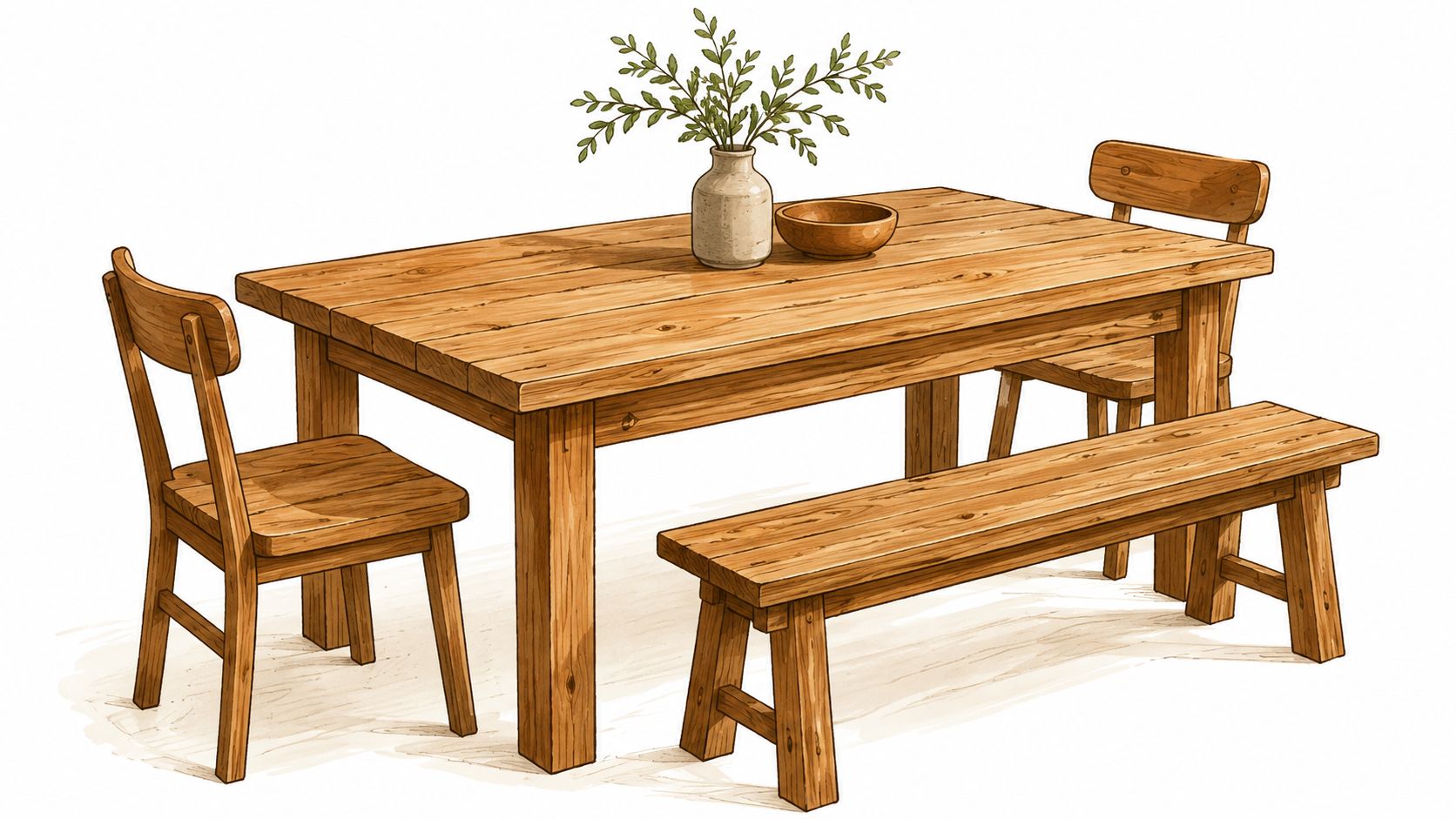
A dining room feels welcoming when its largest piece has visual warmth and lasting substance. Solid wood dining tables bring out natural grain, work with traditional and contemporary rooms, and can support the daily wear that comes with family meals, homework, celebrations, and rearranging.
Oak, cherry, and walnut each create a different mood. Oak suits a relaxed family setting, especially when paired with a bench and chairs that encourage casual, shared meals. Cherry creates a richer, more classic look beside upholstered chairs. Walnut offers deeper color and a refined backdrop for contemporary seating or a table with leaf extensions for hosting.
The practical choice isn't only the wood species. Finish, table shape, seating capacity, and room scale matter just as much. A large table can overwhelm a smaller room, while a narrow table may leave a household short on usable surface during gatherings. A table pad or runner can help protect the finish during everyday use, but the best protection starts with choosing a piece suited to the household's habits.
Match the table to the room's real workload
A family that uses the dining table for crafts and schoolwork may need a durable finish and easy-clean seating nearby. A household that entertains often may value extension leaves and chairs that remain comfortable through long conversations.
Practical rule: Choose the table's construction and size around the work it will do every week, not only the occasions when guests visit.
BILTRITE offers American-made, Amish-made, and solid wood furniture, with options for wood type, finish, and hardware in selected custom pieces. Families can compare grain and finish in person instead of relying only on a screen. For more guidance, see these solid wood dining table ideas, then visit the Greenfield showroom to assess scale beside actual chairs.
2. Upholstered Dining Chairs with Mixed Seating
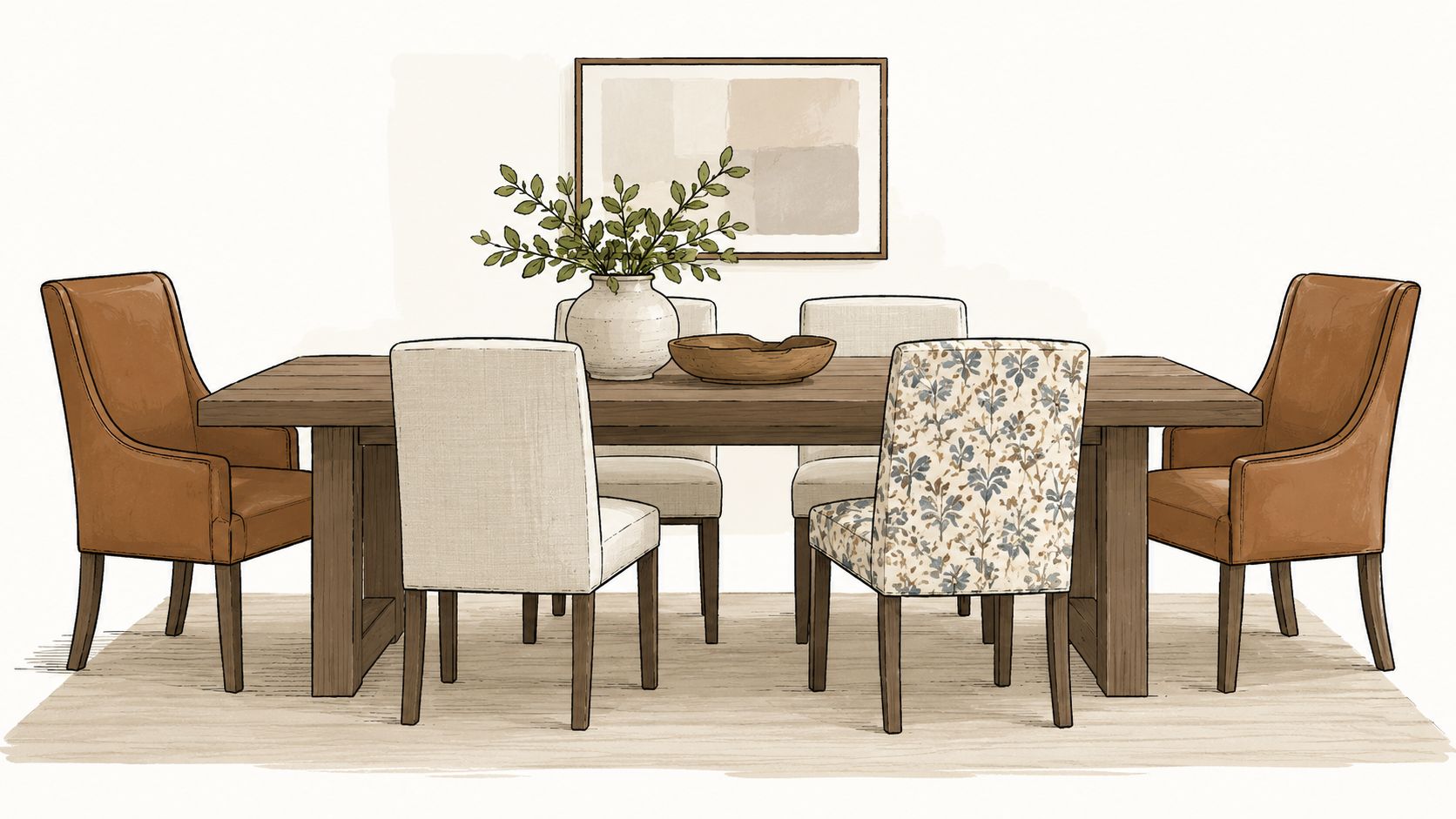
Matching every chair can make a dining set feel predictable. Mixed seating adds personality while keeping the room coordinated, especially when the table provides a consistent visual anchor. A pair of upholstered end chairs, simpler side chairs, and a bench can create variation without making the room feel random.
The safest approach uses a limited color story. Neutral linen chairs can sit comfortably beside leather accent chairs, while patterned fabric on side chairs can contrast with solid leather at the table ends. Traditional tufting can also work with clean-lined chairs when the wood finish or color palette ties the pieces together.
Comfort deserves equal attention. Dining chairs should support long meals, conversations, and family activities, not just look attractive in a photograph. Leather and performance-oriented fabrics can make sense for households with children or pets, while removable or protected upholstery may offer easier upkeep.
Keep the mix intentional
A successful combination usually repeats something across the room, such as a fabric tone, wood color, metal detail, or shape. Chairs don't need to match exactly, but they should feel as though they belong to the same conversation.
- Coordinate the palette: Keep upholstery within a small group of related colors rather than collecting unrelated shades.
- Balance pattern: Pair patterned fabric with solids so the chairs add interest without competing with the table.
- Check seat height: Similar seat heights help everyone sit comfortably and keep the arrangement visually balanced.
- Test the materials: Touch fabric and leather samples in person, especially when stain resistance and cleaning matter.
A household furnishing a smaller apartment may prefer chairs with a lighter visual profile. A senior household may need supportive backs and easier entry rather than low, difficult-to-rise-from seating. BILTRITE's team can help compare those trade-offs, and this dining chair guide offers a useful starting point.
3. Lighting as a Statement Piece
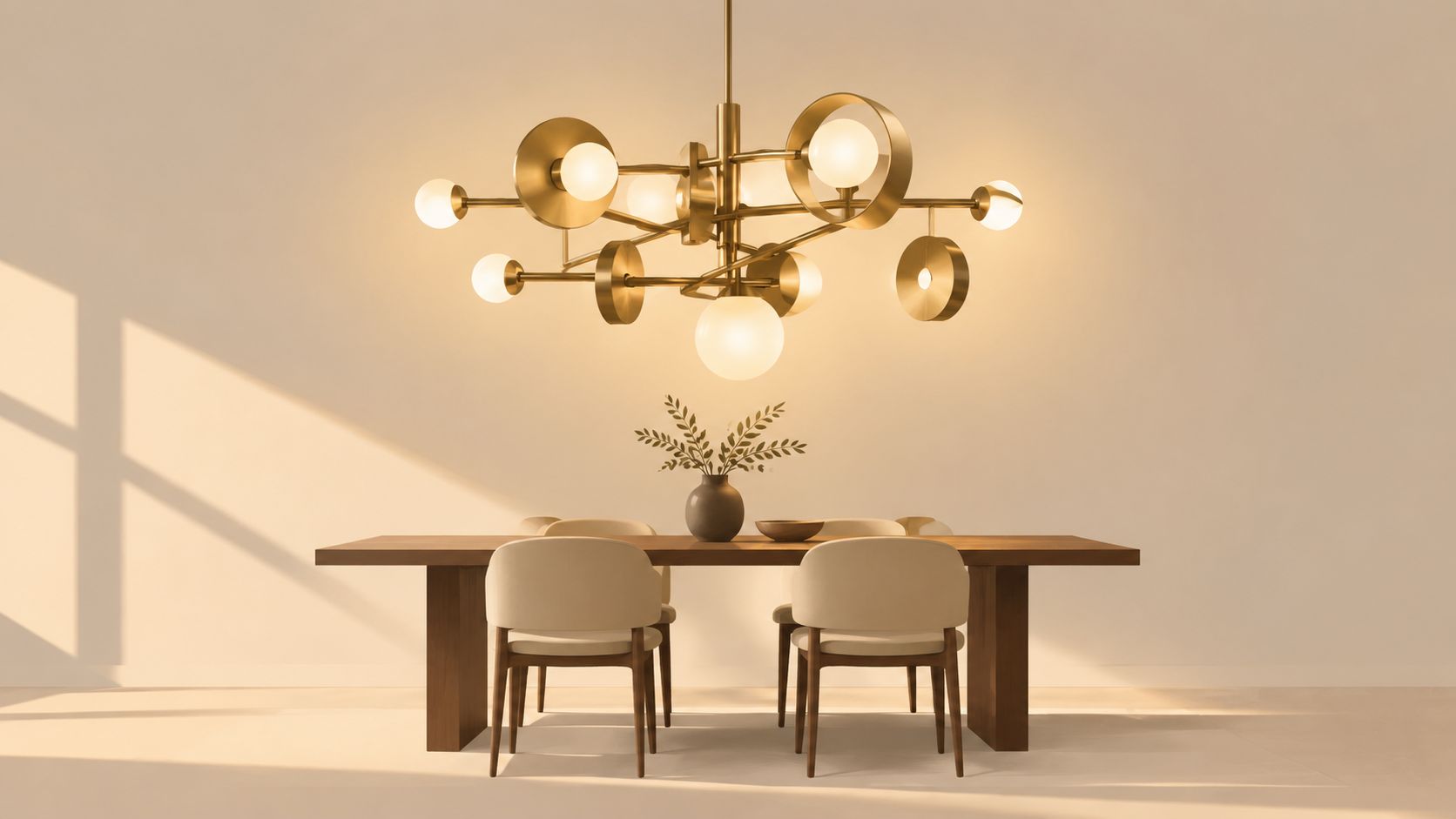
A dining light should do more than fill an empty patch of ceiling. It can define the table, soften evening meals, and give the room a distinct personality. A brass or bronze chandelier suits a traditional solid wood table, a linear pendant works well over a contemporary setup, and a rustic fixture can reinforce the character of Amish-made furniture.
A sculptural fixture can become the room's conversation starter, but size and placement determine whether it feels intentional or intrusive. A light that hangs too high loses intimacy. One that hangs too low interrupts sight lines and may make the table feel cramped.
For an 8-foot ceiling, a common guideline places the bottom of a dining chandelier about 30 to 36 inches above the tabletop. For each additional foot of ceiling height, the fixture can be raised roughly 3 to 4 inches, based on these dining-room measurement guidelines. The fixture should also relate to the table's width, while leaving enough visual breathing room around the edges.
Let the lighting serve more than one mood
A dimmer helps the same fixture support weekday dinners, homework, and holiday hosting. Warm bulbs can make wood tones feel richer, while brighter task lighting may be more useful when the table doubles as a work surface.
Metal finishes don't need to match perfectly. A bronze chandelier can coexist with hardware in another finish when the room repeats each material thoughtfully. BILTRITE's showroom displays allow shoppers to see how lighting, wood, upholstery, and finishes interact rather than judging each item alone.
For rooms that need a smaller lighting accent, a Mercury Glass table lamp can add reflective detail to a sideboard or nearby surface. The key is keeping cords, shades, and decorative objects clear of serving areas and movement paths.
4. Dining Room Storage with Style
Dining storage should earn its floor space. A buffet, hutch, sideboard, or credenza keeps dishes, linens, serving pieces, and seasonal items close at hand, while giving the room a finished focal point. It also clears the tabletop, so decorations do not need to be moved every time a meal is served.
Match the piece to the room and the household's routine. A cherry hutch with glass doors suits a traditional setting where selected dishware can remain on view. Clean-lined walnut storage with mostly closed compartments fits a contemporary dining room. In an apartment, a smaller buffet with open shelving can provide daily access without making the space feel crowded.
Start with the route, then refine the look
Before choosing a cabinet, measure the available wall, nearby door swings, and the path between the table and kitchen. A piece that feels balanced on a showroom floor may obstruct movement at home. Small-scale proportions matter even more in compact rooms, while households with older family members may prefer storage that keeps frequently used items within comfortable reach.
Glass doors display special dishes but need regular editing. Open shelves make a small room feel lighter and keep essentials visible, though they expose clutter. Drawers, cabinets, and shelves serve different purposes, so mixed storage often gives families a practical balance between quick access and concealed organization.
Use these styling decisions to keep the arrangement intentional:
- Coordinate finishes: Let the storage piece relate to the table without requiring an identical match.
- Vary display heights: Combine tall, medium, and low objects for a composed arrangement.
- Leave breathing room: Partly empty shelves look calmer, especially in a small dining room.
- Protect serving space: Keep decorative objects away from areas used for plating and passing food.
Wall art or a mirror should not sit directly on top of the cabinet. Leave about 4 to 8 inches between a buffet-style piece and the artwork above it, following this artwork and mirror placement guide. For a closer look at capacity, access, and placement, review these dining storage considerations before visiting BILTRITE. The Greenfield team can help compare storage scale and function.
5. Layered Textiles and Window Treatments
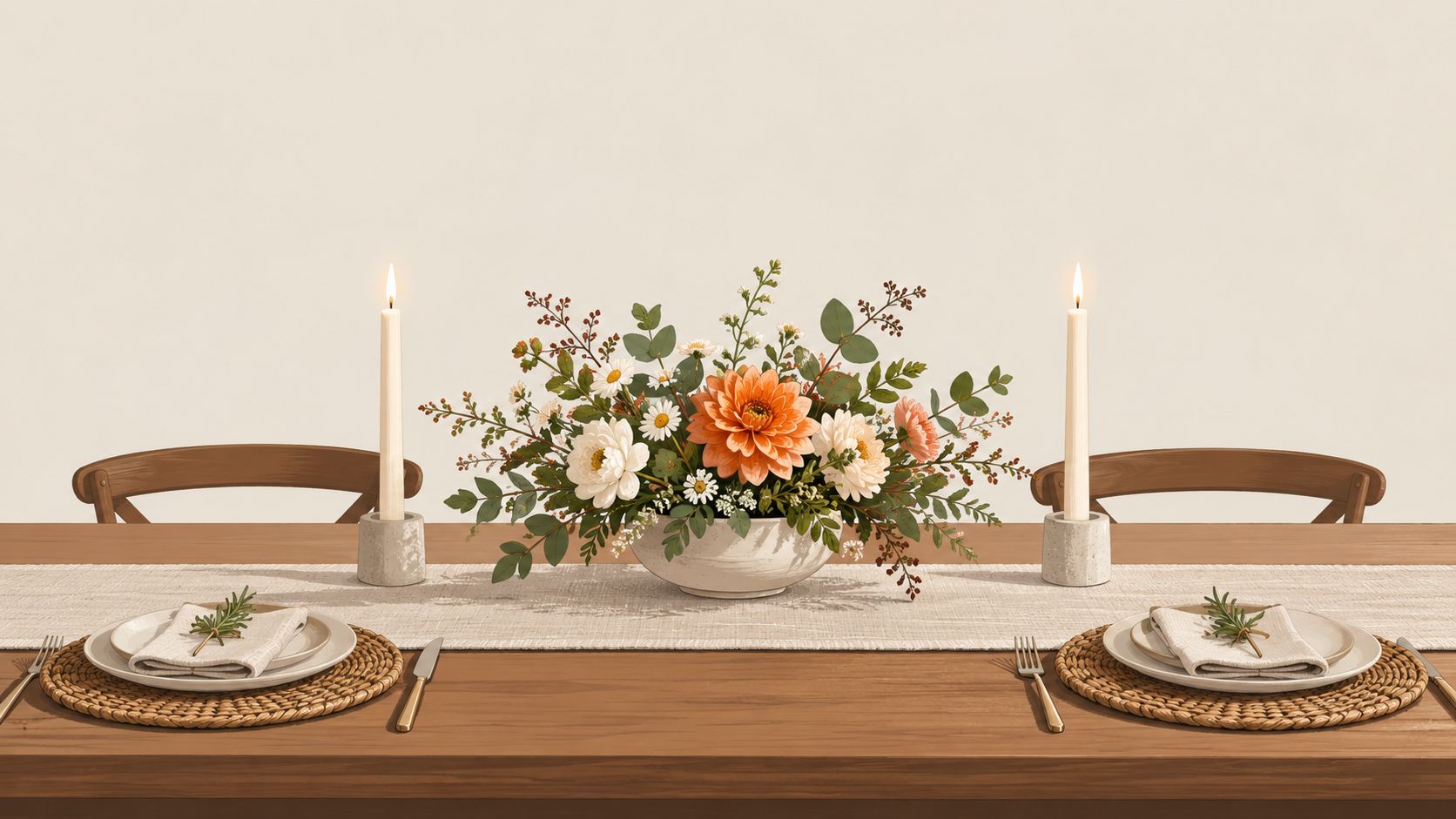
Textiles can refresh a dining room without replacing its main furniture. Linen curtains, a table runner, chair cushions, and an area rug add softness around a solid wood table and upholstered seating. They also help manage glare, privacy, and the room's acoustic feel.
A neutral linen panel with a patterned runner suits a relaxed family dining space. Floor-length drapes in a jewel tone create a more intimate atmosphere, while sheer panels layered with opaque curtains allow daylight and privacy to be adjusted throughout the day. Seasonal changes can also keep the room feeling fresh. Lightweight linens feel easy in warmer months, while heavier fabrics bring visual comfort during winter.
The trade-off is maintenance. A delicate textile may look elegant but perform poorly in a busy household. Families should check cleaning requirements, resistance to everyday handling, and whether the fabric's pattern will disguise small marks.
Layer without making the room busy
Textiles should support the furniture rather than compete with it. Patterned chairs usually need simpler table linens. A richly colored curtain may pair best with a restrained centerpiece and neutral walls. In a smaller room, oversized patterns can make the space feel crowded even when the furniture fits.
An area rug can define the dining zone, particularly in an open-plan home, but it should allow chairs to move without catching on the edge. The right rug scale depends on the table and seating arrangement, so this guide to area rug sizes can help before a purchase.
A useful decorating test: Remove one textile layer before adding another. If the room already has patterned upholstery, colorful curtains, and a detailed rug, the table runner may be the element to simplify.
Window treatments should frame the dining area without blocking doors, vents, or natural pathways. The best result feels finished but remains easy to reset after meals, homework, or entertaining.
6. Wall Color and Accent Walls
Wall color determines how the dining furniture appears. Warm beige or cream allows oak, cherry, or walnut to take focus. Deep navy or emerald creates a more intimate evening setting, while warm gray with white trim gives a cleaner contemporary feel. Soft sage green suits a calmer, nature-inspired room.
An accent wall needs a clear purpose. Paint behind a buffet to draw attention to its storage and solid construction. Use a contrasting wall opposite a window to add depth. Patterned wallpaper brings character to simple furniture, but bold motifs can compete with ornate chairs or highly figured wood.
Test color beside the actual furniture
Paint chips cannot show how a shade responds to wood grain, upholstery, and artificial light. Place samples beside the table finish, chairs, rug, and curtains, then view them in daylight and evening light. Natural light may make the color feel cooler or warmer, while lamps can make it appear deeper.
For a compact dining room, lighter walls can create a more open impression. They cannot correct crowded proportions or difficult circulation. Dark walls add intimacy, yet a narrow room may feel enclosed unless lighting and reflective surfaces provide balance.
Use these checks before committing:
- Start with the table: Note whether the wood is warm, red, golden, or deep brown.
- Repeat a small color detail: Link the wall to the furniture through chair fabric, a runner, or artwork.
- Use contrast with purpose: Put the strongest color behind a buffet, artwork, or architectural feature.
- Check adjacent rooms: Open-plan areas need related colors without looking identical.
Furniture scale matters too. A darker wall can give a small, solid wood table presence, but oversized furniture may still dominate the room. For family homes, choose washable paint near dining chairs and leave enough contrast for older adults to distinguish furniture edges and walking routes.
BILTRITE's showroom allows shoppers to compare furniture finishes while holding paint samples nearby. This practical check can prevent a wall color from overpowering an expensive table or making upholstered chairs appear dull. It also helps confirm that the chosen color works with furniture that may arrive in smaller, come-apart sections for easier delivery.
7. Mirrors and Reflective Surfaces
A mirror can make a dining room feel brighter and more spacious, especially when the room is compact or lacks strong natural light. A framed mirror above a buffet adds height and polish. A simple metal-frame mirror suits a contemporary room, while an ornate frame can reinforce a traditional table and hutch.
Placement matters more than quantity. A mirror opposite a window can reflect daylight into a darker area, but a mirror facing clutter will double the visual noise. In a Milwaukee apartment or condo, a leaning mirror in a corner can add depth without requiring a large gallery wall.
Reflect light without losing comfort
Mirrors should reflect something worth seeing, such as a window, artwork, a well-styled sideboard, or a warm light fixture. They shouldn't direct attention toward a messy service area or an awkward traffic path. A mirror above furniture also needs enough surrounding space to feel connected to the piece rather than floating on the wall.
A grouped arrangement of smaller mirrors can create a collected look, while one large mirror offers a quieter, more unified effect. Frame materials should relate to the room's existing wood, metal, and upholstery, but exact matching isn't necessary.
Senior-friendly dining rooms require special care with placement. Reflective surfaces should not create confusing glare, and freestanding pieces need stable positioning away from routes used by walkers or caregivers. The same principle applies to families with active children. Secure wall-mounted mirrors and avoid sharp edges near chair backs and doorways.
BILTRITE's team can help shoppers assess whether a mirror improves the room's proportions or just adds another object. The right reflective surface should make the furniture feel more connected, not make the room harder to move around in.
8. Dining Room Centerpieces and Styling
The centerpiece should suit the table's real routine. For daily family meals, choose a low arrangement of seasonal flowers, greenery, or one floral stem that can move aside quickly. A sculptural object works well on a simpler table, provided it leaves room for plates and conversation.
Build the display in layers, with each piece doing a specific job. A runner frames the table, placemats define each setting, and cloth napkins add softness. Finish with one small vase, candle, or bowl rather than filling every gap. Seasonal accents can refresh the room without replacing solid wood furniture, such as pumpkins and gourds in fall, greenery in winter, or fresh flowers in spring.
Match the styling to daily use
A rarely used formal dining room can support a more detailed arrangement if it does not gather dust or demand constant care. Faux flowers suit a low-maintenance setting, while fresh flowers add scent and natural variation. In a busy family home, removable pieces make it easier to clear the table for homework, entertaining, or dinner.
Keep sight lines open across the table. A commonly used guideline keeps dining centerpieces under 12 inches, as specified in the decorating plan for comfortable conversation. Create height variation with small, removable elements instead of one tall object that divides diners.
- Use a restrained palette: Repeat colors from the walls, chairs, rug, or storage piece.
- Mix textures: Combine wood, ceramic, glass, linen, or greenery for depth.
- Protect the surface: Place suitable pads beneath candles, vessels, and decorative objects.
- Leave working space: Serving dishes and place settings need room during real meals.
Choose accessories that can be lifted with one hand and stored safely when the table needs to change roles. Stable vessels and rounded edges also make the arrangement more comfortable for older adults, caregivers, and children moving around the room. BILTRITE's showroom displays let households assess how a table, chairs, and accessories work together before committing to a full arrangement.
8-Point Dining Room Decor Comparison
| Item | Implementation complexity | Resource requirements | Expected outcomes | Ideal use cases | Key advantages |
|---|---|---|---|---|---|
| Warm Wood Tones and Solid Wood Dining Tables | Moderate, ordering/custom sizing, minimal installation | High upfront cost, space, occasional maintenance | Timeless focal point that improves with age | Family dining, heirloom pieces, long-term investment | Durable, unique grain, repairable, supports local craftsmanship |
| Upholstered Dining Chairs with Mixed Seating | Moderate, selecting fabrics/styles and ensuring seat-height match | Medium–high (custom upholstery, fabric care) | Comfortable, layered designer look with visual interest | Families wanting comfort and style, eclectic or collected looks | Highly customizable, comfortable, easy to refresh with new fabrics |
| Lighting as a Statement Piece | Moderate–high, fixture selection and professional installation often needed | Medium–high (fixture cost, electrician, dimmer) | Strong focal point; adjustable ambiance and improved functionality | Entertaining, mood-setting, highlighting table or art | Immediate visual impact, controls mood, long-lasting with proper choice |
| Dining Room Storage with Style | Moderate, measuring, coordinating finishes, delivery/placement | Medium–high (solid wood, space required) | Organized storage and display; adds architectural weight | Formal dining rooms, collectors, homes needing dish storage | Functional display and concealment, increases room value |
| Layered Textiles and Window Treatments | Low–moderate, choosing fabrics and hanging treatments | Low–medium (fabrics, maintenance, occasional cleaning) | Softer, cozier room with improved light control | Seasonal updates, rental apartments, casual or formal rooms | Affordable, easy to change, adds texture and warmth |
| Wall Color and Accent Walls | Moderate, testing, prep and painting time | Low–medium (paint, supplies, time) | Dramatic visual change; sets mood and highlights furniture | Quick room transformations, accenting furniture or architecture | Cost-effective, high impact, reversible |
| Mirrors and Reflective Surfaces | Low, placement and hanging (secure mounting advised) | Low (mirror purchase, secure hardware) | Perceived larger space, increased light and brightness | Small rooms, low-light areas, apartments and condos | Affordable way to expand and brighten space, versatile styles |
| Dining Room Centerpieces and Styling | Low, arranging items and rotating seasonal looks | Low (decor pieces, seasonal changes) | Personalized table that ties room together and sparks conversation | Special occasions, everyday styling, showcasing table | Inexpensive refresh, flexible, immediate aesthetic payoff |
Bring Your Dining Room Vision to Life
A successful dining room plan doesn't require buying everything at once. Start by measuring the room, noting doorways and traffic paths, and deciding what the table must handle. Does it host family dinners every night, expand for holidays, support homework, or sit inside an open-plan space that also needs to function as a walkway? Those answers should guide the table size, seating style, storage needs, and amount of decoration.
Next, choose a direction for wall color and lighting. Warm neutrals can keep wood furniture prominent, while a darker accent wall can give a buffet or artwork more presence. A chandelier or pendant should provide useful light without interrupting conversation, and a dimmer can help the room shift from weekday meals to entertaining. Layer textiles, reflective details, storage, and table styling only after the main furniture feels appropriately scaled.
Small rooms need lighter visual weight, not just smaller measurements. Open shelving, slimmer chairs, a compact sideboard, and a table with flexible seating can protect movement through the space. Narrow doorways also deserve attention before delivery. BILTRITE offers come-apart sofas, sectionals, loveseats, and recliners for difficult access, and shoppers can ask the showroom team about delivery considerations for dining furniture as well.
Durability should remain part of the design conversation. Solid wood, carefully selected finishes, leather, and family-friendly upholstery can support years of meals and rearranging. Households furnishing a senior living space may need supportive chairs, accessible proportions, lift chairs nearby, or heavy-duty furniture that feels stable without appearing institutional. BILTRITE also carries senior living furniture and mattresses designed around comfort and access.
The larger home-decor category is projected to grow from about $792.6 billion in 2025 to roughly $1.298 trillion by 2034, with a 5.6% CAGR, according to this global home-decor market report. That broad projection doesn't dictate a dining-room style, but it reinforces a useful point: shoppers have many choices, so long-term value matters more than chasing every trend.
BILTRITE Furniture-Leather-Mattresses is located at 5430 West Layton Avenue in Greenfield, Wisconsin. Families can compare USA-made, Amish-made, and real solid wood options, explore custom choices for fabric, leather, wood, finish, and hardware, and speak with sales associates who have over 400 years of combined experience. The showroom also includes a large mattress department with over 60 models, plus an in-stock selection across dining, living, bedroom, office, entertainment, and home décor.
The store is closed on Sundays and Mondays to support family time. For Metro Milwaukee households, that schedule reflects the same family-first value a dining room should support, making space for people to gather, eat, talk, and feel at home.
For dining-room furniture that combines approachable style with USA-made, Amish-made, and solid wood options, visit BILTRITE Furniture-Leather-Mattresses in Greenfield. Bring room measurements, paint samples, and questions about durability, small-scale proportions, delivery access, and comfortable seating, then let the local team help build a dining room that works for everyday family life.