Dark Wood Table Lamps: A Friendly Buying Guide

Your room can be furnished, arranged, and clean, yet still feel a little flat. We see that all the time. A family has the sofa, the end tables, the rug, the artwork. Then they stand back and say, “Something’s off.” Most of the time, it’s the lighting.
A dark wood table lamp fixes that faster than almost any accessory in the room. It adds warmth, gives the eye a place to land, and makes solid wood furniture feel richer instead of colder. Around Metro Milwaukee, that matters. We get long winters, early sunsets, and plenty of evenings when a soft pool of light feels better than an overhead fixture blasting the whole room.
At BILTRITE, we’ve been helping local families furnish their homes since 1928. We’re a fourth-generation family business, and we’ve learned that dark wood table lamps aren’t just decorative extras. They’re working pieces. They need to fit the table, suit the room, hold up to daily life, and look right next to the kind of USA-made and Amish-made furniture people want to keep for a long time.
Let There Be (the Right) Light
A couple walks into our showroom. They’ve got a nice living room. Good sofa. Solid cocktail table. Comfortable chair in the corner. But the room still feels unfinished, especially at night. The overhead light is too harsh, and the corner by the chair looks dead.
That’s where a dark wood table lamp earns its keep.
Dark wood brings instant warmth because it doesn’t shout. It grounds a room. It works with traditional spaces, rustic rooms, cleaner modern rooms, and just about any home where you’ve already got wood furniture doing some of the heavy lifting. If you want that layered, settled-in look, table lamps matter more than people think. We talk about that often in our guide on putting your living room in the best light.
There’s also a deeper reason these lamps feel timeless. Table lamps have been around in one form or another since ancient civilizations, and the big turning point came when the incandescent light bulb arrived in 1879, moving table lamps from oil-based designs to safe electric fixtures, as noted in this history of table lamps. That long arc of craftsmanship is one reason dark wood still feels so at home beside well-made furniture.
Dark wood table lamps work best when they do two jobs at once. They should look like they belong in the room, and they should make the room easier to live in.
That’s the standard we’d use in our own homes. You should use it in yours too.
Finding the Right Size and Scale for Your Space
The biggest mistake people make with dark wood table lamps is simple. They buy by looks alone and ignore scale.
A lamp can be beautiful on its own and still look awkward once it lands on your end table or nightstand. Too small, and it disappears. Too large, and it starts bossing the room around. This comes up all the time in apartments, condos, and senior living spaces where every inch counts.
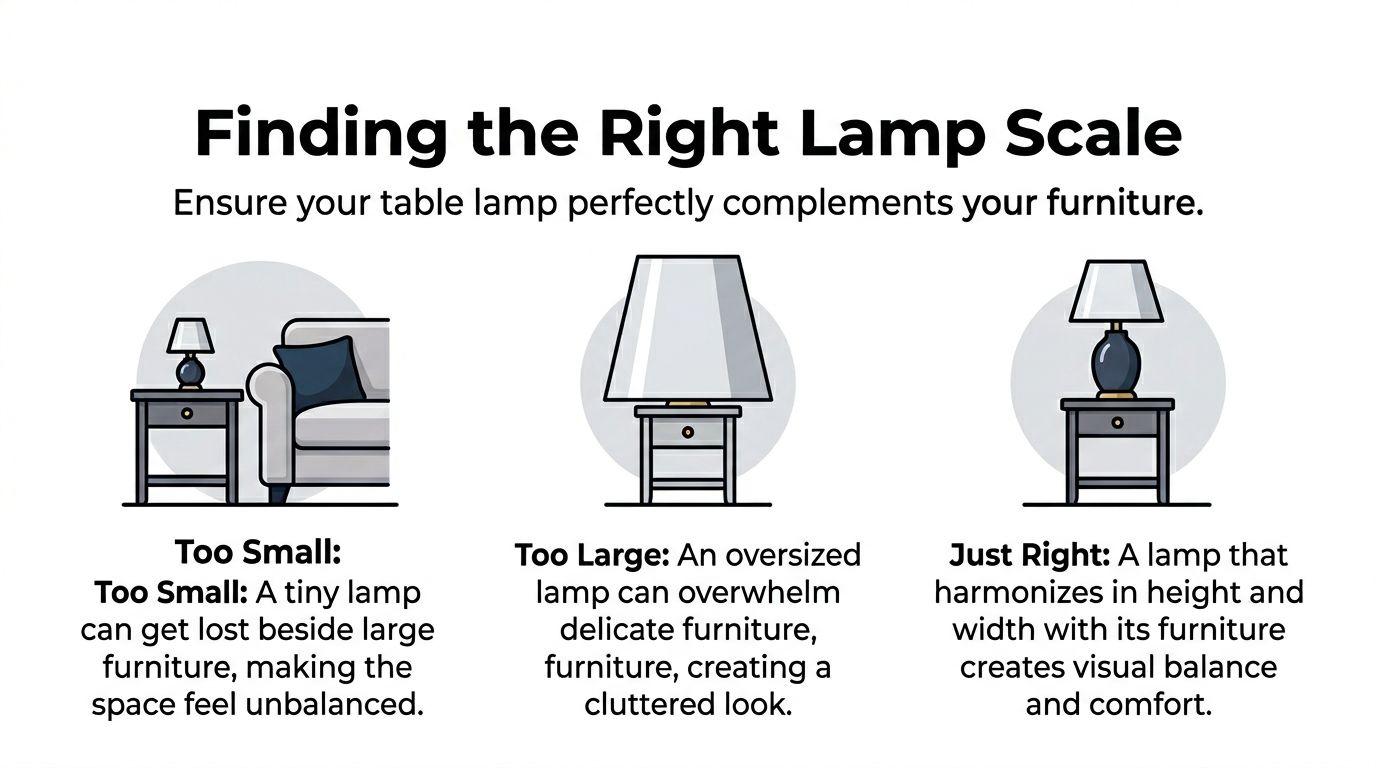
Start with the table, not the lamp
If you’re shopping for a lamp first, stop and measure the surface where it’s going.
Guides often skip the practical needs of smaller homes, but that’s exactly where scale matters most. There’s a real content gap around dark wood table lamps for compact spaces, especially for lamps under 24 inches tall or with narrow bases under 8 inches in diameter, which is especially relevant for side tables in condos and senior settings, as noted in this small-space lighting search trend overview.
Here’s the rule we use in the store:
- For a nightstand: Keep the lamp visually compact. If the table is narrow, choose a slimmer base and a shade that doesn’t hang over the edges.
- For an end table: The lamp should have enough presence to hold its own beside the sofa arm.
- For a desk or reading table: Favor function first. You want light where your eyes need it, not just a pretty silhouette.
Use these common-sense checks
You don’t need designer jargon. You need a few checks that work.
| Spot | What to watch for | What usually goes wrong |
|---|---|---|
| Bedside table | Shade should stay comfortably within the table’s footprint | Oversized shade makes the table feel crowded |
| Sofa end table | Lamp should feel substantial beside the arm of the sofa | Tiny lamp gets visually lost |
| Small apartment side table | Narrow base and lighter visual profile help the room breathe | Chunky base eats up the surface |
Practical rule: If the shade is wider than the table, the lamp usually feels top-heavy, even before you turn it on.
This is why swing-arm styles can be so handy in tight spots. A design with reach gives you usable light without forcing you into a bulky base. If you’re weighing that option, take a look at swing arm table lamp ideas.
Small-scale doesn’t mean skimpy
A lot of Milwaukee-area shoppers need smaller furniture, but they don’t want flimsy furniture. Same goes for lamps.
Choose a lamp that fits the footprint of the room, but still has visual weight. Dark wood helps with that. It gives a smaller lamp more presence, so it doesn’t look cheap or temporary. In a condo bedroom, a modest dark wood lamp can feel calm and fitting. In a senior living setting, it can look neat, stable, and easy to place without cluttering the room.
If a lamp makes the table feel crowded before you even plug it in, it’s the wrong lamp. Keep moving.
Styling Lamps with Your Solid Wood Furniture
Let’s get rid of one bad decorating habit right away. You do not need to match the lamp wood finish exactly to the table it sits on.
Exact matching often makes a room look stiff. A better room has some contrast. It feels collected, not bought as a set from a catalog page.
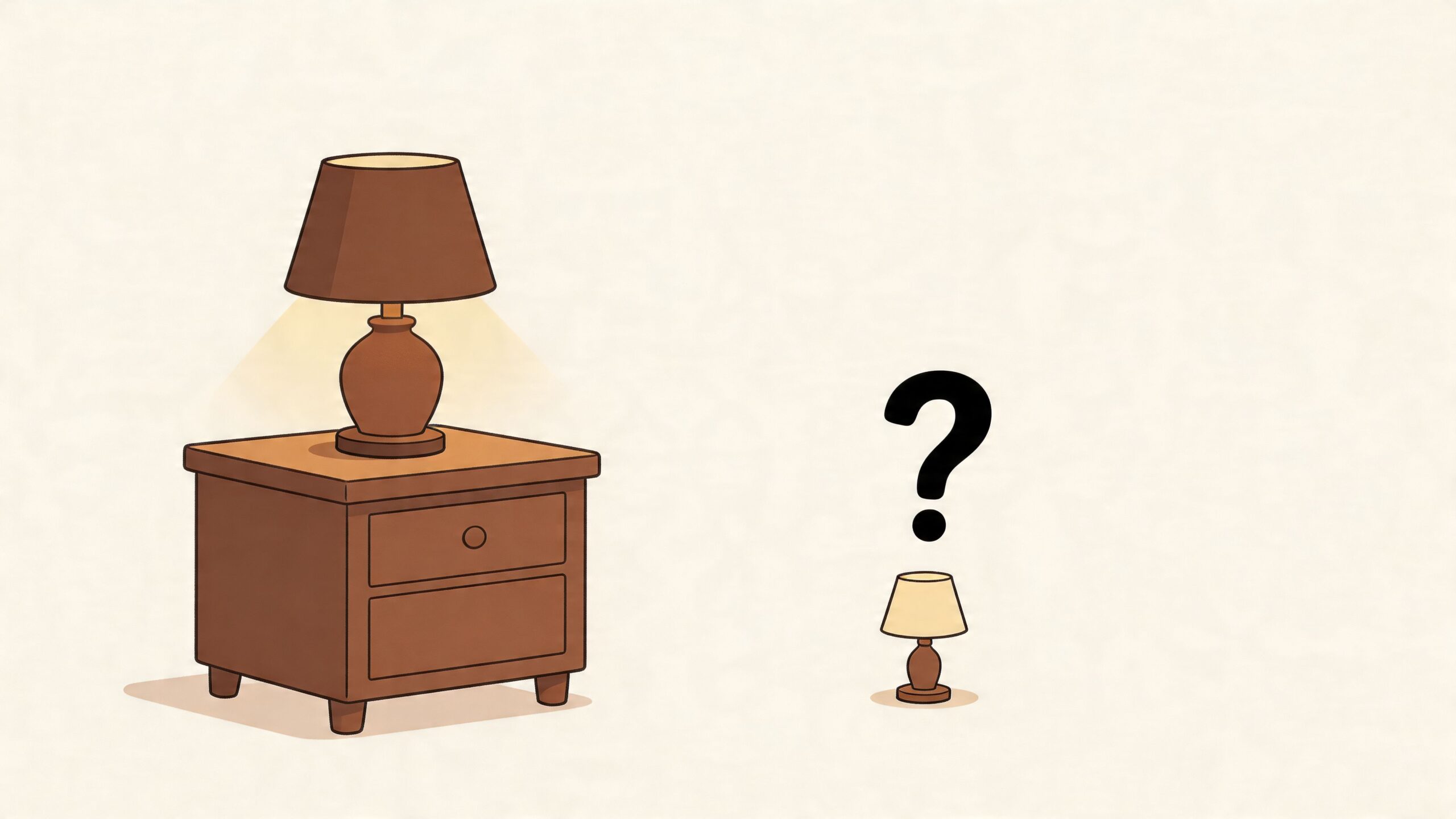
Don’t match. Coordinate.
If you’ve got an oak bedroom set, a darker lamp can make the wood tones around it look richer. A walnut or espresso-toned base next to lighter oak creates depth. If your furniture leans cherry, a dark wood lamp with a soft fabric shade can keep the room from feeling too red or too formal.
That’s especially true with Amish-made and solid wood furniture. Good wood has character. Let it show. A lamp should support that character, not flatten it.
Here’s how we’d approach it in real homes:
- Traditional room: Use a dark wood lamp with a more classic shape and a soft shade. Let the wood tone deepen the room.
- Rustic space: A darker base with visible grain works well because it echoes the natural texture around it.
- Cleaner modern room: Go with a simpler silhouette. Dark wood can still work beautifully if the lines stay tidy.
Shade and shape matter as much as finish
It’s common to stare at the wood finish and forget the shade. That’s a mistake.
A drum shade feels cleaner and more current. A more tapered shade leans traditional. A rounded or turned wood base feels familiar and furniture-like. A straighter base reads more architectural. Those details decide whether the lamp belongs next to your furniture or feels like an afterthought.
If you want contrast, use it intelligently:
- Pair a dark base with a lighter shade to keep the lamp from looking visually heavy.
- Use texture. Cotton and linen shades soften the wood.
- Mix shapes on purpose. If your furniture has strong straight lines, a lamp with a more curved base can loosen the room up.
A room gets more interesting when the woods relate to each other without copying each other.
That’s one reason dark wood lamps pair so well with lasting furniture. They carry the same sense of craftsmanship. And if you want to see how a different material changes the look entirely, compare them with pieces like mercury glass table lamps. Glass bounces light and feels lighter. Dark wood feels anchored and grounded. Neither is wrong. They just do different jobs.
Let the furniture lead
If the room already has a strong solid wood bed, dresser, or end table, don’t buy a lamp that tries to steal the whole show. Buy one that helps the furniture look even better.
That’s why dark wood table lamps work so often in Milwaukee homes. They’re steady. They don’t date quickly. And next to real wood furniture, they look like they belong there.
Choosing the Right Shade and Bulb
A lamp base gets the attention. The shade and bulb do the primary work.
You can put a handsome dark wood lamp in the room, then ruin the whole effect with the wrong shade or a harsh bulb. If the light feels cold, glaring, or uneven, nobody cares how nice the base looked on the sales floor.
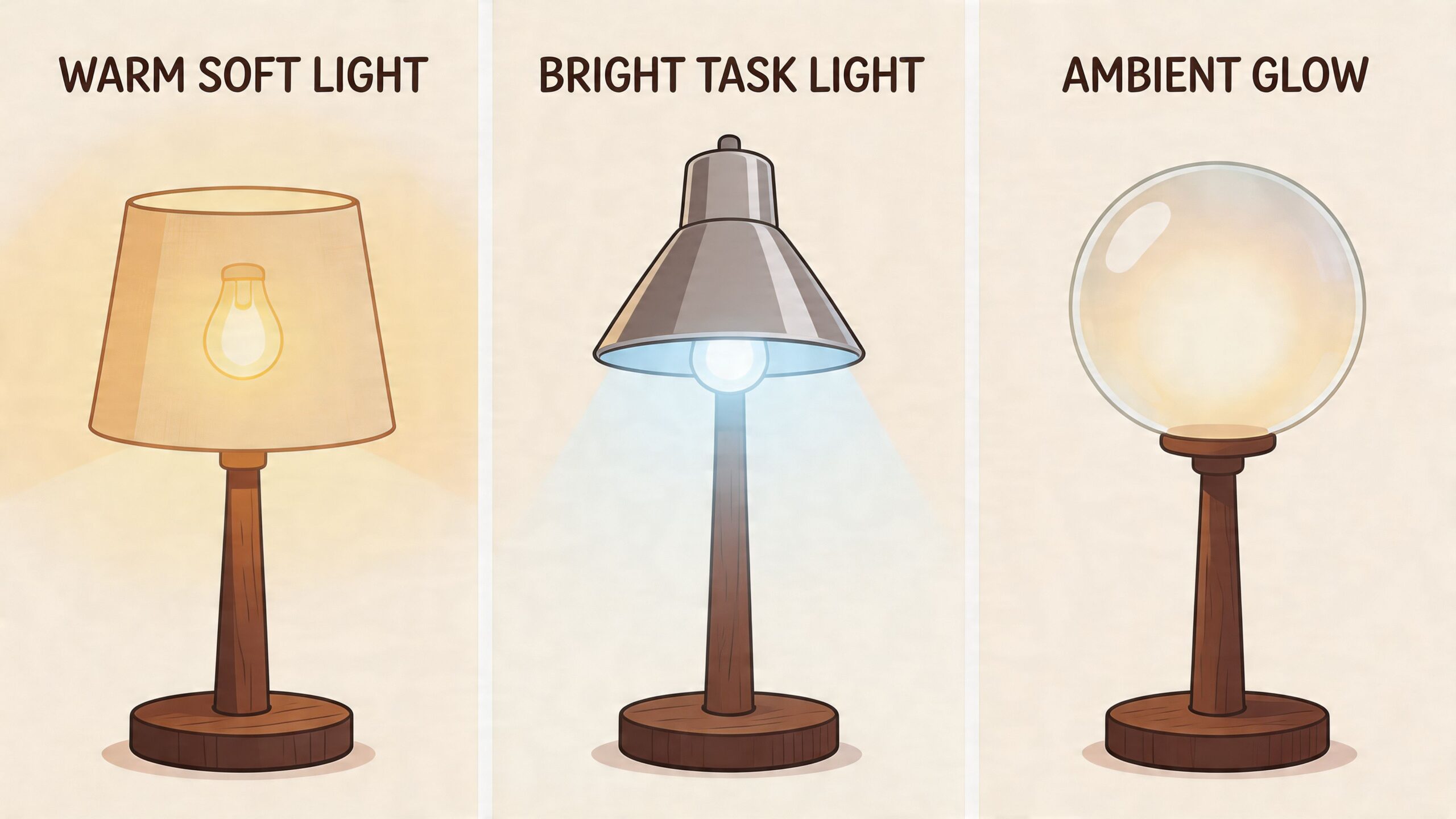
Pick a shade for the mood you want
The shade changes both the style and the feel of the light.
A drum shade usually gives a cleaner, more current look. It’s a strong choice if your room has simple lines or a more updated feel. A more tapered shade tends to read traditional, which can work nicely with classic bedroom furniture or a more formal living room.
Material matters too:
- Cotton shades usually give a soft, easy glow that works in almost any room.
- Linen-like textures add a little visual depth and help dark wood feel lighter.
- Opaque or very dark shades can look dramatic, but they often limit usable light.
If you read in bed or near a chair, don’t get overly dramatic with the shade. Buy for actual living, not for a staged photo.
Use LED and be done with it
We’re opinionated on this one. For most homes, LED is the right choice.
Modern LED bulbs in dark wood table lamps can offer up to 90% energy savings and an 18-year lifespan compared with incandescent bulbs, with annual operating cost dropping from about $15 to $1.50, according to this LED lamp reference. That’s not just a technical win. It’s practical family budgeting.
Here’s the simple version:
- Reading light: Use a bulb that gives you clear, comfortable light.
- Evening mood: Choose a warm-looking bulb, not a harsh white one.
- Mixed use: Get a dimmable setup if the lamp supports it.
A 3-way lamp is also handy because one lamp can handle different jobs throughout the day. Bright when you need it. Softer when you don’t.
Buying advice: If a lamp is going in a bedroom or family room, choose a warm LED and a shade that softens the light. You’ll use that lamp more often because it will feel better to live with.
Don’t let the bulb fight the room
Dark wood already brings visual warmth. Your bulb should support that, not cancel it out.
If you choose a cool, bluish bulb, the lamp can suddenly feel sterile. That’s exactly the opposite of the desired effect from dark wood table lamps. You want a warm, comfortable glow that flatters the furniture, softens the room at night, and makes people want to stay awhile.
One real-world example is the Banda Brown Traditional Table Lamp, which uses a faux wood look in a classic style. A lamp like that needs the right bulb and shade combination to feel inviting rather than heavy. The base starts the conversation. The light finishes it.
The BILTRITE Difference Quality You Can See and Feel
“Quality” gets thrown around so much it stops meaning anything. When you’re standing in front of a lamp, quality should be obvious.
Pick it up. Touch the base. Check the switch. Look underneath. That tells you more than a fancy tag ever will.
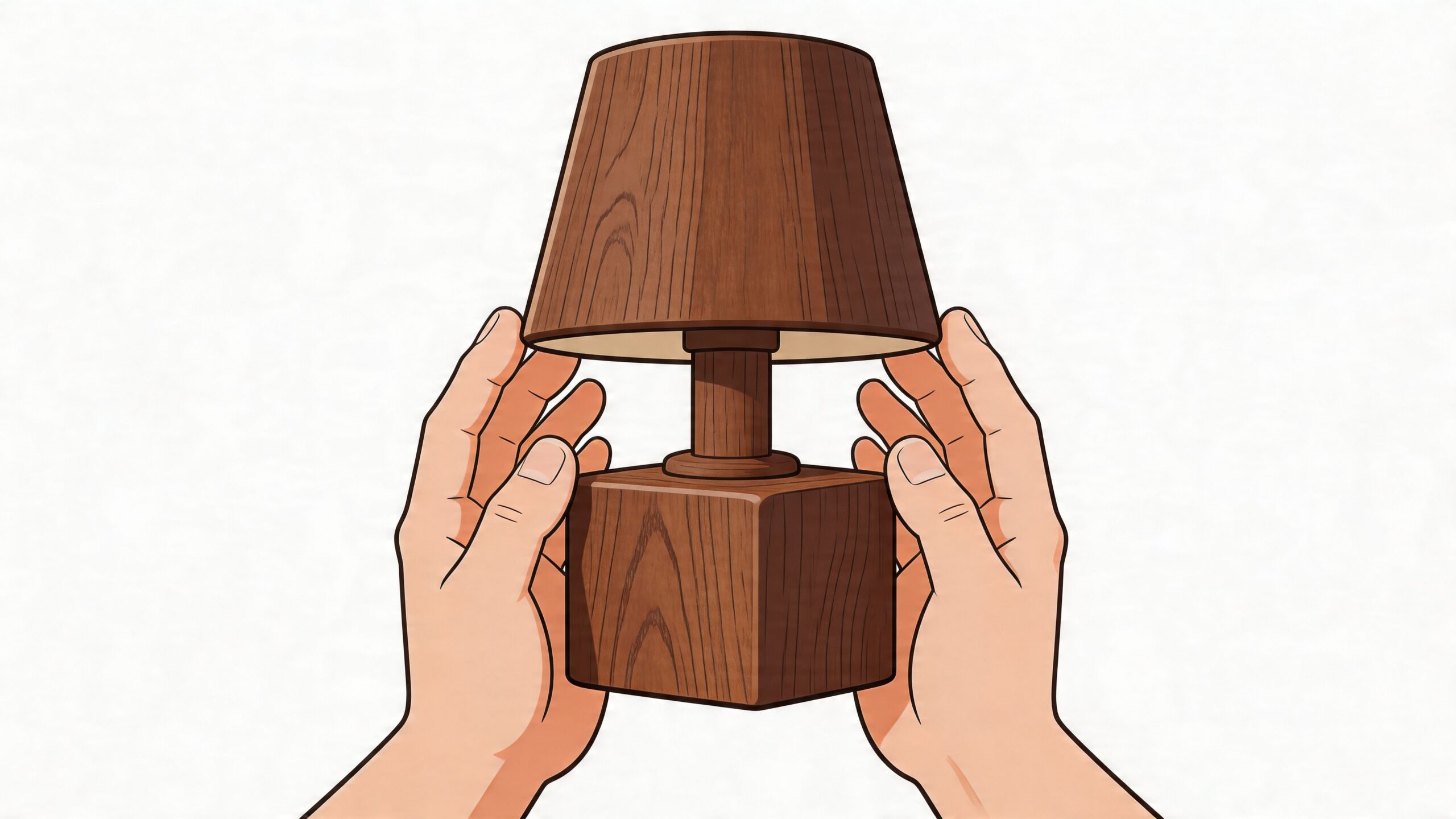
Start with stability
A lamp that tips easily is a problem. In a busy house with kids, pets, or guests brushing past furniture, it’s a bigger problem.
A lamp’s stability ties directly to its base dimensions. A wider base lowers the center of gravity and acts like ballast. Engineering benchmarks show that lamps with a base width-to-height ratio below 0.3 have a 40% higher risk of overturning, according to this lamp stability reference.
That’s the kind of detail we care about because it affects real life.
| Feature | Why it matters | What to look for |
|---|---|---|
| Base weight | Helps resist bumps and tipping | Lamp feels planted, not flimsy |
| Base width | Improves balance | Wider footprint, especially on family-room tables |
| Switch quality | Gets used every day | Smooth operation, no looseness |
| Finish consistency | Shows build care | Even color, no sloppy edges |
Look for signs of lasting construction
Dark wood table lamps should feel like they belong next to solid furniture. If the finish looks plastic, the base feels hollow, or the hardware feels loose, move on.
We always tell shoppers to look for these clues:
- Weight in the hand: Heavier usually feels steadier and more settled.
- Clean joinery and finish: Rough seams and uneven stain are warning signs.
- A dependable socket and switch: You’ll use those parts constantly. They shouldn’t feel cheap.
If you appreciate real wood furniture, you already know the difference between something made to get through a season and something made to stay in the house. The same thinking applies to lamps. Our broader advice on the benefits of solid wood furniture carries over here too. Materials matter. Construction matters. Stability matters.
Match build quality to your household
Not every home needs the same lamp.
A formal guest room can get away with a lighter decorative piece. A family living room usually can’t. If the lamp is going beside the sectional where everyone drops remotes, drinks, books, and backpacks, buy sturdier. If it’s headed to a senior living setting, favor a stable base and easy switch operation over anything fussy.
If a lamp makes you nervous around children, pets, or daily traffic, it’s not the right lamp for that spot.
That’s not being picky. That’s buying smart.
Simple Care for Your Dark Wood Lamps
A good dark wood lamp doesn’t need babying, but it does need basic care. This is one of those subjects too many guides ignore.
Many product pages focus on looks and skip maintenance completely, even though heat from bulbs over 60W can contribute to finish cracking over time, as discussed in this wood lamp care overview. That’s exactly why routine care matters.
Keep the routine simple
You do not need a cabinet full of products.
Use this approach:
- Dust with a soft, dry cloth. That handles most of the job.
- Wipe fingerprints gently. If needed, use a slightly damp cloth, then dry the surface right away.
- Keep heat in mind. Use an appropriate bulb for the lamp so the finish isn’t taking unnecessary stress.
- Watch sunlight. If a lamp sits in strong direct sun every day, rotate it occasionally so one side doesn’t take all the exposure.
Skip harsh cleaners
Sprays, abrasives, and heavy chemical cleaners are where people get into trouble. They can dull the finish, leave residue, or wear the surface faster than expected.
Use a light touch instead:
- For regular care: Dry microfiber or another soft cloth
- For smudges: Barely damp cloth, then immediate drying
- For long-term appearance: Stay consistent instead of deep-cleaning aggressively
If you already own solid wood pieces, the same habits apply. Our tips on how to clean wood furniture are a good guide for keeping finishes looking healthy without overdoing it.
A dark wood lamp should age gracefully. The goal isn’t to keep it looking untouched. The goal is to keep it looking well cared for.
Come On Down and See for Yourself
Reading about dark wood table lamps helps. Seeing them in person helps a lot more.
Scale is easier to judge when you’re standing next to the lamp. Finish is easier to understand when real light hits the wood. Stability is easy to recognize the second you put a hand on the base. That’s one big reason we don’t sell online. We want people to see what they’re bringing home.
Since 1928, our family has helped Metro Milwaukee shoppers sort through choices without pressure. Our team brings more than 400 years of combined experience, and that kind of experience shows up in the little things. We can help you tell when a lamp is too tall for the nightstand, too bulky for the condo, too delicate for the family room, or just right for the furniture you already own.
We’re proud to be local, proud to focus on better-quality furniture, and proud to be closed on Sundays so our families can be with each other. If you’re in Greenfield or anywhere around the Milwaukee area, stop in and take a real look. A lamp is one of those pieces you understand much faster when it’s right in front of you.
Your Lighting Questions Answered
Should my lamp match my furniture exactly
No. It should relate to the furniture, not copy it. If your bedroom set is oak, a darker wood lamp can add contrast and make the room feel more layered. Matching everything exactly usually makes a room feel flatter.
Are dark wood table lamps too heavy-looking for small rooms
Not if the scale is right. In a small apartment or condo, choose a lamp with a narrower footprint and a shade that doesn’t dominate the tabletop. Dark wood can still work beautifully because it adds warmth without requiring bright color or flashy detail.
What’s better for a busy family room
Go for stability, easy operation, and a shade that gives comfortable everyday light. If the lamp is going where kids, pets, or guests move around often, skip delicate pieces and choose a solid base that feels planted.
Are LED bulbs worth it in table lamps
Yes. They last longer, run more efficiently, and make everyday lamp use cheaper and easier. They’re the practical choice for most households.
Can dark wood lamps work with Amish furniture
Absolutely. They’re often a natural fit because they share the same grounded, lasting look people like in Amish-made pieces. The trick is coordinating wood tone, shape, and shade rather than chasing an exact match.
What should I bring when I shop
Bring a few photos of the room, rough table measurements, and if possible, a close-up of your furniture finish. That makes it much easier to compare lamp size, tone, and style in the showroom.
If you’re ready to find a dark wood table lamp that fits your home and your daily life, stop by BILTRITE Furniture-Leather-Mattresses in Greenfield. We’d love to say hi, hear about your space, and help you choose a lamp that looks right, feels sturdy, and works with the furniture you already love.