3 DAY MATTRESS SALE! THURSDAY - FRIDAY - SATURDAY!
LABOR DAY SALE HELD OVER ENDS SATURDAY, SEPTEMBER 19 AT 5PM!
NO CREDIT CARD FEES!
1000's of Items IN-STOCK + 500 Mattresses!
Largest selection of USA Made Furniture & Mattresses + Amish Made!
FREE In-Store Design Services!
BUY LOCAL & LOVE YOUR HOME!
3 DAY MATTRESS SALE! THURSDAY - FRIDAY - SATURDAY!
LABOR DAY SALE HELD OVER ENDS SATURDAY, SEPTEMBER 19 AT 5PM!
NO CREDIT CARD FEES!
1000's of Items IN-STOCK + 500 Mattresses!
Largest selection of USA Made Furniture & Mattresses + Amish Made!
FREE In-Store Design Services!
BUY LOCAL & LOVE YOUR HOME!
OPEN LABOR DAY | Tuesday-Thursday 10am to 6pm | Friday 10am to 7pm | Saturday 10am to 5pm | Sunday Closed To Be With Family & Friends | Monday Showroom Closed
5430 West Layton Ave, Greenfield - Metro Milwaukee
You're fighting a fitted sheet at midnight, the head of the bed is up, the corners keep slipping, and now the whole thing feels bunched under your back. That's the moment you realize adjustable bed sheets are not just regular sheets with a fancier label. An adjustable base changes the bed's shape every time it lifts, and the sheet has to stay put through that movement, not just look tidy when the bed is flat.
The fix is not guessing. It's measuring the mattress correctly, choosing the right pocket depth, and paying attention to fabric stretch and elastic design. Get those four things right, and the sheet stays on the bed the way it should.
Why Regular Sheets Pop Off Adjustable Beds
A flat bed and an adjustable base do not behave the same way at all. On a normal frame, the mattress stays square and still, so a fitted sheet only has to hug the corners once and hold its shape. On an adjustable base, the mattress bends at the head or foot, the sidewalls shift, and the fitted corners get pulled in different directions every time someone raises the back for reading, TV, or relief.
That motion is exactly why a sheet that behaved fine on an old platform bed starts slipping now. Standard 12 to 14 inch pockets are often too shallow for a bed that flexes, especially once the mattress has a topper or a thicker profile. The corners lose reserve fabric, and the sheet starts climbing off the mattress instead of staying anchored to it.
Practical rule: if the bed moves, the sheet needs more room to move with it.
Adjustable bases also change how the sheet experiences tension. The stretch is not just downward, it changes along the length of the mattress as the upper section rises, which is why some fitted sheets feel right in the store and fail at home the first week. That's also why people shopping for comfort-driven bases should think about sheet fit at the same time they think about the bed itself, especially if they're researching the sleep benefits of an adjustable base bed through BILTRITE's adjustable base health overview.
Understanding Pocket Depth the Right Way
Pocket depth is the first number to check, and it's the one shoppers most often underthink. It measures how deep the fitted sheet corners are built to go, but on an adjustable bed the number has to account for more than the mattress thickness alone. The bed is not a fixed block, it's a moving surface, so the sheet needs extra allowance to stay seated when the base articulates.
The simplest working method is to measure the mattress thickness at its thickest point, then add room for any topper and the movement created by the adjustable base. A practical guideline from the field is to add 2 to 3 inches to the setup height before choosing pocket depth, because the sheet has to cover the mattress and still hold when the bed bends. That's why a mattress that looks like a 12-inch bed on paper can still need a 15-inch pocket in practice, and a thicker build may need 16 to 18 inches or more to stop the corners from popping off.
A simple way to think about the number
If a shopper has a 10 to 14 inch mattress, many adjustable setups land in the 15 to 18 inch pocket range once the full stack is measured correctly. Very thick mattresses or mattress-plus-topper combinations often need more depth, especially if the fabric is not stretchy. The goal is not just to cover the mattress, it's to preserve enough fabric reserve that the fitted corners stay engaged during motion.
A mattress size reference can help shoppers avoid guessing when they're comparing bed dimensions, and this mattress size chart is a useful checkpoint before buying sheets.
Measure the thickest point, not the thinnest. Pillow tops and Euro tops often decide the real sheet fit.
Best Materials for Sheets That Actually Flex
Material matters more than thread count on an adjustable bed, because the sheet has to bend, recover, and hold tension over and over again. A crisp woven sheet can feel nice on a flat mattress, but if it resists flexing, the corners suffer as soon as the head section lifts. That's why the fabric choice should be based on movement, not just softness marketing.
Cotton is a dependable starting point because it breathes well, but plain cotton without stretch can feel less forgiving on a moving base. Jersey knit behaves differently, it has a natural give that helps it follow the mattress shape. Microfiber also tends to flex well and can be a practical choice for families who wash sheets often. Sateen sits in the middle for many shoppers because it can feel smoother and more fluid, while percale usually feels crisper and more structured.
Stretch beats thread count in this setting
A higher thread count is not automatically better here. For adjustable beds, a 400 to 600 thread count sateen cotton or a quality microfiber can perform better than a 1000+ thread count percale because pliability and recovery matter more than sheer density. One benchmark sheet construction uses 96% cotton / 4% elastane and is rated for mattresses up to 18 inches deep, which shows how a small amount of stretch fiber can make a real difference in conformability without turning the sheet into a synthetic-feeling product. That's the kind of detail worth paying attention to before buying performance fabrics guidance.
For most shoppers, the cleanest rule is this, pick a fabric that flexes easily, keeps its shape after laundering, and still feels good against skin. Stretch + recovery + breathability is the winning combination. Everything else is secondary.
Elastic Design and Straps That Hold Everything Down
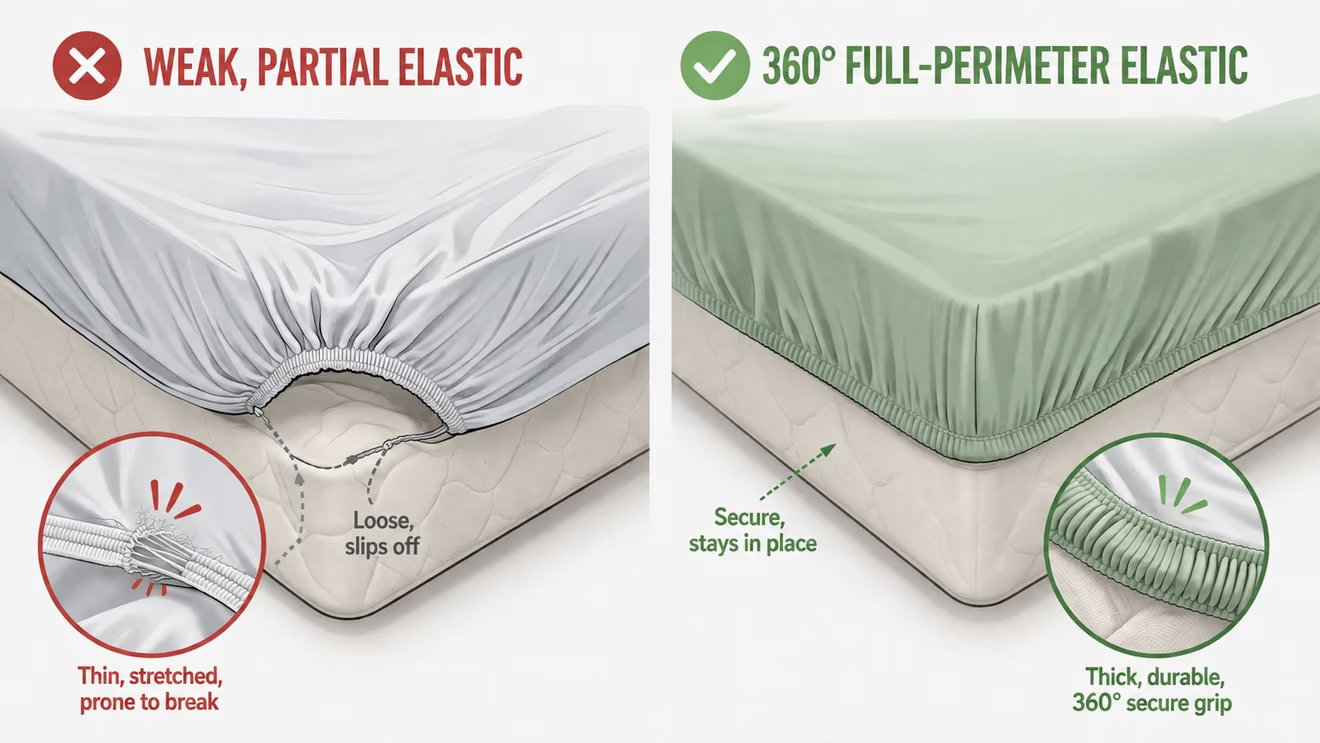
A deep pocket and a flexible fabric can still fail if the elastic system is weak. The best adjustable-bed fitted sheets use full-perimeter 360° elastic, because the tension is spread around the whole hem instead of concentrated at the corners. That matters when the bed raises the head section, since the mattress changes shape and pulls in more than one direction at once.
Corner-only elastic can work on a flat mattress, but it's the first thing to fail when the base starts moving regularly. The corners hold for a while, then the sheet creeps, then the elastic loses grip and the whole fitted piece starts skating around under the sleeper. Full-perimeter elastic keeps the sheet under steady tension, so the corners stay seated even when the geometry changes.
Some sheets also add corner straps or suspender-style grips. Those are worth the extra money for restless sleepers, active adjustable bases, or any setup that gets raised and lowered several times a night. A strap system anchors the sheet more firmly, which can help if the sleeper tosses, turns, or keeps the bed in a partially raised position for long stretches.
A few practical choices stand out:
Choose 360° elastic first: It is the baseline feature that keeps a fitted sheet honest on an articulating bed.
Use corner straps when motion is frequent: They add insurance for sleepers who adjust positions often.
Skip corner-only construction: It saves money upfront and usually costs more frustration later.
The bottom line is simple. If the elastic does not wrap the full edge well, the rest of the sheet's quality doesn't matter much.
How to Measure Your Mattress, Topper, and Base
The cleanest way to shop is to measure the whole sleeping stack, not just the mattress tag. Start with the mattress thickness at the thickest point, especially if there's a pillow-top or Euro top. Then measure any topper separately, because that extra height changes the sheet's job even if the mattress itself hasn't changed.
Next, look at the adjustable base setup and think about motion as part of the measurement. The bed may sit lower or higher in the frame, but the more important issue is how much the shape changes when the head section rises. That's where the extra 2 to 3 inches of buffer comes from, and it's why sheet fit has to be based on the usable shape, not just the flat measurement.
Here's the no-nonsense checklist:
Measure mattress thickness at the highest point.
Measure topper thickness if one is in use.
Add 2 to 3 inches for adjustable articulation and sheet reserve.
Match the final number to pocket depth, not marketing language.
Check fabric stretch if the setup is thick or heavily used.
Mattress Thickness
Topper
Fabric Type
Recommended Pocket Depth
Moderate mattress
None
Stretchy knit or blend
Around 15 inches
Taller mattress
Thin topper
Flexible cotton blend or microfiber
Around 16 to 18 inches
Thick mattress
Substantial topper
Stretch fabric with full elastic
18 inches or more
A topper changes the equation more than most shoppers expect, because it adds comfort height and can make a sheet fit looser at the corners if the pockets are barely deep enough. This guide on what a mattress topper does is a smart companion read before finalizing the sheet size.
The best showroom shoppers bring measurements with them. That way, the conversation stays on fit, not guesswork.
Split King and Dual Adjustable Setups Explained
Split king beds solve a real problem, because two sleepers rarely want the same angle at the same time. On a split adjustable base, each side moves on its own, so the bedding has to work with that separation instead of fighting it. A single king fitted sheet usually struggles on this setup, since the center split changes the way the fabric settles whenever either side rises.
The practical standard is two twin XL fitted sheets. A split king is usually built from two twin XL mattresses placed side by side, and one sizing chart lists the fitted dimensions as (2) 36 inches by 84 inches, which matches that construction. Each side gets its own fitted sheet, and that makes it much easier to keep the corners anchored when one sleeper raises the head section and the other stays flat. For a clear breakdown of the format, our split-king sheet sizing guide spells it out plainly.
Keeping the center clean
The center seam is where people notice a messy bed first, especially if the top layer shifts overnight. A bridging top sheet, or a split top sheet made for the setup, keeps the bed looking tidy while still letting each side move independently. That matters for couples, because dual-adjustable bases can make one side feel like a separate sleeping surface, which is the whole point of the design.
Separate fitted sheets are the fix. A single king sheet tries to serve two moving mattresses, and that is usually where the trouble starts.
For couples who care about motion transfer, sheet choice helps more than people expect. Better-fitting, better-anchored sheets do not solve every movement issue, but they do cut down on loose fabric tugging and bunching that make the bed feel sloppy. On a dual-adjustable setup, neat bedding is not just about looks, it makes the whole system easier to live with.
Who Adjustable Bed Sheets Help Most
The people who get the biggest benefit from good adjustable-bed bedding are the ones using the bed for more than sleeping flat. Seniors often like a raised head position for reading, breathing comfort, or getting in and out of bed with less effort. For them, sheets that stay put save aggravation, especially when changing linens is already a chore.
Caregivers should care about sheet fit too. A well-anchored sheet makes bedding changes smoother, and a setup that doesn't pop off is easier to manage when mobility support is part of daily life. Hot sleepers also have a reason to pay attention, because breathable fabrics and a bed that can raise the upper body can work together to make nighttime feel less stuffy.
Couples are the other big group. One partner may want a flatter position while the other lifts the head and feet, and the bedding has to stay tidy through all of it. In that situation, stretchier fabric and a strong elastic system matter because they help the sheet follow the bed instead of fighting against each movement.
Different users need different priorities:
Seniors: favor easy-on, easy-off sheets with dependable grip.
Caregivers: look for sheets that stay seated through frequent changes.
Couples: choose split-friendly construction and tidy top layering.
Hot sleepers: lean toward breathable fabrics that still flex well.
The best sheet is the one that matches how the bed is used, not how it looks on a folded shelf. Adjustable beds help in a lot of households, but the sheet has to support that daily routine or it becomes another annoyance.
Caring for Your Sheets So They Last
Adjustable-bed sheets work harder than regular sheets, so the care routine matters more than is commonly expected. They get pulled, bent, and washed more often, and that means elastic recovery becomes a real issue over time. High heat is the quickest way to ruin that recovery, especially in blends that rely on stretch fibers to stay snug.
Wash them in the gentlest practical way for the fabric, and avoid scorching the elastic in the dryer. Heat dries the sheet fast, but it also shortens the life of the stretch and makes the fitted corners less dependable. If a sheet uses elastane or another stretch component, treating it like a heavy cotton towel is a mistake.
Rotating between two sets is smart, plain and simple. That gives each set time to recover after washing and reduces the daily wear on the elastic. It also makes it easier to keep the bed made when one set is in the wash. For general replacement timing and upkeep, this sheet-care guide is a useful reference point.
Small habits that pay off
A morning corner-tuck helps more than people think. Straightening the fitted corners before the bed gets heavy use keeps the sheet seated and reduces the slow creep that turns into a full pop-off later. It takes seconds, and it's worth doing.
A simple care checklist keeps the whole process sane:
Use lower heat: Protects elastic and stretch fibers.
Avoid over-drying: Prevents the fabric from baking stiff.
Rotate two sets: Extends the usable life of both.
Re-tuck corners daily: Keeps tension even around the mattress.
Recheck fit after washing: Some fabrics settle differently over time.
The last move is the smartest one, and it's the one many shoppers skip. Bring your measurements, your pocket-depth target, your fabric preference, and your split-king plan when you shop, then compare how a 15-inch pocket feels against an 18-inch pocket in person. That's how a local showroom earns its keep, by letting real people touch real options with no pressure and no guessing.
Ready to get the fit right the first time? Visit BILTRITE Furniture-Leather-Mattresses in Greenfield and talk with our team about adjustable bed sheets, mattress depth, and the right setup for your bed. We'd love to help you compare pockets, fabrics, and split-king options in person so you can leave with sheets that stay put.